


Post Run Recovery: Can Compression Socks Really Help?
Author

Rory Donnelly
Published
February 24 2026
After a long run, your legs often feel heavy, sore, and tight. That post run fatigue is something most runners deal with, whether you are a beginner or training regularly. In recent years, compression socks have become a popular recovery tool, with many athletes claiming they help reduce soreness and speed up muscle recovery. But do they actually make a difference, or is it just a trend? In this blog, we will look at how compression socks work and whether they can genuinely support your post run recovery routine.
Key Takeaways
- Post run recovery is important because it helps repair muscle damage, reduce inflammation, and prepare your body for the next run.
- Compression socks support recovery by improving blood circulation and helping oxygen and nutrients reach tired muscles faster.
- They may reduce swelling, soreness, and stiffness by assisting in the removal of metabolic waste like lactate.
- Wearing them immediately after runs, during extended recovery hours, or even while traveling can enhance their recovery benefits.
- Choosing the right compression level, fit, and breathable material makes a noticeable difference in comfort and recovery support.
Why Post-Run Recovery Matters
Every run places stress on your body. Muscle fibers develop tiny tears, inflammation builds up, and waste products like lactate start to accumulate. The real improvement does not happen during the run. It happens afterward, when your body repairs and rebuilds itself. Skipping or rushing recovery can lead to ongoing fatigue, a higher chance of injury, and slower progress over time.
Good post-run recovery focuses on three things. It helps calm inflammation, supports the removal of metabolic waste, and improves blood flow so nutrients can reach tired muscles. When recovery is handled properly, your body is better prepared for the next run and performance stays consistent. Compression technology supports all of these recovery needs at the same time, which is why many runners rely on it as a practical and time-efficient recovery option.
Can Compression Socks Help in Recovery?
Yes, compression socks can help in recovery. They apply gentle pressure to your legs, which improves blood flow after a run. Better circulation helps deliver oxygen and nutrients to tired muscles and supports faster repair.
They also reduce swelling and help clear waste like lactate, which can lower soreness and stiffness. While they are useful, they work best along with hydration, stretching, and proper rest.
How Post-Run Recovery Compression Socks Work
Here’s how post-run recovery compression socks usually work:
-
Enhanced Venous Return
Post-run recovery compression socks are designed to apply graduated pressure to the legs, usually tighter around the ankle and slightly looser as they move upward. This pressure supports the veins and helps blood travel back toward the heart more efficiently. After a run, blood can pool in the lower legs, which may lead to heaviness or fatigue. By improving venous return, compression socks help maintain healthy circulation. This allows oxygen and nutrients to reach tired muscles faster, supporting quicker recovery.
-
Faster Lactate Clearance
During intense runs, the body produces lactate as muscles work harder than usual. A buildup of lactate is often linked to soreness and fatigue. Compression socks help improve blood flow, which plays a role in clearing out this metabolic waste. When circulation improves, the body can transport lactate away from the muscles more efficiently. This process helps reduce post-run discomfort and supports a smoother recovery phase, especially after long-distance or high-intensity sessions.
-
Reduced Swelling
Swelling in the feet and lower legs is common after running, particularly after long durations or runs on hard surfaces. Compression socks apply steady pressure that limits fluid buildup in the tissues. This helps prevent excessive inflammation and keeps the legs feeling lighter. Reduced swelling also improves overall comfort, making it easier to walk, stretch, or continue with daily activities after a run. Many runners notice that their legs feel less stiff when they use compression gear consistently.
-
Decreased Muscle Oscillation
When you run, your muscles naturally vibrate and move with each foot strike. This repeated oscillation contributes to muscle fatigue and micro damage over time. Compression socks provide gentle stabilization to the muscles, reducing excessive movement. By limiting this vibration, the muscles experience less strain during and after the run. This support can lead to reduced soreness and better muscle recovery, especially for runners who train frequently.
When to Wear Socks for Post-Run Recovery
You can wear compression socks at different times depending on how intense your run was and how your body feels. Here is how runners usually use them for better recovery.
-
Immediately After Your Run
Wearing compression socks right after your run is one of the most common recovery practices. Once you finish, your muscles are already under stress and blood circulation is working harder to repair tissues. Putting on compression socks at this stage helps improve blood flow back to the heart, which may reduce swelling and muscle soreness. It also gives your calves and ankles extra support when they are most fatigued. Many runners keep a pair ready in their gym bag for this reason.
-
Extended Wear (2 to 4 Hours)
You do not have to remove compression socks immediately. Wearing them for two to four hours post-run can continue supporting circulation and muscle recovery. This duration allows your body enough time to stabilise after physical exertion. It is especially useful if you feel tightness in your calves or mild inflammation around the ankles. Just make sure the socks fit properly and do not feel overly restrictive.
-
After Long Runs or Hard Workouts
Compression socks become even more useful after intense training sessions. Long-distance runs, interval training, or hill workouts put extra strain on leg muscles. Wearing compression socks after such sessions may help reduce delayed onset muscle soreness and fatigue. They provide consistent pressure that supports muscle repair and keeps swelling in check. Many endurance runners rely on them as part of their regular recovery routine.
-
During Travel
Traveling after a run or race can slow down recovery, especially during long flights or road trips. Sitting for extended hours may lead to stiffness or swelling in the legs. Wearing compression socks during travel helps maintain circulation and prevents fluid buildup. This keeps your legs feeling lighter and more comfortable even after long periods of sitting. It is a practical step if you are traveling back home after an event.
How to Choose the Right Compression Socks for Recovery
Choosing the right compression socks does not have to be confusing. Here’s what you should look at.
-
Choose an Appropriate Compression Level
The first thing you need to look at is the compression level. Compression socks come in different pressure ranges measured in mmHg. Light compression works well if you just want daily comfort or mild recovery after long hours of standing or walking. Moderate compression is usually preferred for post-workout recovery, travel, or managing mild swelling. Higher compression levels are generally recommended only when prescribed by a medical professional.
If you pick a compression level that is too low, you may not get the recovery support you are looking for. If you go too high without guidance, it can feel uncomfortable. Always match the compression level with your recovery needs and physical condition.
-
Proper Fit and Sizing
Fit plays a huge role in how well compression socks work. Even the best compression level will not help if the sizing is off. Socks that are too tight may restrict circulation and cause discomfort. Socks that are too loose will not provide enough pressure to support recovery.
To get the right size, you should measure your ankle, calf, and sometimes leg length depending on the sock style. Most brands, including Copper Clothing, provide sizing charts that make this process easier. A well-fitted compression sock should feel snug but not painful. It should stay in place without rolling down during movement.
-
Material and Breathability Considerations
Material matters more than most people think. Since compression socks are worn for long hours, the fabric should allow airflow and manage moisture. Breathable materials help prevent sweat build-up, skin irritation, and odor.
Look for blends that include nylon, spandex, or moisture-wicking fibers. These materials maintain compression while still feeling comfortable on the skin. If you plan to wear them during workouts or travel, lightweight and sweat-resistant fabrics will make a noticeable difference in comfort and recovery.
Give your legs the comfort they deserve.
Try Copper Compression Socks todayClosing Thoughts
Post-run recovery is all about giving your muscles the support they need to repair and come back stronger. Compression socks can play a helpful role here by improving circulation, reducing swelling, and easing soreness after intense runs. While they are not a replacement for hydration, stretching, or proper sleep, they do add an extra layer of recovery support. If you are looking for a simple way to help your legs feel lighter and more refreshed after every run, compression socks are worth considering as part of your routine.
Frequently Asked Questions (FAQs)
-
How soon after running should I put on compression socks?
Ideally within 30 minutes after your run. Early compression helps support blood flow and manage post-run swelling.
-
Can I sleep in compression socks after a run?
It is generally better to remove compression socks before sleeping. Your body needs unrestricted circulation during rest. Wearing them for 2 to 4 hours after your run is usually enough for recovery. If you are thinking about overnight use, it is safer to consult a healthcare professional first.
-
Are compression socks or sleeves better for recovery?
Both work well for recovery. Compression socks give full coverage including the feet, which adds extra support. Calf sleeves focus only on the lower leg and allow more flexibility if you want to stay barefoot or wear sandals. The choice mostly depends on your comfort and how you plan to recover.
-
Do I need different compression levels for recovery versus running?
A 20 to 30 mmHg graduated compression level works well for both running and recovery. Some runners prefer lighter compression for longer recovery wear since it feels more relaxed. It comes down to personal comfort and how long you plan to keep them on.
-
Should I wear compression after every run?
Compression can support recovery after any run, but it becomes more useful after long runs, speed sessions, races, or back to back training days. For shorter or easy runs, it is optional. Many runners still use them regularly as part of their routine.
-

How to Recover After a Marathon
September 24, 2026
-

Walking vs Running: Which Is Better for You?
September 18, 2026
-

Compression Socks for Flat Feet: Do They Rea...
September 11, 2026
-

Travel Essentials for Women: The Ultimate Pa...
September 08, 2026
-

Should you wash new sheets before using them?
August 27, 2026


Popular Products
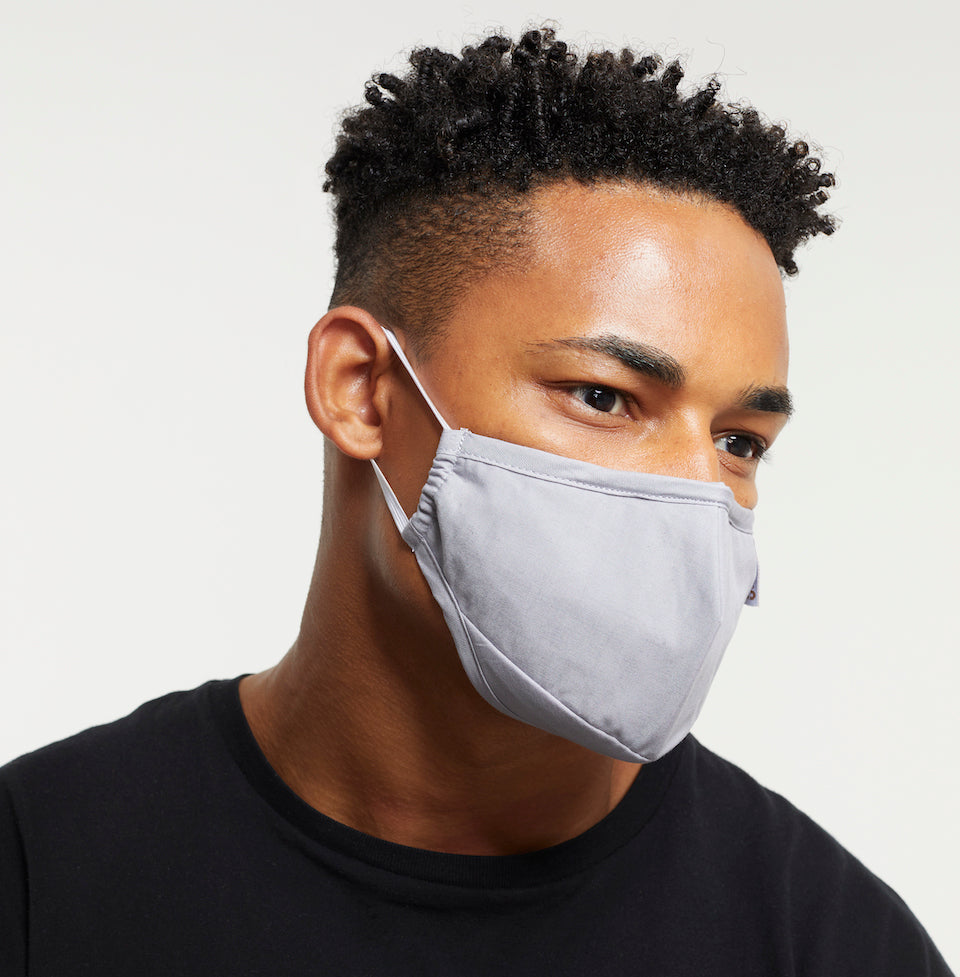
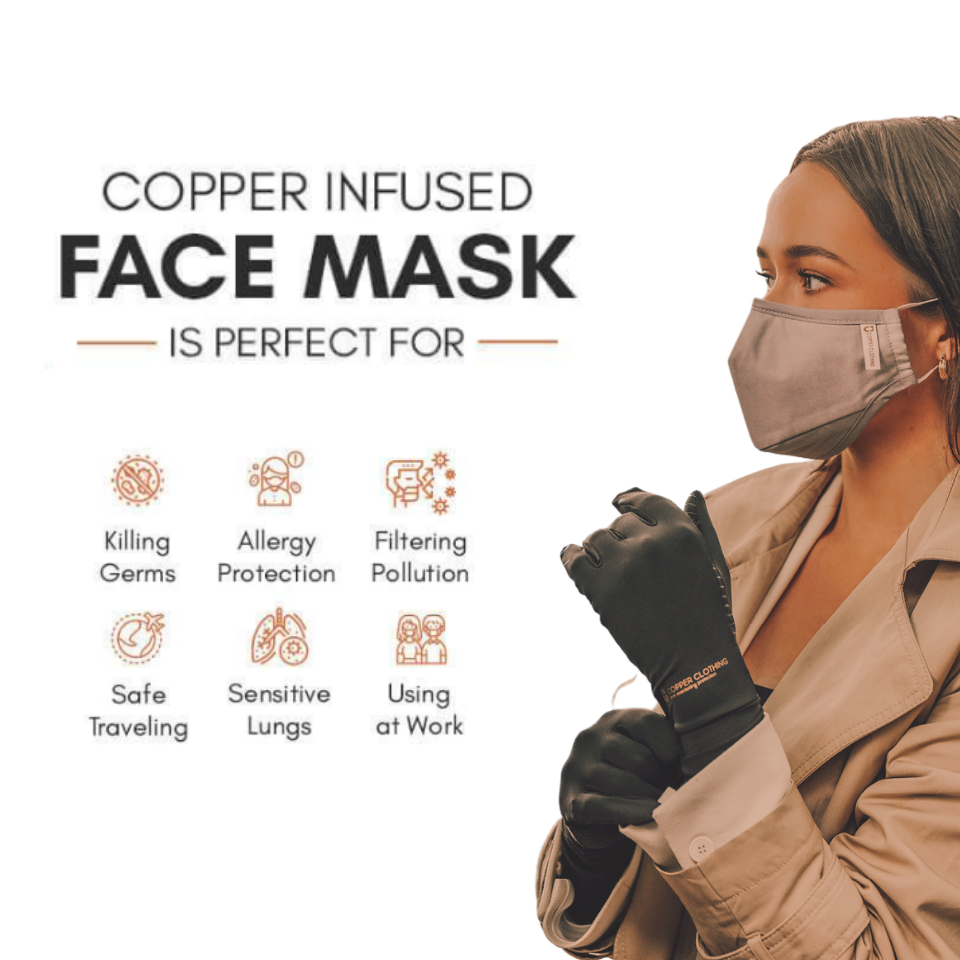
FFP2 CE Four-Layer Copper Infused Face Mask
- Four layers of protection
- Comfortable & washable
- Sale price
- £22.99
- Regular price
- £22.99
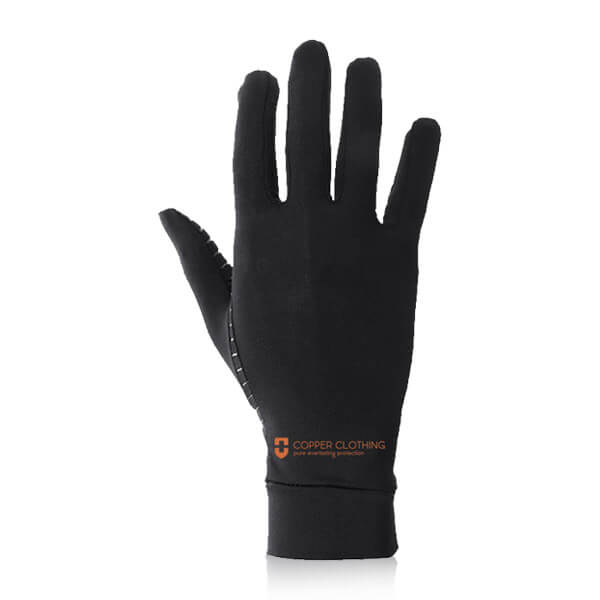
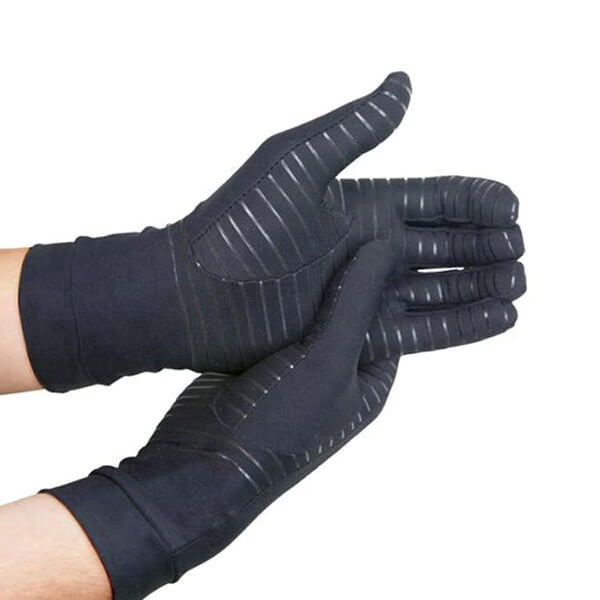
Full Finger Gloves (Copper Gloves)
- Ultimate comfort & flexibility
- Provides warmth and comfort for hands
- Washable
- Sale price
- £22.99
- Regular price
- £22.99
Men’s Copper Boxer Shorts – Soft, Breathable Underwear for Everyday Comfort
- Soft cotton & bamboo blend
- Breathable & lightweight feel
- Stretch comfort for daily movement
- Sale price
- £9.99
- Regular price
- £9.99
Short Compression Copper Infused Socks
- Breathable Compression Fabric, Comfortable & Durable
- 8 - 15mmHg of Compression
- Best socks for long flights and journey
- Sale price
- £12.99
- Regular price
- £12.99
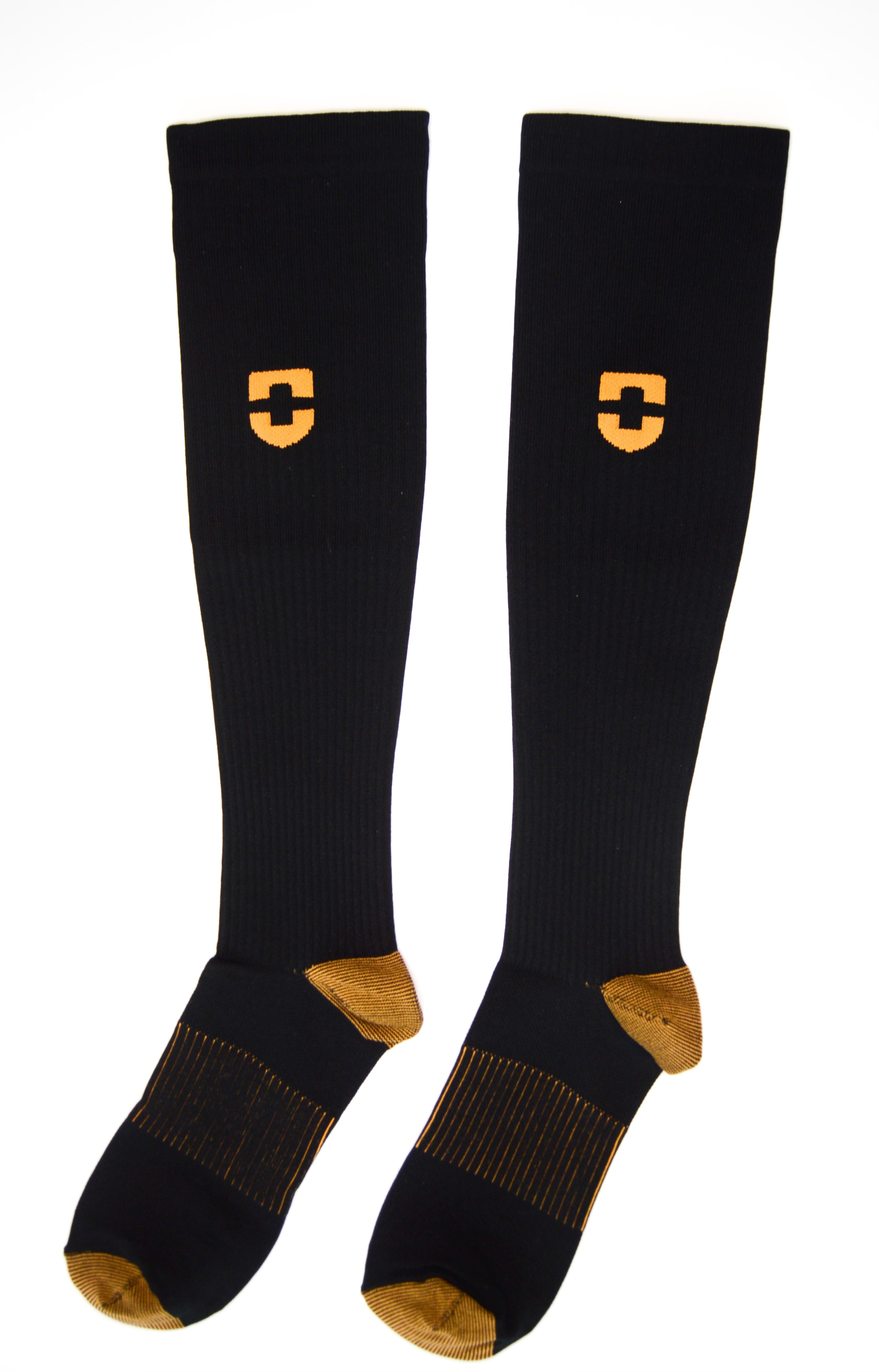
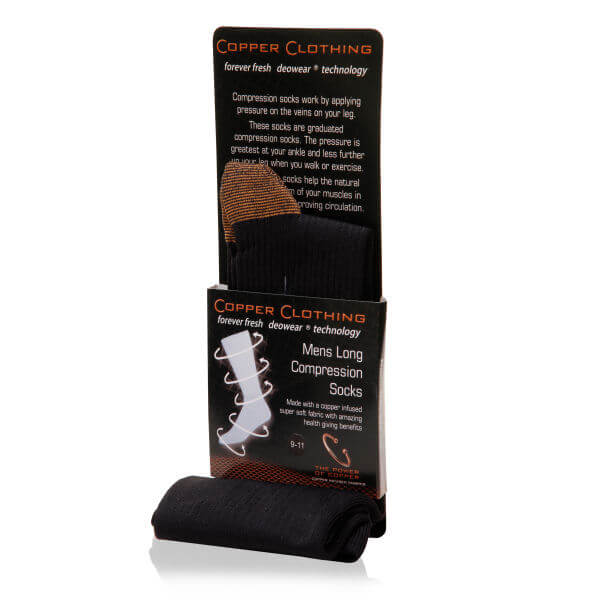
Long Copper Infused Compression Socks
- Breathable Compression Fabric, Comfortable & Durable
- 8 - 15mmHg of Compression
- Best socks for long flights and journey
- Sale price
- £15.99
- Regular price
- £15.99
Ladies Copper Infused Pyjamas
- Luxuriously Soft Cotton & Bamboo
- Ideal for daily wear
- Sale price
- £49.99
- Regular price
- £49.99
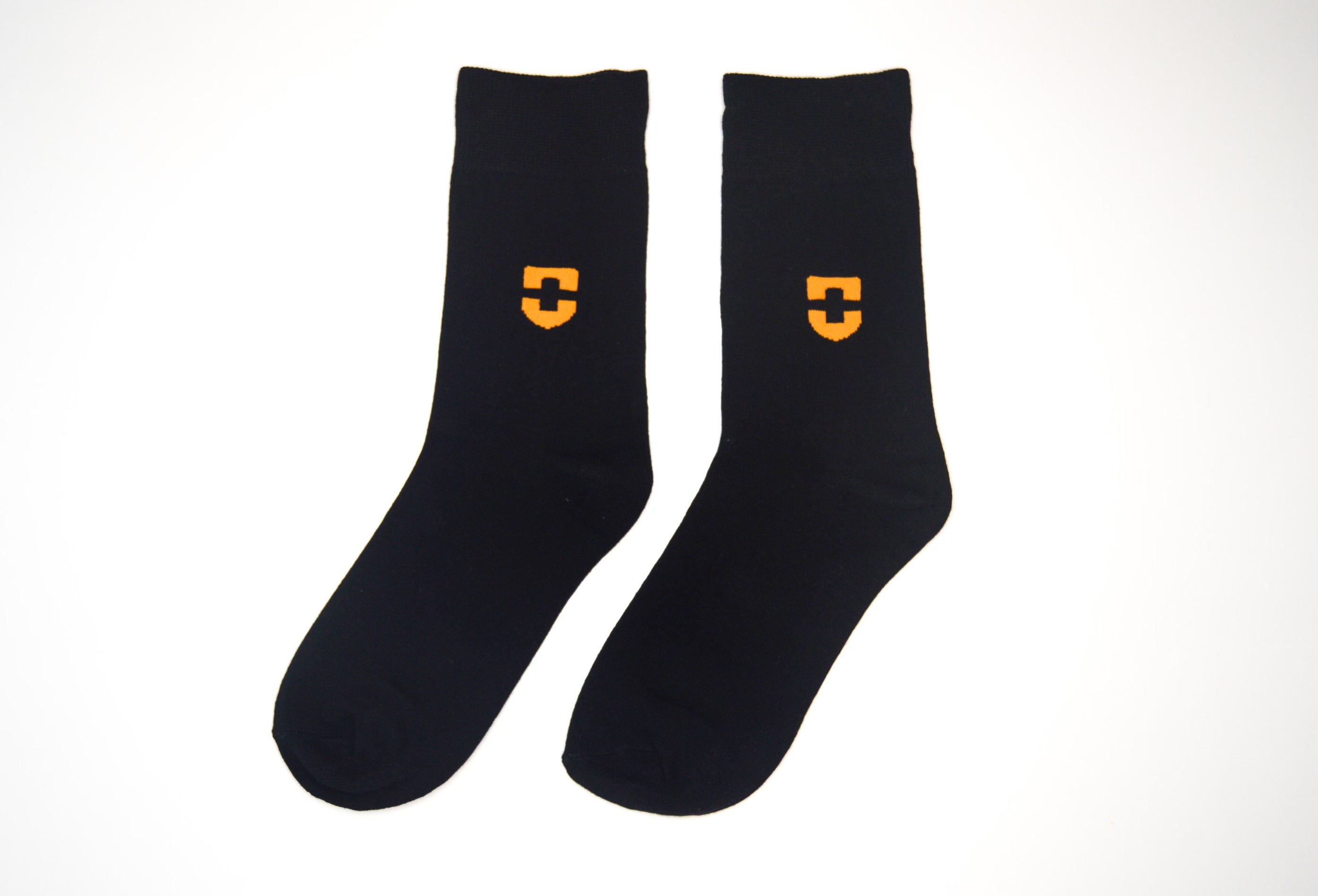
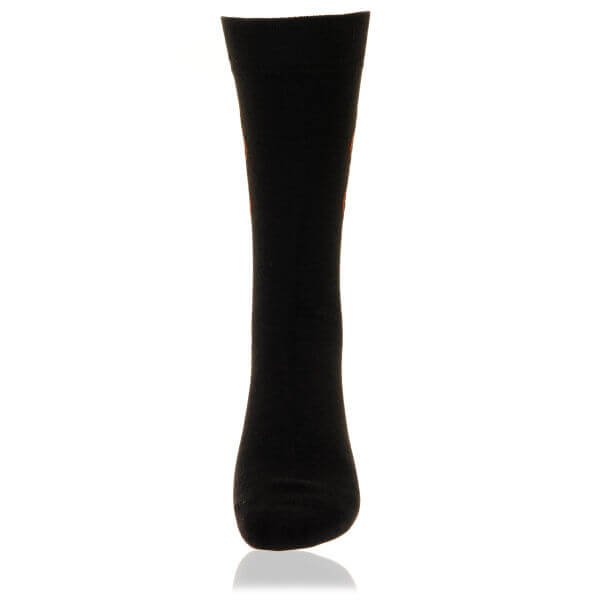
Everyday Copper Socks – Soft, Breathable Socks for Daily Comfort
- Soft & breathable fabric
- Comfortable for long-hour wear
- Lightweight everyday fit
- Sale price
- £9.99
- Regular price
- £9.99
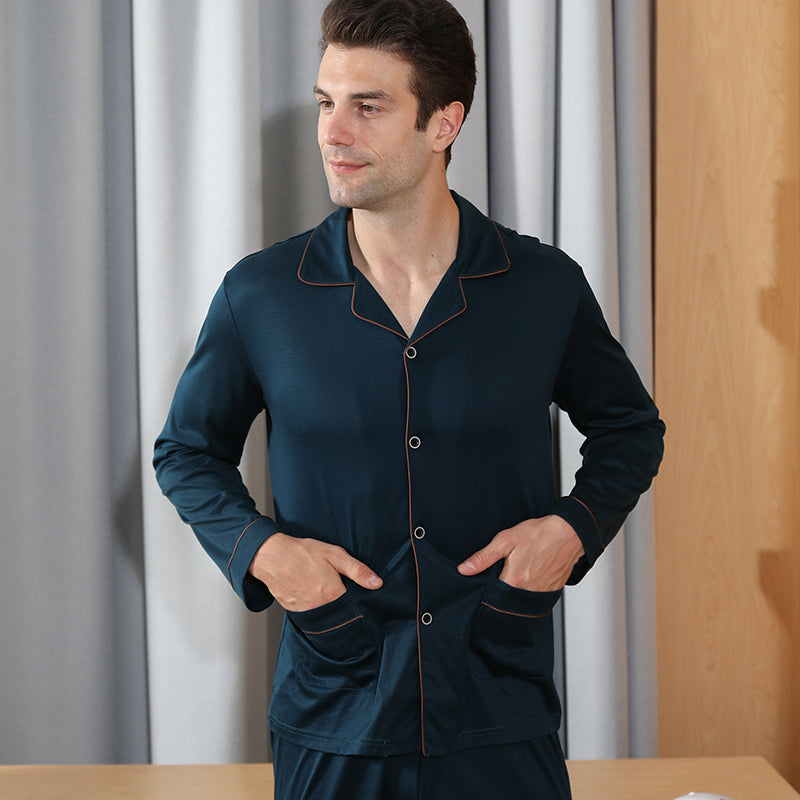
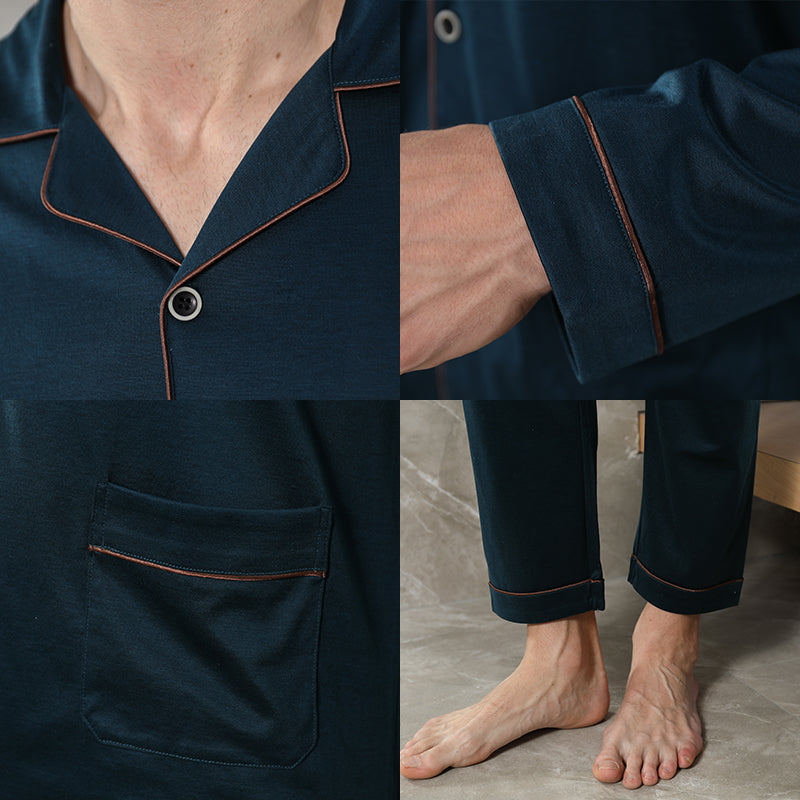
Mens Copper Infused Pyjamas
- Luxuriously Soft Cotton & Bamboo
- Promotes Healthier & Softer Skin
- Sale price
- £54.99
- Regular price
- £54.99
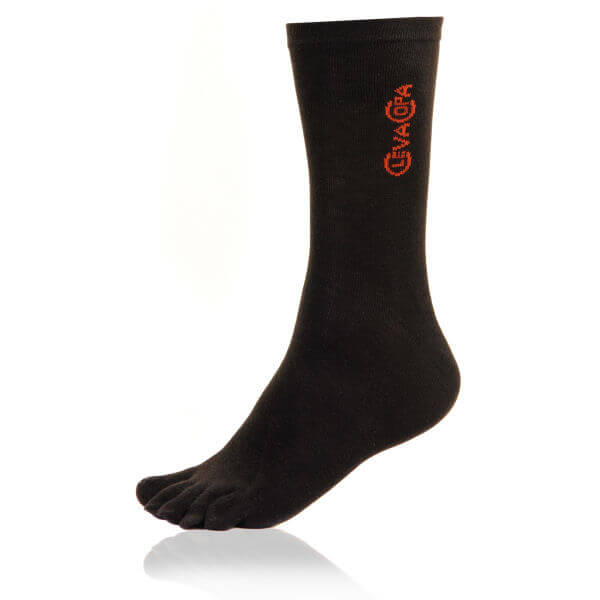
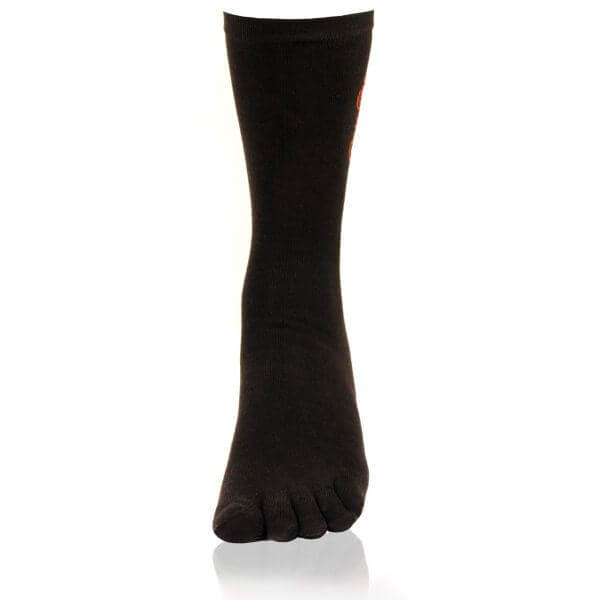
Copper Infused Five Toe Socks
- Promotes Softer Healthier Feet
- Completely Seamless
- Best for long journey and flights
- Sale price
- £14.99
- Regular price
- £14.99
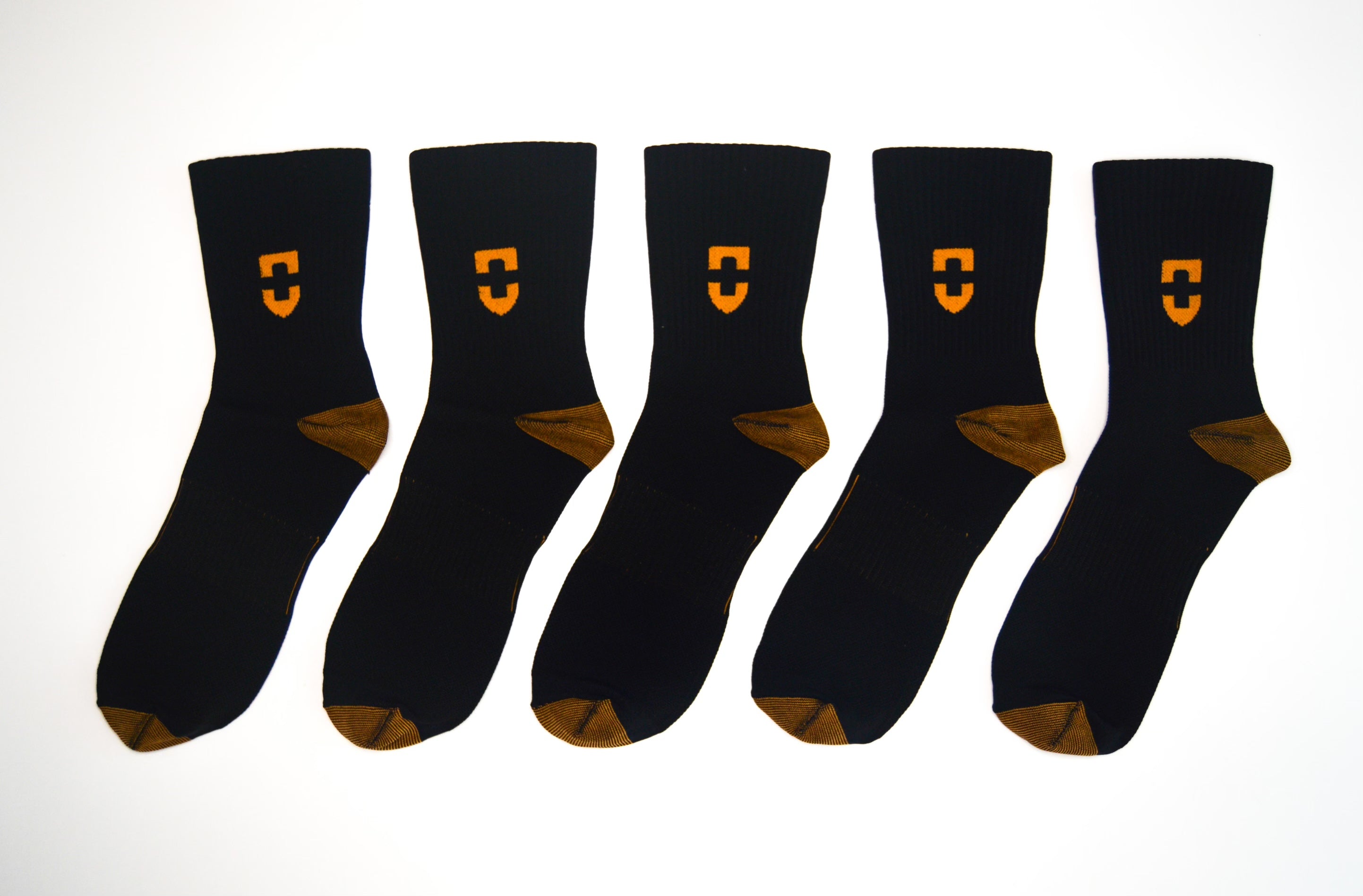
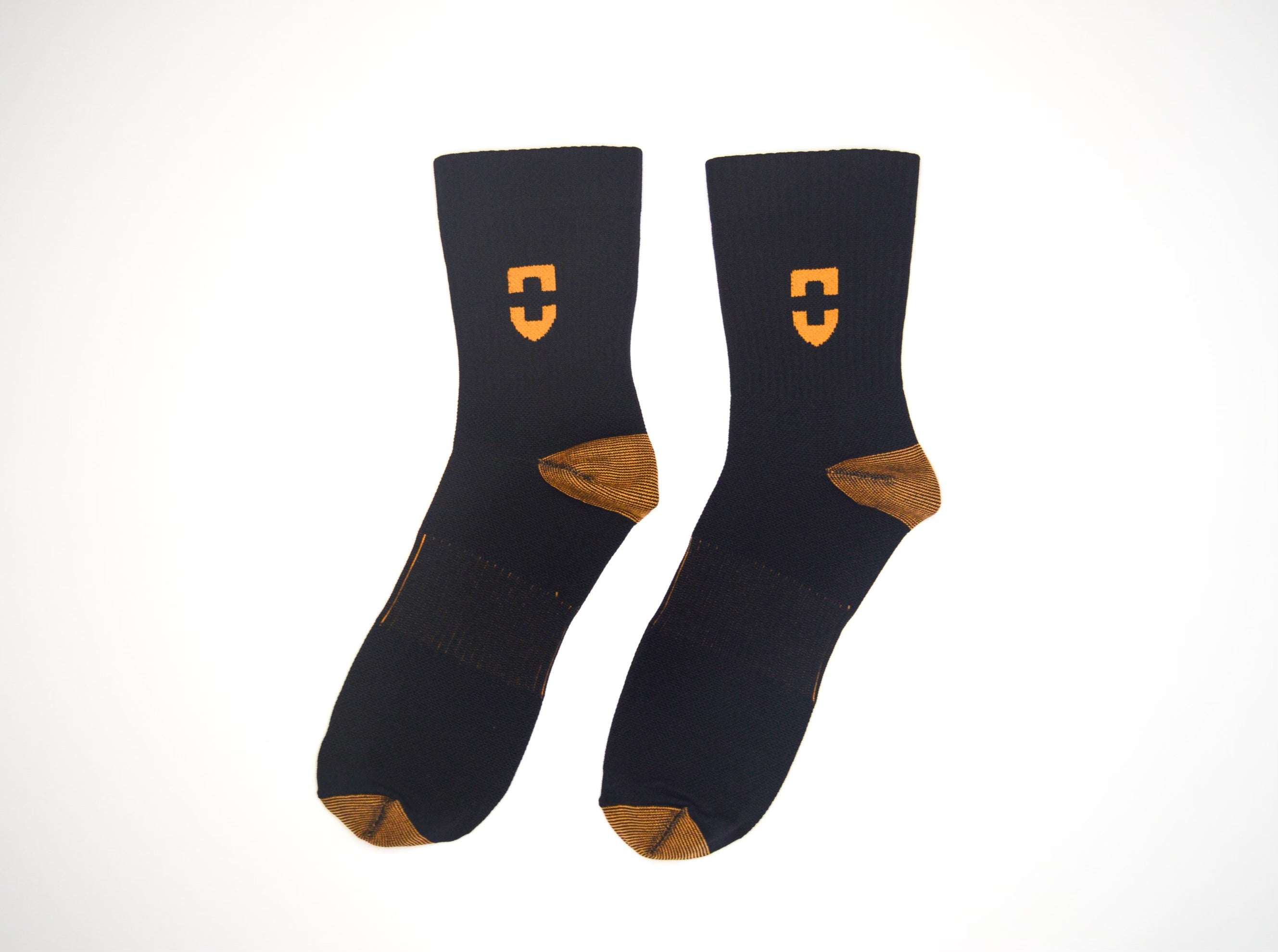
5-Pack Short Compression Copper Infused Socks
- Breathable Compression Fabric & Comfortable
- 8-15mmHg of Compression
- Best socks for long flights and travel
- Sale price
- £59.95
- Regular price
- £64.95
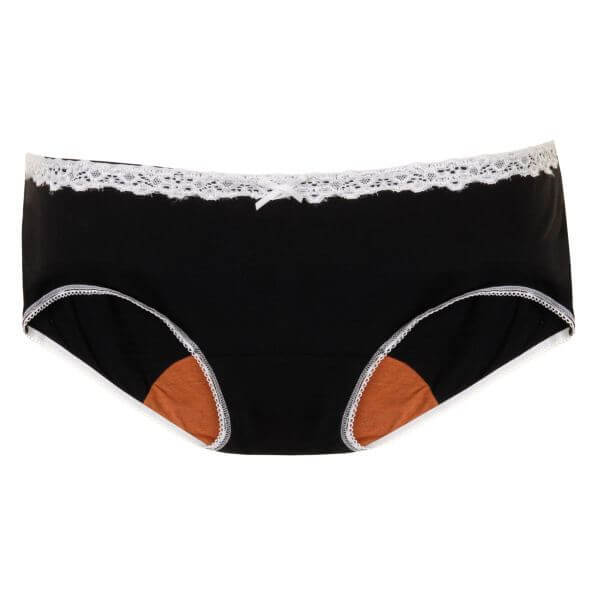
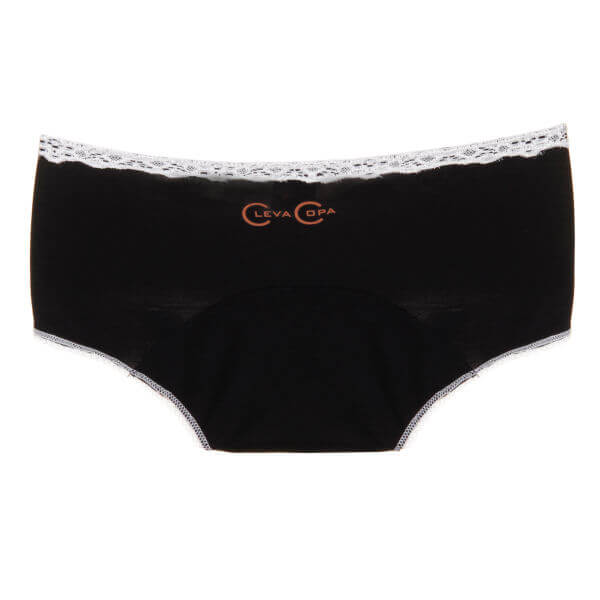
Womens Copper Infused Briefs
- Soft cotton & bamboo blend
- Breathable lightweight feel
- Flexible everyday comfort
- Sale price
- £9.99
- Regular price
- £9.99
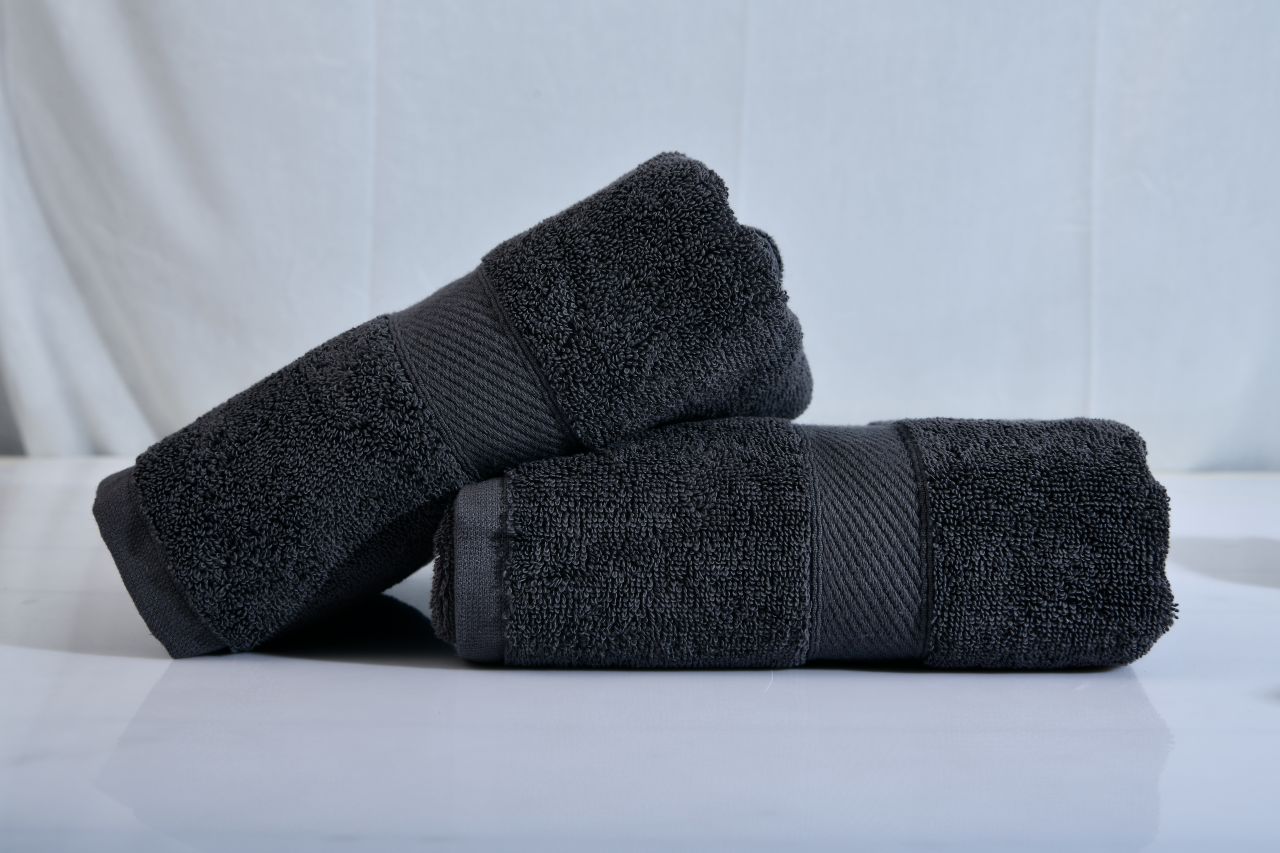
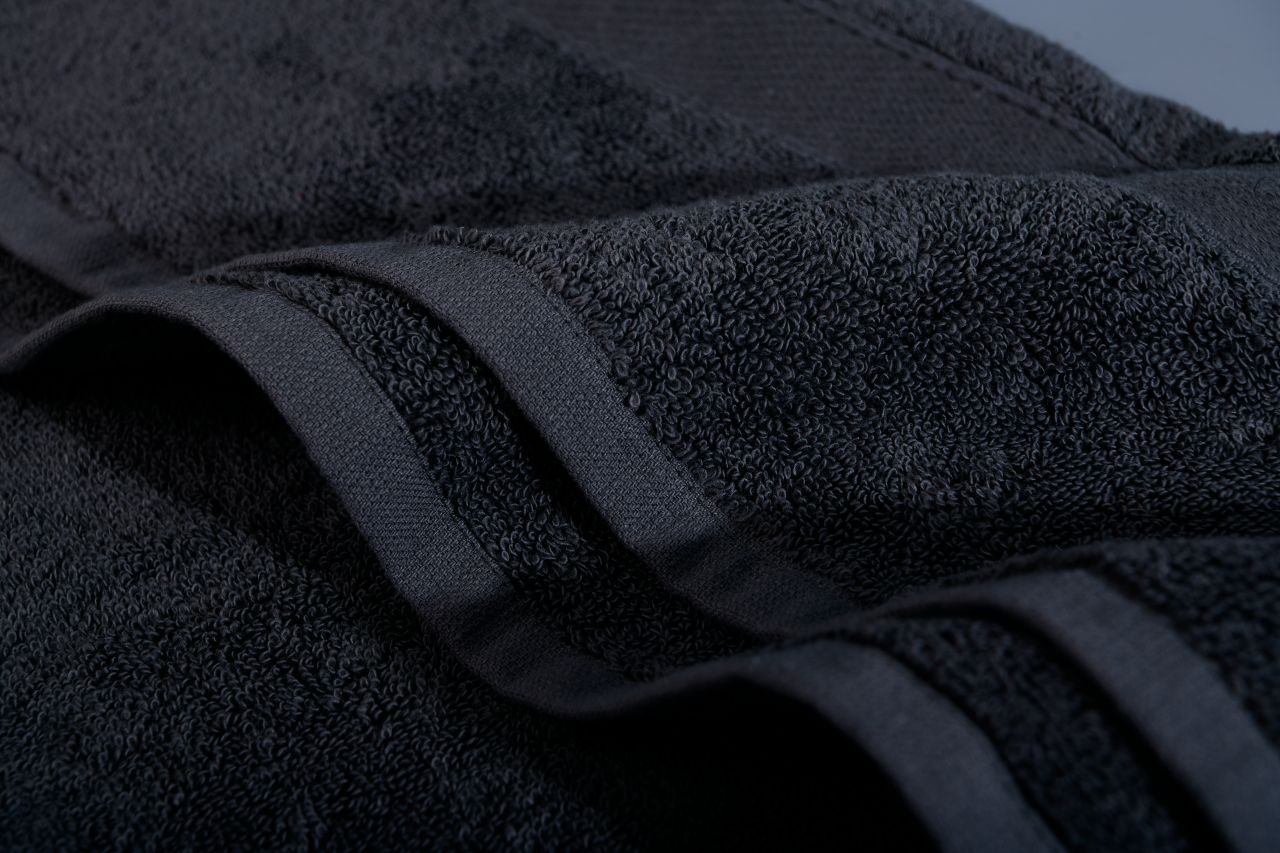
Copper Infused Bath & Gym Towel — 500 GSM Premium Cotton
- 500 GSM Cotton Cloth
- Soft & Premium
- Lightweight & Durable
- Child and Pet-Friendly
- Sale price
- £19.99
- Regular price
- £19.99

