


Microfiber vs Cotton Towels: Which One Should You Choose?
Author

Rory Donnelly
Published
July 14 2026
Choosing a towel sounds simple until you start looking at the different materials available. Cotton has been the go-to choice for years, while microfiber has become popular among gym goers, travellers, and fitness enthusiasts. Both promise to dry you quickly, but they don't perform the same way in everyday use. In this guide, we'll look at what cotton and microfiber towels are, where each one performs well, and how to decide which option suits your lifestyle best.
Understanding Cotton Towels

Cotton towels have been a household essential for generations. They're made from natural cotton fibres that are woven together to create a soft, absorbent fabric. Whether it's the towel hanging in your bathroom or the one you pack for a beach holiday, there's a good chance it's made from cotton.
One reason cotton has remained so popular is that it simply feels comfortable. It absorbs water well, feels gentle against the skin, and becomes even softer with regular use when cared for properly. From everyday showers to drying your hands in the kitchen, cotton towels fit naturally into almost every part of the home.
Why Cotton Towels Remain a Favourite
Here’s a closer look at why cotton towels remain a favourite among households:
1. Exceptional Absorbency
One of cotton's biggest strengths is how much water it can absorb. Instead of just wiping moisture from the surface of your skin, a good cotton towel draws it into the fibres, helping you dry off quickly after a shower or swim. Thick cotton towels are especially good at soaking up large amounts of water without feeling uncomfortable to use.
2. Soft and Comfortable
Few fabrics feel as familiar as cotton. A quality cotton towel has a warm, plush feel that many people associate with comfort. If you enjoy wrapping yourself in a soft towel after a long shower, cotton is difficult to beat.
3. Highly Breathable
Cotton is a naturally breathable material. Air moves through the fibres more easily than many synthetic fabrics, making the towel feel less sticky against your skin. This also helps create a more comfortable experience in warm weather.
4. Natural Material
Unlike synthetic towels, cotton comes from a natural plant fibre. Many people prefer natural fabrics because they feel gentle on the skin and don't have the smooth, synthetic texture that some man-made materials do.
5. Long Lasting with Proper Care
A well-made cotton towel can last for years. Washing it correctly, avoiding excessive fabric softener, and drying it properly all help preserve its softness and absorbency over time. While every towel eventually wears out, cotton is known for holding up well with regular household use.
6. Versatile for Everyday Life
Cotton towels work almost anywhere. They're equally useful after a shower, at the swimming pool, on holiday, or even in the kitchen. Instead of buying different towels for every situation, many people find that cotton covers most of their daily needs.
7. Available in Different GSM Options
If you've ever shopped for towels, you've probably come across the term GSM, which stands for grams per square metre. A lower GSM towel is lighter and dries faster, while a higher GSM towel feels thicker and more luxurious. Having different GSM options means you can choose a towel that matches your own preferences rather than settling for a one-size-fits-all approach.
Why Microfiber Towels Have Become So Popular?

Cotton may still be the traditional choice, but microfiber towels have built a strong following over the last few years. They're made from ultra-fine synthetic fibres, usually a blend of polyester and polyamide, that are woven differently from natural cotton.
Instead of focusing on softness and thickness, microfiber is designed with practicality in mind. The fibres are incredibly fine, allowing the towel to lift moisture from your skin while remaining light enough to fold into a backpack or gym bag. That's one of the reasons you'll often see microfiber towels used for travel, sports, hiking, and fitness.
What Makes Microfiber Towels Different?
Here’s what makes microfiber towels stand out:
1 Quick Drying Performance
Microfiber towels dry much faster than traditional cotton towels. Since they don't hold as much water within the fabric, they are often ready to use again in a relatively short time.
2. Lightweight Construction
Even larger microfiber towels weigh surprisingly little. That makes them easy to carry without adding much extra weight to your luggage or gym bag.
3. Compact Storage
Microfiber folds down into a much smaller size than a similarly sized cotton towel. If you're short on space while travelling or camping, this can be a real advantage.
4. Durable Synthetic Fibres
The synthetic fibres are designed to handle frequent use. With proper care, microfiber towels maintain their shape well, although the fibres may gradually become less effective after years of heavy use.
5. Low Lint Production
Unlike some cotton towels that may shed loose fibres when they're new, microfiber produces very little lint, making it useful in situations where cleanliness matters.
6. Ideal for Travel
If you're constantly on the move, microfiber is hard to ignore. It packs small, dries quickly, and is ready to be used again without taking up much room in your bag.
Microfiber vs Cotton Towels: What's the Difference?
Both towels can do the same basic job, but they go about it in very different ways. The right choice depends on what matters most to you. If comfort is your priority, cotton usually comes out ahead. If saving space and drying quickly matter more, microfiber has an advantage.
|
Feature |
Microfiber Towels |
Cotton Towels |
|---|---|---|
|
Material |
Made from a blend of synthetic fibres like polyester and polyamide. |
Made from natural cotton fibres that come from the cotton plant. |
|
Feel & Comfort |
Smooth and soft, but some people find it slightly clingy when wiping wet skin. |
Plush, warm, and comfortable. It has the familiar feel most people expect from a bath towel. |
|
Water Absorption |
Pulls water off your skin quickly, but reaches its limit sooner than thick cotton. |
Absorbs a larger amount of water, making it ideal after showers or swimming. |
|
Drying Time |
Dries surprisingly fast, making it convenient for repeated use throughout the day. |
Takes longer to dry, especially if it's thick or the weather is humid. |
|
Breathability |
Less breathable because of its synthetic fibres. |
Naturally breathable, which makes it feel more comfortable during everyday use. |
|
Weight |
Very light and easy to carry, even in larger sizes. |
Heavier than microfiber, especially towels with a higher GSM. |
|
Durability |
Holds up well with regular use, but the fine fibres can gradually wear down over time. |
A quality cotton towel can last for years when washed and dried properly. |
|
Maintenance |
Usually needs cooler wash settings and should be washed without fabric softener to maintain performance. |
Simple to care for. Most cotton towels can be machine washed and tumble dried without much effort. |
|
Odour Resistance |
Dries quickly, so it is less likely to stay damp for long periods. |
If left wet after use, it can develop that familiar musty smell between washes. |
|
Environmental Impact |
Made from synthetic materials that aren't biodegradable and may release microplastics during washing. |
A natural fibre that eventually biodegrades, although conventional cotton farming uses significant water unless organically grown. |
|
Best Use Cases |
Great for travelling, camping, gym sessions, sports, or situations where space is limited. |
Best suited for everyday bathing, home use, families, and anyone who values comfort. |
|
Cost |
Usually sits in the mid price range depending on the brand and quality. |
Available across almost every budget, from basic household towels to luxury premium collections. |
Which Is Better: Cotton or Microfiber?
The honest answer is that there isn't one winner for everyone. It depends on how you plan to use your towel.
-
Choose cotton if your priority is comfort. It feels softer against the skin, absorbs plenty of water, and gives you that cosy feeling after every shower.
-
Choose microfiber if you're always travelling or heading to the gym. It's lightweight, packs into a small space, and dries much faster between uses.
-
If you have sensitive skin, many people find natural cotton more comfortable because it has a softer, warmer feel than synthetic fibres.
-
If storage space is limited, microfiber makes more sense since it folds down much smaller than a thick cotton towel.
-
If you're looking for a towel that can become part of your daily bathroom routine for years, a well-made cotton towel is usually the better long-term investment.
Neither is perfect on its own. Cotton can get musty. Microfiber can feel clinical. Which brings us to the option that solves both.
Why Copper-Infused Cotton Towels Offer the Best of Both

What if you didn't have to choose between the comfort of cotton and the freshness people often associate with microfiber?
That's exactly where copper-infused cotton towels come in.
Traditional cotton is incredibly comfortable, but it has one common drawback. After use, the fibres stay damp for longer, especially if the towel is left hanging in a bathroom with poor ventilation. That damp environment allows bacteria to grow, which is usually what causes towels to develop an unpleasant smell over time.
Microfiber tackles this problem by drying quickly. Copper-infused cotton takes a different approach.
Instead of relying only on faster drying, copper ions are permanently integrated into the cotton fibres during manufacturing. They are not sprayed onto the surface or added as a temporary treatment that disappears after a few washes. Because the copper becomes part of the fabric itself, its antimicrobial properties remain built into the towel.
Here's how the three compare.
|
Feature |
Microfiber |
Cotton |
Copper Infused Cotton |
|---|---|---|---|
|
Antimicrobial Properties |
No |
No |
Yes, thanks to permanently infused copper ions. |
|
Durability |
Good, although fibres gradually wear with heavy use. |
Long-lasting with proper care. |
Maintains the durability of cotton while keeping the copper integrated into the fibres. |
|
Odour Resistance |
Dries quickly, which helps reduce lingering moisture. |
More likely to develop a musty smell if left damp. |
Copper helps control the bacteria responsible for unpleasant odours, keeping the towel fresher between washes. |
|
Breathability |
Lower because of synthetic fibres. |
Naturally breathable. |
Maintains the same breathable comfort as premium cotton. |
|
Skin Benefits |
No additional skin-related benefits. |
Gentle and comfortable for daily use. |
Combines the comfort of cotton with copper, a material known for supporting skin-friendly hygiene. |
The Copper Clothing anti-microbial bath and gym towel takes this idea a step further. Made from premium 500 GSM cotton, it delivers the thick, soft feel most people expect from a quality towel while using permanently infused copper ions to help keep it fresher between washes.
Experience the Comfort of Copper-Infused Cotton
Closing Thoughts
Cotton and microfiber both have their place. One focuses on comfort while the other is built for convenience. Neither is a bad choice, but each comes with compromises that become noticeable over time.
If you're looking for something that combines the softness of cotton with added freshness for everyday use, copper-infused cotton offers a practical middle ground. You still get the absorbency and comfort that people love about cotton, along with technology that helps your towel stay fresher between washes. For many households, that's a combination worth having.


Popular Products
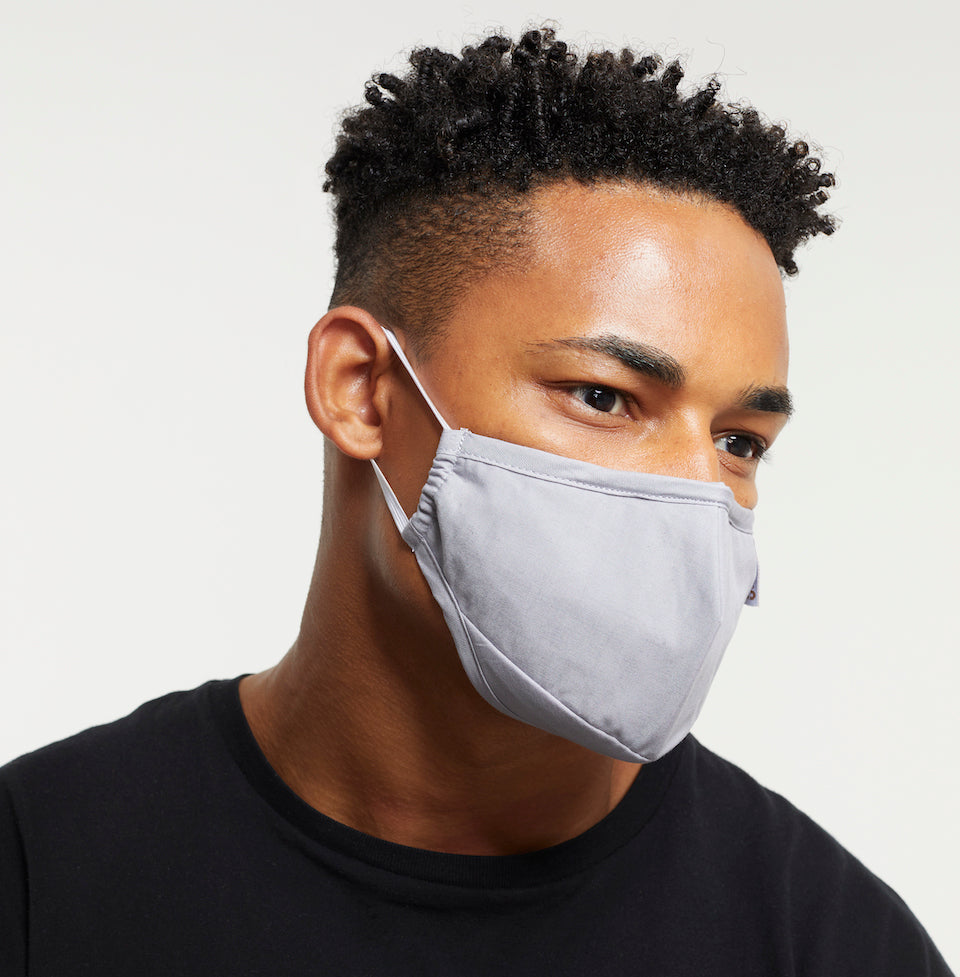
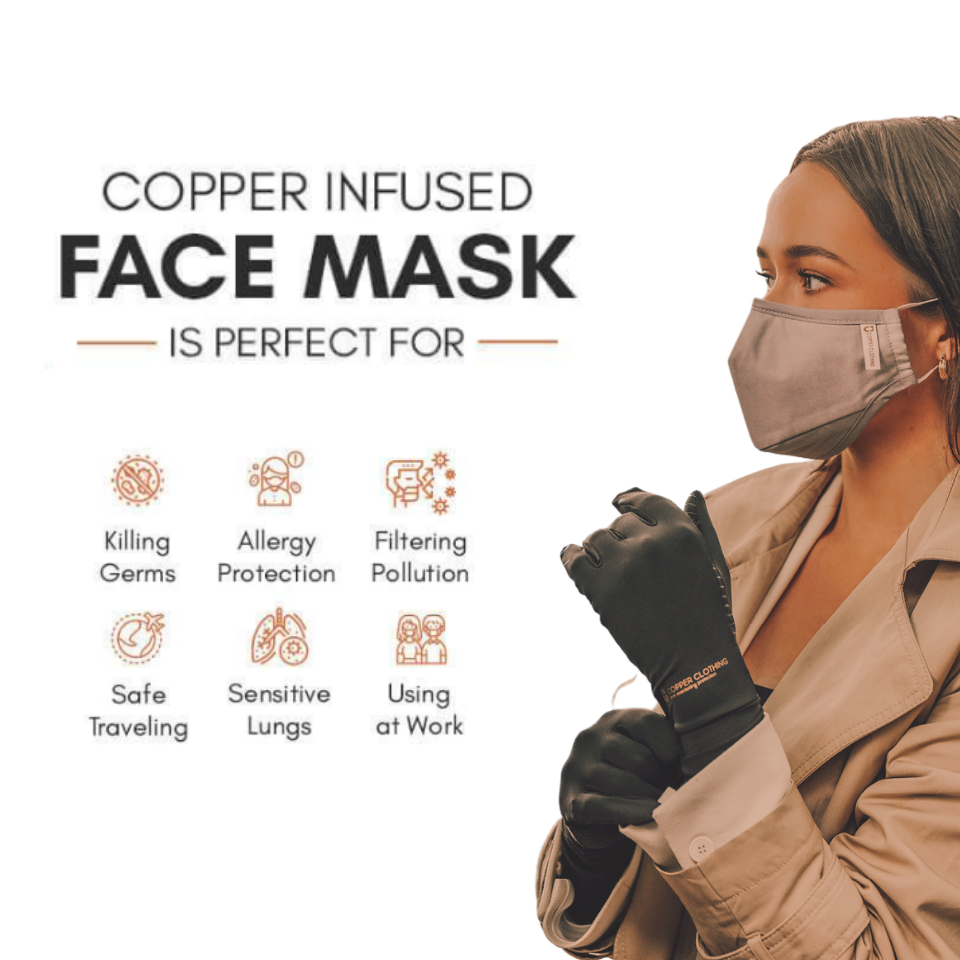
FFP2 CE Four-Layer Copper Infused Face Mask
- Four layers of protection
- Comfortable & washable
- Sale price
- £22.99
- Regular price
- £22.99
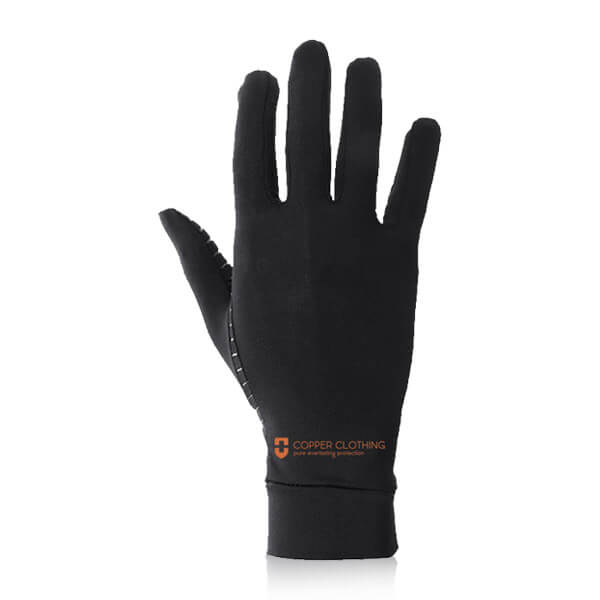
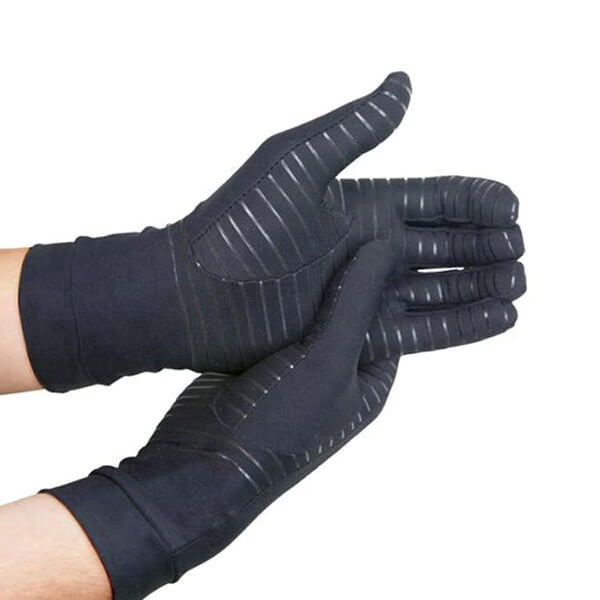
Full Finger Gloves (Copper Gloves)
- Ultimate comfort & flexibility
- Provides warmth and comfort for hands
- Washable
- Sale price
- £22.99
- Regular price
- £22.99
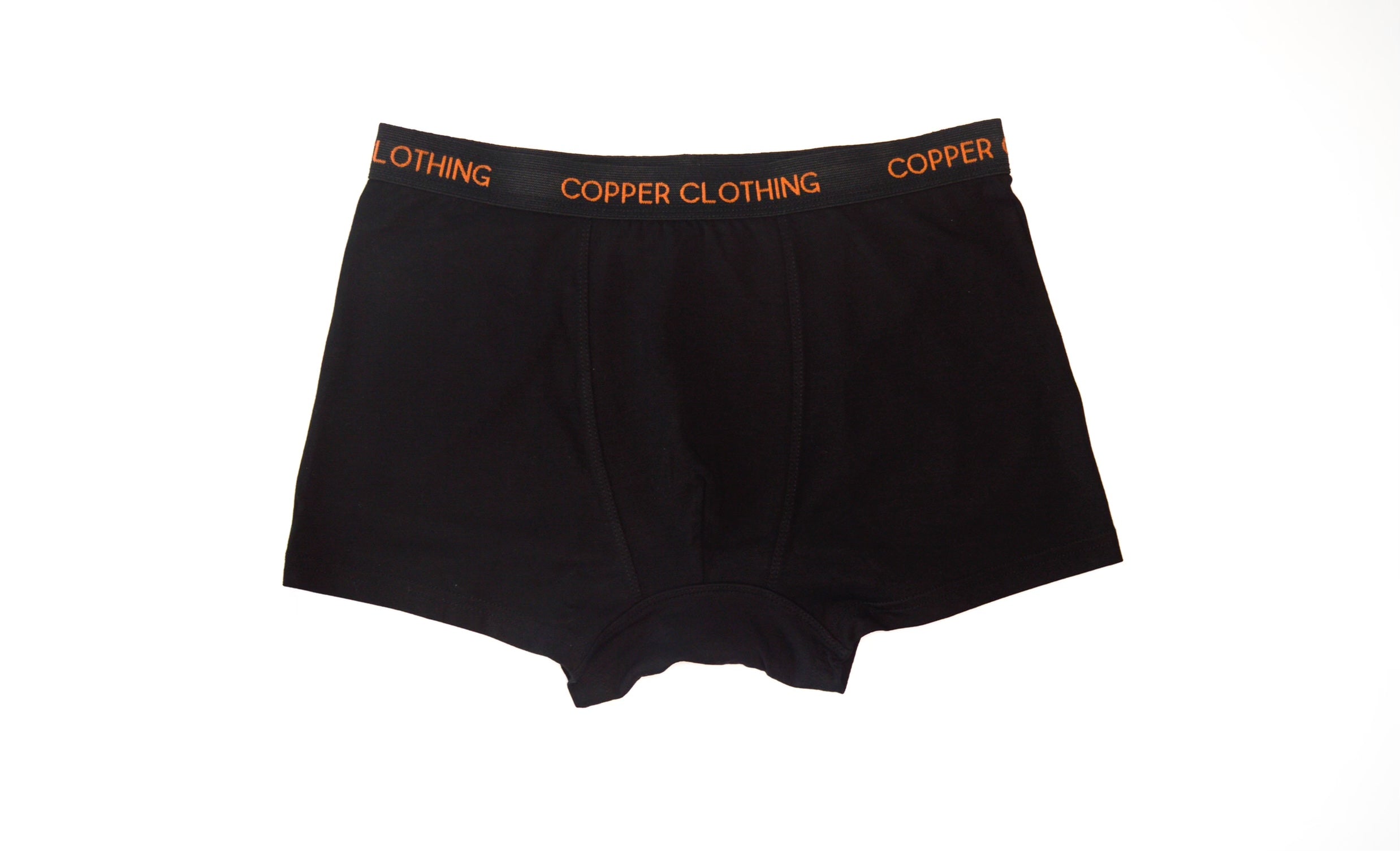
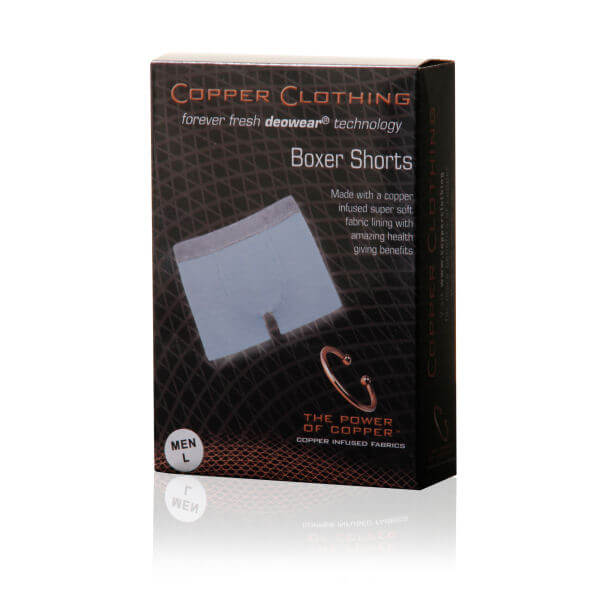
Men’s Copper Boxer Shorts – Soft, Breathable Underwear for Everyday Comfort
- Soft cotton & bamboo blend
- Breathable & lightweight feel
- Stretch comfort for daily movement
- Sale price
- £9.99
- Regular price
- £9.99
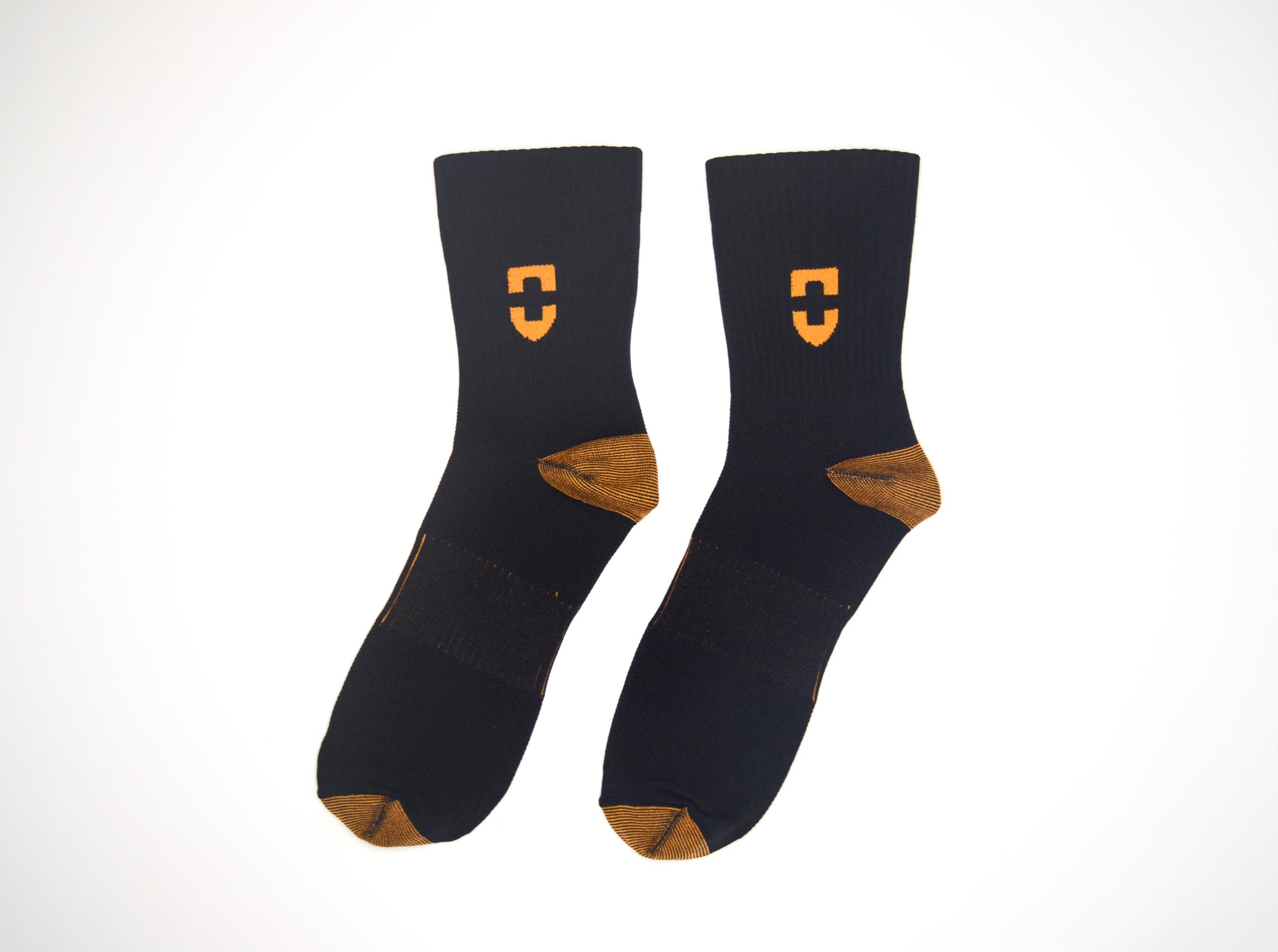
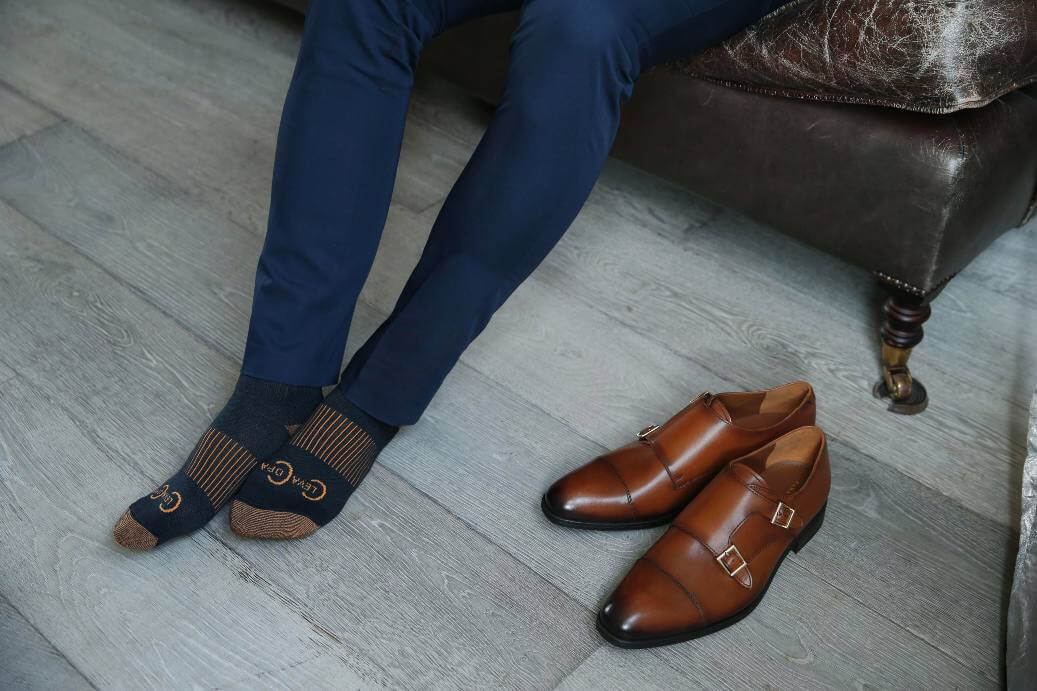
Short Compression Copper Infused Socks
- Breathable Compression Fabric, Comfortable & Durable
- 8 - 15mmHg of Compression
- Best socks for long flights and journey
- Sale price
- £12.99
- Regular price
- £12.99
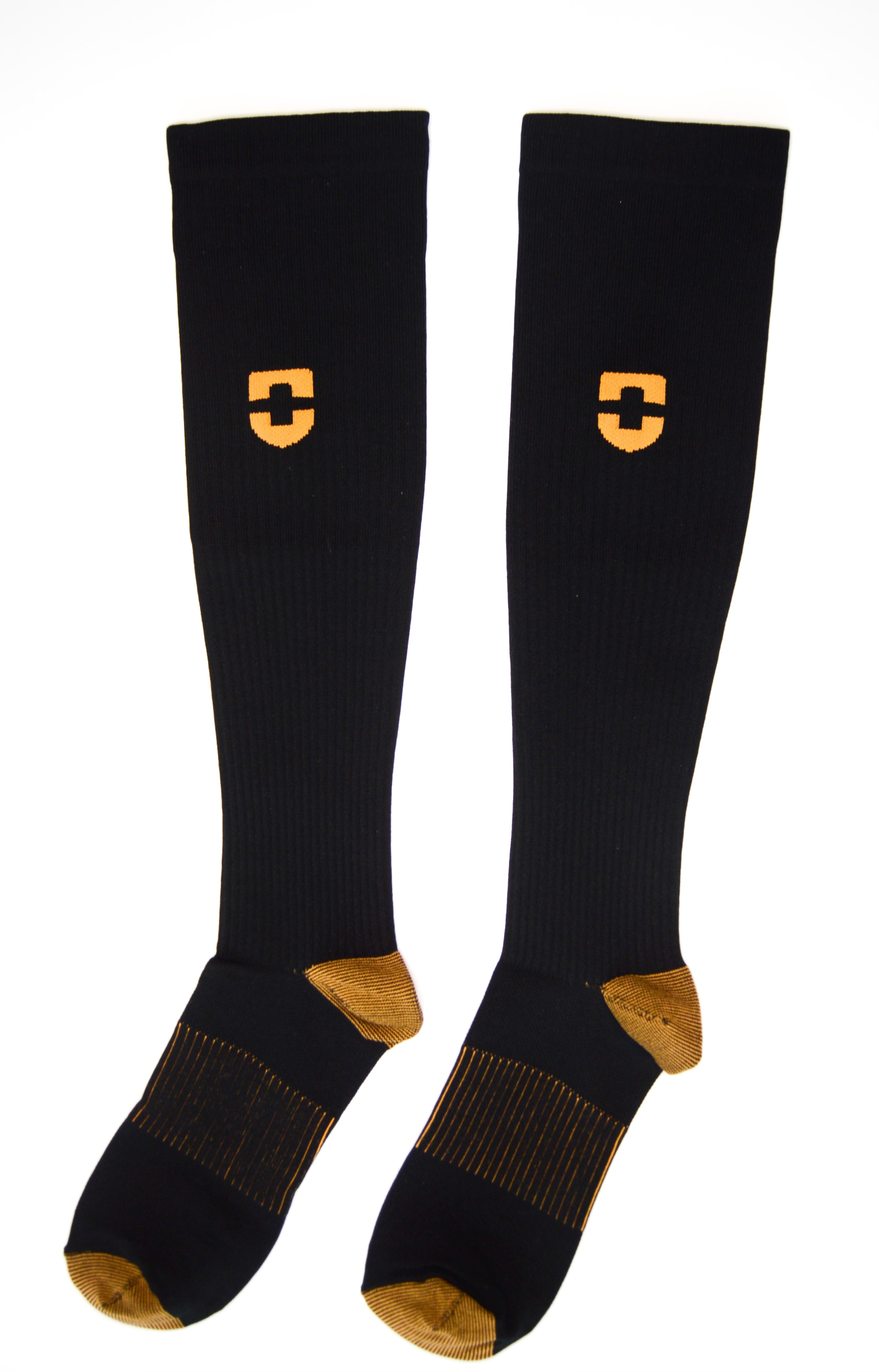
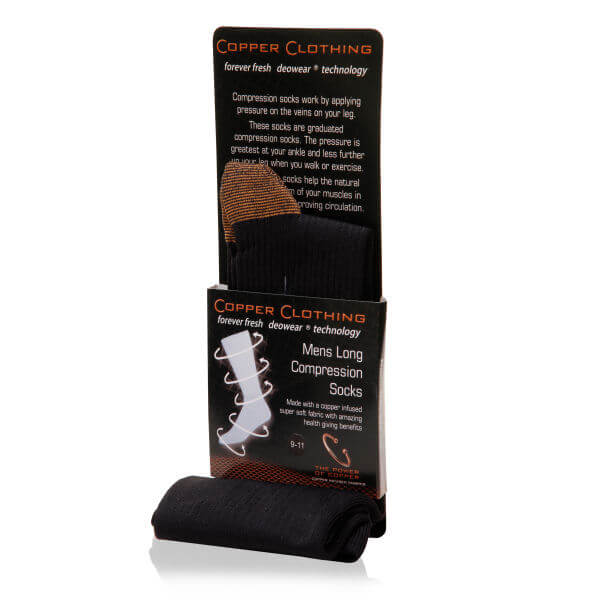
Long Copper Infused Compression Socks
- Breathable Compression Fabric, Comfortable & Durable
- 8 - 15mmHg of Compression
- Best socks for long flights and journey
- Sale price
- £15.99
- Regular price
- £15.99
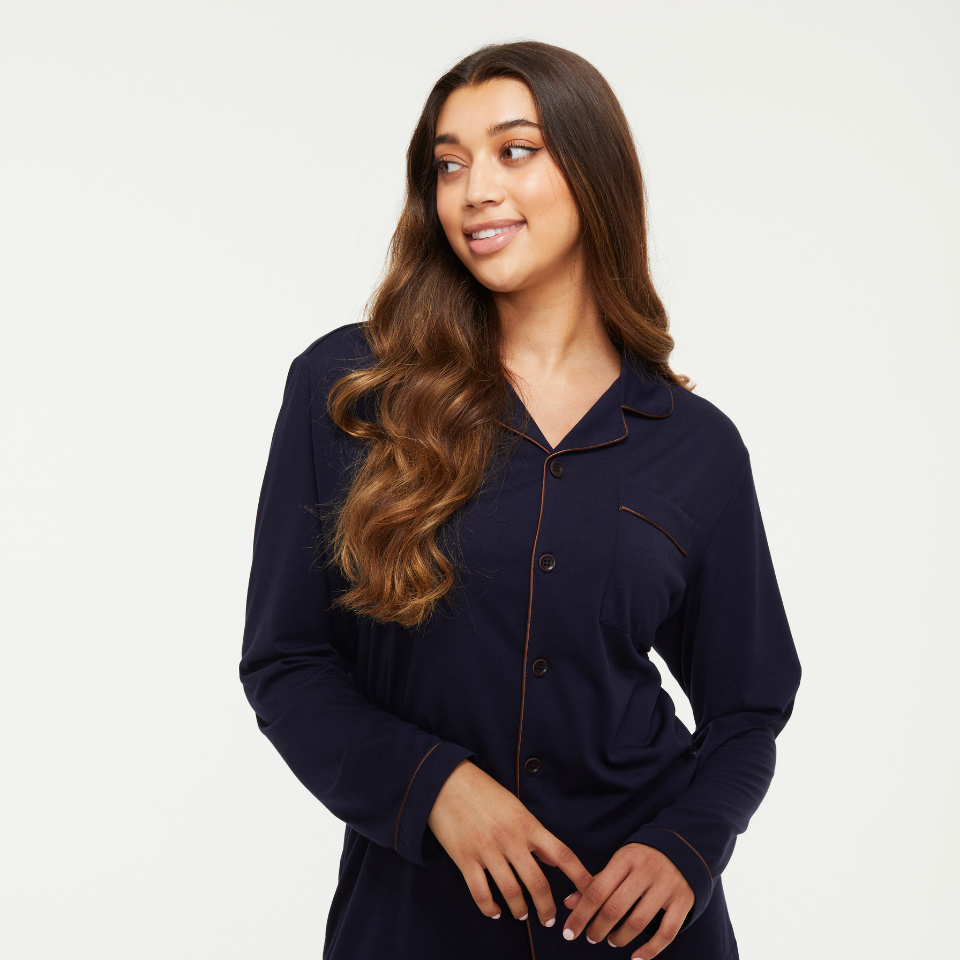
Ladies Copper Infused Pyjamas
- Luxuriously Soft Cotton & Bamboo
- Ideal for daily wear
- Sale price
- £49.99
- Regular price
- £49.99
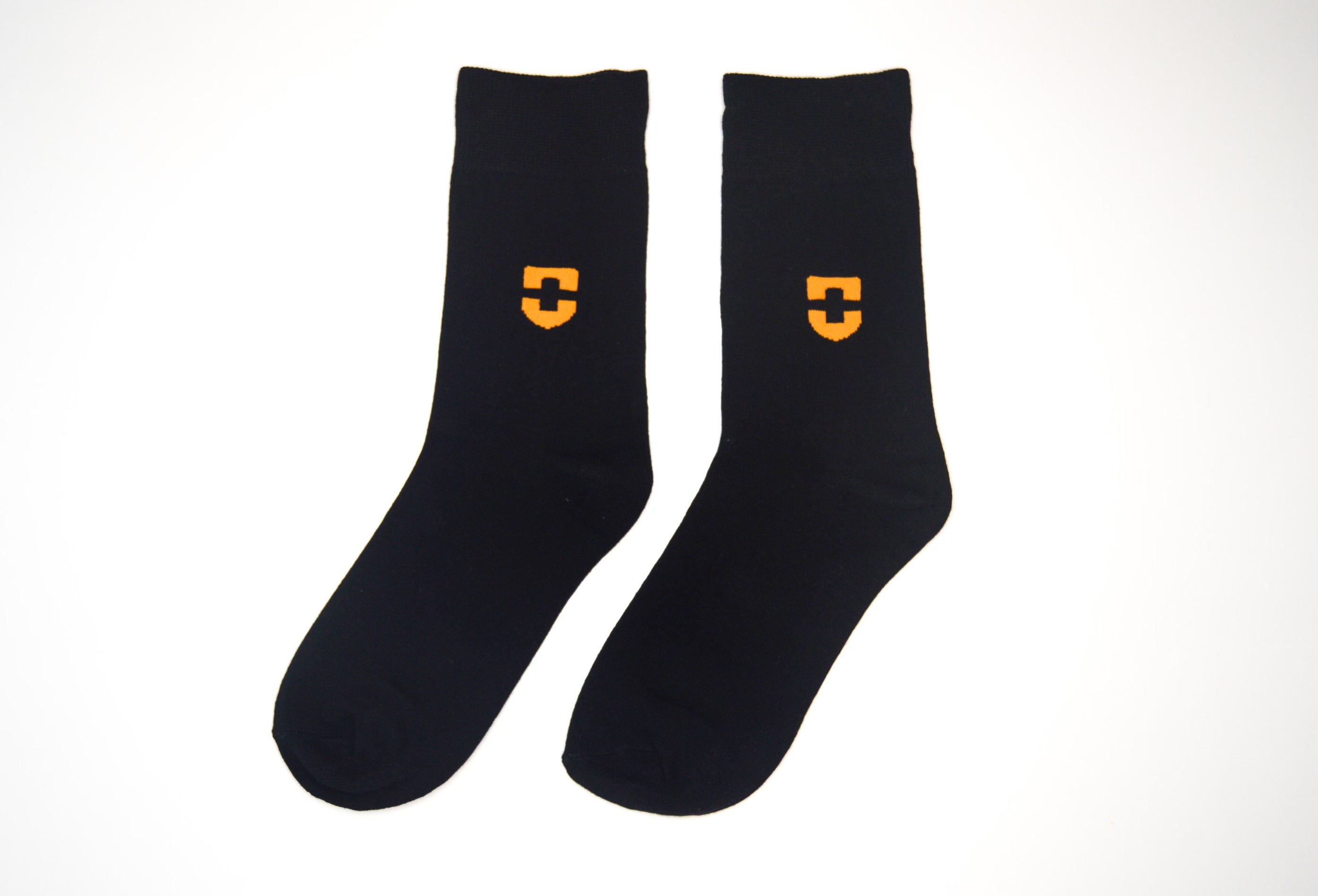
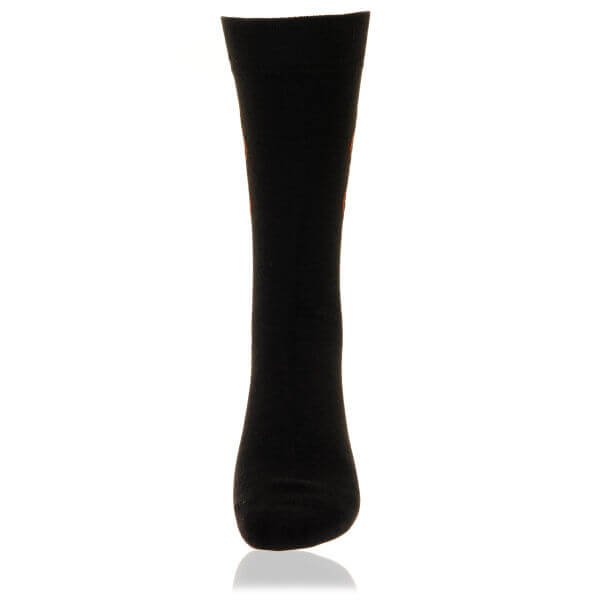
Everyday Copper Socks – Soft, Breathable Socks for Daily Comfort
- Soft & breathable fabric
- Comfortable for long-hour wear
- Lightweight everyday fit
- Sale price
- £9.99
- Regular price
- £9.99
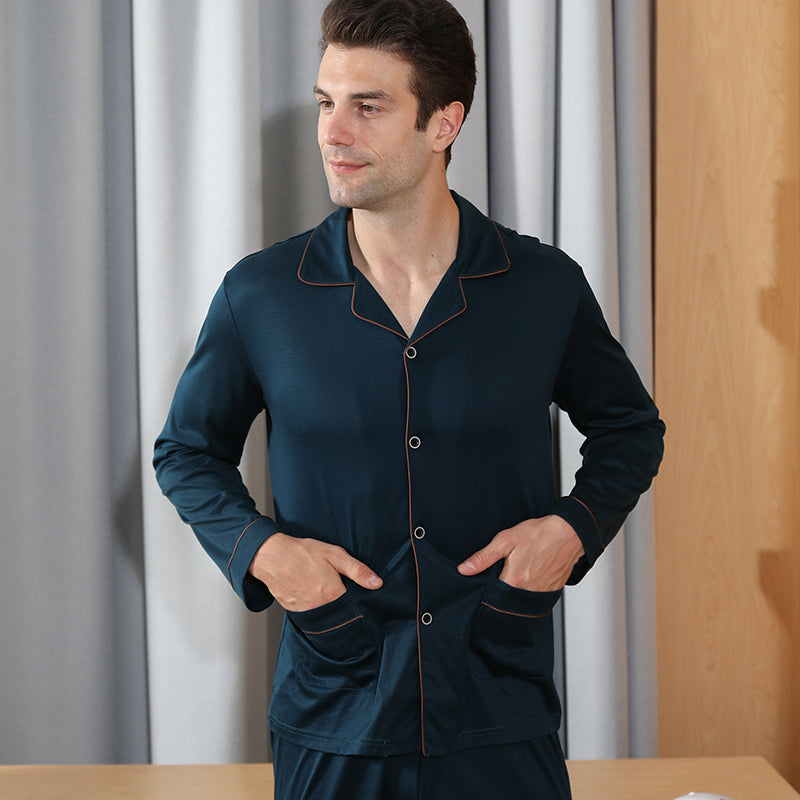
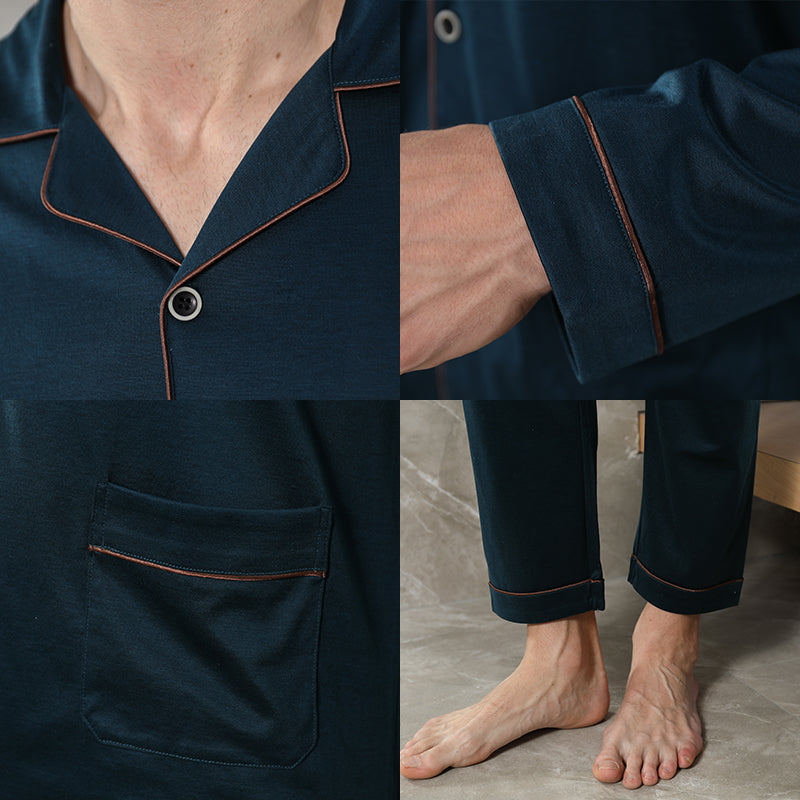
Mens Copper Infused Pyjamas
- Luxuriously Soft Cotton & Bamboo
- Promotes Healthier & Softer Skin
- Sale price
- £54.99
- Regular price
- £54.99
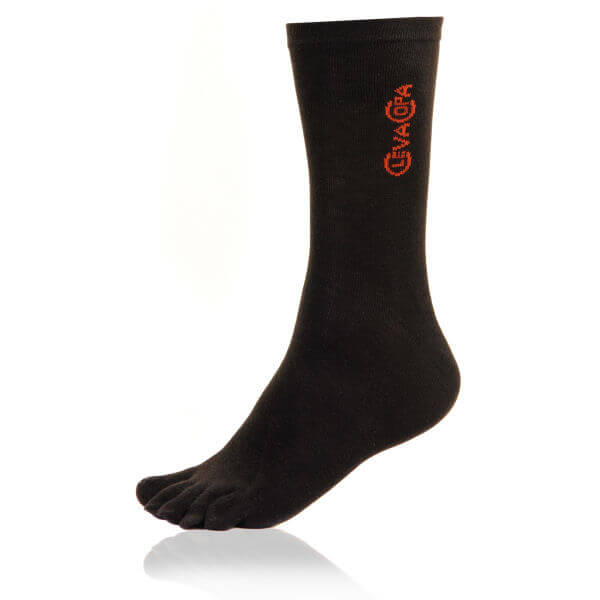
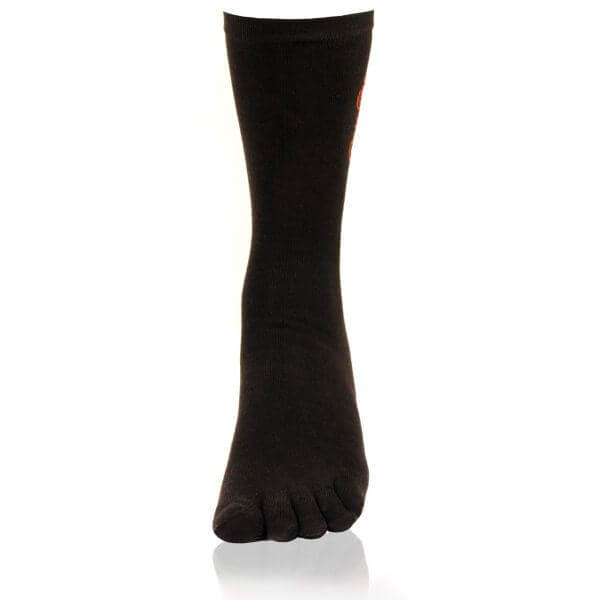
Copper Infused Five Toe Socks
- Promotes Softer Healthier Feet
- Completely Seamless
- Best for long journey and flights
- Sale price
- £14.99
- Regular price
- £14.99
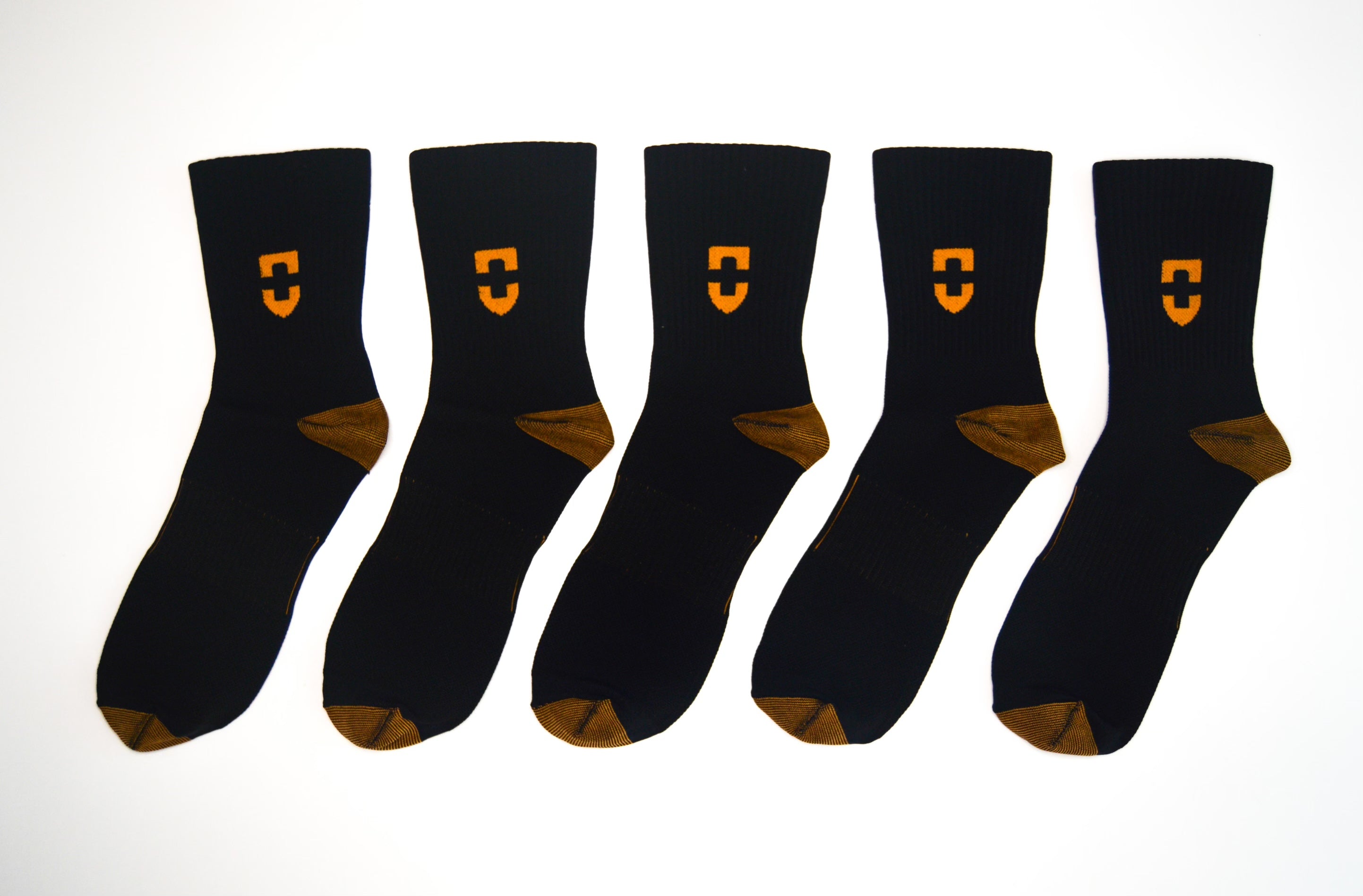
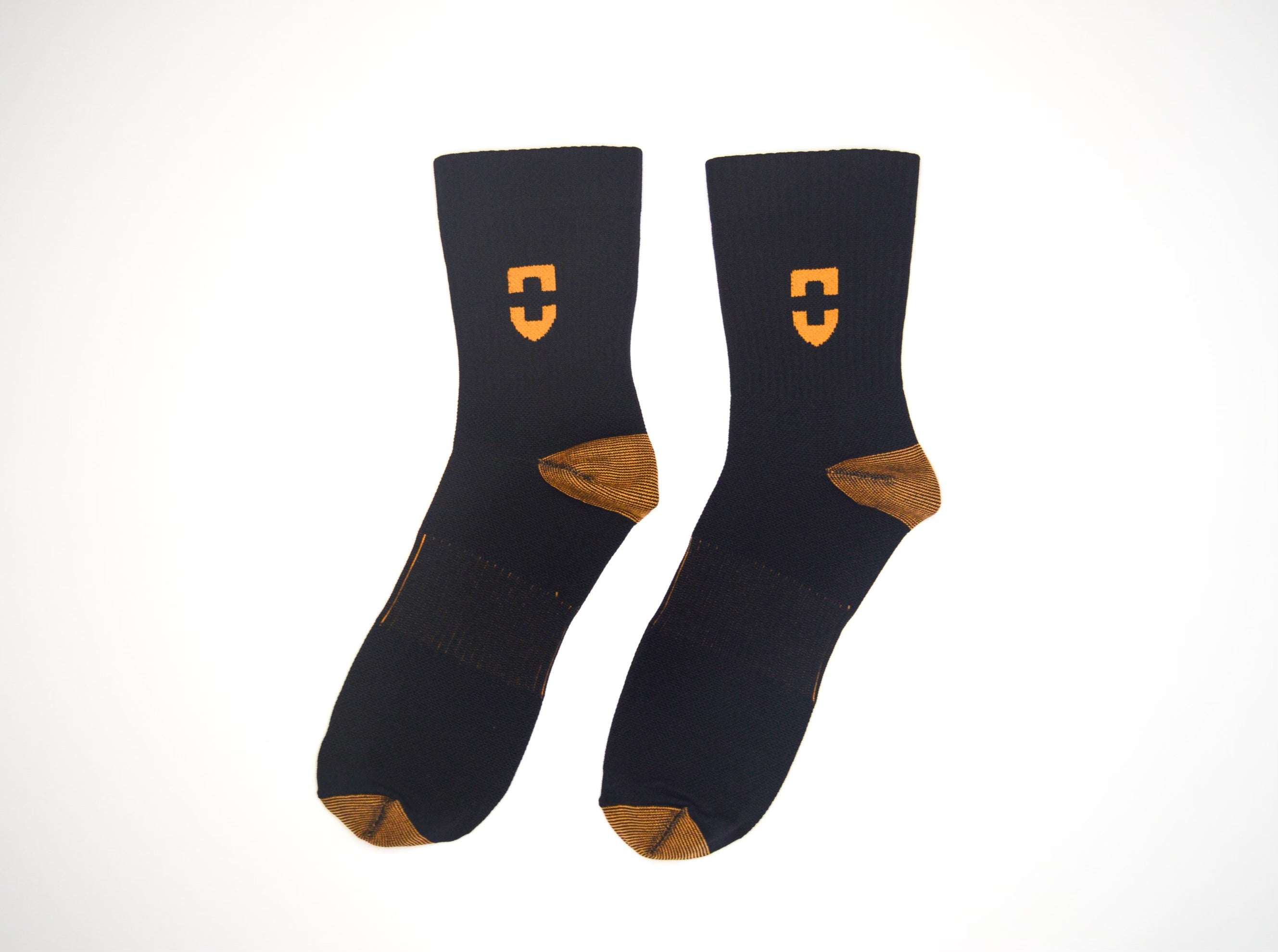
5-Pack Short Compression Copper Infused Socks
- Breathable Compression Fabric & Comfortable
- 8-15mmHg of Compression
- Best socks for long flights and travel
- Sale price
- £59.95
- Regular price
- £64.95
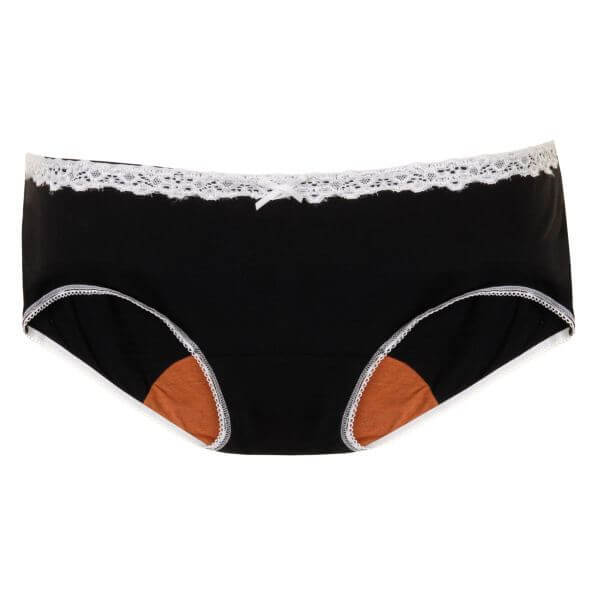
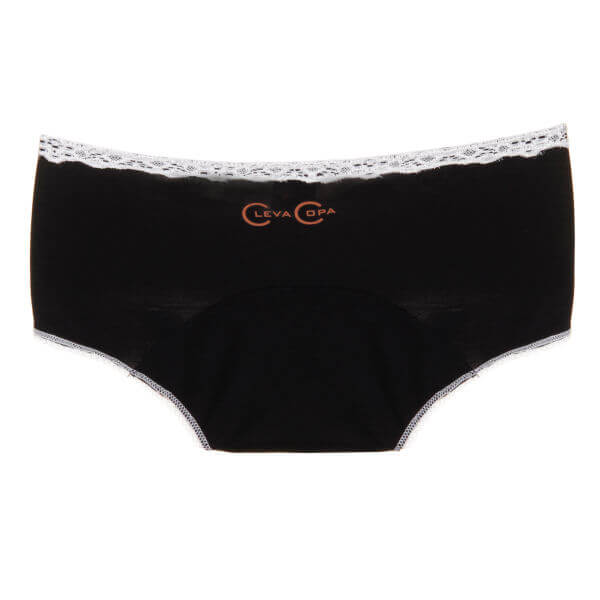
Womens Copper Infused Briefs
- Soft cotton & bamboo blend
- Breathable lightweight feel
- Flexible everyday comfort
- Sale price
- £9.99
- Regular price
- £9.99
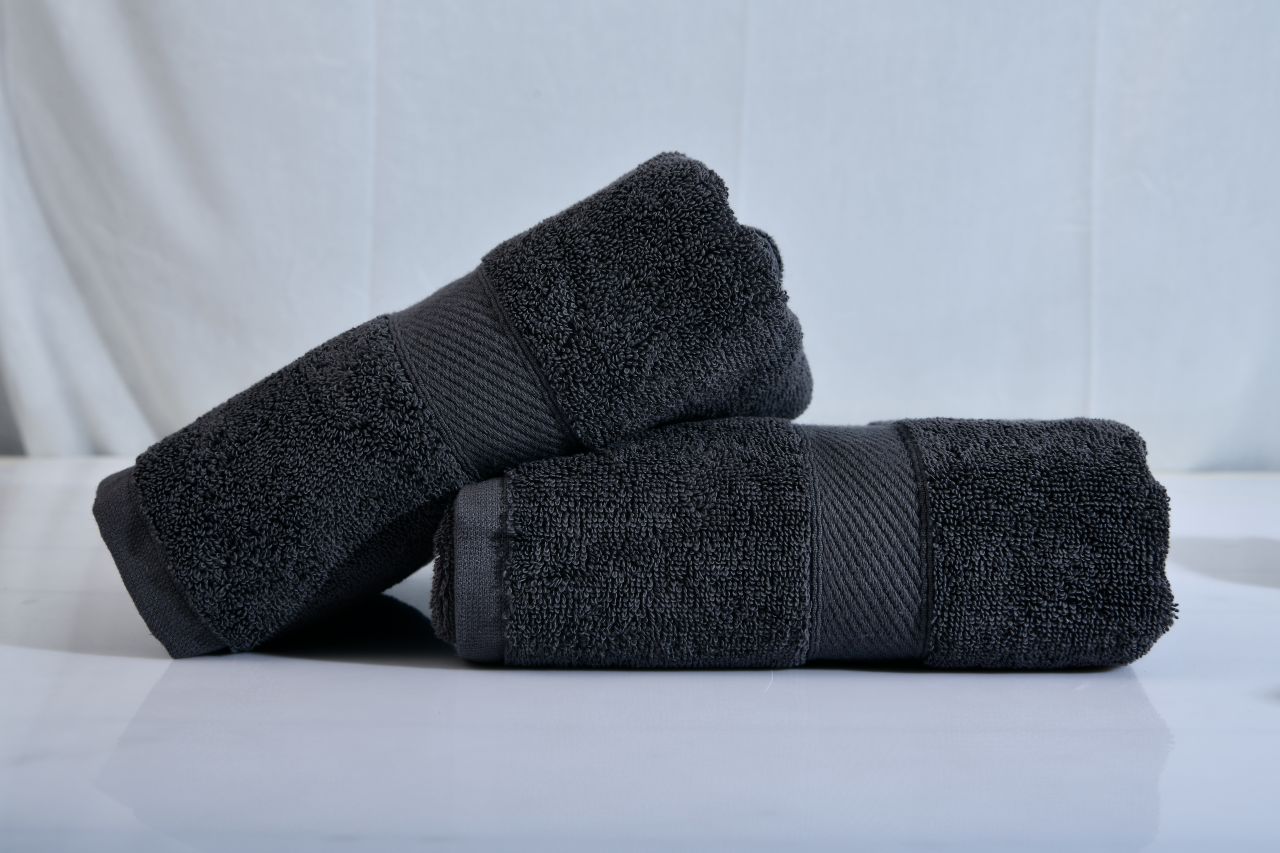
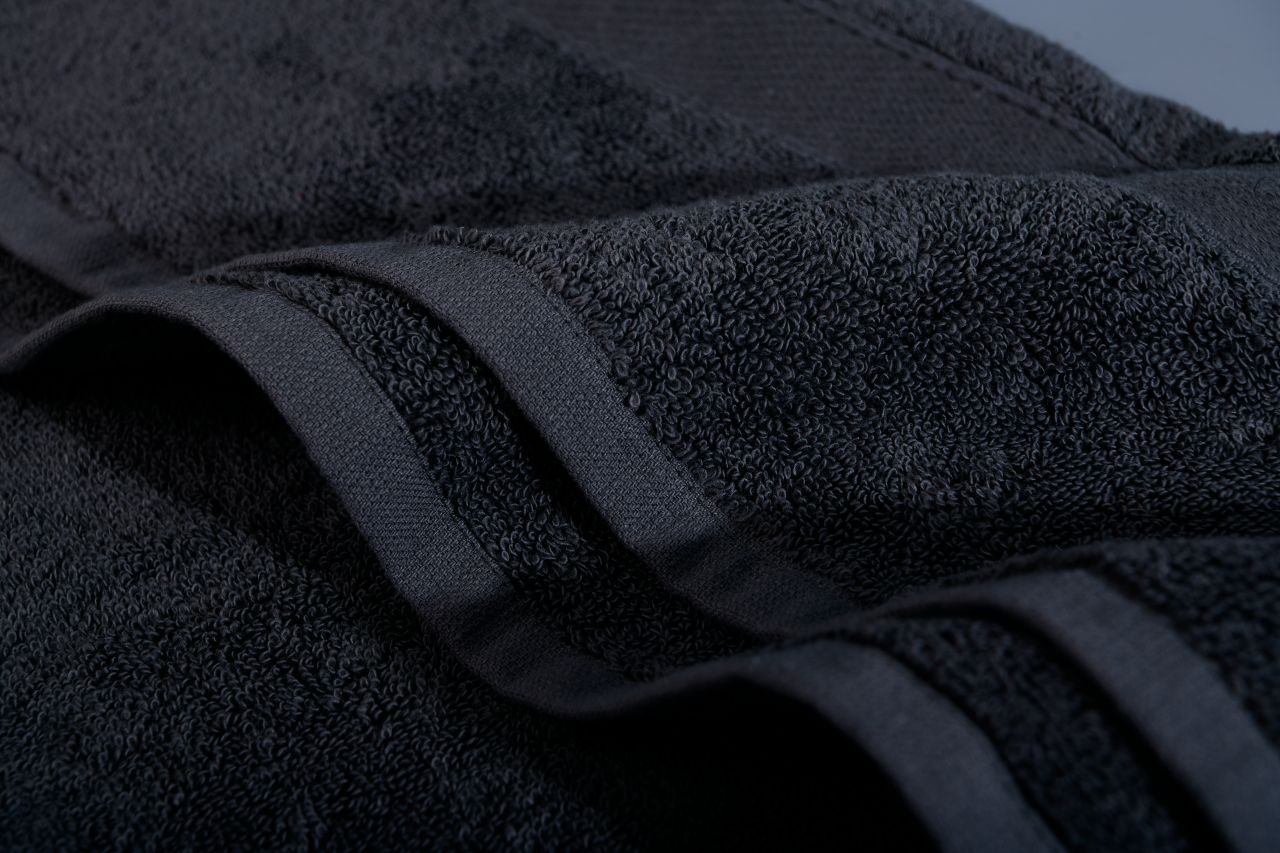
Copper Infused Bath & Gym Towel — 500 GSM Premium Cotton
- 500 GSM Cotton Cloth
- Soft & Premium
- Lightweight & Durable
- Child and Pet-Friendly
- Sale price
- £19.99
- Regular price
- £19.99

