


How Often Should You Replace Socks?
Author

Rory Donnelly
Published
October 14 2026
Most everyday socks need replacing about every 6 to 12 months, but there is no fixed rule. If your socks develop holes, become thin, lose their shape, smell after washing, or feel uncomfortable, it is probably time for a new pair.
Introduction
Socks go through a lot more wear than you might think. They deal with sweat, friction, repeated washing, stretching, and hours inside shoes. Over time, even a good pair starts to lose its softness and support. In this blog, we will look at how often you should replace socks, how long different types tend to last, the signs that your socks are worn out, and a few simple ways to make them last longer.
Why Should You Replace Your Socks Regularly?
Old socks are not automatically bad just because they have been sitting in your drawer for a while. What matters is how much wear they have taken. After months of regular use, the fabric can become thinner, the cushioning can disappear, and the elastic can start giving out. This can make your socks slide down, bunch up inside your shoes, or rub against your skin. Socks also absorb sweat throughout the day, so heavily worn pairs may hold on to odours even after washing. Replacing them when they start showing these changes keeps them more comfortable and gives your feet better protection throughout the day.
How Often Should You Replace Socks?
For most everyday socks, 6 to 12 months is a reasonable lifespan. However, this can vary quite a bit depending on how often you wear them, how many pairs you rotate, the material, and how you wash them. Someone who owns ten or fifteen pairs and rotates them regularly may get much more use from each pair than someone who wears the same three or four pairs every week. If you exercise regularly, spend long hours on your feet, or sweat heavily, your socks may also wear out sooner. Rather than replacing every pair simply because it has reached a certain age, look at its condition. If it still fits properly and feels comfortable, there is no need to throw it away just yet.
How Long Do Different Types of Socks Last?
Socks have no exact expiration date. Material, construction, frequency of use, and washing habits all make a difference.
|
Sock type |
Roughly how long it lasts |
What you'll usually notice first |
|---|---|---|
|
Cotton socks |
Around 6 to 8 months |
The heel and area under the toes start getting noticeably thinner, especially if you wear the same pairs often. |
|
Wool socks |
Around 8 to 12 months |
They can stay comfortable for quite a while, but the fibres eventually start thinning around the heel and toe. |
|
Merino wool socks |
1 year or more |
Good-quality pairs can take plenty of wear. Pilling and thinning usually show up before the sock actually falls apart. |
|
Nylon socks |
Around 6 to 12 months |
They tend to lose their stretch over time. You may notice the sock slipping down or feeling looser around the foot. |
|
Sports socks |
Around 6 to 12 months |
Frequent workouts and washing take a toll. The cushioning under the heel and toes is often the first thing to feel different. |
|
Compression socks |
Around 6 months to 1 year |
The sock may still look perfectly fine, but if it no longer feels as snug or supportive as before, the compression may have weakened. |
What Are the Signs You Need to Replace Your Socks?
Here’s a closer look at the signs that indicate you need to replace your socks:
1. Check for Holes
A hole around the toe, heel, or sole is an obvious sign that a pair has reached the end of its useful life. Even a small hole can grow quickly once your foot starts rubbing against your shoe.
2. Look at the Thickness
If you can see your skin through areas that used to be covered properly, the material has probably worn down. Thin fabric offers less cushioning and protection.
3. Notice a Loose Fit
Socks should stay where you put them. If the heel keeps sliding or the cuff will not stay up, the elastic or overall shape has probably worn out.
4. Persistent Smell Is a Clue
If your socks still smell noticeably after being washed and dried properly, the fibres may have built up sweat and residue over time. That is usually a good reason to replace them.
5. Watch for Fading and Pilling
A little pilling is normal, especially with certain wool and cotton blends. But if the fabric has become rough, heavily pilled, or visibly worn, the pair may not have much life left.
6. Uncomfortable Seams
If the seams suddenly start rubbing or pressing against your toes, check whether the sock has become misshapen or stretched. There is little reason to keep wearing a pair that has become uncomfortable.
Tips to Extend the Lifespan of Your Socks
You can get more use out of your socks with a few simple habits:
-
Wash them after every wear: This keeps sweat and moisture from sitting in the fabric.
-
Use a gentle wash and air-dry: Excessive heat can weaken fibres and elastic.
-
Turn them inside out: This helps clean the areas that come into direct contact with your feet.
-
Rotate your pairs: Giving socks a break between wears reduces the strain on individual pairs.
-
Store them properly: Keep them dry and avoid cramming too many pairs into one drawer.
-
Do not stretch the cuffs: Pull socks on gently instead of tugging hard at the top.
Ready to Refresh Your Sock Drawer?
Choose comfort and support with Copper Clothing compression socks.
Closing Thoughts
There is no need to throw away every pair of socks once they reach six months. If they still fit well, feel comfortable, and remain in good condition, you can keep wearing them. But when the fabric starts thinning, the elastic gives up, or the socks no longer feel fresh after washing, replacing them makes sense. A quick check of your sock drawer every few months can save you from discovering a hole halfway through your day.
FAQs:
How often should men replace socks?
Everyday socks generally last around 6 to 12 months. Replace them sooner if you notice holes, thinning fabric, loose elastic, persistent odour, or uncomfortable seams.
Can old socks cause foot odour?
They can contribute to foot odour if the fabric holds onto sweat and moisture. However, foot hygiene, sweating, footwear, and shoe ventilation also affect how much your feet smell.
How can I make socks last longer?
Rotate your pairs, wash them after each use, follow the care label, and avoid excessive heat. Be gentle with the cuffs when putting them on and taking them off.
How many days can you wear the same socks?
Ideally, wear fresh socks each day. Repeatedly wearing the same unwashed pair allows sweat, moisture, and bacteria to build up, which can lead to odour and discomfort.
What is the lifespan of socks?
Most everyday socks last around 6 to 12 months, but the exact lifespan depends on their material, quality, washing routine, and frequency of use.
When should you throw socks away?
Replace socks when they develop holes, become noticeably thin, lose their elasticity or no longer fit comfortably. If they cannot do their job properly, they have probably had their run.
Is it okay to wear old socks?
Yes, if they are still clean, comfortable, and in good condition. Once old socks become thin, loose, damaged or uncomfortable, replacing them is a better option.
What is the rule for wearing socks?
The simple rule is to wear a clean pair each day and replace them when they become worn out. This helps manage moisture, friction, and odour.
Does the material of my socks matter for how long they last?
Yes. Cotton can wear down faster with frequent use, while wool, merino wool, and performance blends can be more durable. Compression socks generally last longer with proper care.


Popular Products
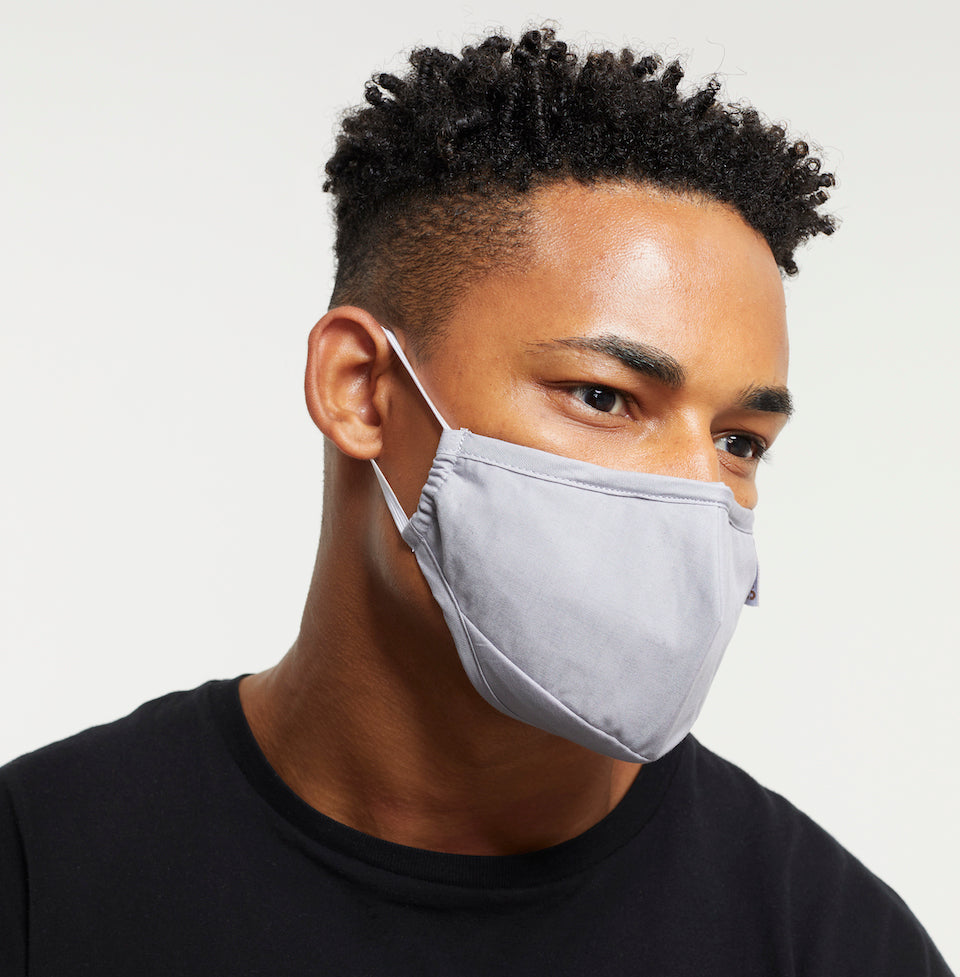
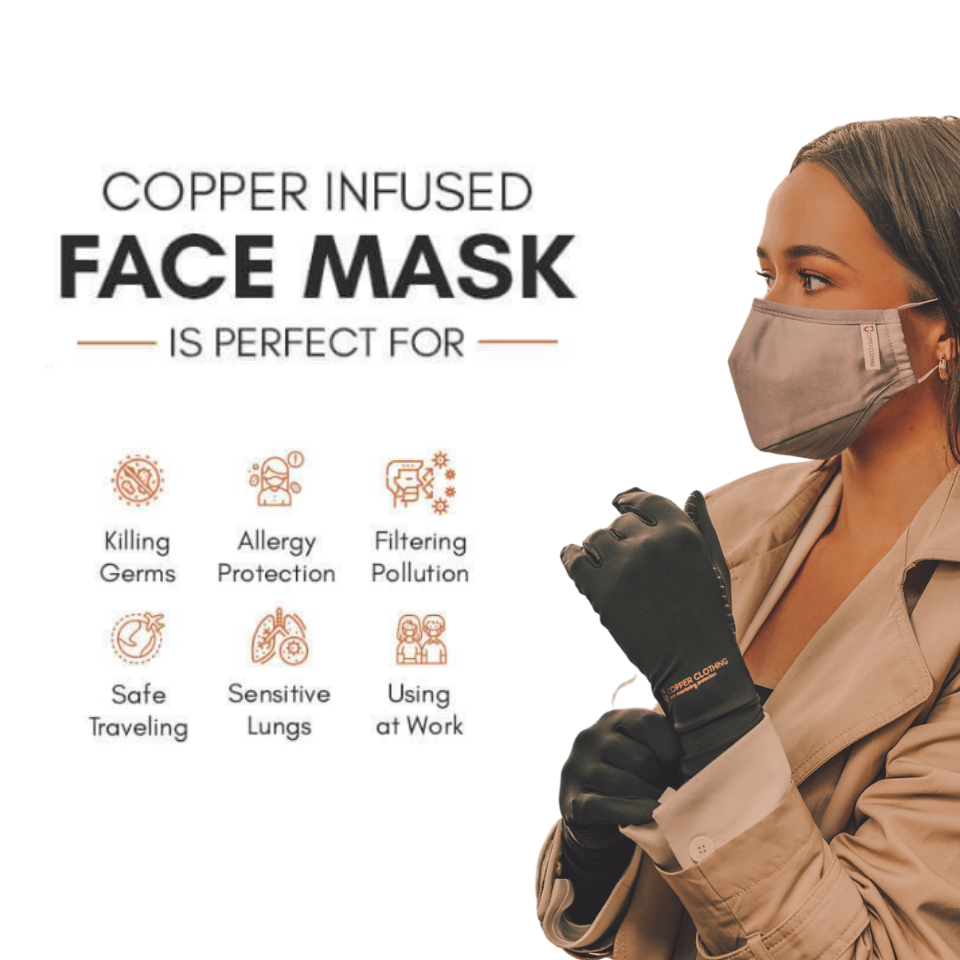
FFP2 CE Four-Layer Copper Infused Face Mask
- Four layers of protection
- Comfortable & washable
- Sale price
- £22.99
- Regular price
- £22.99
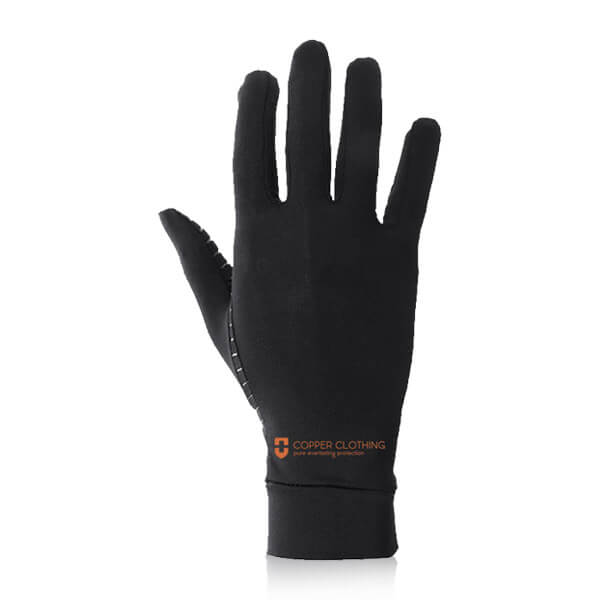
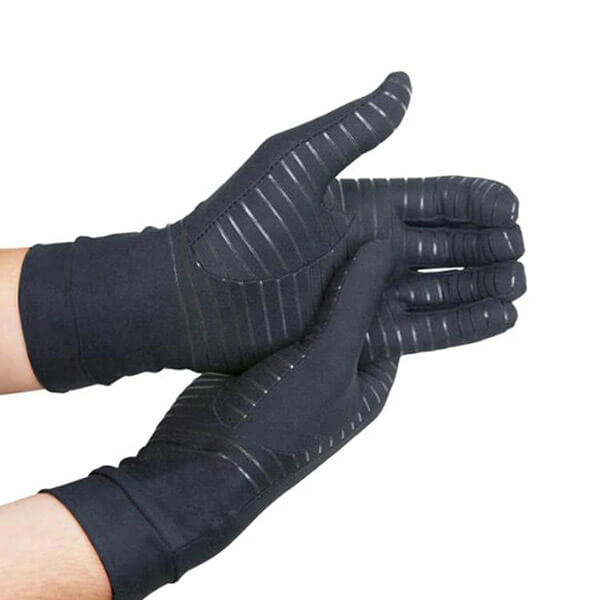
Full Finger Gloves (Copper Gloves)
- Ultimate comfort & flexibility
- Provides warmth and comfort for hands
- Washable
- Sale price
- £22.99
- Regular price
- £22.99
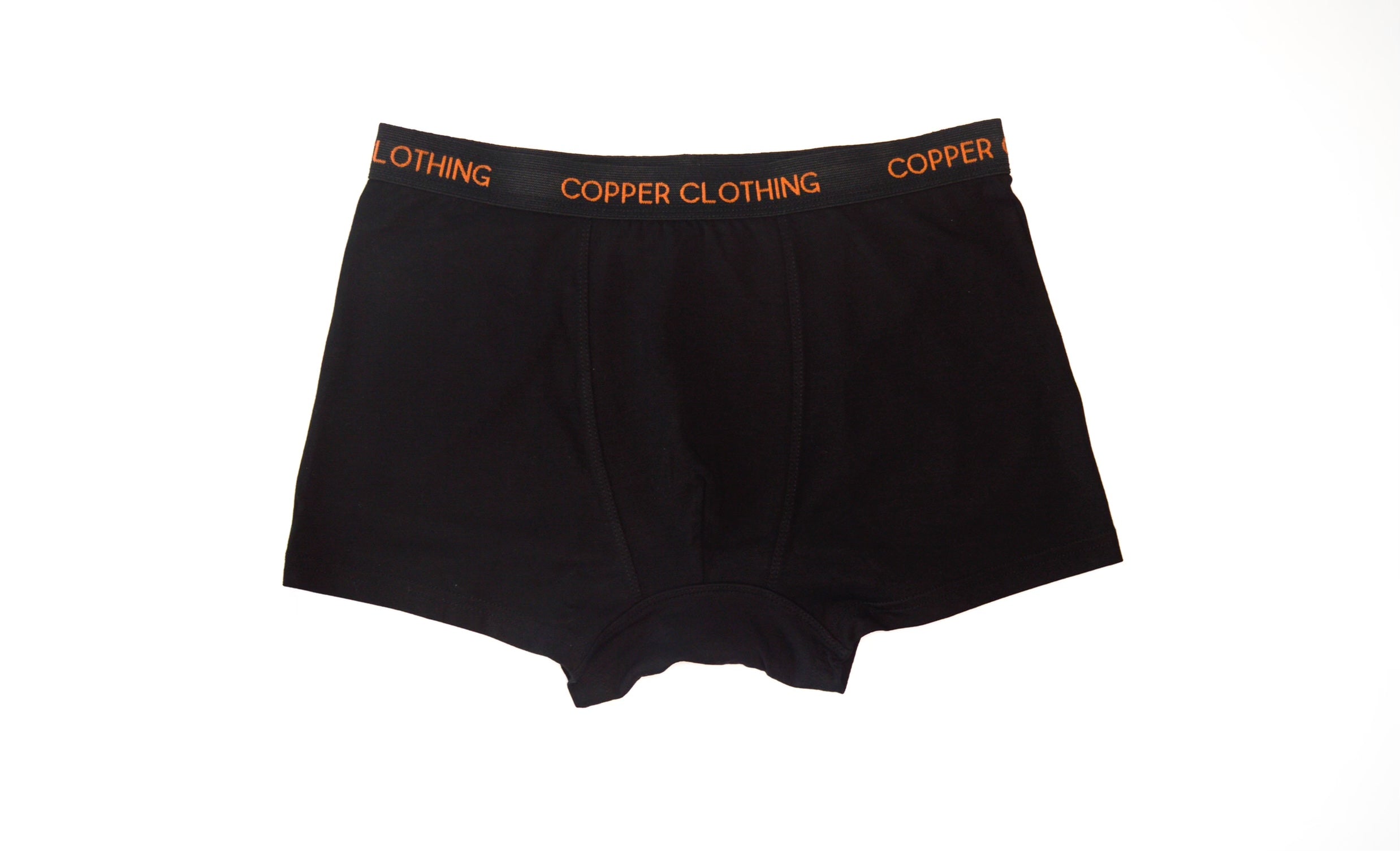
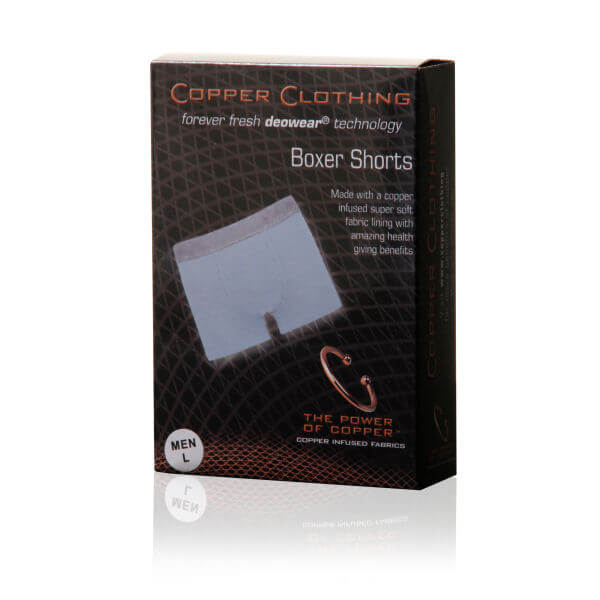
Men’s Copper Boxer Shorts – Soft, Breathable Underwear for Everyday Comfort
- Soft cotton & bamboo blend
- Breathable & lightweight feel
- Stretch comfort for daily movement
- Sale price
- £9.99
- Regular price
- £9.99
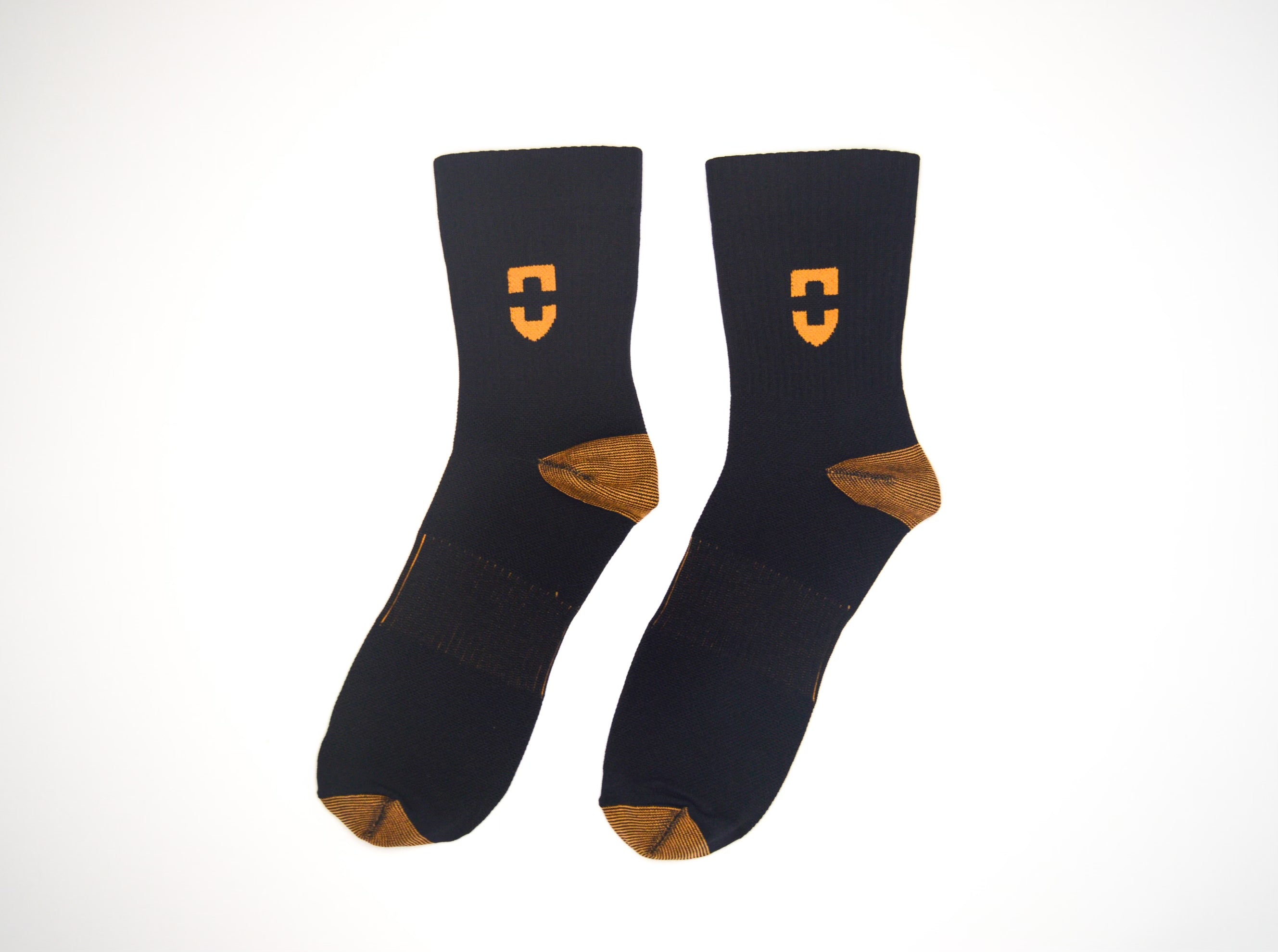
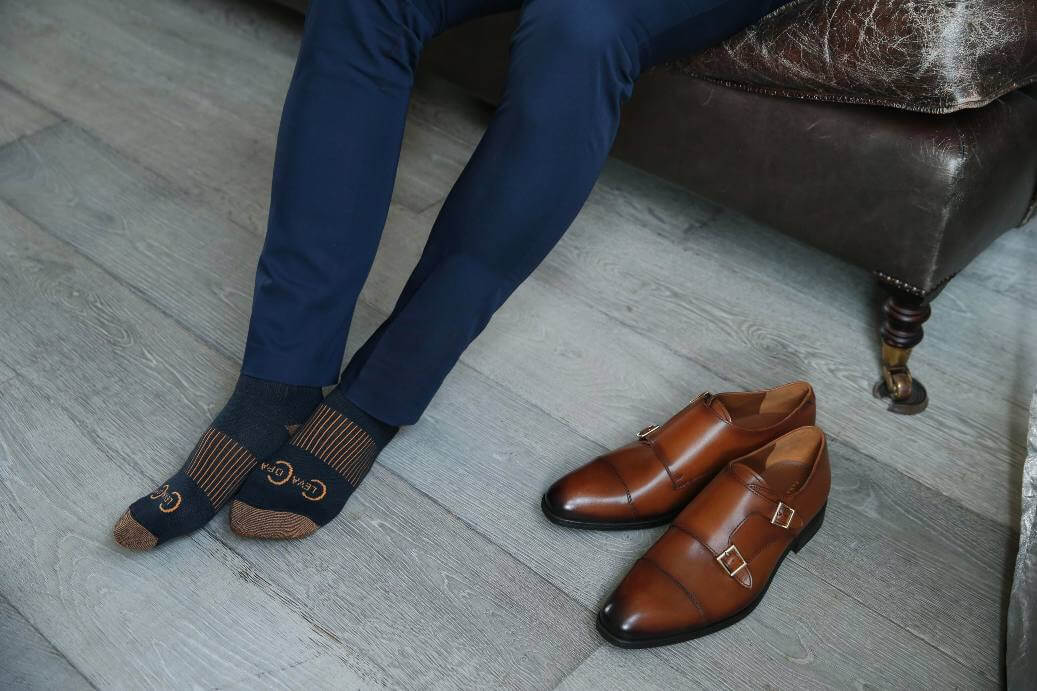
Short Compression Copper Infused Socks
- Breathable Compression Fabric, Comfortable & Durable
- 8 - 15mmHg of Compression
- Best socks for long flights and journey
- Sale price
- £12.99
- Regular price
- £12.99
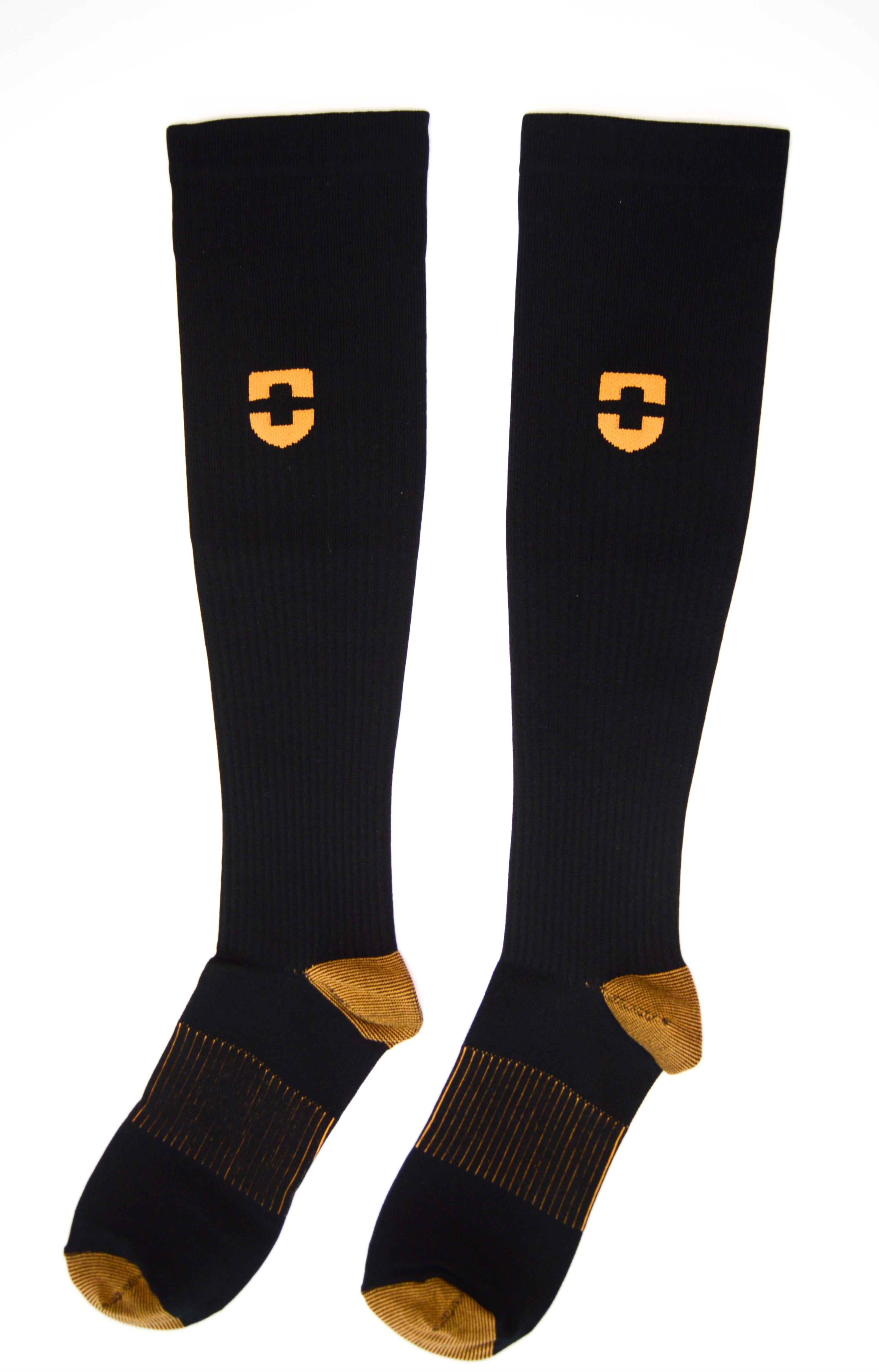
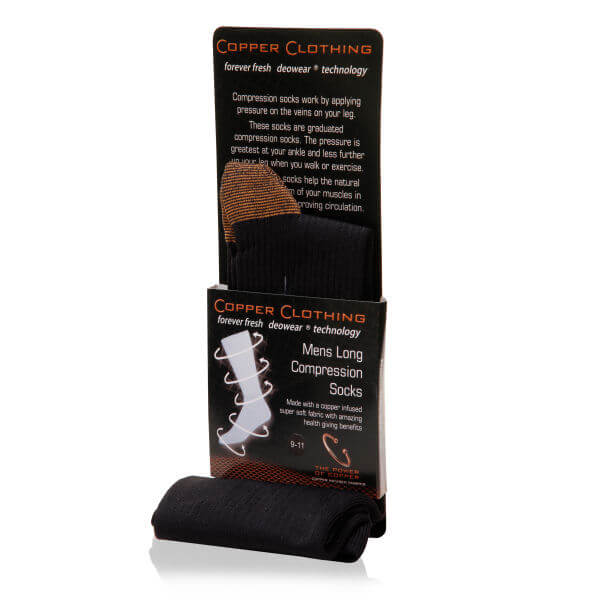
Long Copper Infused Compression Socks
- Breathable Compression Fabric, Comfortable & Durable
- 8 - 15mmHg of Compression
- Best socks for long flights and journey
- Sale price
- £15.99
- Regular price
- £15.99
Ladies Copper Infused Pyjamas
- Luxuriously Soft Cotton & Bamboo
- Ideal for daily wear
- Sale price
- £49.99
- Regular price
- £49.99
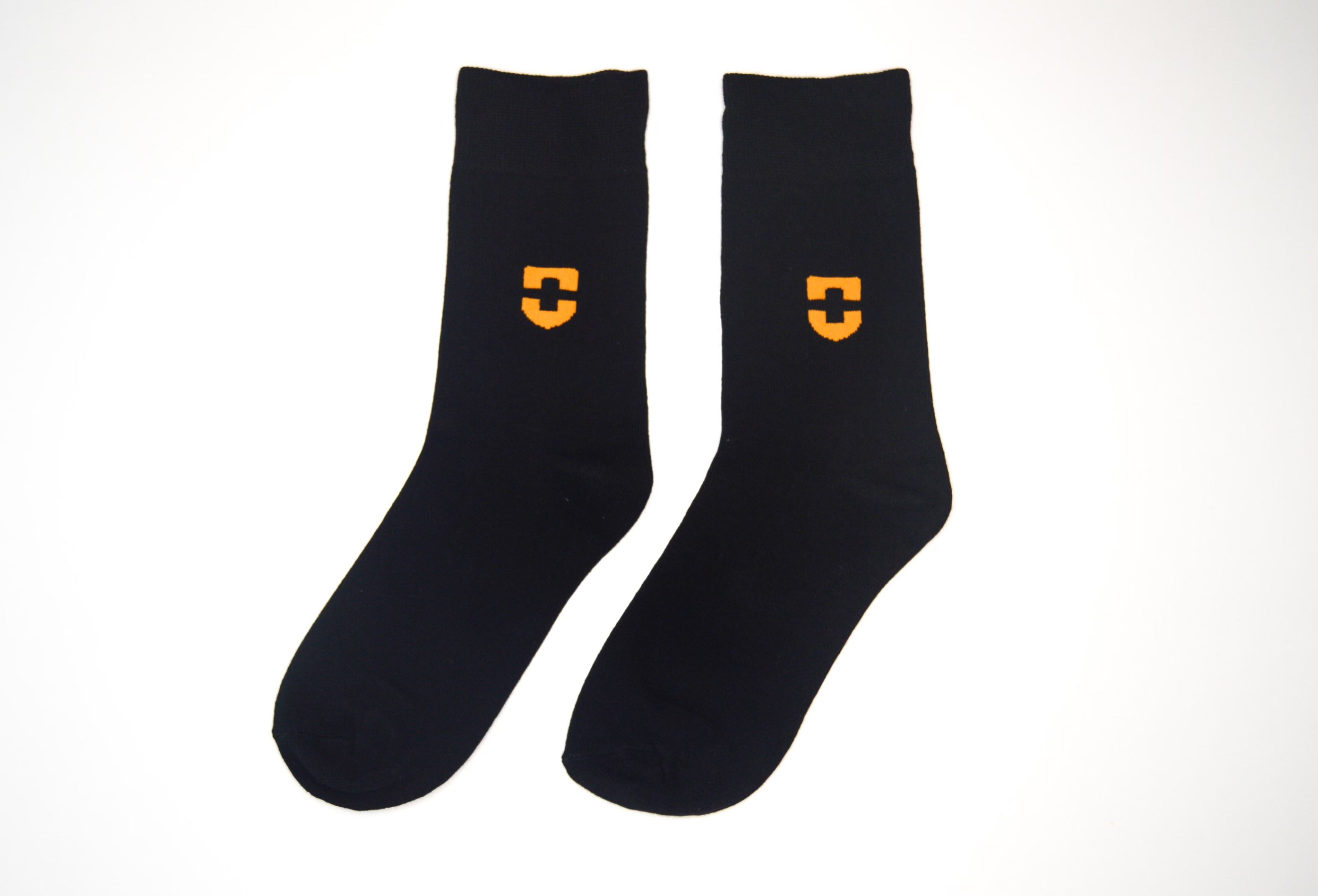
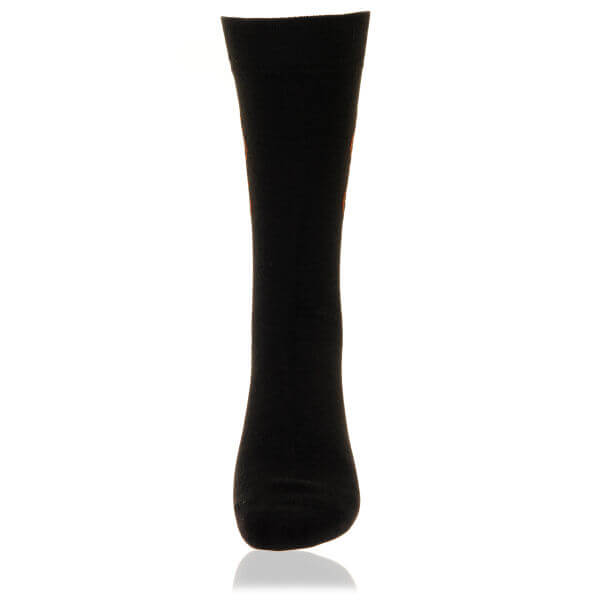
Everyday Copper Socks – Soft, Breathable Socks for Daily Comfort
- Soft & breathable fabric
- Comfortable for long-hour wear
- Lightweight everyday fit
- Sale price
- £9.99
- Regular price
- £9.99
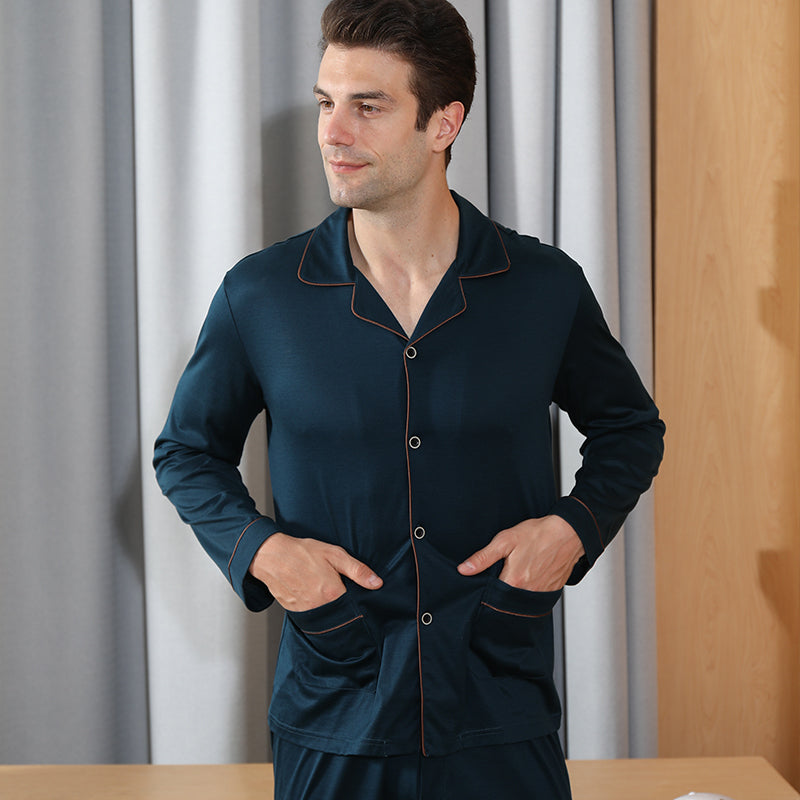
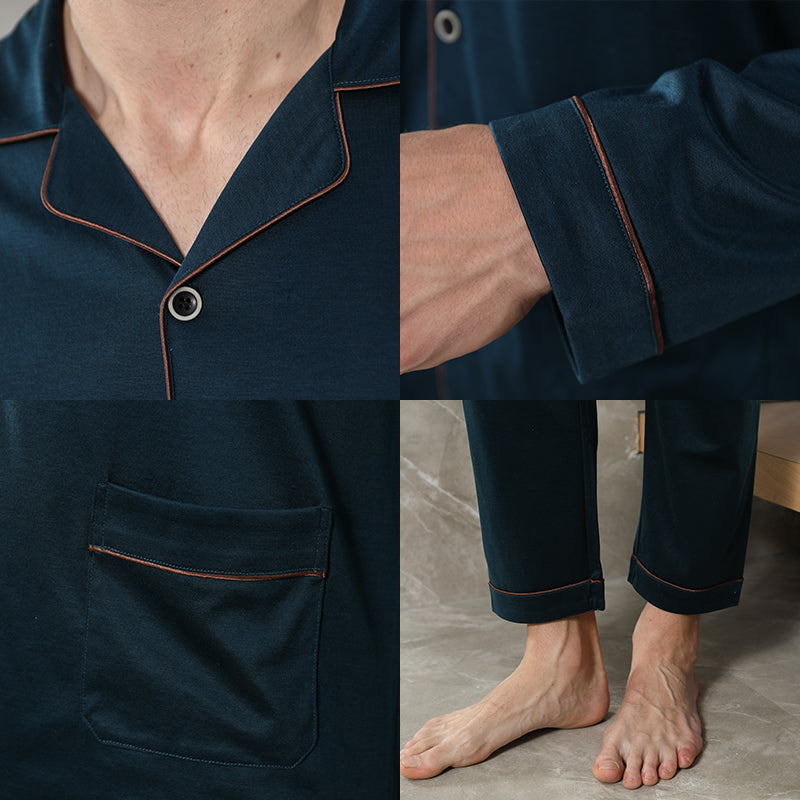
Mens Copper Infused Pyjamas
- Luxuriously Soft Cotton & Bamboo
- Promotes Healthier & Softer Skin
- Sale price
- £54.99
- Regular price
- £54.99
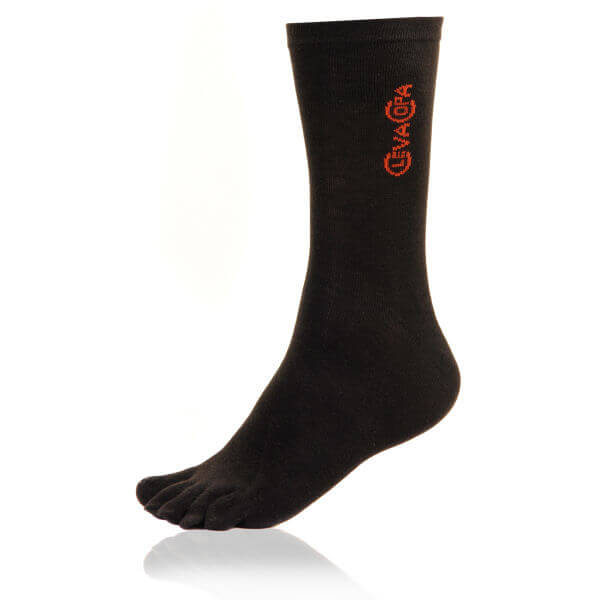
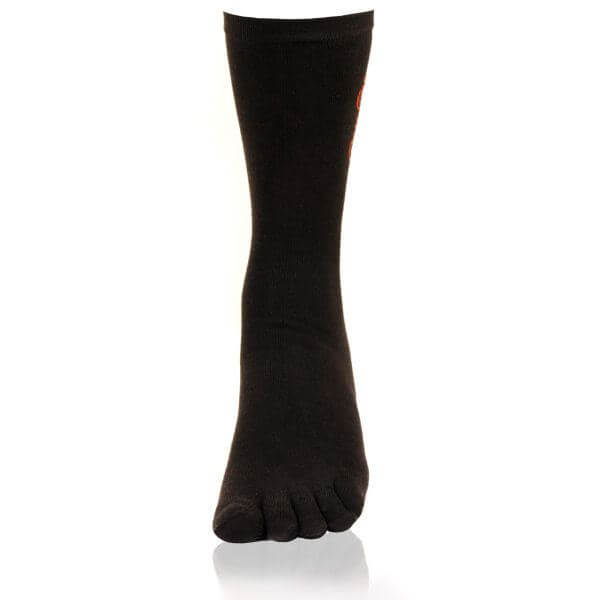
Copper Infused Five Toe Socks
- Promotes Softer Healthier Feet
- Completely Seamless
- Best for long journey and flights
- Sale price
- £14.99
- Regular price
- £14.99
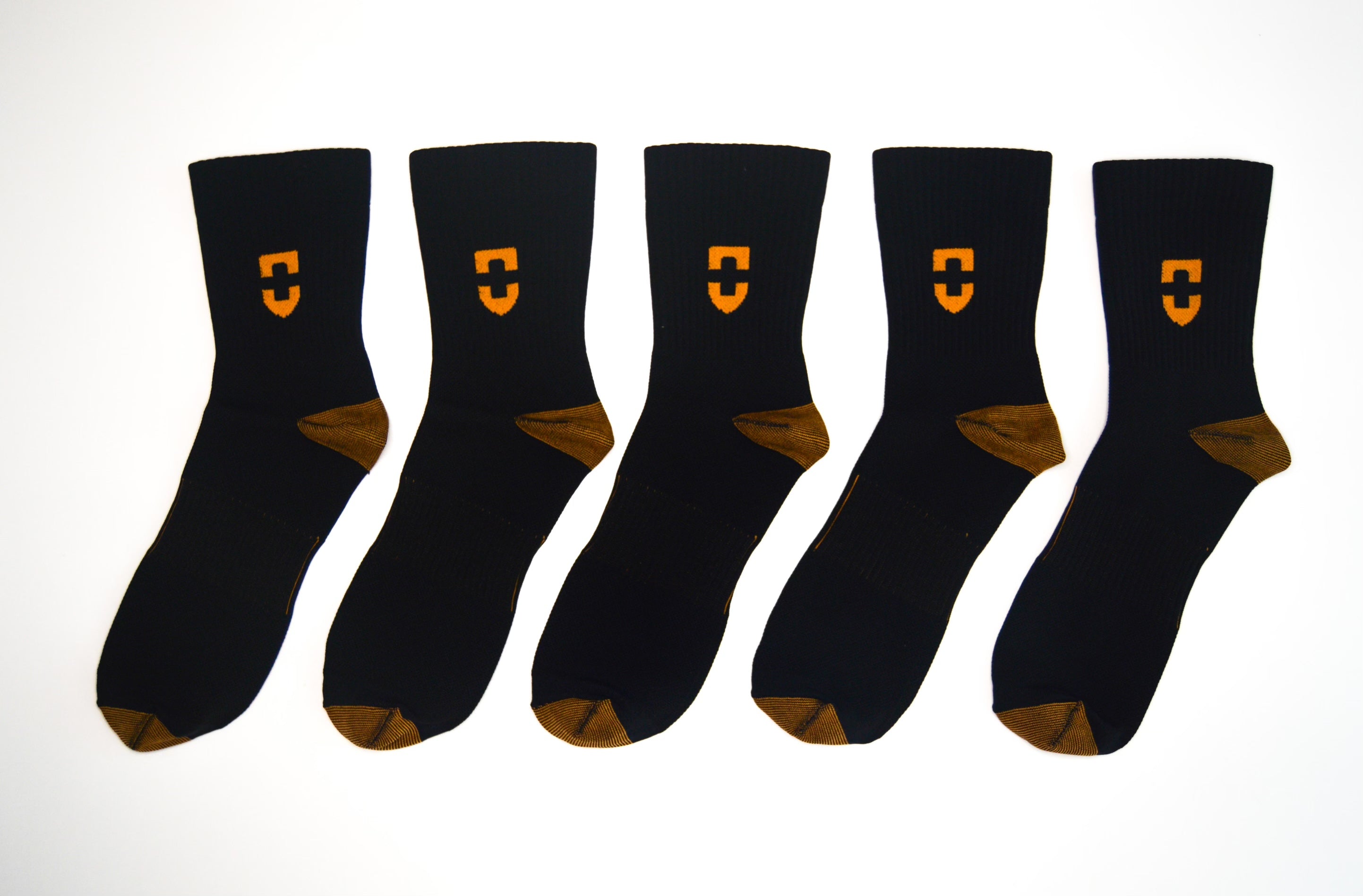
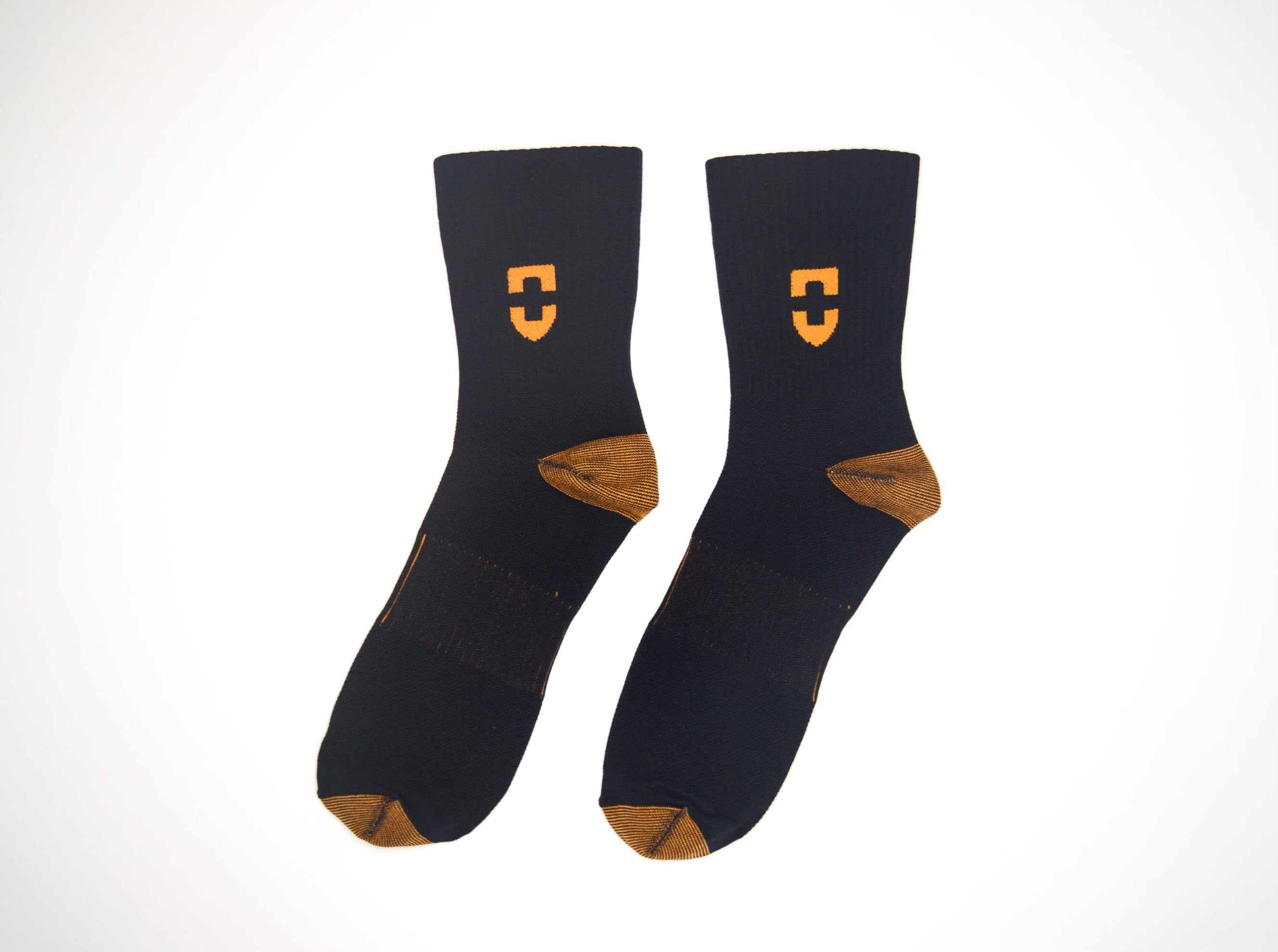
5-Pack Short Compression Copper Infused Socks
- Breathable Compression Fabric & Comfortable
- 8-15mmHg of Compression
- Best socks for long flights and travel
- Sale price
- £59.95
- Regular price
- £64.95
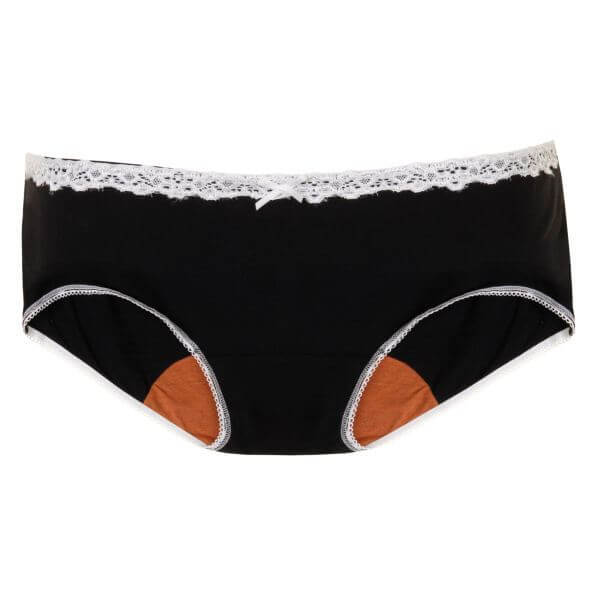
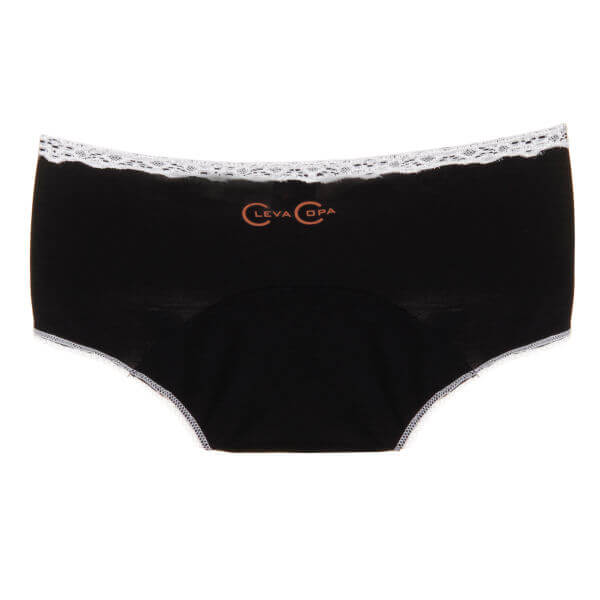
Womens Copper Infused Briefs
- Soft cotton & bamboo blend
- Breathable lightweight feel
- Flexible everyday comfort
- Sale price
- £9.99
- Regular price
- £9.99
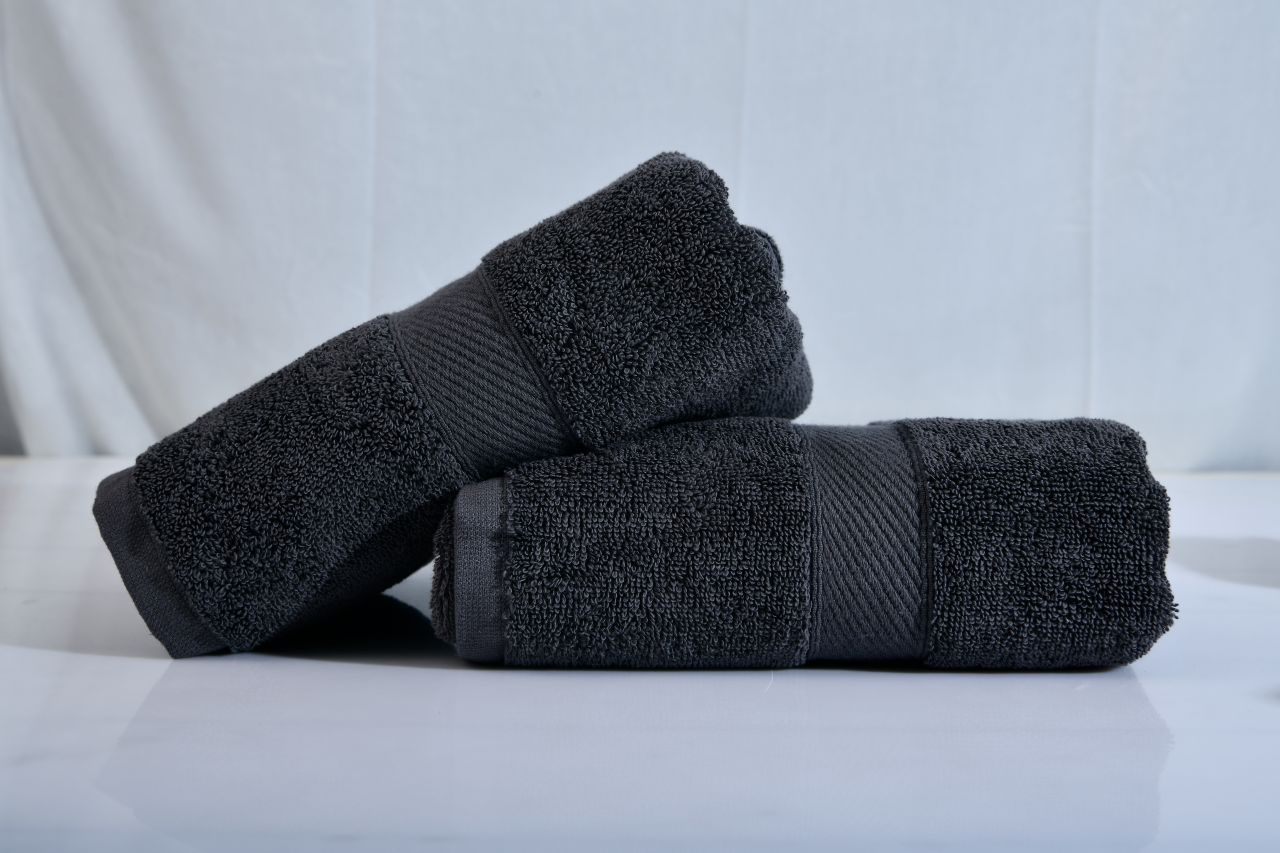
Copper Infused Bath & Gym Towel — 500 GSM Premium Cotton
- 500 GSM Cotton Cloth
- Soft & Premium
- Lightweight & Durable
- Child and Pet-Friendly
- Sale price
- £19.99
- Regular price
- £19.99

