


How to Wash Compression Socks?
Author

Rory Donnelly
Published
August 17 2026
Quick Answer:
Wash compression socks after every wear using cool water and a mild, gentle detergent. Hand washing is preferred, but you can also use a washing machine on a cold, delicate cycle with a mesh laundry bag. Avoid bleach, fabric softener, hot water, and tumble drying. Air dry your compression socks away from direct heat and sunlight to help preserve their elasticity and compression.
Introduction
Most people don't think much about washing their compression socks until they start losing their stretch or no longer feel as supportive as they used to. If you've been asking yourself how to wash your compression socks, a few simple care habits can make a real difference. Whether you wear them for running, travel, or medical use, cleaning them the right way helps maintain both the fabric and the compression.
In this blog, we'll cover the best ways to wash, dry, and care for regular and copper compression socks so you can get the most out of every pair.
How to Wash and Dry Compression Socks?
The safest way to wash compression socks is by hand using cool water and a gentle detergent. Machine washing is also acceptable if you use a delicate cycle and protect the socks with a mesh laundry bag. Once washed, always air-dry them and avoid using a tumble dryer. Copper compression socks follow the same basic care routine, with a few extra precautions to help preserve the copper-infused fibres.
How to Hand Wash Compression Socks?
Hand washing is the safest way to clean compression socks because it protects the elastic fibres that create graduated compression. It only takes a few minutes and helps extend the life of your socks.
Here’s how you can get started:
-
Fill a clean basin with cool or lukewarm water, keeping the temperature below 30°C (86°F).
-
Add a small amount of detergent made for delicate fabrics. Avoid products that contain bleach or biological enzymes since they can be too harsh for compression materials.
-
Place the socks in the water and gently work the soapy water through the fabric using your hands. There is no need to scrub aggressively or twist the material while cleaning.
-
Replace the dirty water with fresh cool water and rinse the socks until no traces of detergent remain inside the fibres.
-
Once rinsed, place the socks on a clean towel and press down gently to remove excess moisture instead of squeezing or wringing them.
-
Air dry the socks by laying them flat or hanging them from the toe away from direct sunlight and heat.
How to Wash Compression Socks in a Washing Machine?
If you don't have time to hand wash your compression socks, machine washing is a perfectly reasonable alternative when done correctly.
Here’s how you can get started:
1. Place Them Inside a Mesh Laundry Bag
A mesh bag acts as a protective layer during washing. It helps stop the socks from catching on other clothing or becoming stretched as the drum rotates.
2. Choose a Cold Water Cycle
Cold water is much kinder to the elastic fibres that create graduated compression. Washing with hot water may shorten the lifespan of the socks by gradually reducing their elasticity.
3. Pick a Gentle Detergent
Use a mild or fragrance-free detergent whenever possible. Skip fabric softeners because they leave a coating on the fibres that may reduce the compression material's performance over time.
4. Separate Them from Heavy Clothing
Avoid washing compression socks together with jeans, thick towels, or garments that have metal zips. Rough fabrics can create friction that leads to snags, loose threads, or small pulls.
5. Caring for Copper Compression Socks
Copper compression socks can safely go into the washing machine on a delicate cold cycle, but many people prefer hand washing because it places less stress on the copper-infused fabric and may help it stay in better condition for longer.
How to Dry Compression Socks?
Drying is just as important as washing when it comes to protecting compression socks. Even perfectly washed socks can lose their shape if they're exposed to excessive heat while drying.
1. Let Them Dry Naturally
The safest option is to leave the socks out to dry on their own. You can either place them flat on a clean surface or hang them from the toe so they keep their natural shape.
2. Keep Them Out of Direct Sunlight
Although fresh air is beneficial, strong sunlight isn't. Long periods of UV exposure may gradually fade the fabric and weaken the fibres over time.
3. Avoid Artificial Heat
It can be tempting to speed things up with a radiator, heater, or hairdryer, but these heat sources may damage the elastic structure that provides compression. A little patience goes a long way.
4. Copper Compression Socks Dry Quickly
Because these socks are often made from lightweight performance fabrics, they typically dry within a few hours when left in a well-ventilated room.
How to Wash Copper Compression Socks?
Copper compression socks don't require a completely different cleaning routine, but they do benefit from gentler care.
Here’s what you should keep in mind:
1. Avoid Heat, Bleach, and Fabric Softeners
These three products are best kept away from copper compression socks. High temperatures, bleach, and fabric softeners may gradually affect the copper-infused fabric and reduce the overall lifespan of the socks.
2. Hand Washing Is Still the Best Option
Although machine washing on a delicate cold cycle is generally acceptable, washing by hand remains the best choice if you want to minimise wear over repeated washes.
3. Read the Care Label
Different manufacturers may have slightly different care recommendations. If your socks include specific washing instructions, those directions should always take priority over general advice.
4. Proper Care Helps the Copper Last
According to Copper Clothing wash testing, the Benefits of copper compression socks are designed to last for the lifetime of the product. Proper washing is what helps maintain that expected lifespan.
5. Skip Biological Detergents
Some detergents contain active enzymes, often labelled as bio. These cleaners can be harsher on specialised fabrics, so choosing a gentle alternative is generally the better option.
For the complete cleaning process, simply follow the hand washing method explained earlier in this guide rather than using a different routine for copper compression socks.
How Often Should You Wash Compression Socks?
Compression socks should be washed after every single wear. Sweat, body oils, skin cells, and bacteria build up surprisingly quickly during the day, even if the socks do not look dirty. Regular washing helps protect the elastic fibres from premature wear and keeps the fabric fresh. For copper compression socks, routine washing also helps maintain the fabric's antimicrobial freshness while supporting long-term performance.
Common Washing Mistakes to Avoid
Here’s a closer look at the common washing mistakes you should avoid while handling compression socks:
1. Using Hot Water
Hot water can damage the spandex and elastic fibres that give compression socks their stretch. Once these fibres weaken, the level of compression cannot be fully restored.
2 Tumble Drying
High heat from a tumble dryer breaks down the elastic structure inside the socks. Compression loss caused by heat is usually permanent.
3. Using Bleach or Harsh Detergents
Strong cleaning products can degrade copper-infused fibres and weaken the overall fabric, reducing the lifespan of the socks.
4. Wringing or Twisting the Socks
Twisting the fabric may stretch certain areas more than others, creating uneven compression and affecting the overall fit.
5. Washing with Rough Fabrics
Jeans, towels, garments with zips, and other heavy fabrics can snag the delicate knit, causing pulls that shorten the life of your compression socks.
Choose Copper Compression Socks for everyday comfort and compression.
Shop Copper Compression SocksClosing Thoughts
Compression socks work best when they are looked after properly. A simple washing routine using cool water, gentle detergent, and air drying helps them maintain their shape, stretch, and compression for much longer. Whether you wear standard or copper compression socks, a little extra care today can help you get better performance and a longer lifespan from every pair.
FAQs:
How often should you wash compression socks?
Compression socks should be washed after every wear to remove sweat, oils, bacteria, and dirt that can affect both hygiene and the fabric's lifespan.
Can you put compression socks in the washing machine?
Yes. Use a delicate cycle with cold water, a mild detergent, and place the socks inside a mesh laundry bag for added protection.
Can you put compression socks in the dryer?
No. Compression socks should always be air-dried because heat from a tumble dryer can permanently damage the elastic fibres.
How do you wash copper compression socks?
Hand washing with cool water and a gentle detergent is the preferred method. Machine washing on a cold delicate cycle is also acceptable unless the care label states otherwise.
Can you use fabric softener on compression socks?
No. Fabric softener coats the fibres and may reduce the effectiveness of the compression over time.
Why have my compression socks lost their compression?
Loss of compression is often caused by repeated exposure to heat, hot water, tumble drying, harsh detergents, or simply normal wear after extended use.
How do you wash running compression socks?
Running compression socks should be washed the same way as other compression socks. Use cool water, a mild detergent, avoid fabric softeners, and always air dry them to help preserve their elasticity.
-

How to Recover After a Marathon
September 24, 2026
-

Walking vs Running: Which Is Better for You?
September 18, 2026
-

Compression Socks for Flat Feet: Do They Rea...
September 11, 2026
-

Travel Essentials for Women: The Ultimate Pa...
September 08, 2026
-

Should you wash new sheets before using them?
August 27, 2026


Popular Products


FFP2 CE Four-Layer Copper Infused Face Mask
- Four layers of protection
- Comfortable & washable
- Sale price
- £22.99
- Regular price
- £22.99
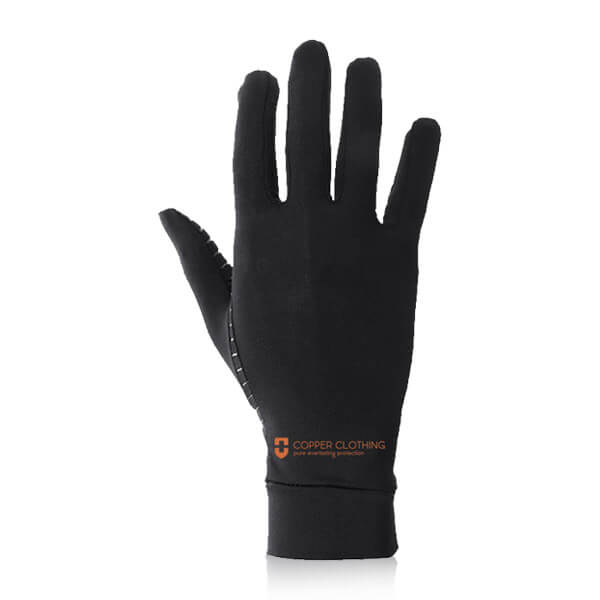
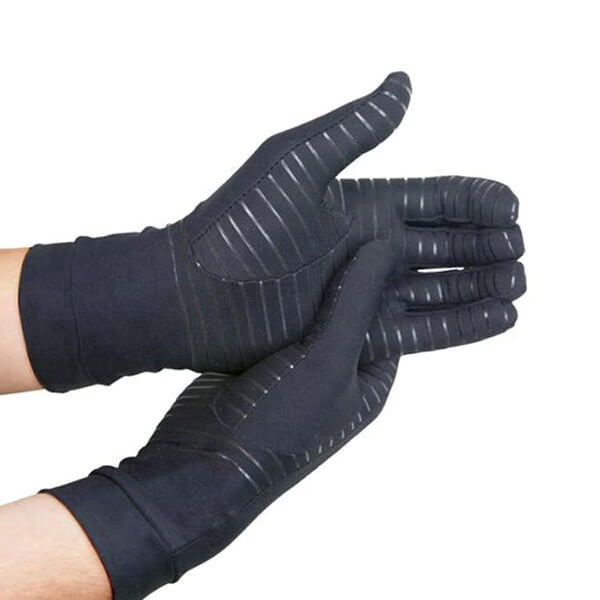
Full Finger Gloves (Copper Gloves)
- Ultimate comfort & flexibility
- Provides warmth and comfort for hands
- Washable
- Sale price
- £22.99
- Regular price
- £22.99
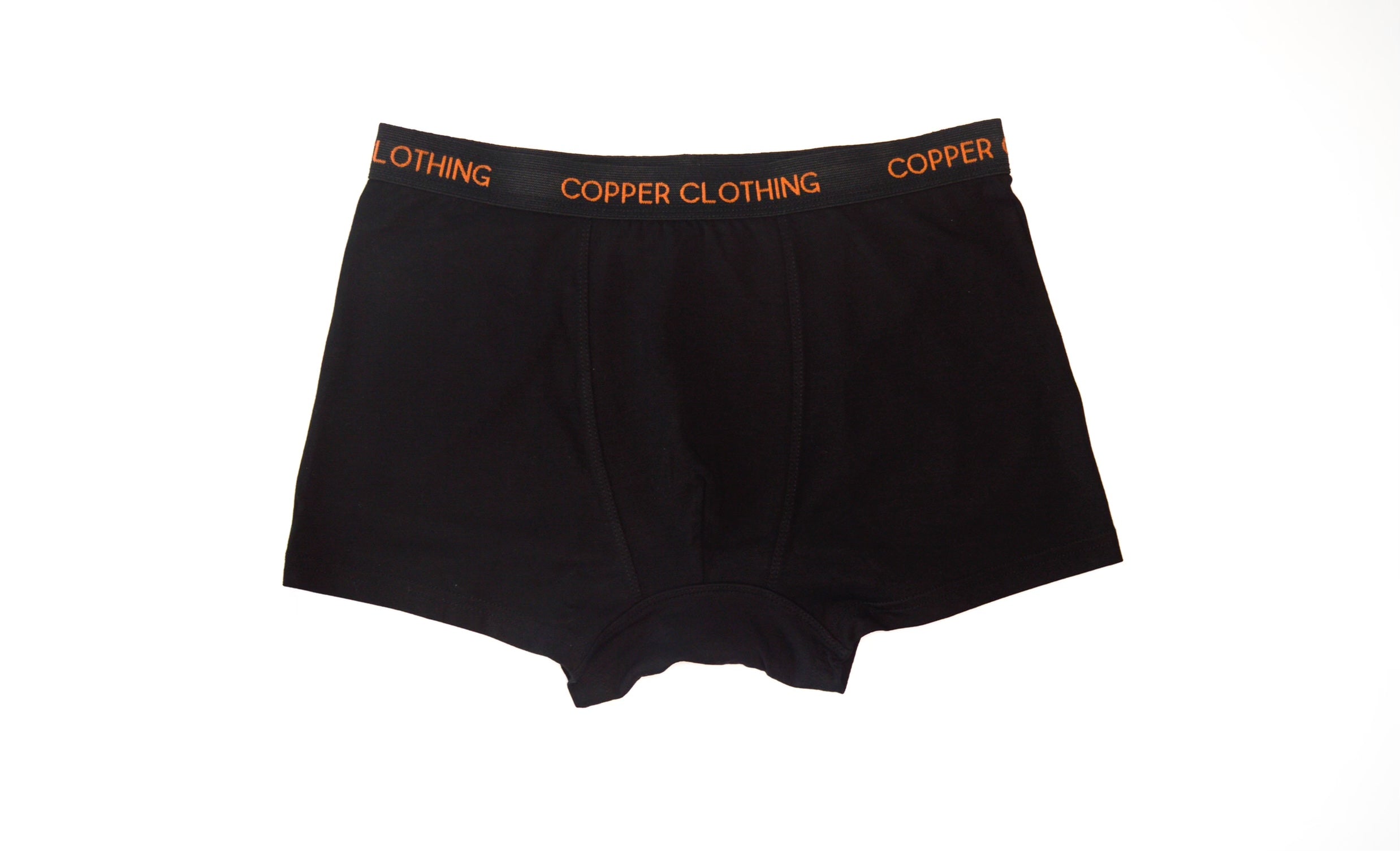
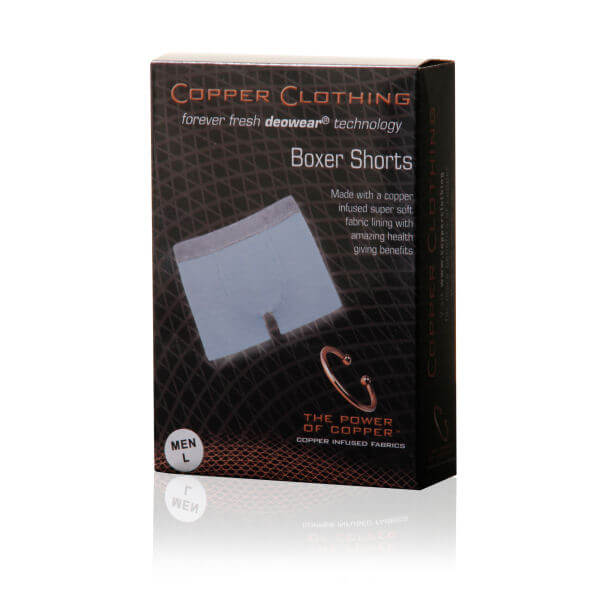
Men’s Copper Boxer Shorts – Soft, Breathable Underwear for Everyday Comfort
- Soft cotton & bamboo blend
- Breathable & lightweight feel
- Stretch comfort for daily movement
- Sale price
- £9.99
- Regular price
- £9.99

Short Compression Copper Infused Socks
- Breathable Compression Fabric, Comfortable & Durable
- 8 - 15mmHg of Compression
- Best socks for long flights and journey
- Sale price
- £12.99
- Regular price
- £12.99
Long Copper Infused Compression Socks
- Breathable Compression Fabric, Comfortable & Durable
- 8 - 15mmHg of Compression
- Best socks for long flights and journey
- Sale price
- £15.99
- Regular price
- £15.99

Ladies Copper Infused Pyjamas
- Luxuriously Soft Cotton & Bamboo
- Ideal for daily wear
- Sale price
- £49.99
- Regular price
- £49.99
Everyday Copper Socks – Soft, Breathable Socks for Daily Comfort
- Soft & breathable fabric
- Comfortable for long-hour wear
- Lightweight everyday fit
- Sale price
- £9.99
- Regular price
- £9.99
Mens Copper Infused Pyjamas
- Luxuriously Soft Cotton & Bamboo
- Promotes Healthier & Softer Skin
- Sale price
- £54.99
- Regular price
- £54.99
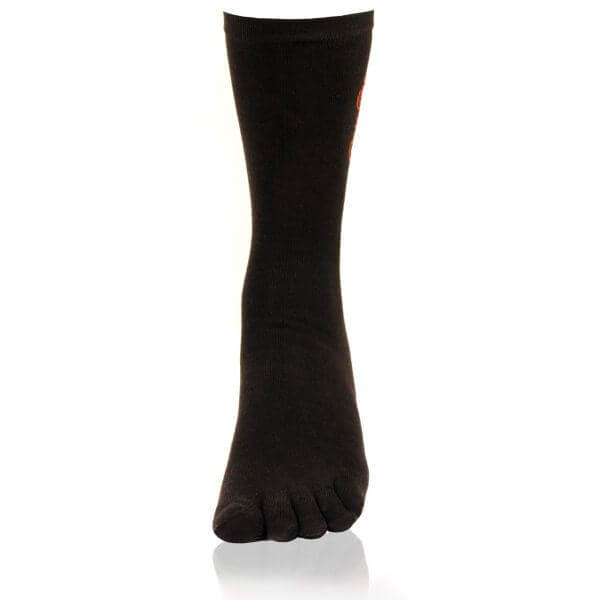
Copper Infused Five Toe Socks
- Promotes Softer Healthier Feet
- Completely Seamless
- Best for long journey and flights
- Sale price
- £14.99
- Regular price
- £14.99
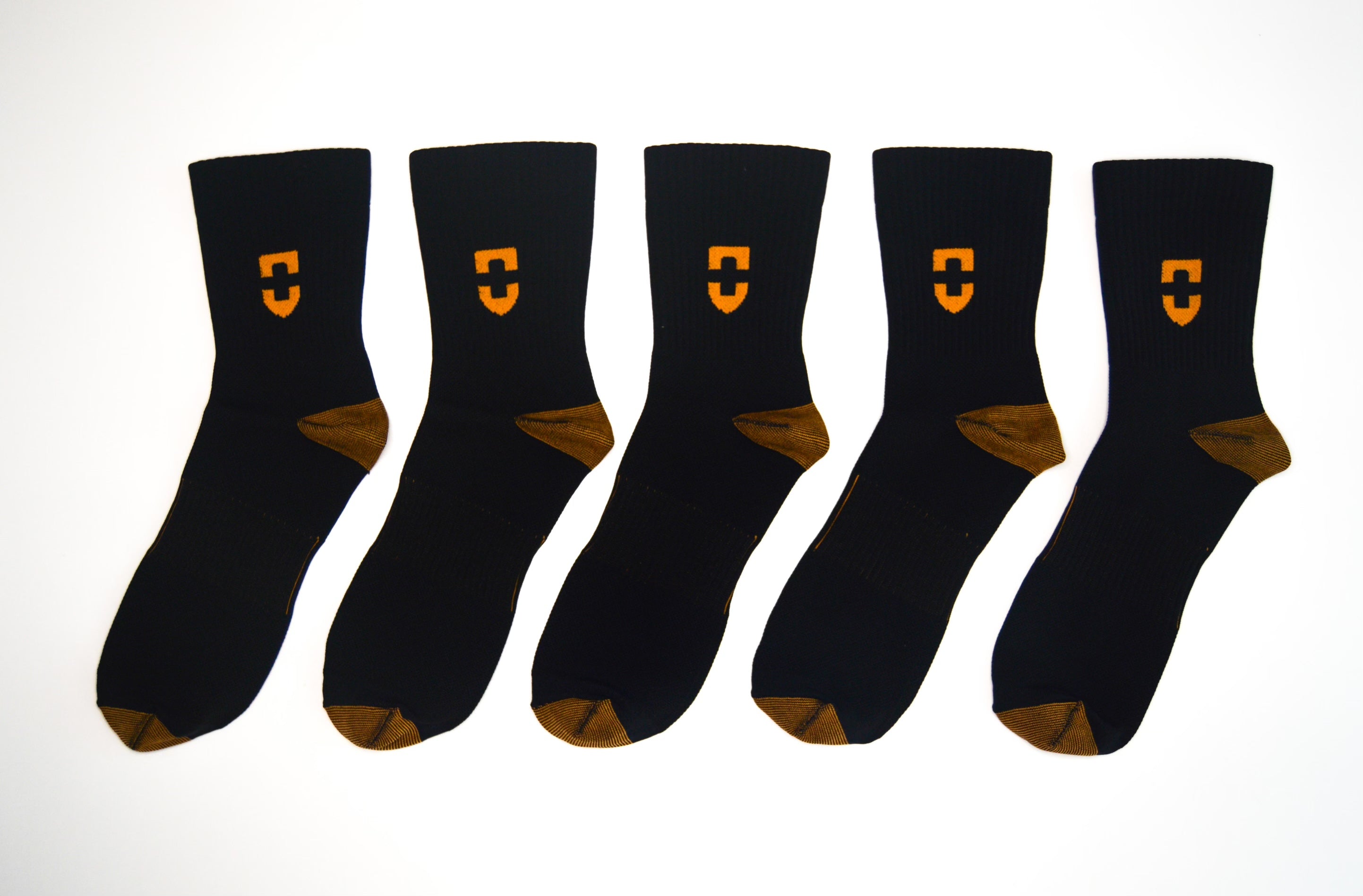
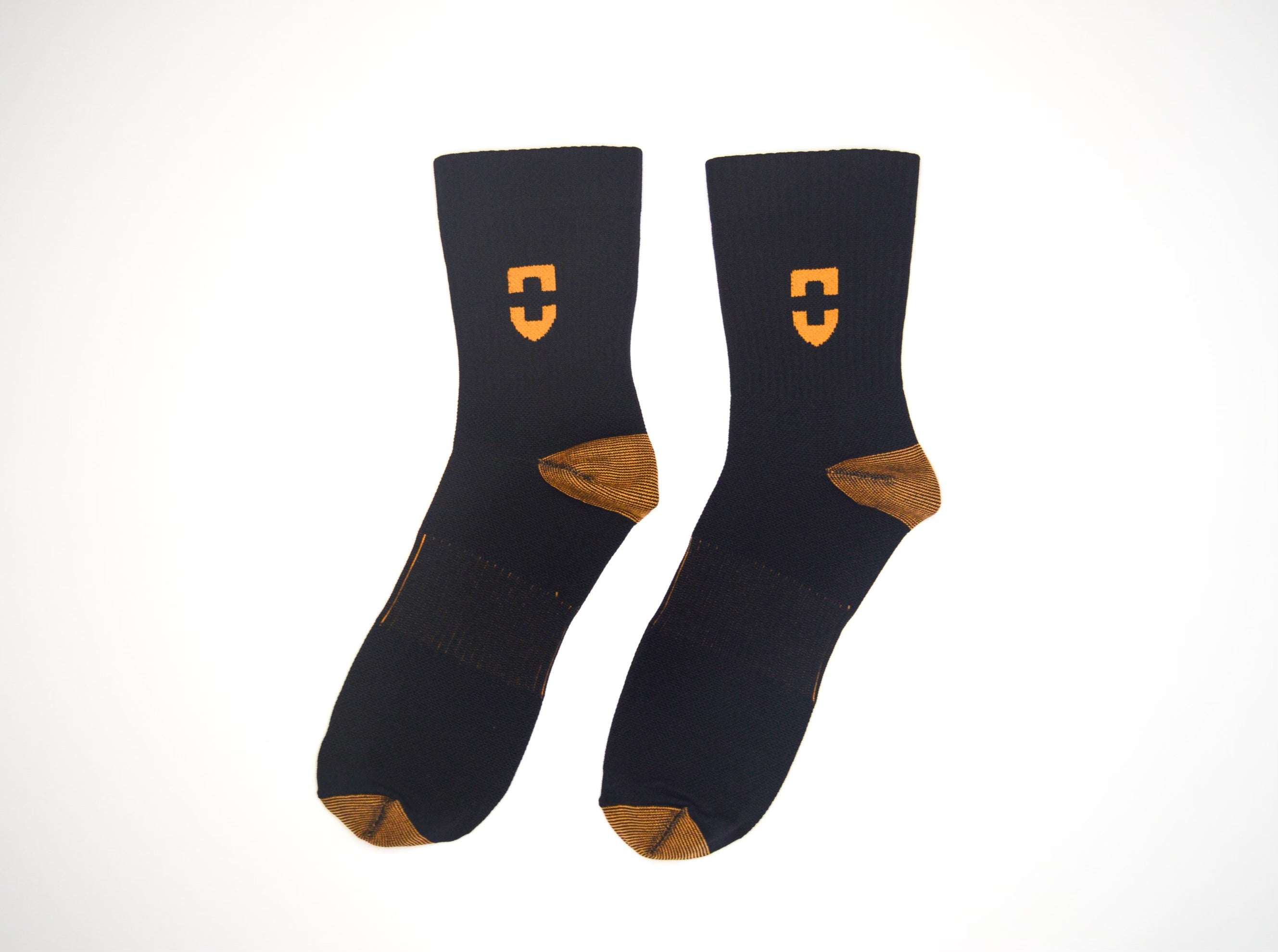
5-Pack Short Compression Copper Infused Socks
- Breathable Compression Fabric & Comfortable
- 8-15mmHg of Compression
- Best socks for long flights and travel
- Sale price
- £59.95
- Regular price
- £64.95
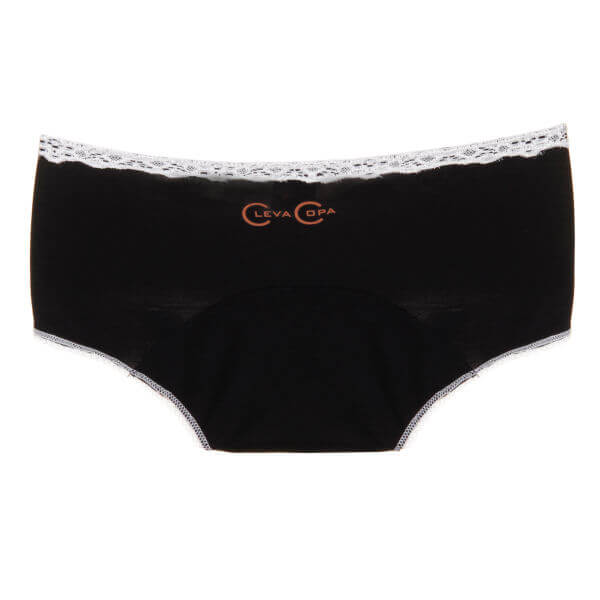
Womens Copper Infused Briefs
- Soft cotton & bamboo blend
- Breathable lightweight feel
- Flexible everyday comfort
- Sale price
- £9.99
- Regular price
- £9.99
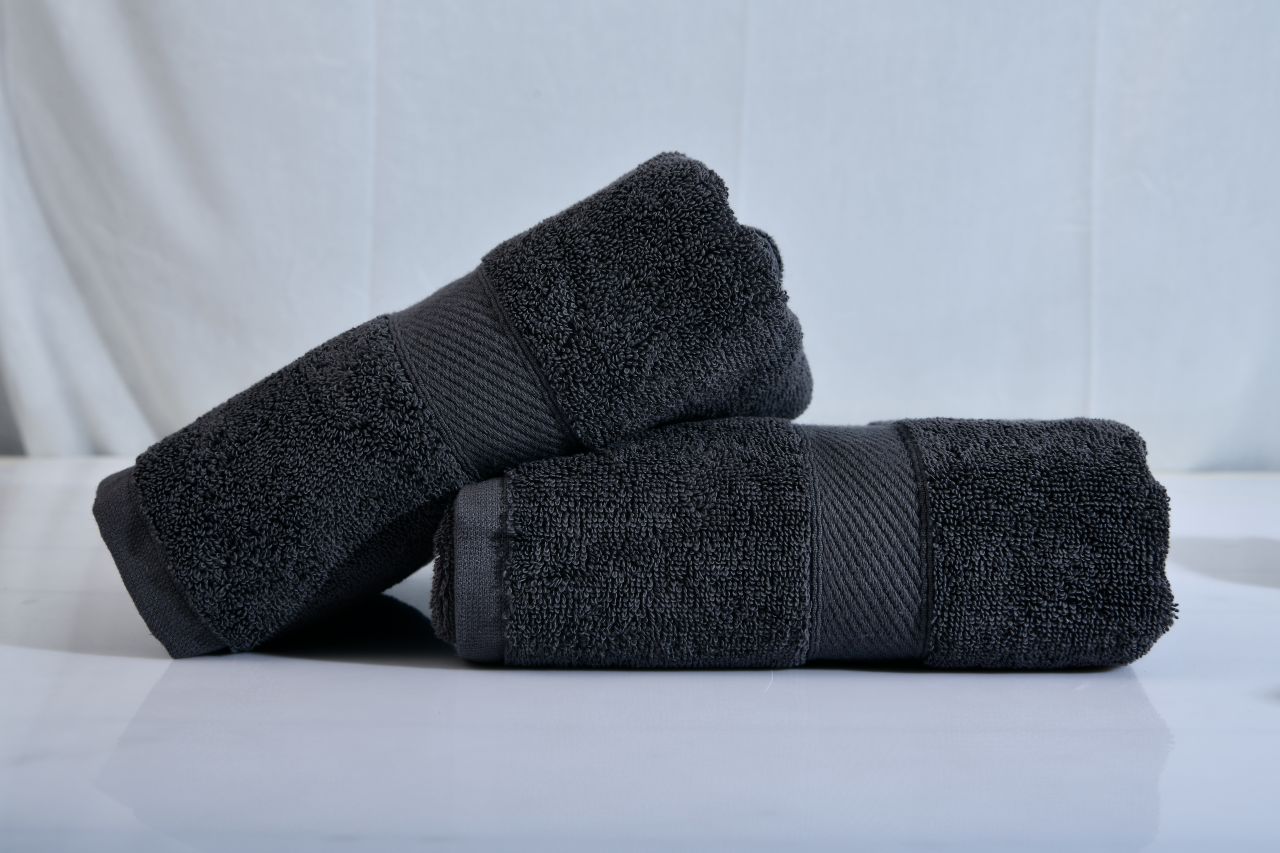
Copper Infused Bath & Gym Towel — 500 GSM Premium Cotton
- 500 GSM Cotton Cloth
- Soft & Premium
- Lightweight & Durable
- Child and Pet-Friendly
- Sale price
- £19.99
- Regular price
- £19.99

