


Walking vs Running: Which Is Better for You?
Author

Rory Donnelly
Published
September 18 2026
Walking and running are two of the simplest ways to stay active, but that does not mean one is automatically better than the other. Running can give you a harder workout in less time, while walking is easier on your body and often easier to fit into your day.
In this blog, we will compare walking vs running, look at how each one fits different health goals, the calories you can burn, and how to choose the right option for your fitness level.
The Basics: Walking vs Running
The biggest difference between walking and running is intensity. When you walk, at least one foot stays on the ground at all times. Running involves a point where both feet leave the ground, which means your body has to handle more impact with every stride.
That extra intensity is why running usually gets your heart rate up faster and burns more calories in less time. It also puts more stress on your muscles and joints.
Walking is much easier to control. You can take a relaxed walk around your neighbourhood or pick up the pace and turn it into a proper workout. It is also something most people can start doing without needing much equipment or previous training.
Neither one is automatically the better exercise. It comes down to what your body can handle and what you actually enjoy doing.
Walking vs Running for Different Health Goals
According to sports medicine specialists, there is no universal winner between walking and running. Both are cardiovascular exercises that can support heart health, blood pressure, and mood.
Here is how the two compare when you have a particular goal in mind.
1. Heart Health
How Running helps:
Running gets your heart working harder, so you can improve cardiovascular fitness with shorter workouts. Over time, regular running can help improve your endurance and make everyday physical activity feel easier.
How Walking helps:
Brisk walking can also raise your heart rate and give your cardiovascular system a solid workout. It is easier to do frequently, which matters if you are trying to build a consistent exercise routine.
Tip:
If you are new to exercise, start with brisk walks. Once that feels comfortable, you can add short periods of jogging if you want more intensity.
2. Weight Management
How Running helps:
Running burns more calories per minute, so it can be useful when you have limited time. It also requires more energy from your body because of the higher intensity.
How Walking helps:
Walking burns fewer calories in the same amount of time, but you can usually do it for longer and recover more easily. A longer walk can therefore add up to a decent amount of activity without leaving you exhausted.
Tip:
Do not choose an exercise only because it burns more calories. A workout you can do several times a week is much more useful than one you keep avoiding because it feels too difficult.
3. Joint Health
How Running helps:
Running is not automatically bad for your joints. If your body is used to it and you increase your mileage gradually, running can be part of a healthy exercise routine. But the repeated impact is higher, so existing joint problems need to be taken seriously.
How Walking helps:
Walking puts less stress on the joints and is generally easier to manage if you are getting back into exercise. It can also be a good starting point before moving towards higher-impact activities.
Tip:
If you have persistent knee, hip, ankle, or other joint pain, get it checked instead of trying to push through it.
4. Mental Wellbeing
How Running helps:
A run can be a good way to clear your head, especially once your body gets used to the effort. Exercise also supports mood and can help reduce feelings of stress.
How Walking helps:
Walking gives you many of the same general benefits without demanding as much from your body. A quiet walk outside can also give you some time away from screens, work, and the usual daily noise.
Tip:
For mental wellbeing, consistency matters more than speed. Even a 20 or 30-minute walk can be worthwhile if it becomes part of your routine.
Calories Burned: Walking vs Running
Running does burn more calories per minute. For a person weighing around 160 pounds, running may burn about 15.1 calories per minute, compared with roughly 8.7 calories per minute while walking. Over 30 minutes, that works out to around 453 calories from running and 261 calories from walking.
That does not mean you need to run to get a good workout.
One reason is duration. Research suggests that brisk walking for around 45 to 60 minutes can provide cardiovascular improvements similar to a shorter 25 to 30-minute run. So if you prefer walking, spending more time doing it can help narrow the gap.
The World Health Organization recommends at least 150 minutes of moderate-intensity activity, such as brisk walking, or 75 minutes of vigorous activity, such as running, each week. Put simply, vigorous exercise can give you similar cardiovascular benefits in roughly half the time.
How to Choose What's Right for You: Think About Your Situation
There is no need to force yourself into running because you think it is the “better” workout. Look at what you are actually working with.
Goal: What Do You Want to Achieve?
If you want to improve running performance or build endurance quickly, running makes more sense. If you mainly want to become more active, improve general fitness, or get more movement into your day, walking can be plenty.
Fitness: Where Are You Starting?
Someone who has not exercised for months should not suddenly start running several kilometres. Start with walking and build your fitness first. If you already exercise regularly, you may be ready for jogging or running.
Injuries: Do You Have Any Physical Limitations?
Think about your knees, ankles, hips, back, and any old injuries. Walking is usually easier on the body, but even walking can aggravate an existing problem if you do too much too soon.
Health: Are There Any Medical Considerations?
If you have a health condition or have been inactive for a long time, speak with your doctor before starting vigorous exercise. You may need to begin with shorter, easier sessions.
Environment: Where Will You Exercise?
A safe footpath, park, treadmill, or quiet road can all work. Think about traffic, weather, lighting, and the surface you will be exercising on.
Time: How Much Can You Commit?
Running is useful if you want a harder workout in less time. Walking may work better if you have the flexibility to spend more time exercising.
Enjoyment: What Will You Stick With?
This one matters more than people sometimes admit. If you hate running, you probably will not keep doing it for very long. A brisk walk that you genuinely enjoy can be a much better long-term choice.
Tips to Get Started Safely
1. Start slowly: Give your body time to adjust. Increase your walking distance, running time, or workout intensity gradually rather than making a big jump.
2. Choose soft but stable surfaces: Parks, tracks, and well-maintained paths can be comfortable options. Avoid surfaces that are uneven enough to make you feel unstable.
3. Watch your foot strike: Try to let your foot move naturally from heel towards toe as you walk or run instead of landing awkwardly.
4. Keep your upper body relaxed: Bend your elbows, keep your arms reasonably close to your sides, and let them swing naturally. Try not to tense your shoulders.
5. Pay attention to the weather: Avoid exercising during extreme heat and protect yourself from strong sunlight. On wet or very hot days, changing the time of your workout may make more sense.
6. Be visible at night: If you exercise after dark, wear bright or reflective clothing so drivers and other people can see you.
7. Stop when something hurts: Normal tiredness is one thing. Sharp or persistent pain is another. Stop if pain develops and seek professional advice if it does not settle.
Choosing Appropriate Gear for Walking or Running
You do not need a wardrobe full of expensive sportswear to start walking or running. A few sensible choices are enough.
1. Choose the Right Shoes
Your shoes should feel comfortable, fit properly, and suit the activity you are doing. If you are running regularly, a pair of running shoes with suitable cushioning and support can make the experience much more comfortable.
2. Wear Sweat-Wicking Sports Clothes
Lightweight, sweat-wicking T-shirts, shorts, and sports bras can help keep you more comfortable during exercise. If you live somewhere cold or wet, having a running jacket and suitable trousers or leggings is worth considering too.
3. Consider Compression Socks
If you spend a lot of time on your feet or regularly go for longer walks and runs, copper compression socks can be another useful addition to your workout gear. They apply gentle pressure around the lower leg and can help your legs feel more supported during activity.
Looking for Extra Support While Running and Walking?
Copper Compression Socks offer graduated compression to support circulation and keep your legs feeling comfortable.
Closing Thoughts
Walking and running can both be great ways to improve your fitness, and you do not have to pick one forever. You might walk most days and run once or twice a week, or stick entirely with brisk walking if that works better for your body. Running gives you more intensity in less time, while walking is easier to recover from and often easier to maintain. The better choice is the one that matches your health, schedule, fitness level, and something you can actually see yourself doing next month too.
FAQs:
Is it better to walk or run?
It depends on what you want from your workouts. Running burns more calories and improves cardiovascular fitness with less time, while walking is lower impact and easier for many people to maintain.
Walking for an hour vs 30 mins jogging: which is good for weight loss?
Thirty minutes of jogging will usually burn more calories than an hour of walking. However, your fitness level, food intake, and total daily activity matter too. Walking for longer can still be very useful for weight management.
Does running burn more calories than walking?
Yes. Running is more intense, so it generally burns more calories per minute than walking. The exact number depends on your body weight, speed, terrain, and other factors.
Does running help reduce belly fat?
Running can help reduce overall body fat, which may eventually reduce belly fat too. You cannot control exactly where your body loses fat first.
Is jogging bad for knees?
Jogging puts more impact on your knees than walking, but that does not mean it is automatically harmful. Gradually increasing your running, using suitable shoes, and paying attention to pain can help. If you already have knee problems, talk to a healthcare professional.
Does walking 10,000 steps help you lose weight?
It can help because walking uses extra energy. But weight loss still depends on your overall calorie balance. Ten thousand steps is a useful target for some people, but you do not have to hit that exact number to benefit from walking.
What is the 3-3-3 rule for walking?
The 3-3-3 approach generally refers to alternating three minutes of faster walking with three minutes of slower recovery walking during a 30-minute workout. It gives you an easy way to add changes in pace without having to walk quickly for the entire session.
What would be a realistic number of steps for a beginner?
Around 4,000 to 5,000 steps a day can be a reasonable starting point if you currently do very little activity. Once that feels comfortable, gradually increase your daily steps rather than trying to jump straight to 10,000
-

Walking vs Running: Which Is Better for You?
September 18, 2026
-

Compression Socks for Flat Feet: Do They Rea...
September 11, 2026
-

Travel Essentials for Women: The Ultimate Pa...
September 08, 2026
-

Should you wash new sheets before using them?
August 27, 2026
-

How to Wash Compression Socks?
August 17, 2026


Popular Products


FFP2 CE Four-Layer Copper Infused Face Mask
- Four layers of protection
- Comfortable & washable
- Sale price
- £22.99
- Regular price
- £22.99
Full Finger Gloves (Copper Gloves)
- Ultimate comfort & flexibility
- Provides warmth and comfort for hands
- Washable
- Sale price
- £22.99
- Regular price
- £22.99
Men’s Copper Boxer Shorts – Soft, Breathable Underwear for Everyday Comfort
- Soft cotton & bamboo blend
- Breathable & lightweight feel
- Stretch comfort for daily movement
- Sale price
- £9.99
- Regular price
- £9.99
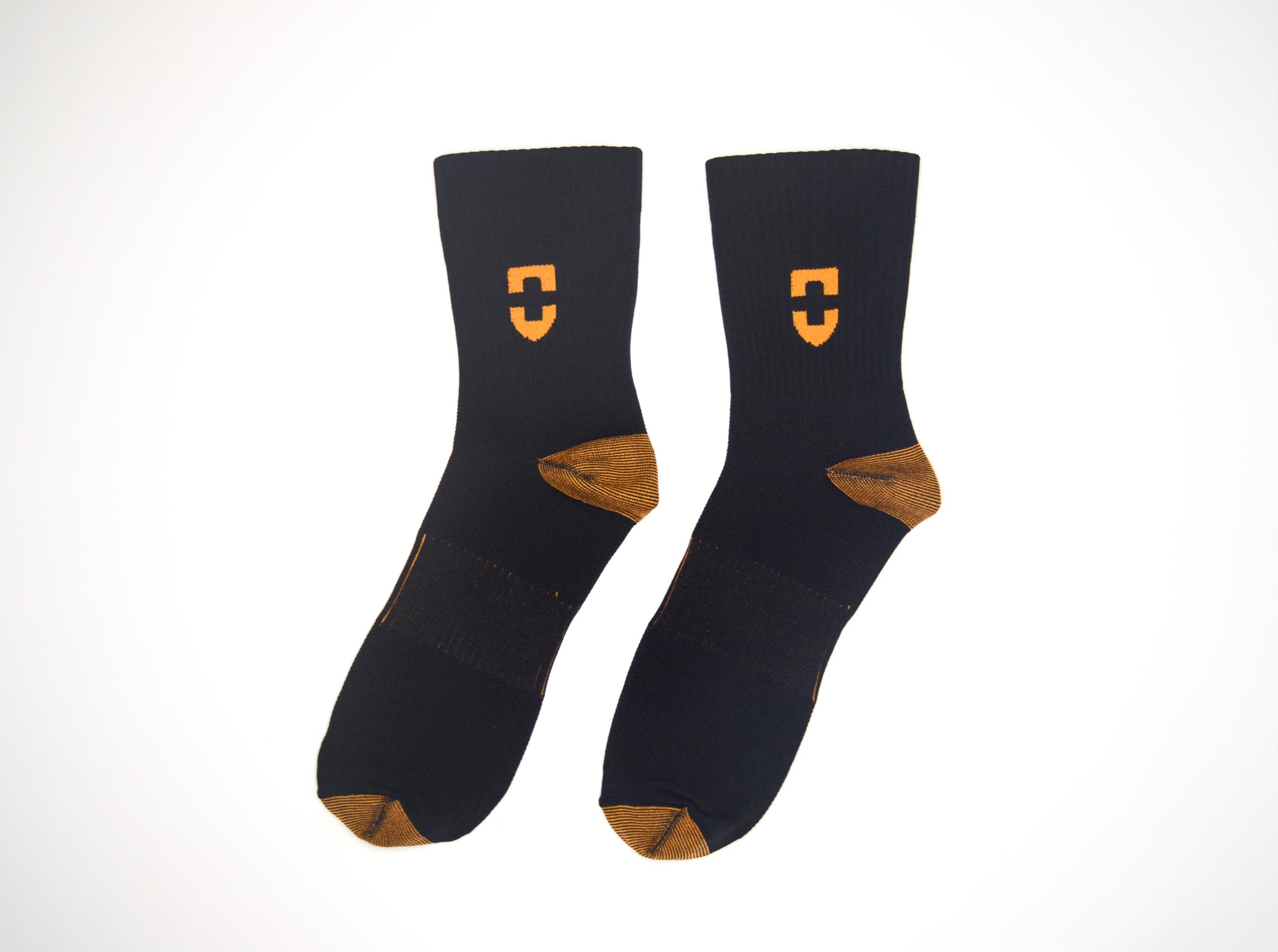

Short Compression Copper Infused Socks
- Breathable Compression Fabric, Comfortable & Durable
- 8 - 15mmHg of Compression
- Best socks for long flights and journey
- Sale price
- £12.99
- Regular price
- £12.99
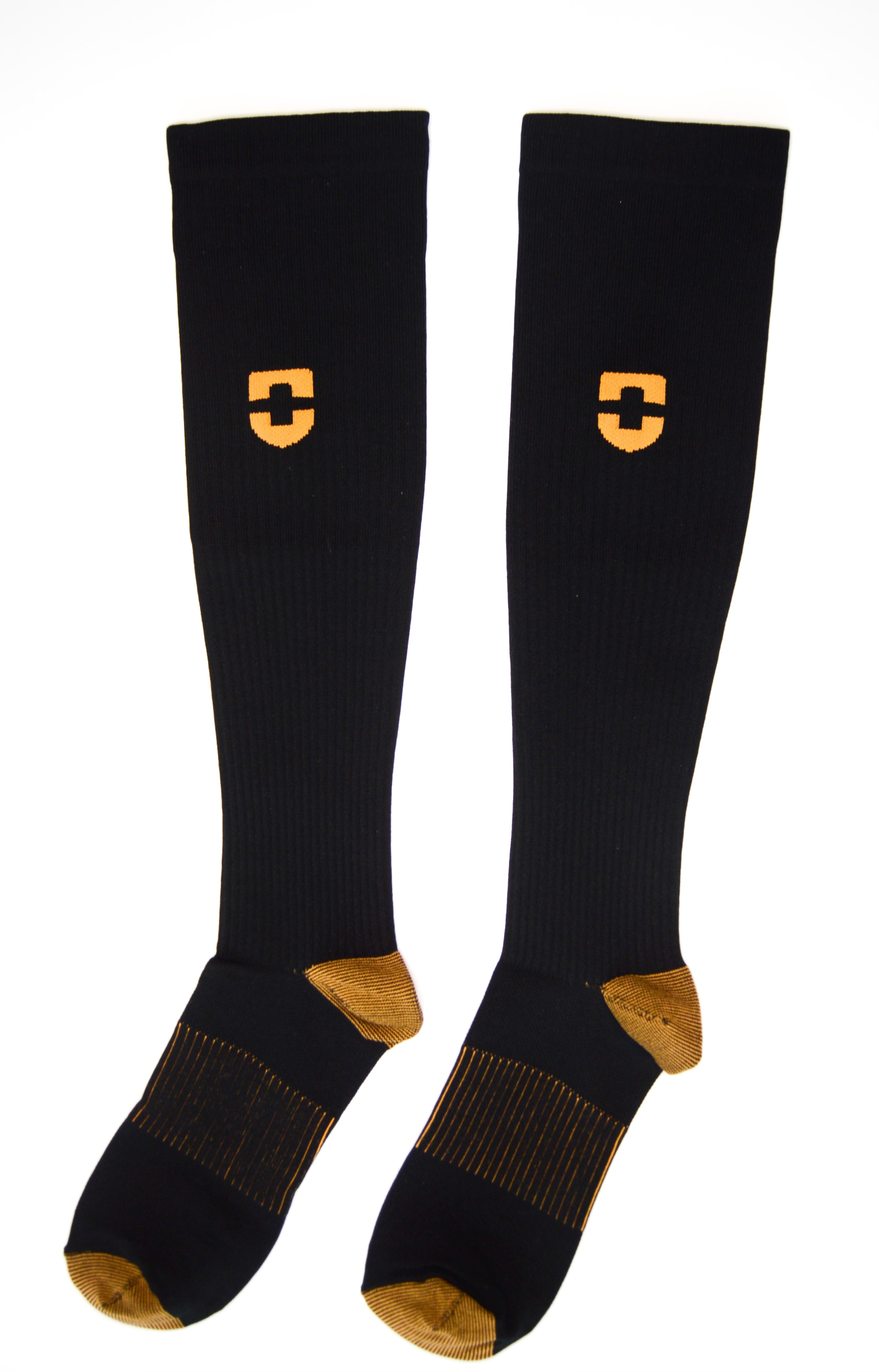
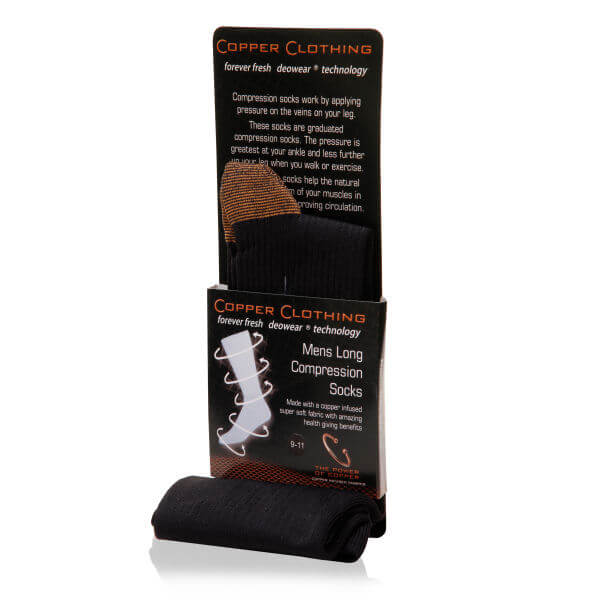
Long Copper Infused Compression Socks
- Breathable Compression Fabric, Comfortable & Durable
- 8 - 15mmHg of Compression
- Best socks for long flights and journey
- Sale price
- £15.99
- Regular price
- £15.99
Ladies Copper Infused Pyjamas
- Luxuriously Soft Cotton & Bamboo
- Ideal for daily wear
- Sale price
- £49.99
- Regular price
- £49.99
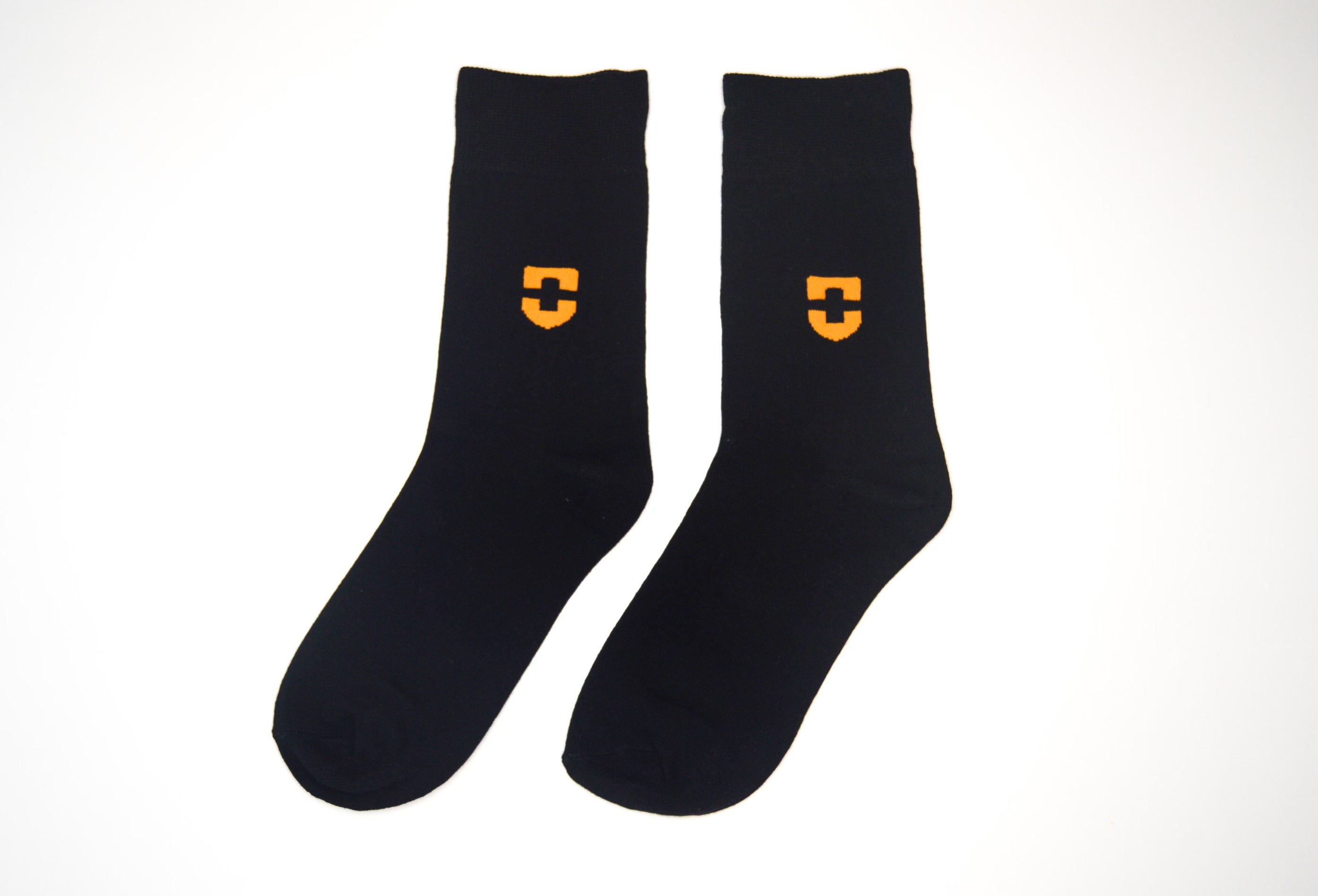
Everyday Copper Socks – Soft, Breathable Socks for Daily Comfort
- Soft & breathable fabric
- Comfortable for long-hour wear
- Lightweight everyday fit
- Sale price
- £9.99
- Regular price
- £9.99
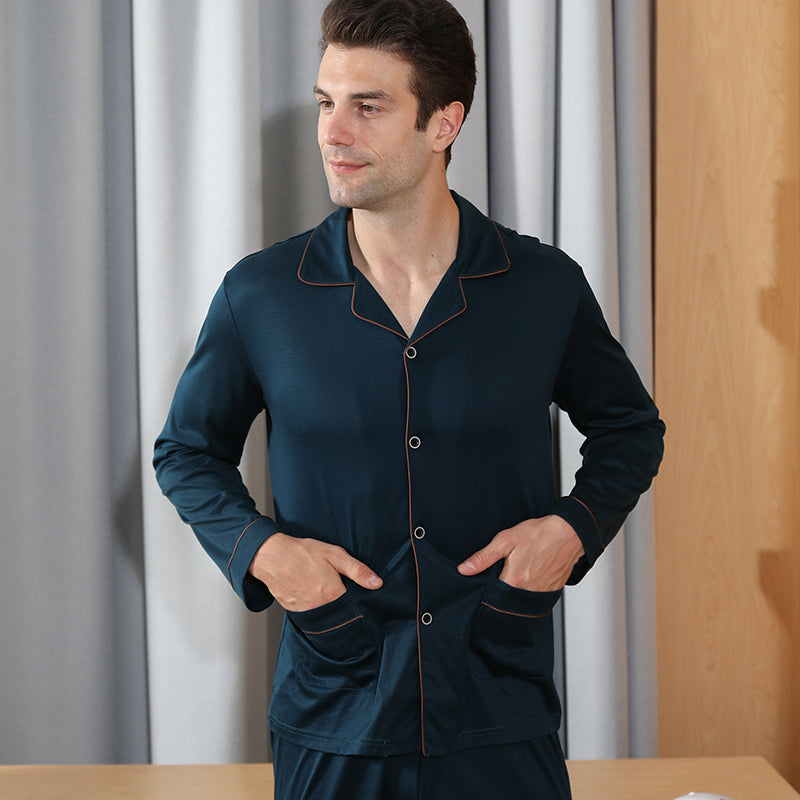
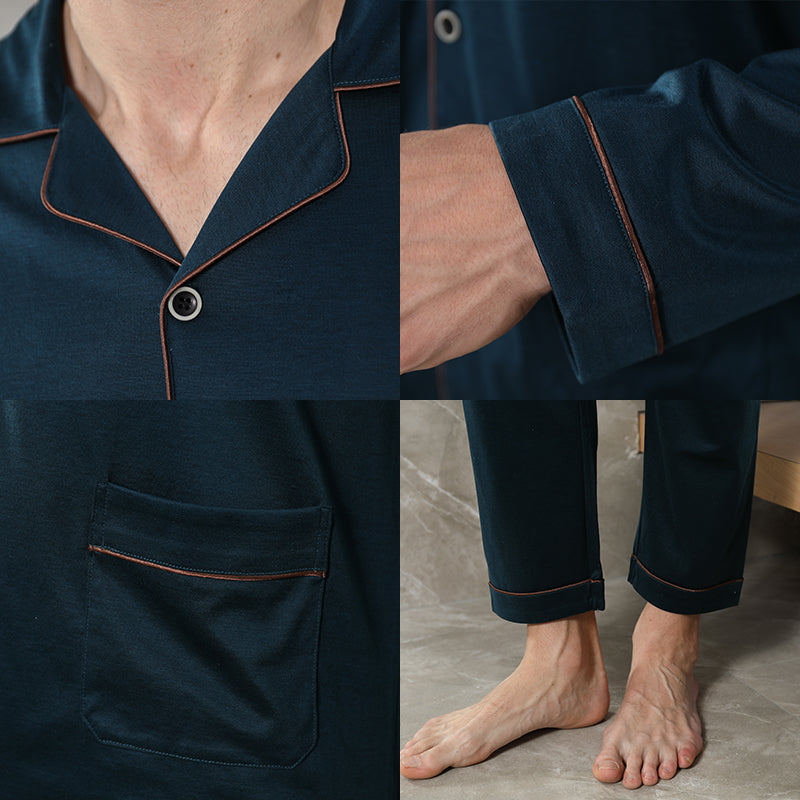
Mens Copper Infused Pyjamas
- Luxuriously Soft Cotton & Bamboo
- Promotes Healthier & Softer Skin
- Sale price
- £54.99
- Regular price
- £54.99
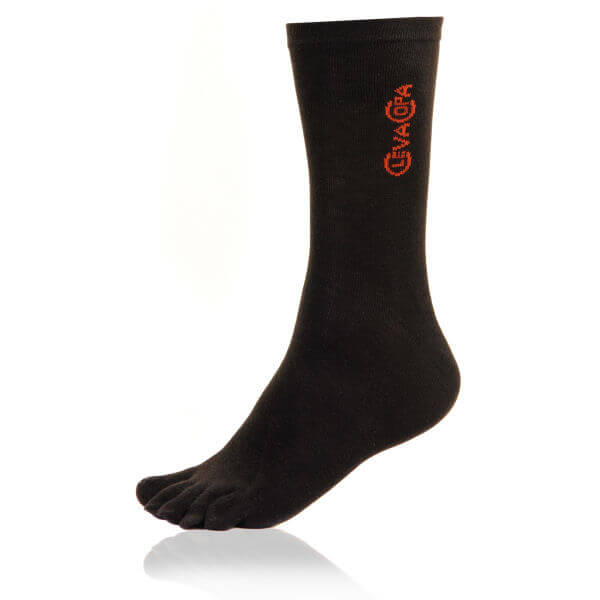
Copper Infused Five Toe Socks
- Promotes Softer Healthier Feet
- Completely Seamless
- Best for long journey and flights
- Sale price
- £14.99
- Regular price
- £14.99
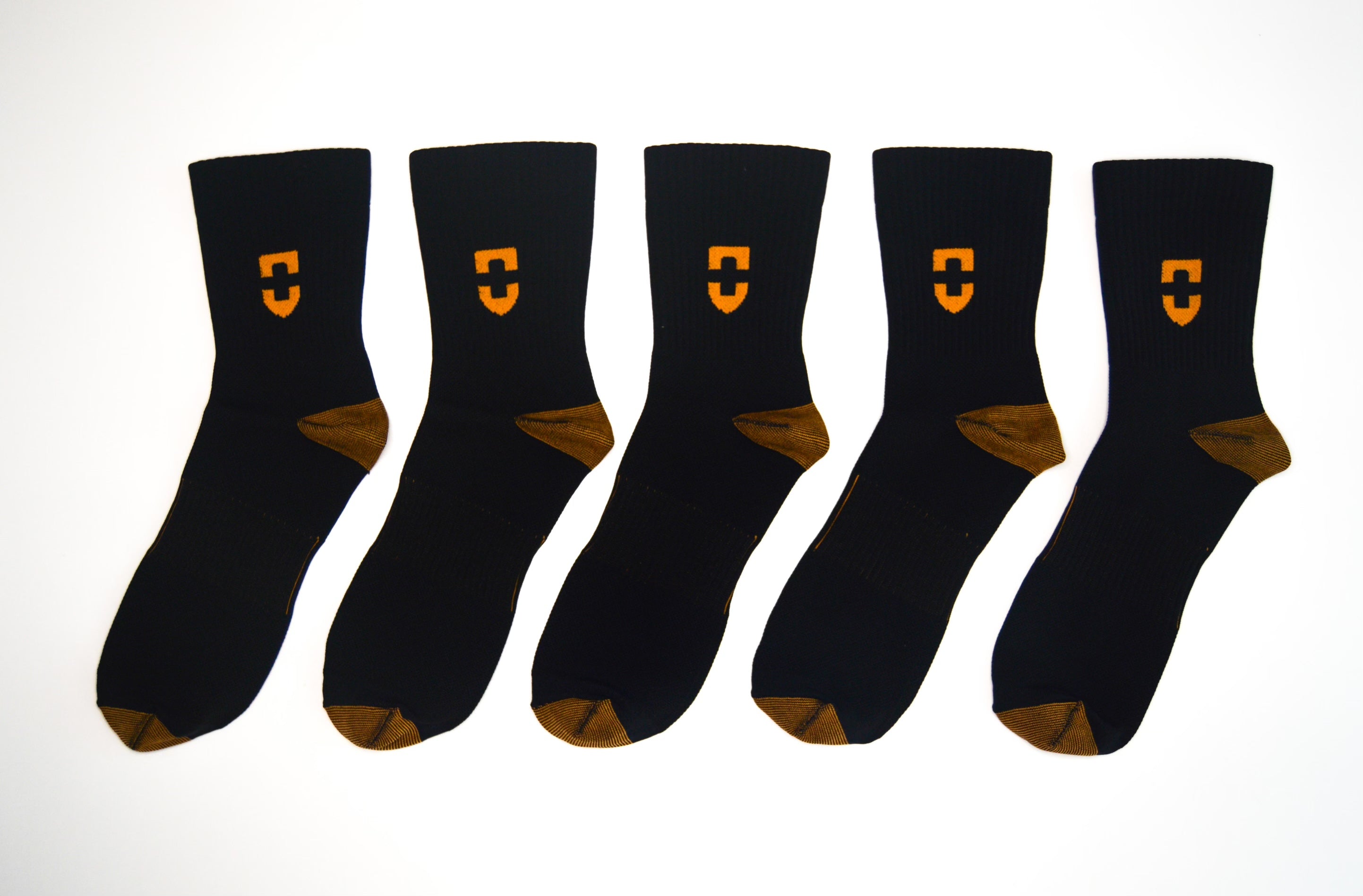
5-Pack Short Compression Copper Infused Socks
- Breathable Compression Fabric & Comfortable
- 8-15mmHg of Compression
- Best socks for long flights and travel
- Sale price
- £59.95
- Regular price
- £64.95
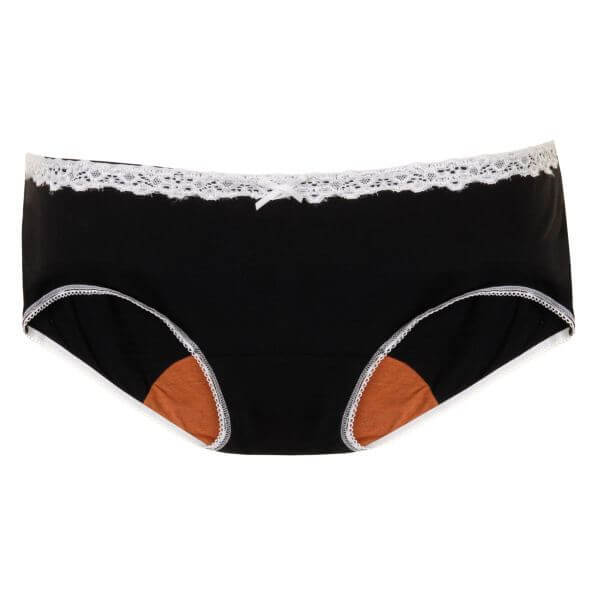
Womens Copper Infused Briefs
- Soft cotton & bamboo blend
- Breathable lightweight feel
- Flexible everyday comfort
- Sale price
- £9.99
- Regular price
- £9.99
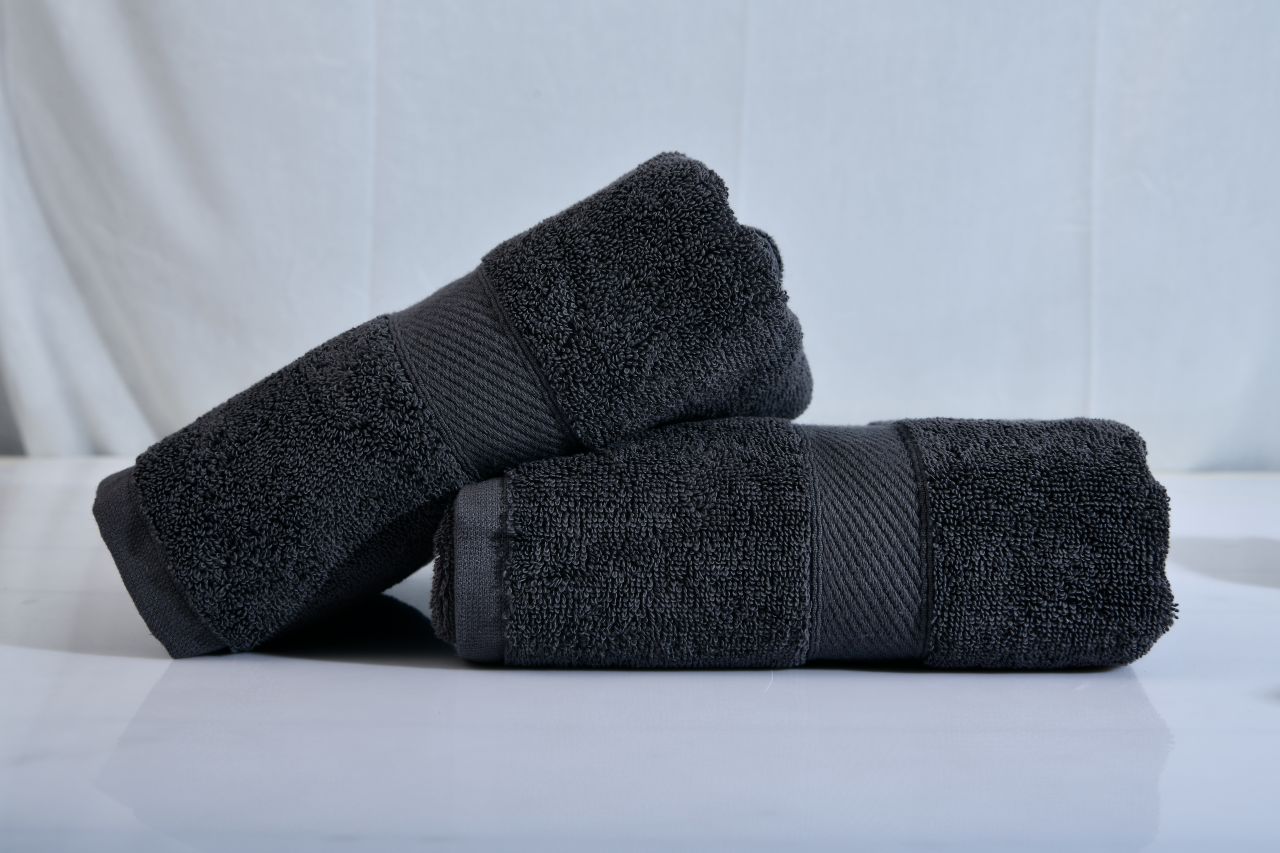
Copper Infused Bath & Gym Towel — 500 GSM Premium Cotton
- 500 GSM Cotton Cloth
- Soft & Premium
- Lightweight & Durable
- Child and Pet-Friendly
- Sale price
- £19.99
- Regular price
- £19.99

