


How to Recover After a Marathon
Author

Rory Donnelly
Published
September 24 2026
Quick Answer
The best way to recover after a marathon is to focus on fluids, food, sleep, and rest during the first few days. Gentle movement can help once you feel ready, but give your body time before returning to regular running or intense training.
Introduction
Finishing a marathon is a huge achievement, but your body does not immediately return to normal once the race is over. Your muscles, energy levels, hydration, and overall system all need time to recover. What you do after the marathon can make those next few days more comfortable and help you get back to running without rushing things. In this blog, we will look at what happens to your body during a marathon and what you can do right after the race, the following day, and during the first week of recovery.
Why Post-Marathon Recovery Matters?
It is easy to get caught up in the excitement after a marathon and start thinking about your next run straight away. Your body may not be ready for that yet. Recovery gives your muscles time to repair, helps restore the energy you used during the race, and allows your body to settle after a major physical effort. Taking a few days off from running does not mean you are losing fitness. After a marathon, rest is part of the process.
What Happens to Your Body During a Marathon?
A marathon puts your body under a lot of physical stress. Some effects are obvious as soon as you finish, while others become more noticeable over the following day or two. Here’s usually what happens:
1. Inflammation
Long periods of strenuous exercise can trigger an inflammatory response in the body. This is part of the normal process that follows physical stress. It can leave your muscles feeling tender, stiff, and generally uncomfortable after the marathon.
2. Muscle Damage
Running for several hours places repeated stress on your muscles. This can cause small amounts of damage to muscle fibres, particularly when you have pushed yourself hard during the race. The resulting soreness often becomes more noticeable after you have finished rather than immediately at the finish line.
3. Depleted Energy Stores
Your body relies heavily on stored carbohydrates, known as glycogen, during a marathon. By the time you finish, those stores can be significantly reduced. This is one reason you may feel completely drained afterward. Eating carbohydrates during your recovery helps replenish the energy your muscles have used.
4. Tired Lungs
Your lungs have been working continuously throughout the marathon to supply your body with oxygen. You may feel generally exhausted or find yourself breathing harder than usual for a while after finishing. This is usually part of the overall physical stress of the race rather than a sign that your lungs have been damaged.
5. Temporary Spinal Shrinkage
Running places repeated loads on your spine, and studies have found temporary changes in spinal and disc height after running. This is linked to compression and changes in the fluid within the discs. It is temporary and should not be confused with your spine actually becoming permanently shorter.
6. Dehydration and Electrolyte Loss
Sweating during a marathon means losing both water and electrolytes. The amount varies from runner to runner and depends on factors such as pace, weather, body size, and individual sweat rate. Replacing fluids after the race matters, but drinking excessive amounts of plain water is not a good recovery strategy either. Electrolytes need to be considered as part of your overall rehydration.
7. Weakened Immune System
Hard, prolonged exercise can temporarily affect immune function. Some runners feel unusually tired or run-down after a marathon and may feel more vulnerable to getting sick during the recovery period. Getting enough sleep, eating properly, staying hydrated, and giving yourself a break from hard training can help during this time.
How to Recover Faster After a Marathon?
You cannot completely rush post-marathon recovery. What you can do is avoid making it harder for your body than it needs to be.
1. Right After You Finish
a. Keep Moving to Cool Down
You might want to sit down immediately after crossing the finish line. If you feel well enough, keep walking slowly for around 10 to 15 minutes instead.
There is no need to walk quickly or turn it into another workout. Just give your body some time to settle down before stopping completely.
b. Start Rehydrating With Electrolytes
You have probably been sweating for several hours, so start replacing fluids once you finish. An electrolyte drink can help replace both fluids and sodium rather than relying only on plain water.
Drink gradually rather than forcing yourself to consume a huge amount at once.
c. Eat Something With Carbs and Protein
You may not feel like eating a large meal straight away, especially if your stomach is unsettled.
Start with something easy to tolerate. A sandwich, yoghurt with fruit, a recovery drink, chocolate milk, or another snack containing carbohydrates and protein can work. Later, have a proper meal when you feel ready.
d. Try a Contrast Bath Instead of an Ice Bath
You do not have to jump into an ice bath because you have finished a marathon. Cold water may help with how sore you feel, but it is not essential for recovery.
Some runners prefer contrast therapy, where they alternate between warmer and cooler water. If you try it, keep the temperatures comfortable rather than going to extremes.
And once you are done, put on some dry, warm clothes. Sitting around in sweaty running clothes while your body cools down is not exactly pleasant.
e. Put on Compression Socks
Your legs may feel heavy and tired after the marathon. Some runners like wearing compression socks during the hours after the race or while travelling home.
If you want to try them as part of your recovery routine, you can check out Copper Clothing's Copper Compression Socks.
f. Prioritise Sleep That Night
You may be tired but still feel wired after the excitement of the marathon. Try to get a proper night's sleep anyway.
Sleep gives your body time to repair muscle tissue and recover from the physical stress of the race. You do not need to do anything complicated here. Just allow yourself to sleep for as long as you can.
2. The Day After a Marathon
Do not be surprised if you wake up feeling worse than you did immediately after finishing.
Your legs may be stiff, walking downstairs may suddenly become an activity you need to think about, and you may feel more tired than expected.
Some runners also experience nausea, chills, or a general feeling of being unwell during the hours after a marathon. These symptoms usually pass, but persistent vomiting or being unable to keep fluids down is different. If that happens, get checked rather than assuming it is simply part of recovery.
a. Move Gently, Don't Run Yet
A slow walk is enough.
If you feel reasonably comfortable, you could also do an easy spin on a stationary bike or a gentle restorative yoga session. Keep the effort very low.
There is no need to test your fitness the day after a marathon.
b. Focus on Hydration and Good Food
Continue drinking throughout the day and pay attention to how you feel. You should also eat proper meals rather than relying only on snacks.
Include carbohydrates to help restore your energy stores and protein to support muscle repair. Fruits, vegetables, whole grains, dairy, eggs, lean meats, beans, and other nutrient-rich foods can all fit into your meals.
3. The First Week of Recovery
The first week can be a little frustrating because you may feel like you should be doing more.
Give it time.
Muscle soreness from a marathon often becomes most noticeable around 24 to 48 hours afterward. It should then gradually start to improve, with many runners feeling considerably better by around day four or five.
a. Take True Rest Days
Rest does not mean you are being lazy.
If your body feels tired, let it rest. You do not need to fill every day with recovery exercises. Sometimes the best thing you can do is eat well, sleep properly, and stay off your feet for a while.
b. Try Low-Impact Cross-Training
Once your soreness has settled enough, you can introduce gentle activities such as walking, easy cycling, swimming, or using an elliptical at a low intensity.
The test is simple. It should feel easy.
If something makes your legs hurt more rather than better, stop and give yourself another day or two.
c. Use Gentle Recovery Methods
Light stretching, foam rolling, or a gentle massage can help with how your muscles feel. You can also spend a few minutes lying on your back with your legs supported against a wall if that feels comfortable.
These things may help with soreness and relaxation, but they do not replace sleep, food, hydration, and rest.
d. Returning to Running Safely
Getting back to running is something you should ease into rather than treating as a deadline.
Some runners feel ready for a short, easy run after about a week. Others need considerably longer. Your recovery will depend on how hard the marathon was for you, how well prepared you were, and whether you have any lingering soreness or pain.
e. Start With Walks and Short Test Runs
If you are pain-free and normal walking feels completely comfortable, you can consider a short, easy run around day 7 to 10.
Keep it genuinely easy. You are checking how your body feels, not trying to set a pace.
If you notice pain, unusual fatigue, or anything that changes the way you run, stop and give yourself more time.
f. Rebuild Distance and Pace Slowly
Your first few runs should be shorter and easier than your normal training.
Leave the intervals, hills, tempo runs, and long runs for later. There is very little benefit in trying to prove that you are back to normal after one week.
Build your running back gradually and see how your body responds between sessions.
g. Listen to Your Body and Adjust
Some soreness is normal during recovery. Sharp pain, worsening pain, swelling, or a noticeable change in your running form is another matter.
If something feels wrong, take another rest day or speak to a healthcare professional if the problem persists.
Support Your Recovery With Copper Compression Socks.
Shop Copper Compression SocksClosing Thoughts
A marathon takes a lot out of your body, so give yourself some time before expecting everything to feel normal again. Focus on the basics first: drink enough, eat properly, sleep well, and take a break from hard training. Gentle movement can come in once your body feels ready. When you return to running, keep the first few sessions easy and build back slowly. A few extra recovery days are much easier to deal with than an injury that keeps you away from running for weeks.
FAQs:
How long does it take to recover from a marathon?
It depends on the runner and how demanding the marathon was, but you should expect recovery to take at least a week. Feeling ready for an easy run and being ready for normal training are also two different things. Some runners need two or even three weeks before they feel completely back to their usual routine.
What should I do immediately after finishing a marathon?
Keep walking slowly for around 10 to 15 minutes if you feel well enough. Then start replacing fluids and electrolytes and have a snack containing carbohydrates and protein. Once you can, change out of your sweaty running clothes and put on something dry and warm. Then focus on resting.
How can I manage post-race muscle soreness and stiffness?
Sleep is probably one of the most useful things you can give your body. Gentle walking, light stretching, foam rolling, and massage can also make stiff muscles feel more comfortable. Some runners like cold or contrast therapy as well. Keep anything you do gentle, especially during the first couple of days.
Should I rest or engage in active recovery after a marathon?
Rest should come first. Taking several days away from running is sensible, particularly if you are still sore. Once you feel better, gentle walking, easy cycling, swimming, or restorative yoga can help you stay mobile without putting much additional stress on your body.
When can I resume running or intense training after a marathon?
There is no single date that works for everyone. If you are pain-free and walking comfortably, you can consider trying a short, easy run after about a week. Normal training and intense workouts should wait longer. Many runners benefit from giving themselves two or three weeks before returning fully to their usual training load.
How can I speed up recovery after a marathon?
There is no magic recovery trick. Focus on the basics that your body actually needs. Rehydrate, replace your energy stores with proper meals, get enough protein, sleep well, take rest days, and introduce gentle movement when you feel ready. Rushing the process usually does not make recovery faster.
Is it okay to run 3 days after a marathon?
For most runners, three days is still quite early. You may feel capable of running, but your muscles can still be recovering. Walking or another gentle activity is usually a better option at this point. Give yourself more time and wait until the soreness has settled before testing an easy run.
What is post-marathon syndrome?
Post-marathon syndrome, sometimes called the post-marathon blues, refers to the low or restless feeling some runners experience after a race. You may have spent months training towards one event, and then suddenly it is over. Feeling a little lost or flat afterward is not unusual, especially when the marathon has been a major part of your routine.
Do rest days lower cortisol?
Exercise naturally causes cortisol levels to rise as part of the body's response to physical stress. Rest gives your body time to recover from that stress. Rather than worrying about changing cortisol through rest days alone, focus on getting enough sleep, eating properly, and allowing enough time between hard training sessions.
Should you elevate your legs after a marathon?
You can if it feels comfortable. Lying on your back with your feet resting against a wall for a few minutes is an easy way to relax after a long day of running. It may feel good if your legs are tired or heavy. Light stretching or gentle foam rolling can also be used alongside it.
-

How to Recover After a Marathon
September 24, 2026
-

Walking vs Running: Which Is Better for You?
September 18, 2026
-

Compression Socks for Flat Feet: Do They Rea...
September 11, 2026
-

Travel Essentials for Women: The Ultimate Pa...
September 08, 2026
-

Should you wash new sheets before using them?
August 27, 2026


Popular Products
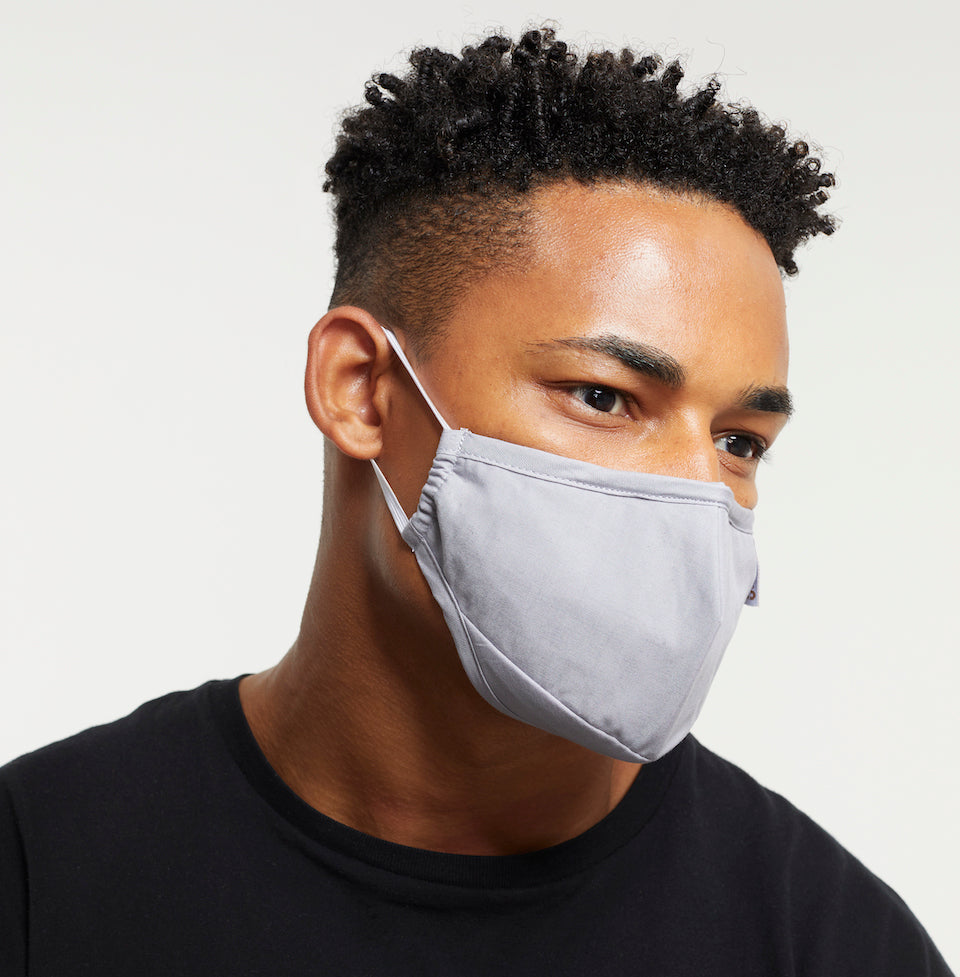
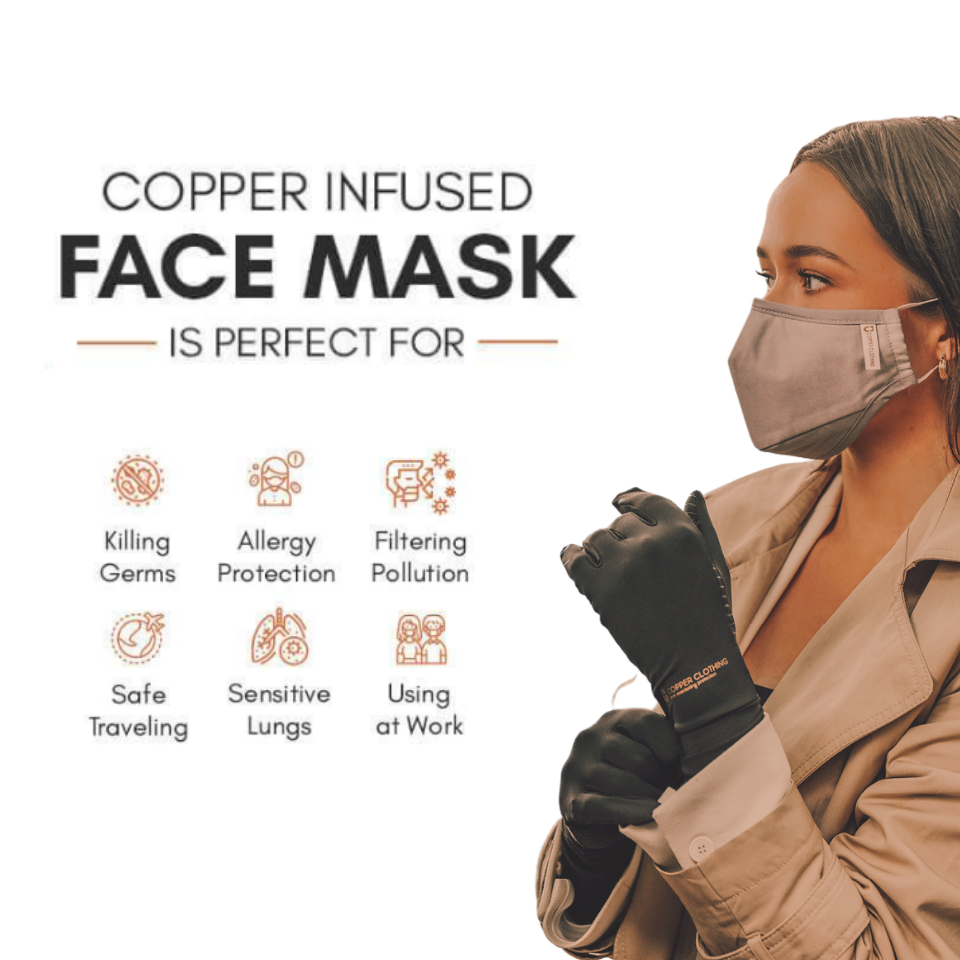
FFP2 CE Four-Layer Copper Infused Face Mask
- Four layers of protection
- Comfortable & washable
- Sale price
- £22.99
- Regular price
- £22.99
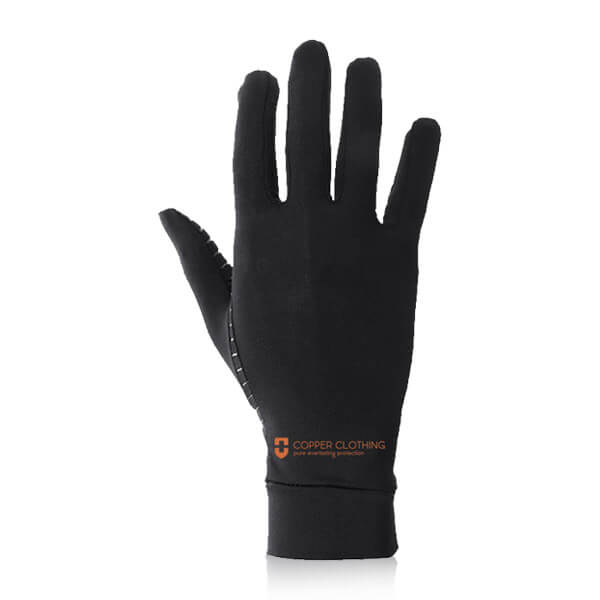
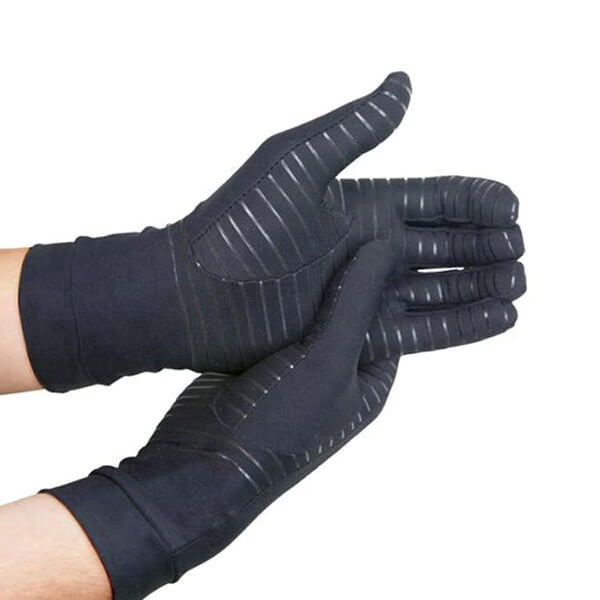
Full Finger Gloves (Copper Gloves)
- Ultimate comfort & flexibility
- Provides warmth and comfort for hands
- Washable
- Sale price
- £22.99
- Regular price
- £22.99
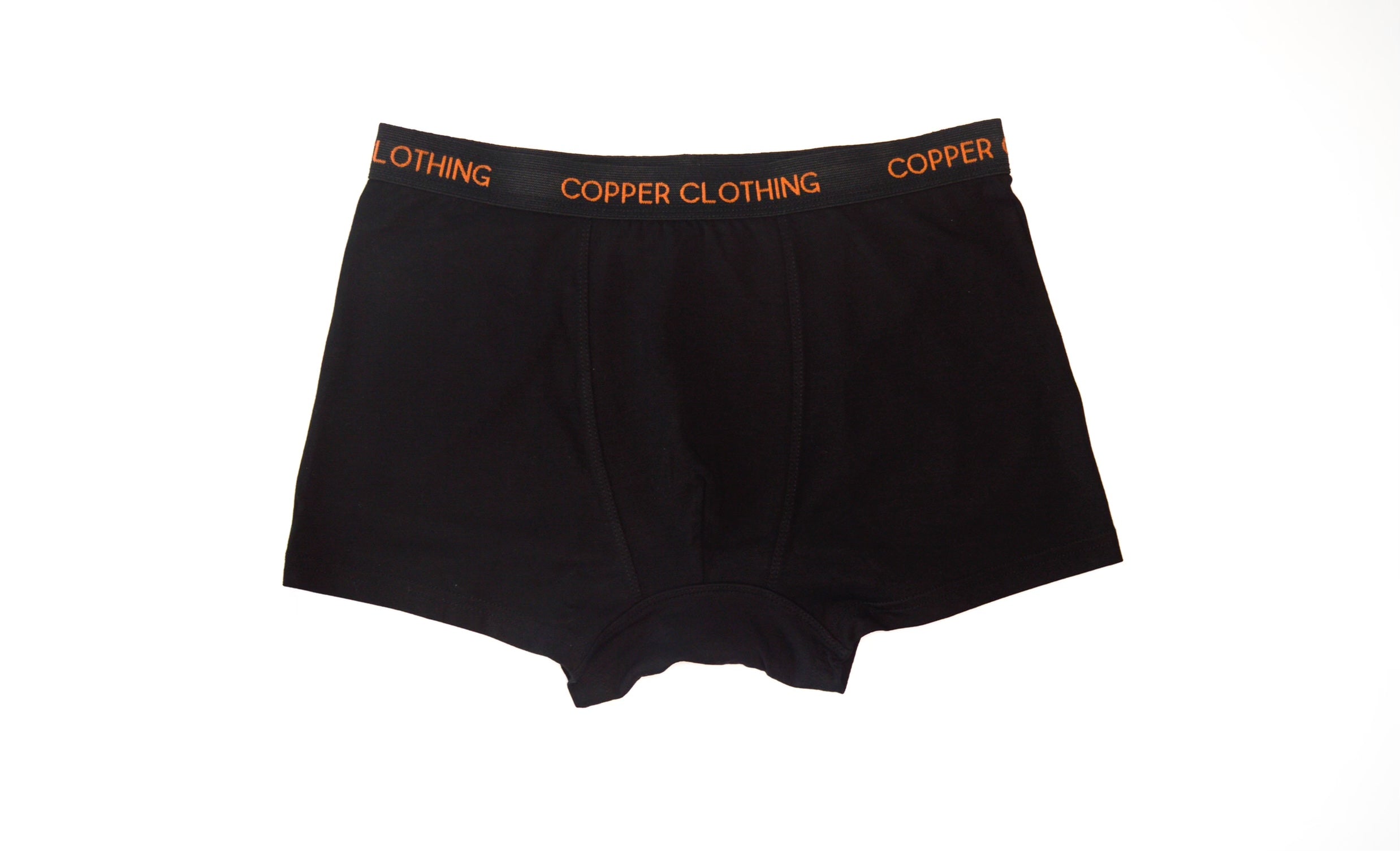
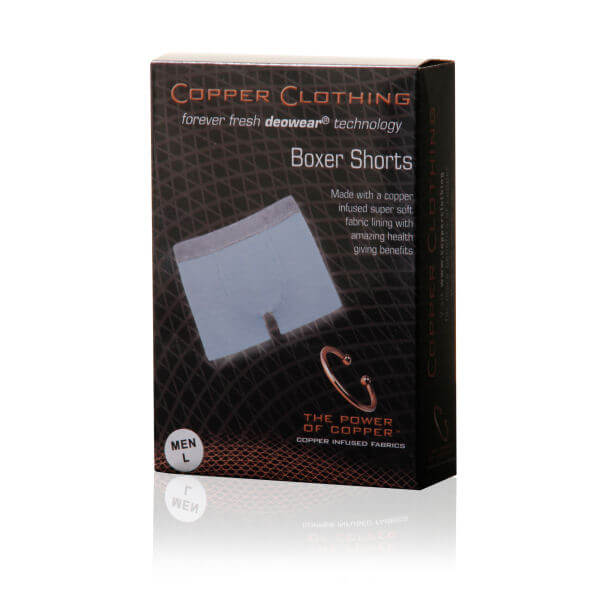
Men’s Copper Boxer Shorts – Soft, Breathable Underwear for Everyday Comfort
- Soft cotton & bamboo blend
- Breathable & lightweight feel
- Stretch comfort for daily movement
- Sale price
- £9.99
- Regular price
- £9.99
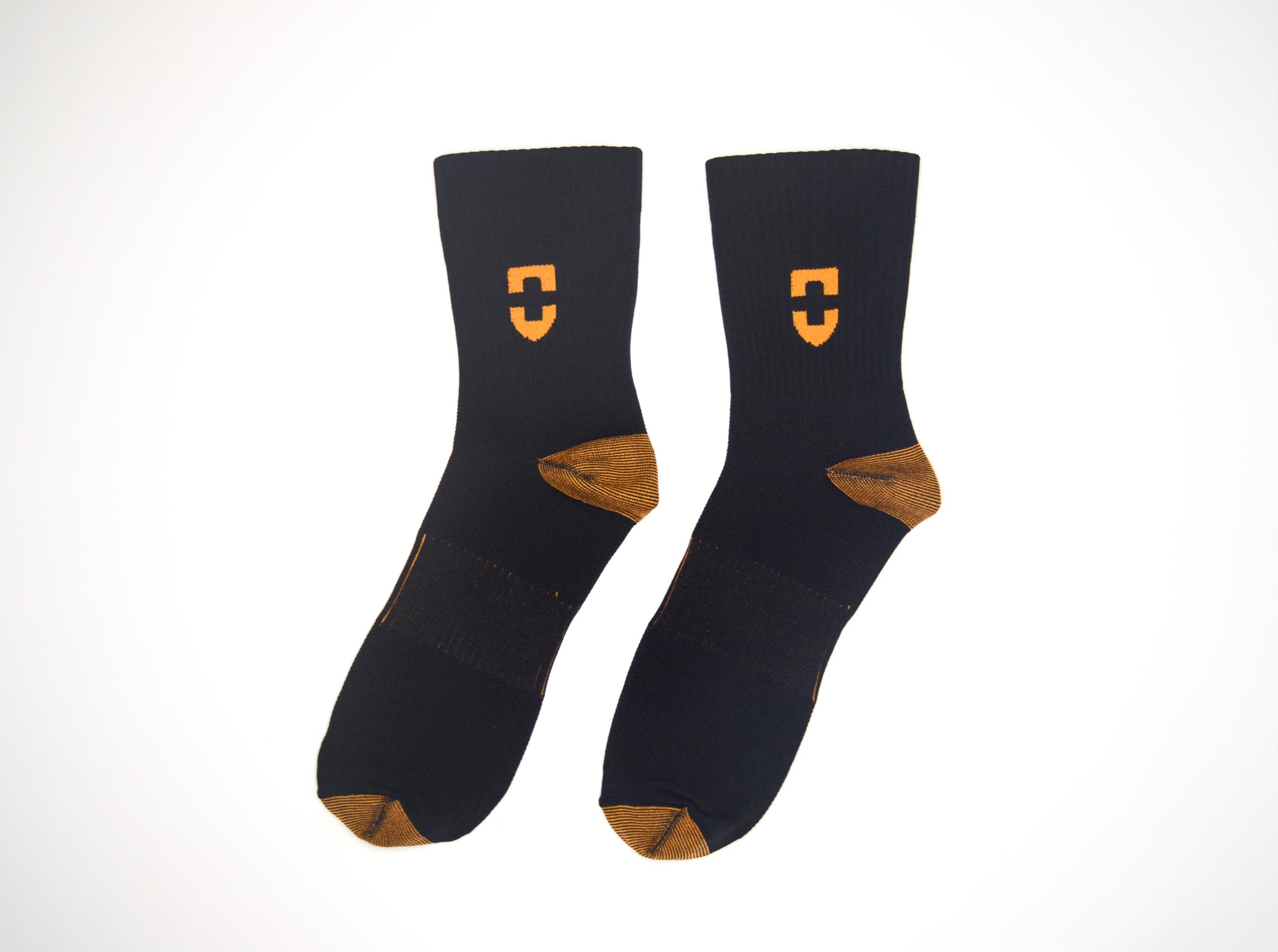

Short Compression Copper Infused Socks
- Breathable Compression Fabric, Comfortable & Durable
- 8 - 15mmHg of Compression
- Best socks for long flights and journey
- Sale price
- £12.99
- Regular price
- £12.99
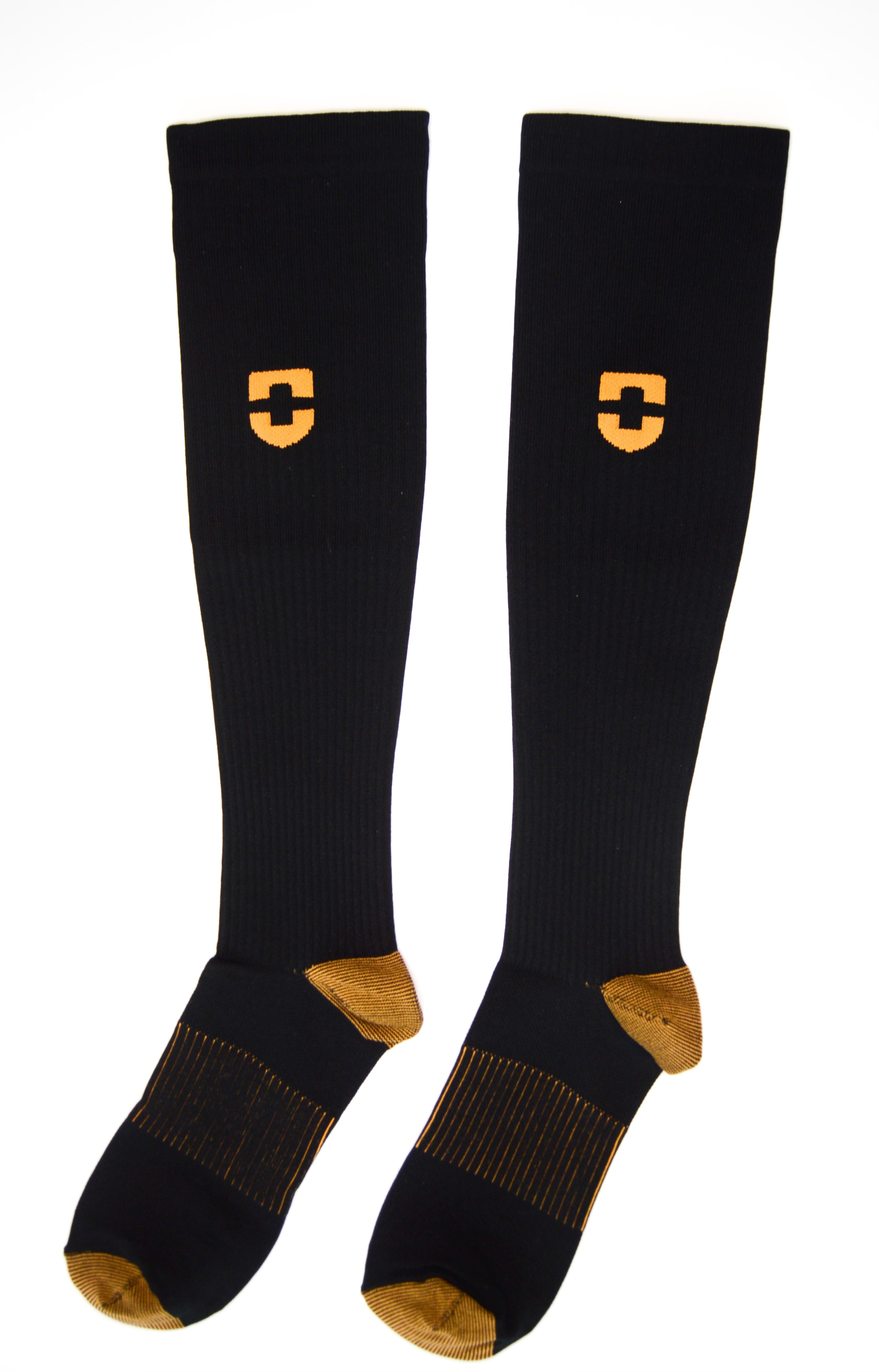
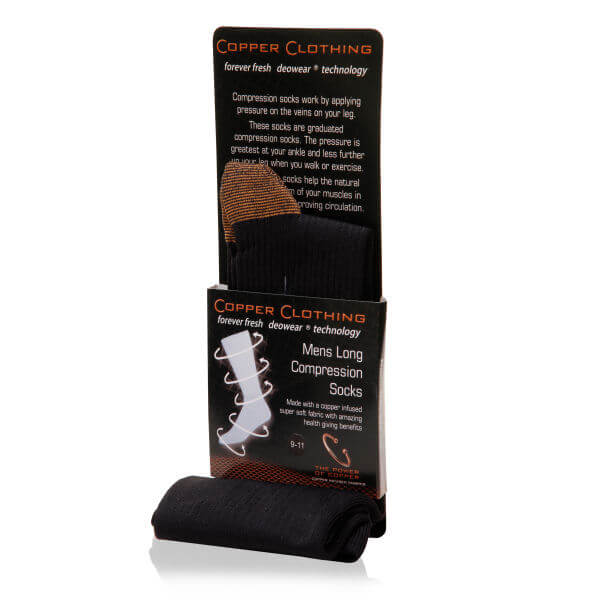
Long Copper Infused Compression Socks
- Breathable Compression Fabric, Comfortable & Durable
- 8 - 15mmHg of Compression
- Best socks for long flights and journey
- Sale price
- £15.99
- Regular price
- £15.99

Ladies Copper Infused Pyjamas
- Luxuriously Soft Cotton & Bamboo
- Ideal for daily wear
- Sale price
- £49.99
- Regular price
- £49.99
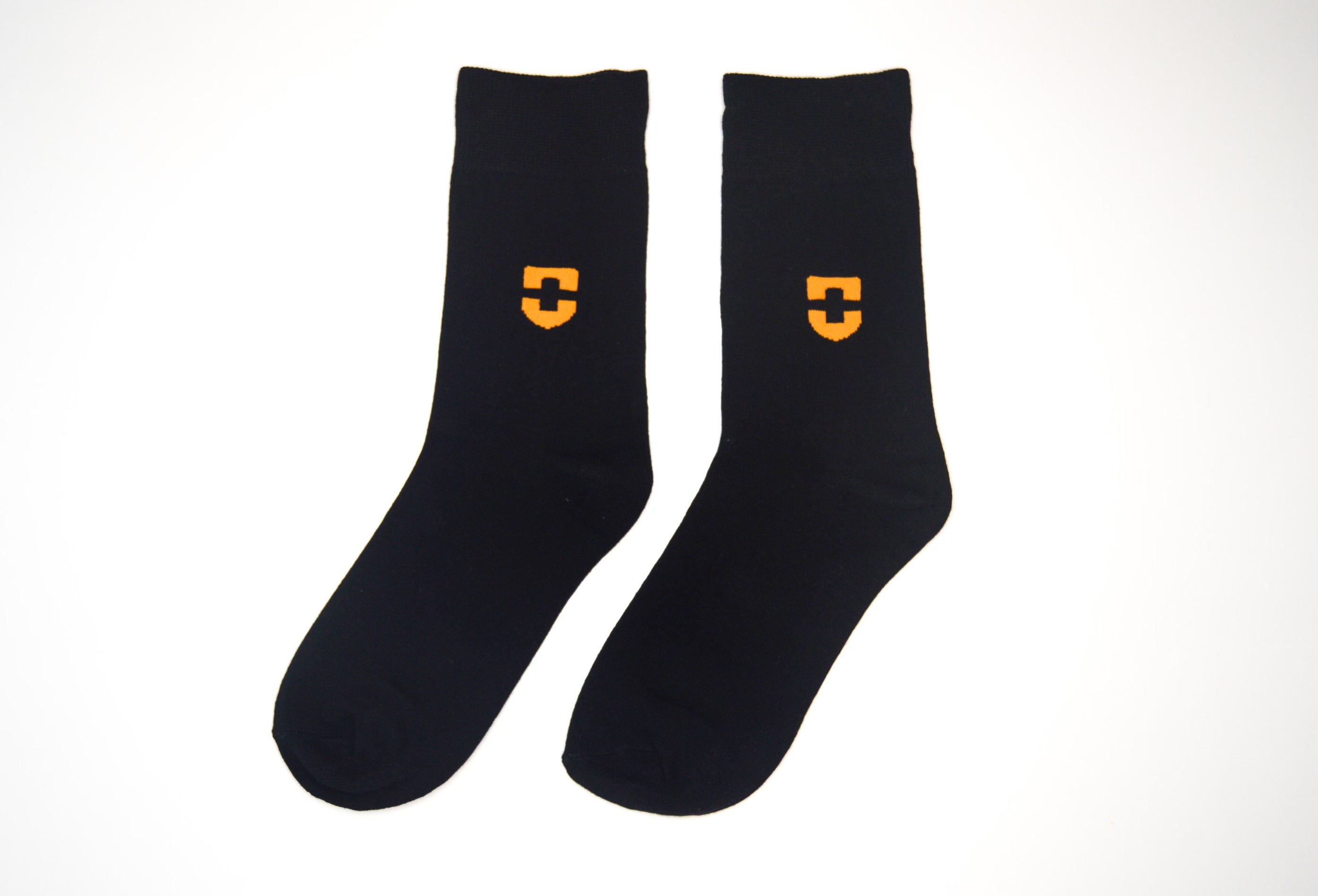
Everyday Copper Socks – Soft, Breathable Socks for Daily Comfort
- Soft & breathable fabric
- Comfortable for long-hour wear
- Lightweight everyday fit
- Sale price
- £9.99
- Regular price
- £9.99
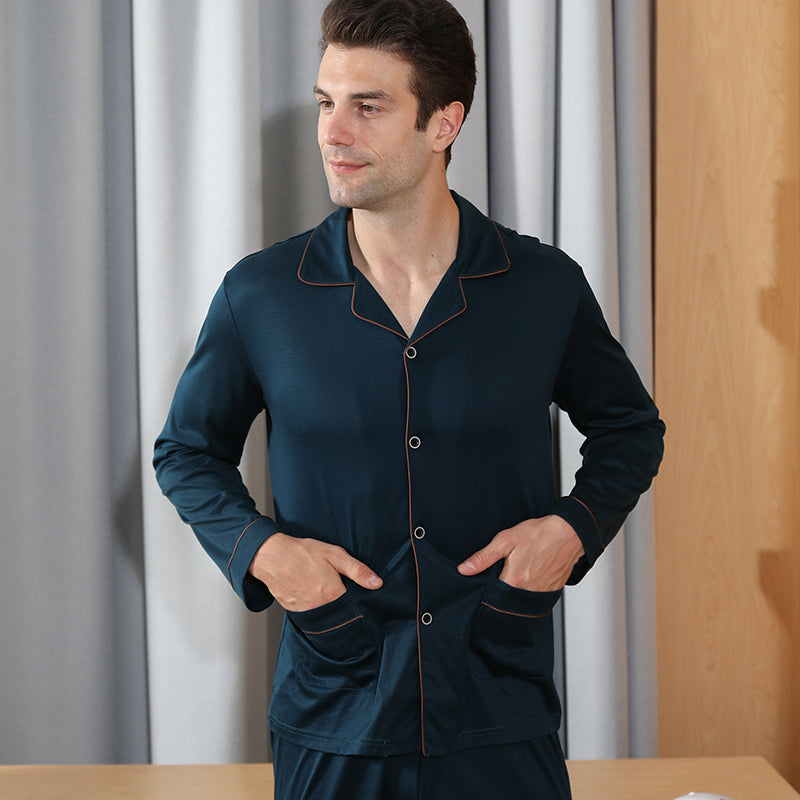
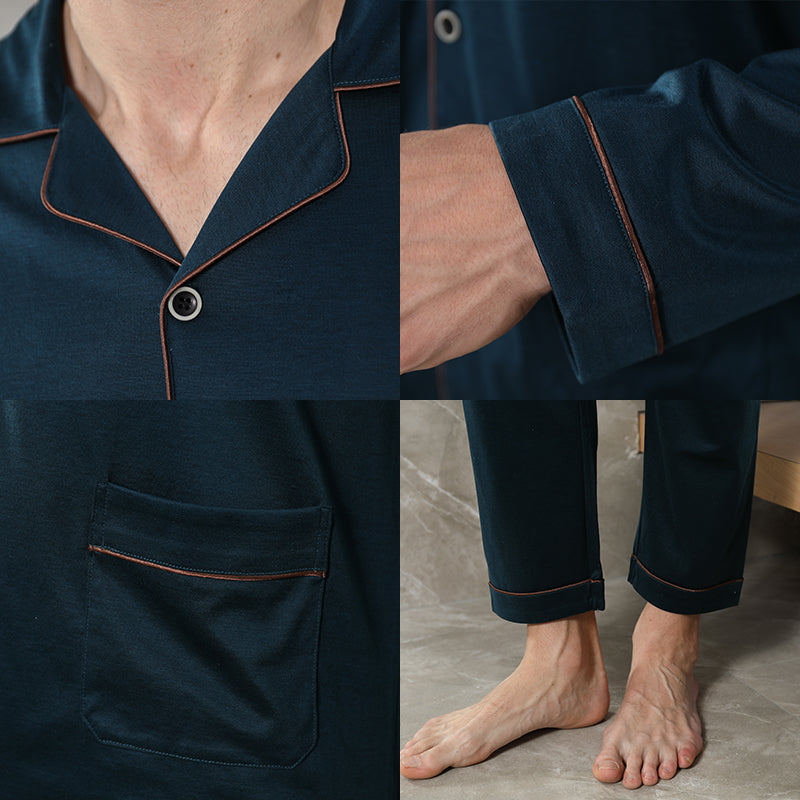
Mens Copper Infused Pyjamas
- Luxuriously Soft Cotton & Bamboo
- Promotes Healthier & Softer Skin
- Sale price
- £54.99
- Regular price
- £54.99
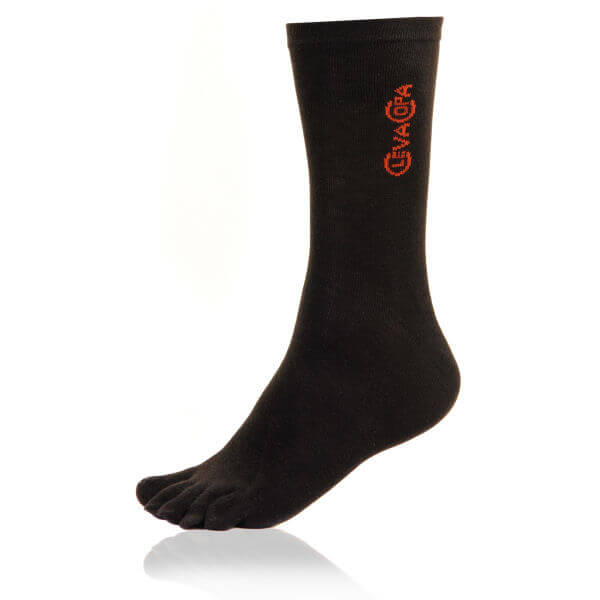
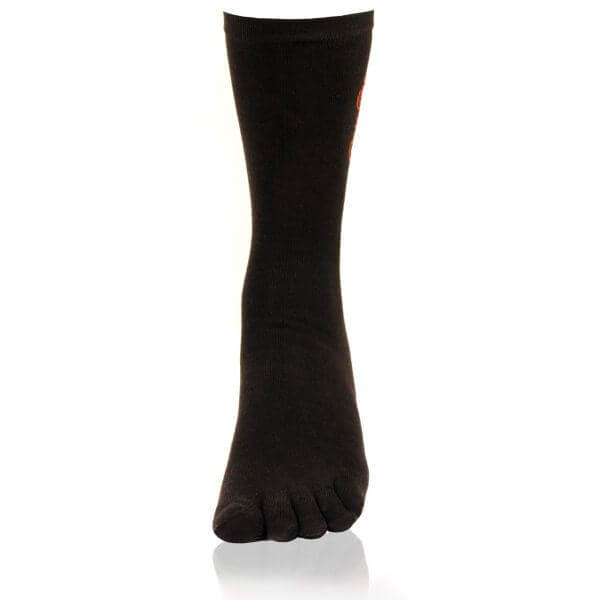
Copper Infused Five Toe Socks
- Promotes Softer Healthier Feet
- Completely Seamless
- Best for long journey and flights
- Sale price
- £14.99
- Regular price
- £14.99
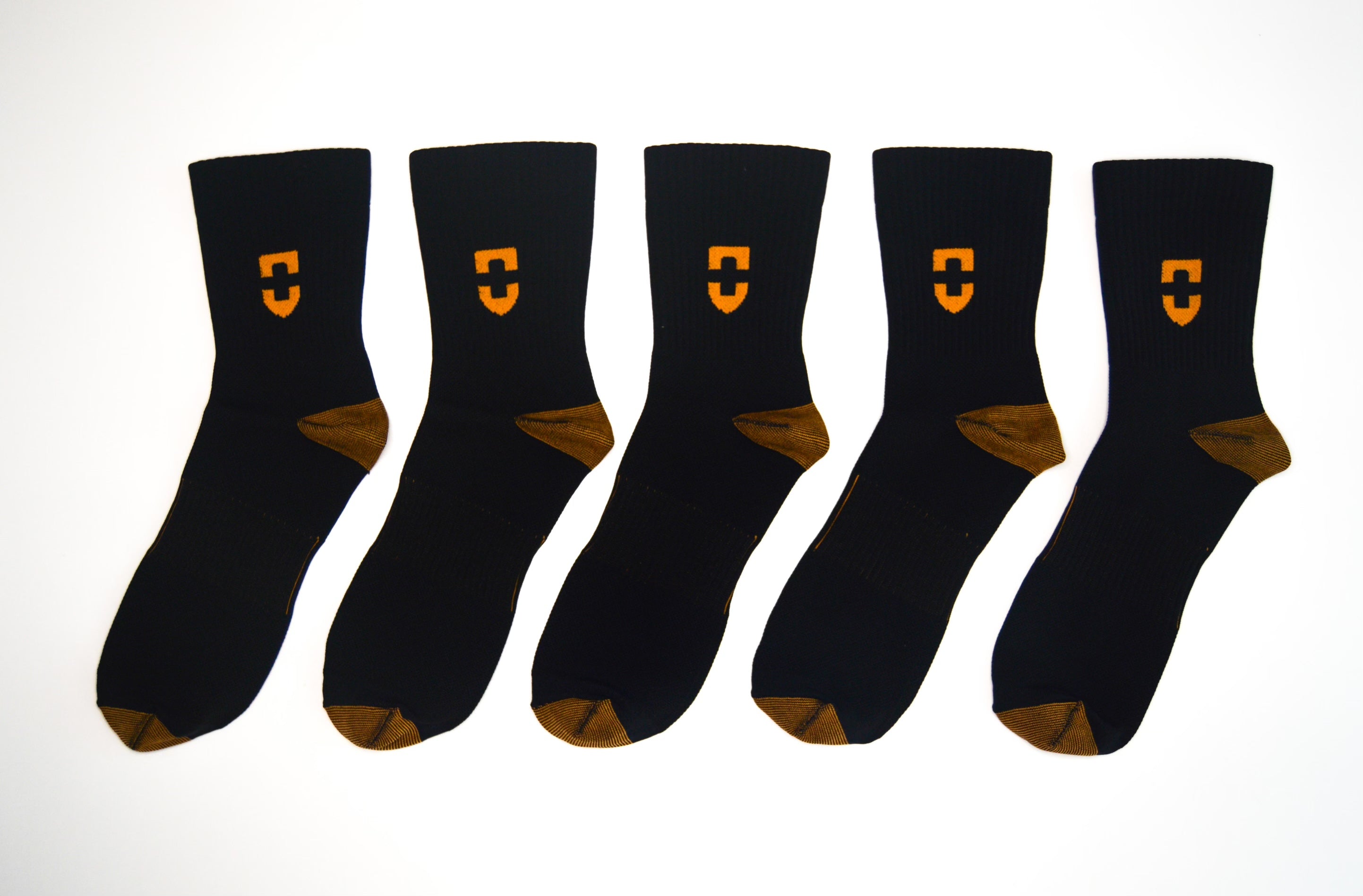
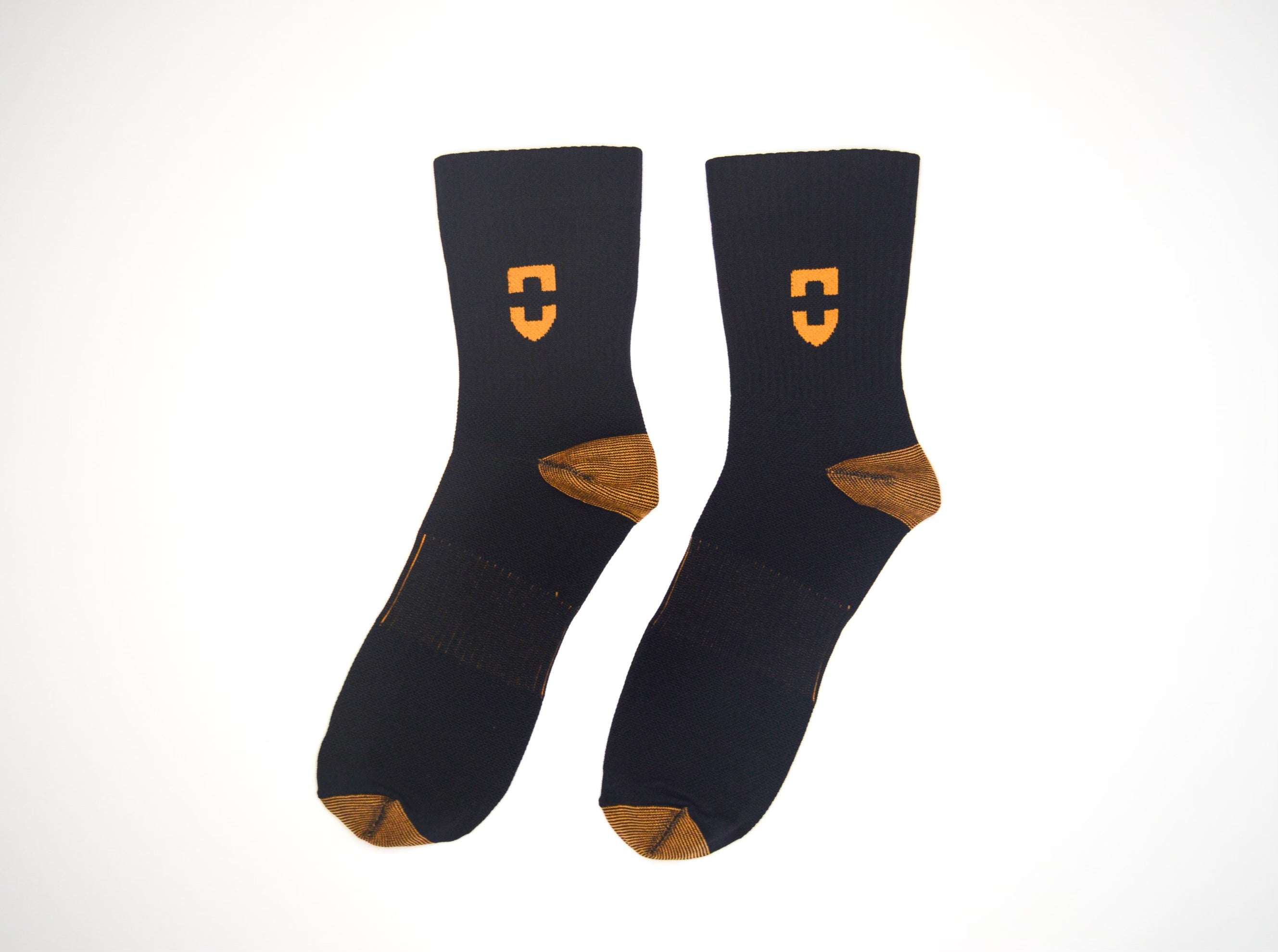
5-Pack Short Compression Copper Infused Socks
- Breathable Compression Fabric & Comfortable
- 8-15mmHg of Compression
- Best socks for long flights and travel
- Sale price
- £59.95
- Regular price
- £64.95
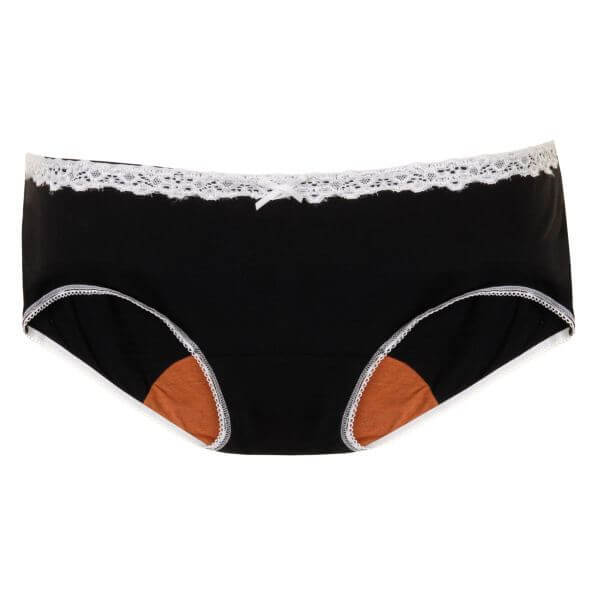
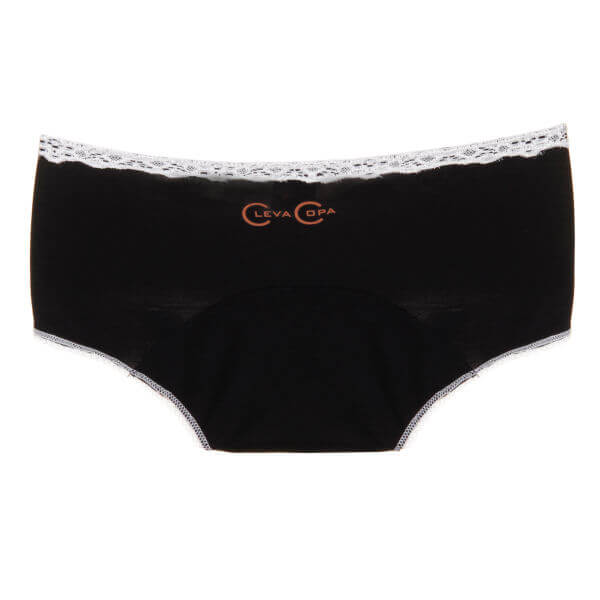
Womens Copper Infused Briefs
- Soft cotton & bamboo blend
- Breathable lightweight feel
- Flexible everyday comfort
- Sale price
- £9.99
- Regular price
- £9.99
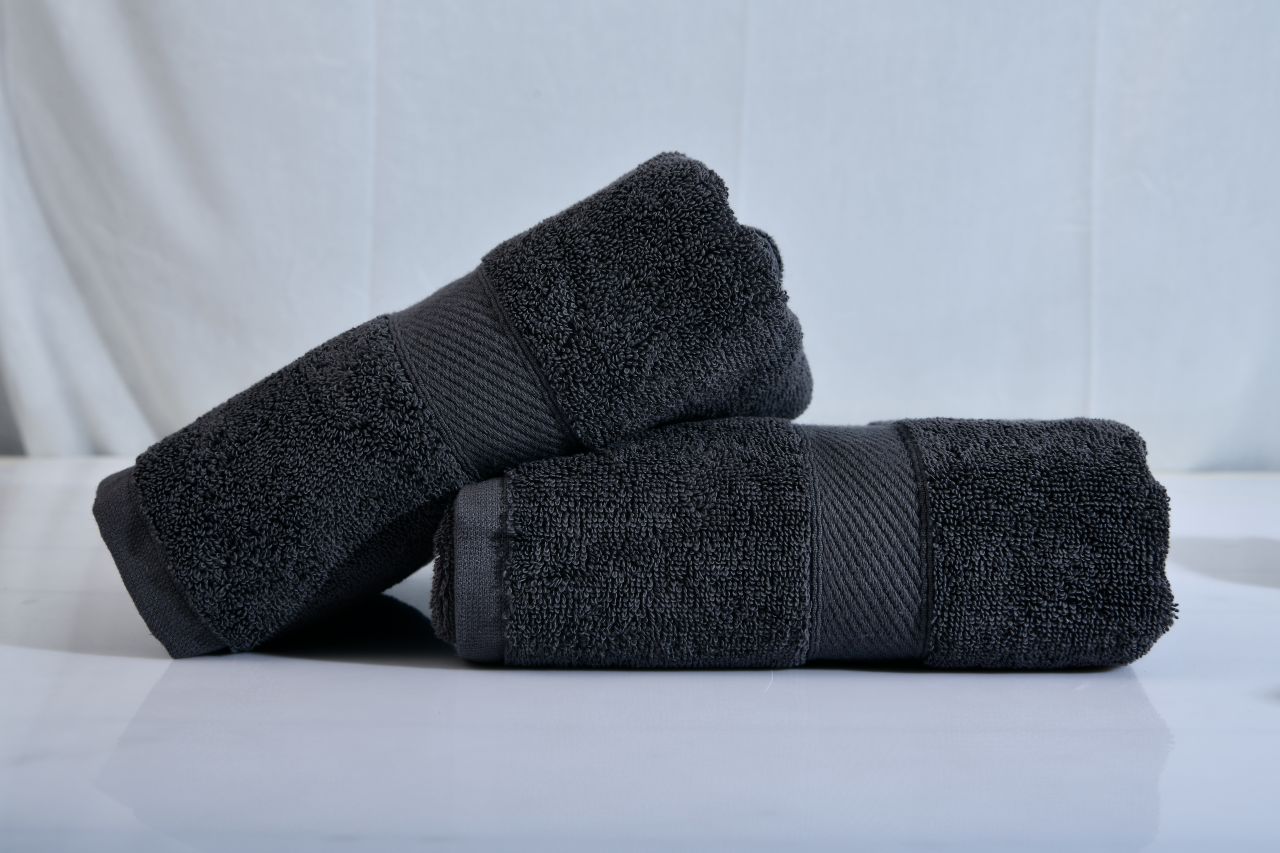
Copper Infused Bath & Gym Towel — 500 GSM Premium Cotton
- 500 GSM Cotton Cloth
- Soft & Premium
- Lightweight & Durable
- Child and Pet-Friendly
- Sale price
- £19.99
- Regular price
- £19.99

