


Common Beginner Running Mistakes and How to Avoid Them
Author

Rory Donnelly
Published
October 12 2026
Quick Answer
The most common beginner running mistakes include doing too much too soon, poor pacing, overstriding, skipping warm-ups and recovery, and using the wrong gear. Fixing these habits early can make running more comfortable and help you stay consistent.
Introduction
Starting to run can feel simple. You put on your shoes, head outside, and start moving. But running well takes a little more than that. Small mistakes in training, form, recovery, or nutrition can slowly catch up with you, especially when you repeat them every week. In this blog, we will look at eight common beginner running mistakes, why they matter, and what you can do differently to make your runs more comfortable and sustainable.
Why Small Running Mistakes Can Have Big Impacts?
Most running mistakes do not cause an obvious issue right away. You might run too fast today and feel completely fine. You might skip your warm-up for a week without noticing anything. You might keep wearing the same old shoes because they still look perfectly usable.
The trouble comes when these habits become your normal routine.
Over time, poor training habits can contribute to:
-
Slower progress: Running hard all the time can leave you too tired to train consistently.
-
Recurring aches: Repeated stress without enough recovery can turn minor discomfort into a bigger problem.
-
Poor running form: Fatigue can change the way you move, especially during longer runs.
-
Longer recovery: Too much training and not enough rest can leave your legs feeling heavy between sessions.
-
Loss of motivation: Constantly feeling tired or struggling to improve can make running less enjoyable.
You do not need to overhaul everything about the way you run. Start by spotting the habits that may be holding you back and make small changes from there.
Common Beginner Runner Mistakes and How to Avoid Them
Here is a closer look at some of the mistakes beginners commonly make and what you can do instead.
1. Ignoring Proper Running Gear and Comfort
Why Does It Matter?
Running puts repeated stress on your feet, ankles, legs, and joints. If your shoes do not fit properly or your clothing causes rubbing and discomfort, even an easy run can become unpleasant.
The same applies to socks. Regular cotton socks can hold onto sweat and may bunch up inside your shoes, which can lead to friction and blisters.
How to Fix This Mistake
Start with comfortable, properly fitting running shoes and moisture-managing socks. If you struggle with swelling, fatigue, or discomfort during runs, you can also consider copper compression socks.
Compression socks can provide gentle pressure around the lower legs and may help some runners feel more supported during activity and recovery. Look for a comfortable fit rather than assuming tighter always means better.
2. Doing Too Much, Too Soon
Why Does It Matter?
This is probably one of the easiest mistakes for a new runner to make. You feel good during your first few runs, so you add more distance, increase your pace, and start running every day.
Your cardiovascular fitness can improve faster than your muscles, tendons, and joints adapt to the increased workload. That can leave you dealing with soreness or an injury before you have had a chance to build a proper base.
How to Fix This Mistake
Increase your running gradually.
Instead of chasing a new distance every session:
-
Keep most runs comfortable
-
Include rest or easy days
-
Increase distance gradually
-
Take pain seriously
-
Give your body time to adapt
Progress does not have to happen every single week.
3. Overstriding
Why Does It Matter?
Overstriding happens when your foot lands too far ahead of your body. It can create a braking effect with every step and may increase the load placed on certain parts of your legs.
It is also common among beginners who are trying to cover more ground with each stride.
How to Fix This Mistake
Focus on taking comfortable, natural steps rather than deliberately reaching farther with each stride.
Keep your stride relaxed and let your feet land naturally underneath or close to your centre of mass. You do not need to force a particular stride length.
If you are unsure about your running form, a coach or running professional can assess your gait.
4. Poor Pacing and Breathing Habits
Why Does It Matter?
A common beginner pattern is starting a run much faster than intended and then struggling to maintain that pace.
You may also find yourself holding your breath or taking short, shallow breaths when the intensity increases.
This can make an easy run feel much harder than it needs to.
How to Fix This Mistake
Slow down.
For most easy runs, you should be able to hold a conversation without feeling completely out of breath. Let your breathing settle naturally rather than obsessing over a specific breathing pattern.
A useful approach is to divide your training into different efforts:
-
Easy runs: Comfortable and conversational
-
Tempo runs: Challenging but controlled
-
Intervals: Shorter, harder efforts
-
Long runs: Steady and sustainable
5. Having Bad Upper Body Form
Why Does It Matter?
Beginners often focus entirely on their legs and forget about everything above the waist. Hunched shoulders, clenched fists, and excessive arm movement can make running feel more tiring.
Tension in your upper body can also make it harder to maintain a relaxed rhythm.
How to Fix This Mistake
Keep your shoulders relaxed and your arms moving naturally alongside your body.
A few simple things to remember:
-
Keep your hands relaxed
-
Avoid shrugging your shoulders
-
Let your arms swing naturally
-
Keep your torso relatively upright
-
Look ahead rather than constantly looking down
6. Skipping Warm-Ups, Cool-Downs, and Recovery Days
Why Does It Matter?
Jumping straight into a hard run when your body is not ready can make the first part of the workout feel stiff and uncomfortable. Likewise, running hard every day does not give your body much time to recover.
Recovery is when your body gets a chance to adapt to the training you have done.
How to Fix This Mistake
Before a run, spend a few minutes getting your body moving. A brisk walk followed by dynamic movements can help you transition into your workout.
Afterward, gradually bring your intensity down.
Also schedule easier days and rest days throughout the week. If you are unusually tired or something hurts, adjusting your training is often smarter than pushing through it.
7. Neglecting Nutrition or Hydration
Why Does It Matter?
Running uses energy, and your body needs enough fuel to support your training and recovery.
You may get away with ignoring nutrition during short, easy runs. As your distance and training volume increase, however, poor fueling can leave you feeling drained and affect recovery.
How to Fix This Mistake
Keep your everyday diet balanced and make sure you are eating enough to support your activity level.
For longer or harder sessions:
-
Drink fluids regularly
-
Pay attention to thirst and sweat loss
-
Eat carbohydrates to support harder training
-
Include enough protein for recovery
-
Practice your fueling strategy before race day
You do not need complicated supplements to become a better runner. Start with consistent food, fluids, and sleep.
8. Neglecting Structured Training Plans
Why Does It Matter?
Running without a plan often turns into running at the same pace and distance every time.
You may improve initially, but eventually progress can slow. You may also struggle to know when to increase your distance or when you should take it easier.
How to Fix This Mistake
Give your week some structure.
A beginner plan might include:
-
Easy runs for building your aerobic base
-
One longer run to gradually improve endurance
-
Rest or recovery days to allow your body to adapt
-
Optional faster work once you have built a basic running foundation
Closing Thoughts
Running gets easier when you stop treating every run like a test. You do not need to run faster every time, add distance every week, or copy what more experienced runners are doing. Focus on comfortable gear, gradual progress, sensible pacing, good form, and enough recovery. Those small habits can make a surprisingly big difference when you keep them up over time.
The right running gear can make a noticeable difference to your comfort, especially as you start running more regularly. Copper compression socks can be part of that setup, offering a snug, supportive fit while helping manage moisture during your runs.
Run Smarter With the Right Gear
Explore Copper Compression Socks!FAQs
1. What are the most common running mistakes beginners make?
Common mistakes include running too much too soon, starting every run too fast, overstriding, skipping warm-ups and recovery days, and using uncomfortable gear. Beginners may also overlook hydration, nutrition, and structured training.
2. How can I avoid common running mistakes?
Start slowly and increase your running gradually. Keep most runs at an easy pace, wear comfortable gear, warm up before harder sessions, and give yourself enough recovery time. A simple training plan can also help you avoid doing too much too quickly.
3. Is skipping warm-ups a running mistake?
Yes. A short warm-up can help prepare your muscles, joints, and cardiovascular system for exercise. Start with easy movement such as walking or light jogging, then add a few dynamic movements before increasing your running intensity.
4. Do running mistakes cause injuries?
Some training mistakes can increase your risk of injury. Rapid increases in mileage, poor recovery, unsuitable footwear, and consistently running at high intensity can all contribute to problems. If you experience persistent or worsening pain, consider speaking with a qualified healthcare professional.
5. What is the 80% rule in running?
The 80/20 rule suggests that roughly 80% of your running should be at an easy intensity, while about 20% can involve harder efforts. The exact split does not need to be perfect, especially for beginners.
6. How long should a beginner run?
A beginner can start with around 15 to 20 minutes of total activity, using a mix of walking and running if needed. As your fitness improves, gradually increase the amount of time you spend running rather than immediately chasing longer distances.


Popular Products


FFP2 CE Four-Layer Copper Infused Face Mask
- Four layers of protection
- Comfortable & washable
- Sale price
- £22.99
- Regular price
- £22.99
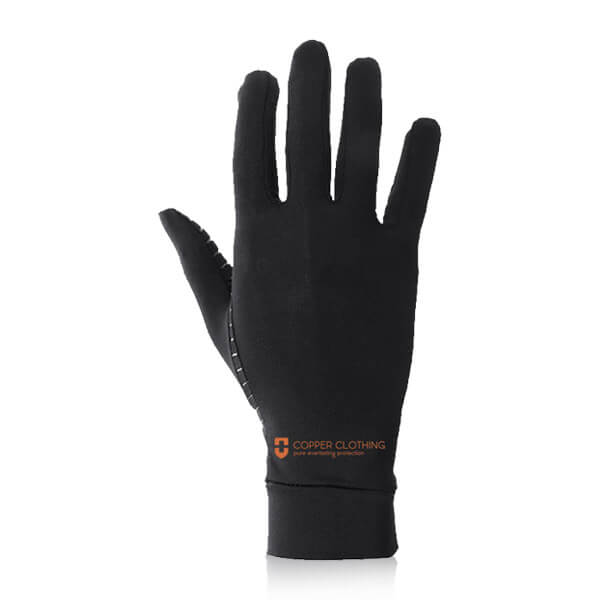
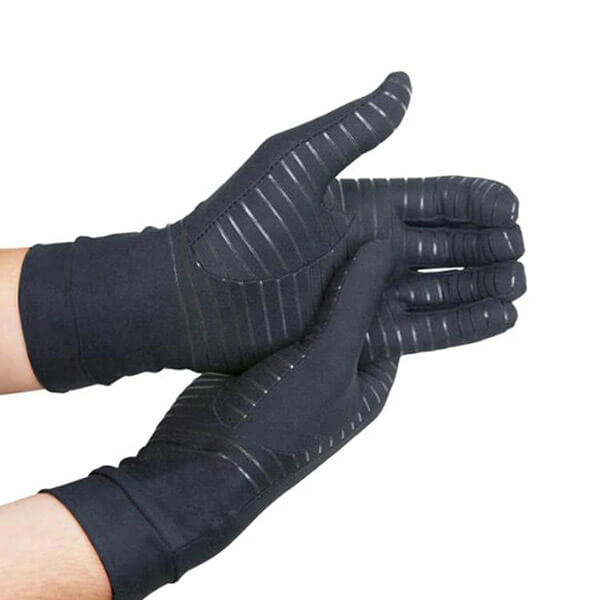
Full Finger Gloves (Copper Gloves)
- Ultimate comfort & flexibility
- Provides warmth and comfort for hands
- Washable
- Sale price
- £22.99
- Regular price
- £22.99
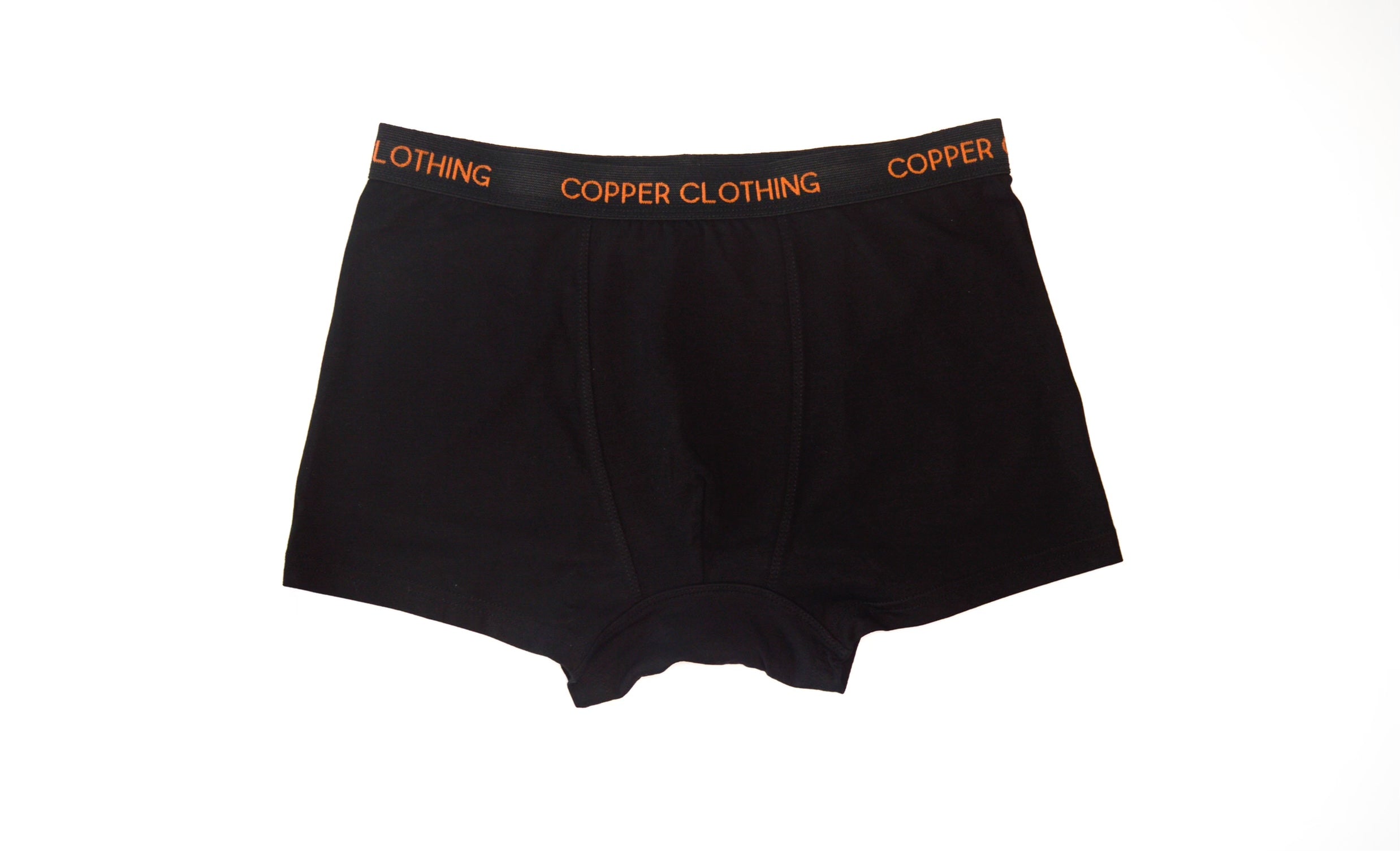
Men’s Copper Boxer Shorts – Soft, Breathable Underwear for Everyday Comfort
- Soft cotton & bamboo blend
- Breathable & lightweight feel
- Stretch comfort for daily movement
- Sale price
- £9.99
- Regular price
- £9.99
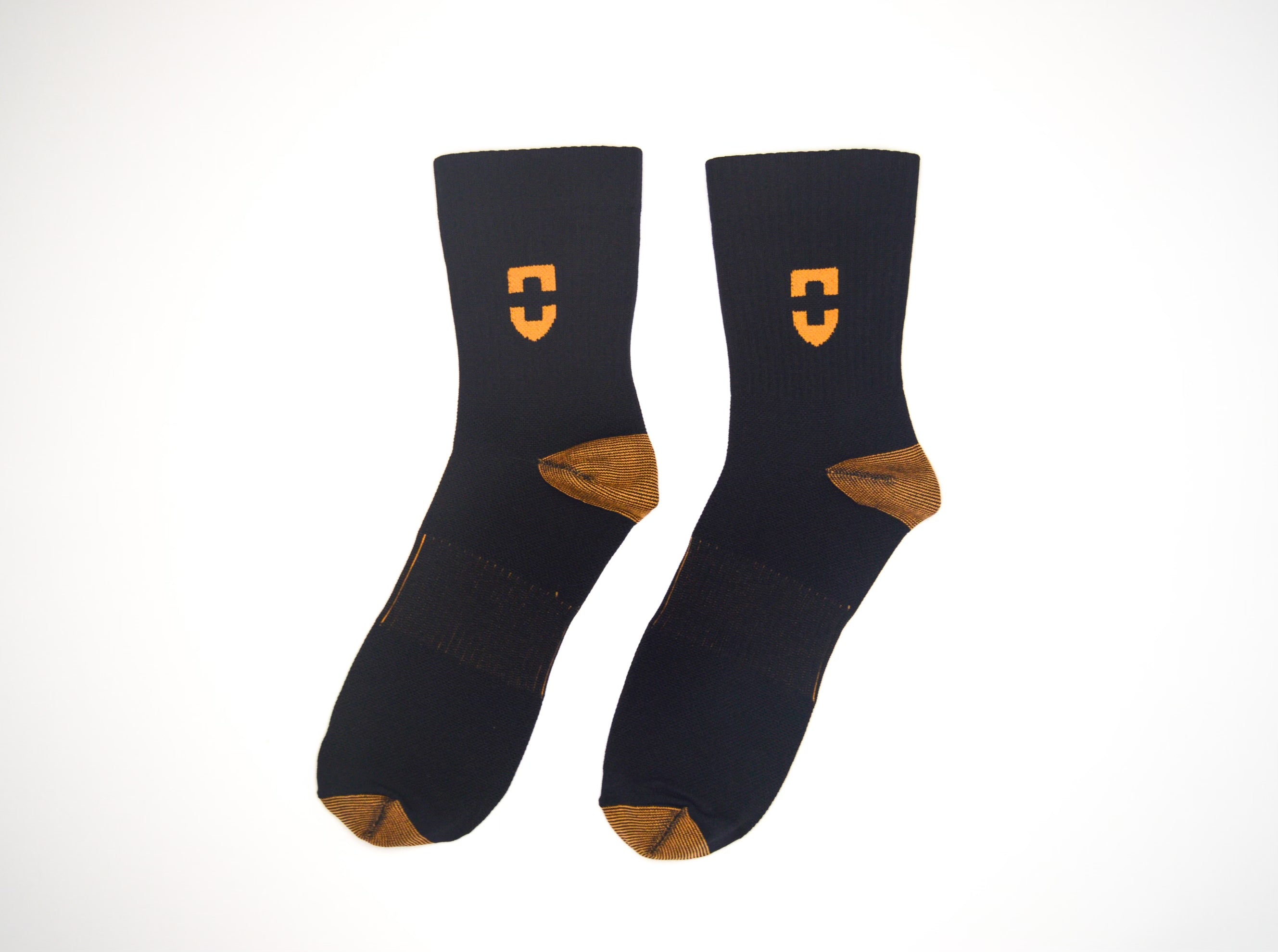

Short Compression Copper Infused Socks
- Breathable Compression Fabric, Comfortable & Durable
- 8 - 15mmHg of Compression
- Best socks for long flights and journey
- Sale price
- £12.99
- Regular price
- £12.99
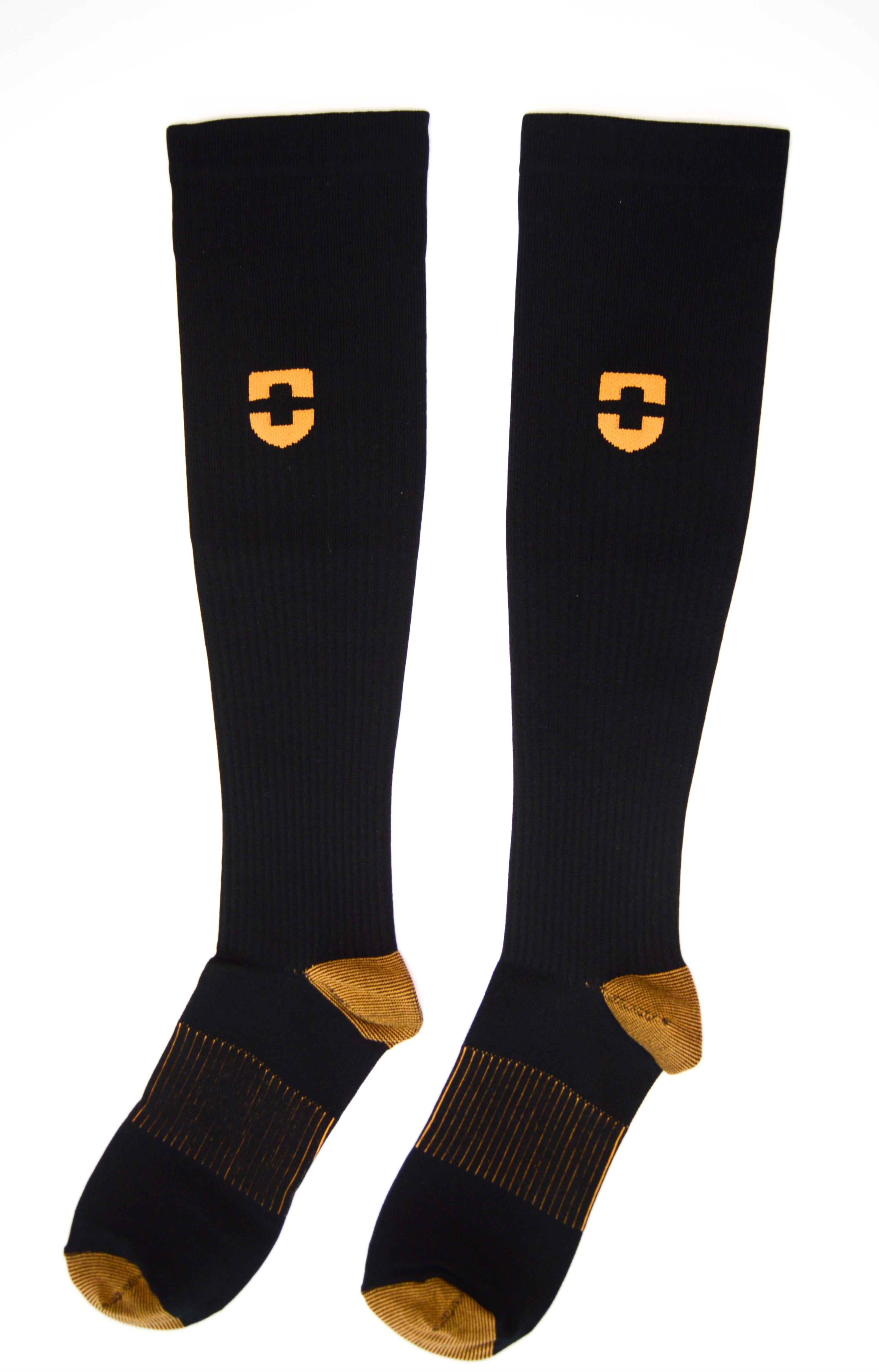
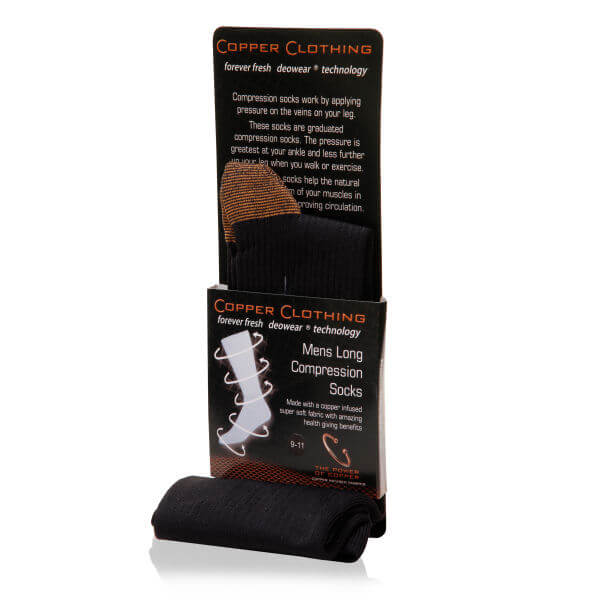
Long Copper Infused Compression Socks
- Breathable Compression Fabric, Comfortable & Durable
- 8 - 15mmHg of Compression
- Best socks for long flights and journey
- Sale price
- £15.99
- Regular price
- £15.99

Ladies Copper Infused Pyjamas
- Luxuriously Soft Cotton & Bamboo
- Ideal for daily wear
- Sale price
- £49.99
- Regular price
- £49.99
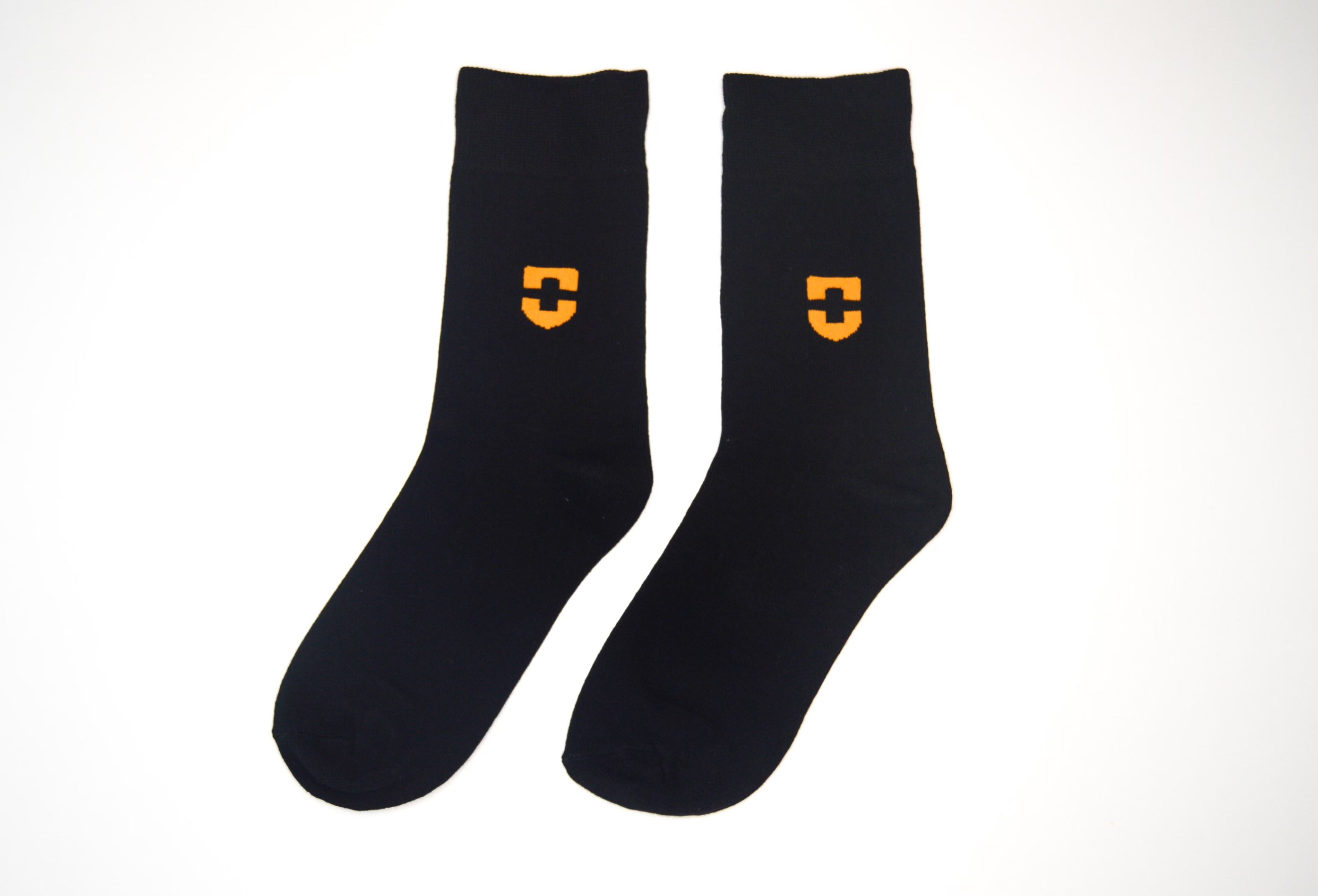
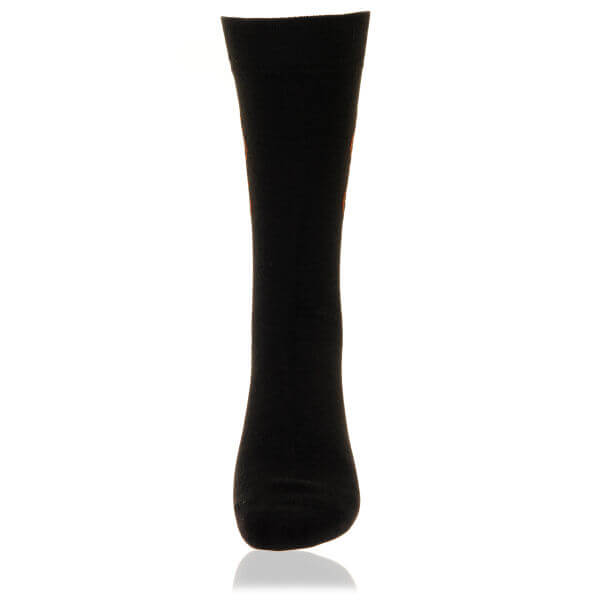
Everyday Copper Socks – Soft, Breathable Socks for Daily Comfort
- Soft & breathable fabric
- Comfortable for long-hour wear
- Lightweight everyday fit
- Sale price
- £9.99
- Regular price
- £9.99
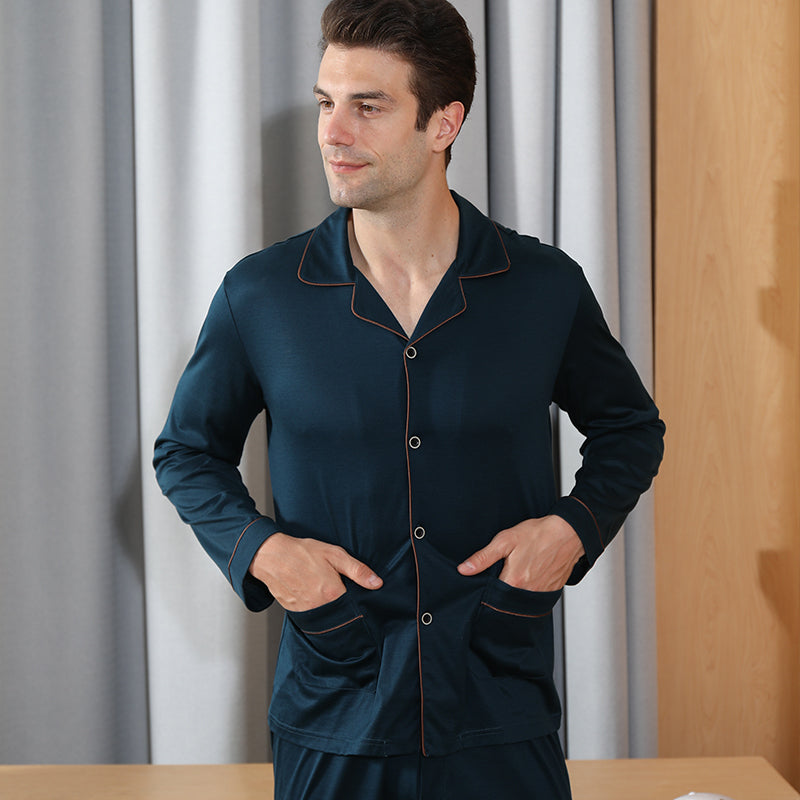
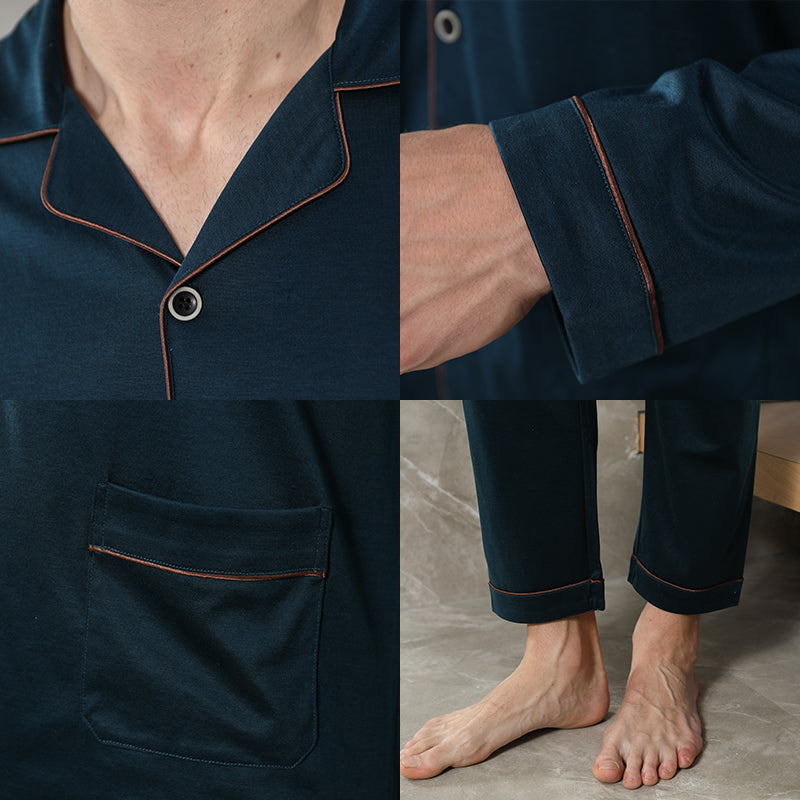
Mens Copper Infused Pyjamas
- Luxuriously Soft Cotton & Bamboo
- Promotes Healthier & Softer Skin
- Sale price
- £54.99
- Regular price
- £54.99
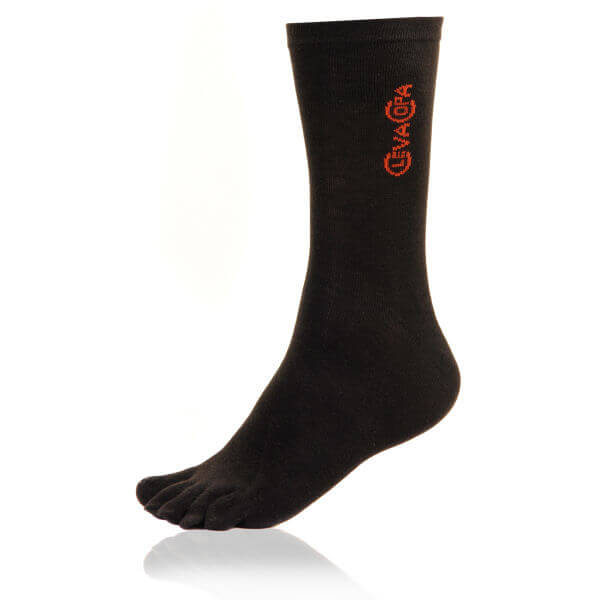
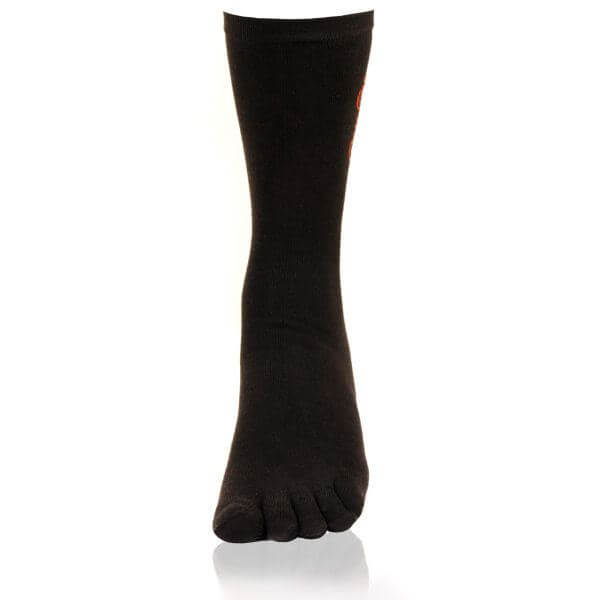
Copper Infused Five Toe Socks
- Promotes Softer Healthier Feet
- Completely Seamless
- Best for long journey and flights
- Sale price
- £14.99
- Regular price
- £14.99
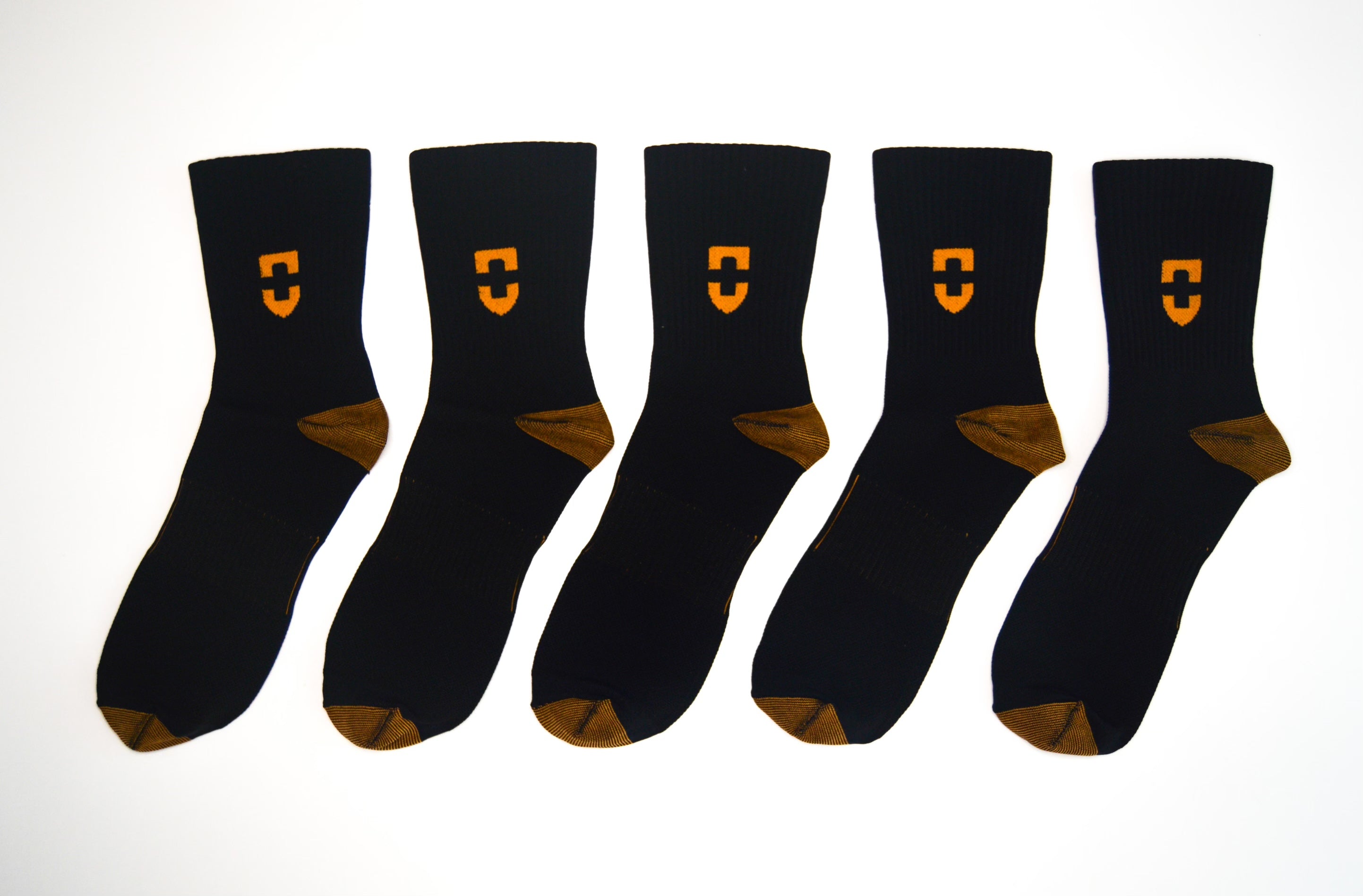
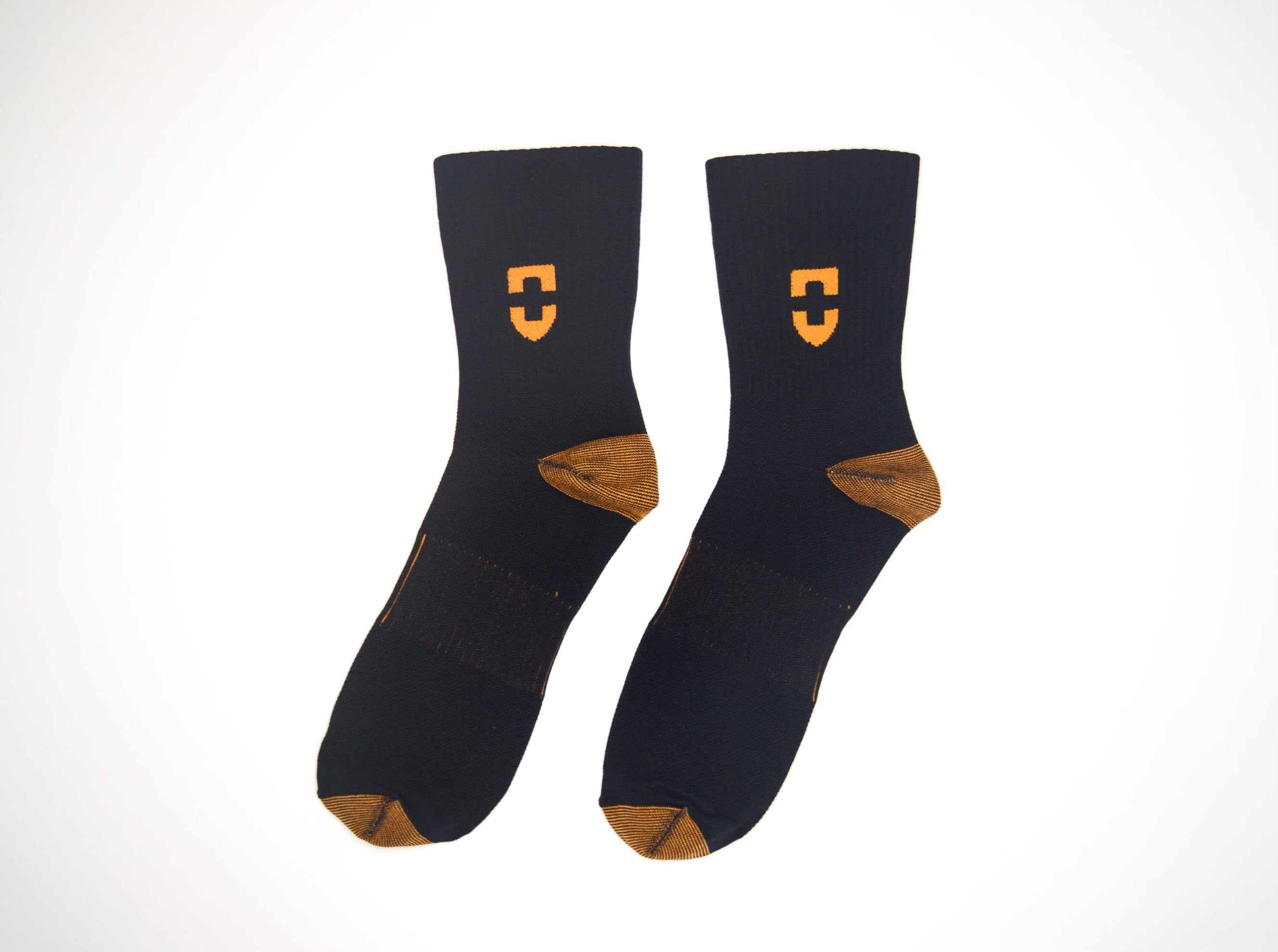
5-Pack Short Compression Copper Infused Socks
- Breathable Compression Fabric & Comfortable
- 8-15mmHg of Compression
- Best socks for long flights and travel
- Sale price
- £59.95
- Regular price
- £64.95
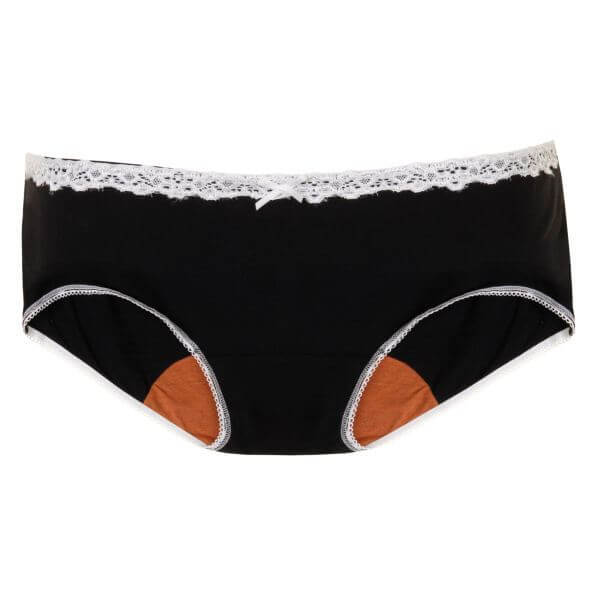
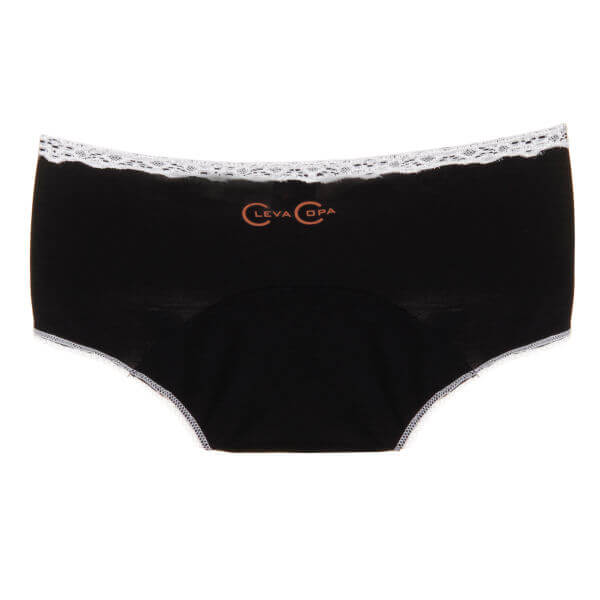
Womens Copper Infused Briefs
- Soft cotton & bamboo blend
- Breathable lightweight feel
- Flexible everyday comfort
- Sale price
- £9.99
- Regular price
- £9.99
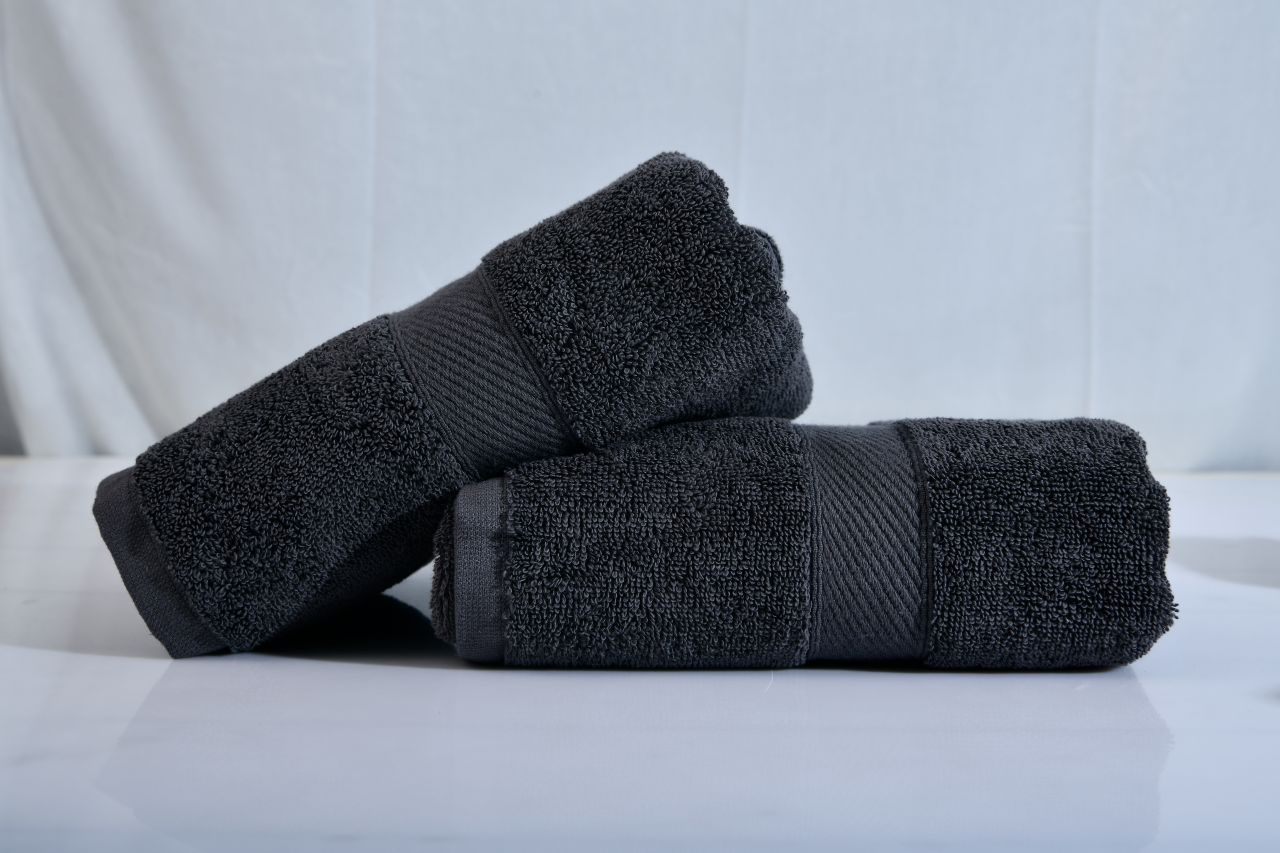
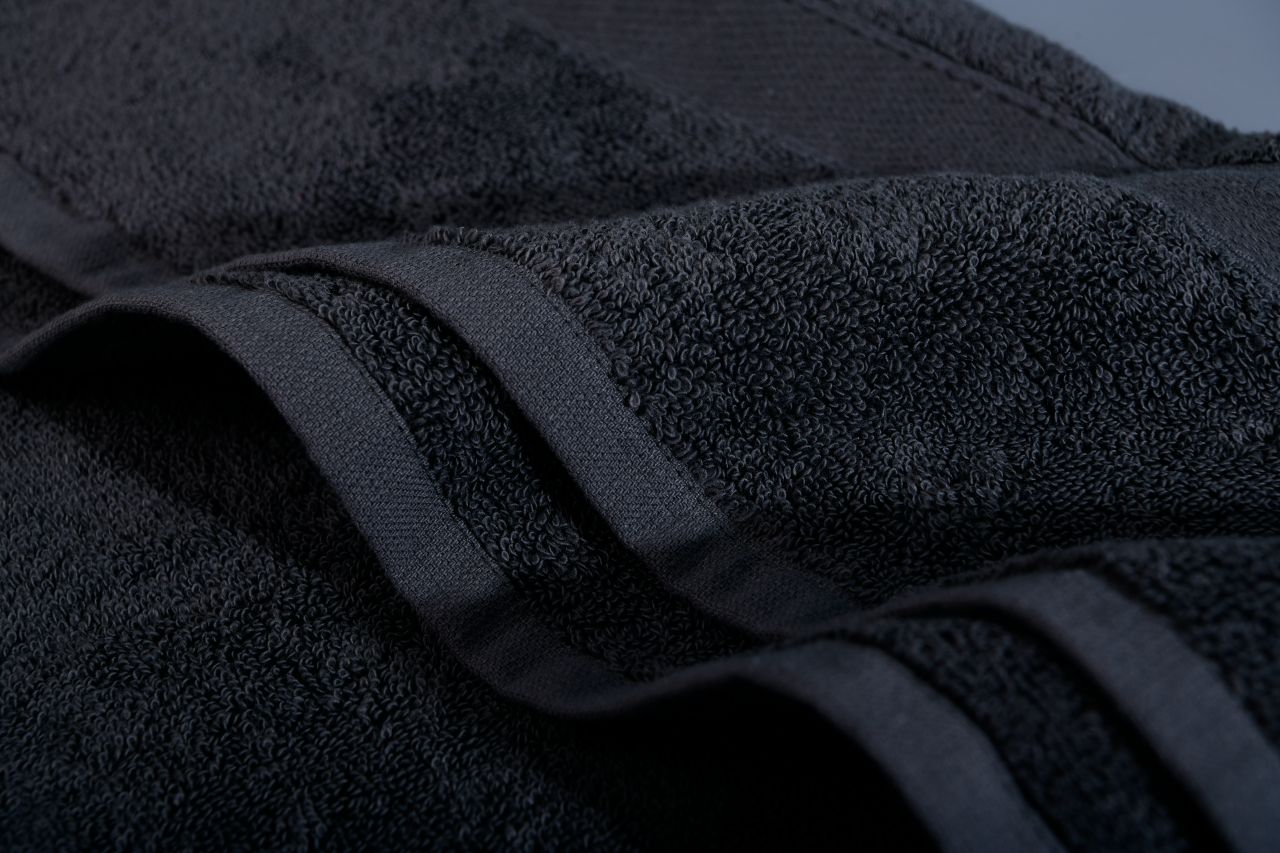
Copper Infused Bath & Gym Towel — 500 GSM Premium Cotton
- 500 GSM Cotton Cloth
- Soft & Premium
- Lightweight & Durable
- Child and Pet-Friendly
- Sale price
- £19.99
- Regular price
- £19.99

