


Toe Socks: Benefits, Fit, and Who They're For
Author

Rory Donnelly
Published
November 19 2026
Most socks are designed around one simple idea: cover your feet and keep them comfortable inside your shoes. But look at how your toes sit inside a regular pair, and you will notice something. They are all pushed together, with fabric covering them as one unit. Toe socks take a different approach. Each toe gets its own little pocket, allowing the fabric to sit between neighbouring toes. It might look unusual at first, but there are some practical reasons why runners, hikers, and people who prefer natural foot movement have started paying attention to them.
What Are Toe Socks?
Toe socks look a little different from the regular pairs sitting in your wardrobe. Instead of having one large opening for all your toes, they come with five individual sections, almost like gloves for your feet. Each toe gets its own space, with fabric covering the skin around it. This design allows the sock to follow the natural shape of your foot rather than keeping your toes together in one section. It also creates a layer of fabric between neighbouring toes, which can be useful if you regularly experience rubbing or irritation. Modern toe socks are made using lightweight, stretchable materials that fit closely around the foot without feeling too bulky. They are available in different lengths, thicknesses, and fabric blends, making them suitable for everything from running and hiking to everyday wear.
How Do Toe Socks Work?
The difference between regular socks and toe socks becomes quite clear once you put them on. With ordinary socks, your toes sit together inside a shared fabric space. Toe socks separate them into individual pockets, allowing each toe to move without constantly rubbing against the next one.
This separation can make a difference during activities that involve repeated foot movement. Think about running, for instance. Your feet repeatedly hit the ground, shift inside your shoes, and experience pressure as you move forward. If two toes keep rubbing against each other, that repeated contact can leave the skin irritated. Toe socks place a fabric barrier between them, which may help reduce this particular source of friction.
However, they cannot prevent every type of blister or foot irritation. Shoes that are too tight, excess moisture, loose-fitting footwear, and long periods of repetitive movement can still cause problems. Research on blister-prevention methods has also found that there isn't enough strong evidence to establish toe socks as a reliable solution for everyone.
The fit matters just as much as the design. If the individual pockets are too tight or too loose, they can create discomfort of their own.
Potential Benefits of Toe Socks
Toe socks offer a few advantages that regular socks may not provide. How much you notice them will depend on your footwear, activity, and individual foot shape.
1. Allowing More Natural Toe Movement
Your toes are not meant to sit in one fixed position all day. They move as you walk, run, balance, and push off the ground. Toe socks give each one a separate space, which may make it easier to spread and move your toes without fabric pulling them together.
This can feel particularly comfortable if you prefer footwear with a wider toe box or shoes that allow more room for natural foot movement.
2. Less Rubbing Between Toes
If you've ever developed a blister between two toes, you know how uncomfortable it can be. Ordinary socks don't always prevent this because the toes remain in contact with one another.
Toe socks add a layer of fabric between adjacent toes. This may reduce direct skin-to-skin rubbing, particularly during activities involving repeated movement. They won't eliminate blisters altogether, but they can help address one possible source of irritation.
3. Extra Comfort for Crowded Toes
People with naturally crowded toes may find individual toe pockets more comfortable than a single fabric section. The material creates some separation and prevents neighbouring toes from constantly touching.
That said, toe socks cannot correct bunions, hammertoes, or other structural foot conditions. If your toes already feel cramped, make sure the socks and shoes have enough room rather than forcing your feet into a tighter fit.
4. Better Moisture Management
Sweat can collect between your toes, especially during exercise or in warm weather. When that moisture stays trapped, it can leave your skin feeling uncomfortable and increase the chances of irritation.
Toe socks cover the spaces between your toes and can help absorb sweat from these areas. The actual moisture management depends on the fabric. Merino wool and suitable synthetic blends are popular choices because they can help move moisture away from the skin.
5. Supporting Foot Muscle Activity
Your foot contains several small muscles that help control toe movement, balance, and stability. Toe socks give your toes room to move independently, which can be useful during exercises that involve spreading your toes or maintaining balance.
However, wearing toe socks alone will not strengthen your foot muscles. Activities such as toe spreading, barefoot balance exercises, and controlled foot movements play a much bigger role in developing strength.
6. Making Better Use of Your Whole Foot
Your toes help you maintain balance and push against the ground when walking or running. When they have enough room, they can participate more naturally in these movements.
Toe socks support this freedom of movement by avoiding the shared fabric section found in regular socks. They work particularly well with footwear designed to provide adequate toe space, although the socks themselves cannot compensate for shoes that are too narrow.
Who Are Toe Socks For?
You don't have to be a professional athlete to appreciate toe socks. They can be useful for several activities, particularly when your feet spend long hours moving or staying in the same footwear.
1. Runners and Hikers
Running and hiking involve repeated foot movement, long periods of pressure, and plenty of opportunities for friction to develop. Toe socks may help reduce rubbing between adjacent toes, making them worth considering if you frequently experience irritation in these areas.
Look for lightweight, moisture-wicking options for running. For longer hikes, consider a slightly thicker pair that offers additional cushioning without making your shoes feel tight.
2. Yoga and Pilates Practitioners
Yoga and Pilates involve plenty of balancing, stretching, and controlled foot movements. Toe socks allow individual toe movement while providing a fabric covering for your feet.
Some designs also come with grip patterns on the soles, which can help provide traction on studio floors and mats. If you prefer not to practise completely barefoot, these can be a comfortable alternative.
3. People With Foot Discomfort
If you experience rubbing between your toes or dislike the feeling of your toes being pressed together, toe socks may be worth trying. The individual pockets can provide a more comfortable fit for certain foot shapes.
People with existing foot conditions should choose carefully, though. If you have reduced sensation, circulation problems, or persistent foot pain, speak with a healthcare professional before changing your footwear or compression routine.
4. Studio and Fitness Enthusiasts
Barre, dance, indoor workouts, and other studio activities often involve movements where foot placement and balance matter. Toe socks can provide coverage without restricting individual toe movement.
Grip-bottom designs are particularly useful for exercises performed on smooth indoor surfaces.
5. Barefoot Shoe Enthusiasts
Barefoot-style shoes are designed with wider toe boxes and greater room for natural foot movement. Regular socks can sometimes feel restrictive inside this type of footwear, especially around the toes.
Toe socks follow a similar design approach by giving every toe its own space. Together, the right socks and shoes can make walking and exercising feel more comfortable.
Toe Sock Care and Longevity
Toe socks have more individual sections than regular socks, so a little care can go a long way in keeping them comfortable.
1. Washing
Turn your toe socks inside out before washing. This helps clean the areas that come into direct contact with your skin. Use cold or lukewarm water and a mild detergent. Avoid harsh bleach and fabric softeners, as these can affect the fibres and moisture-wicking properties of certain materials.
2. Drying Instructions
Air drying is generally the better option. Lay your socks flat or hang them somewhere with good airflow. Avoid high-temperature drying, particularly if your socks contain elastic fibres that can lose their stretch with repeated heat exposure.
3. Storage
Make sure your socks are completely dry before putting them away. Store them in a clean, dry drawer and avoid stretching the individual toe pockets while folding them. Keeping pairs together also makes it easier to spot wear and tear.
4. Knowing When to Replace Them
Check the toe pockets regularly for thinning fabric, loose threads, holes, or weakened elastic. The individual sections can experience considerable friction, particularly if you wear the same pair for running or hiking.
There isn't a fixed replacement schedule for every pair. Well-made socks can last considerably longer than cheaper alternatives, depending on how often you wear and wash them. Replace them when the fabric starts losing its shape or no longer provides a comfortable fit.
Why Choose Copper Clothing Copper Infused 5-Toe Socks?
If you're looking for socks that give each toe its own space, Copper Clothing's Copper Infused 5-Toe Compression Socks are worth exploring. The individual toe pockets help reduce friction between neighbouring toes, while the compression fit provides support during everyday activities and workouts. The copper-infused fabric also adds moisture-managing properties, making these socks a practical option if you spend long hours on your feet or want something different from regular socks.
Explore Copper Clothing’s 5-Toe Compression Socks for everyday comfort and active support.
Shop Toe SocksClosing Thoughts
Toe socks might take a little getting used to, especially if you've worn regular socks your entire life. But once you find the right fit, having separate spaces for your toes can make certain activities more comfortable. Whether you're running longer distances, practising yoga, or simply looking for an alternative to conventional socks, they're worth trying. Pay attention to the material, sizing, and space available inside your shoes. Those details will matter far more than the design alone.
FAQs
1. Are Toe Socks Good For Your Feet?
They can be comfortable and may reduce rubbing between neighbouring toes. However, they aren't automatically better than regular socks. Your foot shape, footwear, material choice, and individual comfort all matter.
2. Do Toe Socks Prevent Blisters?
They may reduce friction between adjacent toes, but they cannot prevent every blister. Shoe fit, sweat, temperature, and repetitive movement also contribute to blister formation.
3. Can You Wear Toe Socks Every Day?
Yes. You can wear them daily as long as they fit comfortably, stay reasonably dry, and don't cause pressure, irritation, or numbness. Wash and rotate your pairs regularly.
4. How Long Do Toe Socks Last?
There is no fixed lifespan. Quality, frequency of use, and washing habits all affect durability. Replace them when individual toe pockets become thin, develop holes, or lose their stretch.
5. Are Toe Socks Good For Running?
They can be a good option for runners who experience rubbing between their toes. Choose moisture-wicking materials and make sure the toe pockets fit comfortably inside your running shoes.
6. Are Toe Socks Comfortable For Everyday Wear?
Comfort varies from person to person. The individual toe pockets can feel unusual initially, but the right size and fabric can make them comfortable for regular use.


Popular Products
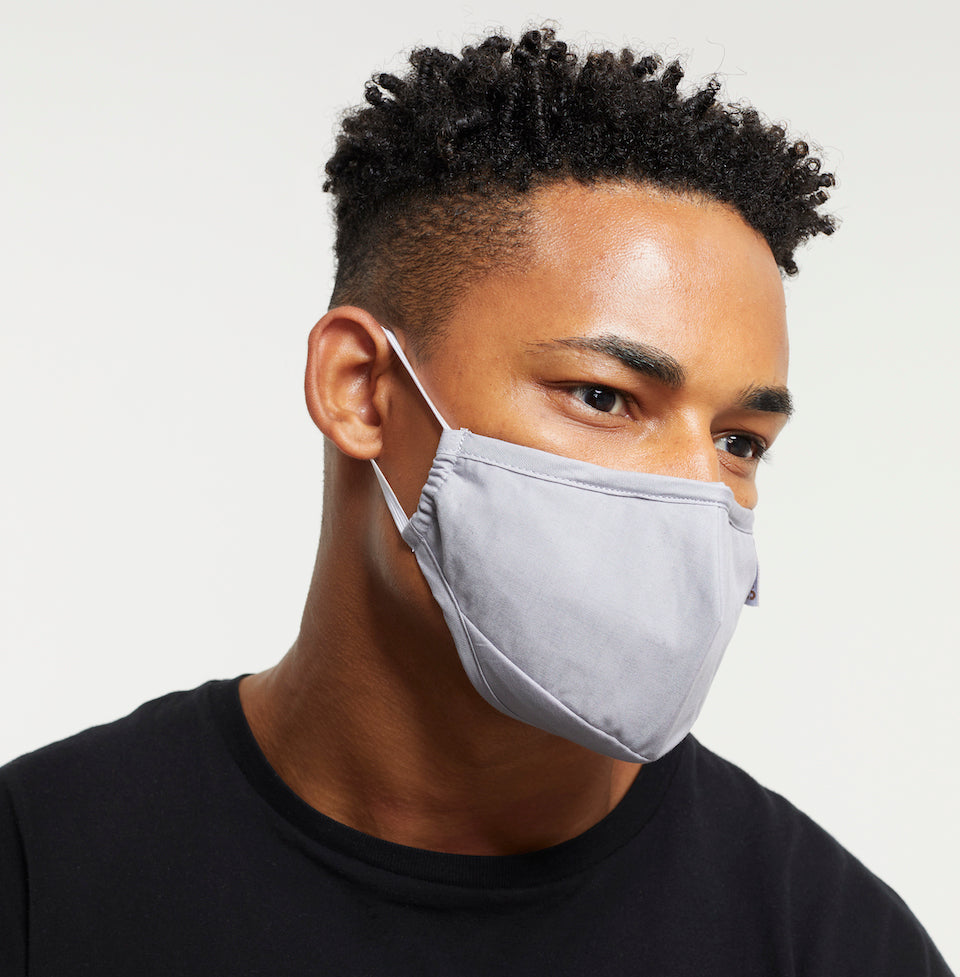
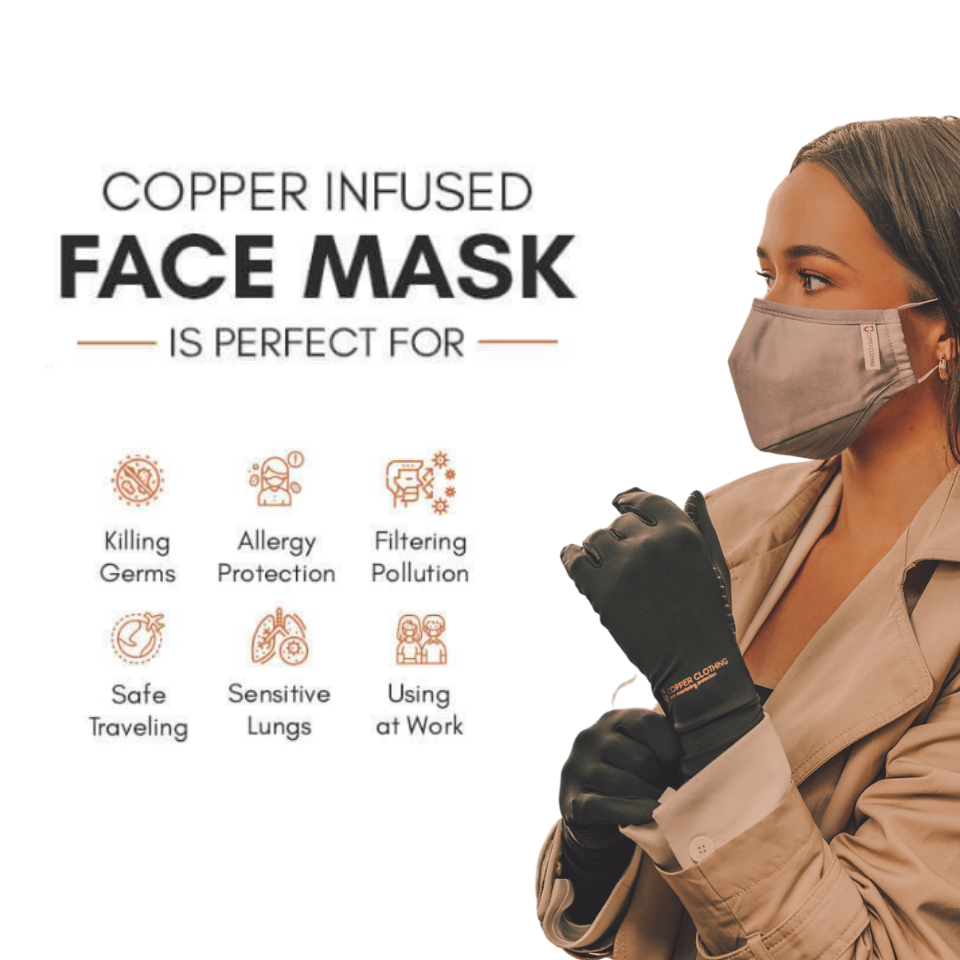
FFP2 CE Four-Layer Copper Infused Face Mask
- Four layers of protection
- Comfortable & washable
- Sale price
- £22.99
- Regular price
- £22.99
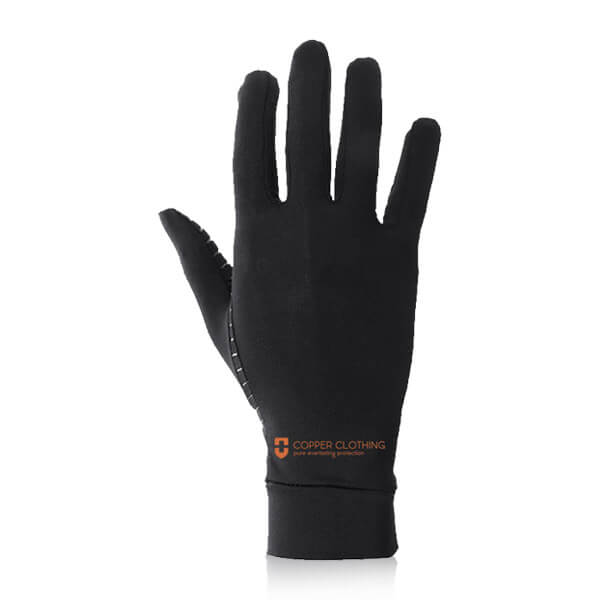
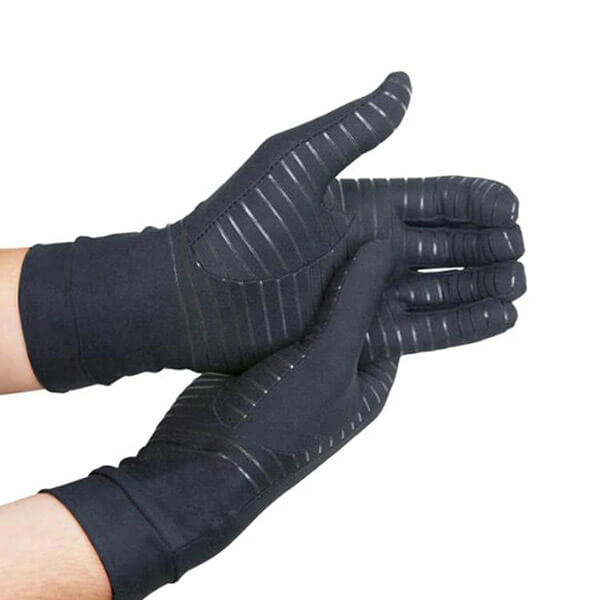
Full Finger Gloves (Copper Gloves)
- Ultimate comfort & flexibility
- Provides warmth and comfort for hands
- Washable
- Sale price
- £22.99
- Regular price
- £22.99
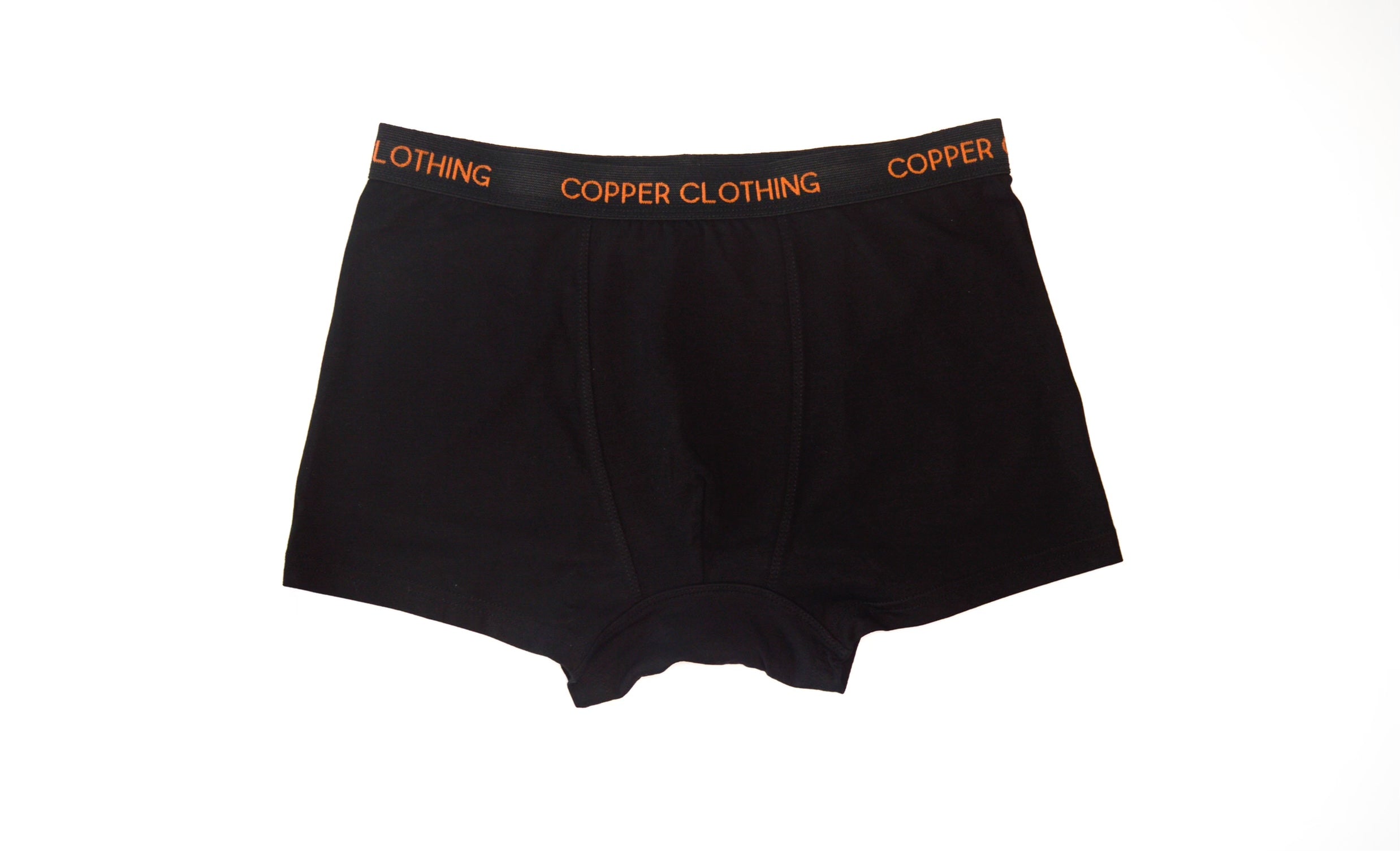
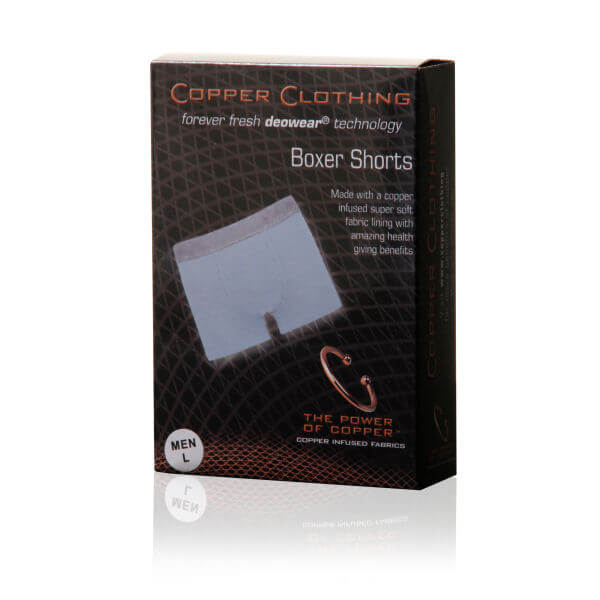
Men’s Copper Boxer Shorts – Soft, Breathable Underwear for Everyday Comfort
- Soft cotton & bamboo blend
- Breathable & lightweight feel
- Stretch comfort for daily movement
- Sale price
- £9.99
- Regular price
- £9.99
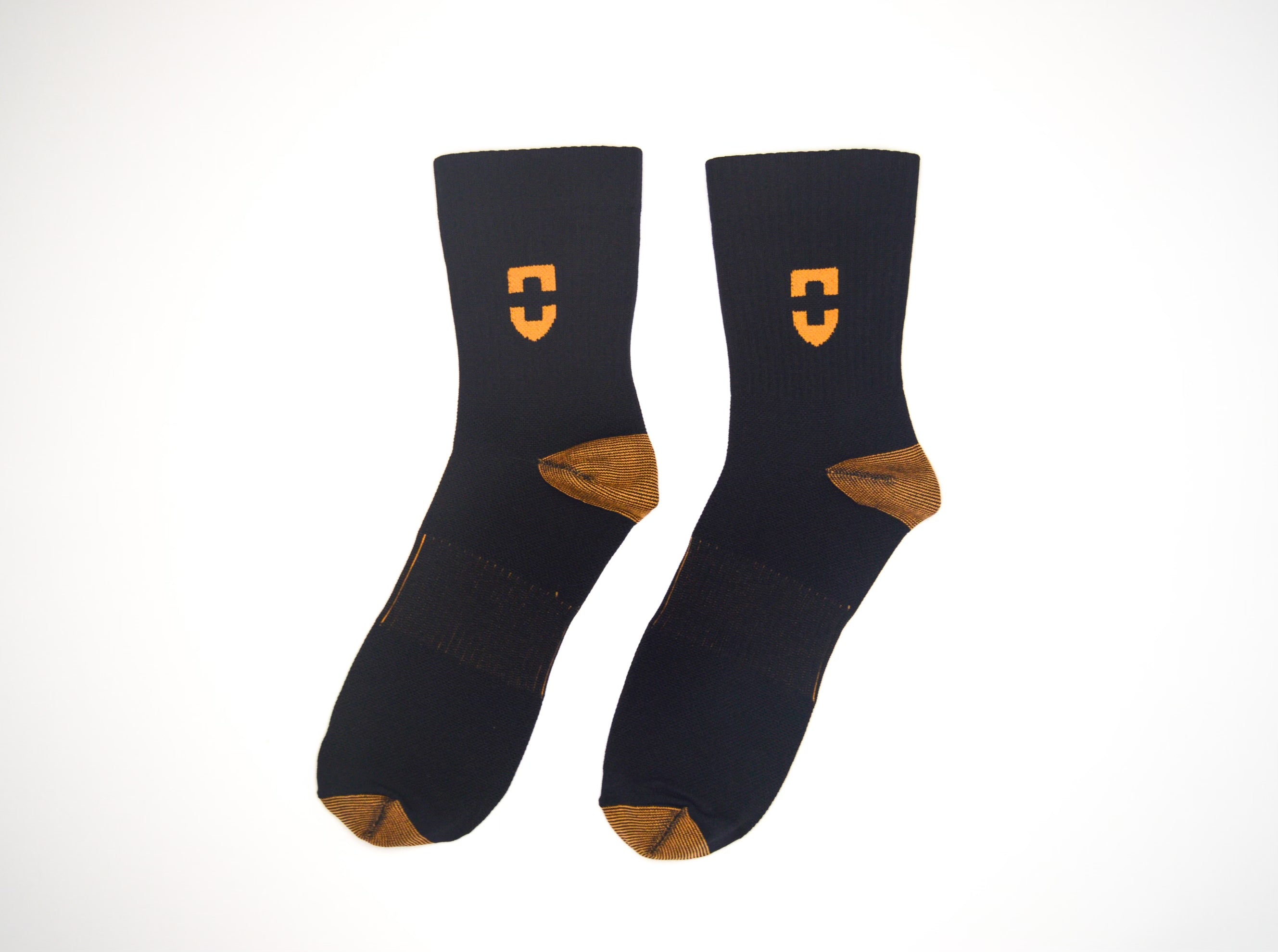
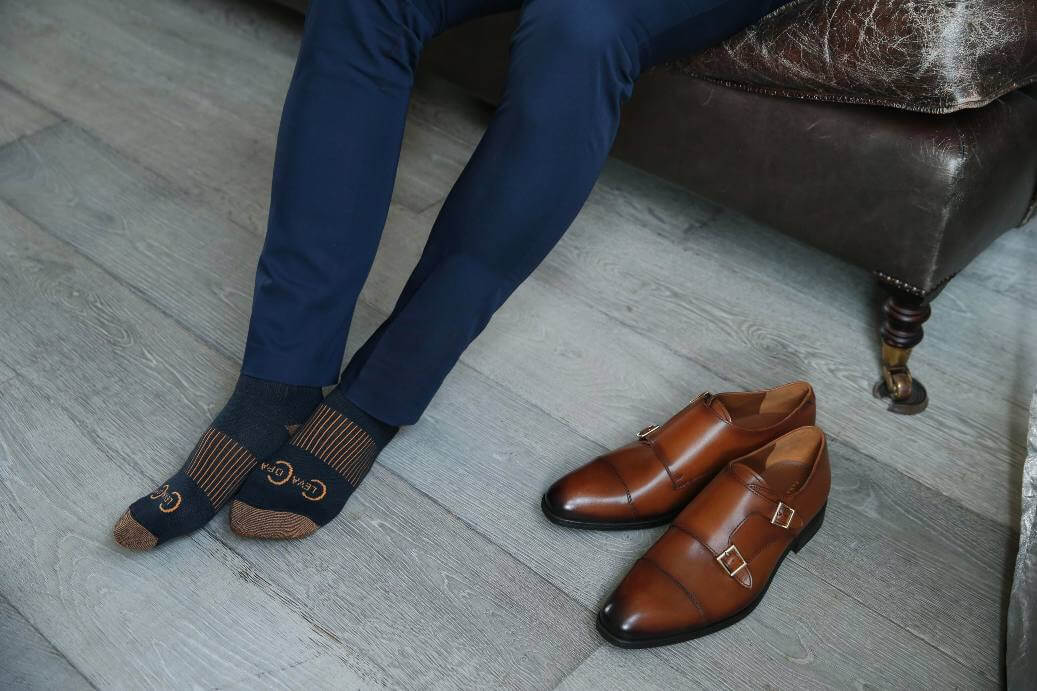
Short Compression Copper Infused Socks
- Breathable Compression Fabric, Comfortable & Durable
- 8 - 15mmHg of Compression
- Best socks for long flights and journey
- Sale price
- £12.99
- Regular price
- £12.99
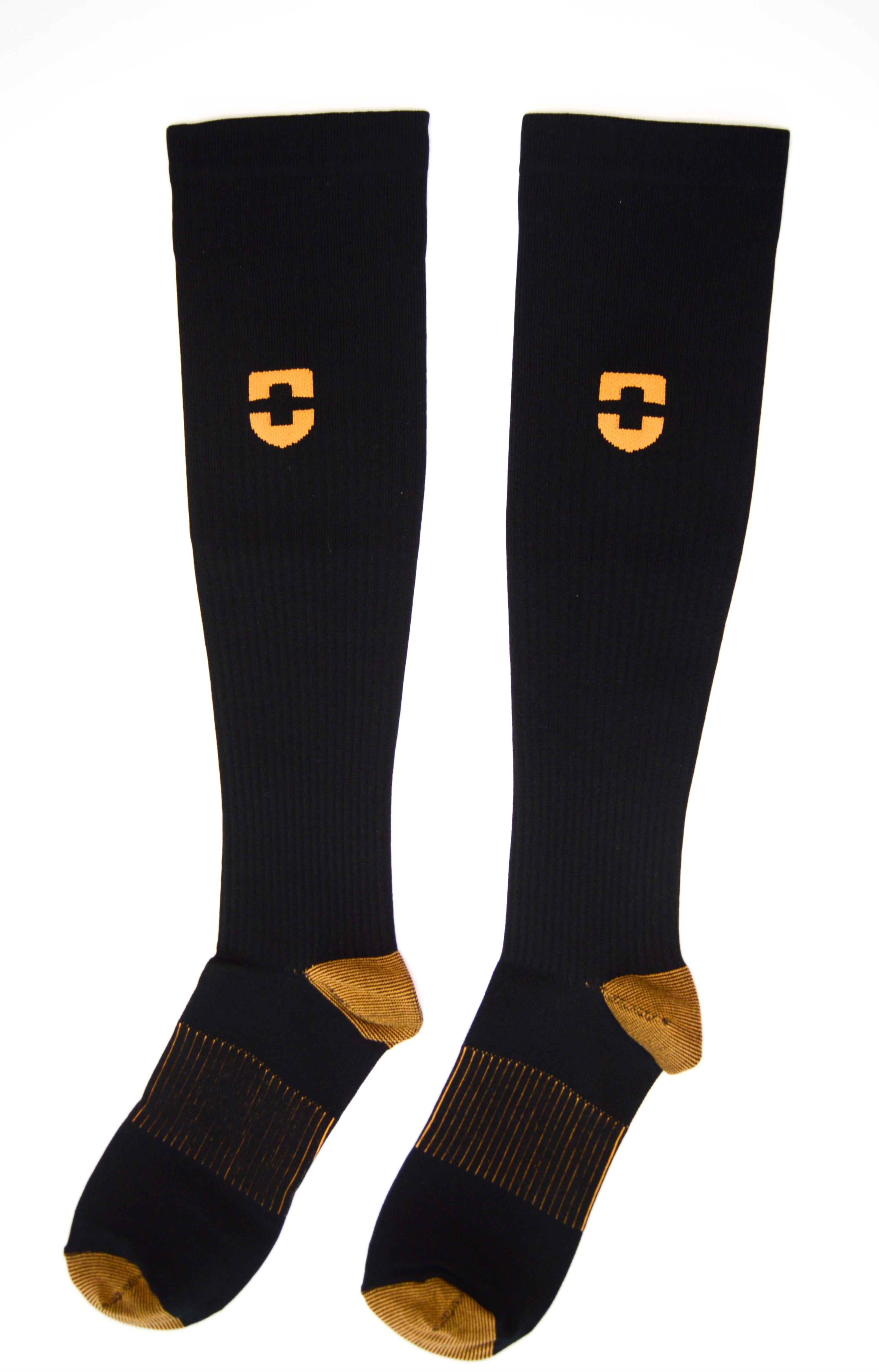
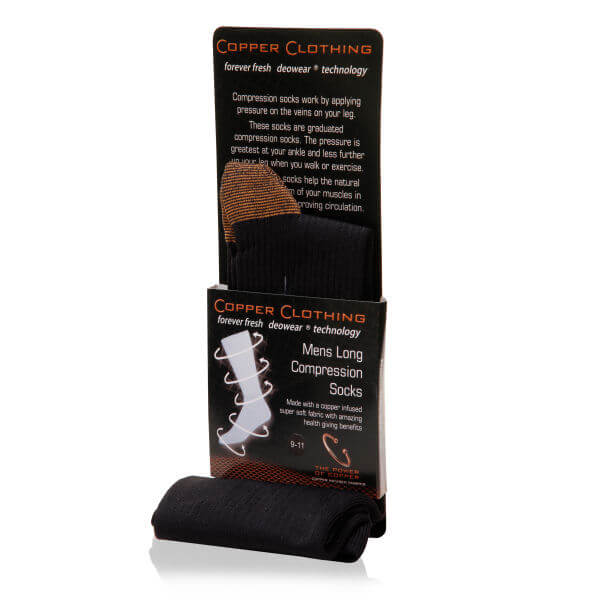
Long Copper Infused Compression Socks
- Breathable Compression Fabric, Comfortable & Durable
- 8 - 15mmHg of Compression
- Best socks for long flights and journey
- Sale price
- £15.99
- Regular price
- £15.99
Ladies Copper Infused Pyjamas
- Luxuriously Soft Cotton & Bamboo
- Ideal for daily wear
- Sale price
- £49.99
- Regular price
- £49.99
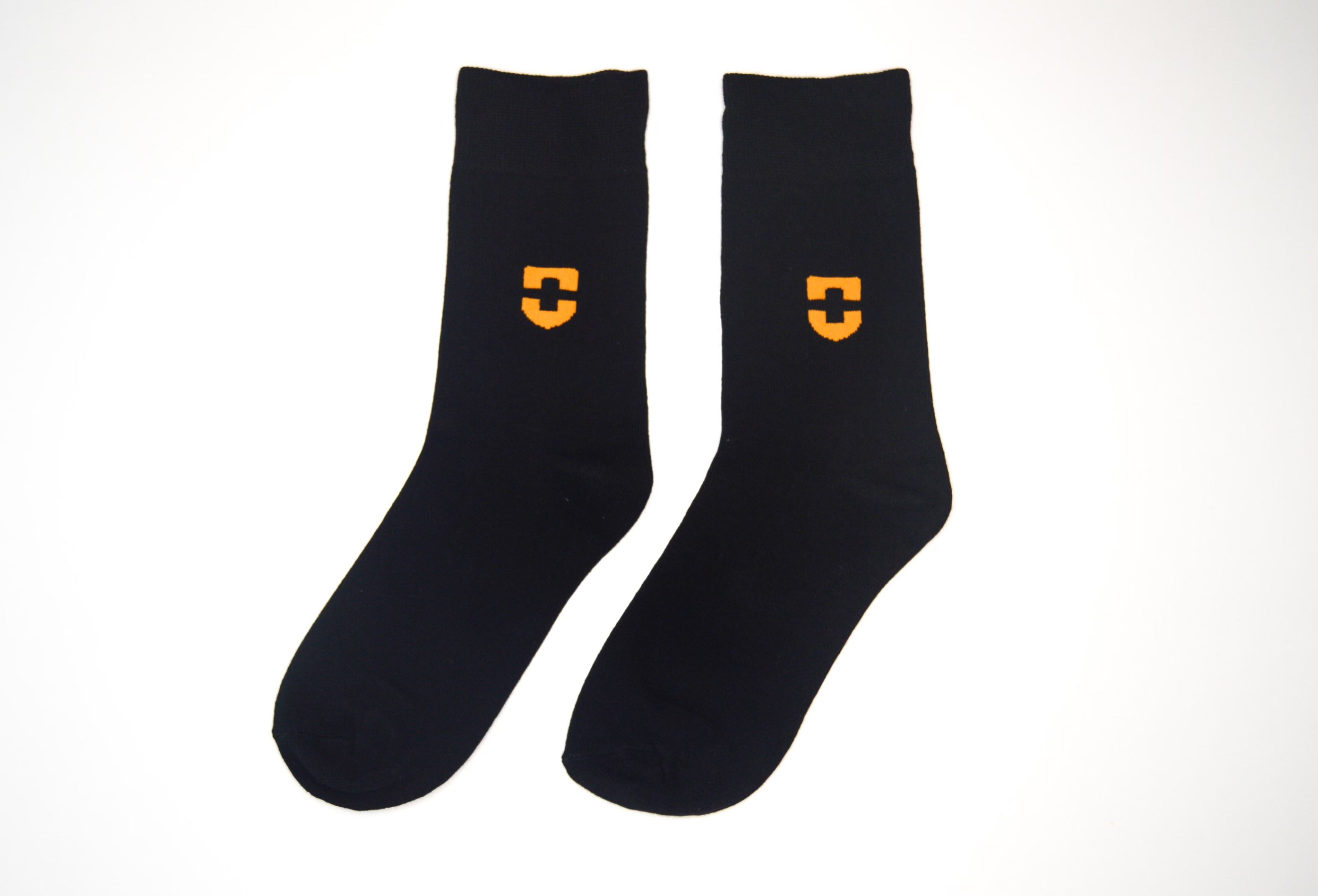
Everyday Copper Socks – Soft, Breathable Socks for Daily Comfort
- Soft & breathable fabric
- Comfortable for long-hour wear
- Lightweight everyday fit
- Sale price
- £9.99
- Regular price
- £9.99
Mens Copper Infused Pyjamas
- Luxuriously Soft Cotton & Bamboo
- Promotes Healthier & Softer Skin
- Sale price
- £54.99
- Regular price
- £54.99
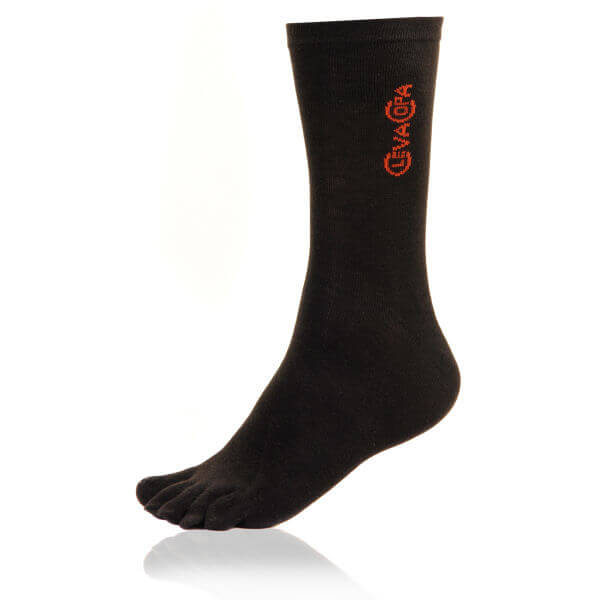
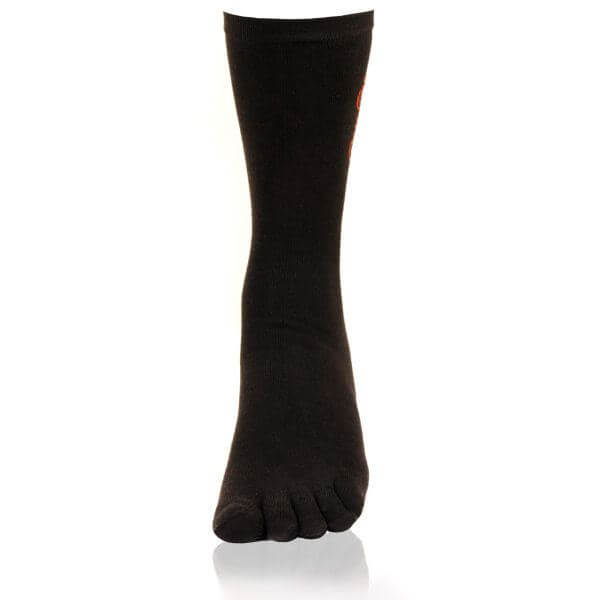
Copper Infused Five Toe Socks
- Promotes Softer Healthier Feet
- Completely Seamless
- Best for long journey and flights
- Sale price
- £14.99
- Regular price
- £14.99
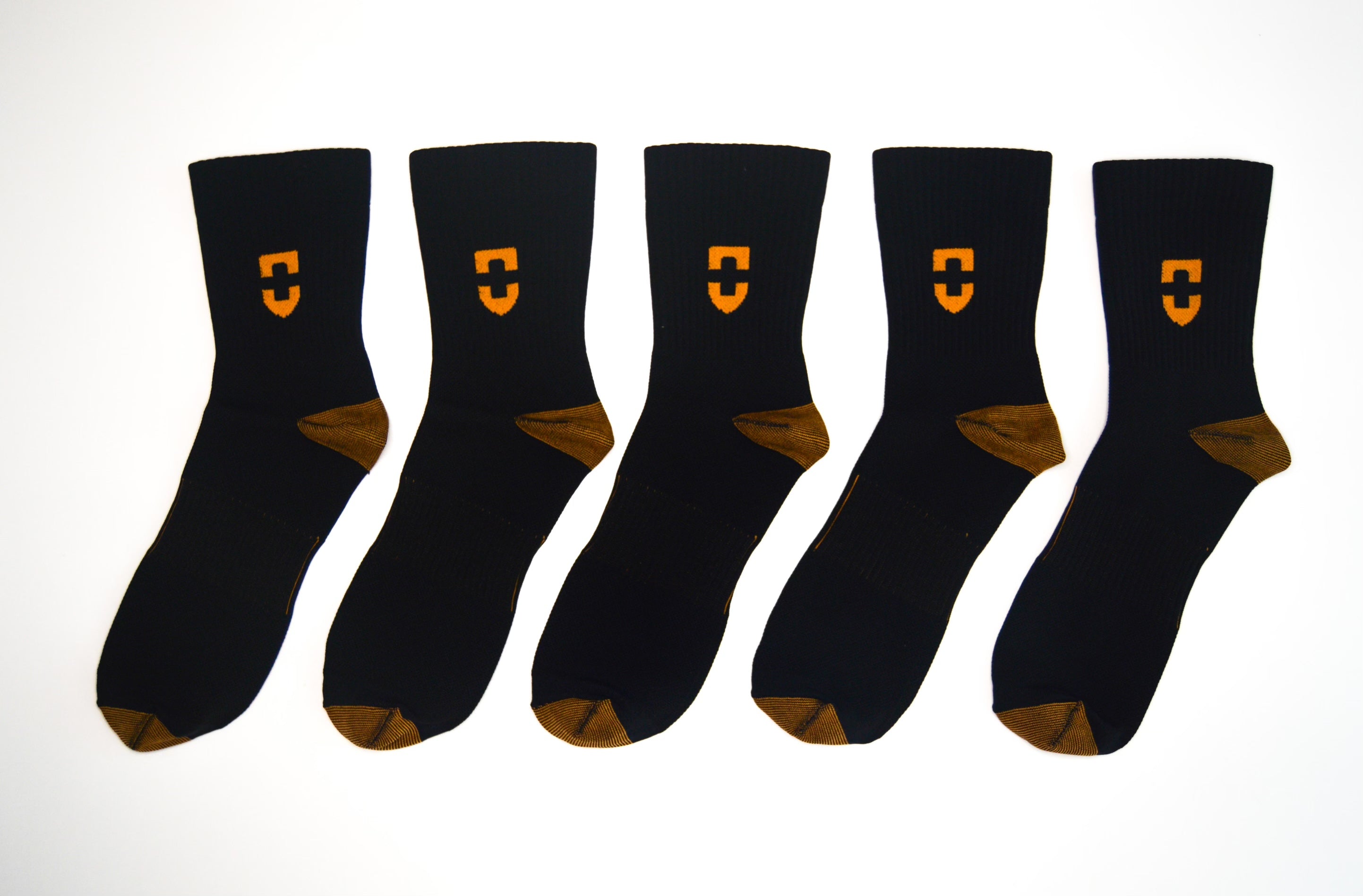
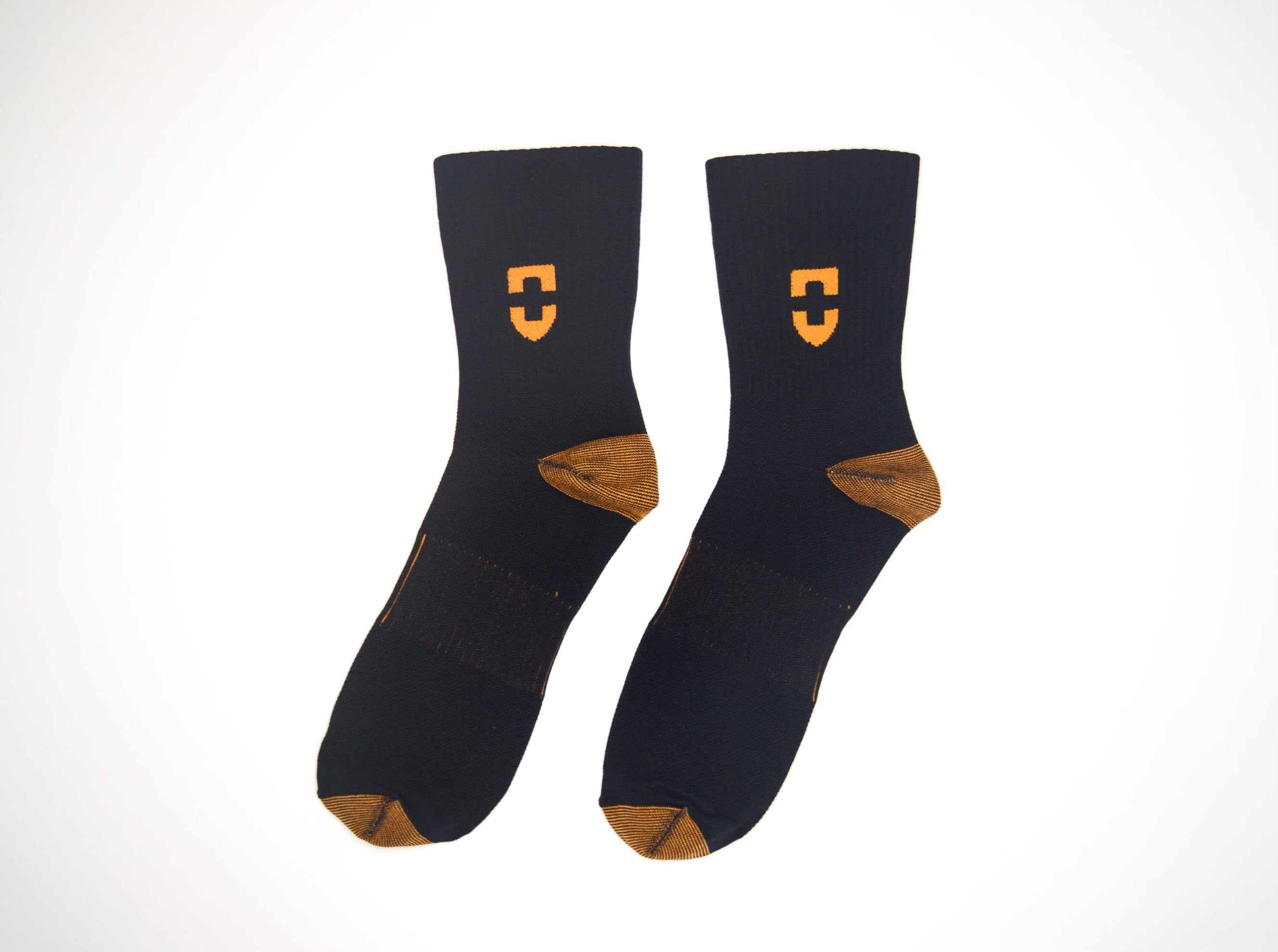
5-Pack Short Compression Copper Infused Socks
- Breathable Compression Fabric & Comfortable
- 8-15mmHg of Compression
- Best socks for long flights and travel
- Sale price
- £59.95
- Regular price
- £64.95
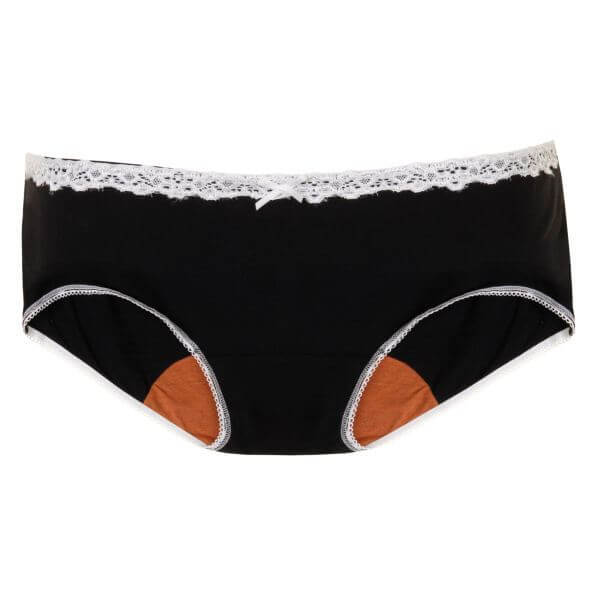
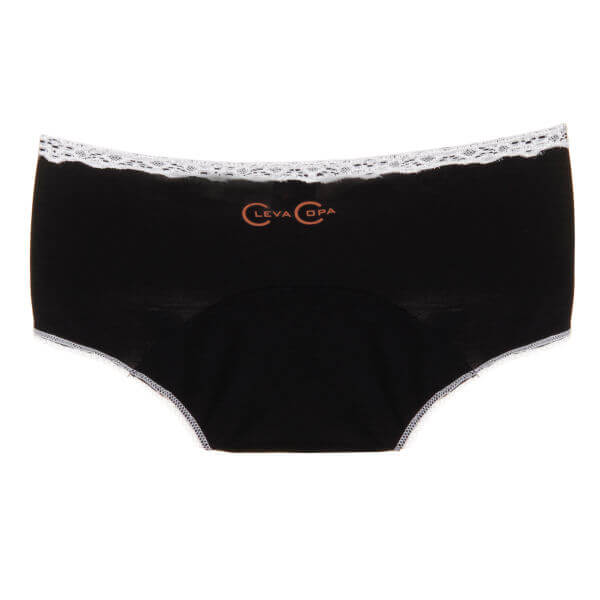
Womens Copper Infused Briefs
- Soft cotton & bamboo blend
- Breathable lightweight feel
- Flexible everyday comfort
- Sale price
- £9.99
- Regular price
- £9.99
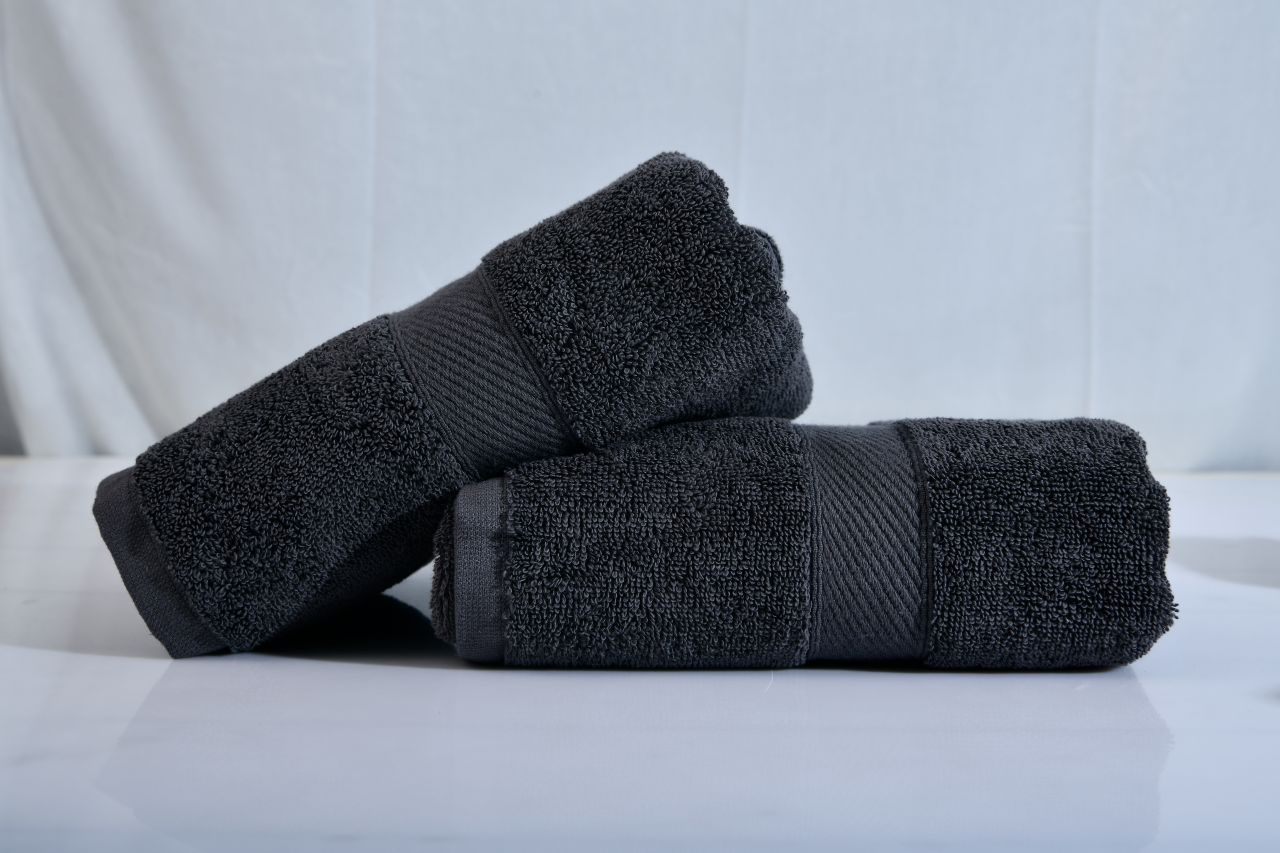
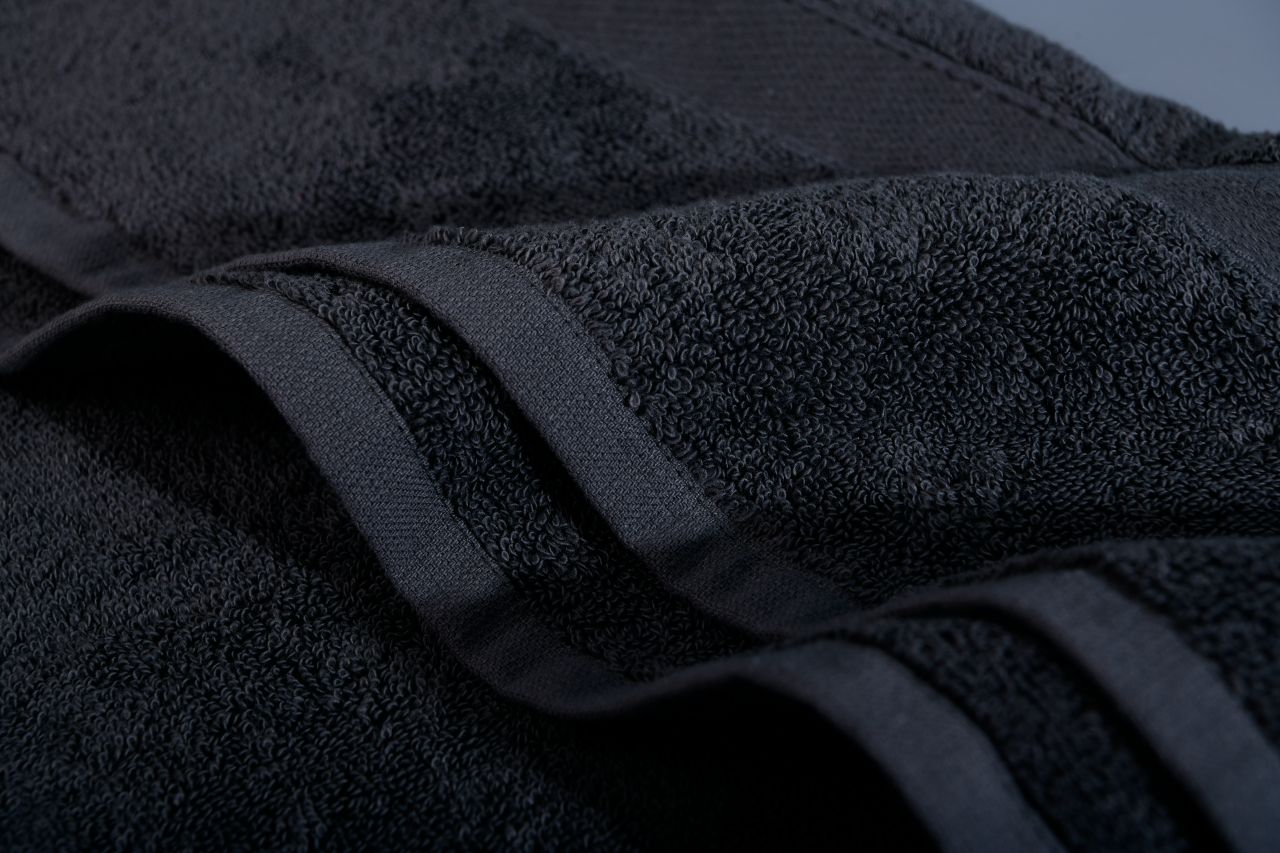
Copper Infused Bath & Gym Towel — 500 GSM Premium Cotton
- 500 GSM Cotton Cloth
- Soft & Premium
- Lightweight & Durable
- Child and Pet-Friendly
- Sale price
- £19.99
- Regular price
- £19.99

