


Compression Socks for Seniors: Enhancing Mobility and Comfort
Author

Rory Donnelly
Published
November 17 2026
Getting older can bring a few changes that you may not immediately notice. Your legs might feel heavier after a short walk, your ankles may swell by the evening, or standing for long periods may become uncomfortable. These problems can make everyday activities harder, especially if you already have limited mobility. Compression socks can help manage some of this discomfort by supporting blood circulation in the legs. In this blog, we will look at why compression socks matter for seniors, their potential benefits, how to choose the right pair, and what older adults should know before wearing them.
Why Compression Socks Matter for Seniors?
As you get older, your circulation may not work quite as efficiently as it once did. The veins in your legs have to work against gravity to send blood back towards your heart. Their valves and the surrounding muscles help with this process, but reduced muscle activity, changes in vein function, and certain health conditions can make it harder.
This is one reason older adults may experience swollen ankles, varicose veins, tired legs, and a feeling of heaviness after sitting or standing for extended periods.
So, do compression socks help seniors? Yes, they can. These socks apply gentle, graduated pressure to the legs, with the strongest compression around the ankle and gradually less pressure towards the calf. This supports the movement of blood back towards the heart and helps prevent excess fluid from collecting in the lower legs.
For seniors who spend much of their day sitting, have limited mobility, or experience mild swelling, this added support can make everyday activities more comfortable. However, compression socks do not treat every circulation problem, and people with certain medical conditions may need a doctor's approval before wearing them.
Why Do Legs Swell More as We Get Older?
Swollen legs become more common with age for several reasons. Sitting for long periods, reduced physical activity, excess body weight, and consuming too much salt can all contribute to fluid buildup. Some older adults also develop chronic venous insufficiency, where the veins struggle to move blood back towards the heart. Kidney or lymphatic problems and certain medications, including some blood pressure medicines and corticosteroids, can also cause swelling. Compression socks may help manage the symptoms, but sudden, unexplained, or one-sided swelling needs medical attention rather than simply being treated with compression.
Potential Benefits of Compression Socks for Older Adults
Compression socks can be useful in several everyday situations. Here's a closer look at how they may help seniors stay comfortable and manage common leg-related problems.
1. Helping Manage Mild Swelling
Swollen ankles and feet can make even simple activities uncomfortable. You might notice that your shoes feel tighter towards the end of the day or that your ankles look puffier after sitting for several hours.
Compression socks apply consistent pressure to the lower legs, helping reduce fluid accumulation in the surrounding tissues. Wearing them during the day may help manage mild swelling, particularly when combined with regular movement and elevating the legs when resting.
2. Supporting Mobility and Reducing Leg Fatigue
Heavy, tired legs can make walking around the house or going outdoors feel like more effort than it should. This is particularly common among seniors who spend considerable time on their feet or have circulation-related discomfort.
Compression socks provide gentle support to the lower legs and may help reduce the feeling of heaviness and fatigue associated with venous problems. They can make standing and walking more comfortable for some older adults, allowing them to carry out everyday activities with less discomfort.
3. Improving Comfort During Long Sitting or Standing
Retirement does not always mean spending the day relaxing. Some seniors enjoy gardening, cooking, travelling, or looking after their grandchildren. Others may spend several hours sitting while reading, watching television, or working on hobbies.
Remaining in one position for too long can contribute to swelling and discomfort in the legs. Compression socks can help manage fluid buildup during these periods. Still, wearing them should not replace movement. Getting up regularly, stretching your legs, and taking short walks are just as important.
4. Reducing the Risk of Blood Clots in Certain Situations
Deep vein thrombosis (DVT) occurs when a blood clot forms in a deep vein, usually in the leg. Older adults may have a higher risk, particularly if they have undergone surgery, are recovering from an illness, or have limited mobility.
Medical compression stockings are sometimes recommended in specific situations to help reduce the risk of blood clots. However, ordinary compression socks should not be considered a substitute for prescribed DVT prevention measures or medical treatment.
If you experience sudden swelling in one leg, pain, warmth, or redness, seek medical attention promptly.
5. Helping With Dizziness When Standing
Some older adults experience a sudden drop in blood pressure when they stand up after sitting or lying down. This is known as orthostatic hypotension. It can cause dizziness, blurred vision, or a feeling that you might faint.
In certain cases, compression garments can help reduce blood pooling in the legs and support blood pressure when standing. This may help manage symptoms and reduce situations that could lead to falls. However, knee-high compression socks may offer limited support for this particular problem, so a healthcare professional should recommend the appropriate garment.
6. Making Travel More Comfortable
Long journeys can be uncomfortable for seniors, especially when there is little opportunity to move around. Sitting in a car, train, or aeroplane for several hours can contribute to swollen ankles and leg stiffness.
Compression socks may help manage swelling during travel and are sometimes recommended for people at risk of travel-related blood clots. Choose a comfortable, properly fitted pair and remember to move your feet, stretch your legs, and walk around whenever possible.
Are Compression Socks Good for Diabetic Seniors?
Compression socks can benefit some seniors with diabetes, particularly those who experience leg swelling or venous circulation problems. However, they should not be worn without medical advice.
Diabetes can affect the nerves and blood vessels in the feet and legs. Peripheral neuropathy may reduce sensation, making it difficult to notice whether a sock is too tight or irritating. Peripheral artery disease (PAD) can also reduce blood flow to the legs. In such cases, compression may further compromise circulation.
A doctor may recommend a circulation assessment, such as an ankle-brachial index (ABI) test, before suggesting compression. The appropriate pressure level and sock design will depend on the results.
If compression is approved, a comfortable, non-binding design with smooth seams can help reduce irritation. Seniors with diabetes should also check their feet and legs regularly for redness, pressure marks, blisters, or skin changes.
What Level of Compression Is Best for Seniors?
Compression socks are available in different pressure levels, measured in millimetres of mercury (mmHg). Choosing the right one matters because stronger compression is not necessarily better.
Here's a closer look at the commonly available options:
-
Mild Compression (8–15 mmHg): Provides light support and may suit people looking for everyday comfort or experiencing occasional tiredness and mild swelling.
-
Moderate Compression (15–20 mmHg): Often used for everyday circulation support and mild swelling. This can be a practical starting range for some older adults.
-
Higher Compression (20–30 mmHg): Offers firmer support and may be recommended for more persistent swelling or certain venous conditions.
-
Extra Firm Compression (30–40 mmHg): Generally used for specific medical needs and should only be worn under appropriate medical guidance.
For many seniors, mild or moderate compression is easier to wear and put on. However, the right pressure depends on circulation, existing health conditions, and the reason for wearing the socks. It is always worth checking with a healthcare professional before choosing a higher compression level.
How to Choose Compression Socks for Seniors?
Finding the right pair involves more than picking a compression level. Seniors need socks that feel comfortable, fit properly, and are easy to put on without unnecessary effort.
Here are a few things worth considering.
1. Start With the Reason for Wearing Them
Think about what you want the socks to help with. Are you dealing with mild ankle swelling, tired legs, or discomfort after sitting for long periods? Perhaps you need extra support during long journeys or have been advised by your doctor to wear compression stockings.
Knowing the reason makes it easier to choose the right pressure level and design.
2. Check How Easy They Are to Put On
This is particularly important for older adults with arthritis, stiff fingers, reduced grip strength, or limited flexibility.
Some compression socks can be difficult to pull over the heel and calf. Look for designs with stretchable openings, comfortable cuffs, and materials that make dressing easier. Putting them on first thing in the morning, when swelling is usually lower, can also help.
3. Choose Comfortable, Breathable Materials
Seniors may need to wear compression socks for several hours, so the fabric should feel comfortable against the skin.
Some commonly used materials include:
-
Copper-infused fabric: Offers a different material option for people interested in copper-infused clothing. Copper-infused socks should not be assumed to provide additional medical or circulation benefits.
-
Cotton: Soft against the skin and suitable for people who prefer natural fibres.
-
Merino wool: Helps regulate temperature and provides a comfortable feel in different weather conditions.
-
Nylon: Durable, stretchable, and commonly used in compression garments.
-
Moisture-wicking nylon: Helps move sweat away from the skin, making it useful for longer periods of wear.
4. Look for Graduated Compression
Always check whether the socks provide graduated compression. This means the pressure is stronger around the ankle and gradually decreases towards the calf.
This pressure pattern supports the natural movement of blood through the legs. A properly designed pair should feel supportive without pinching or leaving deep marks on your skin.
5. Make Sure They Do Not Irritate Your Skin
Older adults may have thinner, more sensitive skin, which makes fabric choice and fit particularly important. Look for smooth seams, soft cuffs, and a design that does not bunch up around the ankles.
Measure your ankle and calf before ordering, and follow the brand's sizing chart. If the socks roll down, dig into your skin, or cause discomfort, they may not be the right fit.
Stay Comfortable and Keep Moving
Give ageing legs the comfort and support they deserve with compression socks.
Closing Thoughts
Growing older should not mean giving up on the activities you enjoy because your legs feel tired or uncomfortable. Compression socks can help manage swelling, support circulation, and make certain everyday activities more comfortable. The important thing is to choose the right pressure, fabric, and fit while keeping your existing health conditions in mind. If you are unsure whether compression socks are suitable, speak with your doctor before making them part of your daily routine.
Frequently Asked Questions
1. Are compression socks good for an elderly person?
Yes, compression socks can help older adults manage mild swelling, leg discomfort, and certain circulation problems. However, seniors with diabetes, artery disease, or other circulation concerns should consult a doctor before wearing them.
2. What should seniors look for in compression socks?
Look for graduated compression, breathable fabric, a comfortable calf fit, and stretchable openings. Seniors with arthritis may also benefit from socks that are easier to pull on and remove.
3. What compression level is best for seniors?
Mild or moderate compression is often suitable for everyday support. However, the right level depends on the person's health and symptoms. Higher compression should be selected with medical guidance.
4. How do you choose compression socks for seniors with wide calves or swelling?
Check calf measurements and choose a design with an appropriate size range and comfortable stretch. Avoid socks that pinch, roll down, or leave deep marks on the skin.
5. How long should an elderly person wear compression socks?
Many people wear compression socks during the day and remove them before sleeping. The exact duration depends on the medical need and doctor's advice. There is no universal 8 to 12-hour rule.
6. What is an alternative to compression socks for the elderly?
Adjustable compression wraps and zippered compression garments are possible alternatives. Regular walking, leg elevation, and ankle exercises may also help manage mild swelling, depending on its cause.


Popular Products
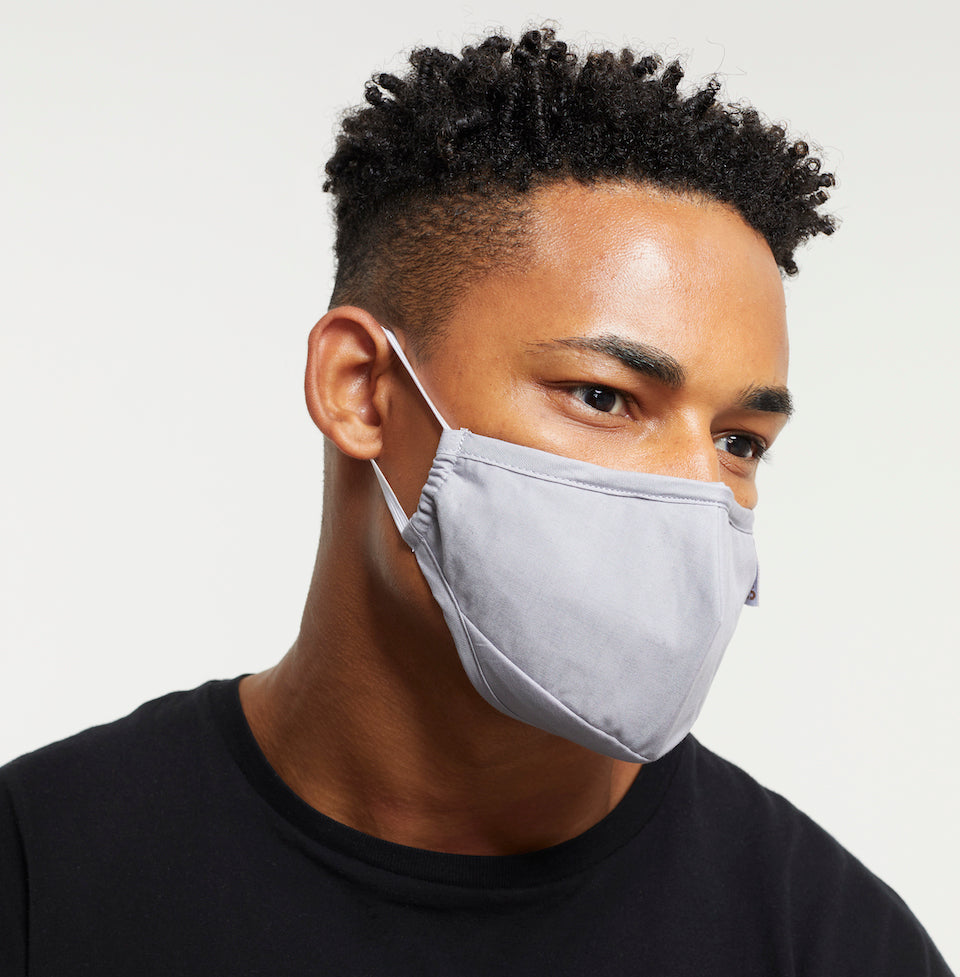
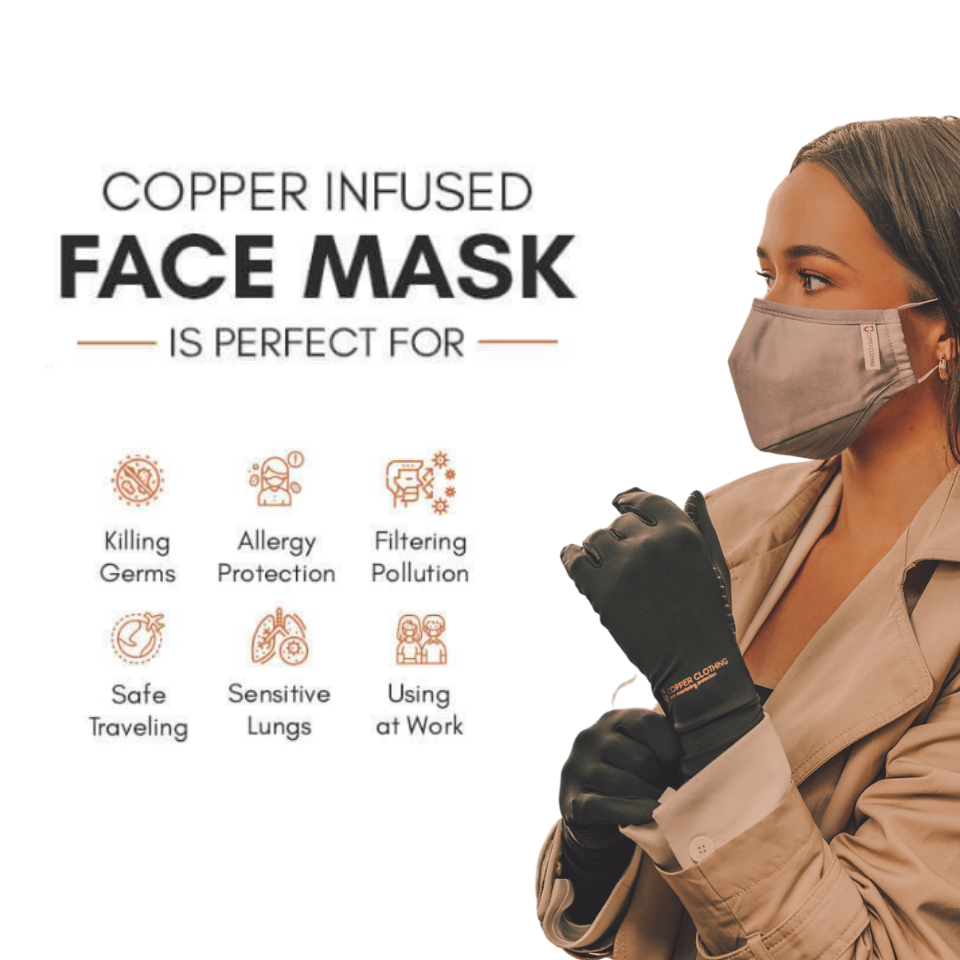
FFP2 CE Four-Layer Copper Infused Face Mask
- Four layers of protection
- Comfortable & washable
- Sale price
- £22.99
- Regular price
- £22.99
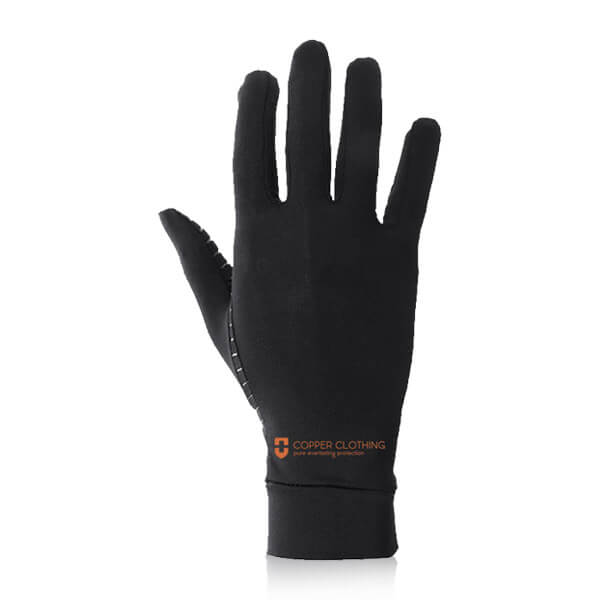
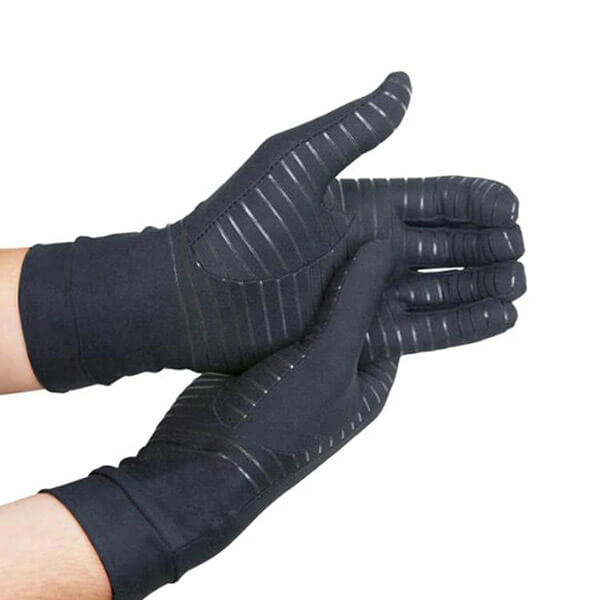
Full Finger Gloves (Copper Gloves)
- Ultimate comfort & flexibility
- Provides warmth and comfort for hands
- Washable
- Sale price
- £22.99
- Regular price
- £22.99
Men’s Copper Boxer Shorts – Soft, Breathable Underwear for Everyday Comfort
- Soft cotton & bamboo blend
- Breathable & lightweight feel
- Stretch comfort for daily movement
- Sale price
- £9.99
- Regular price
- £9.99
Short Compression Copper Infused Socks
- Breathable Compression Fabric, Comfortable & Durable
- 8 - 15mmHg of Compression
- Best socks for long flights and journey
- Sale price
- £12.99
- Regular price
- £12.99
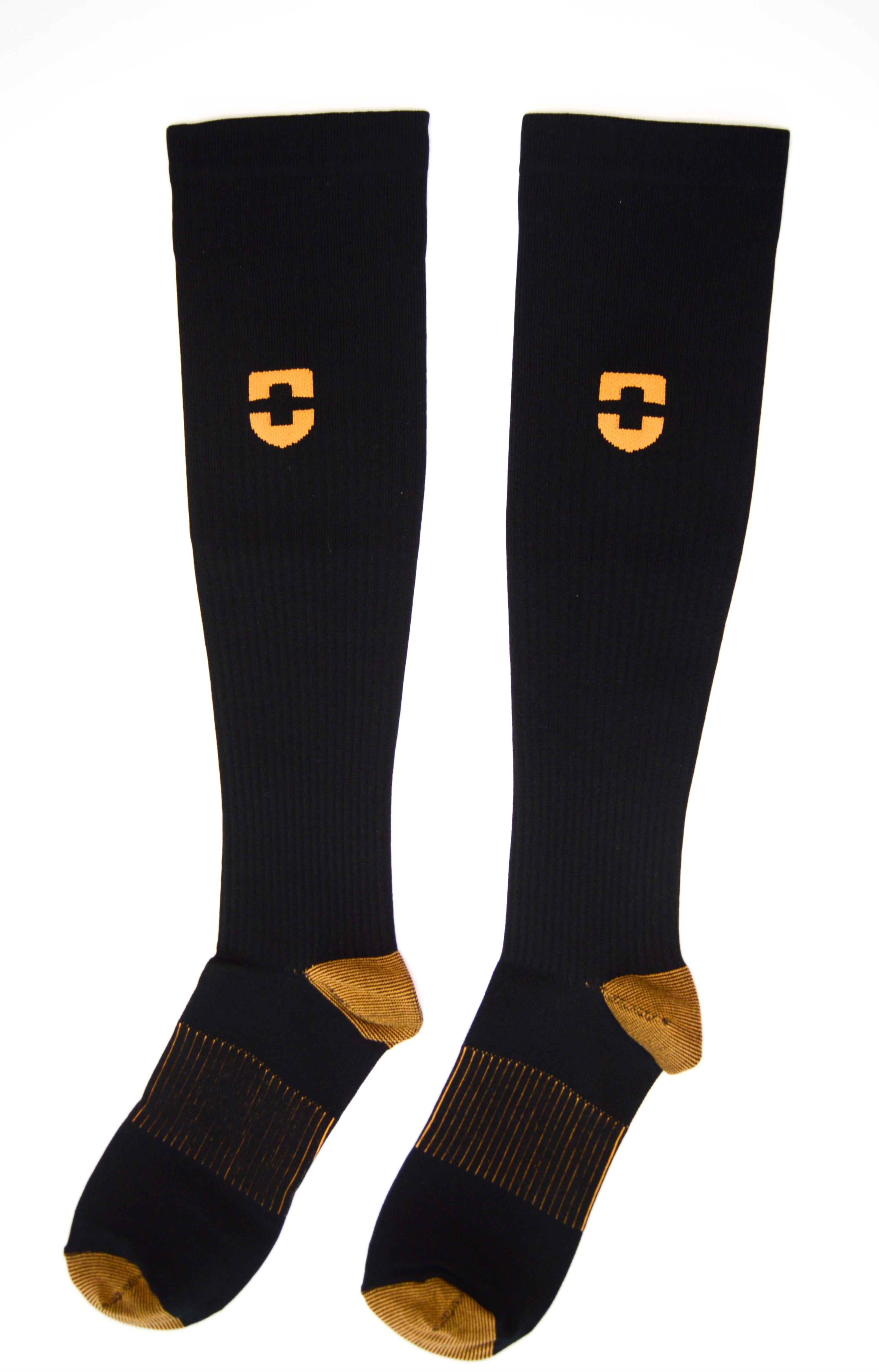
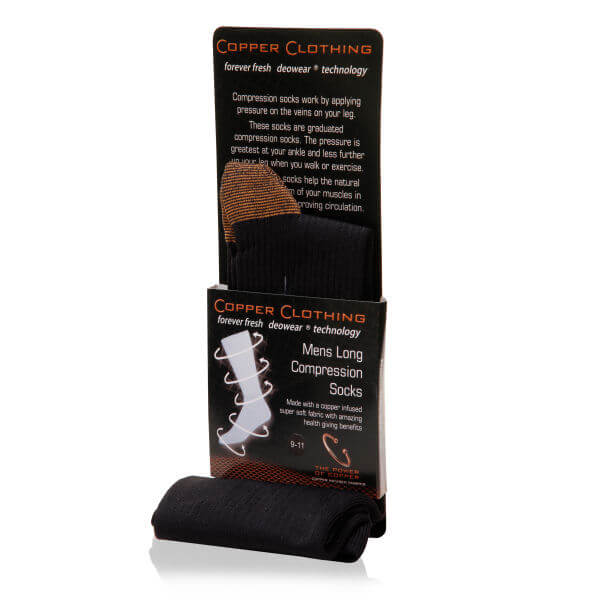
Long Copper Infused Compression Socks
- Breathable Compression Fabric, Comfortable & Durable
- 8 - 15mmHg of Compression
- Best socks for long flights and journey
- Sale price
- £15.99
- Regular price
- £15.99
Ladies Copper Infused Pyjamas
- Luxuriously Soft Cotton & Bamboo
- Ideal for daily wear
- Sale price
- £49.99
- Regular price
- £49.99
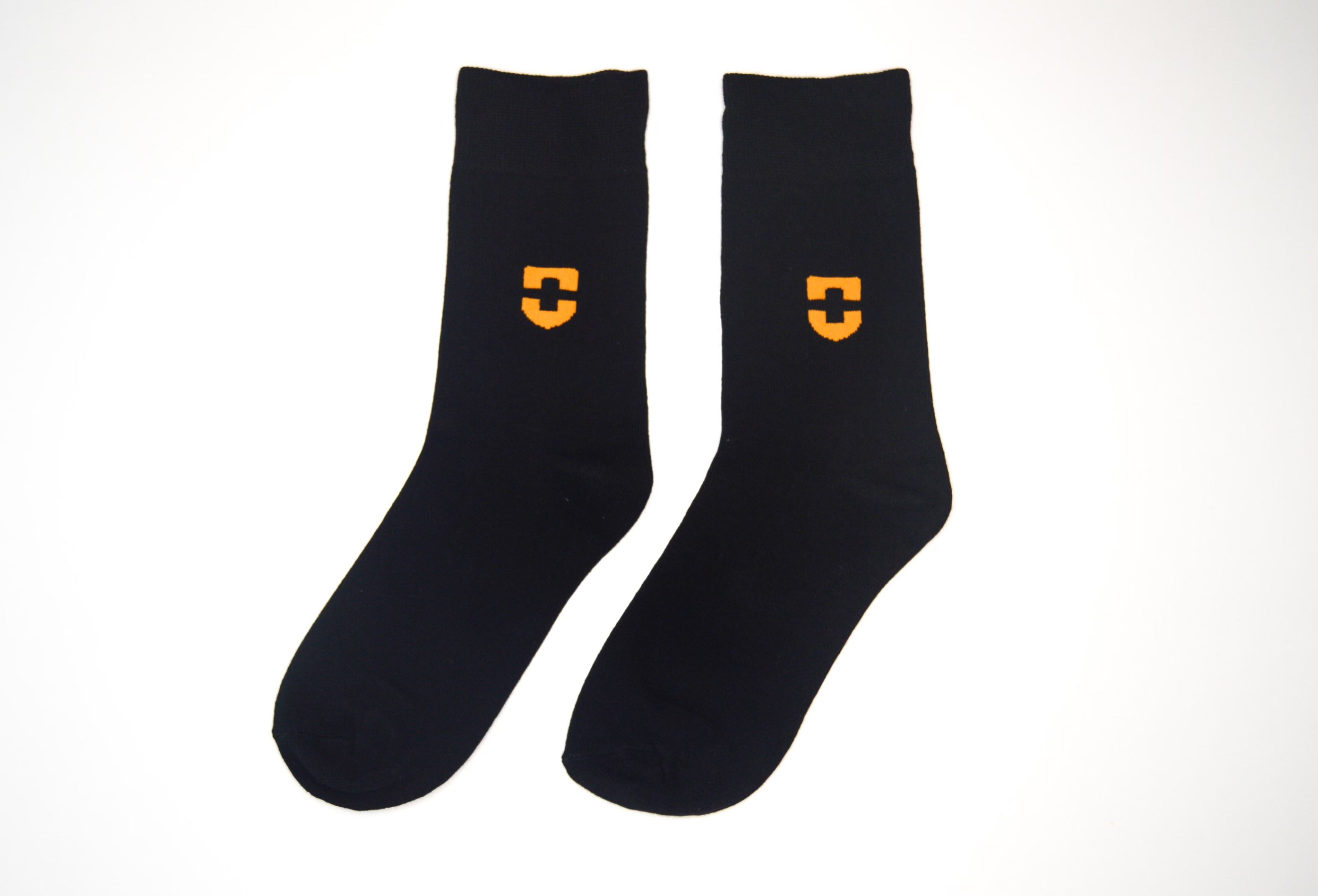
Everyday Copper Socks – Soft, Breathable Socks for Daily Comfort
- Soft & breathable fabric
- Comfortable for long-hour wear
- Lightweight everyday fit
- Sale price
- £9.99
- Regular price
- £9.99
Mens Copper Infused Pyjamas
- Luxuriously Soft Cotton & Bamboo
- Promotes Healthier & Softer Skin
- Sale price
- £54.99
- Regular price
- £54.99
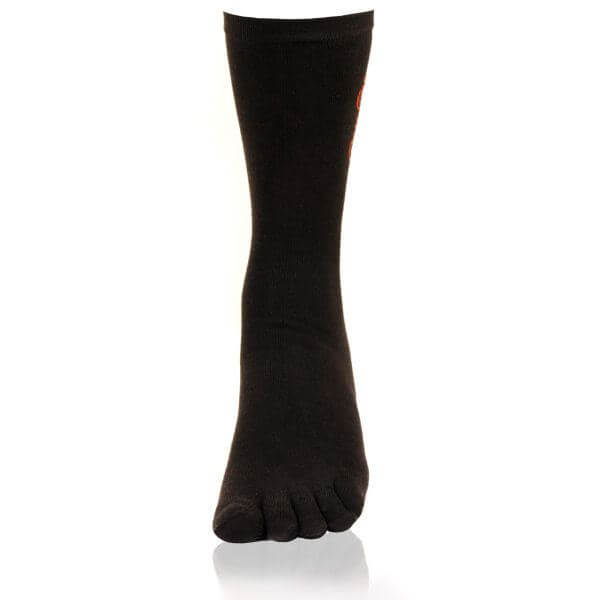
Copper Infused Five Toe Socks
- Promotes Softer Healthier Feet
- Completely Seamless
- Best for long journey and flights
- Sale price
- £14.99
- Regular price
- £14.99
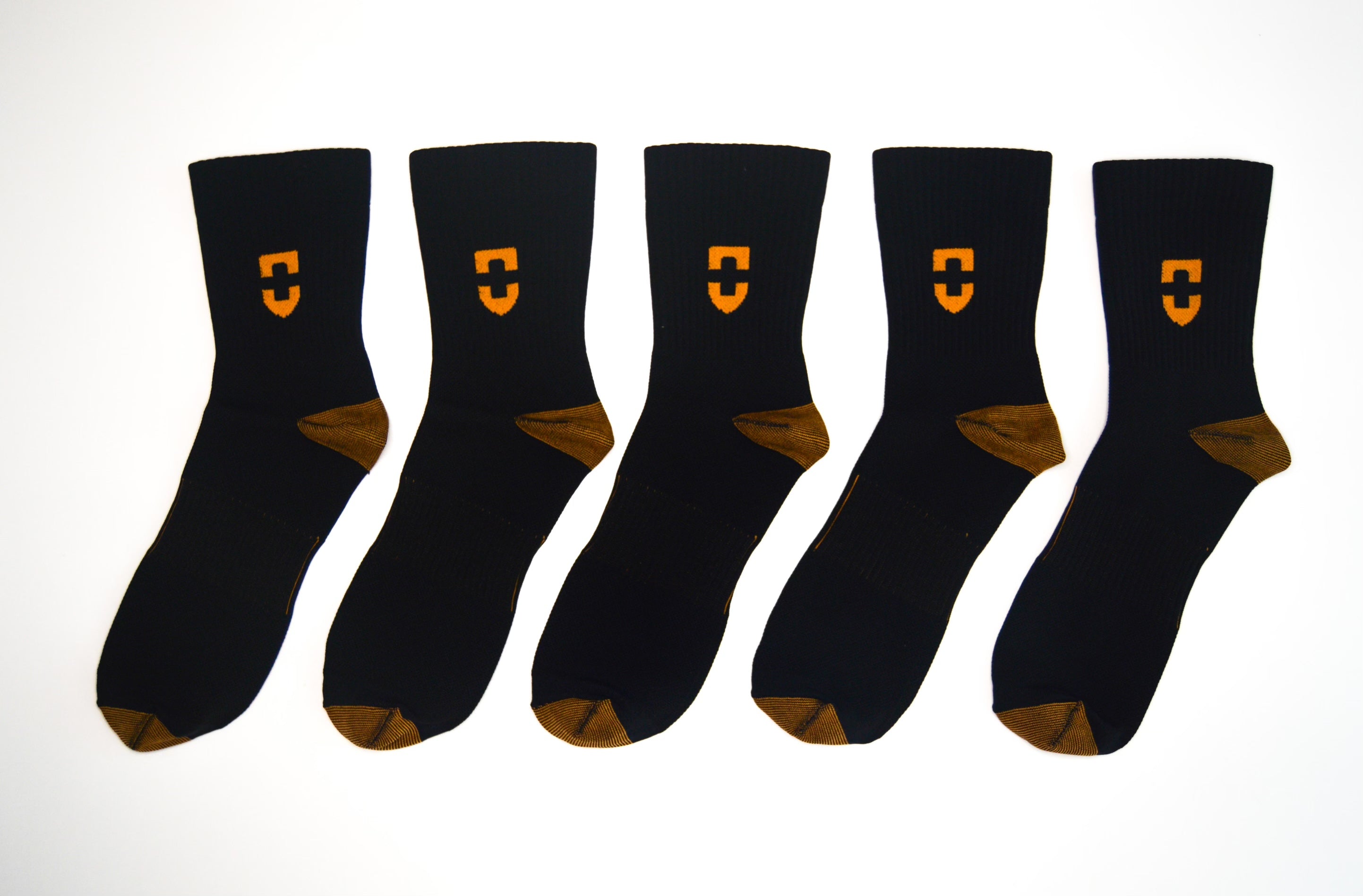
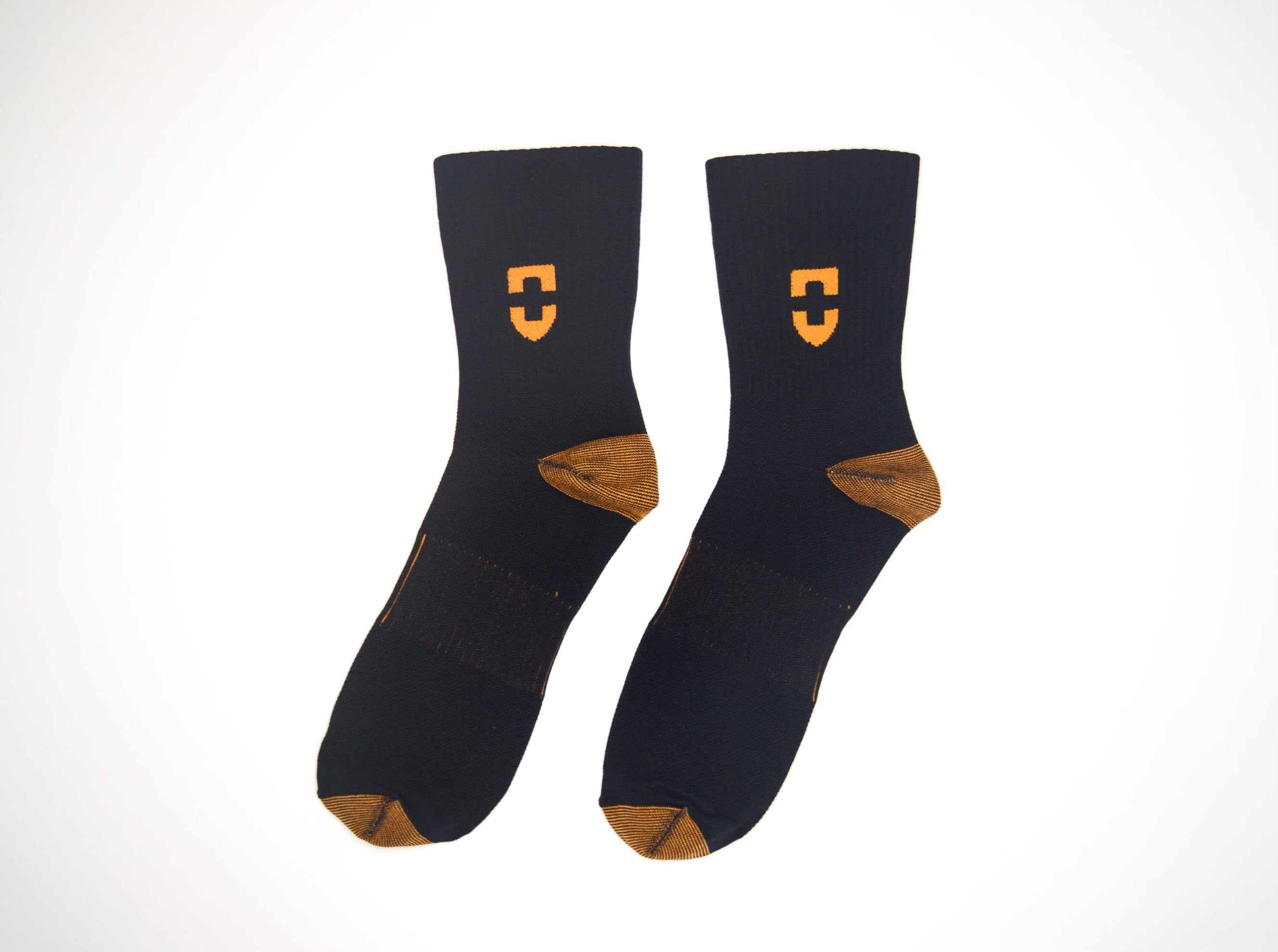
5-Pack Short Compression Copper Infused Socks
- Breathable Compression Fabric & Comfortable
- 8-15mmHg of Compression
- Best socks for long flights and travel
- Sale price
- £59.95
- Regular price
- £64.95
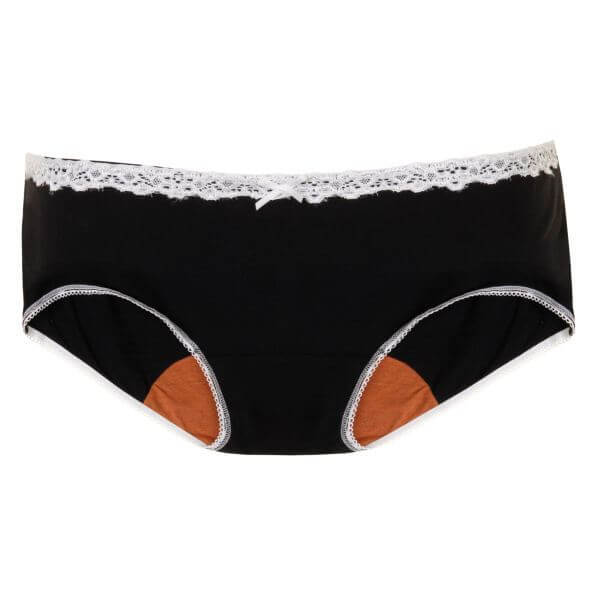
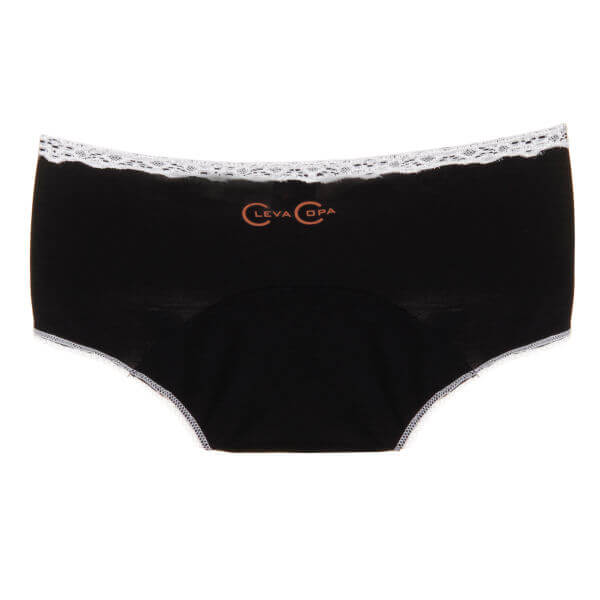
Womens Copper Infused Briefs
- Soft cotton & bamboo blend
- Breathable lightweight feel
- Flexible everyday comfort
- Sale price
- £9.99
- Regular price
- £9.99
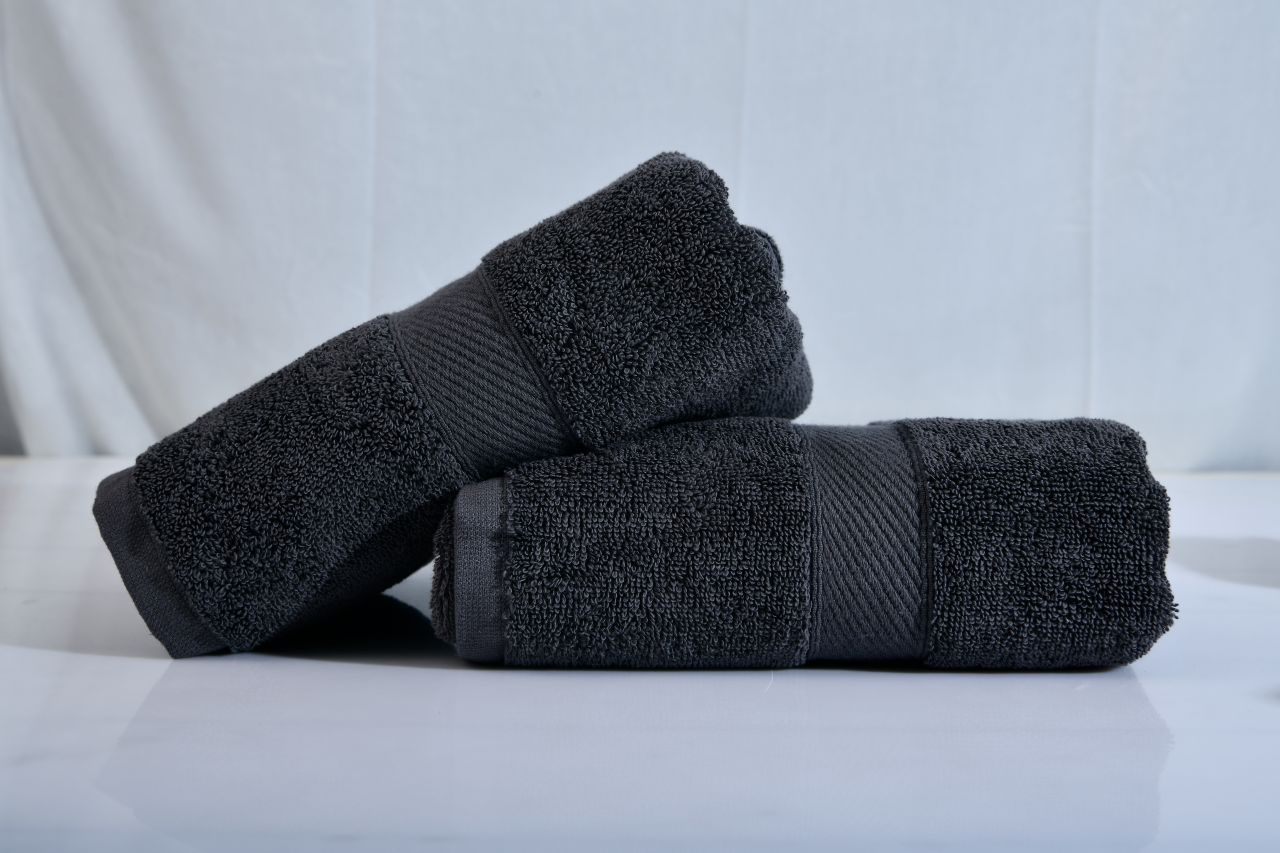
Copper Infused Bath & Gym Towel — 500 GSM Premium Cotton
- 500 GSM Cotton Cloth
- Soft & Premium
- Lightweight & Durable
- Child and Pet-Friendly
- Sale price
- £19.99
- Regular price
- £19.99

