


Does Compression Help With Swelling?
Author

Rory Donnelly
Published
October 24 2024
Last Updated
June 04 2026
Yes, compression is highly effective for reducing swelling. By applying gentle, controlled pressure to an affected area, it narrows the blood vessels and prevents excess fluid from building up in the tissues. This encourages the body to reabsorb the fluid and circulate it back toward the heart.
Swelling and Its Causes
Swelling is the body’s natural response to strain, injury, or poor circulation. It commonly occurs when excess fluid builds up in a specific area, leading to discomfort, stiffness, and inflammation.
- Swelling, also known as inflammation or oedema, is part of the body’s natural healing process.
- It can occur after travel, exercise, injuries, prolonged standing, or due to chronic conditions like arthritis.
- Swelling happens when fluid and white blood cells collect in a specific area to protect and repair the body.
- This response helps restrict movement and reduce the risk of further injury while healing takes place.
- Poor circulation or fluid buildup can increase swelling, discomfort, and stiffness.
As the body works to heal and recover naturally, compression therapy can help support the process by improving circulation and reducing fluid buildup. To understand how compression helps with swelling, it’s important to first understand what compression therapy is and how it works.
What is Compression Therapy?
Compression therapy is a treatment that applies controlled pressure to the legs, ankles, feet, or other affected areas to improve blood circulation, reduce swelling, and prevent fluid buildup. It is commonly used to manage circulation-related conditions, support muscle recovery, and relieve discomfort caused by prolonged standing, travel, injuries, or medical conditions.
Compression therapy usually involves compression socks, stockings, wraps, braces, or air compression devices. These products gently support the veins and muscles, helping blood flow more efficiently throughout the body.
How Compression Therapy Works
Compression therapy works by applying pressure to the area farthest from the heart, helping push blood and excess fluid back toward the heart. This reduces fluid pooling, swelling, and discomfort while improving circulation and mobility.
When vein valves become weak, blood and fluid can collect in the lower legs, leading to swelling, pain, and fatigue. Compression garments tighten the veins and lymphatic vessels, increasing blood flow and supporting faster recovery.
Many compression garments use graduated compression, meaning they apply the highest pressure at the ankle and gradually reduce pressure higher up the leg. This helps fight gravity and improves the return of deoxygenated blood to the heart.
Benefits and Uses of Compression Therapy
Compression therapy is widely used by athletes, travellers, healthcare workers, and people with circulation-related conditions. It can help:
- Reduces Swelling: Compression therapy helps reduce swelling in the legs, ankles, and feet by improving blood flow and preventing fluid buildup. This makes it an excellent option for patients dealing with chronic venous insufficiency or post-surgical recovery.
- Relieves Pain and Discomfort: Swollen, achy legs can make even simple activities challenging. Compression garments provide gentle pressure that alleviates pain, helping you feel more comfortable throughout the day.
- Improves Circulation: Healthy circulation is essential for overall vascular health. Compression therapy promotes efficient blood flow, reducing the risk of blood clots and improving oxygen delivery to tissues.
- Supports Healing: For patients recovering from vein treatments or managing venous ulcers, compression therapy accelerates healing by reducing inflammation and enhancing circulation.
- Prevents Progression of Vein Conditions: Regular use of compression garments can slow or prevent the worsening of conditions like varicose veins, helping you maintain better vascular health.
- Increases Mobility: By reducing swelling and pain, compression therapy helps patients stay active, which is key to maintaining long-term health and independence.
- Versatile and Customizable: Compression therapy is suitable for a variety of needs, from mild discomfort to advanced vein conditions, and can be tailored to your specific lifestyle.
Compression Socks 101
Compression socks are available in three levels of intensity:
- Low (under 20 mmHg): Ideal for daily use, travel, and long periods of standing or sitting.
- Medium (20-30 mmHg): Recommended for sports recovery, mild varicose veins, or minor swelling.
- High (over 30 mmHg): Generally used for medical conditions such as severe swelling, injuries, or post-surgical recovery.
While it is generally safe to use low or medium-intensity compression for personal needs, consulting a healthcare professional is advisable for medical purposes to determine the appropriate level of compression.
Do Compression Socks Help with Swelling?
The answer is yes. Compression socks promote blood circulation and reduce fluid buildup, which alleviates swelling.
How Do Compression Socks Help with Swelling?
Compression garments help manage swelling in several ways:
- Enhanced Blood Flow: Compression promotes blood circulation, pushing deoxygenated blood back to the heart for faster recovery.
- Reduced Fluid Build-Up: The applied pressure helps prevent fluid from pooling in the swollen area, reducing overall discomfort.
- Decreased Discomfort: By controlling swelling, compression also alleviates pain and improves mobility.
Featured product in this article 5-Pack Long Copper Infused Compression Socks
How to Use Your Compression Socks
For optimal results, wear compression socks throughout the day. Put them on as soon as you wake up and remove them before bed. Compression socks prevent swelling, improve blood circulation, and reduce discomfort. Be sure to follow the care instructions and replace your socks as recommended to ensure their effectiveness and proper pressure delivery.Who Should Consider Air Compression Therapy?
Compression therapy is particularly beneficial for:
- Long-distance travellers who experience swelling from extended sitting.
- Athletes and fitness instructors who need faster muscle recovery.
- Coaches who require prolonged mobility support.
- Healthcare professionals and servers who stand for long periods.
- Individuals with conditions like lymphedema, arthritis, varicose veins, or plantar fasciitis.
Consider Copper Clothing Compression Socks.
Shop Now →FAQs
-
How long does compression take to reduce swelling?
Relief can be immediate, though consistent, regular use is required for long-term results.
-
When should you not wear compression?
Compression garments are generally safe for most, but individuals with Peripheral Arterial Disease (PAD) or other circulatory conditions should consult a healthcare professional before use.
-
Should you sleep with compression on swelling?
Elevating your legs while sleeping can help reduce swelling. Compression bandages or pneumatic compression devices may also be beneficial overnight. However, consult your doctor for advice if planning to wear compression garments during sleep.
-

Post-Workout Hygiene: What You Shouldn’t Ign...
April 15, 2026
-

Compression Socks for Desk Job
April 15, 2026
-

Running in Cold Weather? Learn Benefits, Saf...
March 26, 2026
-

Sweaty Feet: Causes, Remedies, and Preventio...
March 12, 2026
-

Post Run Recovery: Can Compression Socks Rea...
February 24, 2026


Popular Products
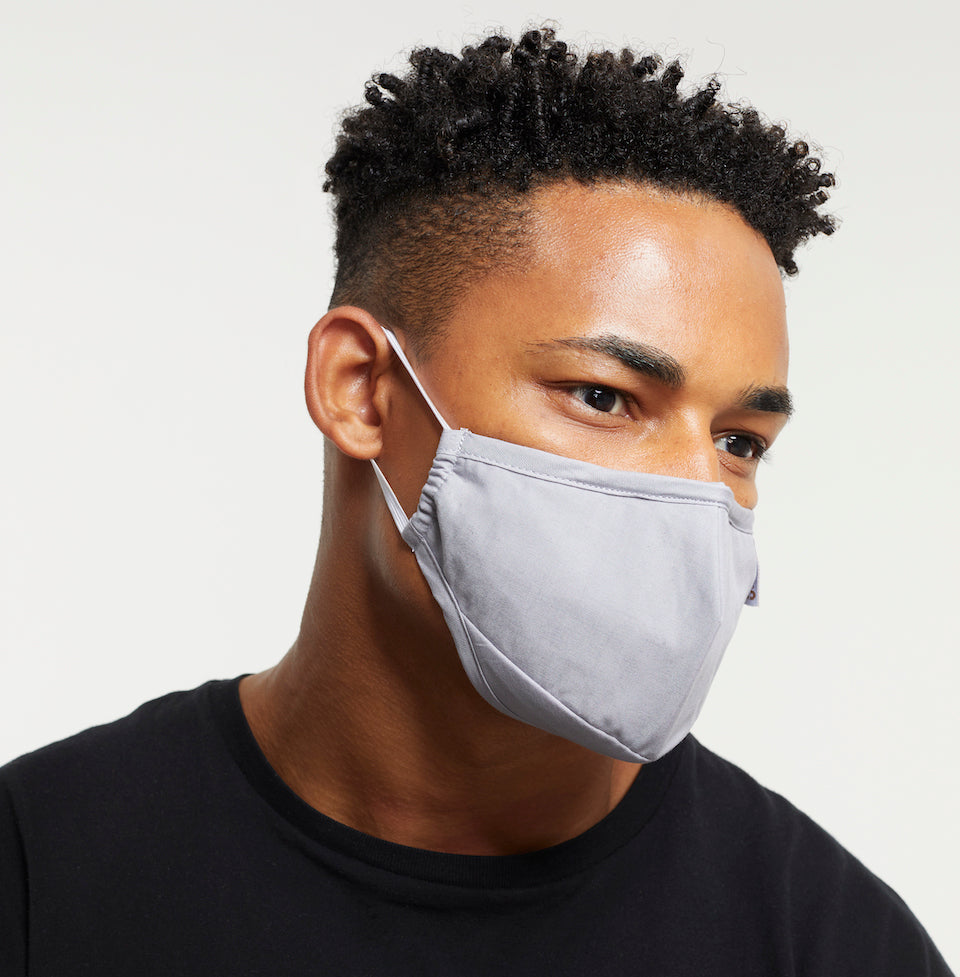
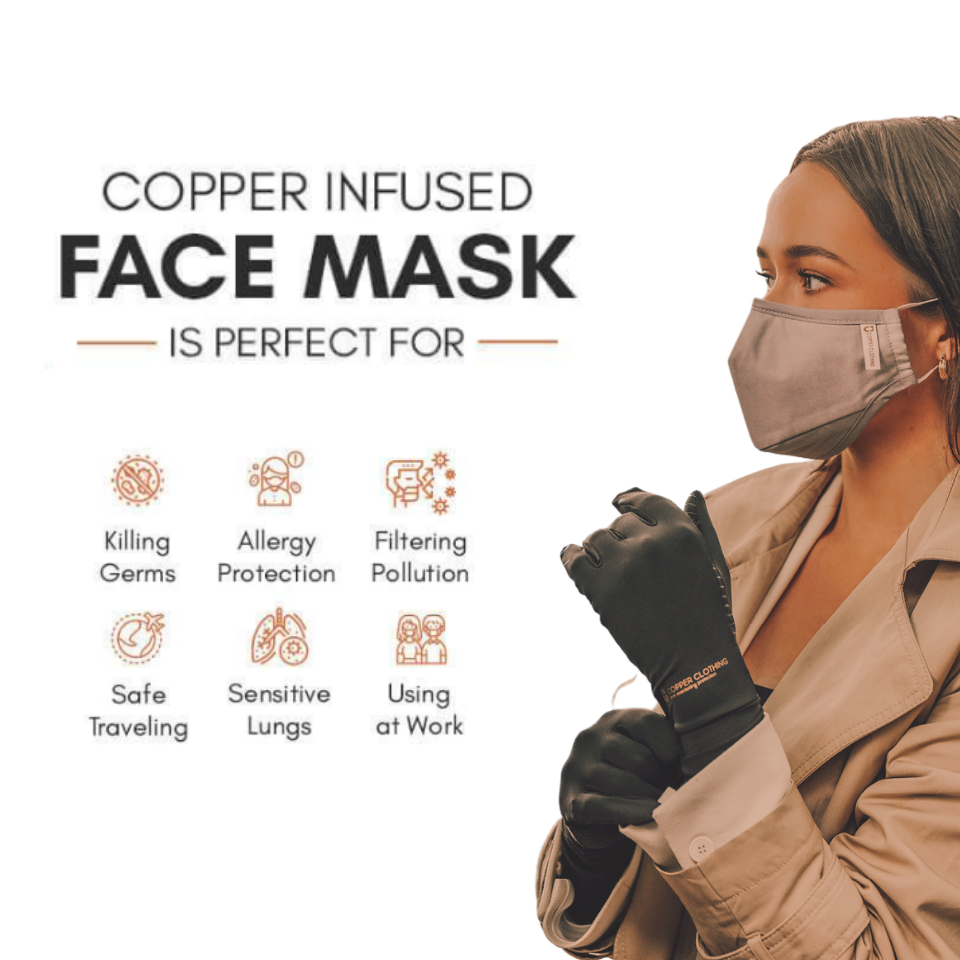
FFP2 CE Four-Layer Copper Infused Face Mask
- Four layers of protection
- Comfortable & washable
- Sale price
- £22.99
- Regular price
- £22.99
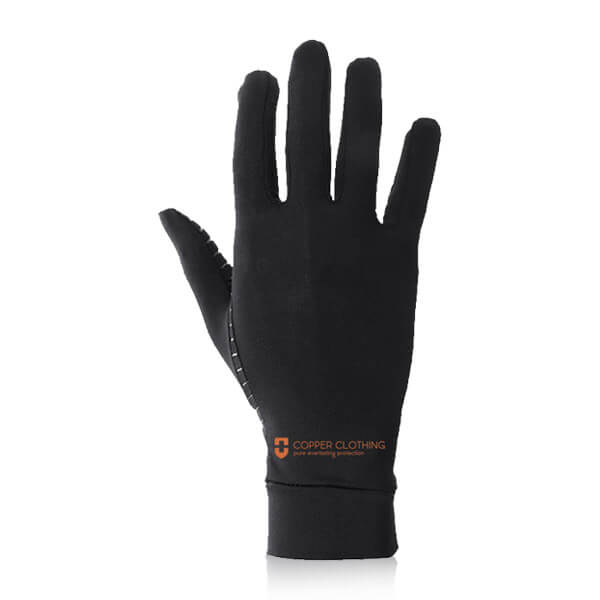
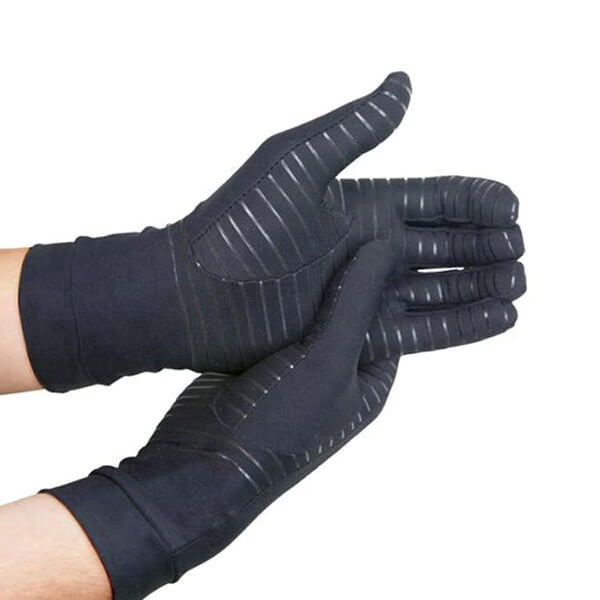
Full Finger Gloves (Copper Gloves)
- Ultimate comfort & flexibility
- Provides warmth and comfort for hands
- Washable
- Sale price
- £22.99
- Regular price
- £22.99
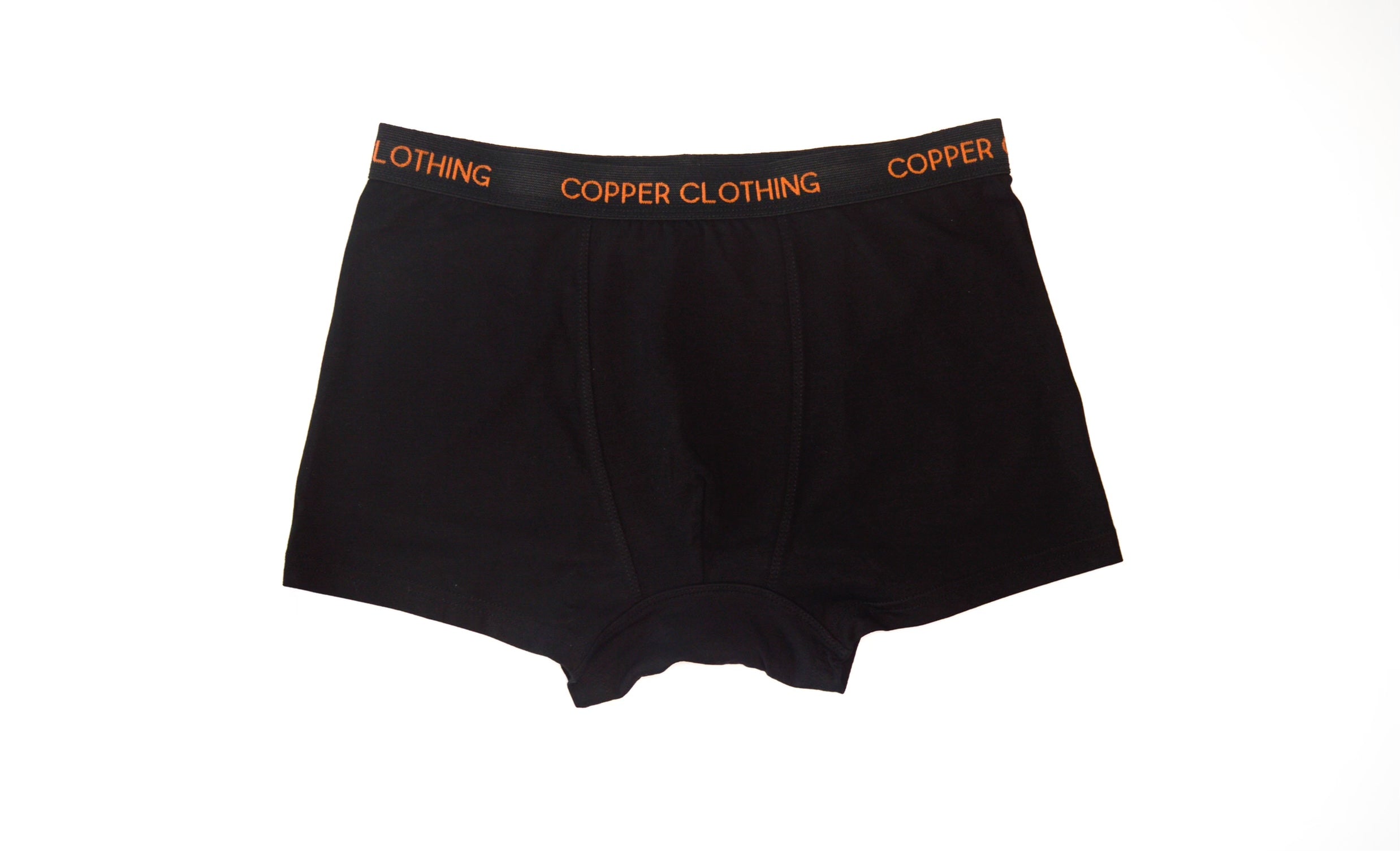
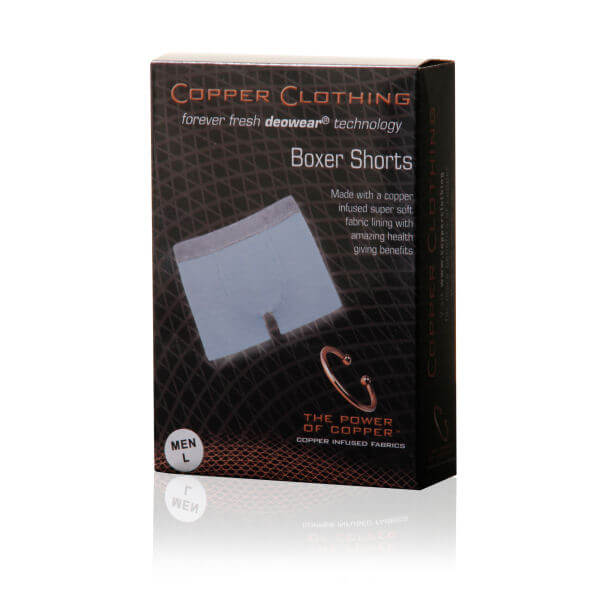
Men’s Copper Boxer Shorts – Soft, Breathable Underwear for Everyday Comfort
- Soft cotton & bamboo blend
- Breathable & lightweight feel
- Stretch comfort for daily movement
- Sale price
- £9.99
- Regular price
- £9.99
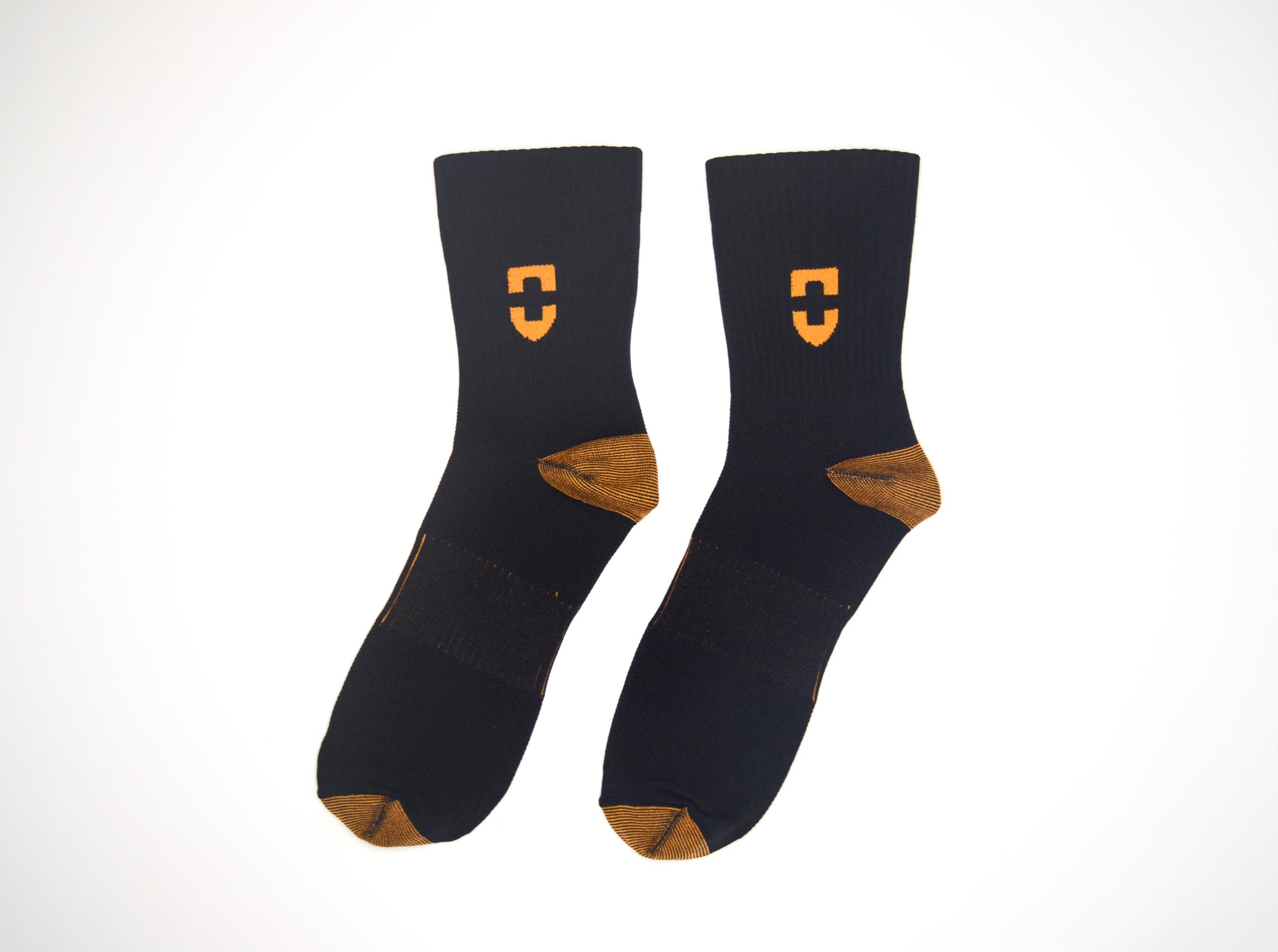
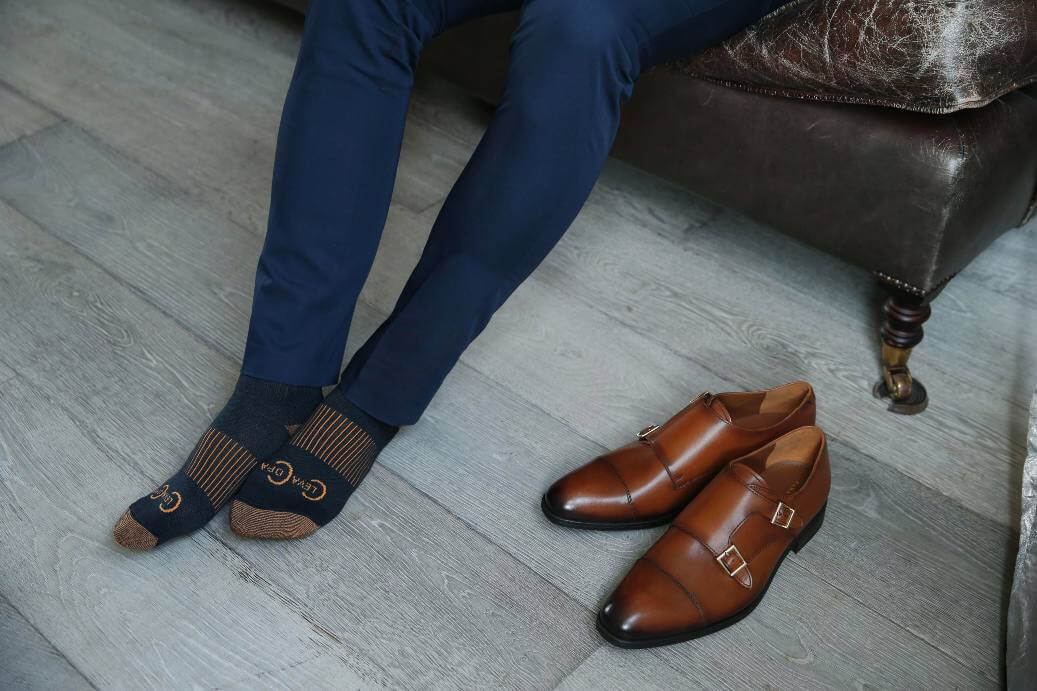
Short Compression Copper Infused Socks
- Breathable Compression Fabric, Comfortable & Durable
- 8 - 15mmHg of Compression
- Best socks for long flights and journey
- Sale price
- £12.99
- Regular price
- £12.99
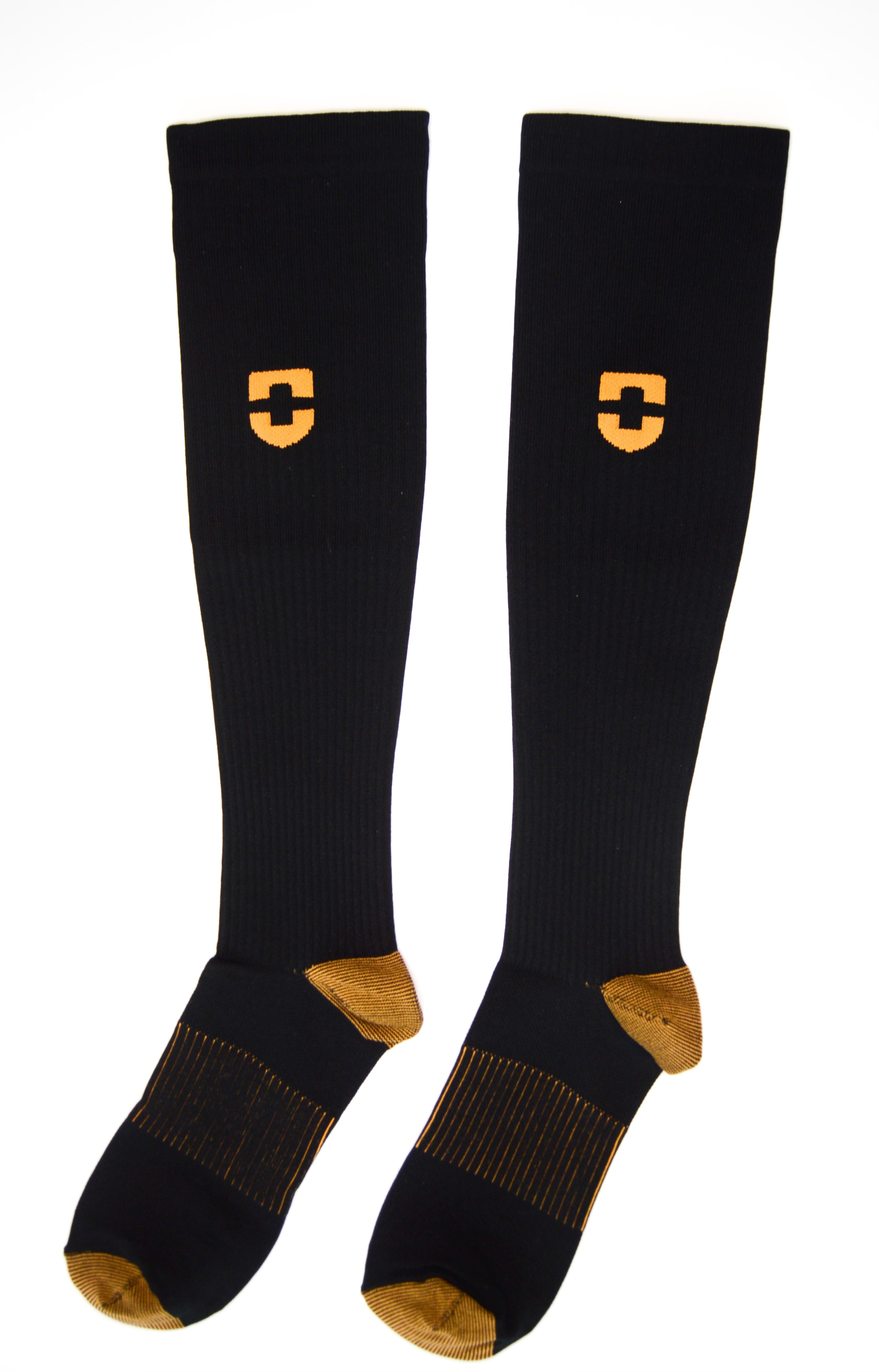
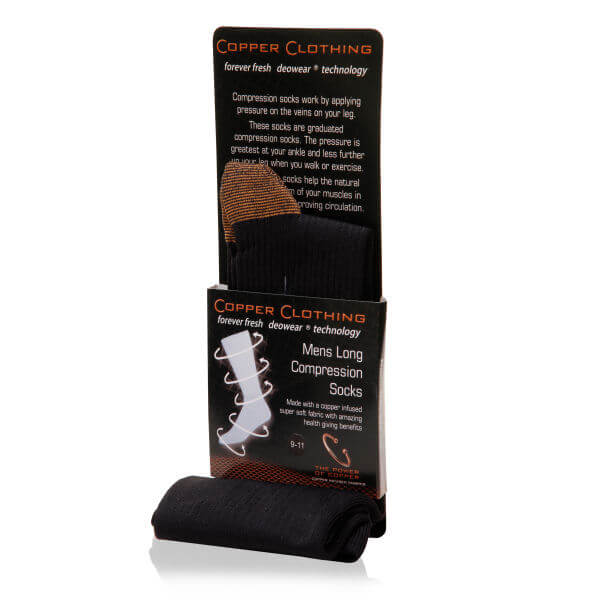
Long Copper Infused Compression Socks
- Breathable Compression Fabric, Comfortable & Durable
- 8 - 15mmHg of Compression
- Best socks for long flights and journey
- Sale price
- £15.99
- Regular price
- £15.99
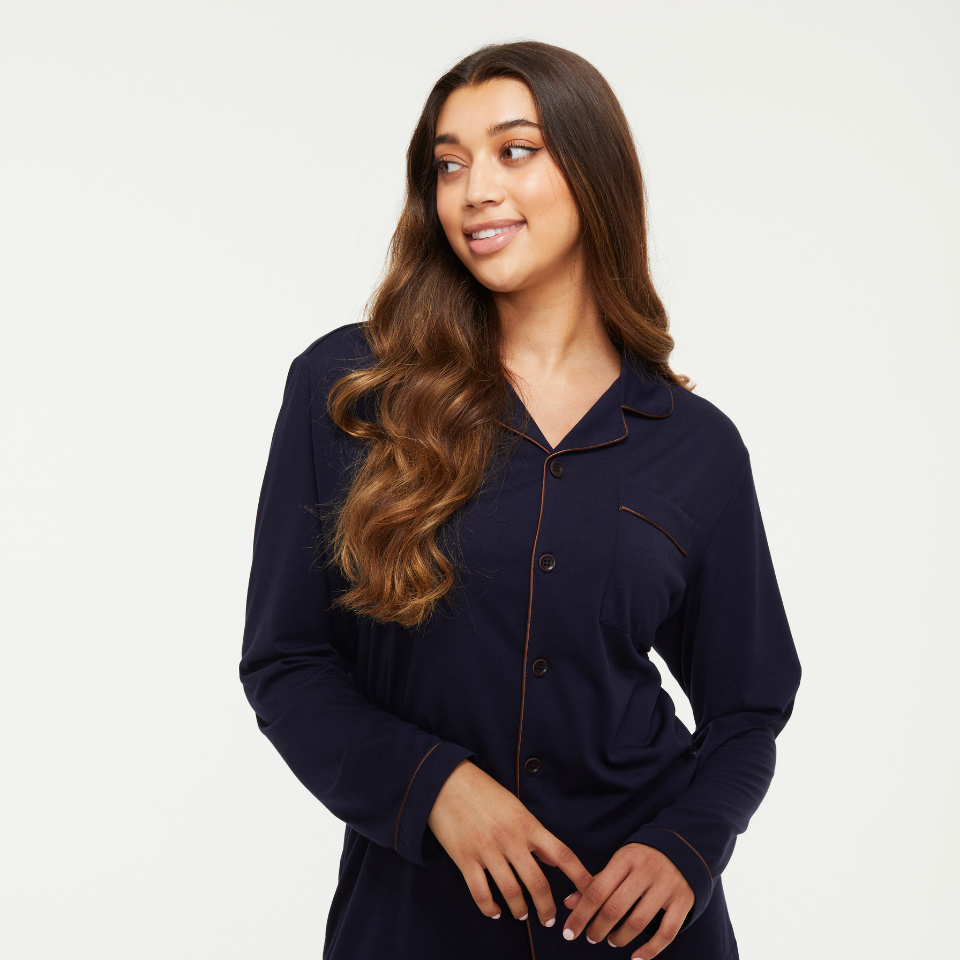
Ladies Copper Infused Pyjamas
- Luxuriously Soft Cotton & Bamboo
- Ideal for daily wear
- Sale price
- £49.99
- Regular price
- £49.99
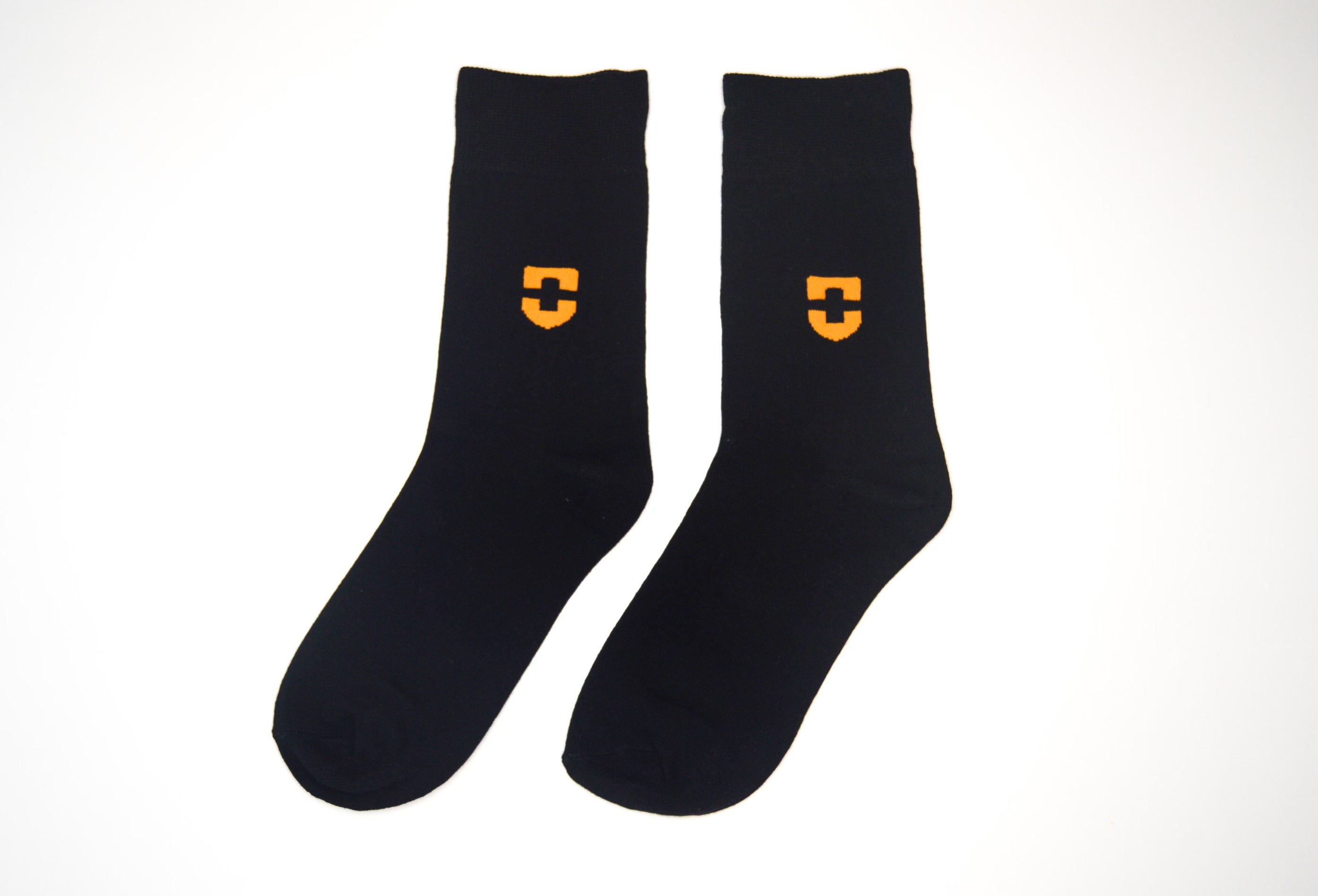
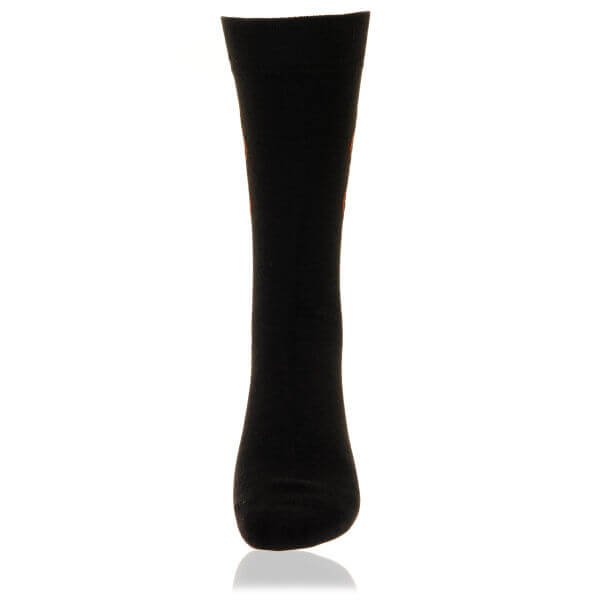
Everyday Copper Socks – Soft, Breathable Socks for Daily Comfort
- Soft & breathable fabric
- Comfortable for long-hour wear
- Lightweight everyday fit
- Sale price
- £9.99
- Regular price
- £9.99
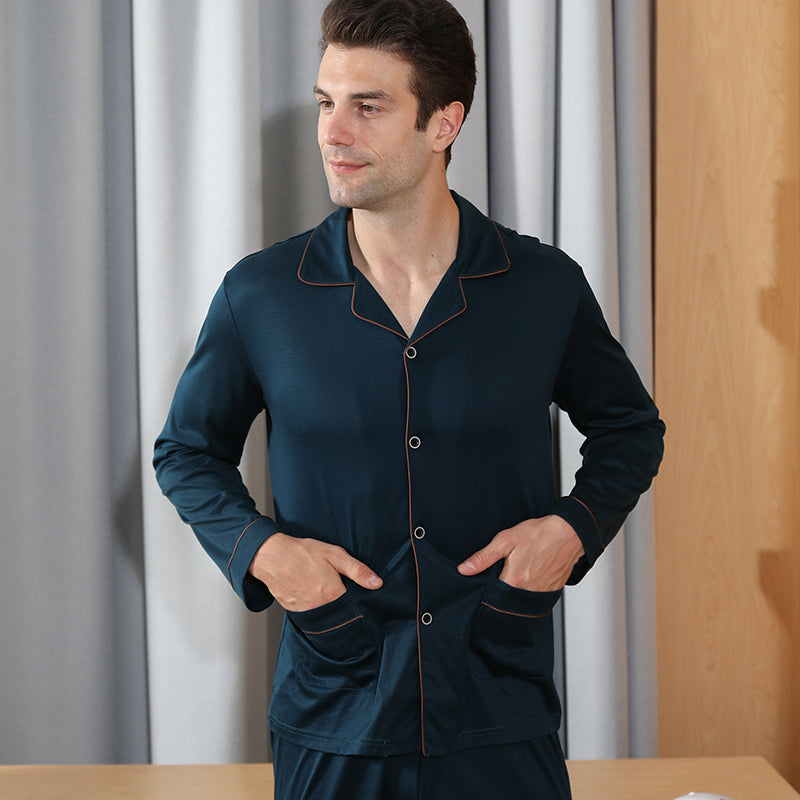
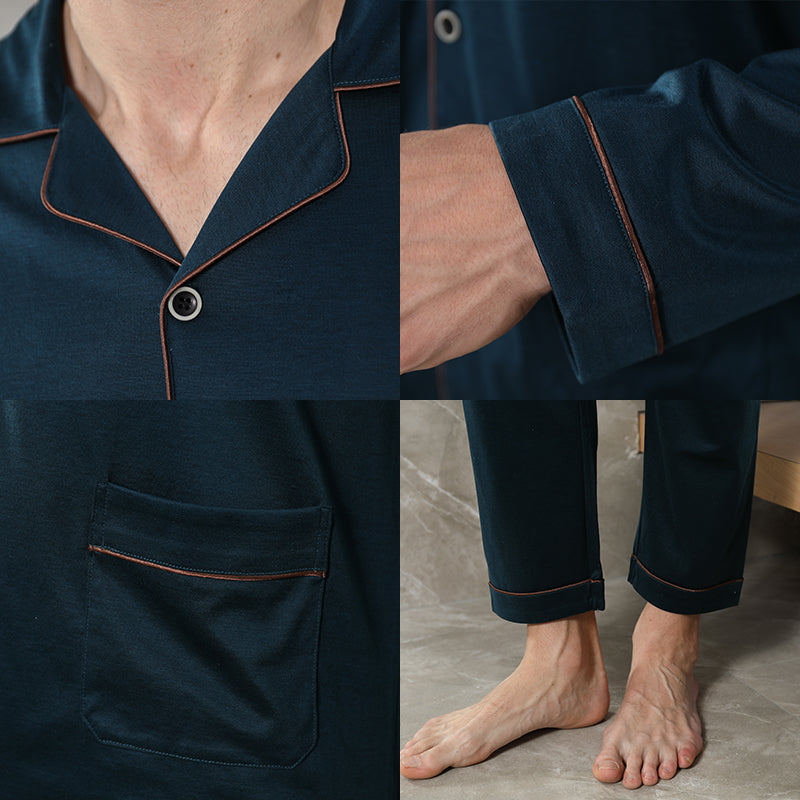
Mens Copper Infused Pyjamas
- Luxuriously Soft Cotton & Bamboo
- Promotes Healthier & Softer Skin
- Sale price
- £54.99
- Regular price
- £54.99
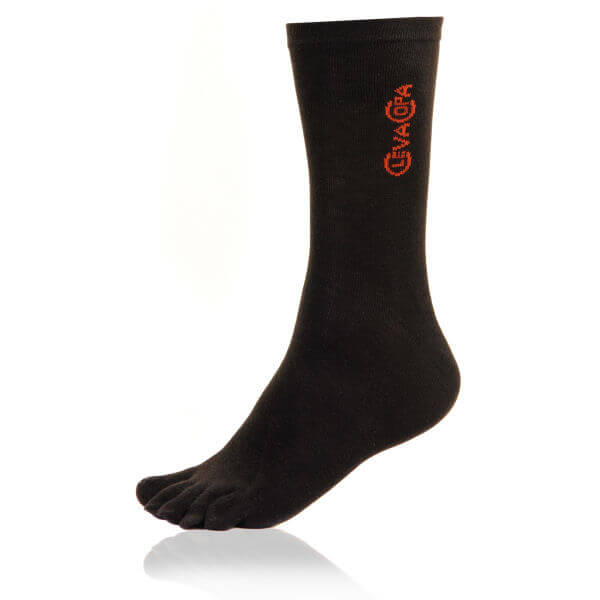
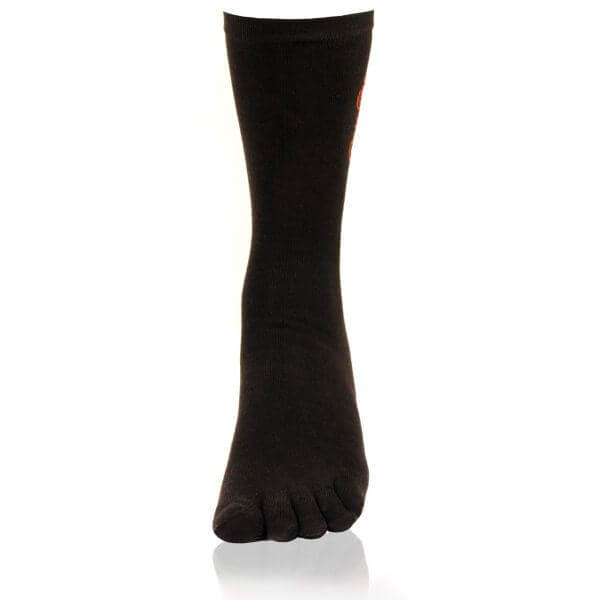
Copper Infused Five Toe Socks
- Promotes Softer Healthier Feet
- Completely Seamless
- Best for long journey and flights
- Sale price
- £14.99
- Regular price
- £14.99
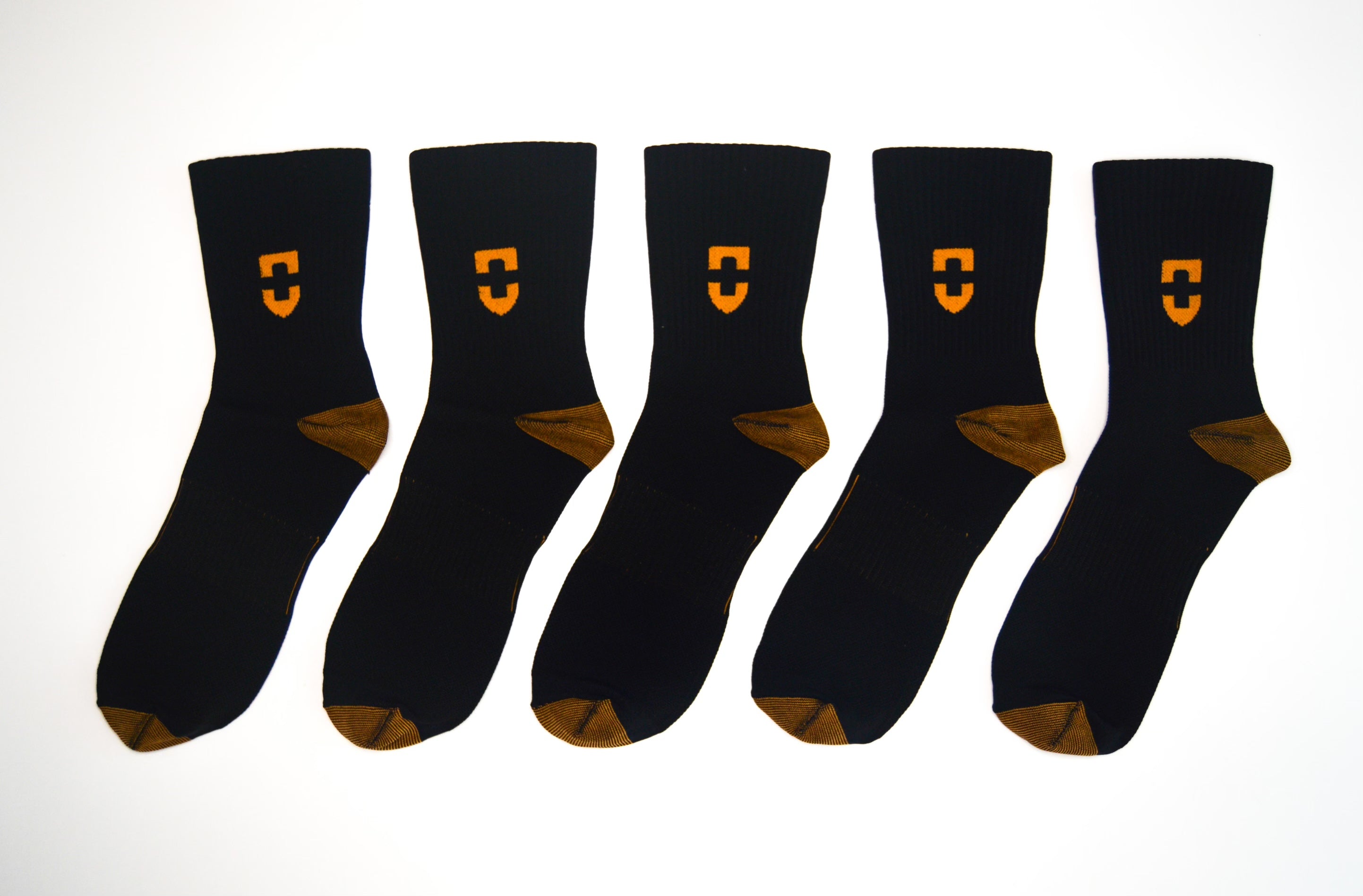
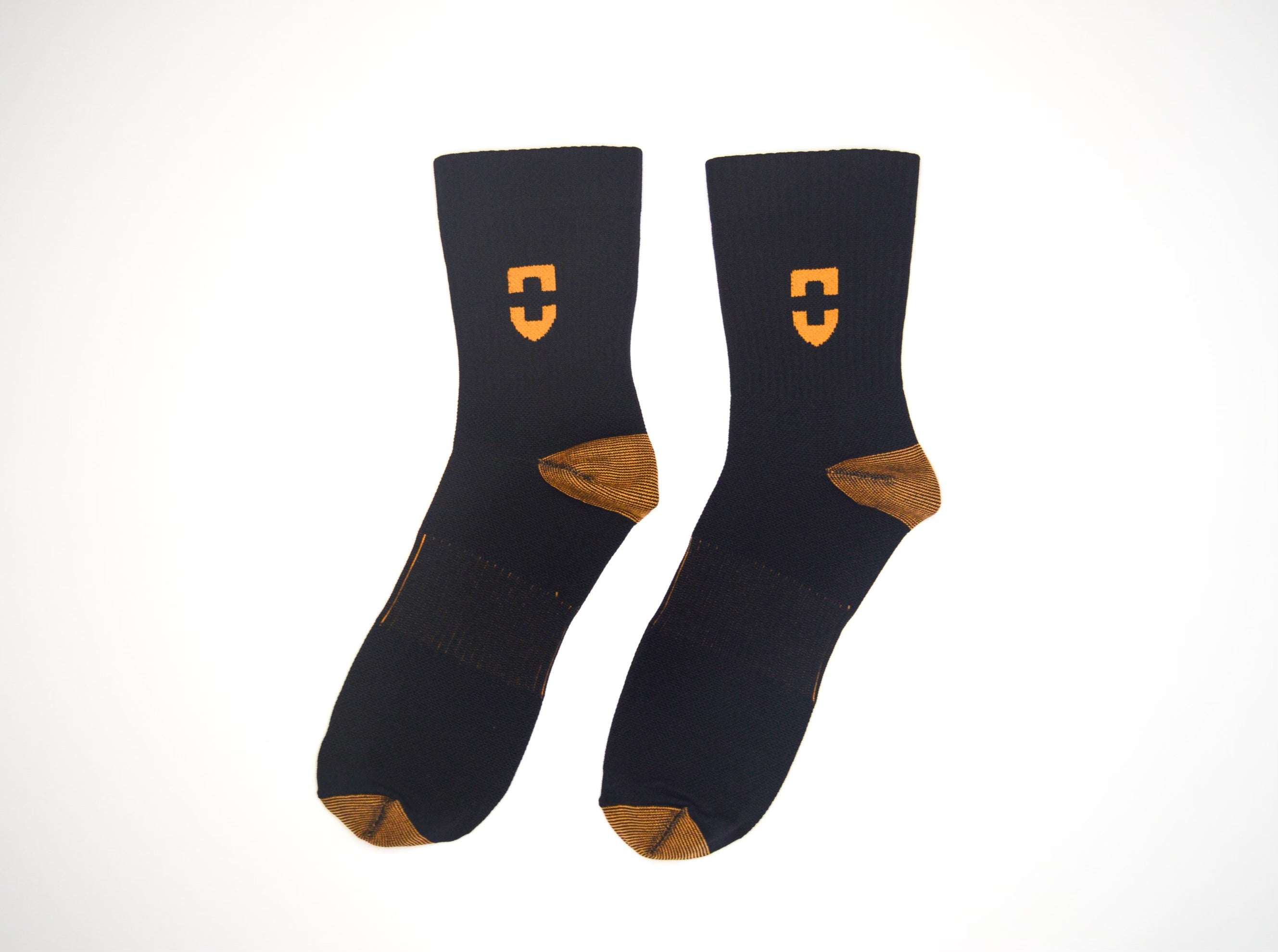
5-Pack Short Compression Copper Infused Socks
- Breathable Compression Fabric & Comfortable
- 8-15mmHg of Compression
- Best socks for long flights and travel
- Sale price
- £59.95
- Regular price
- £64.95
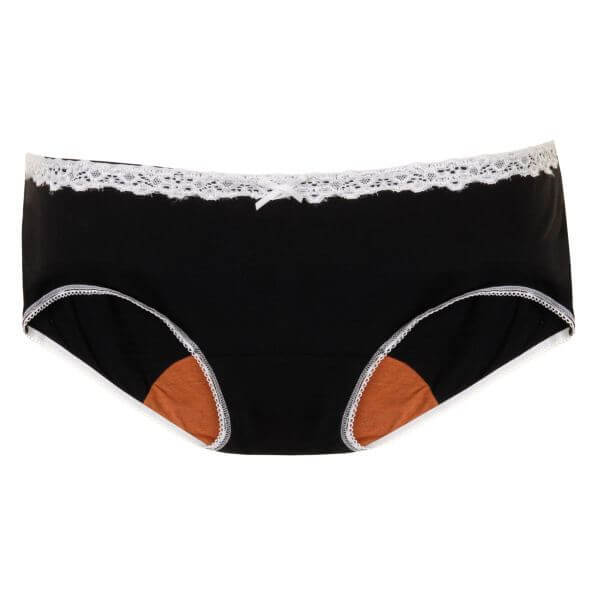
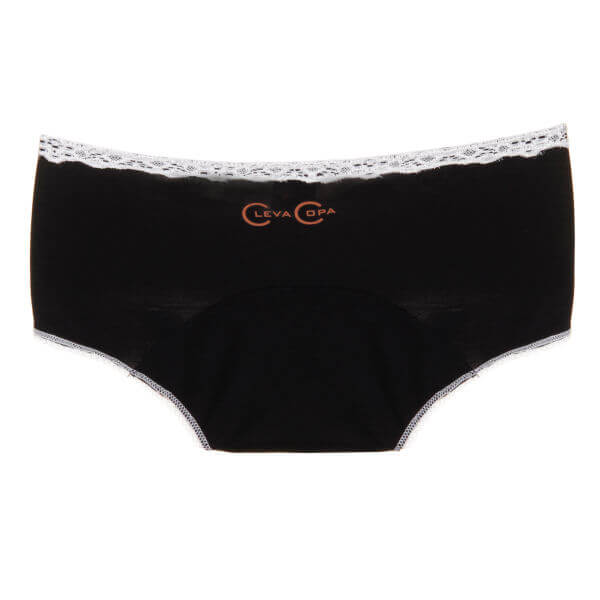
Womens Copper Infused Briefs
- Soft cotton & bamboo blend
- Breathable lightweight feel
- Flexible everyday comfort
- Sale price
- £9.99
- Regular price
- £9.99
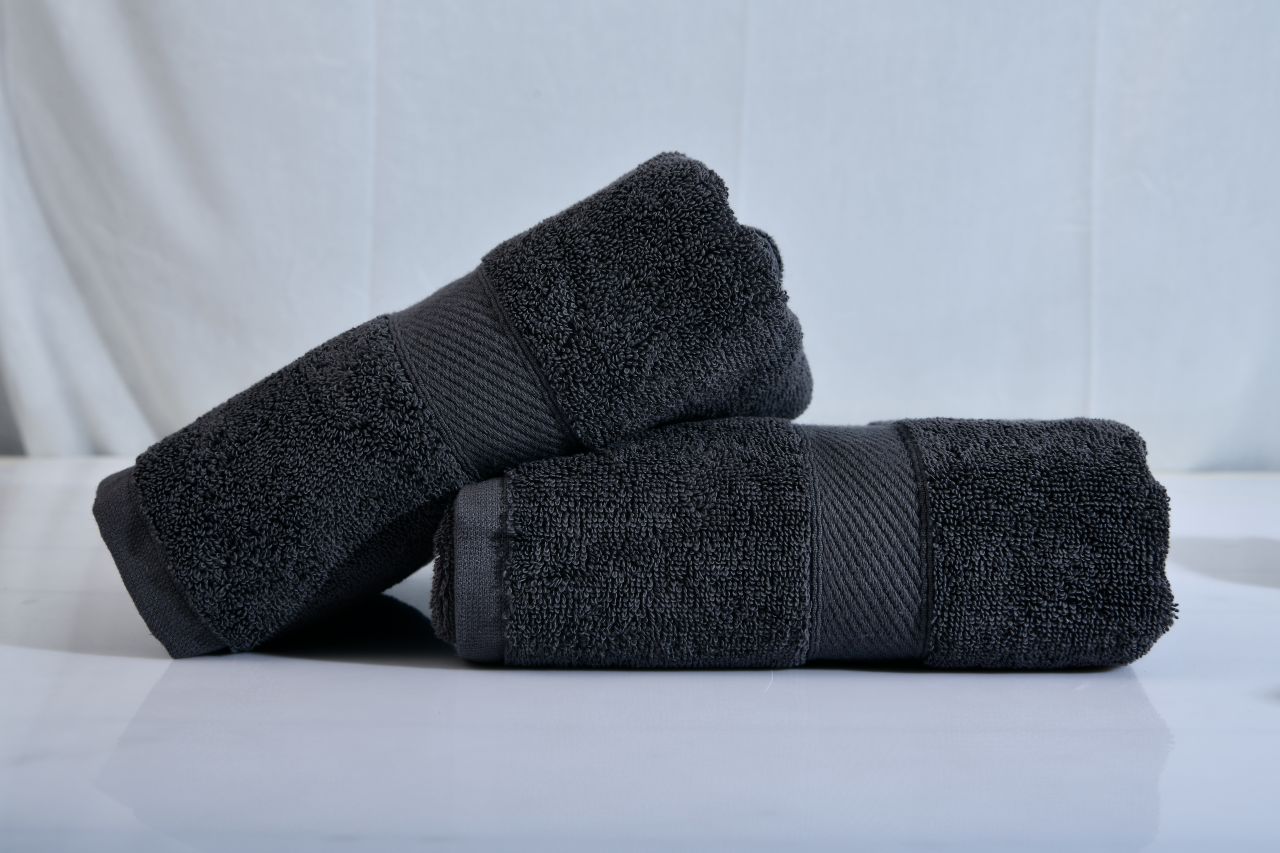
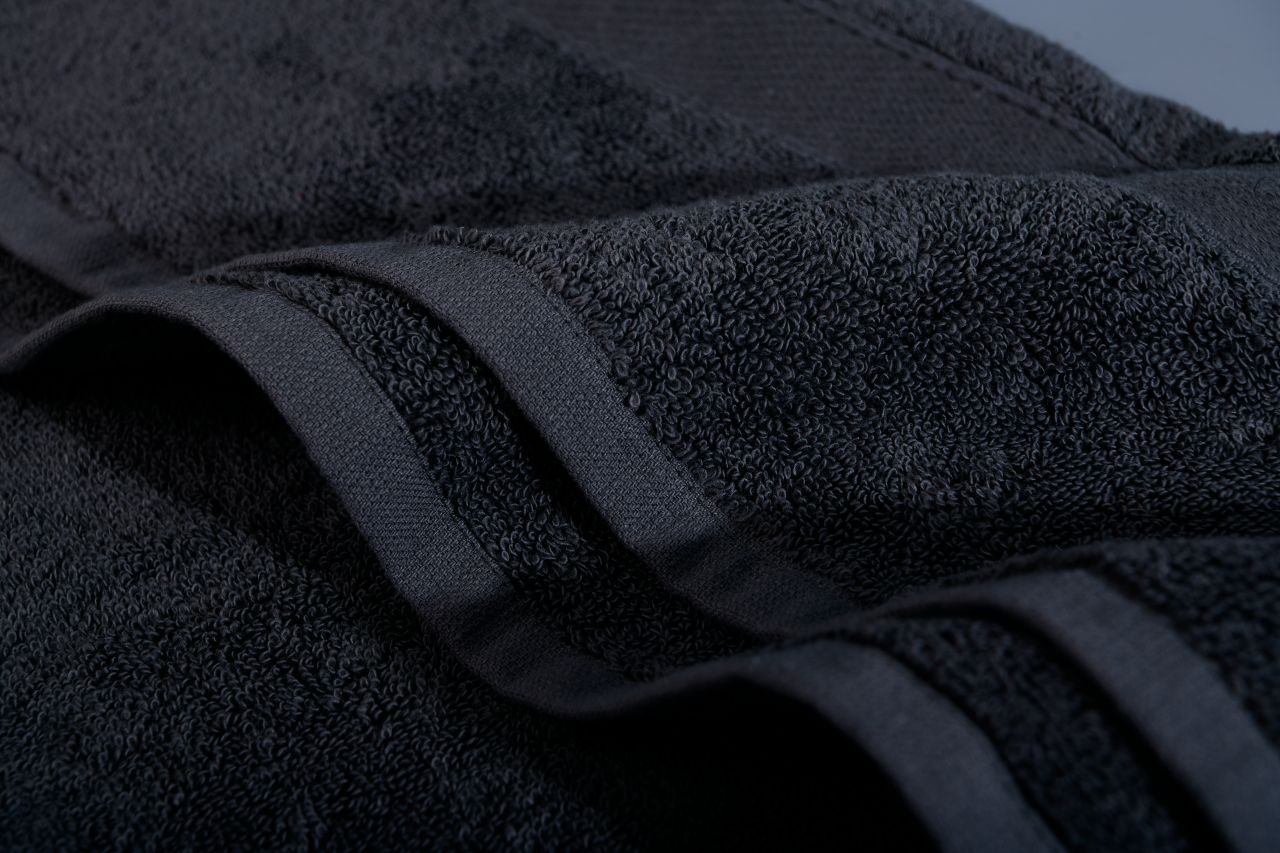
Copper Infused Bath & Gym Towel — 500 GSM Premium Cotton
- 500 GSM Cotton Cloth
- Soft & Premium
- Lightweight & Durable
- Child and Pet-Friendly
- Sale price
- £19.99
- Regular price
- £19.99

