


Running in Cold Weather? Learn Benefits, Safety Tips, & More
Author

Rory Donnelly
Published
March 26 2026
Key Takeaways
- Running in cold weather can improve endurance, burn more calories, and help maintain fitness during the winter months.
- Proper preparation, including warming up and planning your route, helps prevent injuries and improves safety.
- Layering the right running gear in cold weather keeps your body warm while allowing moisture to escape.
- Wearing moisture-wicking socks and supportive accessories helps keep your feet dry and comfortable during winter runs.
- Staying hydrated, remaining visible, and listening to your body are essential for safe and effective winter running.
Cold air can feel refreshing, and winter runs often come with less crowded trails and quieter streets. It can be enjoyable and beneficial when you prepare properly. The key is knowing how to run in cold weather safely. With the right preparation, clothing, and running gear, you can stay warm, comfortable, and injury-free while running in cold weather.
What are the Benefits of Running in Cold Weather
If you don’t know already, you’d be happy to discover that there are several benefits of running in cold weather that make winter workouts worthwhile. Winter helps your body stay cooler during exercise, which improves endurance. Many runners also find that winter running burns more calories because the body uses extra energy to maintain warmth.
Running outdoors during winter can also improve mental health. Fresh air and physical activity help boost mood during darker months. Additionally, winter running helps maintain fitness levels so you do not lose progress during colder seasons.
How to Run in Cold Weather: 8 Smart Safety Tips
If you are new to running in the cold weather, following a few safety tips can make your experience much better.
-
Warm Up Before Heading Out and Know Your Cold Limits
Cold muscles can feel stiff and tight. Doing a quick warmup before running helps increase blood flow and prepare your body for exercise. Try simple movements like jumping jacks, squats, or arm circles. A short five-to-ten-minute walk or slow jog can also help your body adjust to the temperature.
-
Protect Exposed Skin From Cold Wind
Cold wind can dry out and irritate exposed skin. Applying a thin layer of petroleum jelly or moisturiser can help protect sensitive areas like your nose, cheeks, and lips. This is a simple tip for running in cold weather, but it can make your run super comfortable.
-
Plan Your Route Before You Start
Knowing your route helps you stay safe during winter runs. Choose familiar paths and keep a mapping app available in case you need to change directions. Planning your route also helps you avoid poorly lit areas or icy surfaces.
-
Control Your Breathing in Cold Air
Breathing cold air can sometimes irritate the throat or lungs. Try breathing through your nose instead of your mouth. This is one of the most helpful tips for running safely in winter because this way you can warm the air before it reaches your lungs. Taking slow, deep breaths can also reduce throat irritation during winter runs.
-
Pay Attention to Your Body and Cool Down Properly
Listening to your body is important when running in cold conditions. If you feel dizzy, extremely cold, or uncomfortable, slow down or stop running. After finishing your run, take a few minutes to walk and allow your heart rate to return to normal.
-
Stay Hydrated During Winter Runs
Many runners forget to drink water during winter. However, dehydration can still occur in cold weather. Drink water before and after your run to maintain hydration and support muscle recovery.
-
Make Yourself Visible
Winter days often have shorter daylight hours, which can reduce visibility. Wear reflective gear or bright colors so drivers and cyclists can see you easily. Visibility is an important part of safe running in cold weather.
-
Take Care of Your Body After the Run
After finishing your run, change out of damp clothing quickly. Wet clothes can make your body lose heat rapidly. Stretching and warming up indoors can also help prevent muscle stiffness.
What to Wear When Running in Winter
Choosing the right running wear in cold weather is essential for comfort and safety. Layering helps regulate body temperature and keeps you warm without overheating.
-
Warm Base Layer With Moisture-Wicking Fabric
The base layer sits closest to your skin and helps remove sweat. Moisture-wicking fabrics pull sweat away from your body, keeping you dry and comfortable. This is an important part of layering for running in cold weather.
-
Mid Layer for Extra Insulation
A mid-layer, such as a lightweight hoodie or running vest, helps trap body heat. This layer of gear to run in cold weather provides warmth while still allowing flexibility during your run.
-
Protective Outer Layer
The outer layer protects you from wind, rain, or snow. A lightweight running jacket is ideal because it blocks wind while allowing airflow.
-
Socks That Keep Your Feet Warm and Dry
Your feet are often the first part of your body to feel cold during winter runs. Moisture-wicking socks help keep your feet dry and comfortable while preventing blisters. Many runners choose compression socks for running because they provide warmth, support circulation, and improve comfort during long runs.
-
Running Pants or Tights
Tights or insulated pants are inevitable clothes for running in cold weather. They provide warmth while allowing easy movement. Look for breathable materials that keep heat in while still releasing excess moisture.
-
Proper Running Shoes
Choose running shoes with good traction. Snow, ice, or wet surfaces can increase the risk of slipping. Trail running shoes or waterproof shoes often provide better grip.
Winter Running Accessories
Accessories can make winter running much more comfortable. Useful items include:
- Running gloves
- Hats or headbands
- Neck gaiters
- Reflective gear
These small additions can make a big difference during cold runs.
Potential Risks of Running in Extreme Cold
Although running in cold weather has many benefits, it also comes with certain risks. Cold air is often dry and can irritate the throat or lungs, especially for people with respiratory conditions. It is also important to recognize signs of hypothermia, such as intense shivering, confusion, or extreme fatigue.
Frostbite can occur if skin becomes numb or turns pale or bluish. If you notice these symptoms, stop running and seek warmth immediately.
Wearing the right running gear in cold weather, warming up your body, and staying hydrated can help you stay safe and comfortable. The right gears include moisture-wicking layers and supportive socks. Remember, using compression socks for running helps keep your feet dry and comfortable even in colder conditions.
With the right preparation, running in the cold weather can become one of the most refreshing parts of your fitness routine.
Frequently Asked Questions (FAQs)
-
How to adjust your running pace in winter?
Cold temperatures and snow can make running feel harder. Instead of focusing on speed, pay attention to your heart rate or effort level to maintain a comfortable pace.
-
Is it safe to run in the snow?
Running in the snow can be safe if the ground is not icy. Wearing shoes with good traction helps reduce the risk of slipping.
-
How can I avoid numb fingers and toes during winter runs?
Wearing gloves, warm socks, and insulated shoes can help keep your hands and feet warm. Moisture-wicking socks are especially helpful for maintaining warmth.
-
Is it better to run indoors when roads are icy?
If roads are icy or slippery, running on a treadmill may be the safer option.
-
Can running in cold weather be beneficial?
Yes. Running in cold temperatures can improve endurance, help burn more calories, and boost mood during the winter months.
-
Is cold weather harder on the lungs while running?
Cold air can feel harsh on the lungs, especially for people with asthma. Breathing through your nose may help warm the air before it reaches your lungs.
-
How should I breathe when running in winter?
Try taking slow, deep breaths. Breathing through the nose can help humidify cold air and reduce throat irritation.
-
Are there any disadvantages of running in the cold?
Cold weather may increase the risk of frostbite, muscle stiffness, and slippery surfaces. Wearing proper gear helps reduce these risks.
-
Can winter running support your immune system?
Regular exercise, including winter running, can help improve mood and support overall immune health.


Popular Products
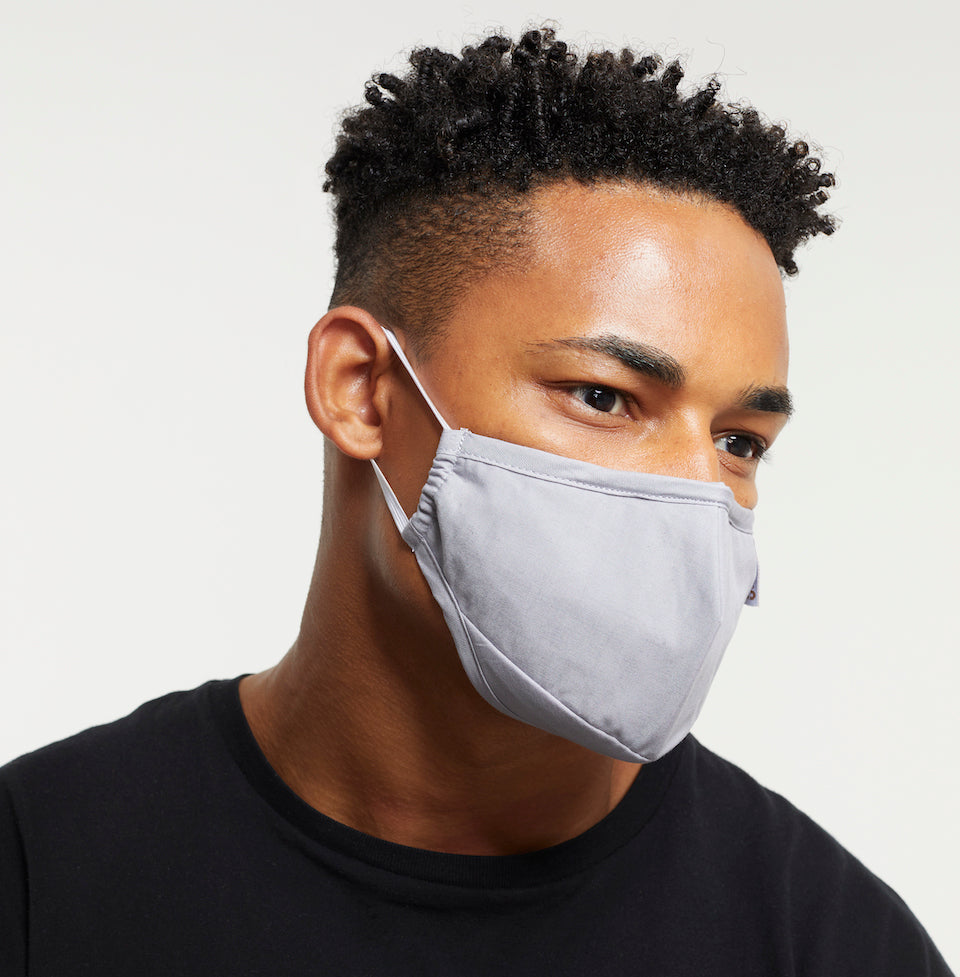

FFP2 CE Four-Layer Copper Infused Face Mask
- Four layers of protection
- Comfortable & washable
- Sale price
- £22.99
- Regular price
- £22.99
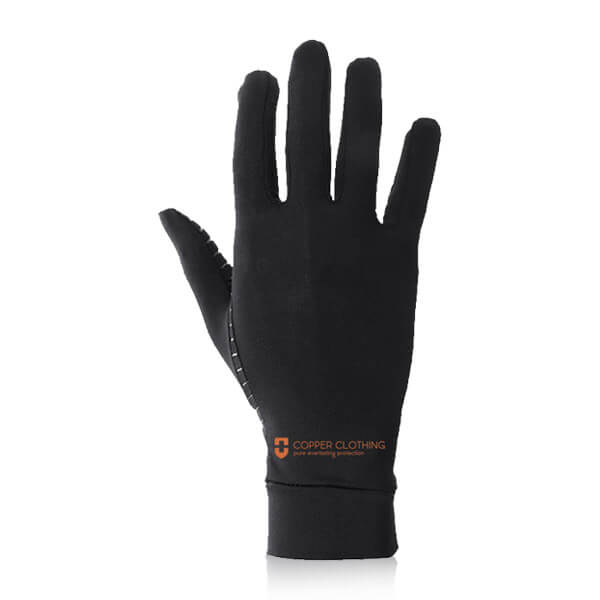
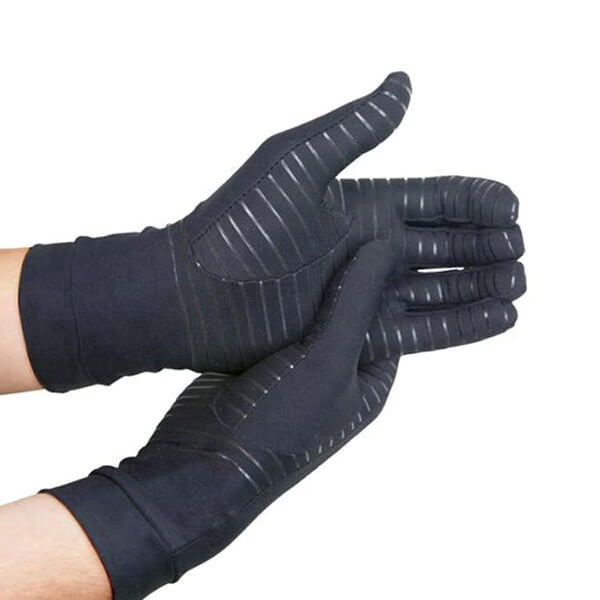
Full Finger Gloves (Copper Gloves)
- Ultimate comfort & flexibility
- Provides warmth and comfort for hands
- Washable
- Sale price
- £22.99
- Regular price
- £22.99
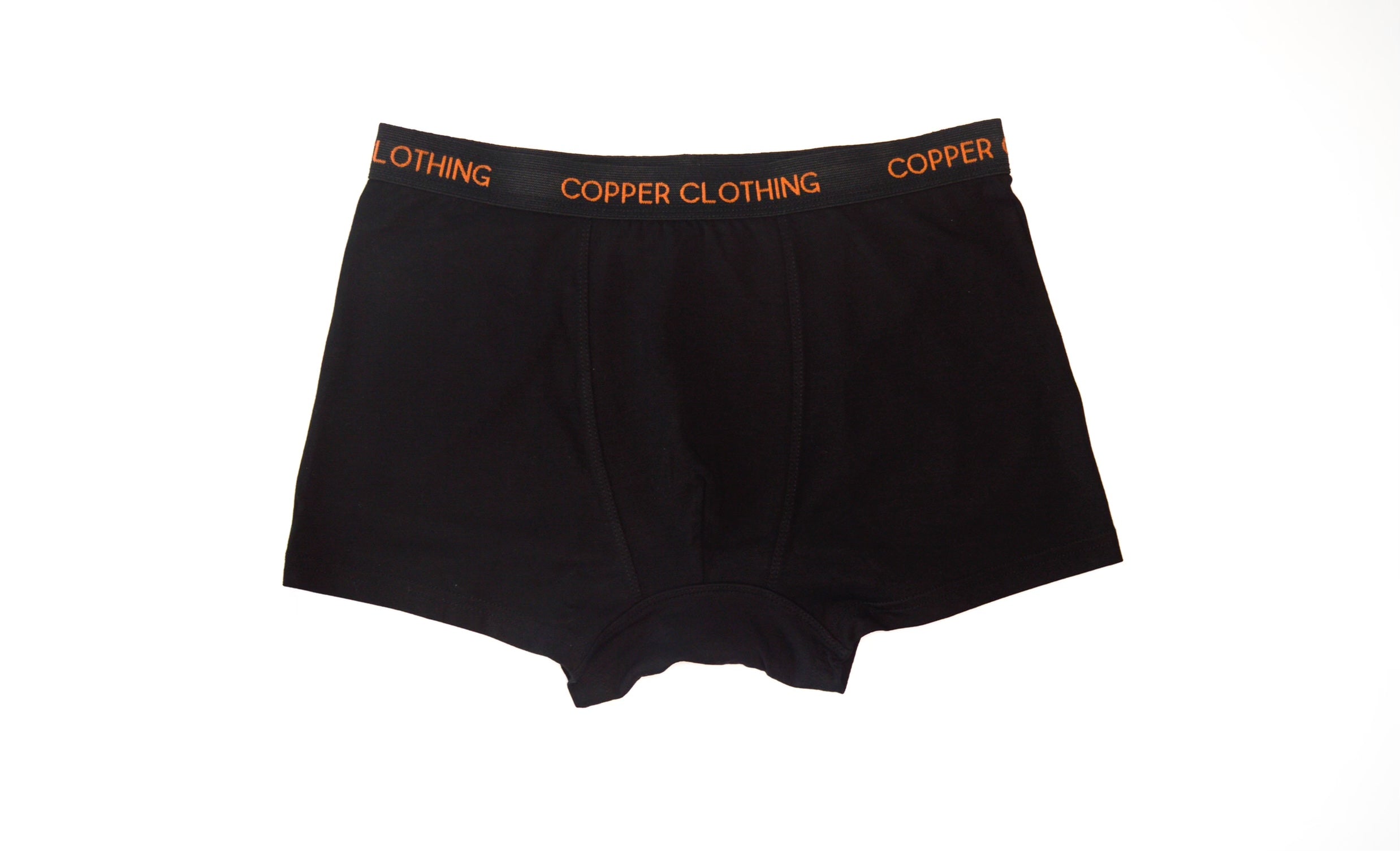
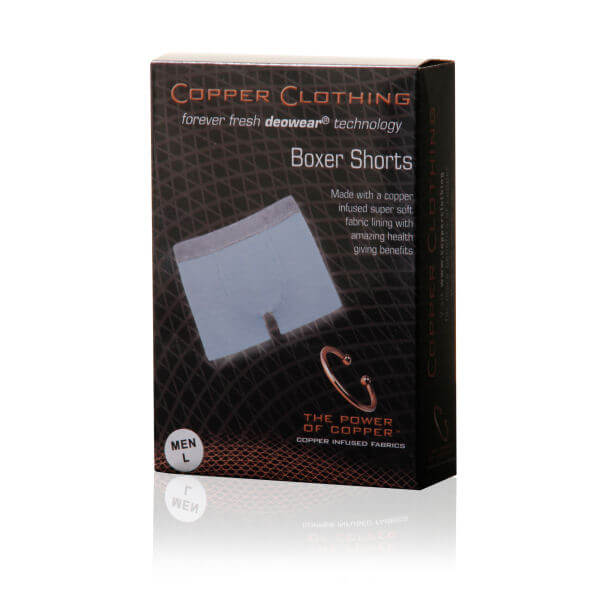
Men’s Copper Boxer Shorts – Soft, Breathable Underwear for Everyday Comfort
- Soft cotton & bamboo blend
- Breathable & lightweight feel
- Stretch comfort for daily movement
- Sale price
- £9.99
- Regular price
- £9.99
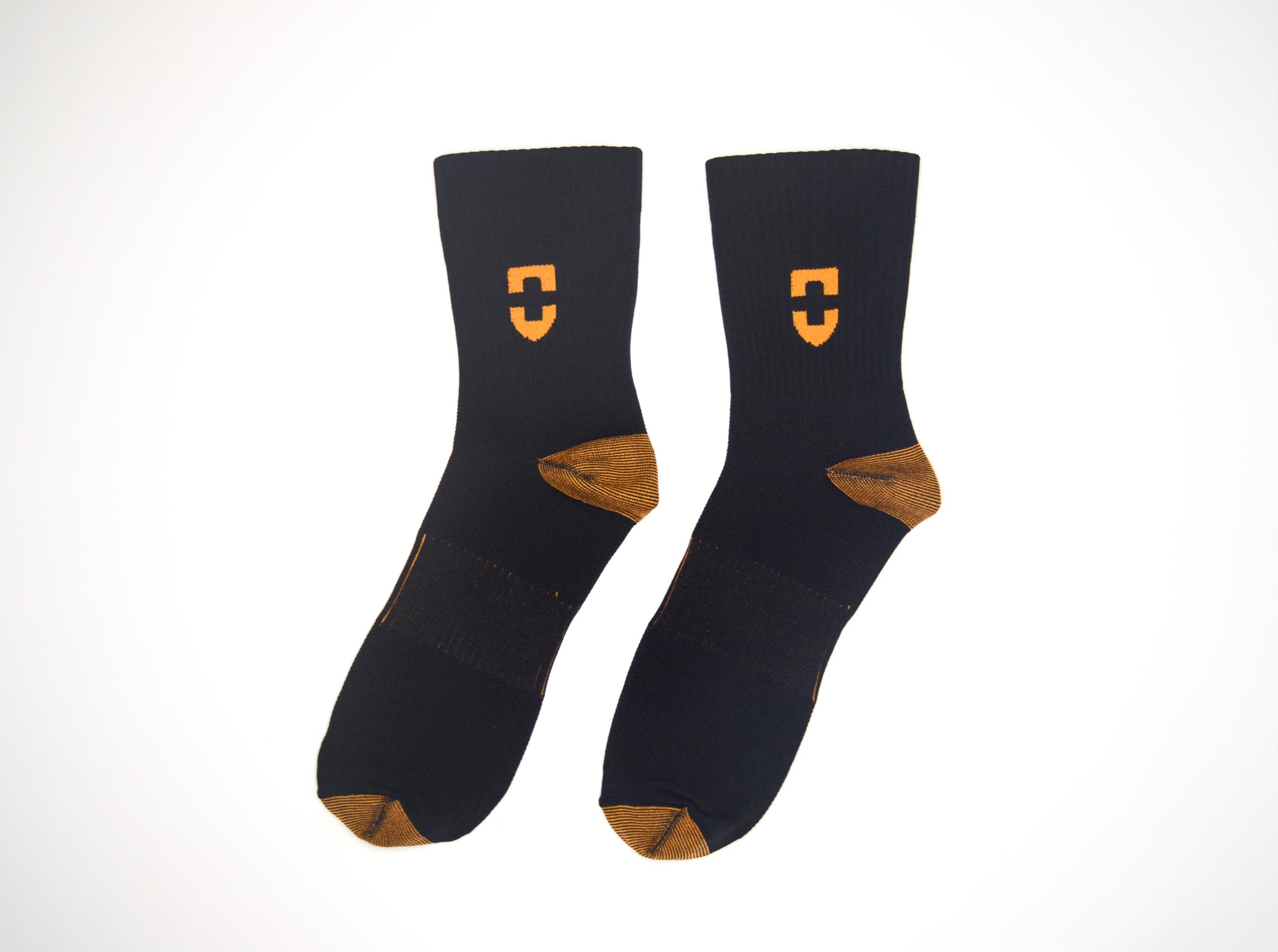

Short Compression Copper Infused Socks
- Breathable Compression Fabric, Comfortable & Durable
- 8 - 15mmHg of Compression
- Best socks for long flights and journey
- Sale price
- £12.99
- Regular price
- £12.99
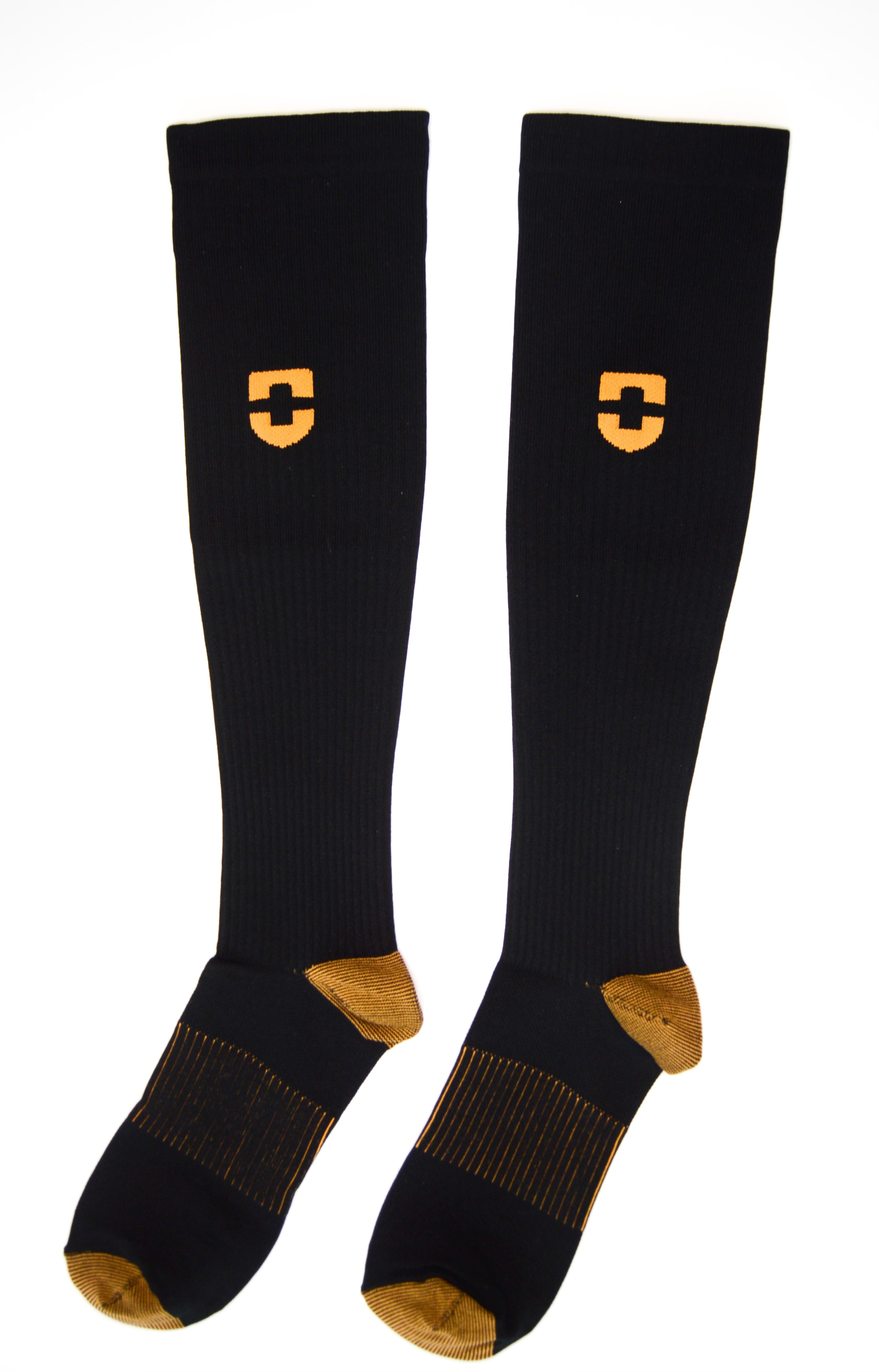
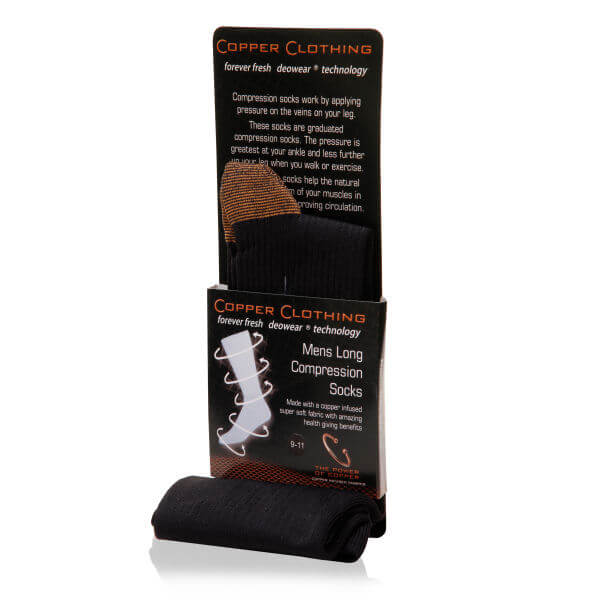
Long Copper Infused Compression Socks
- Breathable Compression Fabric, Comfortable & Durable
- 8 - 15mmHg of Compression
- Best socks for long flights and journey
- Sale price
- £15.99
- Regular price
- £15.99

Ladies Copper Infused Pyjamas
- Luxuriously Soft Cotton & Bamboo
- Ideal for daily wear
- Sale price
- £49.99
- Regular price
- £49.99
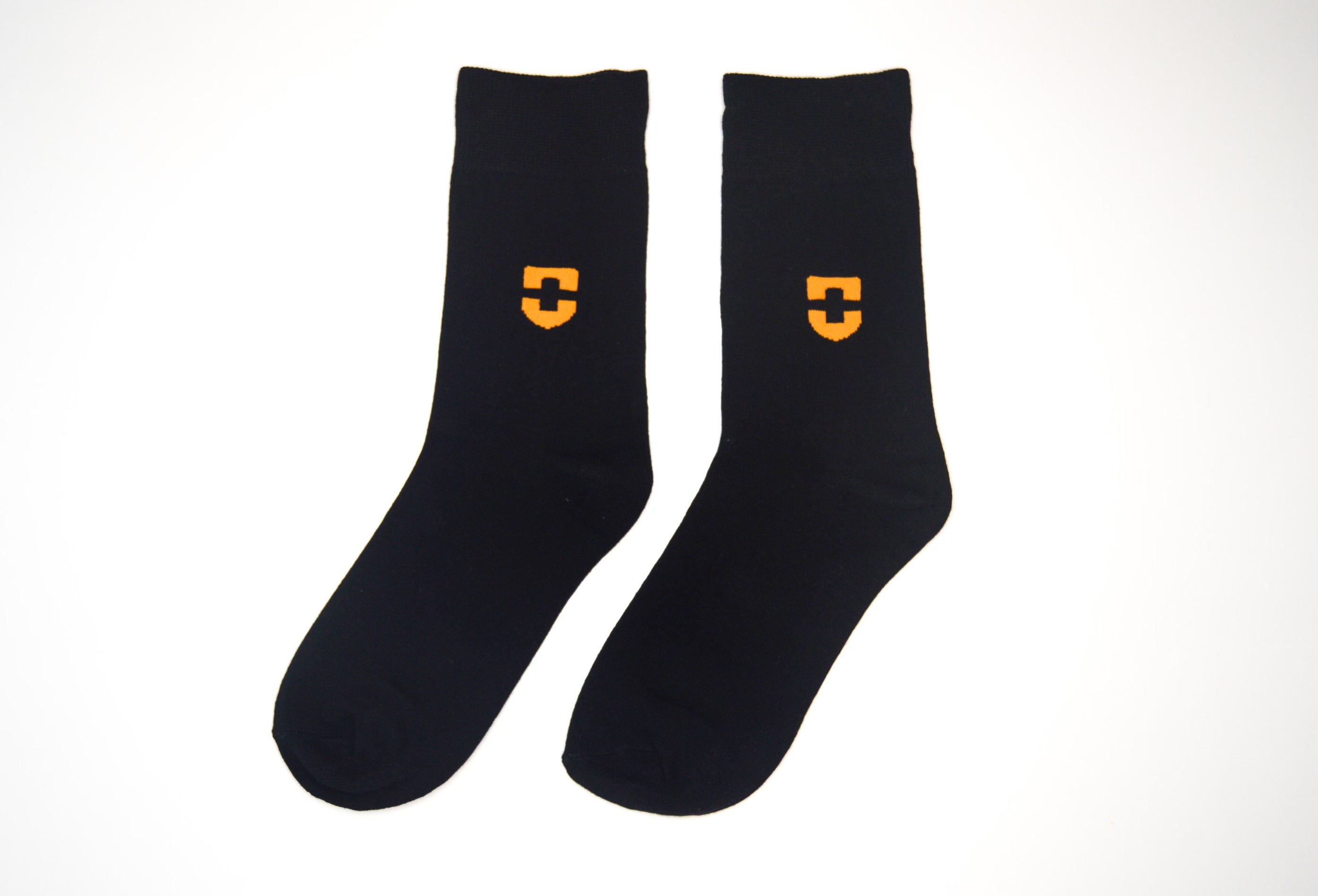
Everyday Copper Socks – Soft, Breathable Socks for Daily Comfort
- Soft & breathable fabric
- Comfortable for long-hour wear
- Lightweight everyday fit
- Sale price
- £9.99
- Regular price
- £9.99
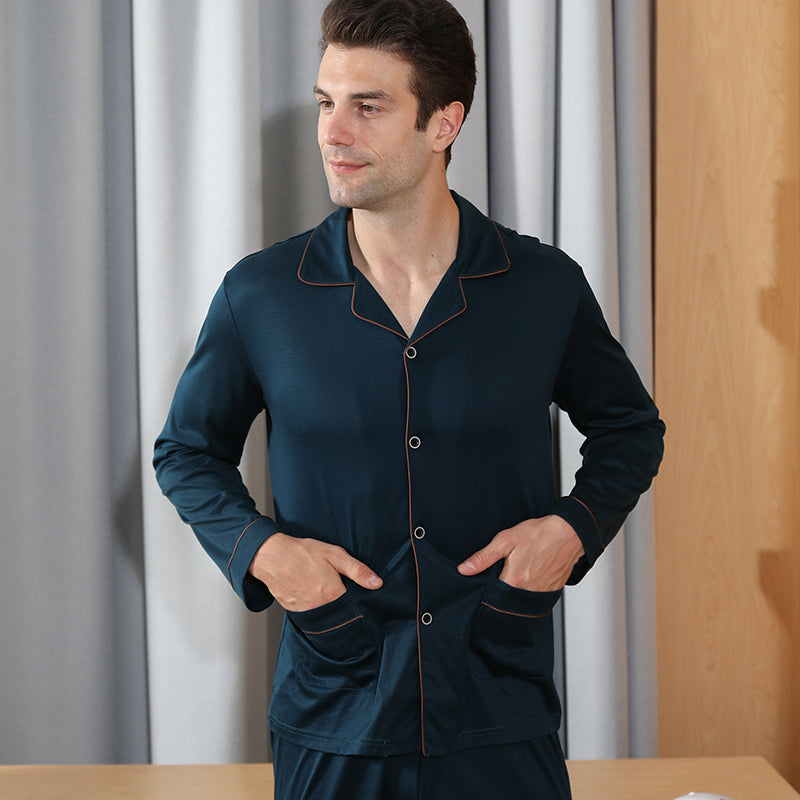
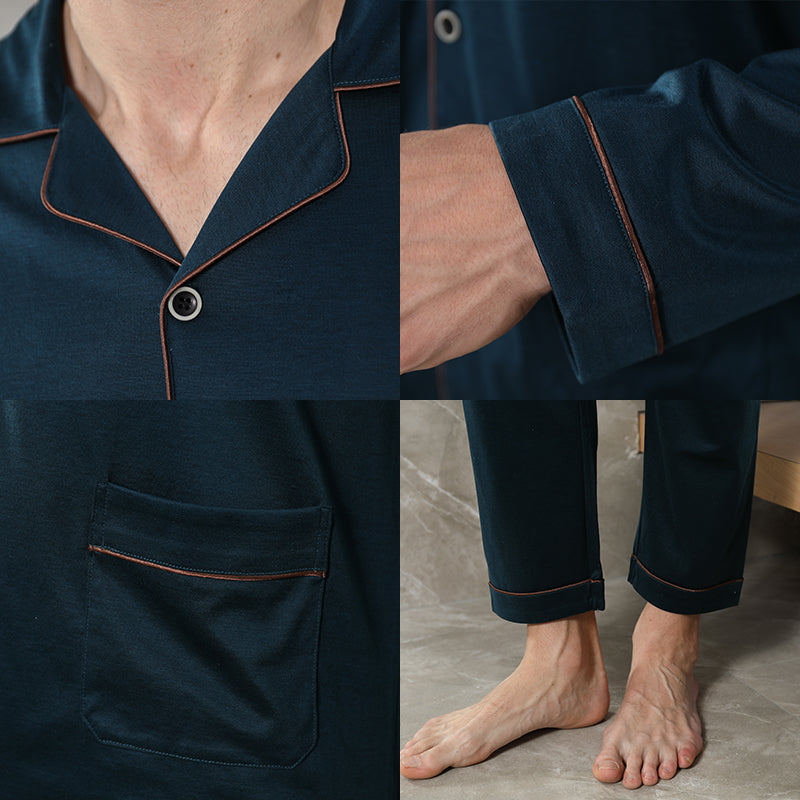
Mens Copper Infused Pyjamas
- Luxuriously Soft Cotton & Bamboo
- Promotes Healthier & Softer Skin
- Sale price
- £54.99
- Regular price
- £54.99
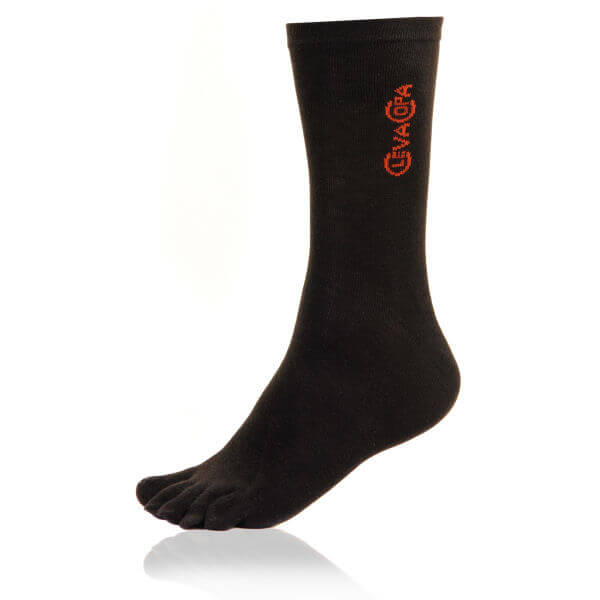
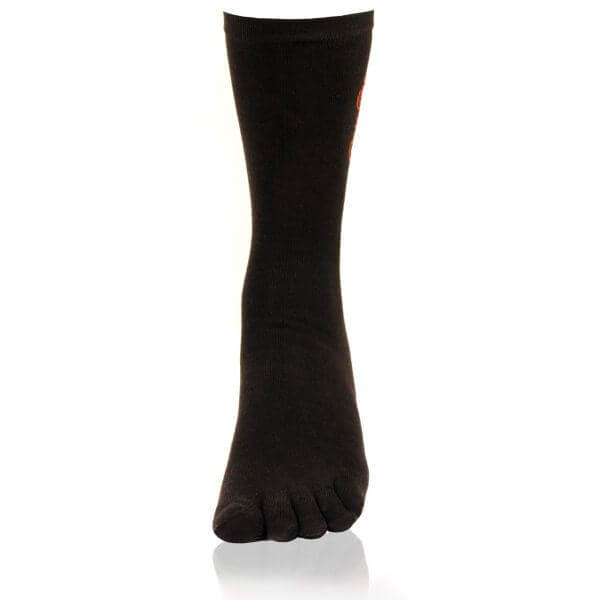
Copper Infused Five Toe Socks
- Promotes Softer Healthier Feet
- Completely Seamless
- Best for long journey and flights
- Sale price
- £14.99
- Regular price
- £14.99
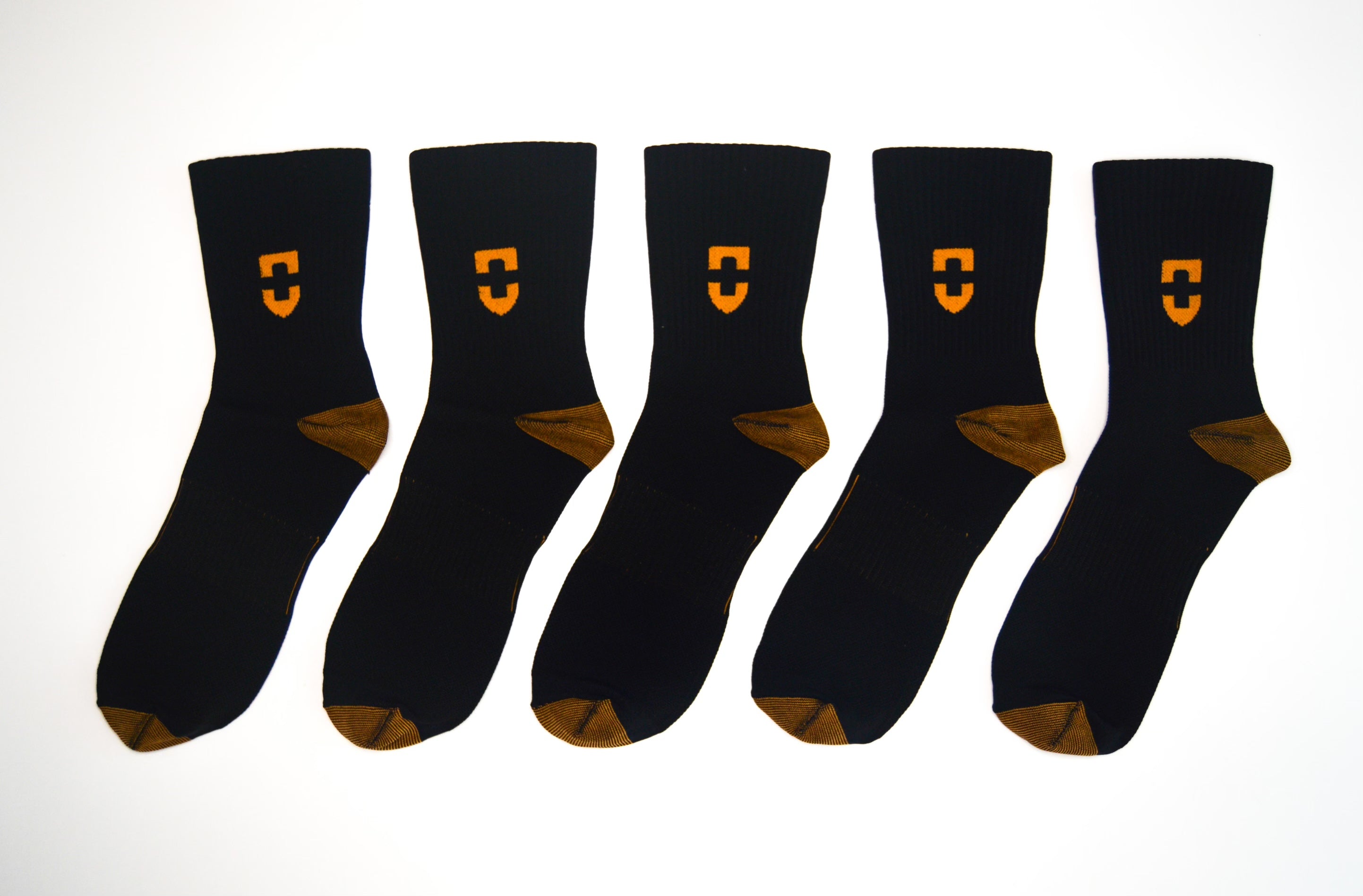
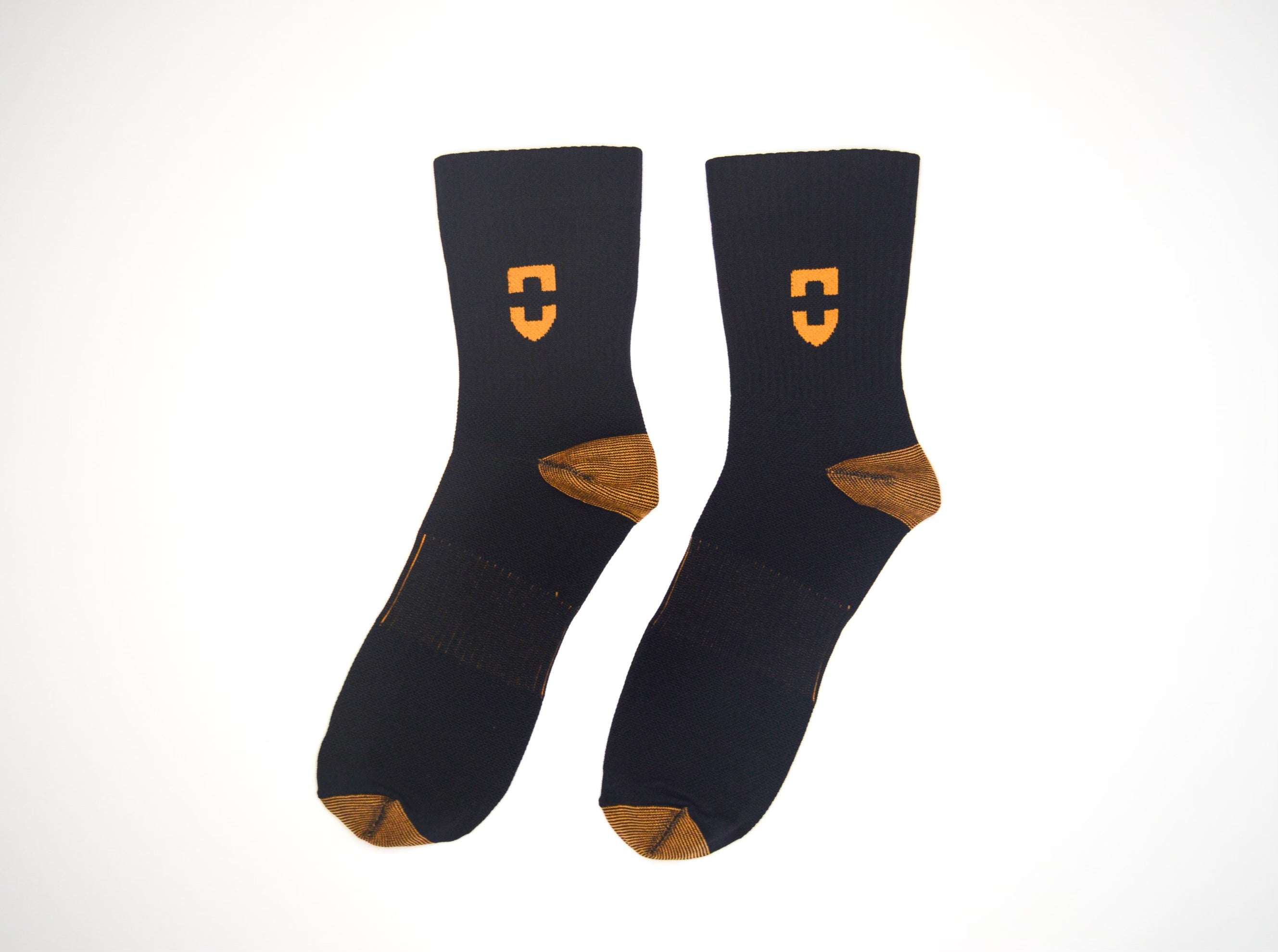
5-Pack Short Compression Copper Infused Socks
- Breathable Compression Fabric & Comfortable
- 8-15mmHg of Compression
- Best socks for long flights and travel
- Sale price
- £59.95
- Regular price
- £64.95
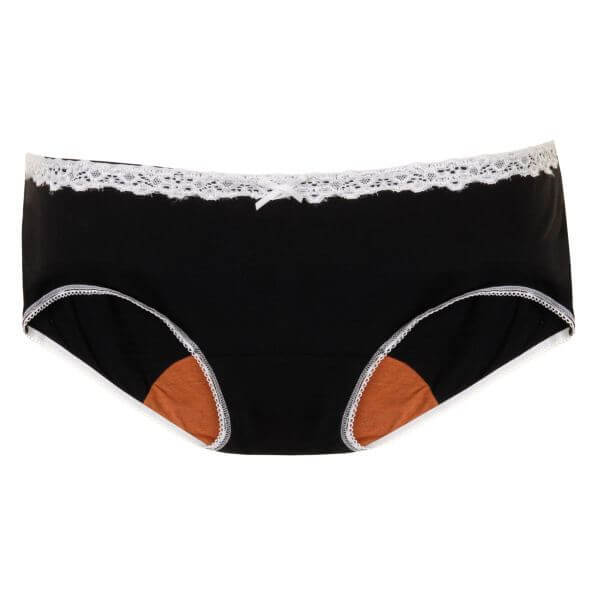
Womens Copper Infused Briefs
- Soft cotton & bamboo blend
- Breathable lightweight feel
- Flexible everyday comfort
- Sale price
- £9.99
- Regular price
- £9.99
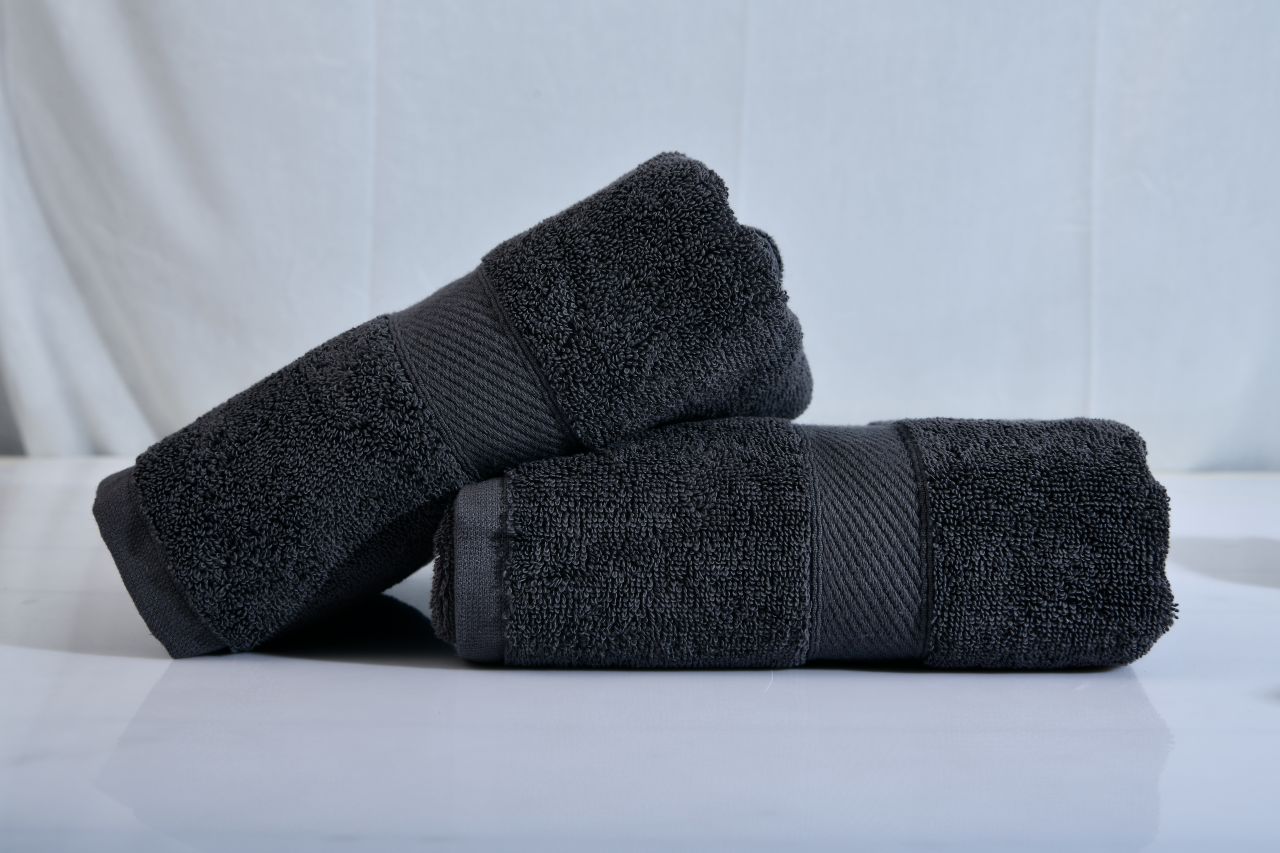
Copper Infused Bath & Gym Towel — 500 GSM Premium Cotton
- 500 GSM Cotton Cloth
- Soft & Premium
- Lightweight & Durable
- Child and Pet-Friendly
- Sale price
- £19.99
- Regular price
- £19.99

