


Do Compression Socks Help With Calf Pain
Author

Rory Donnelly
Published
February 19 2021
What is a Calf Strain?
A calf strain happens when the muscles in the back of your lower leg get overstretched or torn. You might hear people call it a pulled calf muscle. This kind of injury usually shows up when you run, jump, or make a sudden movement that puts too much stress on your leg. When it happens, you may feel sharp pain, swelling, or tightness, and you might even find it hard to walk or move your leg properly. Some strains are mild and heal quickly, while others can be more serious and take longer to recover, especially if the muscle is torn completely.
Common Causes of Calf Pain
Calf pain doesn't always come from a single obvious injury. Here are the most common reasons your calves might hurt:
- Delayed onset muscle soreness (DOMS): Microtears in the muscle fibres after intense or unfamiliar exercise. Soreness usually peaks 24–48 hours after activity.
- Muscle cramps: Sudden, involuntary contractions of the calf muscle. Often linked to dehydration, low magnesium or potassium, or poor circulation — particularly common at night.
- Calf strain: Overstretching or partial tearing of the gastrocnemius or soleus muscle, typically from running, jumping, or sudden acceleration.
- Prolonged standing or sitting: Staying in one position for long periods causes blood to pool in the lower legs, leading to heaviness, swelling, and aching.
- Poor circulation / venous insufficiency: Weakened vein valves struggle to push blood back up to the heart, causing persistent leg fatigue and discomfort.
-
DVT risk (deep vein thrombosis): Long periods of immobility — such as flights or bed rest — can increase the risk of blood clots in the deep leg veins. If calf pain is accompanied by warmth, redness, or swelling after travel or surgery, seek medical attention immediately.
What are the symptoms of calf strain?
While calf pain is often harmless, certain symptoms warrant immediate medical attention.
- Individuals should contact their doctor if they notice discoloration in their legs, feet, or toes, such as pale or bluish skin.
- Problems with movement or walking also require medical evaluation.
- If someone experiences severe or sudden calf pain, especially without any apparent cause.
- Swelling in the calf or anywhere in the lower leg.
- Swollen legs accompanied by difficulty in breathing.
- Sudden inability to stand or put pressure on the leg.
- Calf pain after sitting for a long time, particularly after a long car trip or plane ride.
What Compression Level (mmHg) Is Best for Calf Pain?
Compression is measured in millimetres of mercury (mmHg). Choosing the right level matters — too little won't make a difference, too much can restrict circulation if used without medical guidance.
| Compression Level | Best For |
|---|---|
| 8–15 mmHg | Light everyday use, travel, long hours at a desk |
| 15–20 mmHg | Mild calf aching, tired legs, general prevention |
| 20–30 mmHg | Active recovery post-exercise, moderate swelling, calf strains |
| 30–40 mmHg | Varicose veins, venous insufficiency — consult a doctor first |
For most people dealing with everyday calf pain or post-exercise soreness, 15–20 mmHg is the recommended starting point. If you're recovering from a calf strain or experience significant swelling, 20–30 mmHg offers more support. Copper Clothing's compression socks sit in the 8–15 mmHg range, making them well suited for prevention, travel, and all-day wear rather than post-injury rehabilitation.
Do compression socks help calf strain?
Although compression socks cannot cure your calf strain, they can significantly help reduce and alleviate pain and help further prevent calf injuries. Copper-infused compression socks can reduce calf pain and swelling, prevent damage, and treat the issues that are causing calf pain. These socks are great for blood circulation and increase blood flow to the muscles, which results in oxygenation. The process helps faster recovery in case of an injury. An ample supply of oxygen also reduces pain not just to the calf but to the entire body.
Give Your Feet the Support They Need
Support tired achy feet with copper compression socks designed to improve circulation and reduce everyday discomfort.
Choosing the Best Compression Socks for Calf Pain
If your calves feel sore or tired, the right compression socks can help ease the pain and speed up recovery. Start by choosing socks that offer graduated compression, ideally in the range of 15 to 30 mmHg. This type of pressure boosts circulation without feeling too tight. Go for breathable, moisture-wicking fabric so your legs stay dry and comfortable throughout the day. A good pair should also support your ankles and arches, reduce swelling, and help you move better. Make sure the cuffs aren’t digging into your skin because that can block blood flow and make things worse.
At Copper Clothing, we’ve taken compression to the next level. Our copper-infused compression socks combine comfort, support, and added health benefits. The copper fibres woven into the fabric are scientifically known to fight bacteria and reduce odour, keeping your feet fresh even after long wear. Whether you're recovering from a calf strain, training for your next race, or just on your feet all day, these socks are designed to support better circulation, reduce soreness, and promote overall leg wellness.
Featured product in this article

5-Pack Long Copper Infused Compression Socks
How Compression Socks Help With Calf Pain
-
Supports Muscle Stabilization
Your calf muscles work hard during most physical activities. When you wear proper support gear, especially something like compression socks, it helps stabilize those muscles. This lowers the strain while you're moving and also protects your calves from getting injured again. It’s a small step, but it can make a big difference in how your legs feel after a workout. -
Improve circulation
The graduated pressure (strongest at the ankle and decreasing up the leg) helps blood vessels work more efficiently, improving circulation and reducing the risk of blood clots.
-
Reduce swelling
By preventing blood and fluid from pooling in the lower legs, they can help decrease swelling, a common cause of calf pain.
-
Relieve soreness and fatigue
For many people, compression socks can reduce the achiness and heavy feeling in their legs and may help with muscle soreness, particularly after activity.
-
Aid muscle recovery
They can support calf muscles and help flush out metabolic byproducts like lactic acid, which may speed up recovery after exercise.
How Long and When to Wear Compression Socks for Calf Pain
-
During exercise: Wearing compression socks during runs, hikes, or gym sessions helps stabilise the calf muscle and maintain circulation under load.
-
After exercise: Wear for 2–3 hours post-workout to support muscle recovery and reduce DOMS-related soreness.
-
During long periods of sitting or standing: Put them on at the start of your shift or before a long flight. Remove them when you're done — you don't need to wear them overnight.
-
During recovery from a calf strain: Wear during the day while moving around. Remove before sleep unless a healthcare professional has advised otherwise.
- General rule: Most people benefit from wearing compression socks for 6–8 hours during the day. Avoid wearing them to bed unless specifically directed by a doctor, as lying flat changes how blood flows through the legs and reduces the benefit of graduated compression.
Tips to Prevent Calf Pain
Here are some simple but important ways to take care of your calf muscles and reduce the chances of pain or injury. These tips cover what to do before, during, and after physical activity, as well as some everyday changes that can help you avoid discomfort.
Before and During Physical Activity
-
Warm Up Well
Start every workout or run with a proper warm-up. This helps your muscles get ready and lowers your chances of getting cramps or strains.
-
Stretch Your Calves
Make calf stretches part of your daily routine. Hold each stretch for at least 15 seconds to give the muscles time to lengthen and relax.
-
Drink Enough Water
Hydration plays a big role in muscle function. Not drinking enough water can lead to tightness or painful cramping. Keep a water bottle nearby, especially when it’s hot or you’re sweating a lot.
-
Wear Supportive Footwear
Choose shoes that offer good cushioning and proper arch support. This is even more important if you tend to land heel-first while walking or running.
-
Use Compression Socks
Copper Clothing’s compression socks are a smart choice if you want more support. They hug the calves gently to improve circulation, reduce swelling, and limit muscle fatigue. Many people use them during long walks or workouts to keep their legs feeling strong and steady.
-
Break in New Shoes Slowly
Don’t rush into intense workouts with brand-new shoes. Start with shorter walks or lighter workouts so your legs and feet have time to adjust to the new fit.
General Tips to Avoid Calf Pain
-
Maintain a Healthy Weight
Carrying extra weight can increase pressure on your calf muscles. Staying within a healthy range helps ease that strain, especially during high-impact activities.
-
Eat a Balanced Diet
Make sure your meals include enough B vitamins, vitamin D, calcium, magnesium, and potassium. These nutrients play a big role in muscle health and help prevent cramps.
-
Don’t Overwork Your Muscles
Rest is just as important as exercise. Avoid training too hard without breaks. Give your body enough time to recover between sessions.
-
Adjust Your Sleeping Position
If you get calf cramps at night, your sleeping posture might be adding to the problem. Try sleeping with your toes pointing upward, or let your feet dangle a little off the edge of the bed. This can help your calf muscles stay relaxed while you sleep.
When to Consult a Doctor
If you're dealing with calf pain, it’s usually nothing serious. But there are times when you should not ignore it. Reach out to your doctor right away if you notice any changes in the colour of your legs, feet, or toes, especially if the skin looks pale or bluish. You should also get checked if walking becomes difficult, or if you're suddenly unable to stand or put weight on your leg. Sharp or intense pain without a clear reason should never be brushed off. Swelling in the calf or lower leg is another warning sign, and if your legs are swollen and you’re finding it hard to breathe, it could be an emergency. Pain that shows up after sitting for a long time, like during a road trip or flight, also needs attention. It's better to be cautious and get a proper medical opinion.
Closing Thoughts
Calf pain can slow you down, but the right habits and supportive gear can make a noticeable difference in how your legs feel each day. Compression socks, especially copper-infused ones, offer a simple way to improve circulation and reduce soreness during both activity and rest. With consistent care, smart recovery, and a bit more attention to your daily routine, you can keep your calves feeling strong and comfortable as you move through your day.
Frequently Asked Questions Compression Socks and Calf Pain
What compression level is best for calf pain?
For general calf pain and muscle recovery, 15–20 mmHg is the standard recommendation. For more significant swelling or strain recovery, 20–30 mmHg provides greater support. Anything above 30 mmHg should be used under medical guidance.
How long should you wear compression socks for calf pain?
Wear them during activity and for 2–3 hours after exercise. For desk work or travel, wearing them throughout the day is appropriate. Avoid sleeping in them unless advised by a doctor.
Can compression socks prevent calf cramps?
Yes. By improving circulation and reducing blood pooling, compression socks can help prevent cramps — particularly during long travel, prolonged standing, or high-intensity exercise.
Are compression socks safe to wear with a calf strain?
Yes, for mild to moderate strains. They help reduce swelling and provide muscle support during recovery. For severe pain, suspected muscle tears, or bruising, see a doctor before using compression.
Can you sleep in compression socks?
Generally, no. Graduated compression is designed to work with the body upright, when gravity pulls blood downward. Lying flat reduces the need for that assistance, and wearing them to bed offers little benefit for most people.
-

Post-Workout Hygiene: What You Shouldn’t Ign...
April 15, 2026
-

Compression Socks for Desk Job
April 15, 2026
-

Running in Cold Weather? Learn Benefits, Saf...
March 26, 2026
-

Sweaty Feet: Causes, Remedies, and Preventio...
March 12, 2026
-

Post Run Recovery: Can Compression Socks Rea...
February 24, 2026


Popular Products
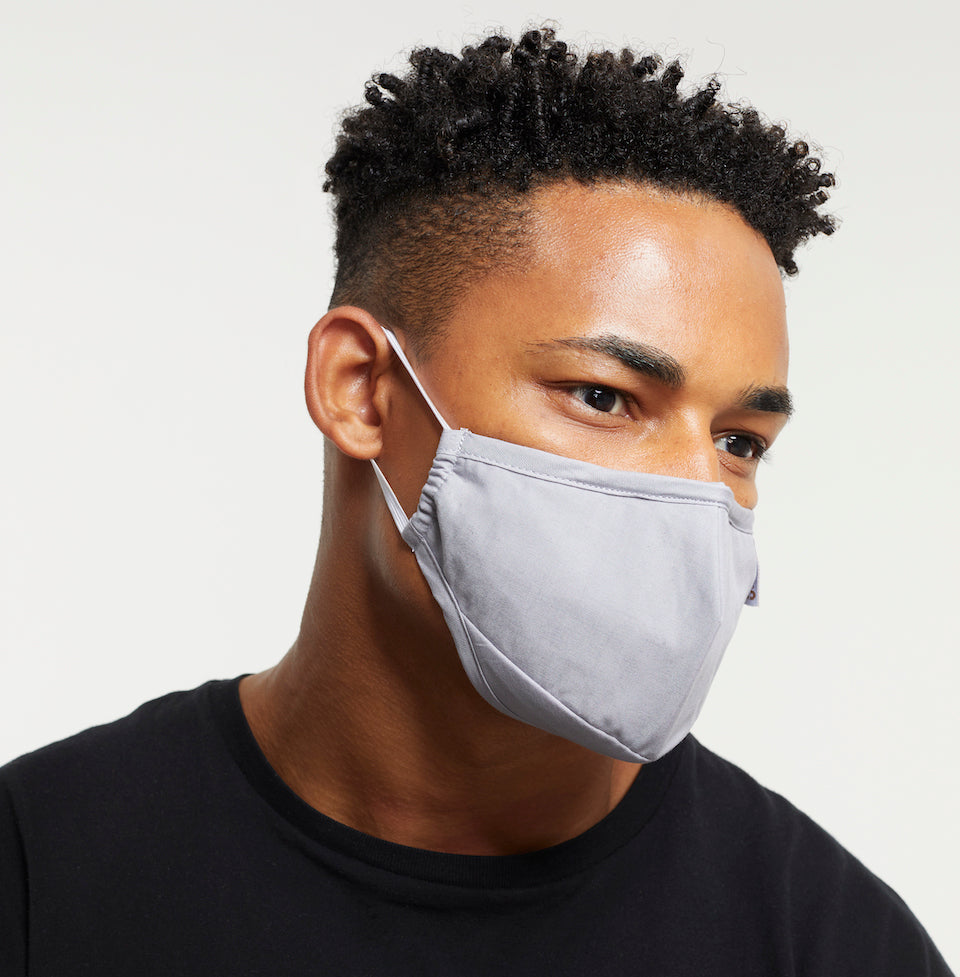
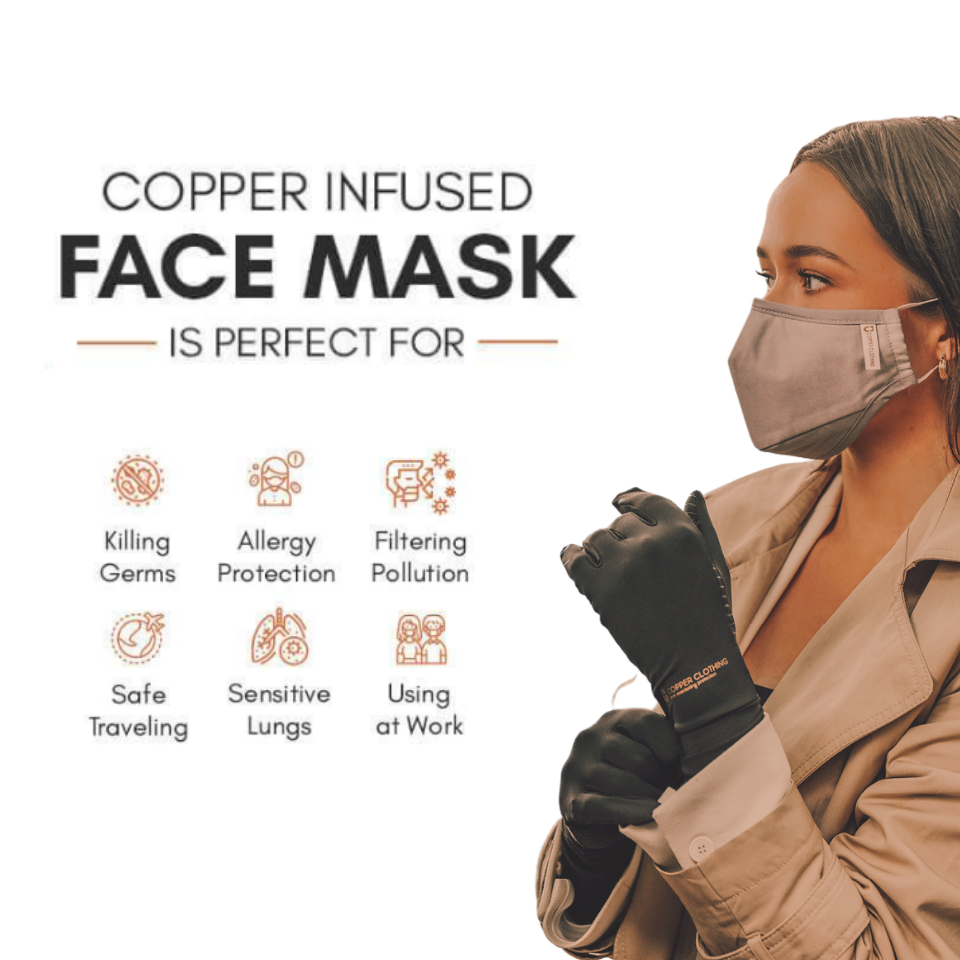
FFP2 CE Four-Layer Copper Infused Face Mask
- Four layers of protection
- Comfortable & washable
- Sale price
- £22.99
- Regular price
- £22.99
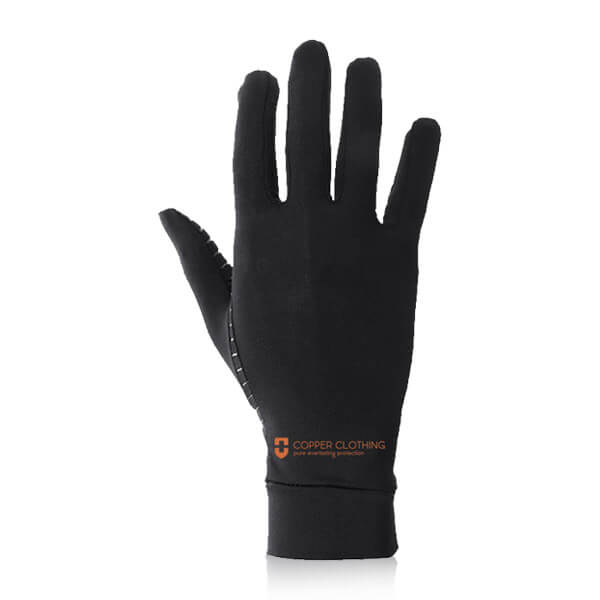
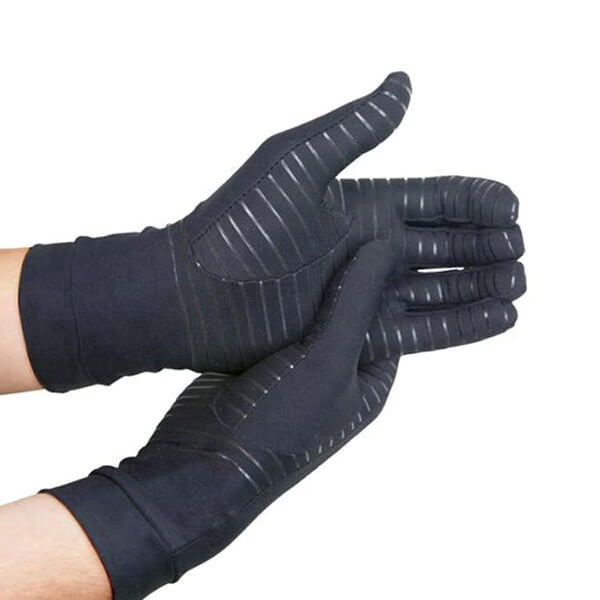
Full Finger Gloves (Copper Gloves)
- Ultimate comfort & flexibility
- Provides warmth and comfort for hands
- Washable
- Sale price
- £22.99
- Regular price
- £22.99
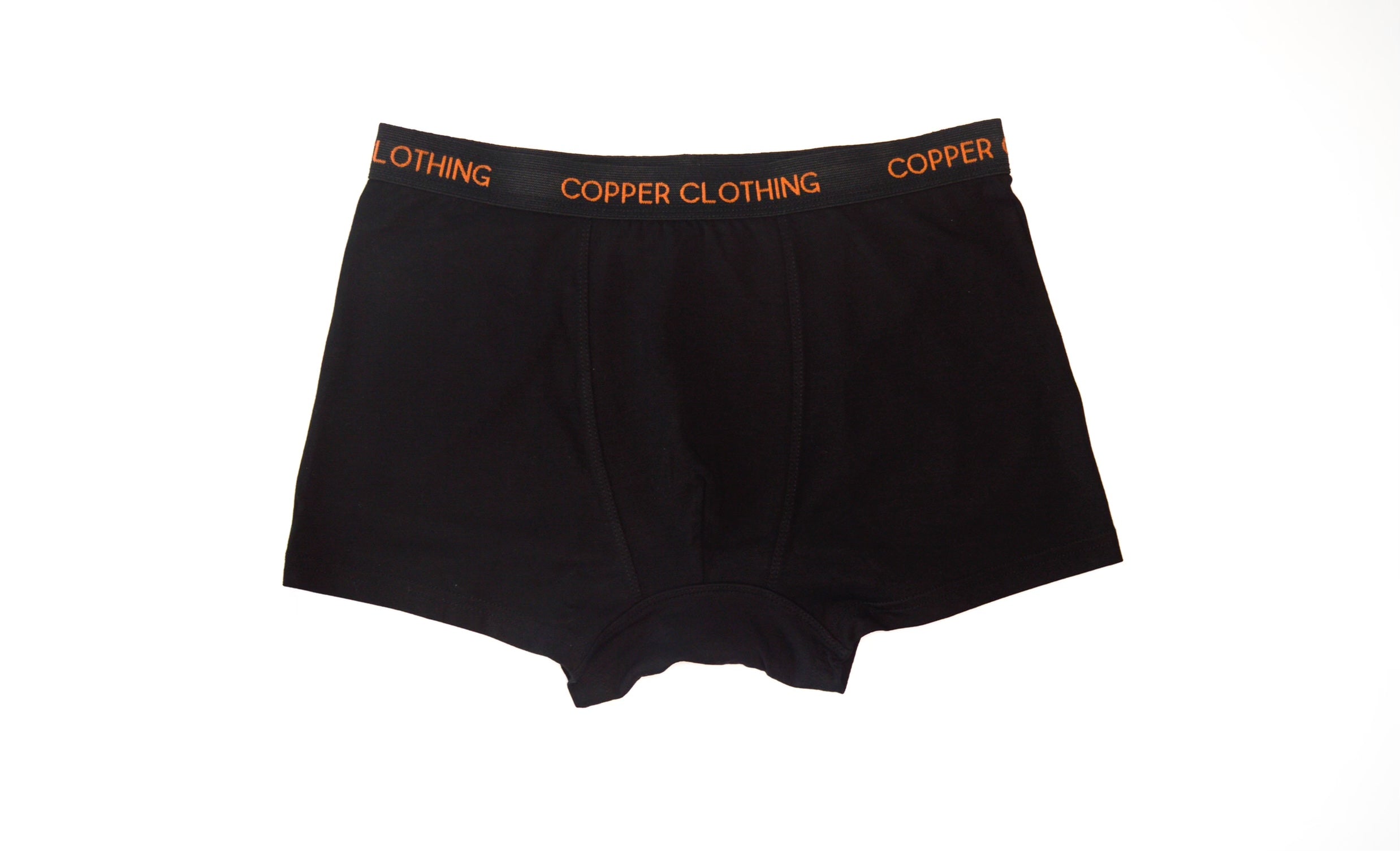
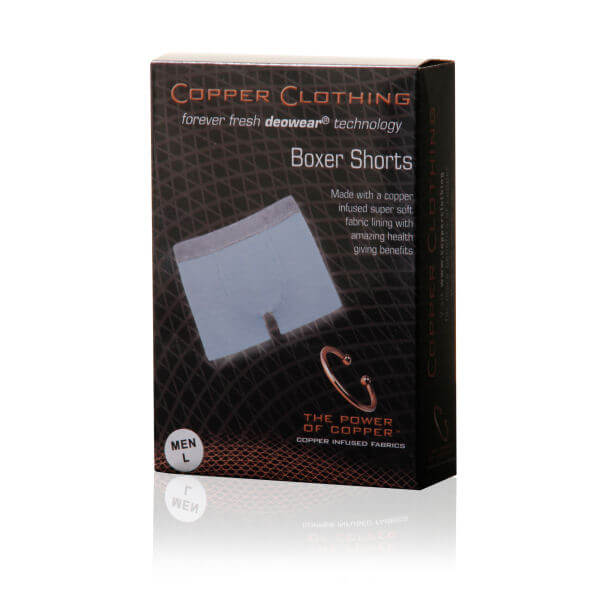
Men’s Copper Boxer Shorts – Soft, Breathable Underwear for Everyday Comfort
- Soft cotton & bamboo blend
- Breathable & lightweight feel
- Stretch comfort for daily movement
- Sale price
- £9.99
- Regular price
- £9.99
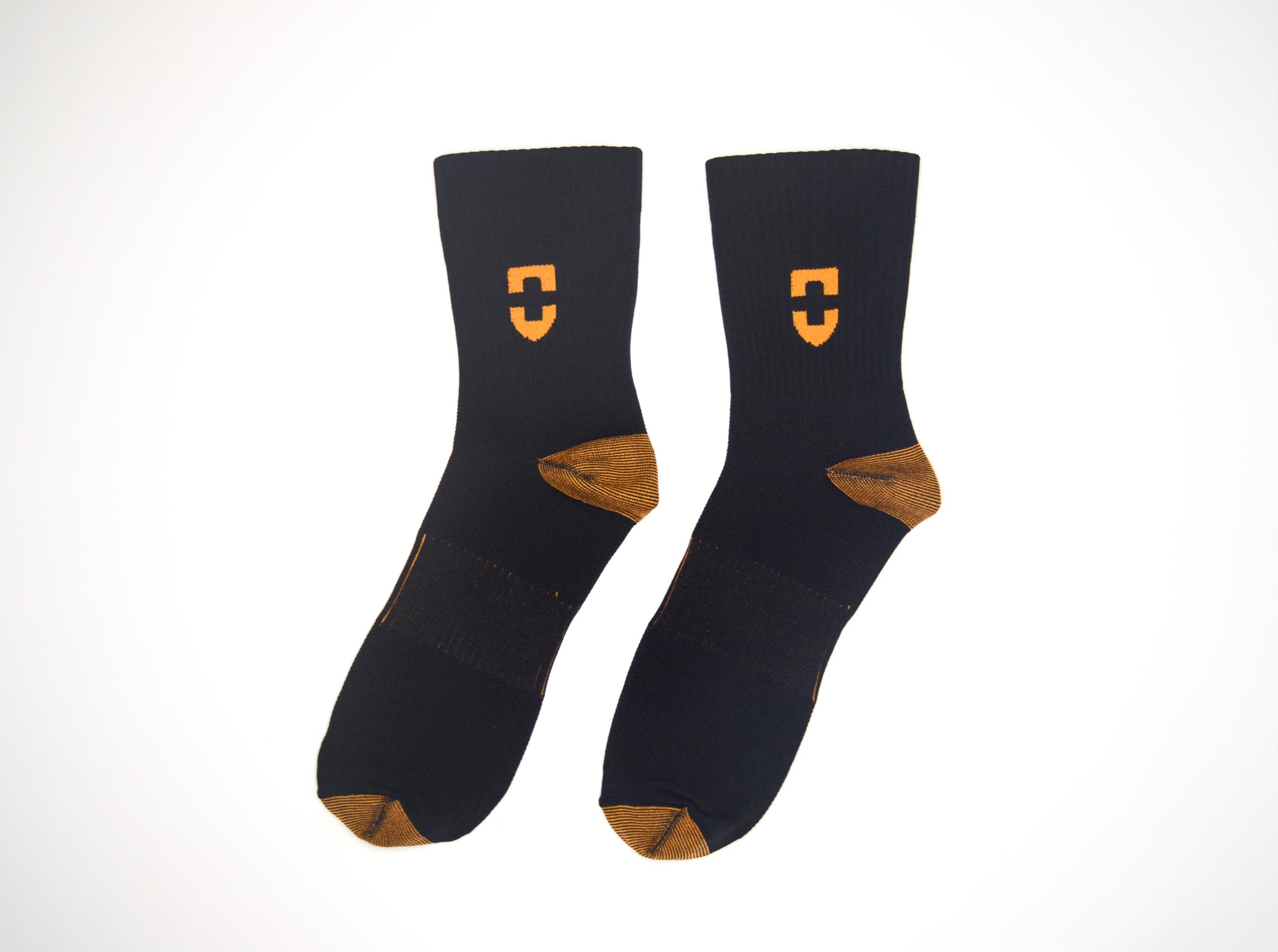
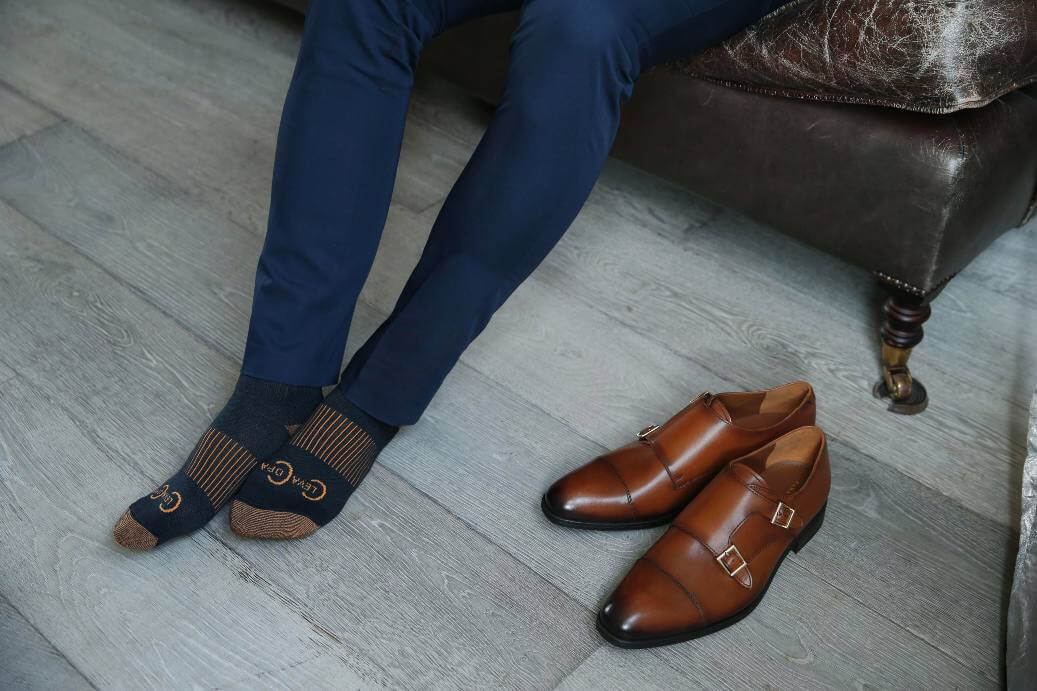
Short Compression Copper Infused Socks
- Breathable Compression Fabric, Comfortable & Durable
- 8 - 15mmHg of Compression
- Best socks for long flights and journey
- Sale price
- £12.99
- Regular price
- £12.99
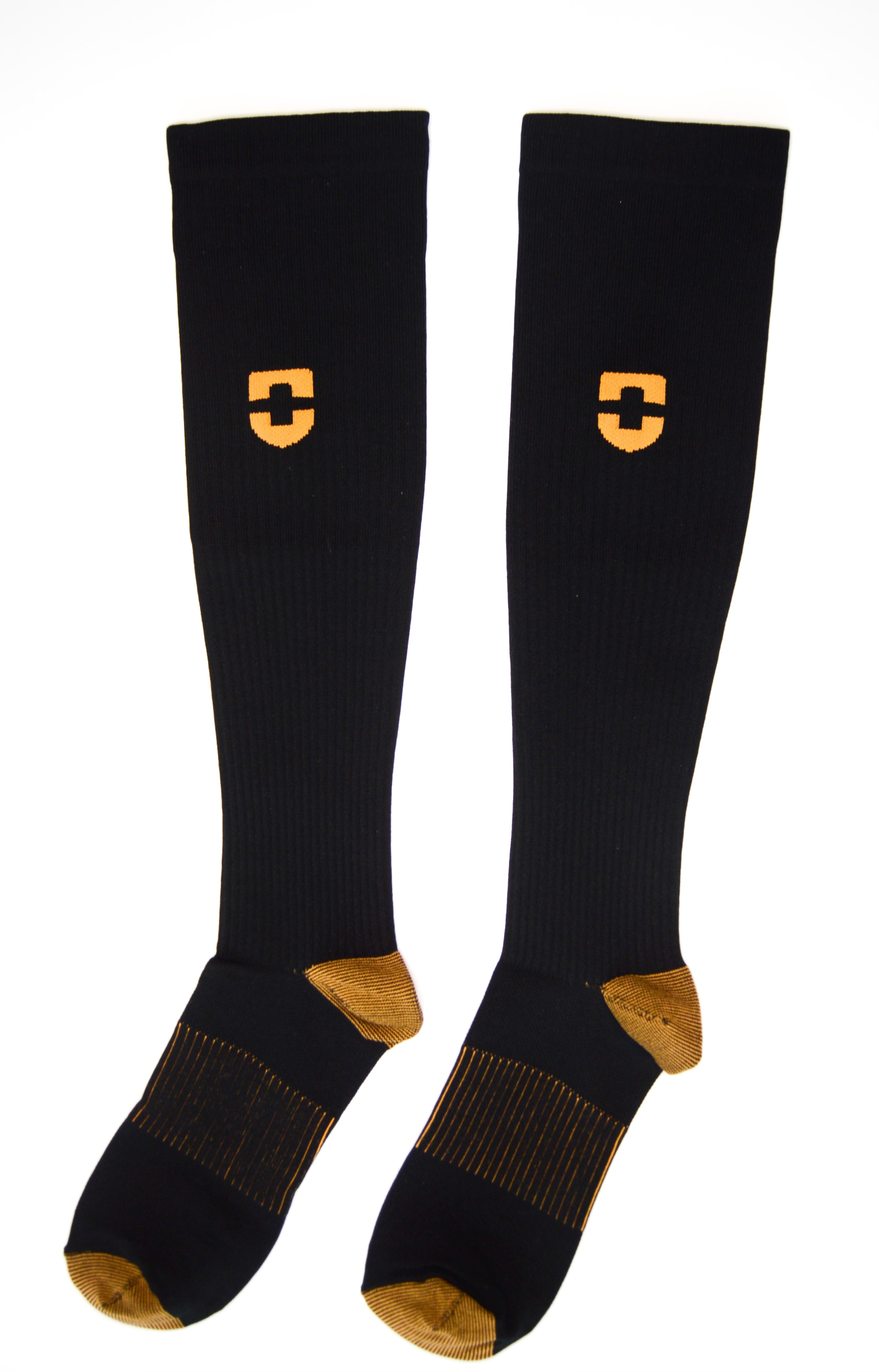
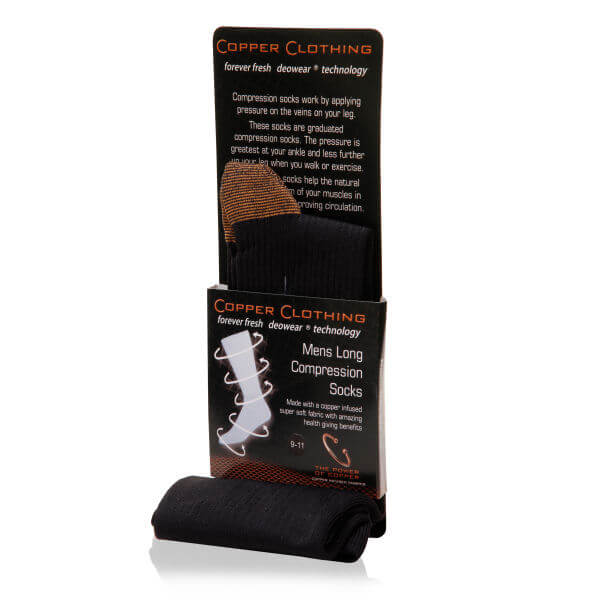
Long Copper Infused Compression Socks
- Breathable Compression Fabric, Comfortable & Durable
- 8 - 15mmHg of Compression
- Best socks for long flights and journey
- Sale price
- £15.99
- Regular price
- £15.99
Ladies Copper Infused Pyjamas
- Luxuriously Soft Cotton & Bamboo
- Ideal for daily wear
- Sale price
- £49.99
- Regular price
- £49.99
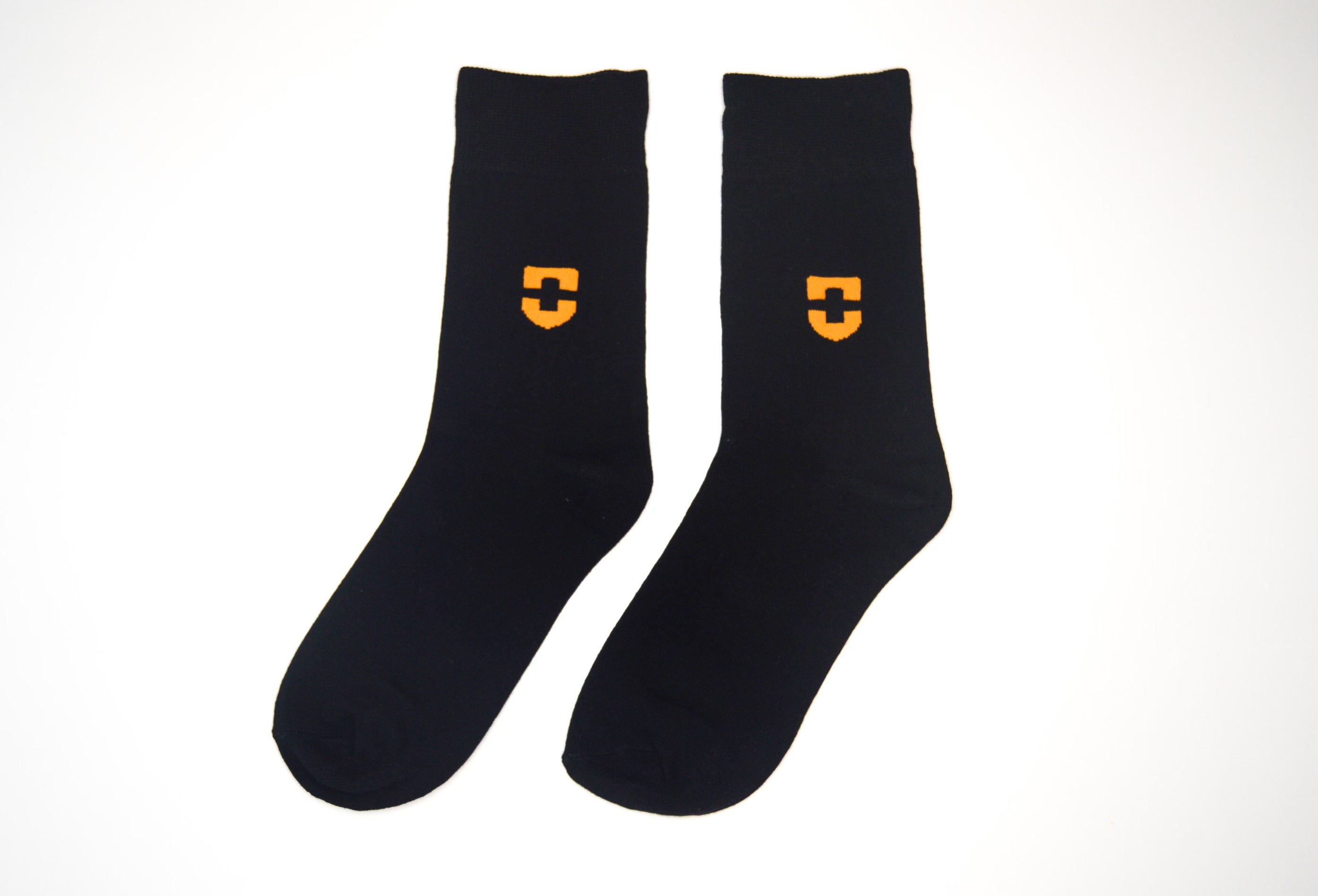
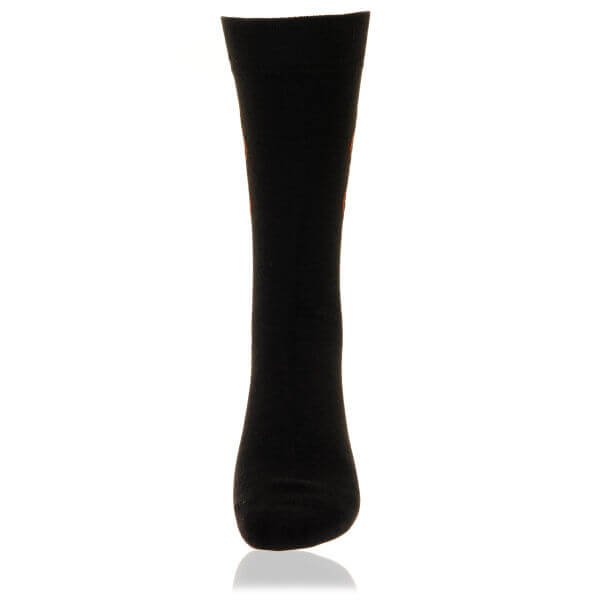
Everyday Copper Socks – Soft, Breathable Socks for Daily Comfort
- Soft & breathable fabric
- Comfortable for long-hour wear
- Lightweight everyday fit
- Sale price
- £9.99
- Regular price
- £9.99
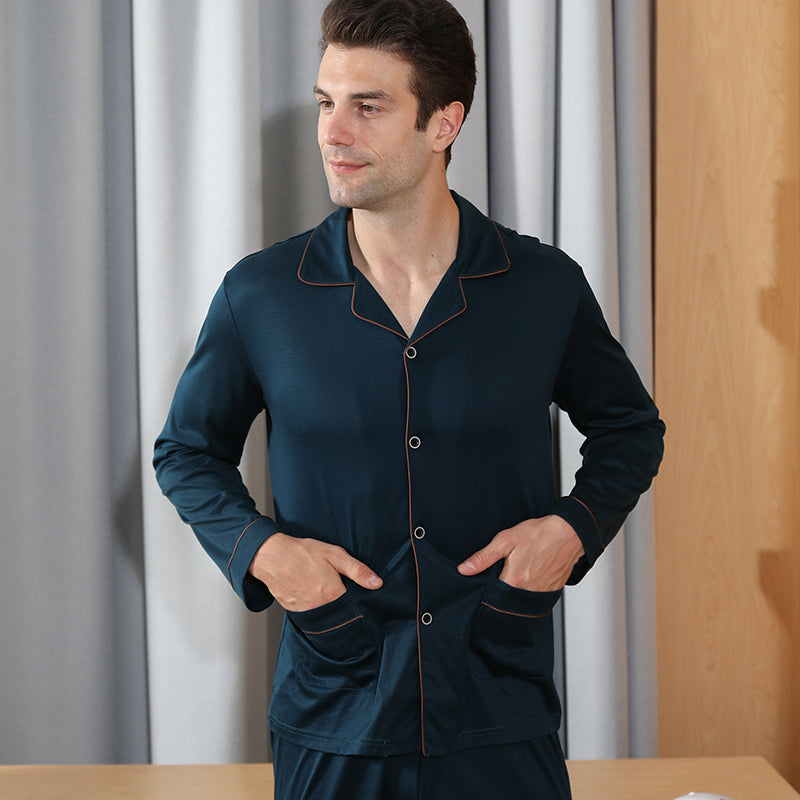
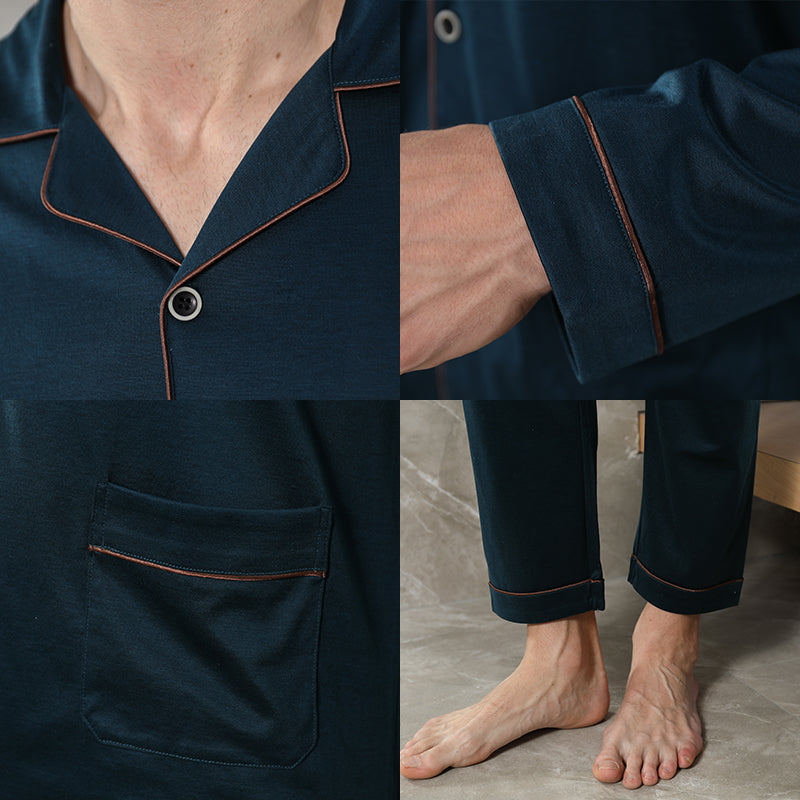
Mens Copper Infused Pyjamas
- Luxuriously Soft Cotton & Bamboo
- Promotes Healthier & Softer Skin
- Sale price
- £54.99
- Regular price
- £54.99
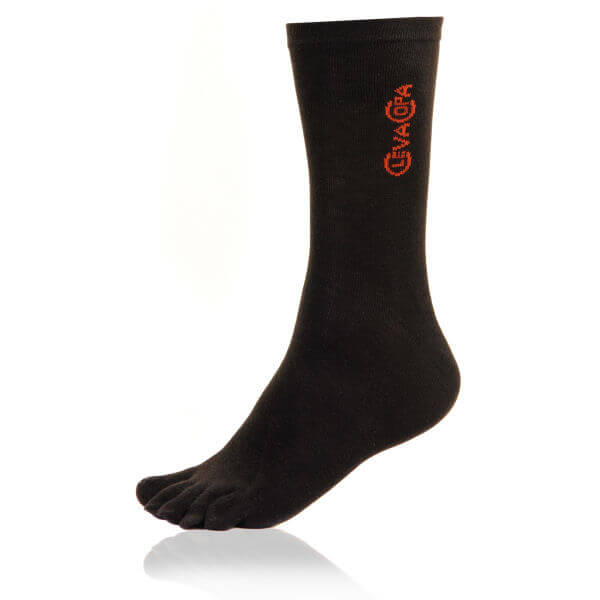
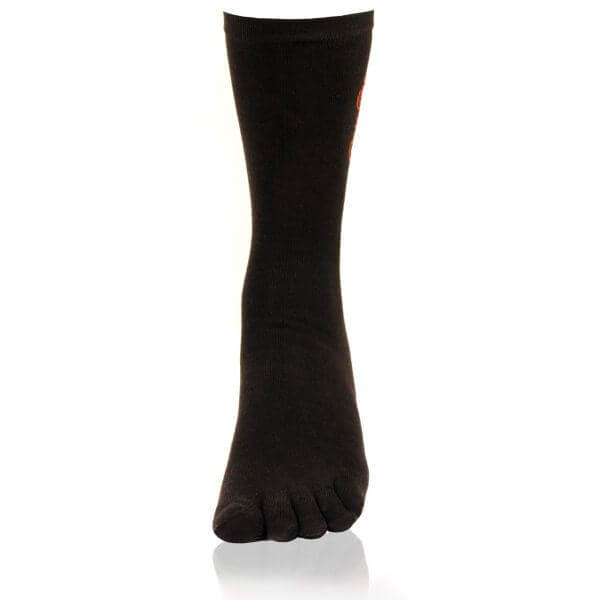
Copper Infused Five Toe Socks
- Promotes Softer Healthier Feet
- Completely Seamless
- Best for long journey and flights
- Sale price
- £14.99
- Regular price
- £14.99
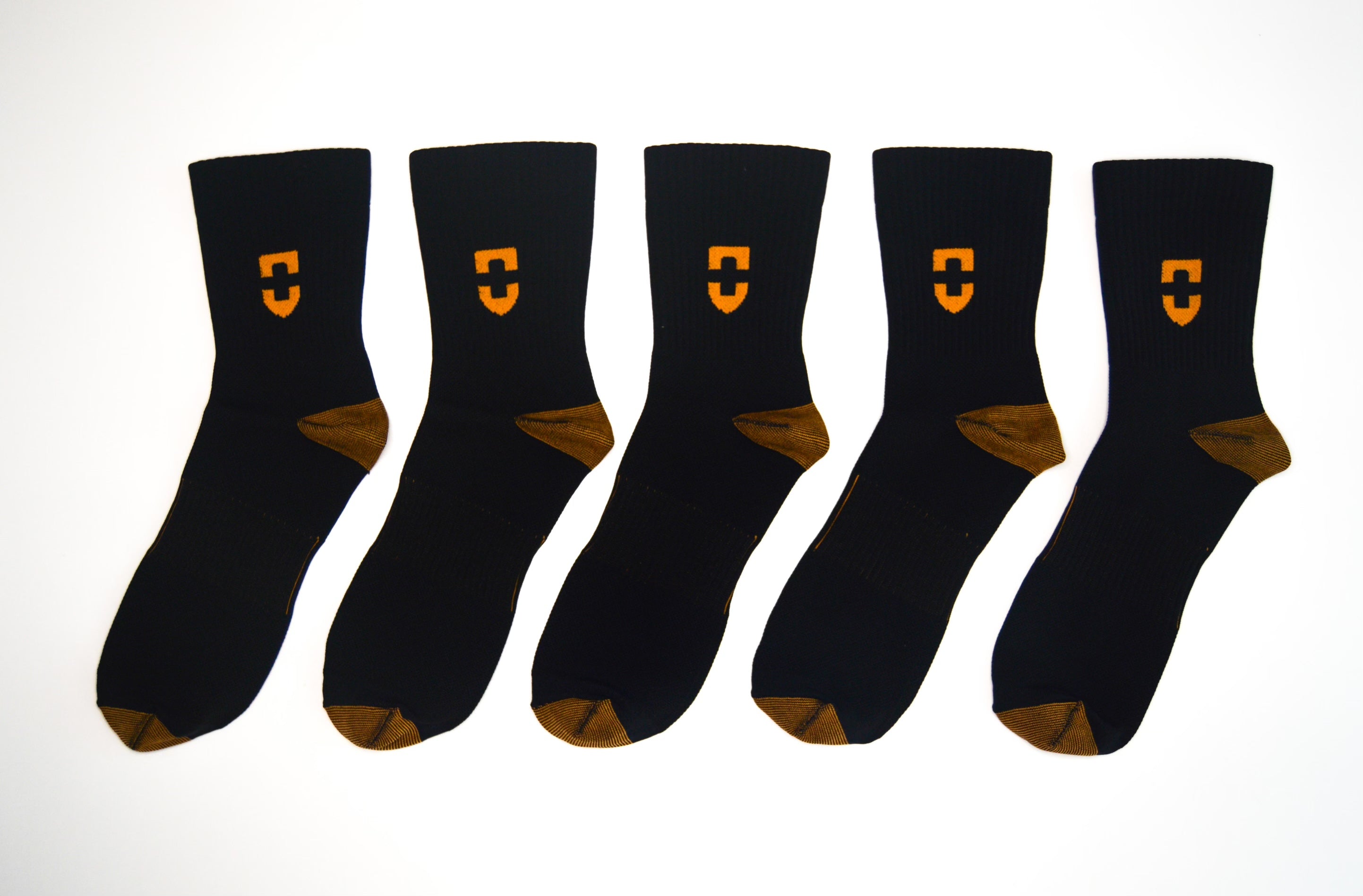
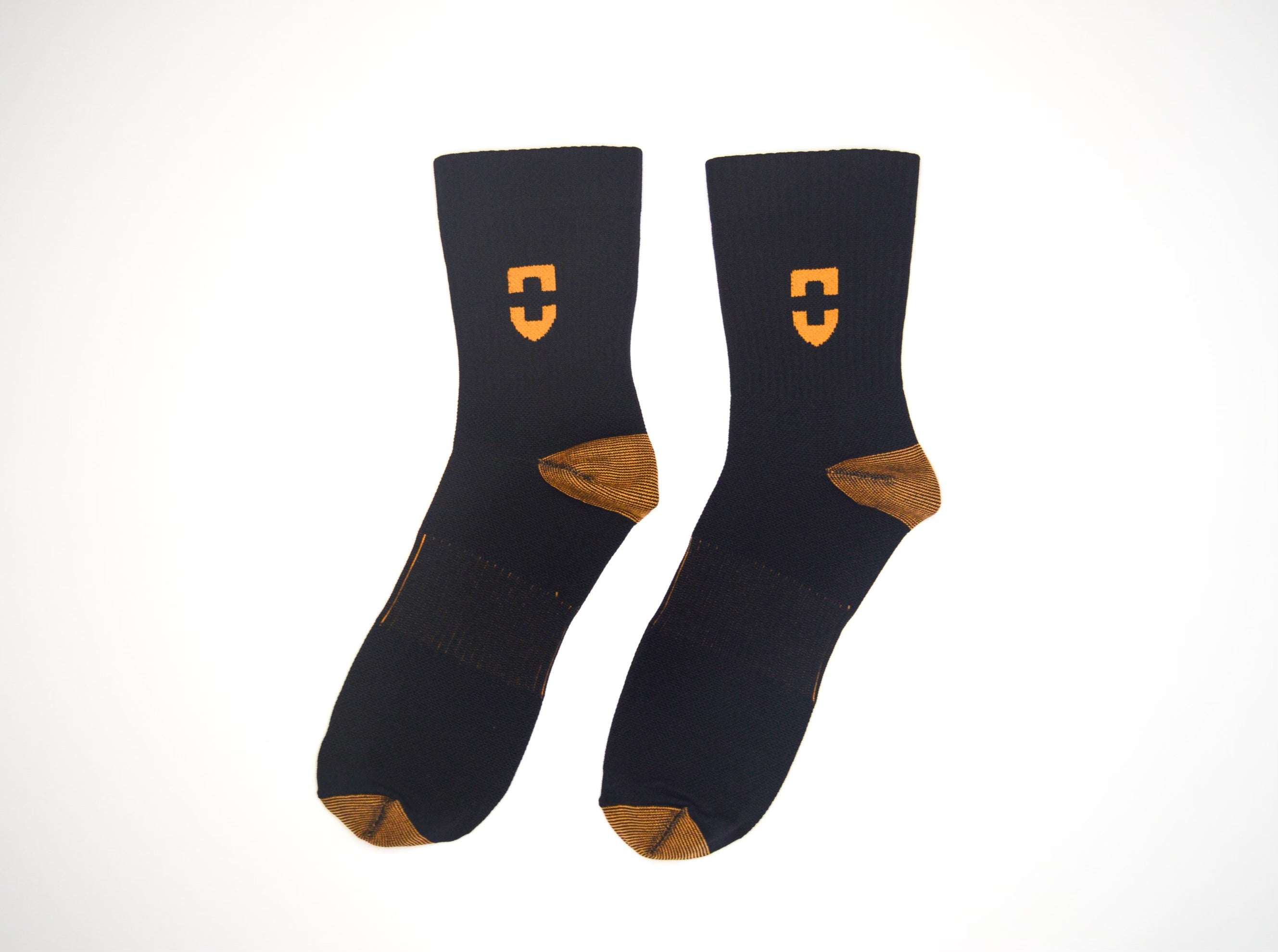
5-Pack Short Compression Copper Infused Socks
- Breathable Compression Fabric & Comfortable
- 8-15mmHg of Compression
- Best socks for long flights and travel
- Sale price
- £59.95
- Regular price
- £64.95
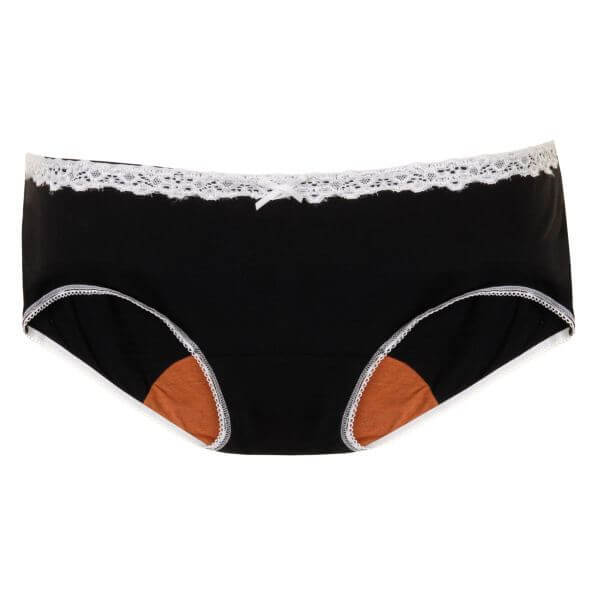
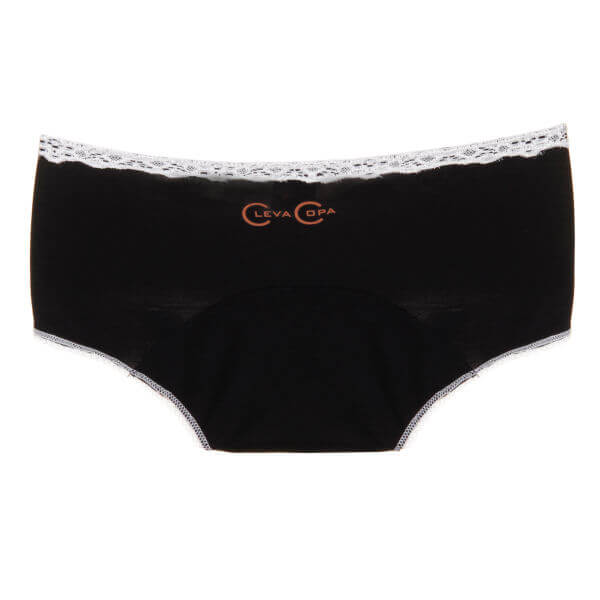
Womens Copper Infused Briefs
- Soft cotton & bamboo blend
- Breathable lightweight feel
- Flexible everyday comfort
- Sale price
- £9.99
- Regular price
- £9.99
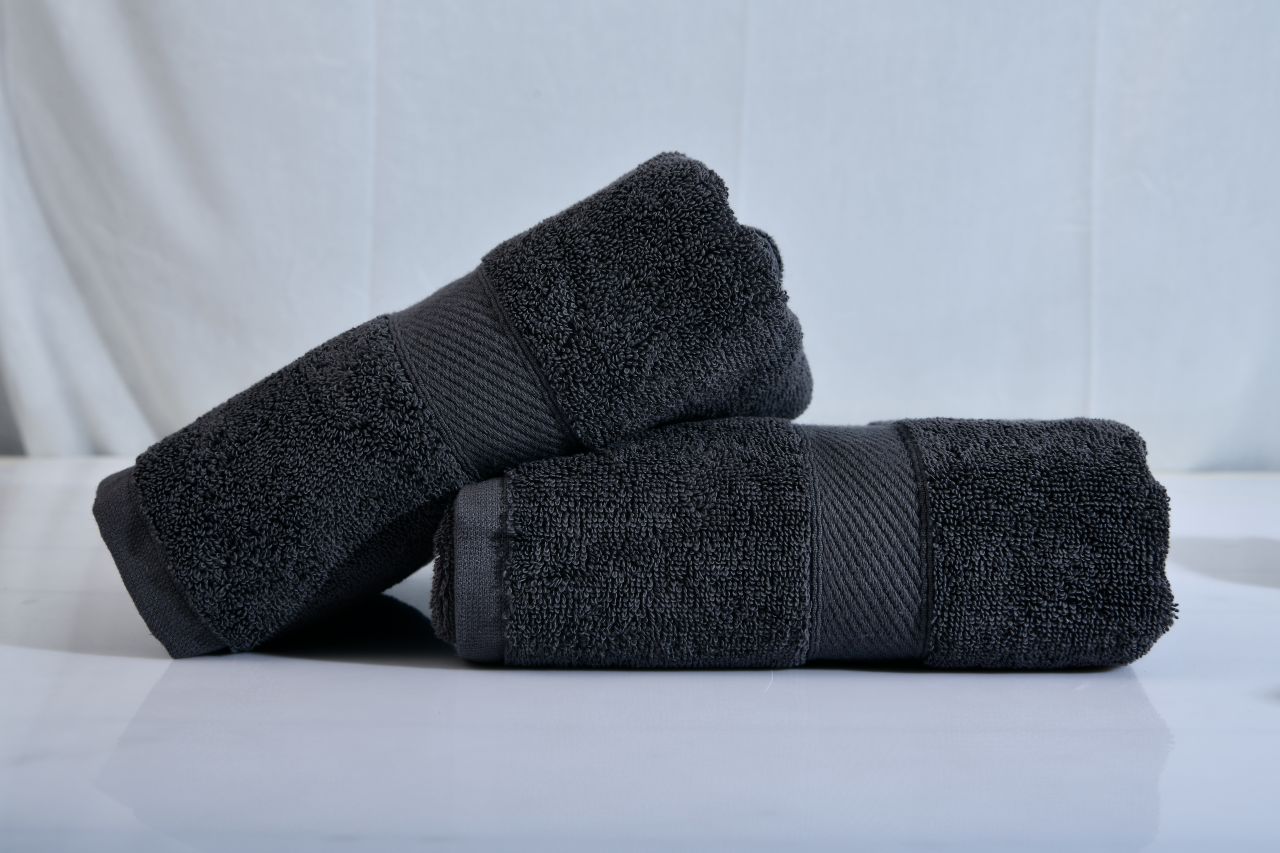
Copper Infused Bath & Gym Towel — 500 GSM Premium Cotton
- 500 GSM Cotton Cloth
- Soft & Premium
- Lightweight & Durable
- Child and Pet-Friendly
- Sale price
- £19.99
- Regular price
- £19.99

