


Why You Should Wear Compression Socks for Hiking
Author

Rory Donnelly
Published
July 12 2025
What are Hiking Compression Socks?
Hiking compression socks are specially designed socks that apply gentle, steady pressure to your legs. They help support your muscles and improve comfort during long walks or climbs. These socks are made to fit snugly without being too tight and are often designed to keep your feet dry and cool while you’re on the move. They are a popular choice for people who want extra support on the trail.
Why You Should Wear Compression Socks for Hiking
Wearing compression socks on a hike can help keep your legs feeling fresh for longer. The gentle pressure supports blood flow, which may reduce tiredness and swelling after hours of walking. These socks also provide extra comfort on rough or uneven ground. They are a smart choice if you want to look after your legs and feet during long hikes.
8 Benefits of Compression Socks for Hiking
Hiking can be hard on your legs, especially during long treks or steep climbs. Compression socks are a simple way to give your legs extra care on the trail. They are designed to support your muscles, help with comfort, and make recovery easier after a walk. Let’s look at some of the key benefits.
-
Boosted Blood Flow
Compression socks apply gentle, even pressure to your legs, which helps support healthy blood flow. This means blood can move more easily back up towards your heart, reducing the build-up of fluid in your lower legs. Better blood flow can help your legs feel less tired during and after your hike.
-
Decreased Inflammation
Compression socks for hiking can help limit swelling in your legs and feet after long or challenging hikes. The steady pressure helps stop too much fluid from building up, which means your legs may feel less puffy and sore at the end of the day. This can make it easier to recover and get back on the trail sooner.
-
Ankle Stabilisation
Compression socks provide gentle support around the ankle, which can help steady the joint as you walk on uneven paths. This added support may lower the risk of small twists or sprains, giving you more confidence with every step on tricky trails.
-
Reinforced Support
Compression socks are designed to give your legs and feet extra support where it's needed most. This firm yet comfortable fit can help reduce muscle strain on long walks and give your legs a more secure feel, especially during tough climbs or downhill stretches.
-
Lowered Fatigue
By supporting blood flow and helping to steady your muscles, compression socks can help your legs feel less tired during and after a hike. This means you may be able to walk further or longer with more comfort, and your legs could recover more quickly afterwards.
-
Support the foot
A good pair of hiking boots or shoes will offer some foot support around the arches. But the arches aren’t the only area to target, which is where hiking socks come in. They have specialised zones to reduce pressure and irritation on your Achilles tendon. They also feature heel support to reduce the pressure on your heel and instep as your foot hits the ground.
-
Reduces Muscle Fatigue on Long Hikes
Hiking places sustained stress on the leg muscles, especially on uneven or challenging terrain. Compression socks provide targeted support to the calves by applying gentle pressure, which helps limit muscle vibration during movement.
Reduced muscle vibration can lead to lower fatigue levels, allowing for better endurance and improved comfort over longer distances. This can be particularly helpful during multi-day hikes, where managing fatigue plays a key role in overall performance and recovery.
-
Supports Recovery After a Hike
After a hike, muscles need time to repair and recover. Compression socks can aid this process by promoting better circulation, helping deliver oxygen to tired muscles more efficiently.
Improved blood flow may also help reduce swelling and inflammation. For those experiencing delayed onset muscle soreness (DOMS), compression socks can assist in easing discomfort by supporting the removal of metabolic waste from the muscles.
How to Choose the Right Compression Socks for Hiking
Choosing the right compression socks can make a big difference to your comfort and support while hiking. The best pair for you will depend on things like the level of pressure, the material, and how they fit. Here are a few key points to think about before you buy.
-
Compression Level (15-20 mmHg vs 20-30 mmHg)
There are different types of compression levels. Socks with 15-20 mmHg pressure are good for light support on shorter hikes or for beginners. If you need stronger support, such as on longer or tougher hikes, you might prefer socks with 20-30 mmHg.
-
Material
Look for socks made from materials that help keep your feet dry and cool. Fabrics that pull moisture away from the skin can help stop blisters and keep you comfortable for longer.
-
Moisture-Wicking Fabrics
Help keep feet dry by managing sweat, reducing the risk of blisters and discomfort during long hikes. -
Seamless Toe Design
Minimizes friction and irritation by removing bulky seams. Options with a soft inner lining can add cushioning while maintaining breathability. -
Cushioned Soles
Provide added support and absorb impact, helping reduce strain on the feet and joints, especially on uneven or rugged terrain. -
Arch and Ankle Support
Improve stability, reduce fatigue, and lower the risk of strain or injury. This also helps keep the socks securely in place, preventing slipping or bunching inside footwear.
-
-
Length (Long vs Short)
The length of compression socks plays an important role in the level of support and comfort you get while hiking.
-
Knee-high socks are ideal for long treks and challenging trails, offering full-leg compression to improve circulation and reduce fatigue. Their added coverage also protects against scratches, insect bites, and harsh weather conditions.
-
For a balance of support and breathability, crew and mid-calf socks are a great choice. They offer ankle and lower leg support, making them suitable for moderate hikes, short-distance treks, or warm-weather conditions.
-
For shorter walks, light trails, or hot climates, ankle or low-cut compression socks provide lightweight comfort and flexibility, ensuring ease of movement without sacrificing circulation benefits.
-
-
Fit and Size
It's important to choose the right size so the socks fit snugly without being too tight. A good fit helps ensure even pressure and comfort throughout your hike.
Buy Your Compression Hiking Socks Today.
Shop now →Are compression socks good for hiking? Yes, compression socks can be a great choice for hikers looking to give their legs and feet a bit of extra care. They help support comfort, reduce swelling, and may help your legs feel less tired on long walks. Choosing the right pair for your needs can make your hiking trips easier and more enjoyable. Whether you’re new to hiking or a regular on the trails, compression socks could be a smart addition to your gear.
-

Post-Workout Hygiene: What You Shouldn’t Ign...
April 15, 2026
-

Compression Socks for Desk Job
April 15, 2026
-

Running in Cold Weather? Learn Benefits, Saf...
March 26, 2026
-

Sweaty Feet: Causes, Remedies, and Preventio...
March 12, 2026
-

Post Run Recovery: Can Compression Socks Rea...
February 24, 2026


Popular Products
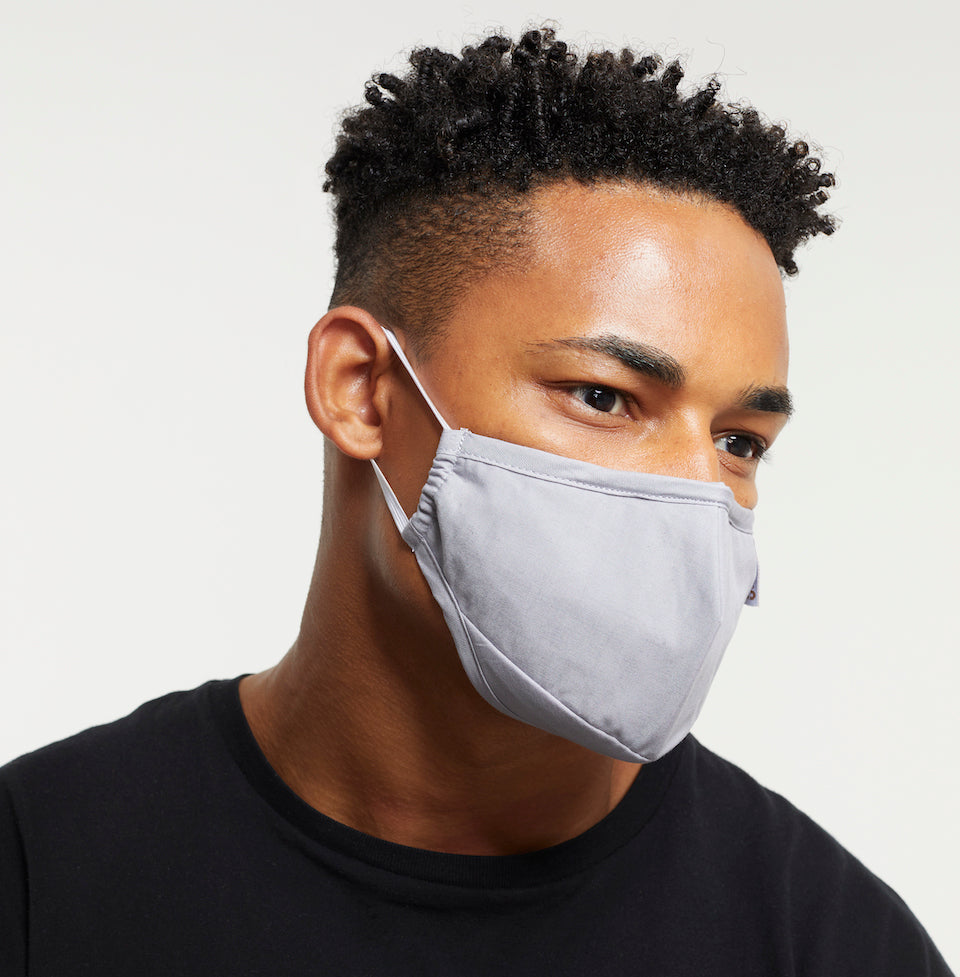
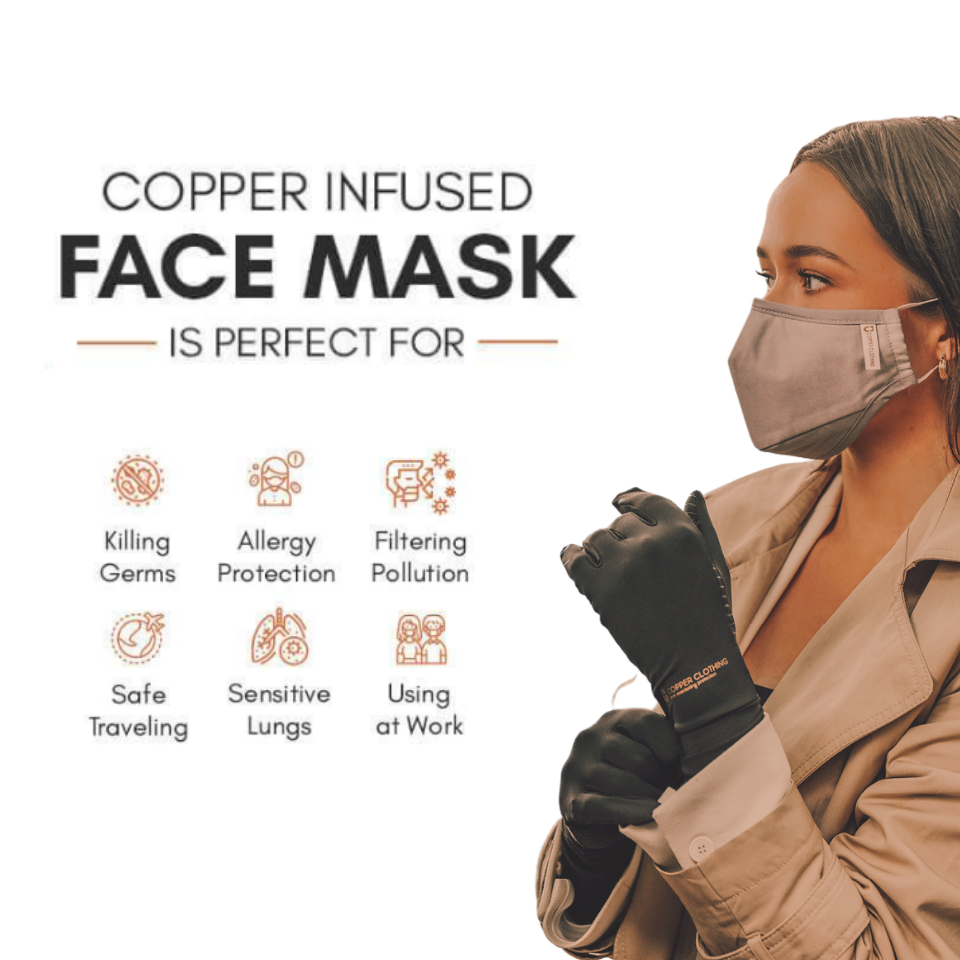
FFP2 CE Four-Layer Copper Infused Face Mask
- Four layers of protection
- Comfortable & washable
- Sale price
- £22.99
- Regular price
- £22.99
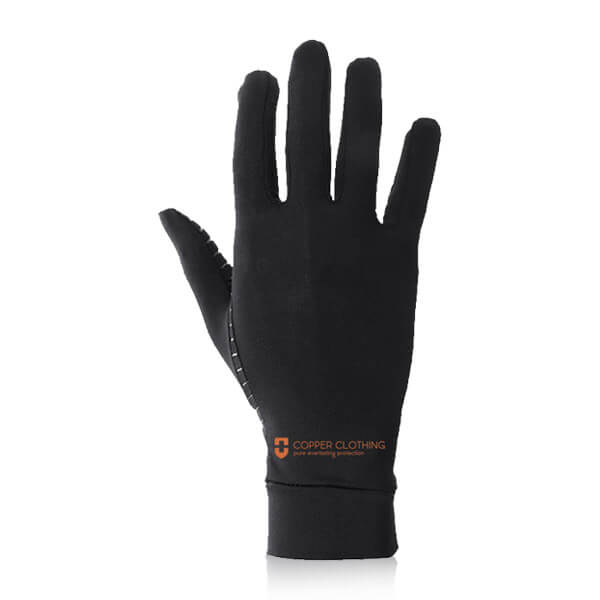
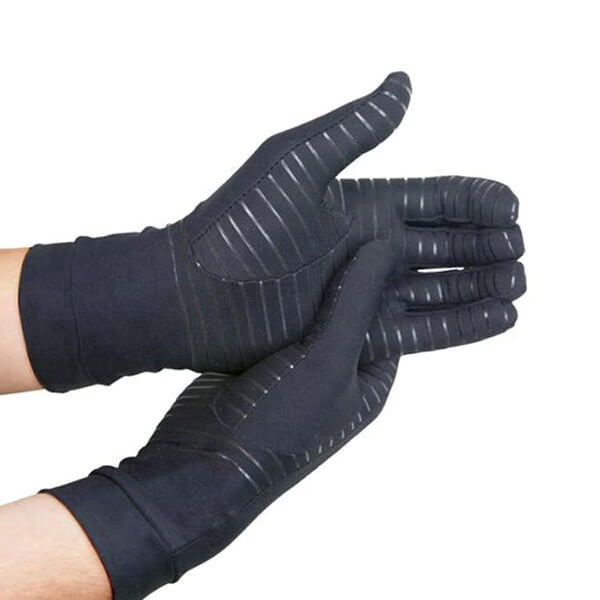
Full Finger Gloves (Copper Gloves)
- Ultimate comfort & flexibility
- Provides warmth and comfort for hands
- Washable
- Sale price
- £22.99
- Regular price
- £22.99
Men’s Copper Boxer Shorts – Soft, Breathable Underwear for Everyday Comfort
- Soft cotton & bamboo blend
- Breathable & lightweight feel
- Stretch comfort for daily movement
- Sale price
- £9.99
- Regular price
- £9.99
Short Compression Copper Infused Socks
- Breathable Compression Fabric, Comfortable & Durable
- 8 - 15mmHg of Compression
- Best socks for long flights and journey
- Sale price
- £12.99
- Regular price
- £12.99
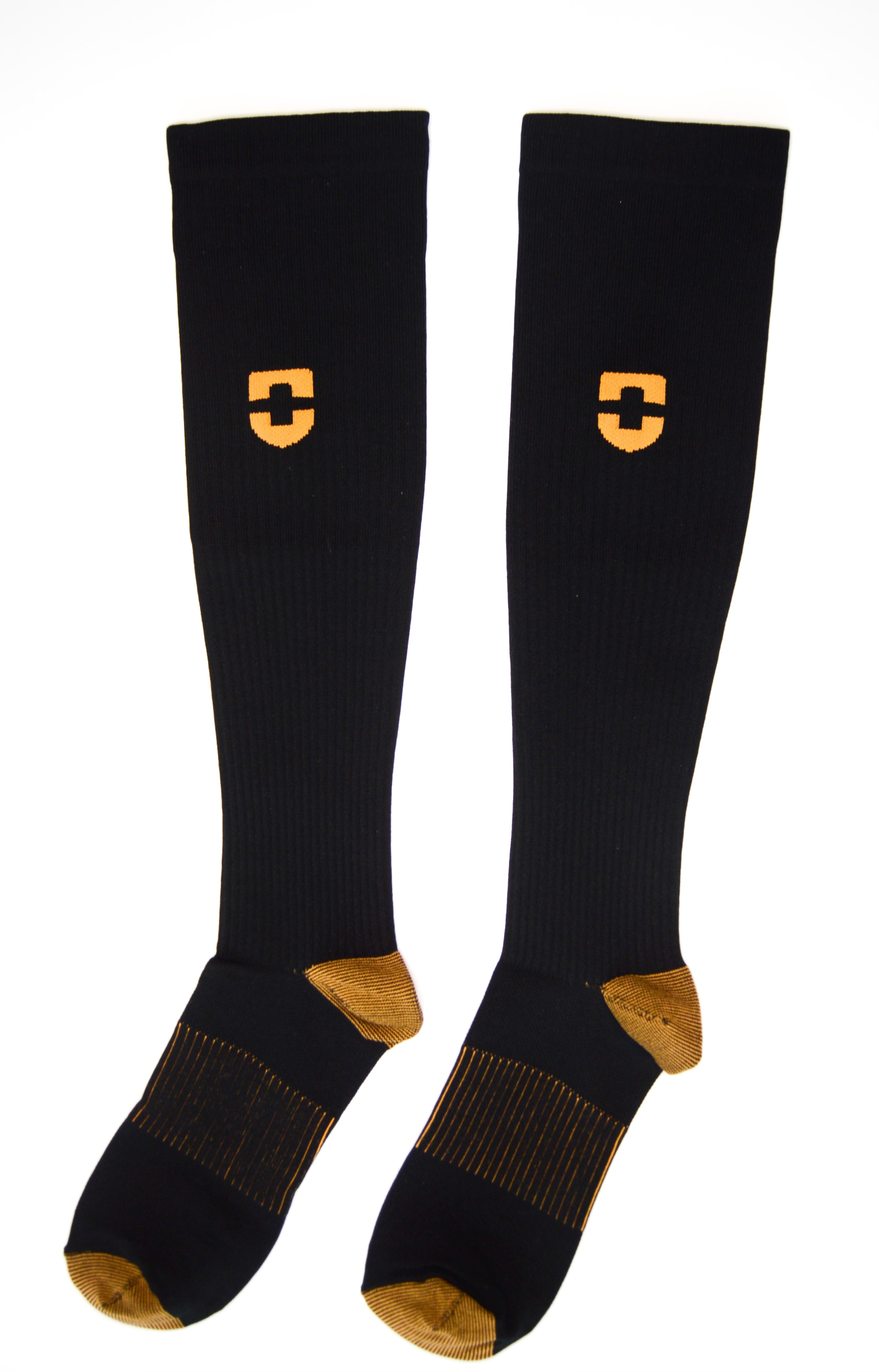
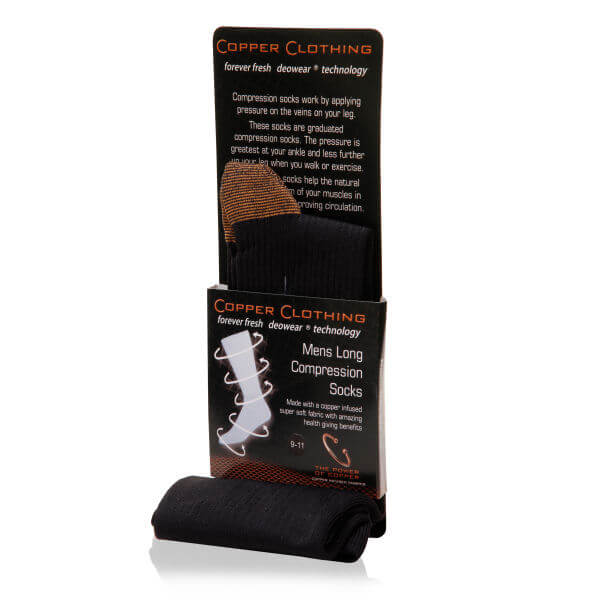
Long Copper Infused Compression Socks
- Breathable Compression Fabric, Comfortable & Durable
- 8 - 15mmHg of Compression
- Best socks for long flights and journey
- Sale price
- £15.99
- Regular price
- £15.99
Ladies Copper Infused Pyjamas
- Luxuriously Soft Cotton & Bamboo
- Ideal for daily wear
- Sale price
- £49.99
- Regular price
- £49.99
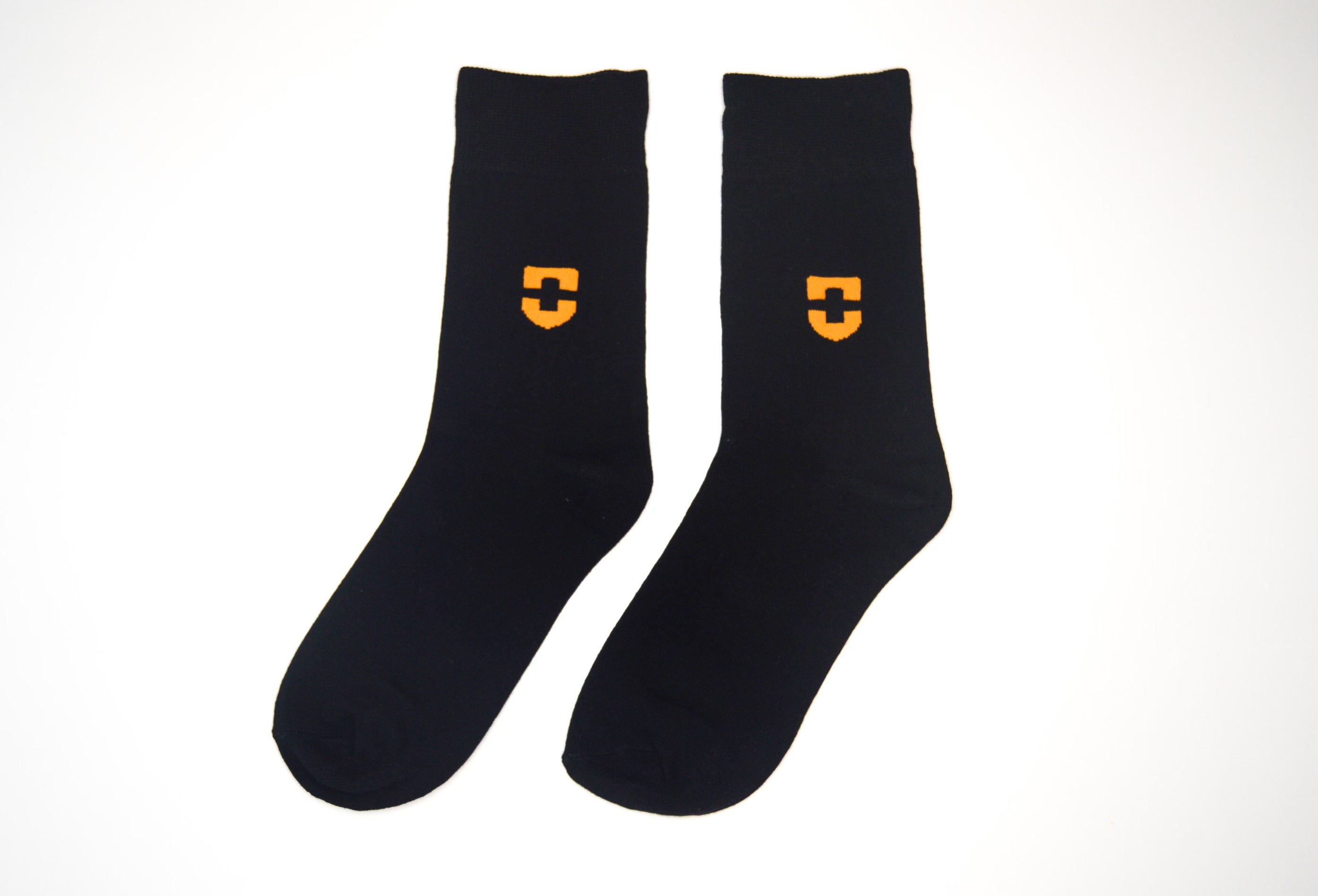
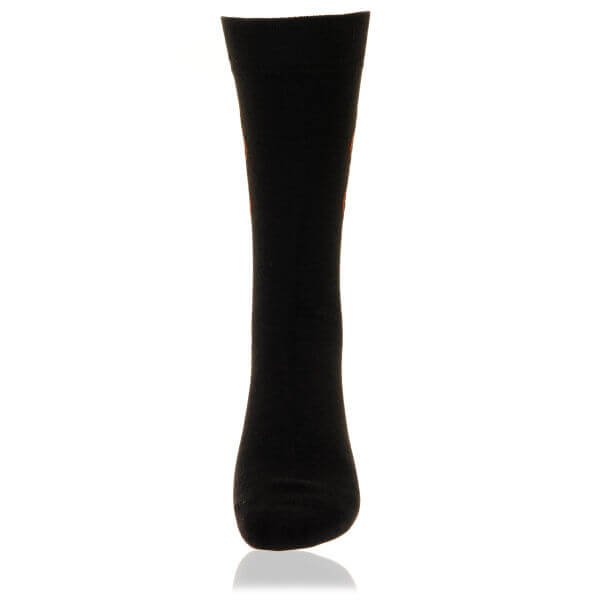
Everyday Copper Socks – Soft, Breathable Socks for Daily Comfort
- Soft & breathable fabric
- Comfortable for long-hour wear
- Lightweight everyday fit
- Sale price
- £9.99
- Regular price
- £9.99
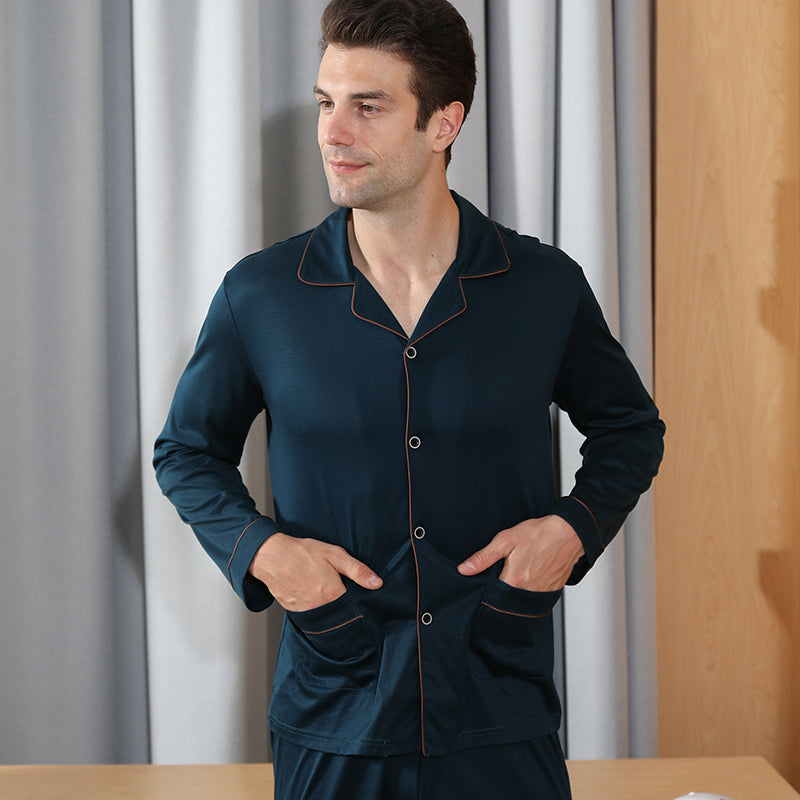
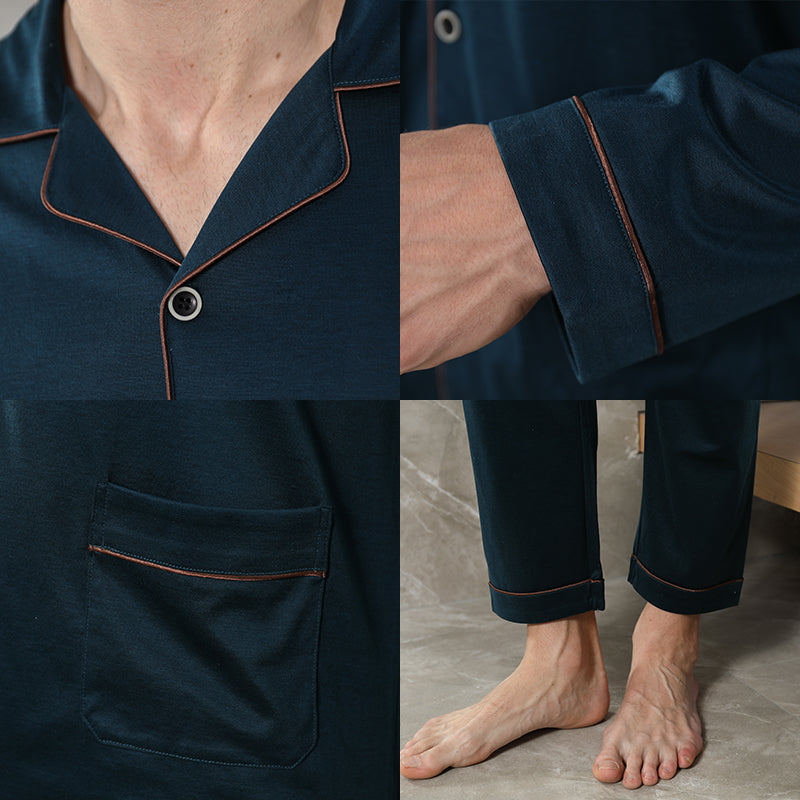
Mens Copper Infused Pyjamas
- Luxuriously Soft Cotton & Bamboo
- Promotes Healthier & Softer Skin
- Sale price
- £54.99
- Regular price
- £54.99
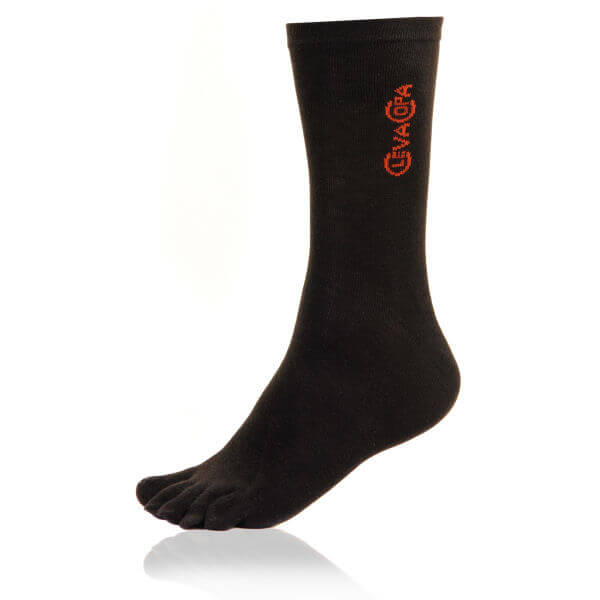
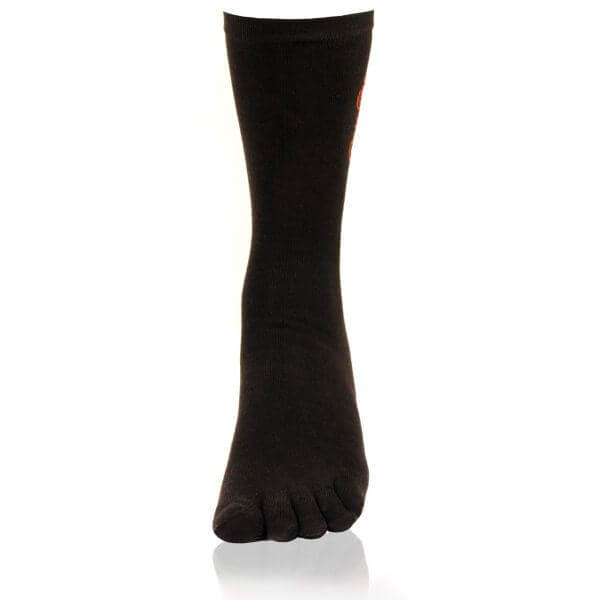
Copper Infused Five Toe Socks
- Promotes Softer Healthier Feet
- Completely Seamless
- Best for long journey and flights
- Sale price
- £14.99
- Regular price
- £14.99
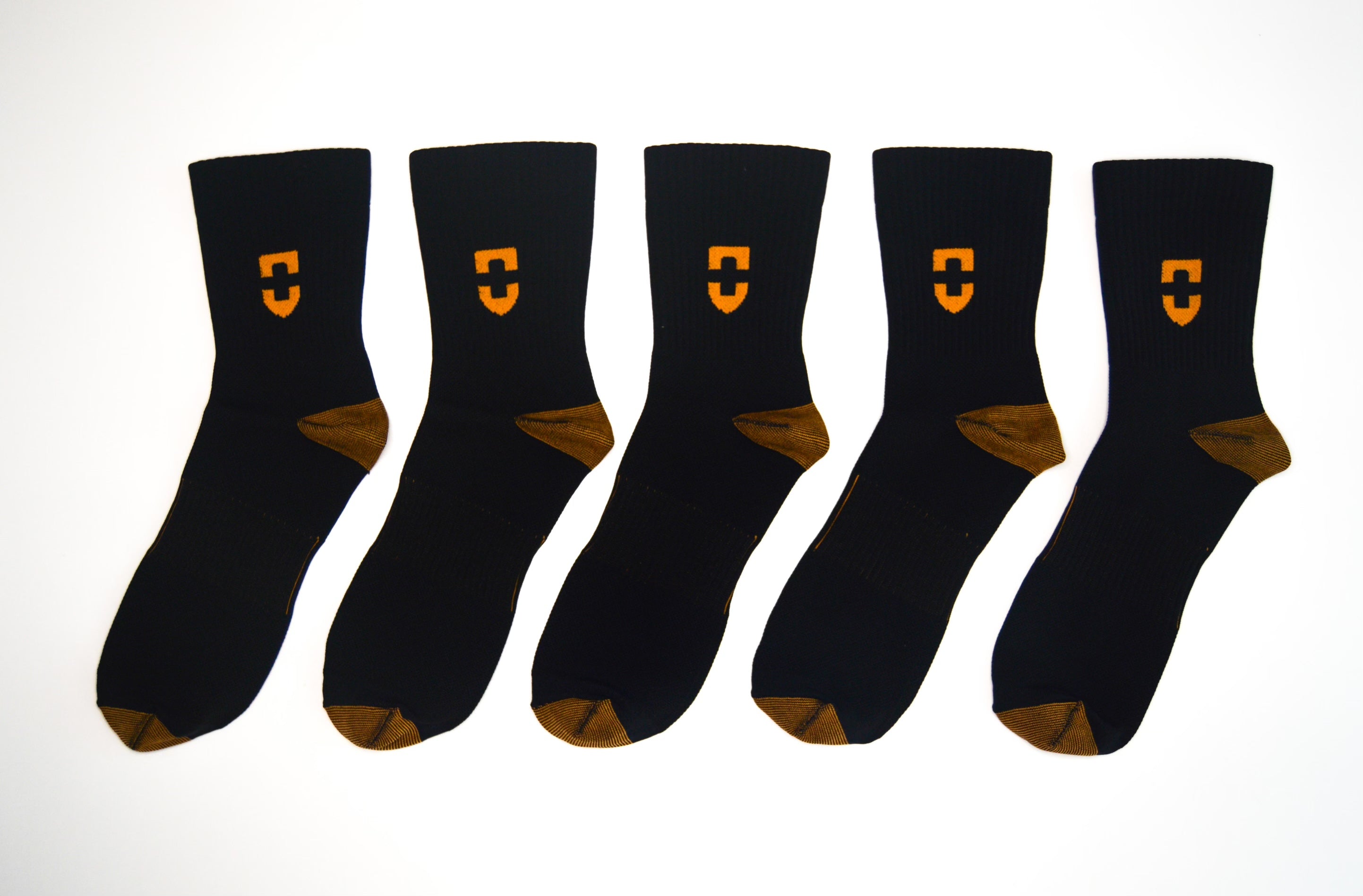
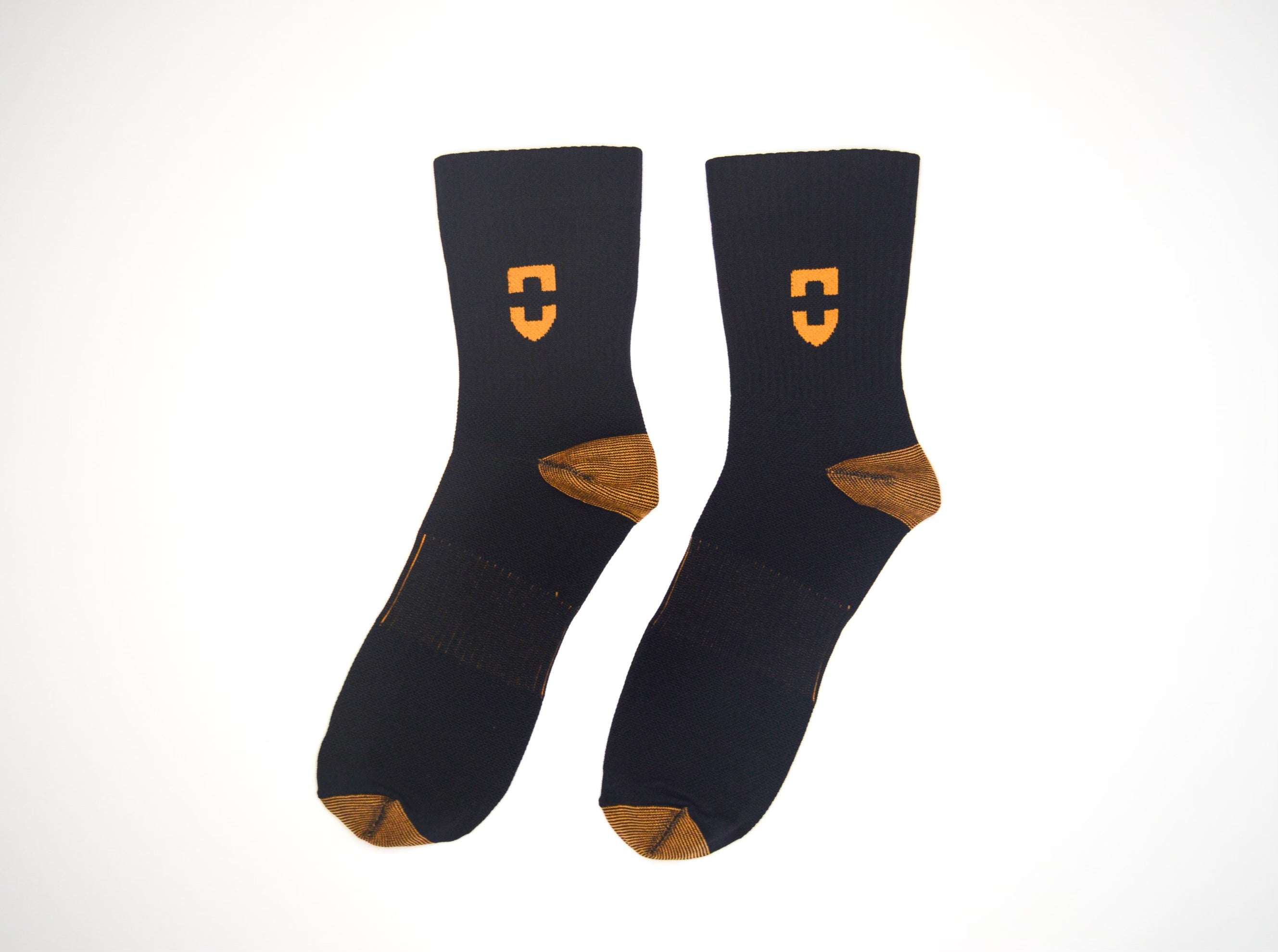
5-Pack Short Compression Copper Infused Socks
- Breathable Compression Fabric & Comfortable
- 8-15mmHg of Compression
- Best socks for long flights and travel
- Sale price
- £59.95
- Regular price
- £64.95
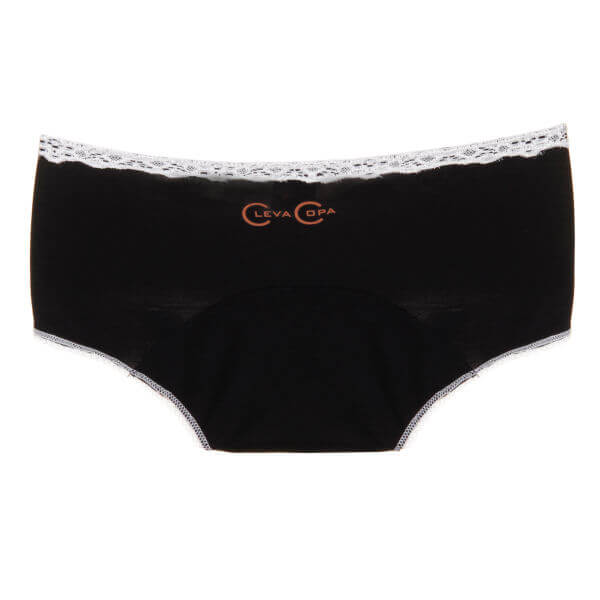
Womens Copper Infused Briefs
- Soft cotton & bamboo blend
- Breathable lightweight feel
- Flexible everyday comfort
- Sale price
- £9.99
- Regular price
- £9.99
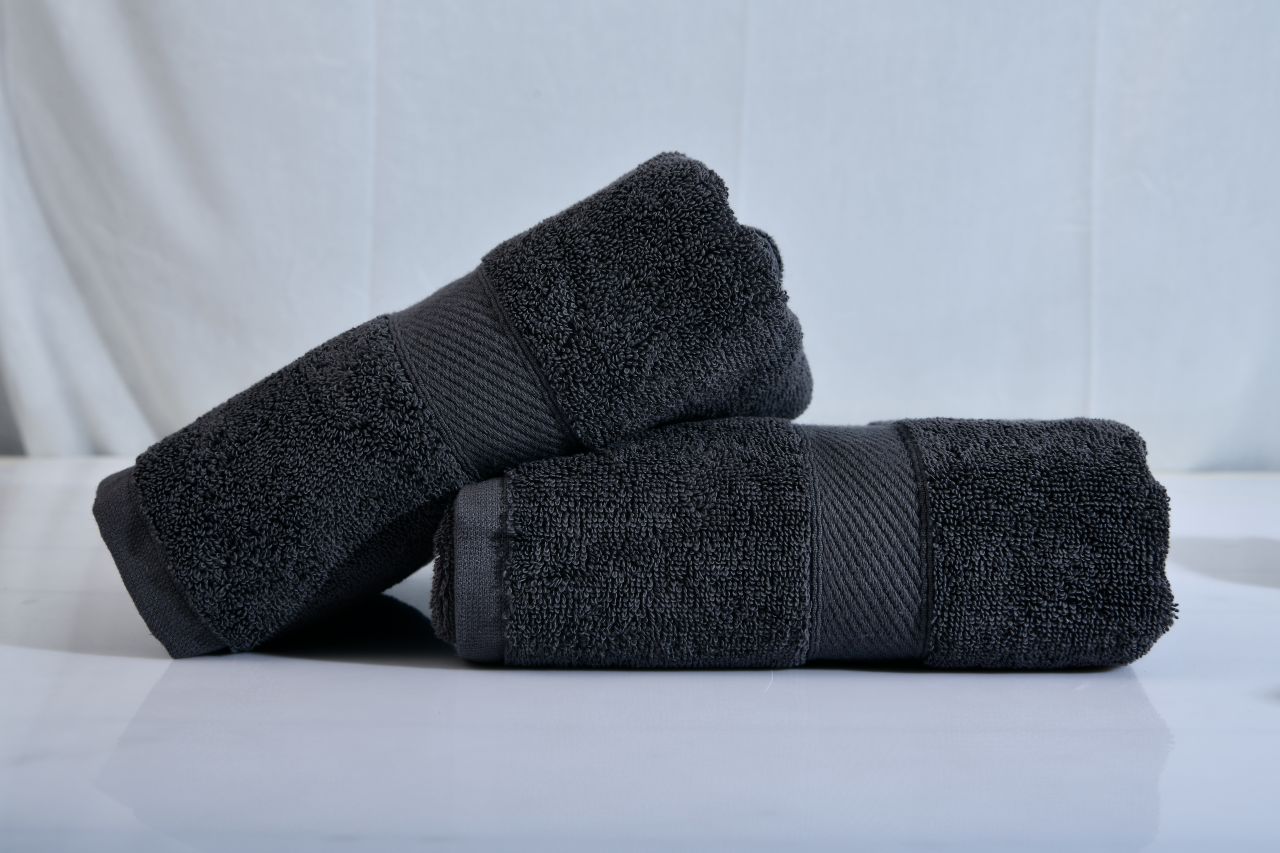
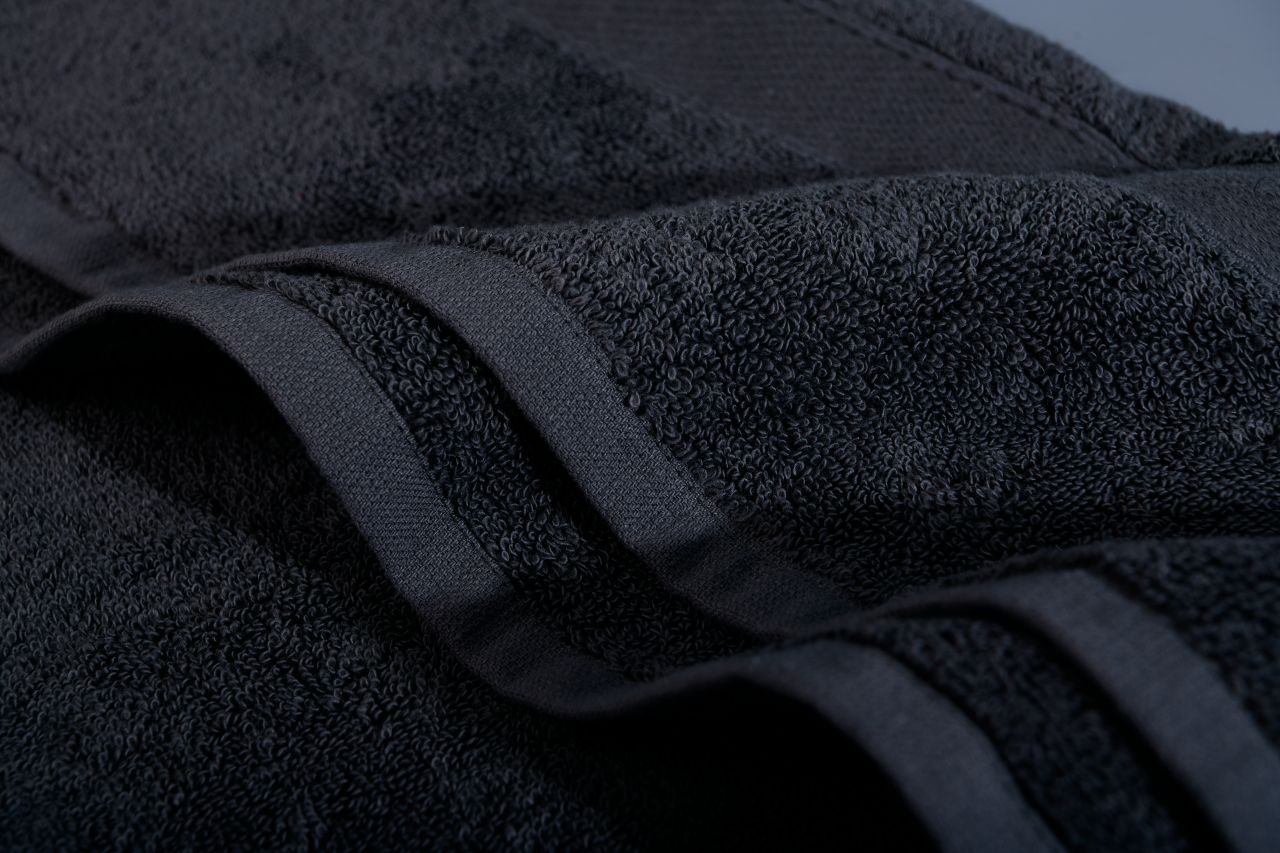
Copper Infused Bath & Gym Towel — 500 GSM Premium Cotton
- 500 GSM Cotton Cloth
- Soft & Premium
- Lightweight & Durable
- Child and Pet-Friendly
- Sale price
- £19.99
- Regular price
- £19.99

