


Compression Socks for Nurses: Comfort & Support All Day
Author

Rory Donnelly
Published
September 30 2022
If you're a nurse, you already know the feeling: you finish a 12-hour shift, and your legs are heavy, swollen, and aching before you even reach the car park. You're not imagining it. Standing and walking for extended periods causes blood to pool in the lower legs, and over time, this leads to varicose veins, chronic swelling, and deep fatigue that carries into your days off.
Compression socks are one of the simplest, most effective tools to fight back. And if you're going to invest in a pair, it's worth knowing exactly what to look for, starting with the right compression level, the right materials, and why copper-infused options are increasingly the choice of experienced healthcare professionals.
This guide covers everything you need.
Why are Nurses at Risk?
Nurses spend long hours on their feet, often working 12-hour or longer shifts with limited breaks. Prolonged standing can place extra stress on the legs and feet, leading to poor circulation, swelling, soreness, fatigue, and other lower leg problems. Studies have also linked extended work hours in healthcare to increased physical strain, discomfort, and health risks.
How do Compression Socks Work for Nurses?
Compression socks are tight-fit socks that are stretchable and work by gently applying pressure over your ankles and calves (if you wear long ones). This pressure promotes blood circulation, reduces pain and swelling, and prevents clot formation. Nurses can benefit from this as compression stockings assist the body in returning the blood to the heart to prevent it from accumulating in the legs while standing.
What Do Compression Socks Actually Do for Nurses?
Compression socks are elasticated garments that apply graduated pressure to the lower legs, tightest at the ankle, gradually easing toward the knee. This graduated design works with your body's circulation system, not against it.
-
Reduces Leg Fatigue and Soreness
Fatigue, pain and soreness in the legs are some of the most common complaints nurses have due to the long hours of continuous standing. Along with stressing the mind, it even stresses your body. Compression socks increase blood and oxygen circulation to your legs by applying pressure to alleviate discomfort and pain. Moreover, standing for long can result in building lactic acid in your muscles. Compression socks can help eliminate this build-up to improve the soreness in your legs.
-
Provides Relief from Lymphedema
Lymphedema is a medical condition that causes a blockage in your lymphatic system, resulting in swollen legs and arms. It can be caused due to damaged lymph nodes as a result of radiation or chemotherapy. Compression socks can help you with lymphedema, in combination with other treatments, by giving you relief from the swelling. They offer pressure on the legs, around the ankles and feet to help your lymphatic system work properly.
-
Scales Down Varicose and Spider Veins
Varicose veins happen when your veins bulge out, become visible under the skin or twist and turn. Whereas the spider veins are smaller and resemble spider webs. There are chances of getting this condition when you stand for too long. This might happen due to the pooling of blood in the lower extremities. Compression socks help relieve varicose and spider veins difficulties by fitting perfectly around your foot and encouraging the blood flow back to the heart.
-
Reduces Chances of Developing DVT
DVT, Deep Vein Thrombosis, occurs when blood clots form in your deep veins. They sometimes might break free, travel through your bloodstream and block it. This blockage can cause pulmonary embolism, a blockage in your lungs, which can become life-threatening.
Compression therapy is known to reduce the occurrence of DVT. Compression socks allow your vascular system to function properly, reducing the risk of developing clots. Some doctors recommend compression socks to treat DVT, along with regular treatments if blood clots are already formed.
Moreover, a study by the Society of Occupational Medicine showed that compression stockings decreased lower limb venous pressure in nurses who had to stand for long hours. The stockings protected their feet against oxidative stress.
-
Regenerates Damaged Tissues
Nurses standing on their feet for the entire day miss out on the nutrients and oxygen required for their legs. Compression socks are known to apply pressure and get the blood to circulate healthily. They help regenerate damaged tissues and recover from injuries quickly.
-
Increases Your Overall Comfort
One of the biggest reasons nurses need compression socks is because it increases comfort throughout the day. All of the above benefits of compression socks will combine and decrease your discomfort. You won't feel your legs hurting or turning sore at the end of the shift, and you are less likely to develop blisters.
Studies back this up: research cited across nursing and vascular health literature has found that the majority of hospital-based nurses who regularly wear compression socks report noticeably improved leg health and reduced swelling compared to those who don't.
Why Copper Compression Socks Are the Right Choice for Nurses
Standard compression socks are a step in the right direction. Copper compression socks are a meaningful upgrade for anyone spending 12-hour shifts in healthcare settings.
Think about what a regular shift involves: enclosed footwear for 10–12 hours, physical exertion producing consistent sweat, exposure to clinical environments where pathogens are present, and repeated friction from constant movement.
Copper-infused compression socks address all of these simultaneously:
- They improve circulation through graduated compression combating fatigue, swelling, and varicose vein development, just like any quality compression sock.
- They fight infection through the natural antimicrobial action of copper ions, which are scientifically proven to inactivate bacteria, fungi, and viruses on contact, including antibiotic-resistant organisms.
- They stay fresher longer, the odour-fighting properties mean the socks remain hygienic and fresh even after a double shift.
- They last longer because the copper is bonded at a molecular level into the yarn, the antimicrobial and health benefits don't wash out. They persist for the life of the garment.
For nurses, who have genuinely demanding foot and leg health requirements that go beyond a casual office worker or even an athlete, this combination is hard to beat.
Featured product in this article

Long Copper Infused Compression Socks
What is the Correct Compression Level for Nurses?
| Compression Level | mmHg Range | Best For |
|---|---|---|
| Mild | 8-15 mmHg | Light daily support, preventive use, new to compression |
| Moderate | 15-20 mmHg | Most nurses, 8–12 hour shifts, general swelling & fatigue |
| Firm | 20-30 mmHg | Existing varicose veins, heavier swelling, and more active roles |
| Extra Firm | 30-40 mmHg | Medical conditions only; usually requires prescription |
The recommendation for most nurses: 15–20 mmHg.
This level provides meaningful circulatory support without feeling restrictive through a long shift. It's the "goldilocks zone" — strong enough to combat swelling and fatigue but gentle enough for 12+ hours of continuous wear.
If you're already experiencing varicose veins, significant ankle swelling, or more pronounced circulatory symptoms, stepping up to 20–30 mmHg is often the next move. Always consult your GP or occupational health team if you're unsure.
Compression Socks by Nursing Speciality
Not all nursing roles put the same demands on your legs. Here's how to match your socks to your work environment:
-
Emergency & Trauma Nursing (ER/A&E)
High-movement, unpredictable shifts mean you need durable, snug-fitting compression that won't slip during fast pivots. Opt for moderate-to-firm compression (15-30 mmHg) with reinforced heels and strong arch support.
-
Theatre / Surgical Nursing (OR)
Long periods of standing in one position make circulation especially challenging. Seamless footbeds reduce hotspot friction, and arch support becomes critical. 15-20 mmHg with a cushioned sole is ideal.
-
ICU / Critical Care
Slightly lower mobility but intense focus. Comfort over a full shift is priority, breathable, moisture-wicking fabric in the 15-20 mmHg range with a seamless toe construction.
-
General Medical / Surgical Ward (Floor Nursing)
Constant walking, bed-to-bed movement. A well-rounded 15-20 mmHg sock with good elasticity, breathability, and a stay-up cuff works best.
-
Community / District Nursing
Mix of walking, driving, and home visits. A lighter 15-20 mmHg with all-day wearability and easy pull-on design suits the varied demands.
What to Look for When Buying Compression Socks as a Nurse
With dozens of options on the market, here's what actually matters:
1. Graduated Compression (Not Just "Tight")
Look explicitly for "graduated compression" on the label. A sock that's uniformly tight — like a thick athletic sock doesn't provide the circulatory benefit. The compression must be strongest at the ankle and taper upward.
2. Knee-High Length
Knee-high compression socks offer the best balance of full lower-leg coverage and practical wearability with scrubs. Ankle compression socks don't provide enough coverage; thigh-highs are often unnecessary for typical nursing use and harder to wear all day.
3. Moisture-Wicking, Breathable Fabric
Nurses' feet produce significant sweat over a 12-hour shift. Poor breathability leads to odour, fungal infections, and general discomfort. Look for nylon/spandex blends or natural fibres with moisture-management properties.
4. Copper Infusion: The Smarter Upgrade
Standard compression socks tackle circulation. Copper-infused compression socks do that and more. The copper ions are embedded into the yarn at a molecular level, meaning they last the lifetime of the sock, not just a few washes.
5. Seamless Toe Construction
Bulky seams at the toe cause friction hotspots over long shifts. A seamless or flat-knit toe box dramatically reduces the chance of blisters and irritation.
6. Reinforced Heel and Arch
High-movement nursing roles put stress on the heel and arch. A reinforced heel extends the sock's lifespan and provides extra cushioning where impact is greatest. Arch support bands reduce foot fatigue specifically.
7. Fit: Size Matters More Than You Think
Compression socks that are too small cut off circulation and cause discomfort. Too large, and they won't deliver the compression level they're rated at. Always size by calf circumference and shoe size, not just shoe size alone. Most brands publish sizing charts; use them.
What Else Can Nurses do to Take Care of Their Feet?
Nurses must take extra time after they clock out for the day. Standing on your feet is not easy; hence, after a long shift, ensure you provide your feet with the best care as a thank-you note!Here are some foot-care tips that can ensure that your feet are strong to endure the hectic work schedules:
-
Stretch
Muscles tend to become stiff when standing, walking or sitting for hours on end. Stretching, especially the leg stretch, must be done at least once an hour. It helps to reinvigorate blood flow and work up the muscles.
-
Ice
Ice the tired, sore and stiff muscles for about 20 minutes any time after your shift. You can place your feet in a tub filled with ice water to get an instant ice compress.
-
Massage
Massage improves blood flow and works those sore muscles. For sore soles, use a muscle ball roller or a tennis ball. Hold on to a wall and roll out the soreness using your body weight. Massage rolling devices work great on tight and stiff muscles of the calves and thighs.
-
Elevate
Before going to bed, use some pillows to keep the feet in an elevated position. This exercise reduces inflammation and improves blood circulation.
-
Spoil
This one is our favourite! After a long hard day, consider a pedicure or a foot massage to relieve pain and reduce inflammation.
-
Choose the Right Footwear
Apart from wearing compression socks, it is also important to find a comfortable and supportive pair of nursing shoes that can uplift the health of your feet!
Give Your Feet the Care and Love They Deserve!
As a nurse, taking proper care of your feet is crucial since most of your shifts require you to stand. If you are suffering from acute foot and leg pain, continue using the RICE (rest, ice, compression and elevation) method to treat it without the intervention of medications. However, if you experience chronic pain, compression socks, good quality and correct size nurse shoes, and a self-care routine can help you greatly. If the pain persists, we recommend visiting a doctor.
Support your legs through long nursing shifts with Copper Compression Socks.
Grab now →
-

Post-Workout Hygiene: What You Shouldn’t Ign...
April 15, 2026
-

Compression Socks for Desk Job
April 15, 2026
-

Running in Cold Weather? Learn Benefits, Saf...
March 26, 2026
-

Sweaty Feet: Causes, Remedies, and Preventio...
March 12, 2026
-

Post Run Recovery: Can Compression Socks Rea...
February 24, 2026


Popular Products
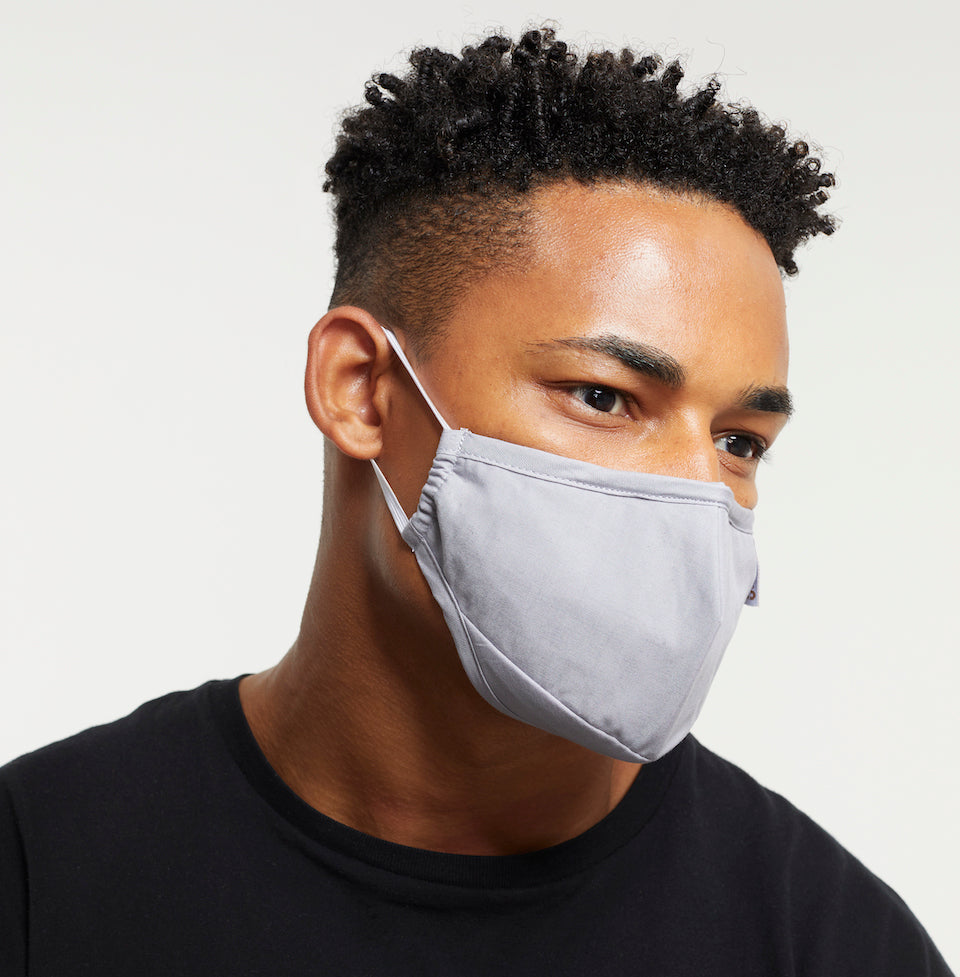
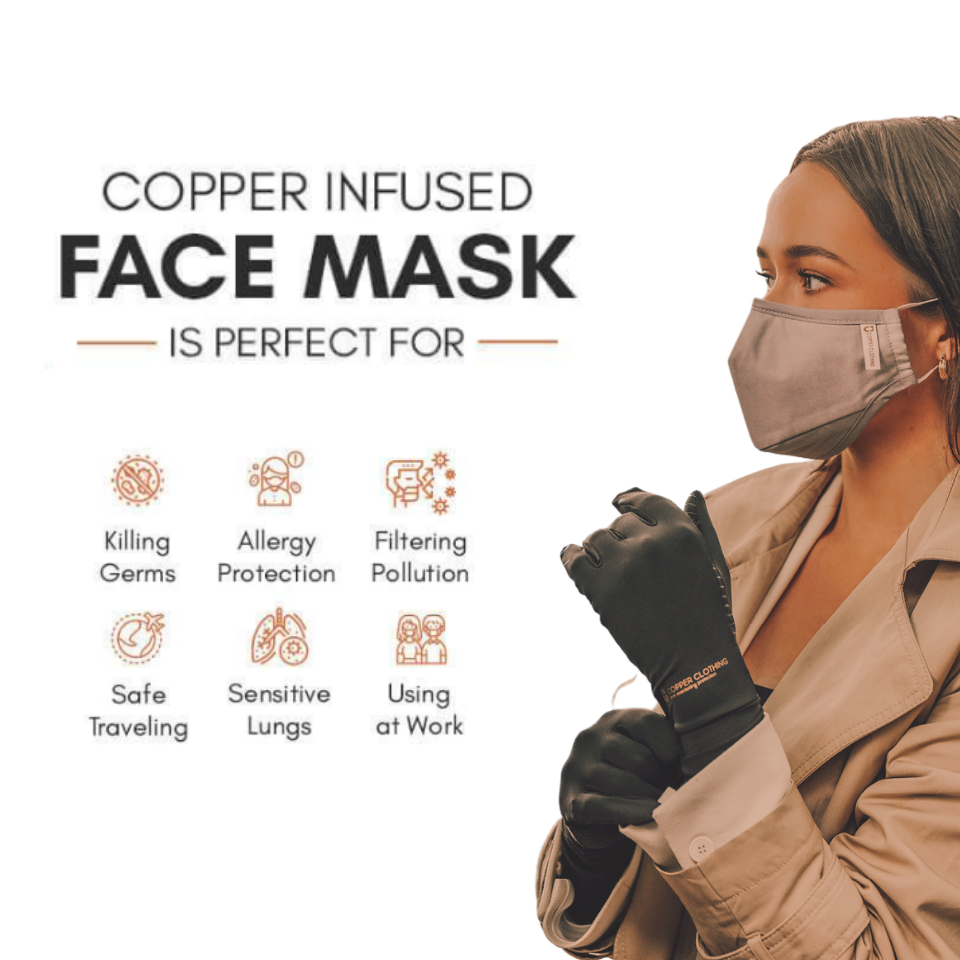
FFP2 CE Four-Layer Copper Infused Face Mask
- Four layers of protection
- Comfortable & washable
- Sale price
- £22.99
- Regular price
- £22.99
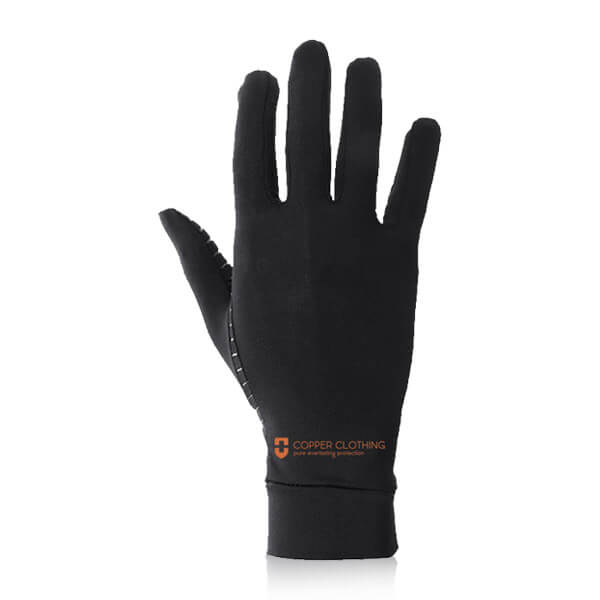
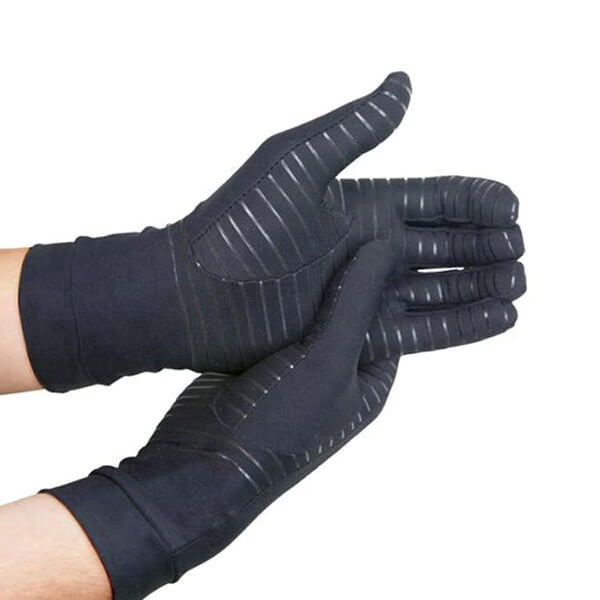
Full Finger Gloves (Copper Gloves)
- Ultimate comfort & flexibility
- Provides warmth and comfort for hands
- Washable
- Sale price
- £22.99
- Regular price
- £22.99
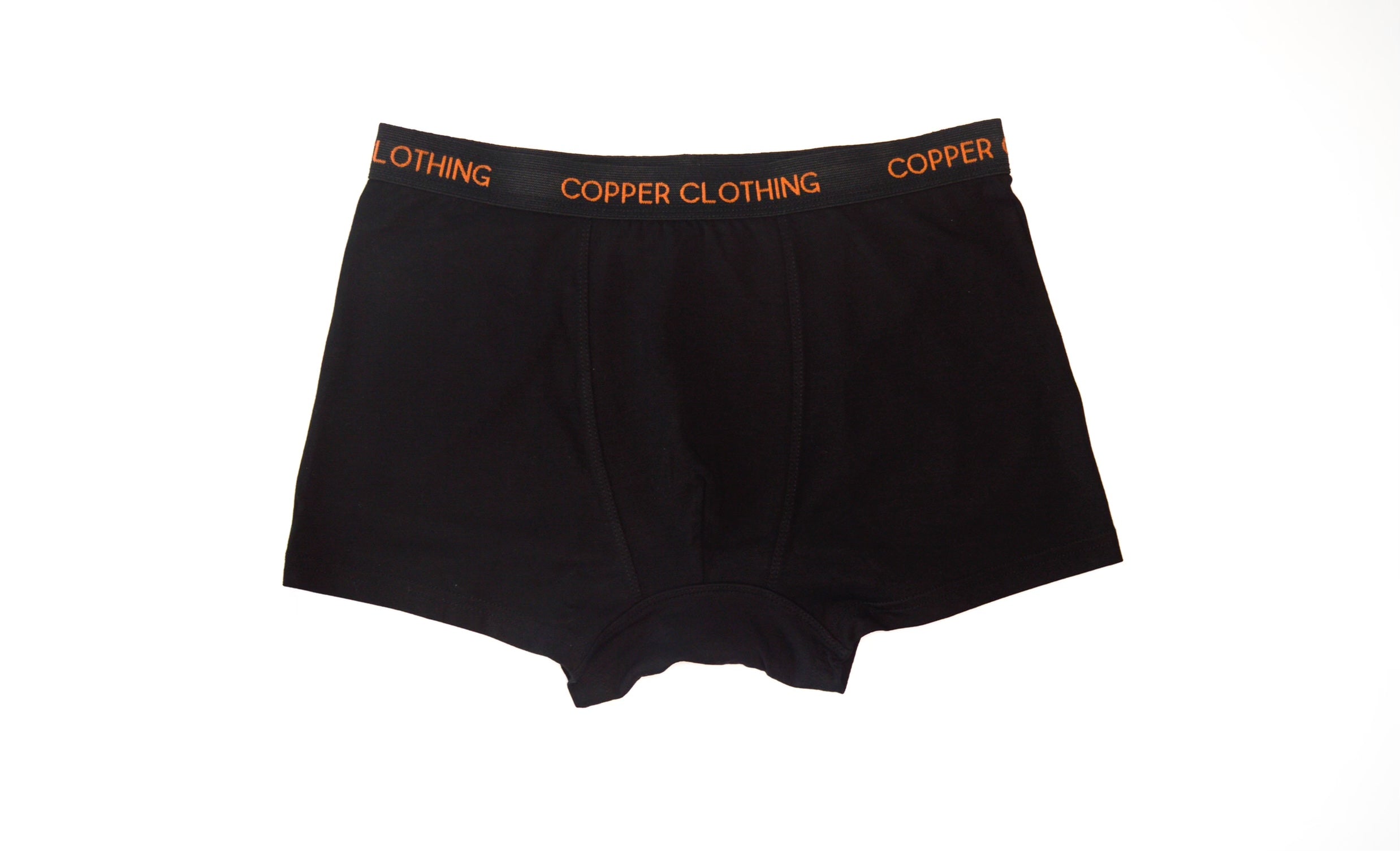
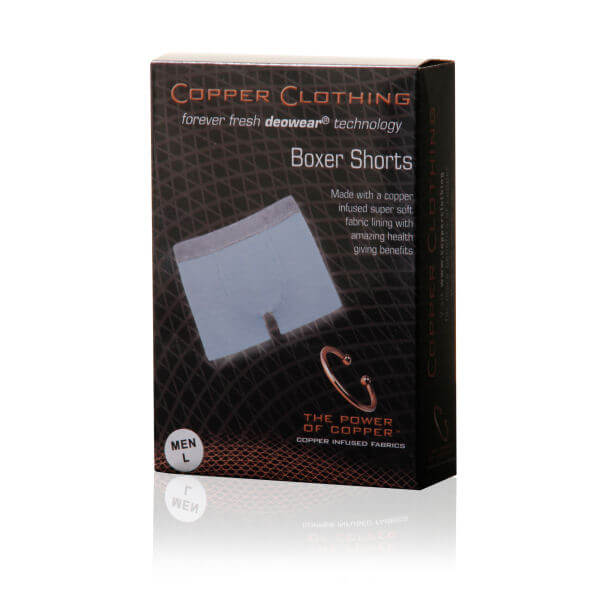
Men’s Copper Boxer Shorts – Soft, Breathable Underwear for Everyday Comfort
- Soft cotton & bamboo blend
- Breathable & lightweight feel
- Stretch comfort for daily movement
- Sale price
- £9.99
- Regular price
- £9.99
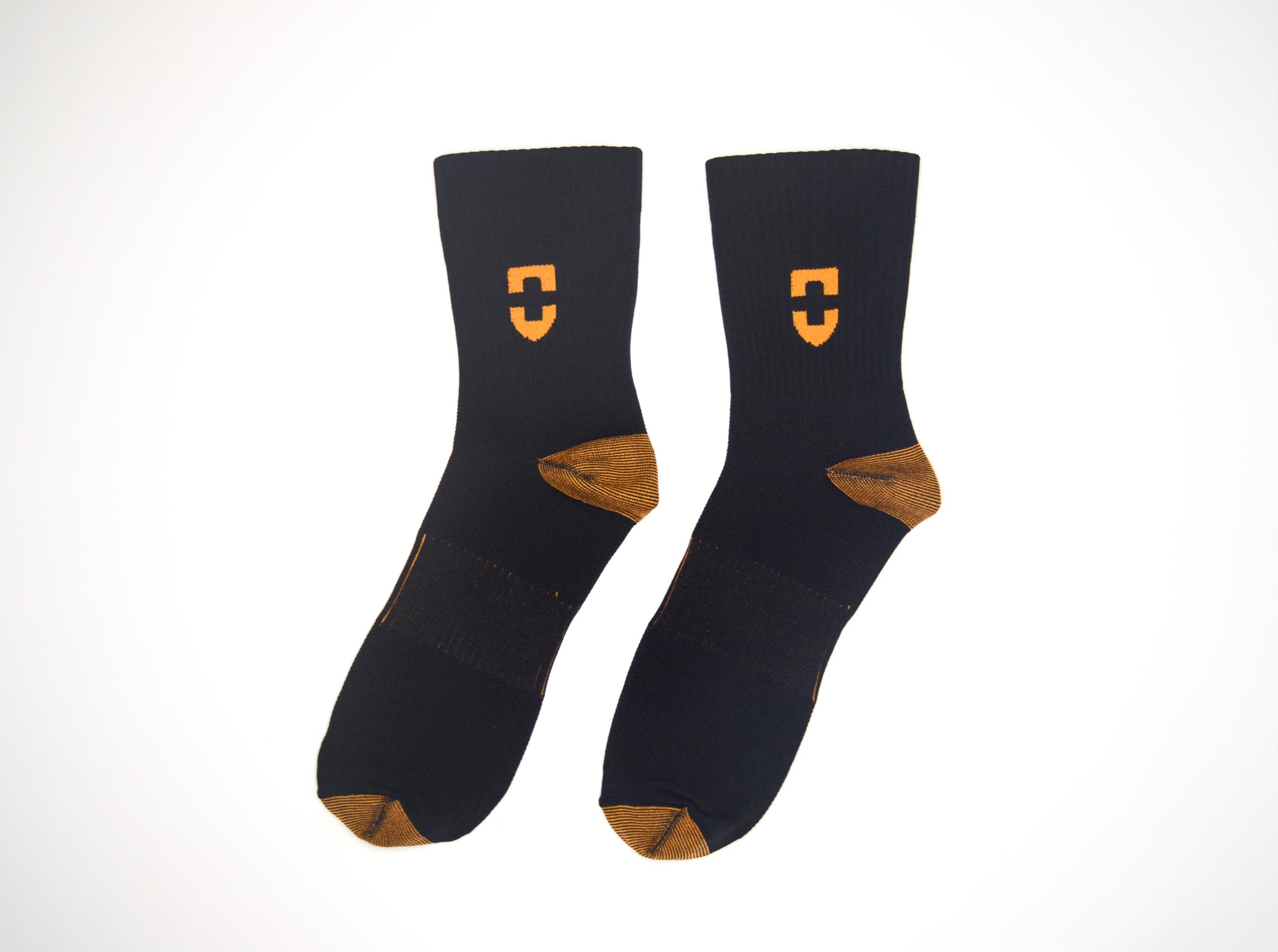
Short Compression Copper Infused Socks
- Breathable Compression Fabric, Comfortable & Durable
- 8 - 15mmHg of Compression
- Best socks for long flights and journey
- Sale price
- £12.99
- Regular price
- £12.99
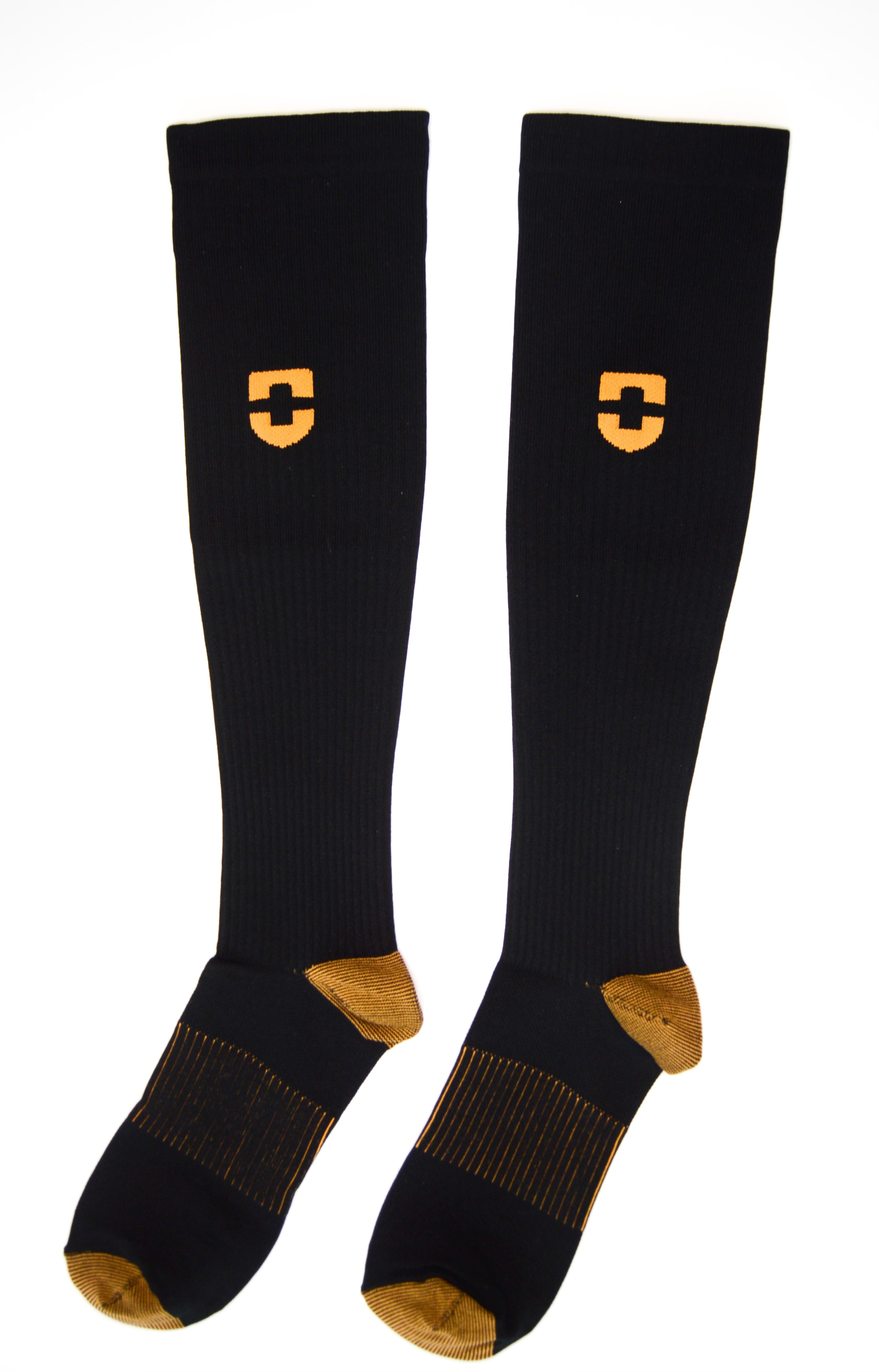
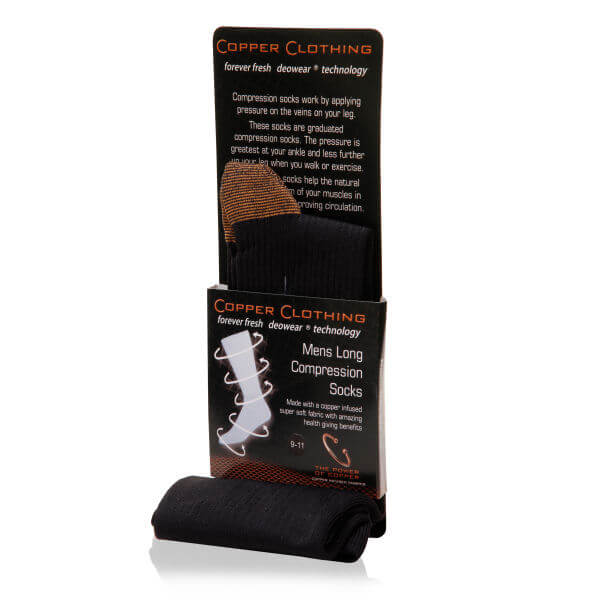
Long Copper Infused Compression Socks
- Breathable Compression Fabric, Comfortable & Durable
- 8 - 15mmHg of Compression
- Best socks for long flights and journey
- Sale price
- £15.99
- Regular price
- £15.99
Ladies Copper Infused Pyjamas
- Luxuriously Soft Cotton & Bamboo
- Ideal for daily wear
- Sale price
- £49.99
- Regular price
- £49.99
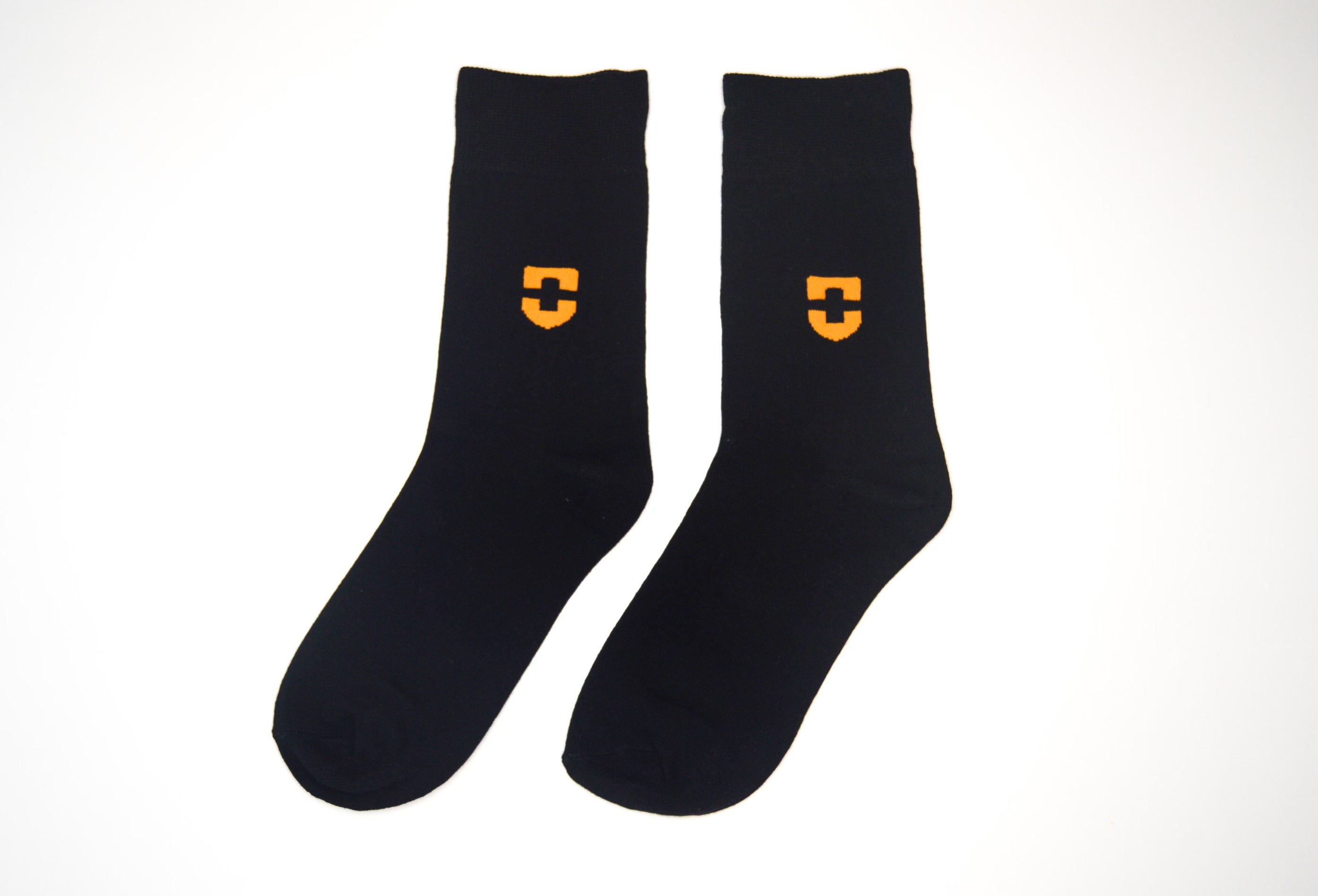
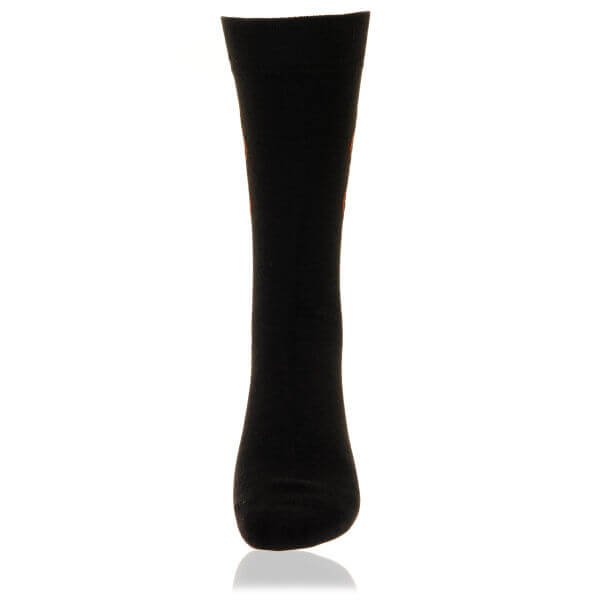
Everyday Copper Socks – Soft, Breathable Socks for Daily Comfort
- Soft & breathable fabric
- Comfortable for long-hour wear
- Lightweight everyday fit
- Sale price
- £9.99
- Regular price
- £9.99
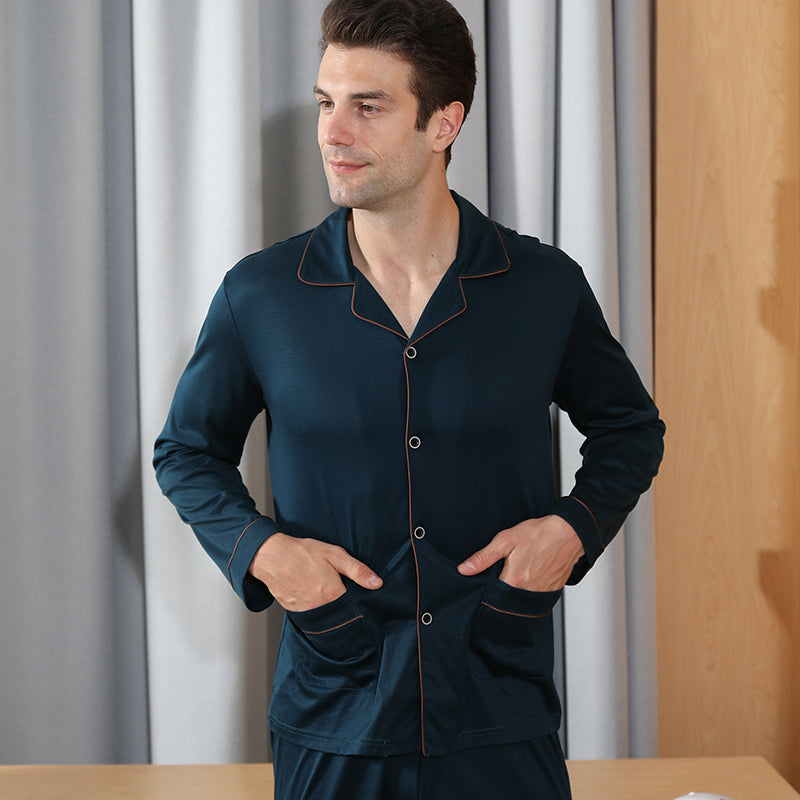
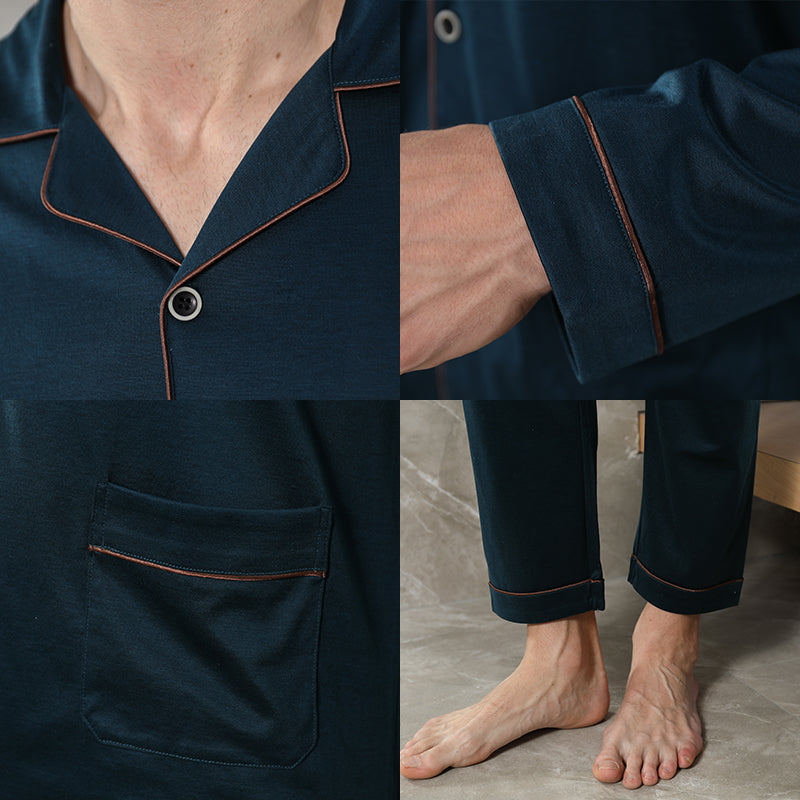
Mens Copper Infused Pyjamas
- Luxuriously Soft Cotton & Bamboo
- Promotes Healthier & Softer Skin
- Sale price
- £54.99
- Regular price
- £54.99
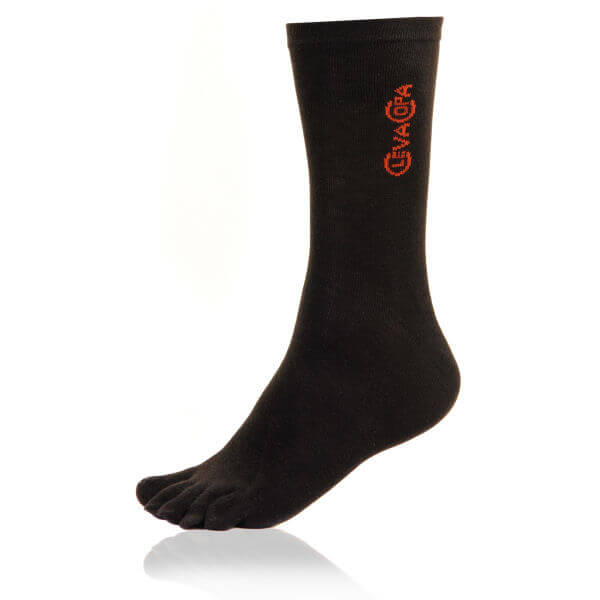
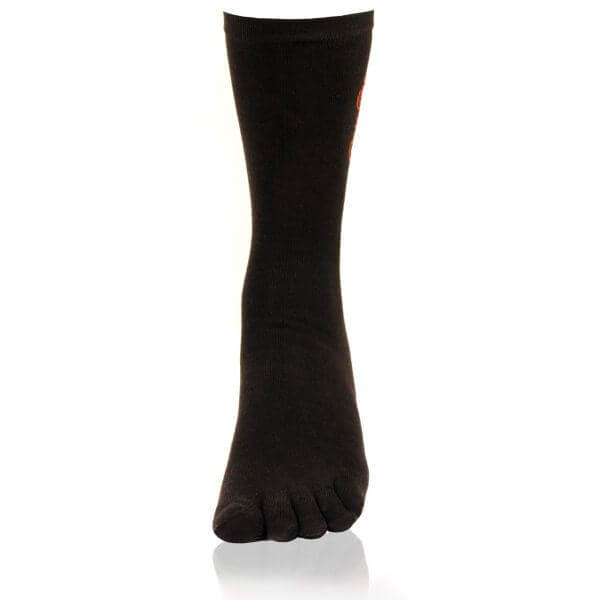
Copper Infused Five Toe Socks
- Promotes Softer Healthier Feet
- Completely Seamless
- Best for long journey and flights
- Sale price
- £14.99
- Regular price
- £14.99
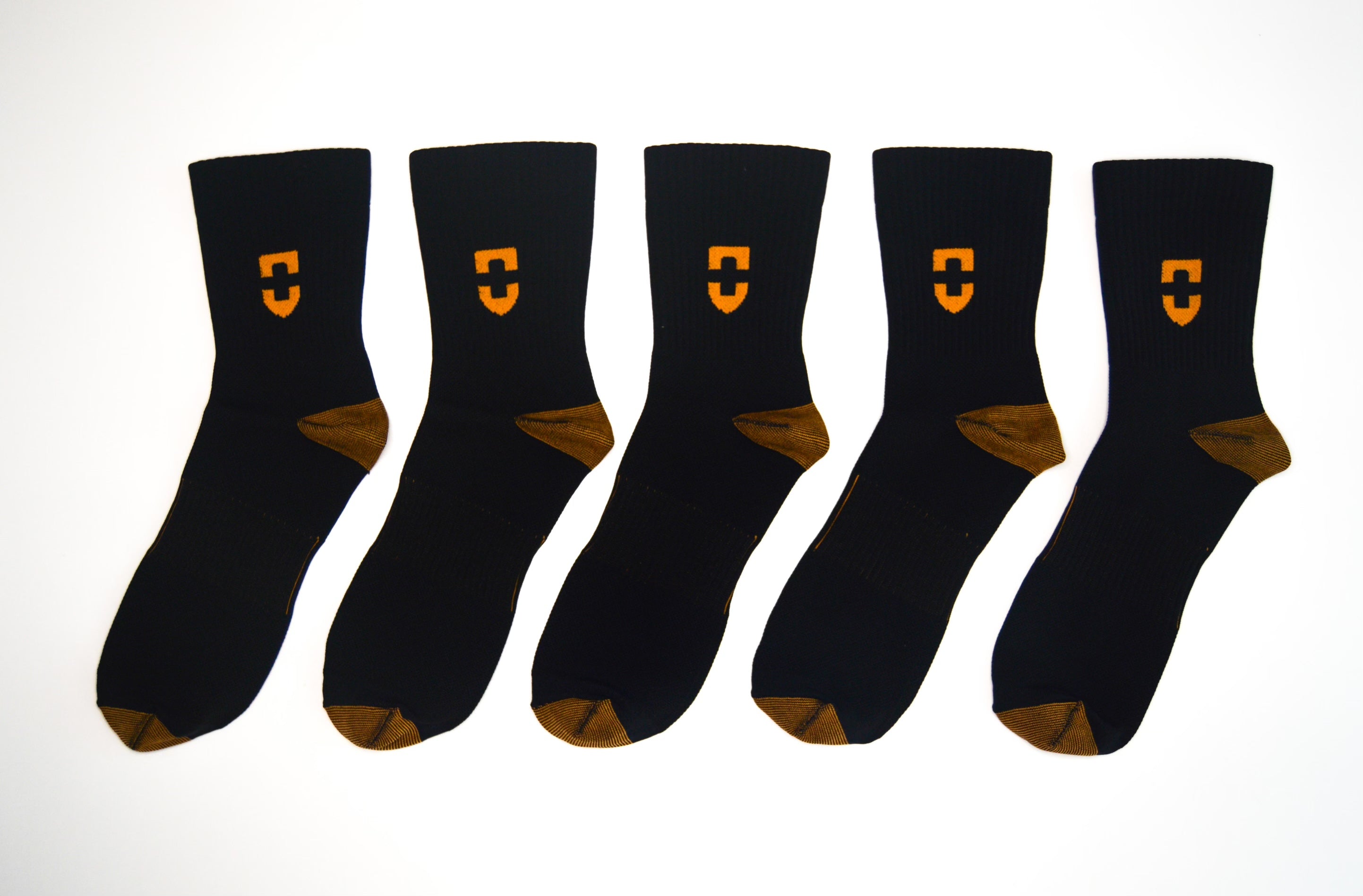
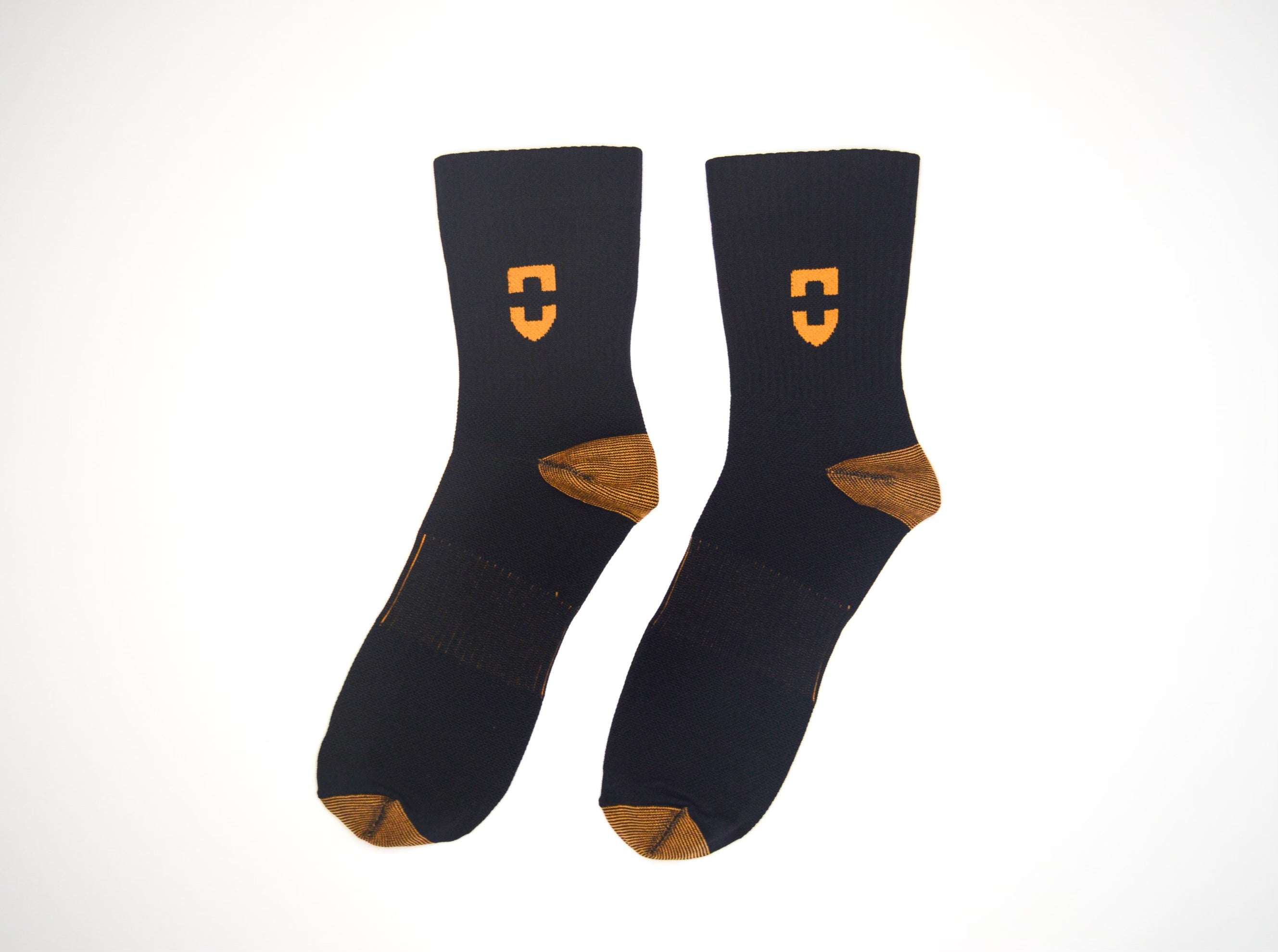
5-Pack Short Compression Copper Infused Socks
- Breathable Compression Fabric & Comfortable
- 8-15mmHg of Compression
- Best socks for long flights and travel
- Sale price
- £59.95
- Regular price
- £64.95
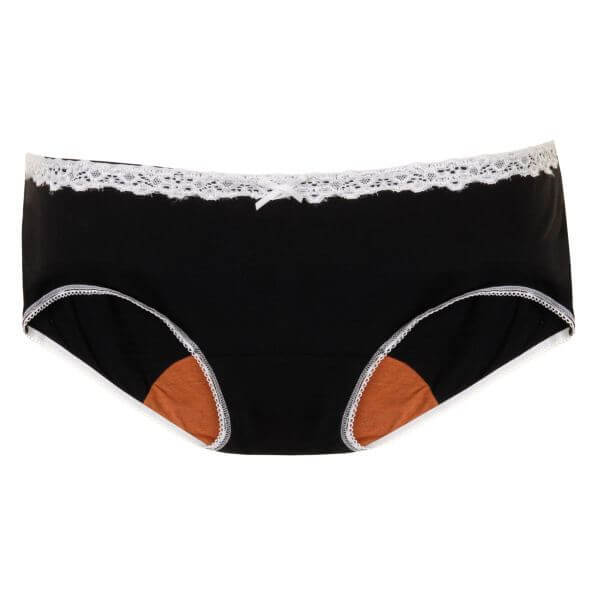
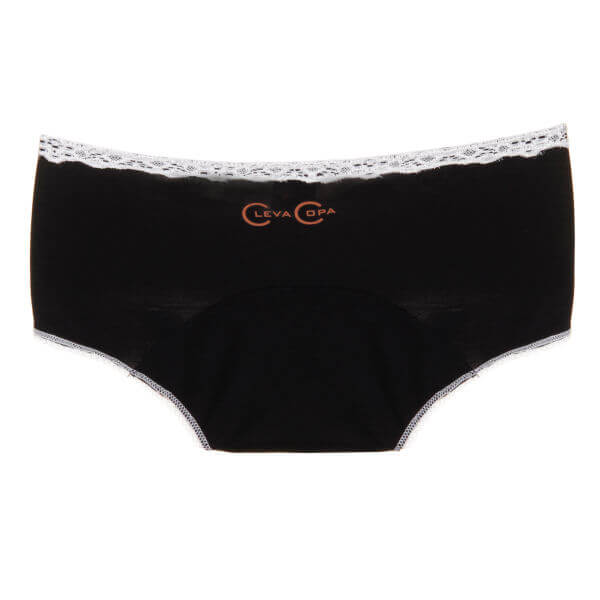
Womens Copper Infused Briefs
- Soft cotton & bamboo blend
- Breathable lightweight feel
- Flexible everyday comfort
- Sale price
- £9.99
- Regular price
- £9.99
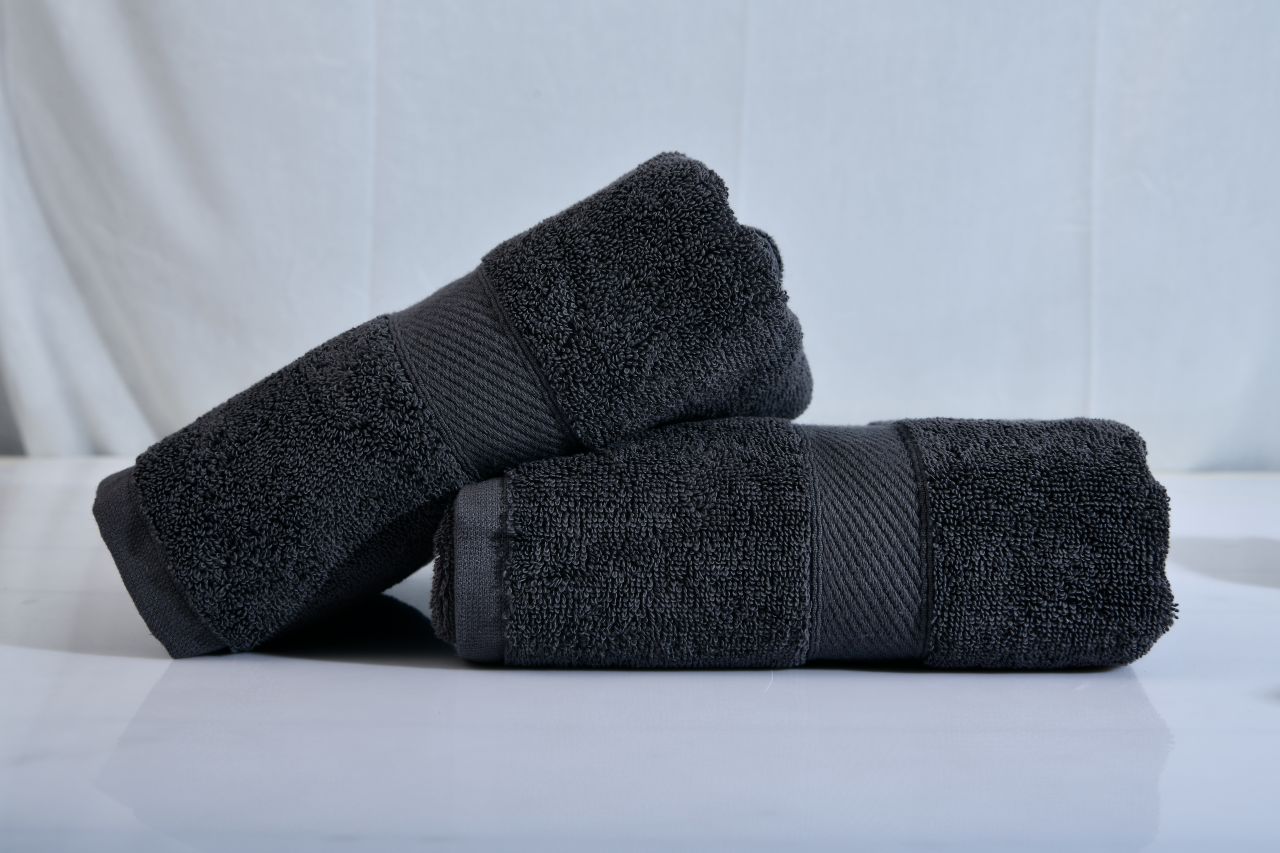
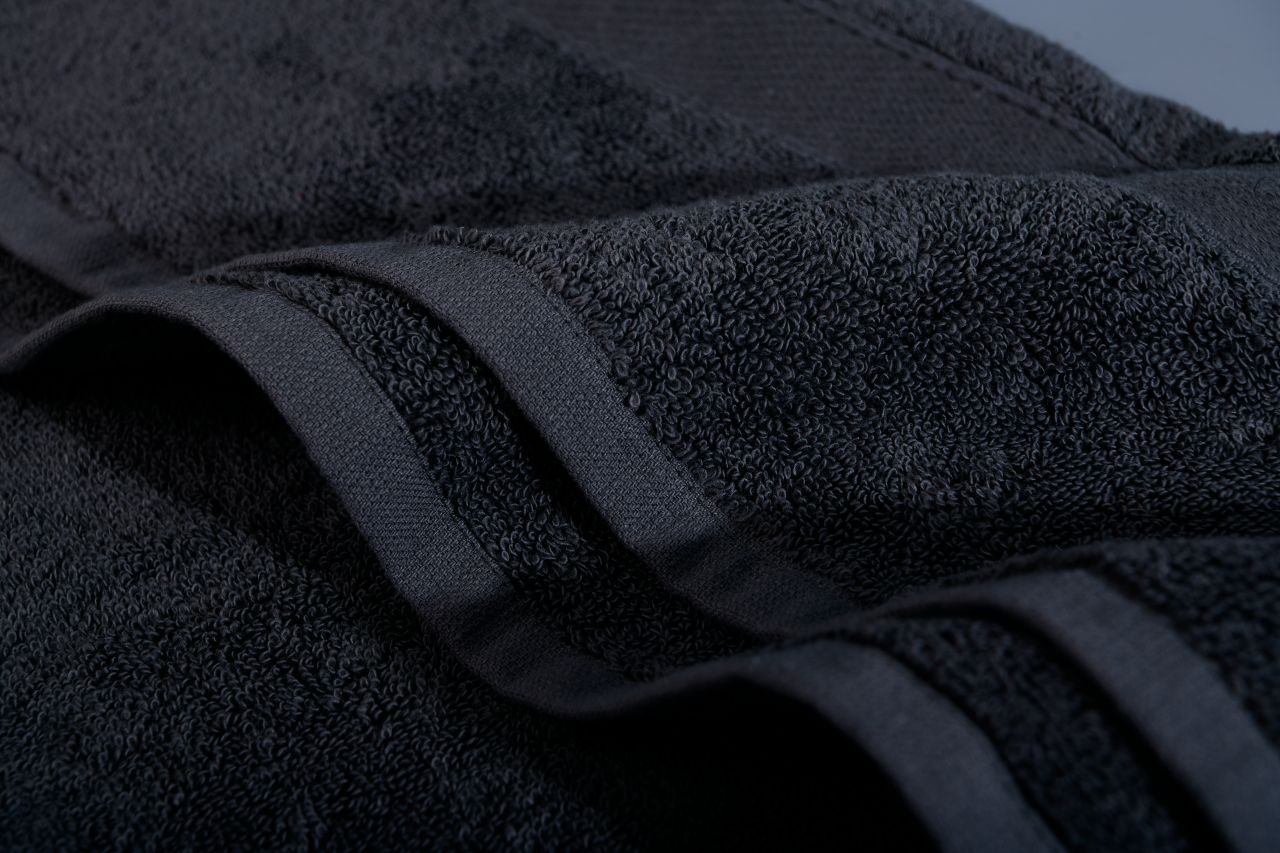
Copper Infused Bath & Gym Towel — 500 GSM Premium Cotton
- 500 GSM Cotton Cloth
- Soft & Premium
- Lightweight & Durable
- Child and Pet-Friendly
- Sale price
- £19.99
- Regular price
- £19.99

