


Compression Socks for Pots: Do They really Help?
Author

Rory Donnelly
Published
September 19 2024
Yes, compression socks (typically 20–30 mmHg) are a highly effective, evidence-based management tool for POTS. They help by reducing blood pooling in the legs, which decreases tachycardia (high heart rate), limits blood pressure drops, and reduces dizziness, fatigue, and brain fog when standing.
In this article, we’ll discuss how compression socks can be a practical and beneficial component of managing POTS.
What Is POTS?
Postural Orthostatic Tachycardia Syndrome (POTS) is a condition that affects the autonomic nervous system, specifically the regulation of blood flow and heart rate. People with POTS experience a sudden and dramatic increase in heart rate when they move from a lying or sitting position to standing. This increase in heart rate can cause dizziness, light-headedness, fainting, and fatigue, among other symptoms.
Though it affects both men and women, it is more common in females, especially during adolescence or young adulthood.
What Causes POTS?
While the exact cause of POTS is still unclear, researchers have identified several possible triggers that can vary from person to person. These triggers fall into different subtypes:
- Neuropathic POTS: Caused by nerve damage that weakens the blood vessel muscles, particularly in the legs and abdomen, leading to poor circulation.
- Hyperadrenergic POTS: This form is linked to an overactive sympathetic nervous system, which controls the bodys fight or flight response.
- Hypovolemic POTS: Occurs when low blood volume causes similar symptoms to other forms, often overlapping with neuropathic and hyperadrenergic types.
There’s also evidence that POTS might be an autoimmune disorder, where the immune system mistakenly attacks healthy tissues.
Certain life events, such as puberty, pregnancy, major surgery, significant blood loss, or viral infections, may trigger or worsen POTS by disrupting the autonomic nervous system.
How Can Compression Socks Help Manage POTS Symptoms?
Compression socks apply gentle therapeutic pressure that helps blood circulate more efficiently and prevents it from pooling in the legs. This makes them a useful preventative option for managing symptoms of Postural Orthostatic Tachycardia Syndrome, which are often linked to blood pooling in the lower extremities.
A 2021 study found that lower leg compression can help relieve POTS symptoms, with even better results seen when using graduated compression socks or stockings. These are tightest at the ankle and gradually loosen toward the knee or waist, helping move blood upward, support vein function, and reduce the risk of varicose veins.
The Benefits of Compression Socks for POTS
Research shows that compression therapy can support people with POTS, especially when applied to the lower body. Compression socks help improve local blood flow and support overall circulation, making them a practical tool for managing symptoms.
Regulation of Heart Rate and Blood Pressure
Graduated compression socks encourage blood to flow back toward the heart, helping prevent sudden drops in blood pressure when moving from sitting to standing. This supports a steady blood supply to the brain and reduces dizziness.
Improved Blood Circulation
By limiting blood pooling in the lower legs, compression socks promote better circulation throughout the body. This can help maintain energy levels and reduce leg discomfort, swelling, and fatigue
Reduced Venous Pooling and Better Venous Return
Compression socks support vein function by guiding blood from the lower legs back toward the heart. This improves venous return and helps maintain a healthier circulatory system, which is key in managing POTS symptoms.
Reduced Dizziness and Lightheadedness
With more stable circulation, the chances of feeling lightheaded when standing decrease. Compression socks are especially helpful during long periods of inactivity, such as travel, when blood tends to pool in the legs. Instead of succumbing to the downward pressure of gravity, your veins keep pumping blood towards the heart, keeping you more balanced overall and reducing the risk of POTS symptoms.
Minimized Swelling and Edema
Poor circulation often leads to swelling in the lower legs. Compression socks help reduce fluid buildup, ease muscle pressure, and relieve the heavy, tired feeling in the legs.
Choosing the Right Compression Socks for POTS
Not all POTS compression socks are created equal. Depending on your needs, your doctor may recommend different types based on factors like the severity of your condition, the area affected, and your personal comfort. Here’s what to consider when choosing the best socks for POTS:
Compression Levels
Compression socks come in various pressure levels. The right level depends on how much support your circulation needs.
- Mild Compression (8-15 mmHg): Ideal for those with mild symptoms or for preventive care. These socks offer light support and are generally comfortable for everyday wear.
- Moderate Compression (15-20 mmHg): These provide more significant support and are often recommended for managing symptoms during activities like walking or standing for extended periods.
- Firm Compression (20-30 mmHg): Firm compression socks offer strong support and are typically used by individuals with more pronounced symptoms or those looking for extra relief during long hours of standing.
- Extra-Firm Compression (30-40 mmHg): These socks offer the highest level of non-prescription compression. They are used for severe POTS symptoms or for those who experience significant blood pooling in the legs.
- Prescription-Level Compression (>40 mmHg): For the most severe cases, prescription-strength compression socks may be necessary, but they should only be used under medical guidance.
Pick Your Copper Compression Socks for POTS Today
Shop now →Sock Length Options
Choosing the right sock length depends on where you need the most support:
- Knee-High Compression Socks: These are the most common type and are designed to support the legs up to the knee. They are ideal for most POTS patients who experience blood pooling in the lower legs.
- Open-Toe Compression Stockings: These socks offer the same benefits as regular compression socks but with open toes for added comfort, particularly in warmer weather or for individuals who need room for foot movement.
- Compression Tights: For full-leg support, compression tights cover both the legs and abdomen. They can be beneficial for people who experience blood pooling in both the legs and the pelvic area.
Material and Breathability
Different materials offer varying levels of comfort, moisture control, and durability.
- Regular Cotton: Cotton socks are soft and breathable, ideal for everyday comfort. However, they may not provide the specialized compression needed for more serious symptoms.
- Copper-Infused Fabric: These socks are designed to enhance breathability and reduce odor with their antimicrobial properties. They offer extra comfort and a fresh feeling.
Featured product in this article

5-Pack Long Copper Infused Compression Socks
- Merino Wool: Known for its natural moisture-wicking and temperature-regulating properties, merino wool is an excellent choice for individuals who want to keep their feet dry and comfortable, especially in colder climates.
- Nylon: A durable and flexible material that offers good compression and maintains its shape over time.
- Moisture-Wick Nylon: This variant is designed to keep feet dry by effectively wicking away sweat, adding to overall comfort and effectiveness.
Compression Socks for POTS: Do’s and Don’ts
To get the best results from compression socks, a few simple habits can make a big difference.
Do’s:
-
Put them on in the morning before getting out of bed to help prevent blood pooling from the start of the day.
-
Wear your socks during the day, especially if you will be standing or sitting for long periods.
-
Wash them regularly to maintain elasticity, effectiveness, and hygiene.
Don’ts:
-
Avoid wearing compression socks while sleeping unless advised by a healthcare provider.
-
Try not to ignore signs of discomfort or tightness; ill-fitting socks can cause more harm than good.
-
Avoid skipping medical consultations; compression socks are most effective when integrated into a broader management plan.
Tips for Thriving with POTS Beyond Socks:
While compression socks are a valuable tool, managing POTS requires a holistic approach. Here are some additional tips:
-
Hydration: Stay well hydrated to support blood volume. Including electrolyte-rich fluids and foods can be especially beneficial.
-
Exercise: Engage in gentle, circulation-friendly activities like swimming, recumbent cycling, or yoga to improve cardiovascular strength.
-
Dietary Adjustments: Eat smaller, more frequent meals to stabilize blood sugar levels. Increasing salt intake may help if recommended by your doctor.
-
Lifestyle Modifications: Avoid staying in one position for too long. Using recliners or elevating your legs can support better blood flow.
-
Clothing Choices: Opt for loose, breathable clothing to avoid restricting circulation further.
Conclusion
Finding the right compression socks for POTS doesn’t have to be overwhelming. The perfect pair can provide much-needed relief and improve your daily comfort. With options ranging from copper-infused socks that reduce odour to moisture-wicking materials that keep your feet dry, there’s something for everyone. Remember, the best choice will fit your unique needs and help you manage your symptoms better. Chat with your healthcare provider to pinpoint the right socks for you and step into a more comfortable and supportive future!
-

Post-Workout Hygiene: What You Shouldn’t Ign...
April 15, 2026
-

Compression Socks for Desk Job
April 15, 2026
-

Running in Cold Weather? Learn Benefits, Saf...
March 26, 2026
-

Sweaty Feet: Causes, Remedies, and Preventio...
March 12, 2026
-

Post Run Recovery: Can Compression Socks Rea...
February 24, 2026


Popular Products
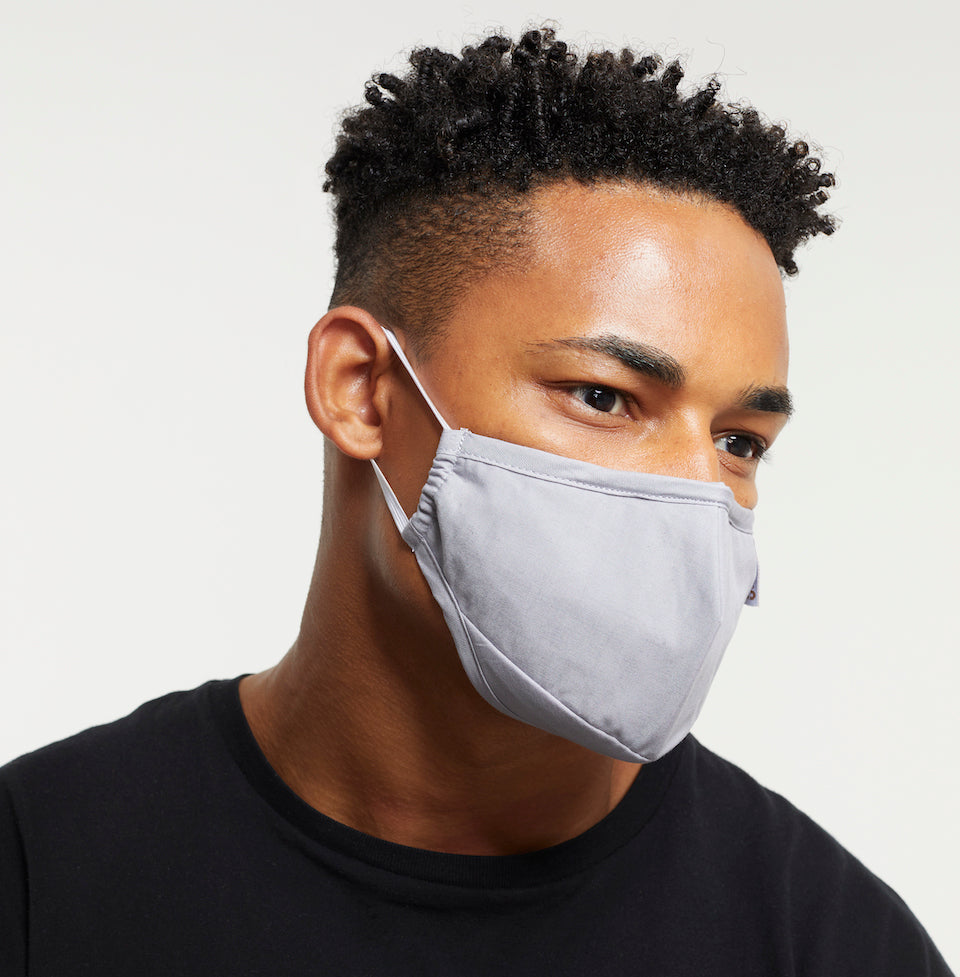
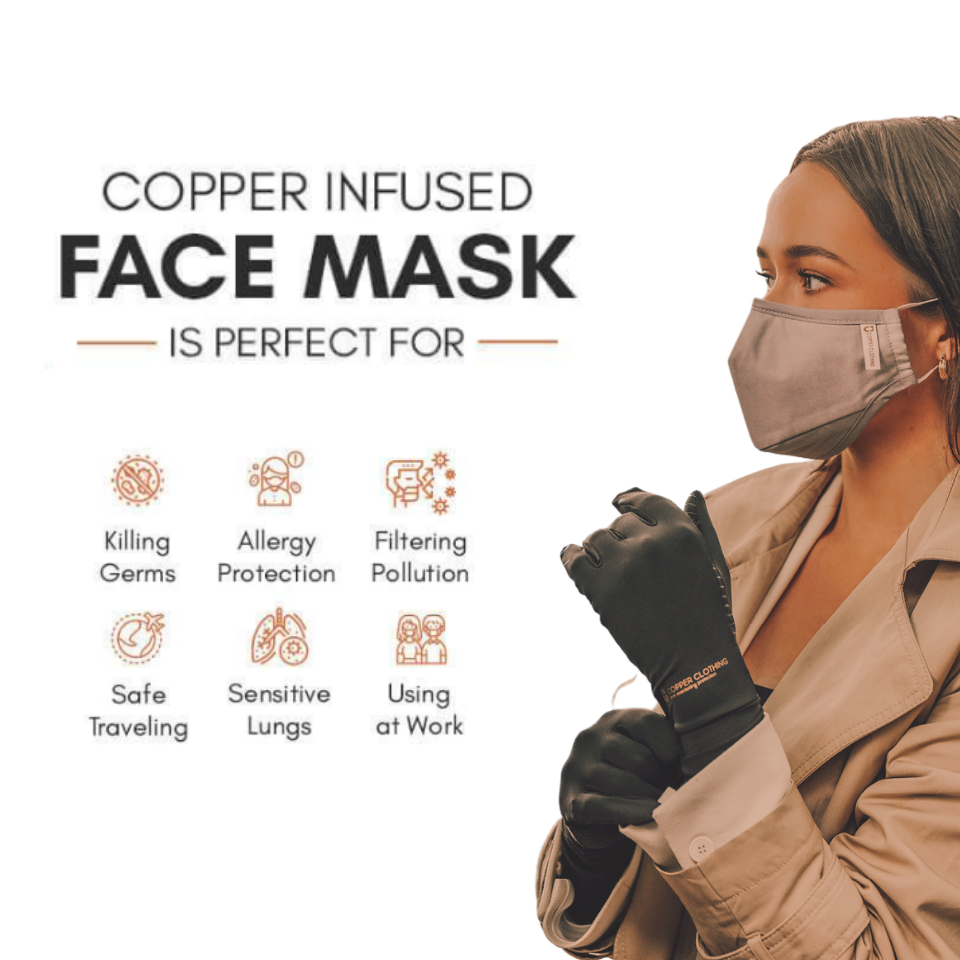
FFP2 CE Four-Layer Copper Infused Face Mask
- Four layers of protection
- Comfortable & washable
- Sale price
- £22.99
- Regular price
- £22.99
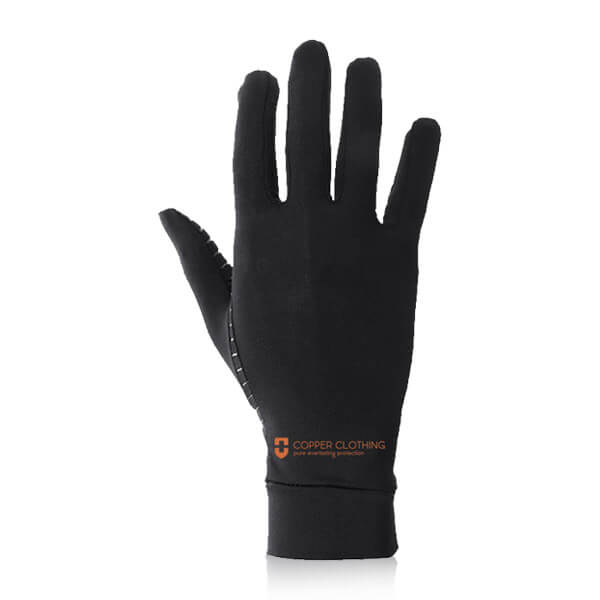
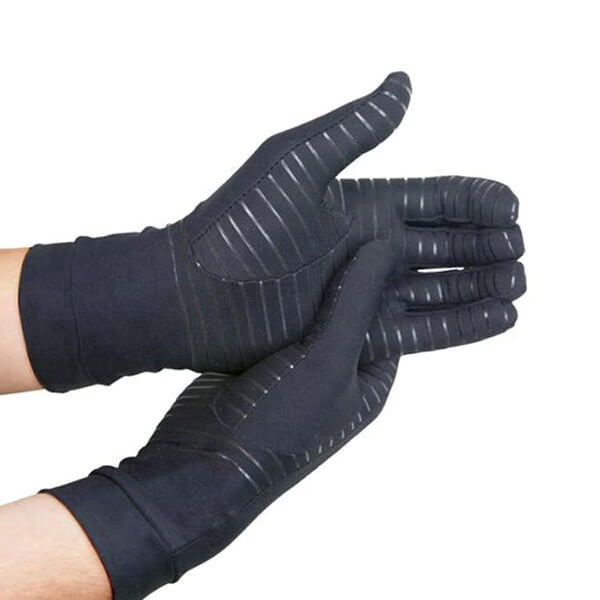
Full Finger Gloves (Copper Gloves)
- Ultimate comfort & flexibility
- Provides warmth and comfort for hands
- Washable
- Sale price
- £22.99
- Regular price
- £22.99
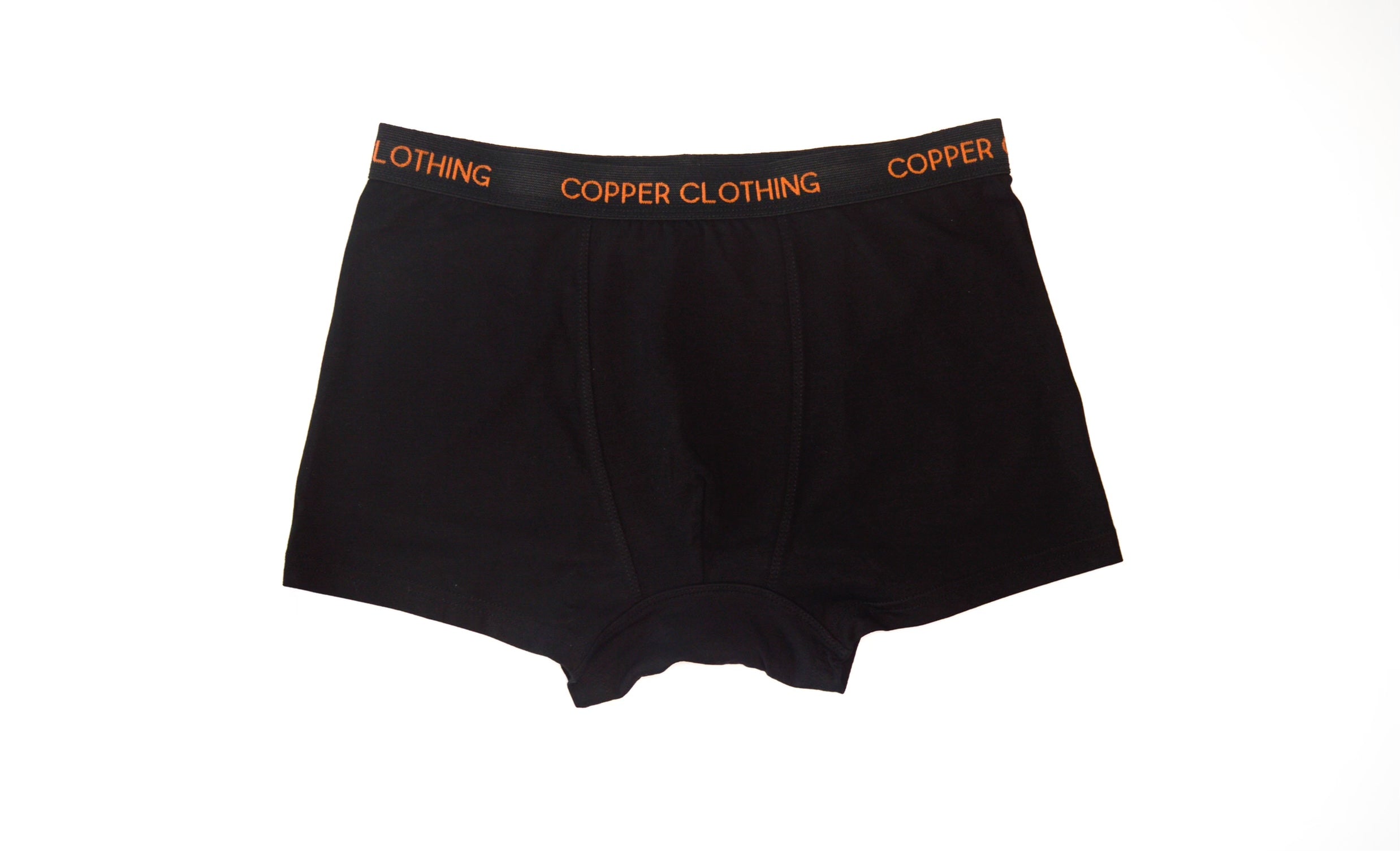
Men’s Copper Boxer Shorts – Soft, Breathable Underwear for Everyday Comfort
- Soft cotton & bamboo blend
- Breathable & lightweight feel
- Stretch comfort for daily movement
- Sale price
- £9.99
- Regular price
- £9.99
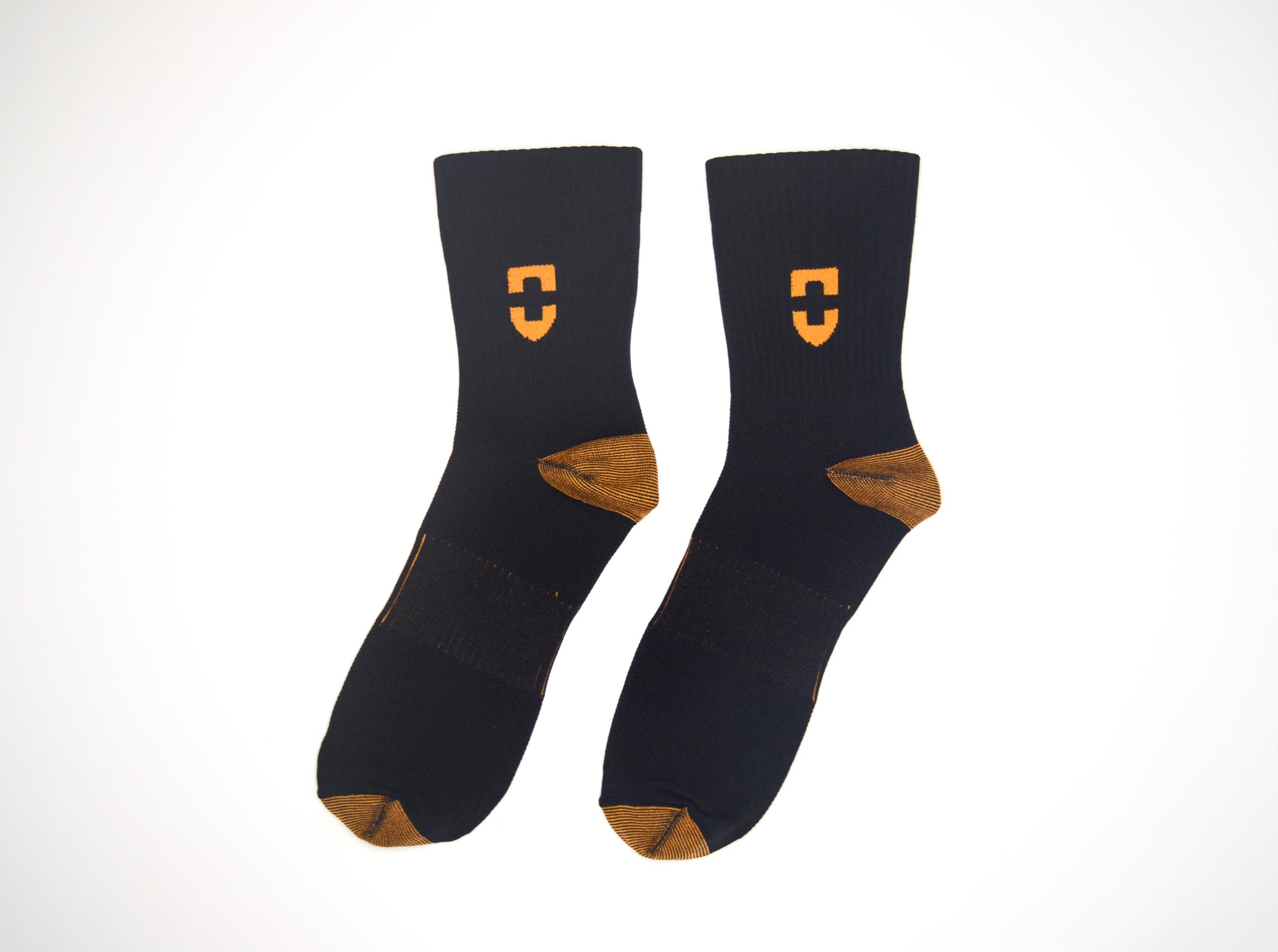
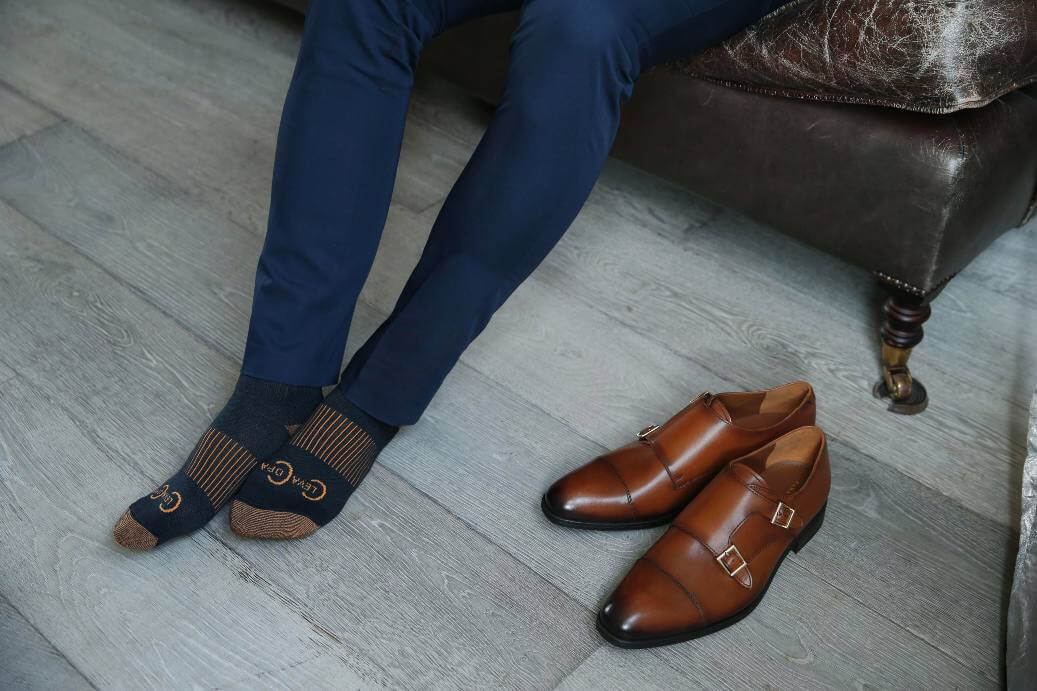
Short Compression Copper Infused Socks
- Breathable Compression Fabric, Comfortable & Durable
- 8 - 15mmHg of Compression
- Best socks for long flights and journey
- Sale price
- £12.99
- Regular price
- £12.99
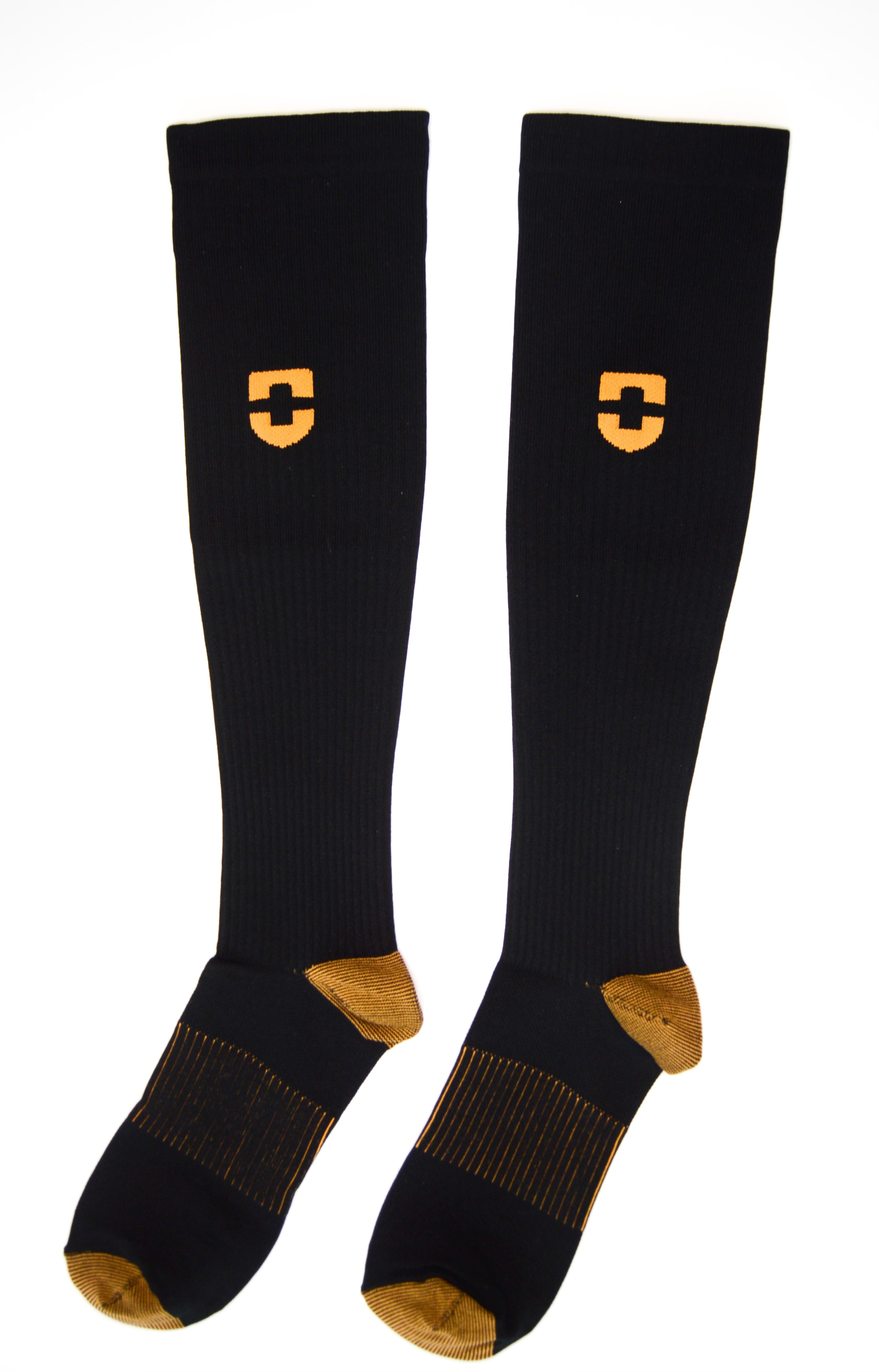
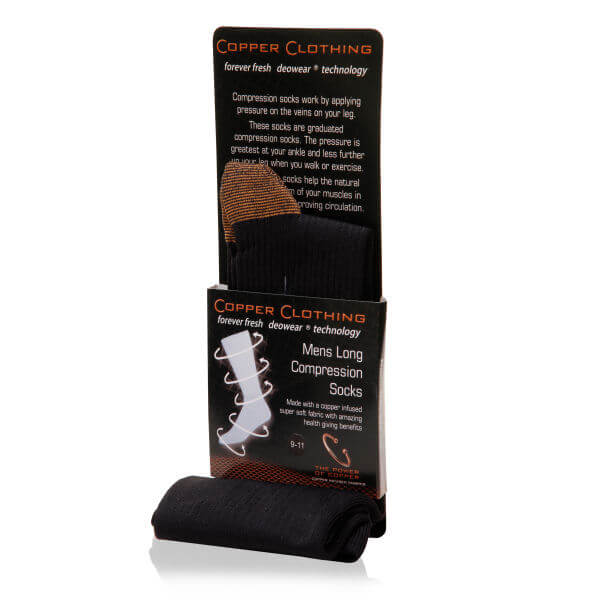
Long Copper Infused Compression Socks
- Breathable Compression Fabric, Comfortable & Durable
- 8 - 15mmHg of Compression
- Best socks for long flights and journey
- Sale price
- £15.99
- Regular price
- £15.99
Ladies Copper Infused Pyjamas
- Luxuriously Soft Cotton & Bamboo
- Ideal for daily wear
- Sale price
- £49.99
- Regular price
- £49.99
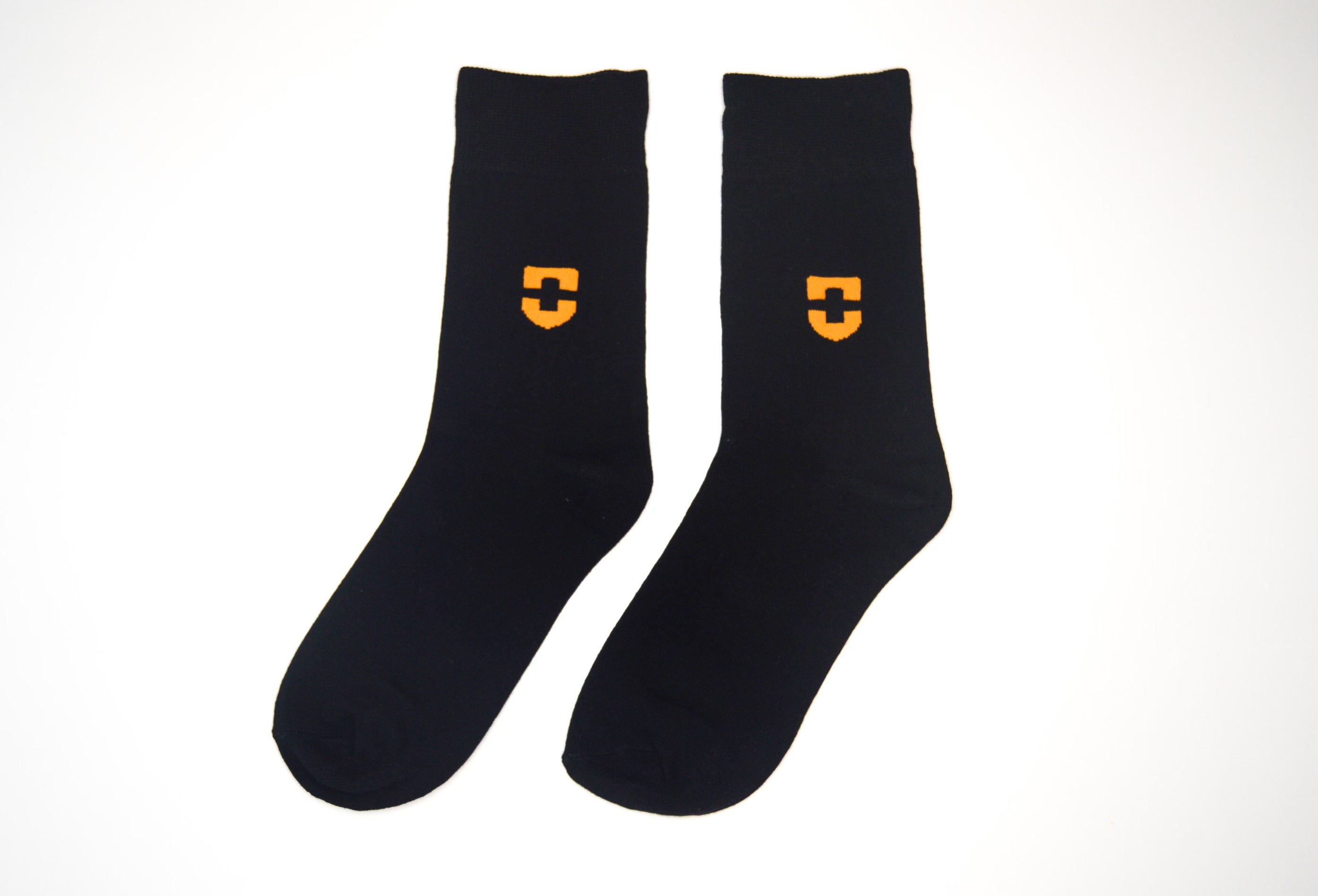
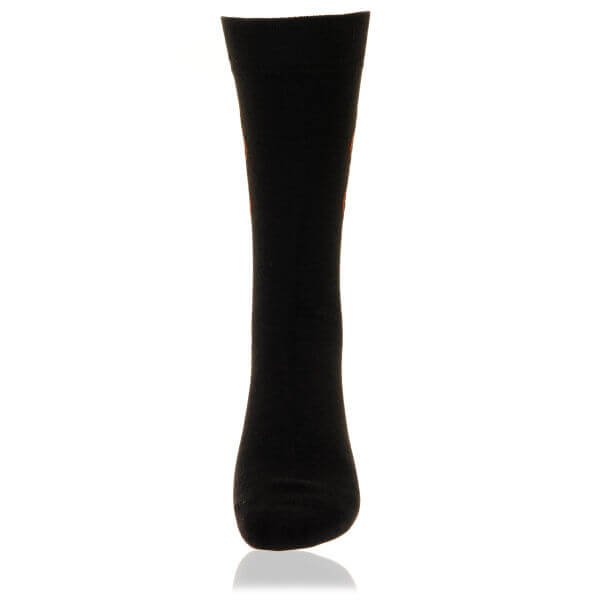
Everyday Copper Socks – Soft, Breathable Socks for Daily Comfort
- Soft & breathable fabric
- Comfortable for long-hour wear
- Lightweight everyday fit
- Sale price
- £9.99
- Regular price
- £9.99
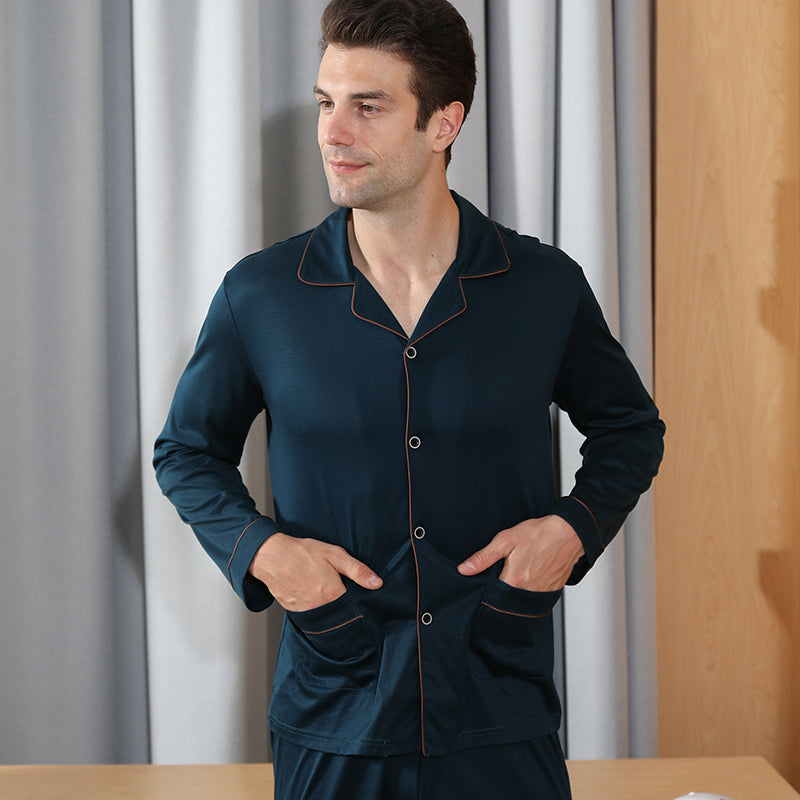
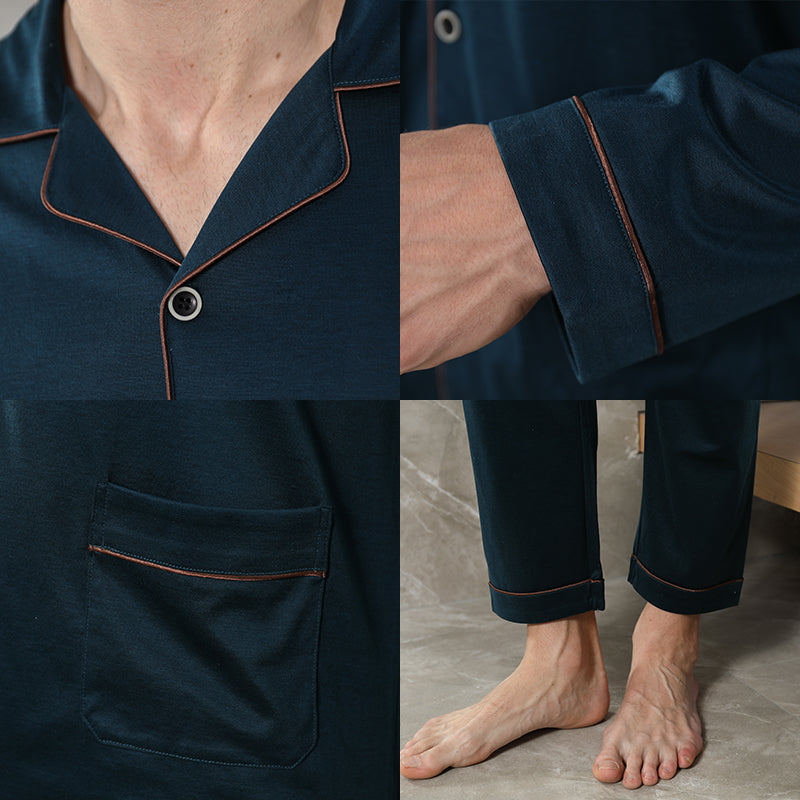
Mens Copper Infused Pyjamas
- Luxuriously Soft Cotton & Bamboo
- Promotes Healthier & Softer Skin
- Sale price
- £54.99
- Regular price
- £54.99
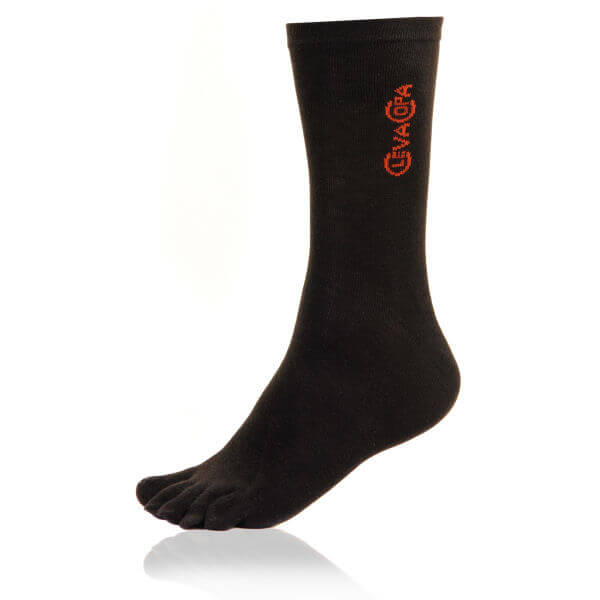
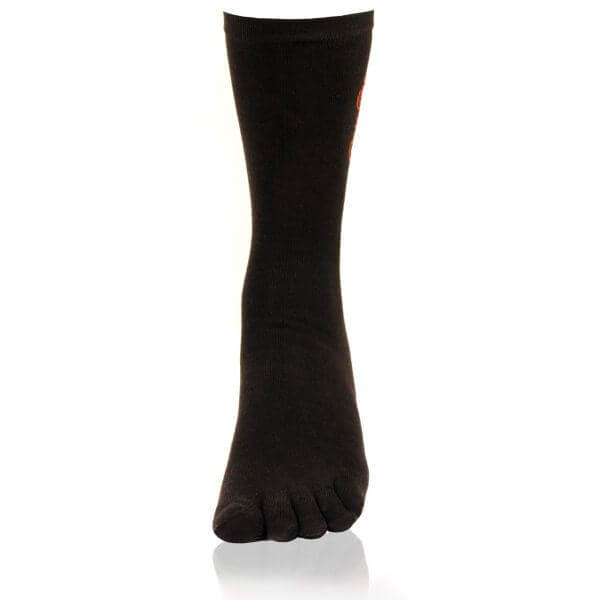
Copper Infused Five Toe Socks
- Promotes Softer Healthier Feet
- Completely Seamless
- Best for long journey and flights
- Sale price
- £14.99
- Regular price
- £14.99
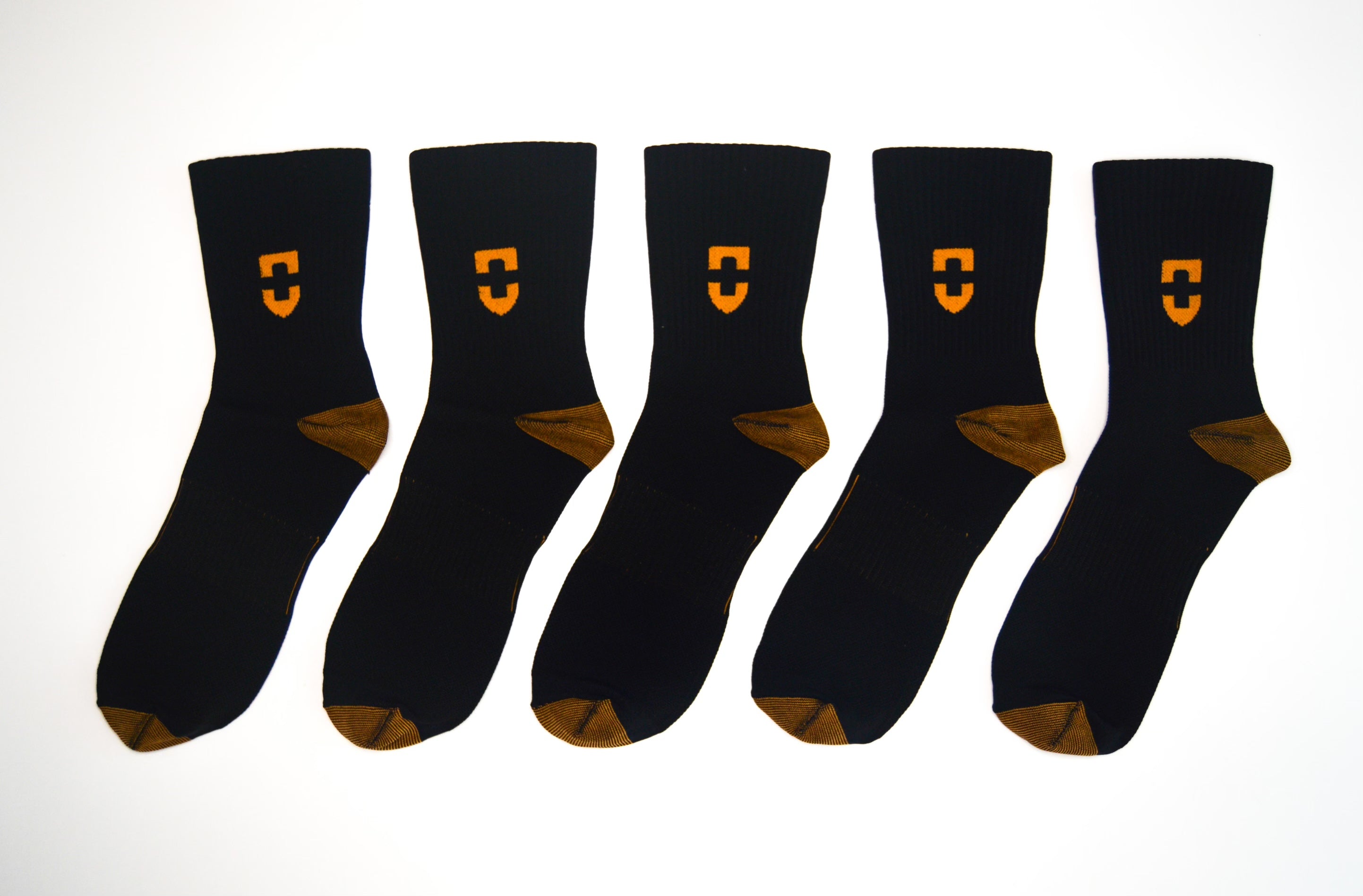
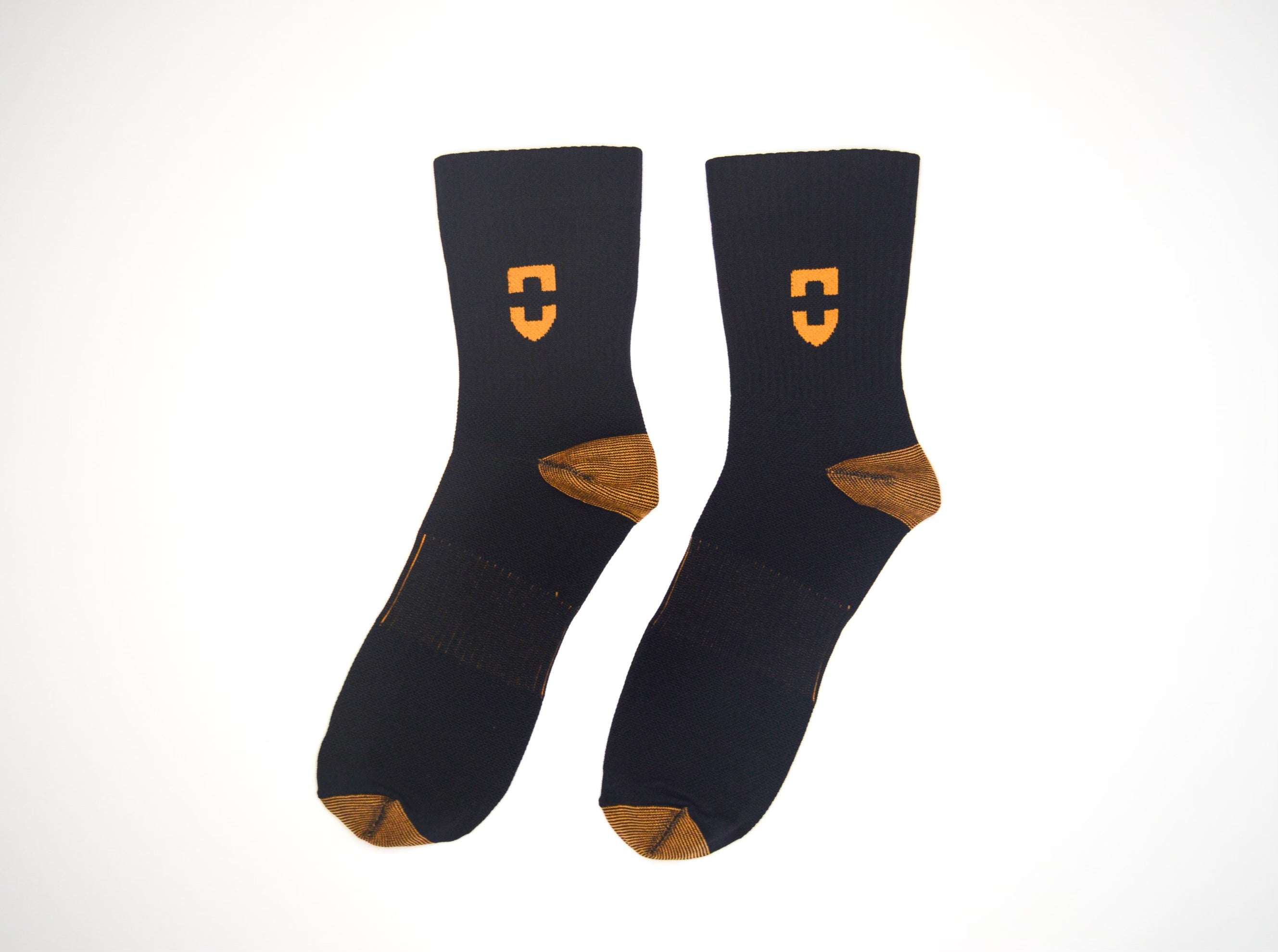
5-Pack Short Compression Copper Infused Socks
- Breathable Compression Fabric & Comfortable
- 8-15mmHg of Compression
- Best socks for long flights and travel
- Sale price
- £59.95
- Regular price
- £64.95
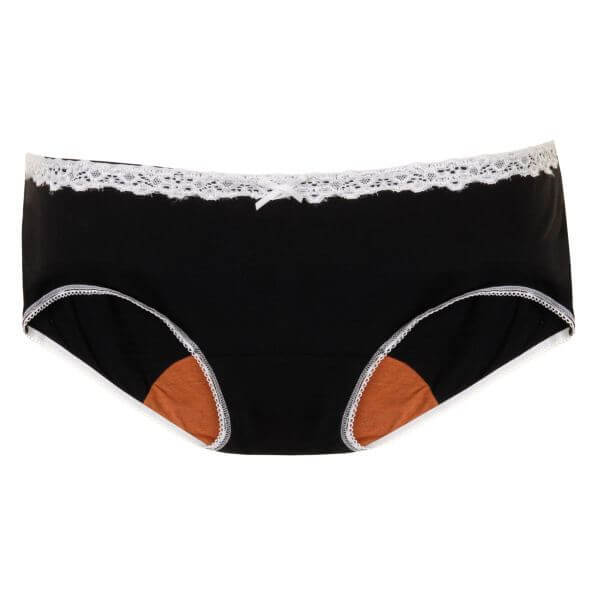
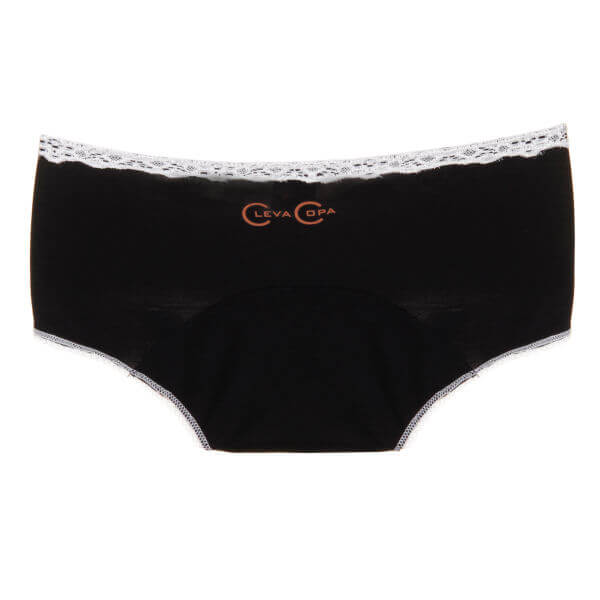
Womens Copper Infused Briefs
- Soft cotton & bamboo blend
- Breathable lightweight feel
- Flexible everyday comfort
- Sale price
- £9.99
- Regular price
- £9.99
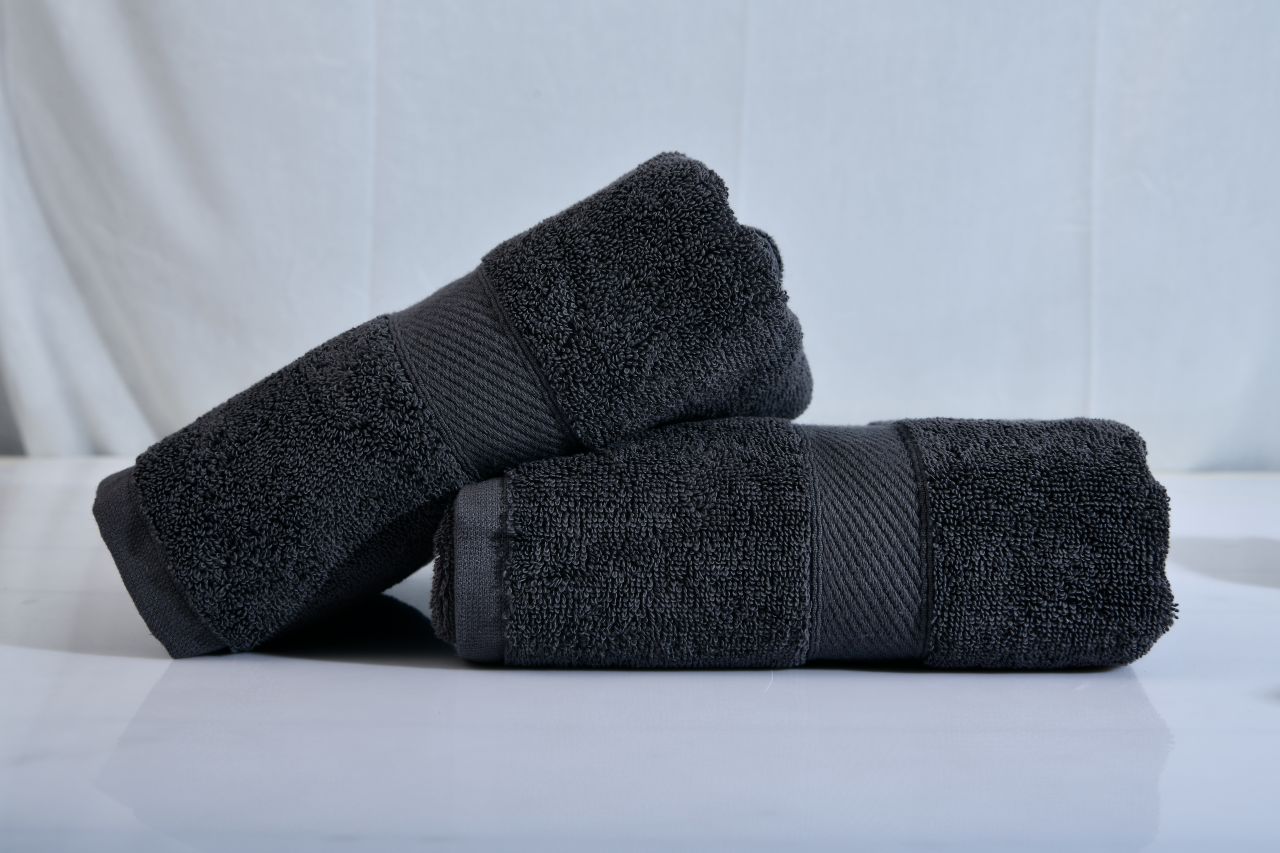
Copper Infused Bath & Gym Towel — 500 GSM Premium Cotton
- 500 GSM Cotton Cloth
- Soft & Premium
- Lightweight & Durable
- Child and Pet-Friendly
- Sale price
- £19.99
- Regular price
- £19.99

