

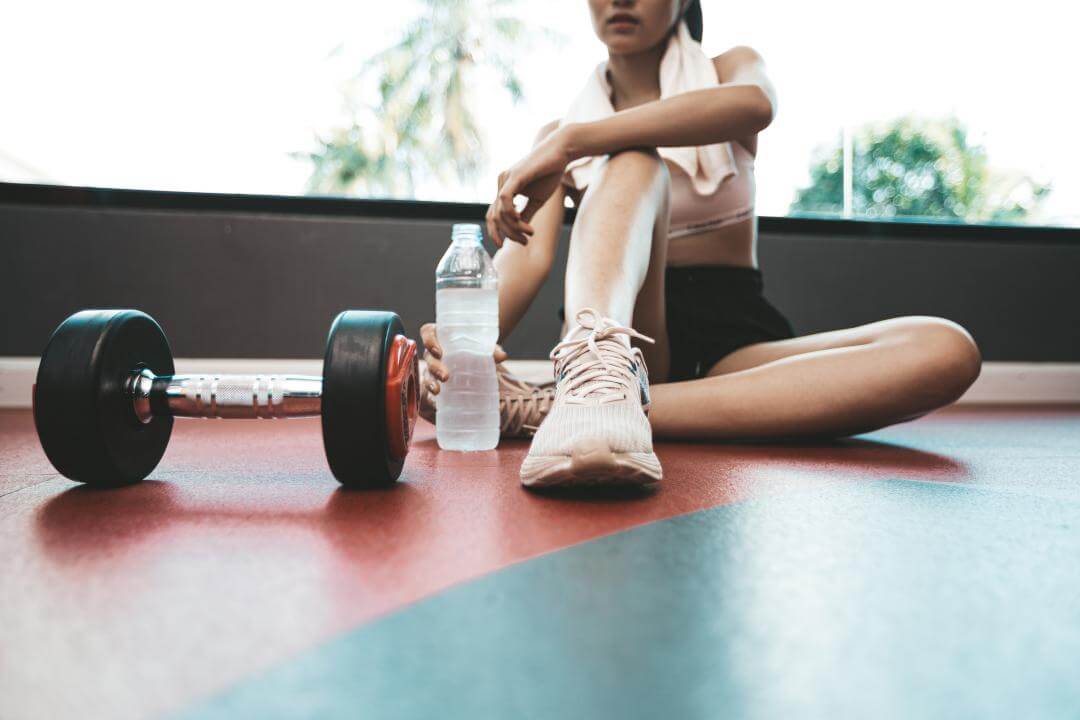
Compression Socks for Shin Splints: Do They Help?
Author
Rory Donnelly
Published
August 11 2021
Yes, compression socks can help with shin splints by improving blood circulation, reducing swelling, supporting calf muscles, and minimising muscle vibration during movement. While they won’t cure shin splints completely, they can help ease pain and support faster recovery
That nagging pain along the front of your lower leg after a run isn't just soreness; it could be shin splints, one of the most common overuse injuries affecting runners, dancers, and military recruits alike. The good news is that you may already have a powerful recovery tool in your drawer.
In this guide, we cover exactly how compression socks help shin splints, what compression level (mmHg) to choose, when to wear them, which exercises accelerate recovery, and what the clinical research actually says.
What Are Shin Splints?
Shin splints, medically known as medial tibial stress syndrome (MTSS), cause pain along the tibia (shinbone) in the lower leg. It's a form of inflammation triggered when the bone tissue, muscles, and tendons surrounding the tibia are strained from increased or repetitive activity.
The pain typically appears along the inner edge of the shinbone and worsens during or after exercise. In severe, untreated cases, it can progress to stress fractures of the tibia, which are far more serious injuries that may require weeks of complete rest.
What are the Causes of Shin Splints?
Shin splints occur when the shinbone and surrounding muscle tissues are overworked, causing micro-damage to bone and connective tissue. Common causes include:
- Sudden increases in training intensity - ramping up mileage or impact too quickly before the body has adapted
- Running on hard surfaces - concrete and pavement- creates more impact force than softer terrain
- Worn-out or unsupportive footwear - shoes lacking adequate cushioning fail to absorb shock
- Biomechanical issues - flat feet, high arches, or overpronation distribute force unevenly across the lower leg
- Weak calf or hip muscles - insufficient strength means the shins absorb more stress than they should
People at High Risk of Getting Shin Splints
If you belong to any of the following set of people, you are at a higher risk of getting shin splints:
-
People with eating disorders, irregular menses, and Vitamin D deficiency.
-
Dancers – All kinds of dance forms.
-
Army officials – Because of extensive marching and other athletic activities.
-
Athletes and sportspersons
-
People wearing unsupportive sports shoes while exercising.
-
Runners – the risk increases with a sudden increase in the running regime and by running on uneven surfaces.
-
People with a structural abnormality of feet – For example, flat feet, rigid, or high arches. With these abnormalities, the force on the legs doesn’t get distributed evenly in muscles and bones.
-
Patients with osteoporosis or osteopenia – because of weaker bones.
How Do Compression Socks Help Shin Splints?

Compression socks exert graduated pressure, tightest at the ankle and gradually reducing toward the knee, creating several measurable benefits for shin splint sufferers.
-
Relieves Pain
Graduated compression pushes blood back toward the heart, delivering oxygen-rich blood to fatigued muscles and clearing metabolic waste like lactic acid, which is a common cause of soreness.
-
Fights Fungus & Bacteria
If you choose copper compression socks for shins, you also benefit from copper’s healing properties. Copper socks are enriched with anti-inflammatory and anti-microbial effects. They take care of your skin and keep your sweat in check. Thus, copper compression socks make your feet odour-free.
-
Helps in Fast Recovery
Better circulation means nutrients reach the injury site more efficiently. A 2021 study found that athletes wearing compression experienced significantly less muscle soreness 24–48 hours post-activity.
-
Reduces Fatigue & Improves Performance
Because the compression socks for shins provide pressure at the right spot, they reduce fatigue. This, in turn, re-energises you to enhance your performance in daily activities. A medical study also suggested that wearing compression socks is beneficial for post-workout muscle fatigue and soreness.
-
Prevents Swelling
Consistent pressure prevents fluid accumulation in the lower leg tissue, controlling the inflammation that is a hallmark symptom of shin splints.
-
Injury Prevention
Even when shin splints aren't present, compression socks reduce stress on the shins during strenuous activity.
Featured product in this article

Long Copper Infused Compression Socks
What the Research Says:
A 2021 study in the International Journal of Sports Physiology and Performance found that athletes who wore compression socks during and after maximal exercise experienced significantly less muscle soreness and tightness at 24 to 48 hours compared to those who did not. A 2022 study in Scientific Reports confirmed that compression socks produce measurable physiological benefits, including improved venous return and blood flow, rather than a placebo effect.What mmHg Compression Level Should You Choose?
Compression is measured in millimetres of mercury (mmHg), the same unit used for blood pressure. Choosing the right level is critical: too low and you won't get therapeutic benefit; too high and you risk discomfort or restricted circulation.
| Level | mmHg Range | Best For | Prescription Needed? |
|---|---|---|---|
|
Mild
|
8–15 mmHg | Prevention; those noticing occasional discomfort or just starting high-impact training | No |
|
Moderate
|
15–20 mmHg | Active shin splint management during exercise; mild symptoms; daily recovery wear | No |
|
Firm
|
20–30 mmHg | Severe shin splints; post-run recovery; medical-grade therapeutic support | No, but consult a doctor |
If you're a runner managing active shin splints, 15–20 mmHg during your run is a safe, effective starting point. For post-run recovery or more severe pain, step up to 20–30 mmHg. Compression above 30 mmHg is typically reserved for medical conditions under professional guidance.
When should you wear compression socks for Shin Splints?
| When to Wear | Timing | Why It Helps |
|---|---|---|
|
Before Activity
|
30–60 min before |
Pre-emptively supports circulation and primes muscles before impact stress begins.
|
|
During Activity
|
Full workout |
Continuously minimises muscle vibration and provides real-time structural support to the shins.
|
|
Post-Exercise
|
2–4 hours after |
Supports blood flow, reduces post-activity swelling, and speeds clearance of metabolic waste.
|
|
During Recovery
|
All day |
During active shin splint flare-ups, especially helpful if standing or walking for long periods.
|
|
At Night
|
Remove |
Remove before sleep to allow normal circulation. Only keep on overnight if a doctor specifically advises it.
|
Relieve shin splint discomfort and support faster recovery with compression socks.
Grab now →Other Treatments for Shin Splints
Only wearing compression socks doesn’t entirely resolve the issue of shin splints. You need to try other remedies as well. Hence, it is important to speak to your doctor and see if the following treatment helps:-
-
D3 Supplements:
Vitamin D deficiency weakens bone density and is a known risk factor for shin splints. Supplement only after blood test confirmation and doctor's advice.
-
Physical Therapy:
A physiotherapist can assess your running gait, prescribe targeted exercises, and use modalities like ultrasound or dry needling to speed recovery.
-
Pain Killers:
Over-the-counter anti-inflammatories (ibuprofen, naproxen) can reduce pain for acute flare-ups. Use sparingly and only after consulting your doctor.
-
Rest:
Take a temporary break from high-impact activities. Even 1–2 weeks of reduced activity allows inflamed tissue to begin healing.
-
Supportive Footwear & Inserts:
Shoes with adequate arch support and cushioning reduce impact load. Replace running shoes every 300–500 miles. Consider custom orthotics for flat feet.
-
Cold Compress:
Apply ice wrapped in a cloth to the shin for 15–20 minutes, 3-4 times daily. Reduces acute inflammation and numbs pain in the early stages.
When to See a Doctor
Seek medical evaluation if: pain persists after 2–3 weeks of conservative treatment; you experience severe, sharp pain that prevents weight-bearing; or swelling doesn't improve with compression and elevation. These may indicate a stress fracture rather than shin splints, which requires imaging to diagnose.
FAQs
-
What mmHg compression socks should I use for shin splints?
For prevention: 8-15 mmHg. For active shin splint management during runs: 15-20 mmHg. For severe symptoms or post-run recovery: 20-30 mmHg. If unsure, 15-20 mmHg is a safe, effective starting point for most people without a prescription.
-
Do compression socks cure shin splints?
No, compression socks do not cure shin splints, but they are an effective symptom management tool. They reduce pain, swelling, and fatigue, and support recovery, but the underlying cause (overtraining, poor footwear, biomechanical issues) must also be addressed. Use them as part of a broader rehabilitation plan.
-
Can I sleep in compression socks for shin splints?
No, in most cases. Remove compression socks before sleep to allow normal circulation. The exception is if a healthcare provider specifically advises otherwise. Wearing compression during the day, during activity, and for 2–4 hours post-exercise is sufficient for most recovery scenarios.
-
Are compression socks or calf sleeves better for shin splints?
Both are effective. Calf sleeves are preferred by many runners because they deliver targeted compression to the shin and calf while letting you wear your preferred running socks. Full compression socks provide more complete lower leg coverage and are better for all-day recovery wear.
-
How long does it take for shin splints to heal?
Most cases of shin splints heal within 2–6 weeks with proper rest, compression, stretching, and a gradual return to activity. Severe or untreated cases — especially if they progress to stress fractures — can take 3–6 months to fully recover.
-
Can compression socks prevent shin splints from coming back?
Yes, wearing compression socks during high-impact activity reduces the mechanical stress on the shin, which lowers the risk of recurrence. Pair this with strengthening exercises, the 10% mileage rule, proper footwear, and adequate warm-up and cool-down routines for the best preventative effect.
-

Post-Workout Hygiene: What You Shouldn’t Ign...
April 15, 2026
-

Compression Socks for Desk Job
April 15, 2026
-

Running in Cold Weather? Learn Benefits, Saf...
March 26, 2026
-

Sweaty Feet: Causes, Remedies, and Preventio...
March 12, 2026
-

Post Run Recovery: Can Compression Socks Rea...
February 24, 2026


Popular Products
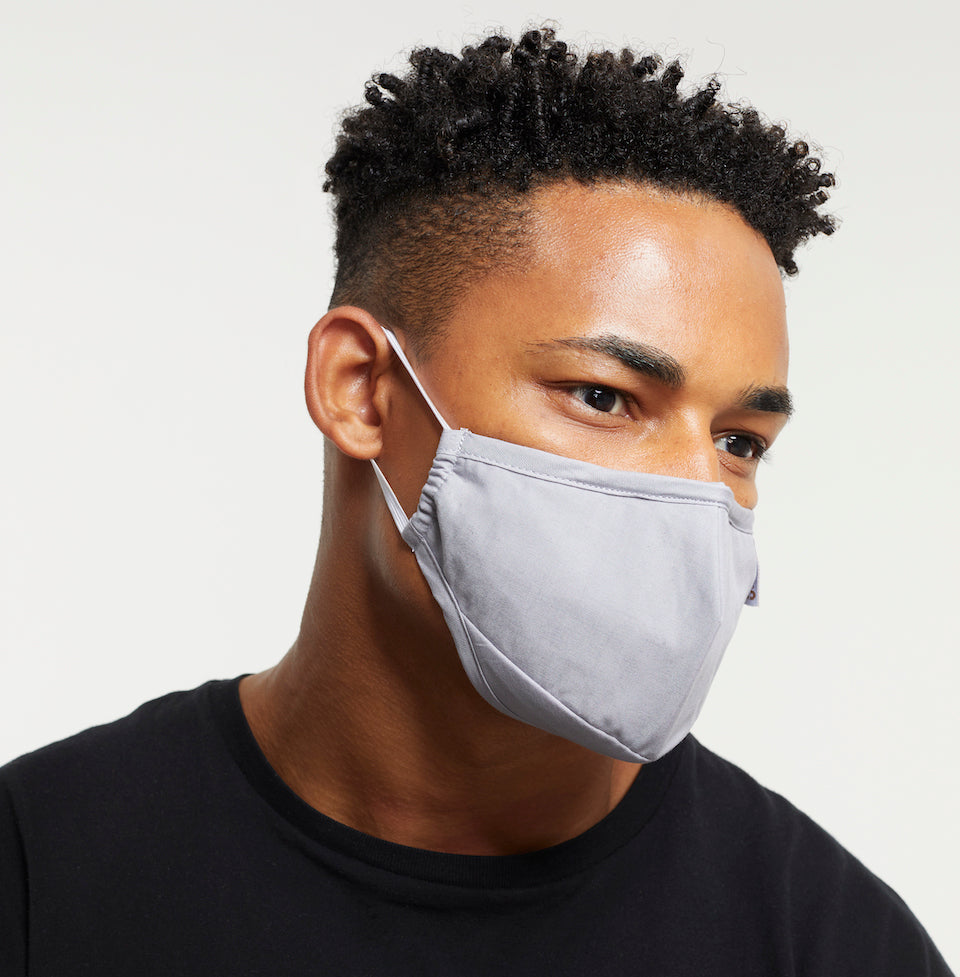
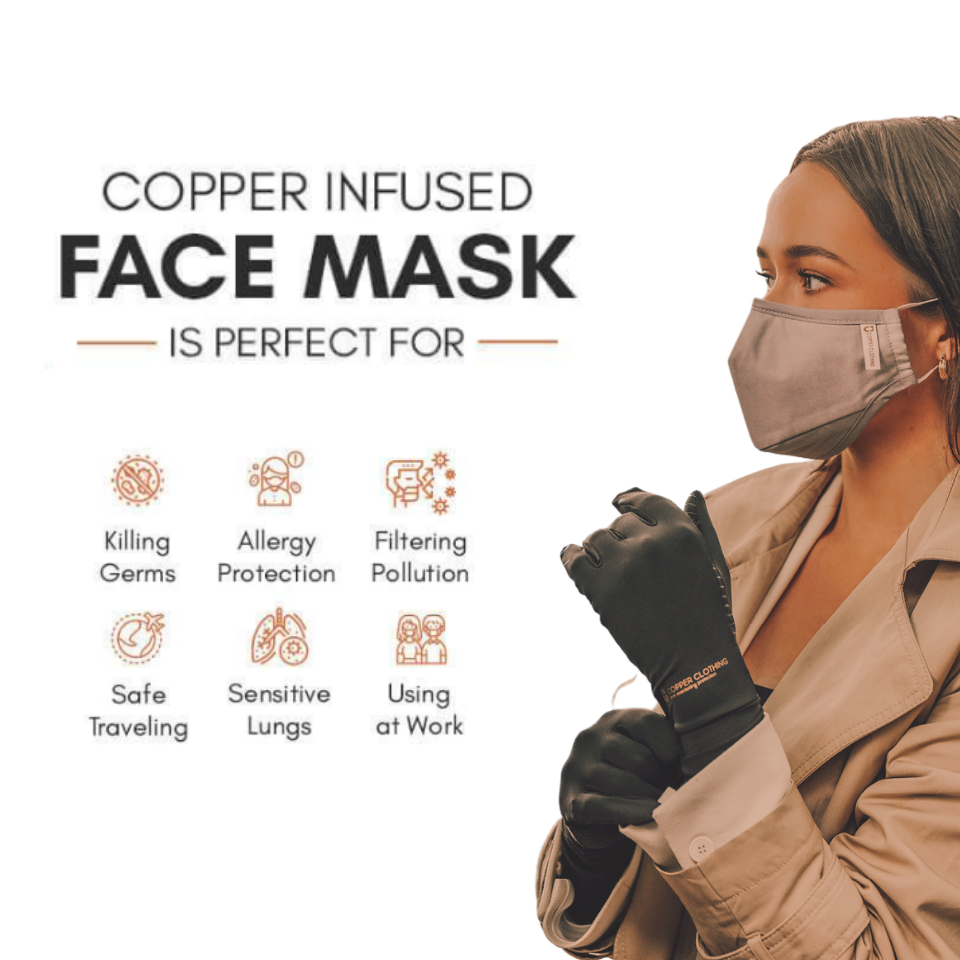
FFP2 CE Four-Layer Copper Infused Face Mask
- Four layers of protection
- Comfortable & washable
- Sale price
- £22.99
- Regular price
- £22.99
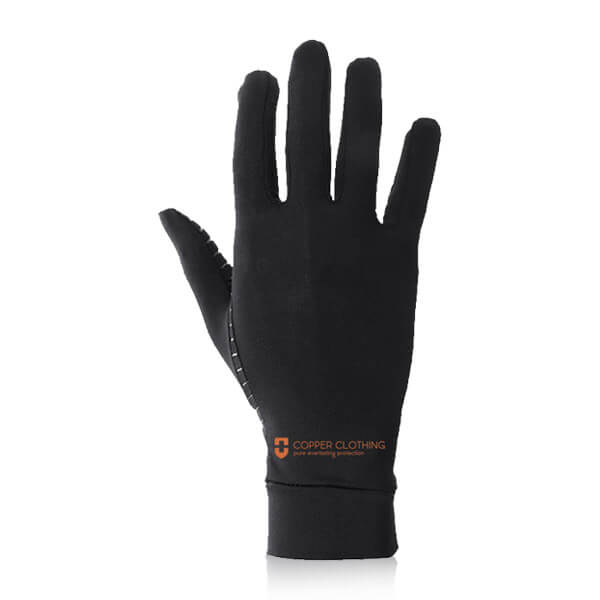
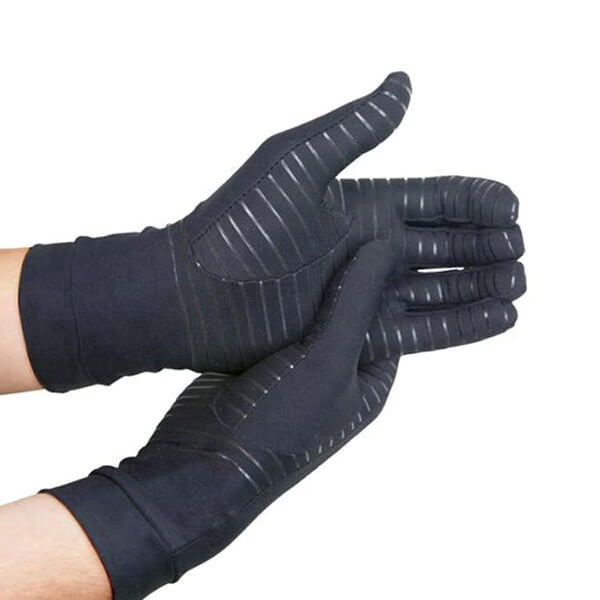
Full Finger Gloves (Copper Gloves)
- Ultimate comfort & flexibility
- Provides warmth and comfort for hands
- Washable
- Sale price
- £22.99
- Regular price
- £22.99
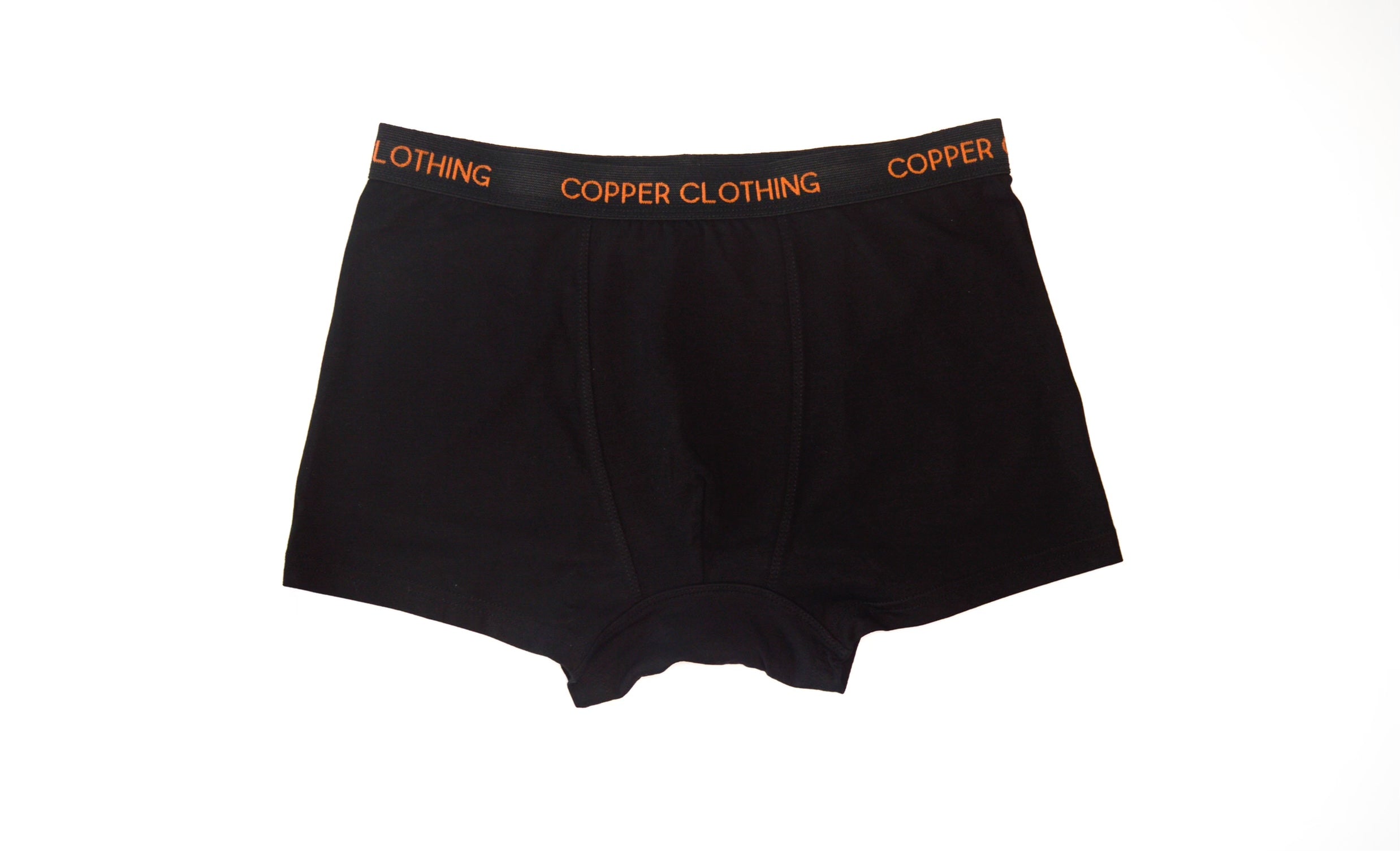
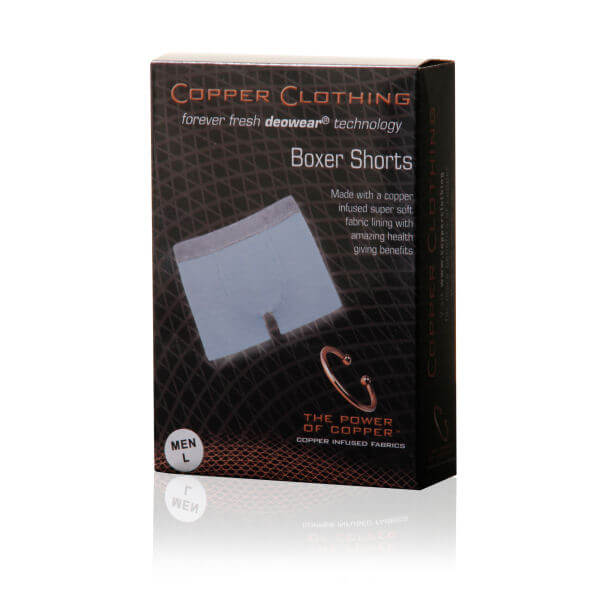
Mens Copper Boxer Shorts
- Luxuriously Soft Cotton & Bamboo (Lenzing Viscose)
- 30% Copper fibre throughout the crotch area
- 5% spandex for comfort throughout
- Perfect Fit Waistband
- Sale price
- £9.99
- Regular price
- £9.99
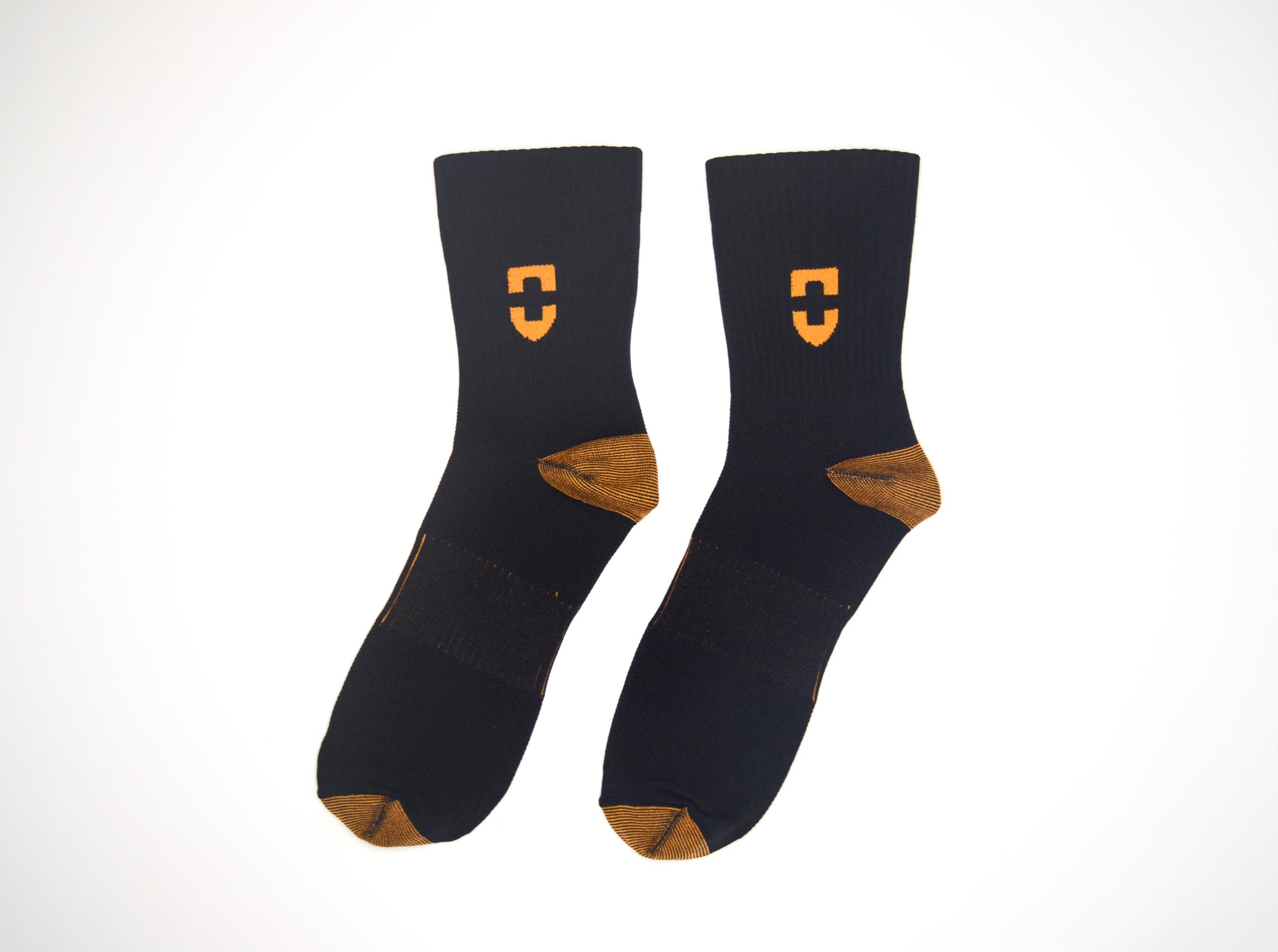
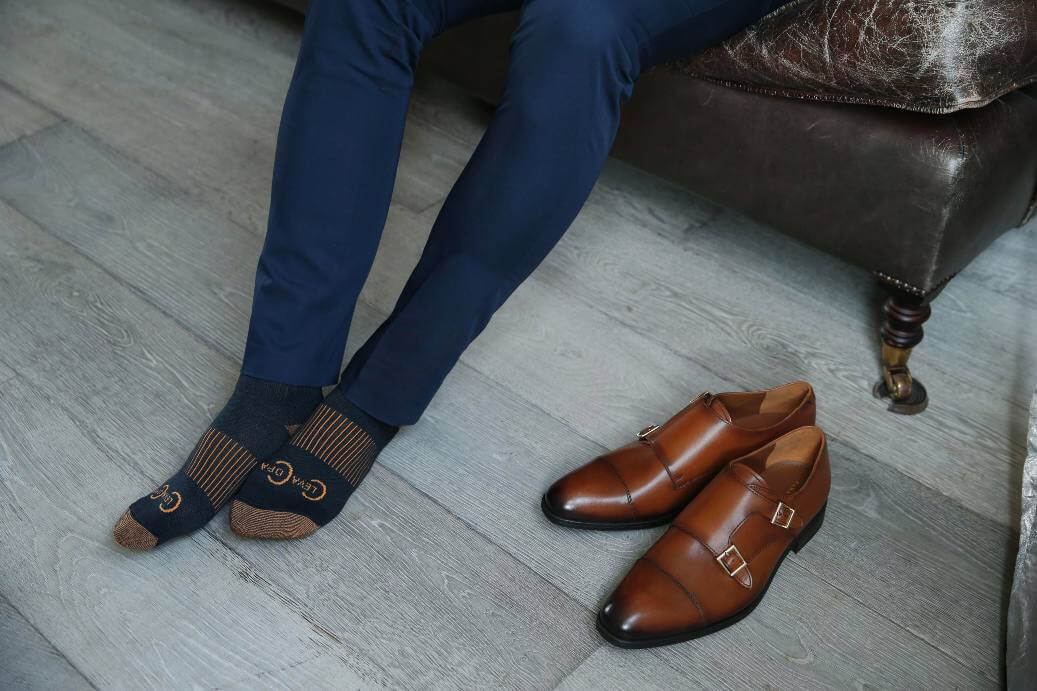
Short Compression Copper Infused Socks
- Breathable Compression Fabric, Comfortable & Durable
- 8 - 15mmHg of Compression
- Best socks for long flights and journey
- Sale price
- £12.99
- Regular price
- £12.99
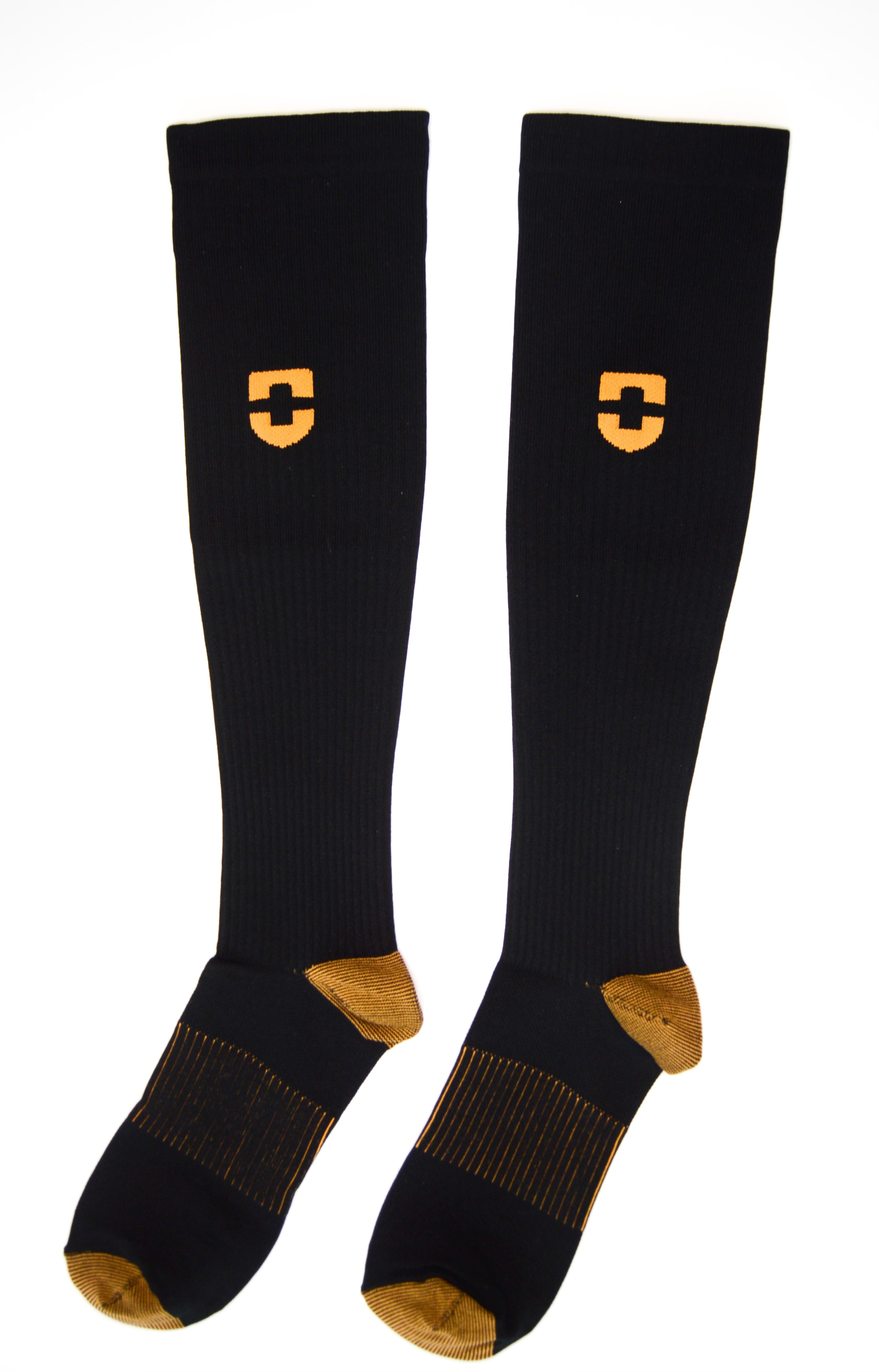
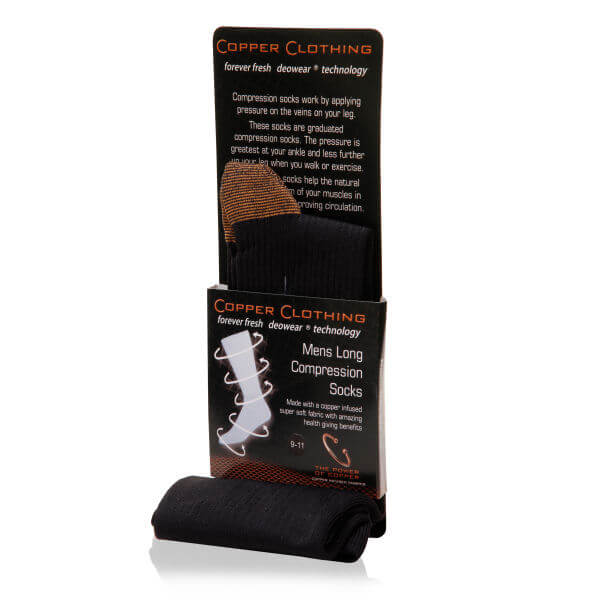
Long Copper Infused Compression Socks
- Breathable Compression Fabric, Comfortable & Durable
- 8 - 15mmHg of Compression
- Best socks for long flights and journey
- Sale price
- £15.99
- Regular price
- £15.99
Ladies Copper Infused Pyjamas
- Luxuriously Soft Cotton & Bamboo
- Ideal for daily wear
- Sale price
- £49.99
- Regular price
- £49.99
Everyday Copper Infused Socks
- Breathable fabric for comfort
- Ideal for long journey and flights
- Best for full day
- Sale price
- £9.99
- Regular price
- £9.99
Mens Copper Infused Pyjamas
- Luxuriously Soft Cotton & Bamboo
- Promotes Healthier & Softer Skin
- Sale price
- £54.99
- Regular price
- £54.99
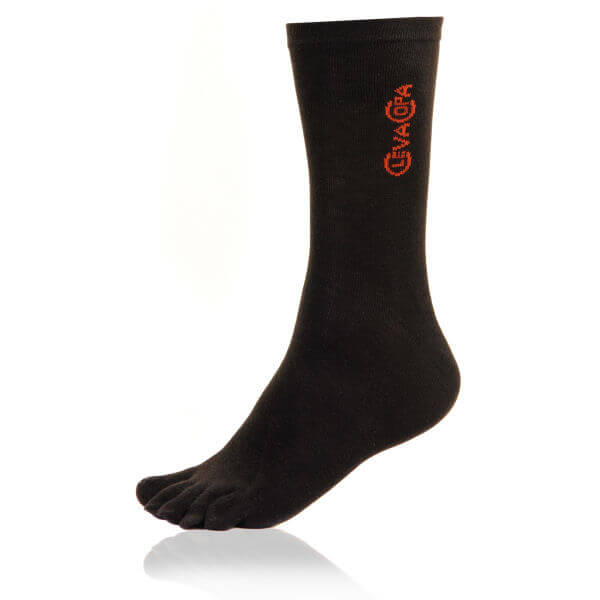
Copper Infused Five Toe Socks
- Promotes Softer Healthier Feet
- Completely Seamless
- Best for long journey and flights
- Sale price
- £14.99
- Regular price
- £14.99
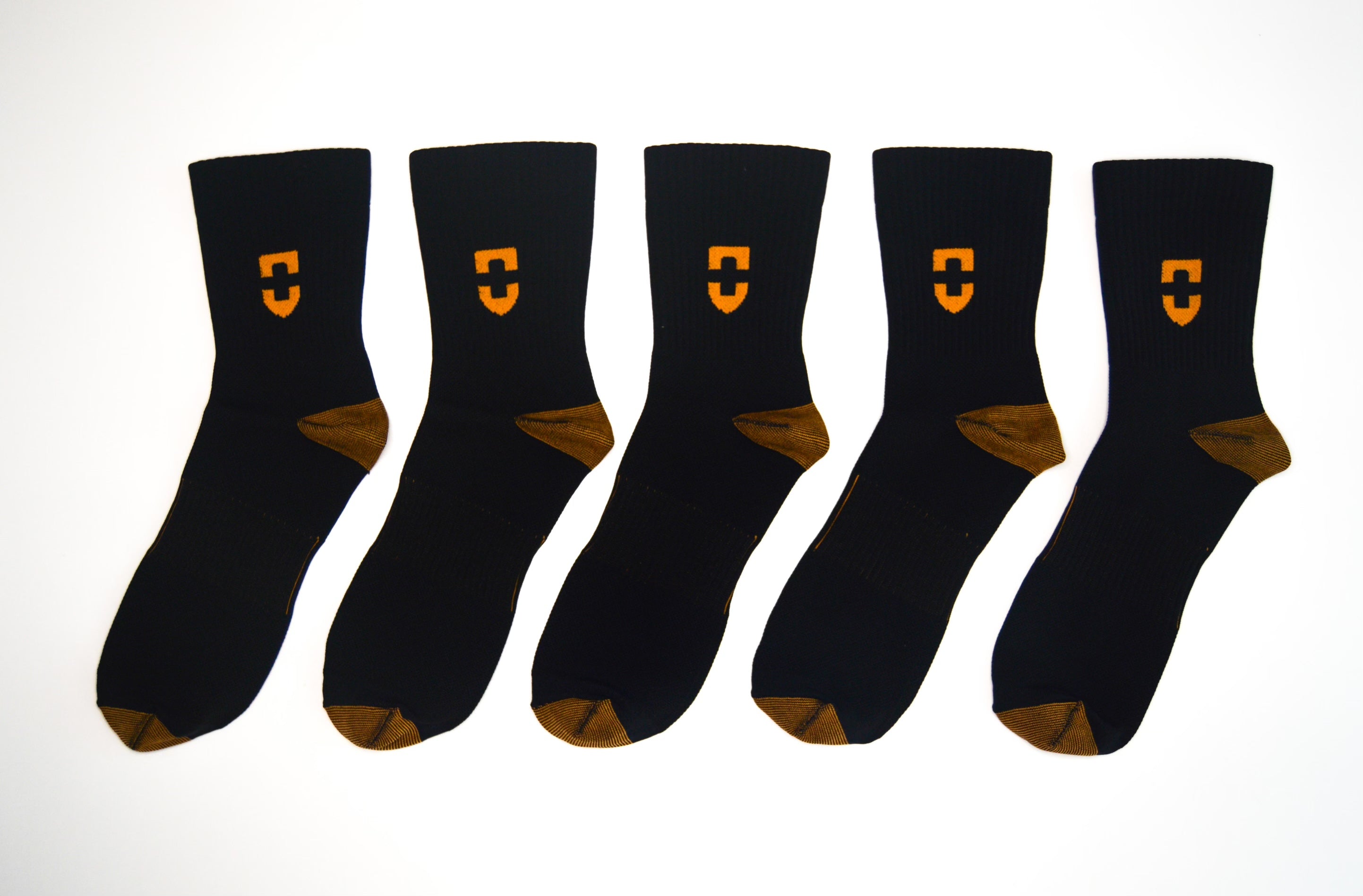
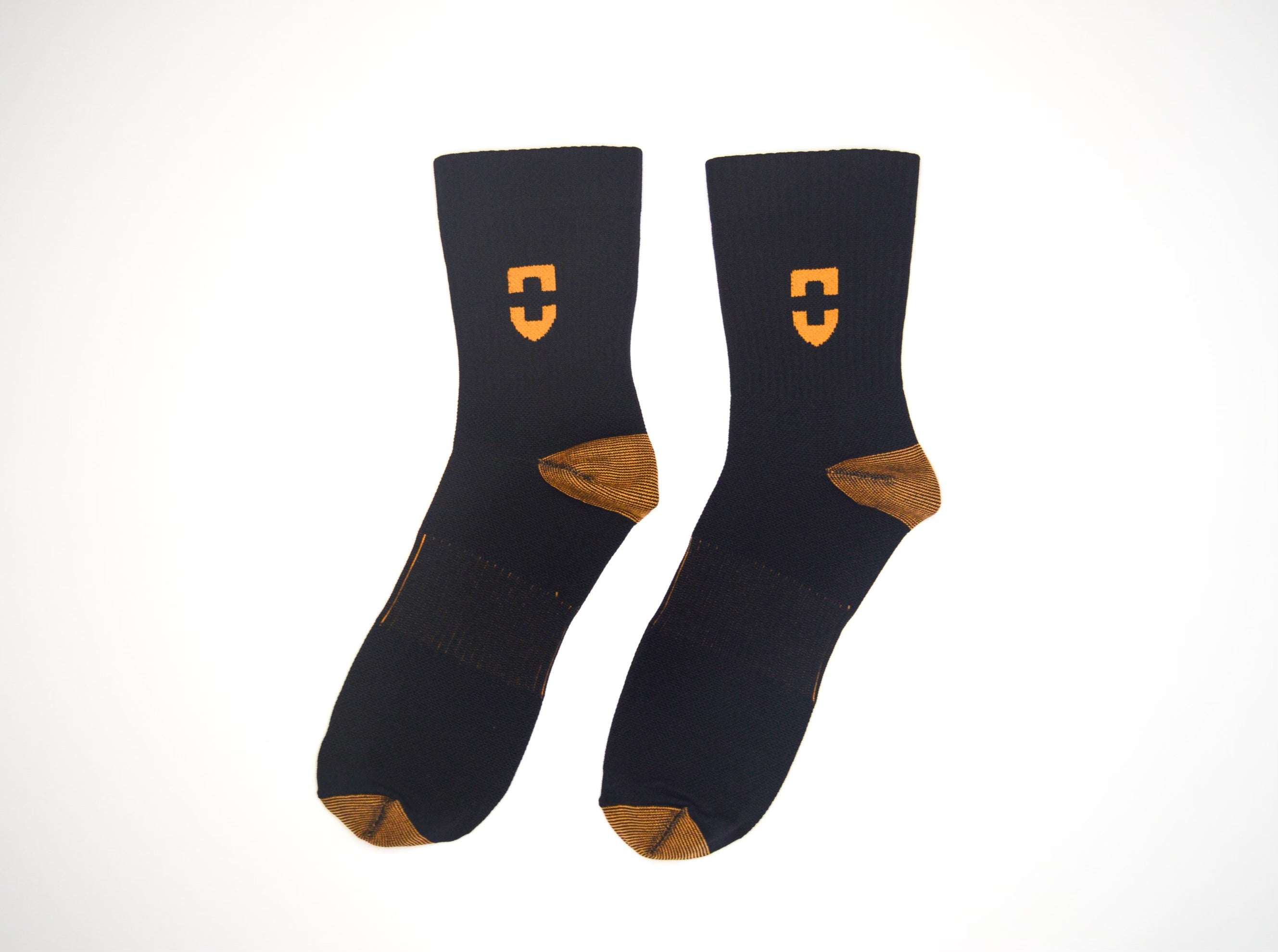
5-Pack Short Compression Copper Infused Socks
- Breathable Compression Fabric & Comfortable
- 8-15mmHg of Compression
- Best socks for long flights and travel
- Sale price
- £59.95
- Regular price
- £64.95
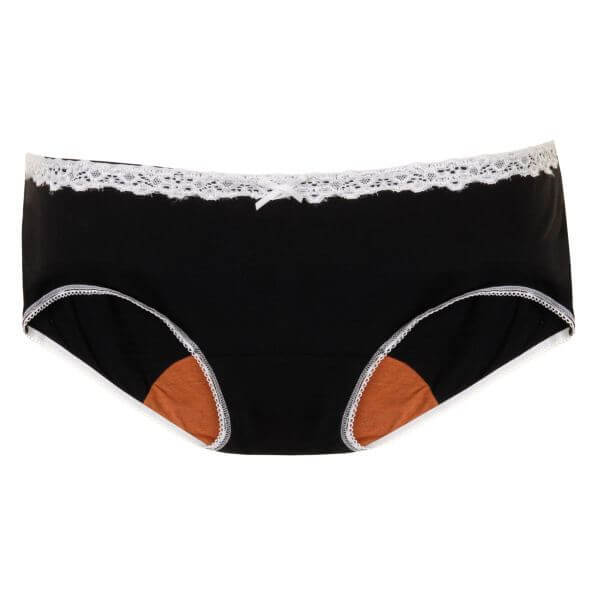
Womens Copper Infused Briefs
- Comforting Flexible Fit
- Luxuriously Super Soft Seamless Cotton
- Sale price
- £9.99
- Regular price
- £9.99
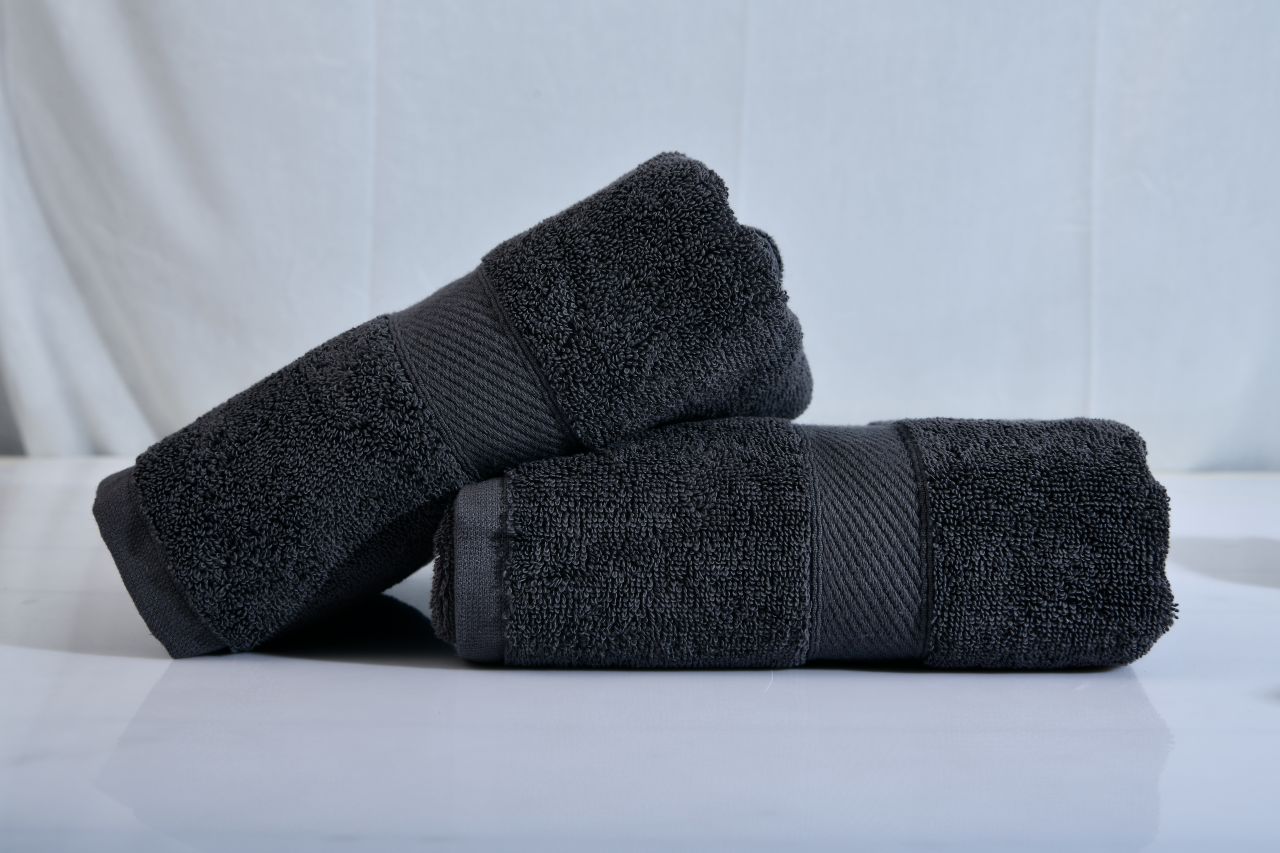
Copper Infused Bath & Gym Towel — 500 GSM Premium Cotton
- 500 GSM Cotton Cloth
- Soft & Premium
- Lightweight & Durable
- Child and Pet-Friendly
- Sale price
- £19.99
- Regular price
- £19.99

