


Compression Socks for a Sprained Ankle: Do They Really Help?
Author

Rory Donnelly
Published
December 25 2024
Yes — compression socks are good for a sprained ankle. They apply graduated pressure to the ankle and lower leg, which reduces swelling, improves circulation to the injured ligaments, and helps stabilise the joint during recovery. For mild to moderate sprains, compression socks are a practical, non-invasive way to manage pain and speed up healing — particularly when used as part of the RICE method (Rest, Ice, Compression, Elevation). This guide covers how they work, which compression level to use, how long to wear them, and how they compare to traditional bandaging.
Let’s get started!
What is an Ankle Sprain?
Before understanding what compression socks can do for a sprained ankle, it’s critical to know the meaning of this ailment. An ankle sprain happens when the ligament of your ankle stretches beyond its limitations, resulting in a tear or injury.
It frequently occurs during activities that entail abrupt changes in direction, such as jumping or landing awkwardly.
Types and Grades of Ankle Sprain
Ankle sprains are classified by both direction and severity.
By direction:
Inversion sprain (most common): The foot rolls inward, overstretching the ligaments on the outside of the ankle — particularly the anterior talofibular ligament (ATFL). This accounts for the majority of ankle sprains.
Eversion sprain: The foot rolls outward, damaging the deltoid ligament on the inside of the ankle. Less common but often more severe.
By severity (grade):
| Grade | What happens | Typical recovery |
|---|---|---|
| Grade 1 (Mild) | Ligament overstretched, no tearing | 1–2 weeks |
| Grade 2 (Moderate) | Partial ligament tear, noticeable swelling and bruising | 3–6 weeks |
| Grade 3 (Severe) | Complete ligament rupture, significant instability | 3–6 months, may need surgery |
Compression socks are most effective for Grade 1 and Grade 2 sprains. For Grade 3, seek medical assessment first — compression may still support recovery, but it is not a substitute for clinical treatment.
How Compression Socks Help a Sprained Ankle?
When you sprain your ankle, the immediate response is inflammation — blood and fluid rush to the area, causing swelling, heat, and pain. Compression socks address this through several mechanisms:
Reduces swelling: Graduated pressure prevents fluid from pooling around the injured joint. The tightest point at the ankle pushes excess fluid upward and back into circulation, limiting the extent of swelling in the critical first 48–72 hours.
Improves circulation to injured tissue: Better blood flow delivers oxygen and nutrients directly to the damaged ligaments, which supports the body's natural repair process and can shorten overall recovery time.
Provides joint stability: When ligaments are stretched or torn, the ankle loses some of its natural stability. Compression socks offer gentle external support — similar in principle to kinesiology tape — which helps prevent the joint from rolling again while you're moving around.
Triggers endorphin release: The pressure applied by compression socks stimulates the release of endorphins, the body's natural pain-relieving hormones, which can reduce discomfort without medication.
Maintains range of motion: By reducing stiffness that sets in when a joint isn't used, compression socks help keep the ankle mobile — which is important for long-term recovery and preventing the joint from seizing up.
A 2014 multicenter randomized study published in the American Journal of Emergency Medicine (Bendahou et al.) found that compression stockings significantly reduced oedema and pain in patients with ankle sprains compared to standard care, supporting their use in the acute recovery phase.
Compression Socks vs ACE Bandage: Which Is Better for a Sprained Ankle?
Both are forms of compression, but they behave differently in practice:
| Compression socks | ACE bandage | |
|---|---|---|
| Pressure consistency | Graduated, consistent throughout the day | Can loosen or overtighten with movement |
| Ease of application | Pull on like a regular sock | Requires correct wrapping technique |
| Risk of over-compression | Low — pressure is pre-set by the garment | Higher — easy to wrap too tightly |
| All-day wearability | High — breathable, stays in place | Moderate — can slip, bunch, or need re-wrapping |
| Hygiene | Washable, reusable | Washable but harder to clean thoroughly |
For day-to-day recovery from a mild to moderate sprain, compression socks are the more practical and consistent option. An ACE bandage may be used immediately after injury for acute wrapping, but compression socks are easier to manage over the days of recovery that follow.
What Compression Level (mmHg) Is Best for a Sprained Ankle?
Compression is measured in millimetres of mercury (mmHg). The right level depends on the severity of your sprain.
| Compression Level | Best For |
|---|---|
| 8–15 mmHg | Mild sprains, prevention, all-day wear during recovery |
| 15–20 mmHg | Moderate sprains, noticeable swelling, first week of recovery |
| 20–30 mmHg | Significant swelling or bruising, more active recovery phase |
| 30–40 mmHg | Medical-grade use only — consult a doctor first |
For most ankle sprains, 15–20 mmHg is the recommended starting point. If you're in the early stages with visible swelling, 20–30 mmHg may offer more effective relief. Copper Clothing's compression socks sit in the 8–15 mmHg range — well suited for mild sprains, ongoing support during recovery, and prevention of re-injury once the acute phase has passed.
How Long and When to Wear Compression Socks for a Sprained Ankle
First 48–72 hours (acute phase): Wear compression socks throughout the day whenever you are upright or moving. This is when swelling is at its peak and compression has the greatest impact on limiting fluid build-up. Remove them before sleeping.
Days 3–7 (early recovery): Continue wearing during daily activity. If swelling has reduced significantly, you may find 8–15 mmHg sufficient for comfort and joint support.
Weeks 2 and beyond: Wear during any activity that puts load on the ankle — walking, light exercise, or standing for long periods. As the ligament heals and stability returns, you can reduce wearing time.
Do not wear compression socks overnight unless specifically advised by a healthcare professional. When you are lying flat, gravity no longer pulls blood down to the lower legs, so graduated compression provides little additional benefit and may cause unnecessary pressure on the skin.
General rule: Most people recovering from a Grade 1 or 2 sprain benefit from wearing compression socks for 6–8 hours per day for the first one to two weeks, reducing gradually as swelling resolves.
How to Use Compression Socks as Part of the RICE Method
RICE (Rest, Ice, Compression, Elevation) is the standard first-response protocol for ankle sprains. Compression socks fit directly into the C step — but they work best when all four elements are combined.
Rest: Avoid putting weight on the ankle for the first 24–48 hours, especially for Grade 2 or 3 sprains. Compression socks provide support when you do need to move, but they don't replace rest — wearing them shouldn't prompt you to push through pain.
Ice: Apply ice for 10–20 minutes at a time, several times a day during the first 48 hours, to reduce pain and limit initial swelling. Remove compression socks before icing, then reapply after.
Compression: Put your compression socks on first thing in the morning before swelling builds. The graduated pressure — tightest at the ankle and decreasing up the leg — continuously manages fluid and supports the joint throughout the day. This is more consistent than re-wrapping a bandage.
Elevation: Whenever sitting or resting, elevate the ankle above heart level to help fluid drain away from the injury. Compression socks complement elevation by encouraging venous return — the two work together, not independently.
How to Select the Ideal Compression Socks for Sprained Ankle Recovery?
When choosing compression socks, consider the following factors:
- Graduated Compression: Look for socks that provide more pressure at the ankle and gradually decrease as they move up the leg. This design improves blood flow.
- Material: To keep your feet comfy, use breathable materials that wick moisture away from the skin.
- Size and Fit: Measure your leg circumference to determine the appropriate size. A bad fit can negate the advantages of compression.
- Level of Compression: Compression levels are usually classified as mild (8-15 mmHg), moderate (15-20 mmHg), or firm (20-30 mmHg). Consult a healthcare practitioner about the proper level based on the degree of your sprain.
- Choose Copper Clothing Compression Socks: Compression socks from Copper Clothing not only offer the benefits of compression, but they also feature copper-infused fabric. Copper is recognised for its antimicrobial qualities, which reduce odour and promote hygiene. Furthermore, copper can also help to reduce inflammation.
In summary, compression socks can help you recover from a sprained ankle by lowering swelling, providing stability, boosting circulation, and speeding up healing. They are a crucial tool for anyone hoping to recover from an ankle sprain while remaining comfortable and supported.
If you have an ankle injury, consider investing in a decent pair of compression socks. However, keep in mind that they should be used in addition to, not instead of, competent medical guidance. Also, consider our Copper Clothing Compression Socks, which are packed with the healing properties of copper along with the benefits of compression.
If you found this article useful, read more about injury healing and prevention on our blogs. Remember, the more you understand your body and its demands, the sooner you can be back on your feet and ready to resume your active lifestyle!
Frequently Asked Questions
Is a compression sock good for a sprained ankle?
Yes. Compression socks reduce swelling, improve blood flow to the injured ligaments, and provide gentle joint stability during recovery. They are most effective for Grade 1 and Grade 2 sprains when used alongside rest, ice, and elevation.
What compression level is best for a sprained ankle?
For most sprains, 15–20 mmHg is the recommended level. It reduces swelling without restricting circulation. For mild sprains or prevention of re-injury, 8–15 mmHg is sufficient. Avoid anything above 30 mmHg without medical guidance.
How long should you wear compression socks for a sprained ankle?
Wear them throughout the day during the first one to two weeks, while you're upright and active. Remove them before sleeping. Reduce wearing time as swelling resolves and stability returns.
Can you sleep in compression socks with a sprained ankle?
No — not unless your doctor has advised it. Graduated compression is designed to work when you're upright and gravity is pulling blood downward. Lying flat reduces its usefulness and may cause unnecessary pressure.
Are compression socks better than an ACE bandage for a sprained ankle?
For day-to-day recovery, yes. Compression socks maintain consistent graduated pressure and are easier to apply correctly. ACE bandages can loosen with movement or be wrapped too tightly, both of which reduce their effectiveness.
Can compression socks prevent ankle sprains from recurring?
They can help. Compression socks improve proprioception — the body's sense of joint position — which supports balance and reduces the likelihood of rolling the ankle again, particularly during running, hiking, or sport.
-

Post-Workout Hygiene: What You Shouldn’t Ign...
April 15, 2026
-

Compression Socks for Desk Job
April 15, 2026
-

Running in Cold Weather? Learn Benefits, Saf...
March 26, 2026
-

Sweaty Feet: Causes, Remedies, and Preventio...
March 12, 2026
-

Post Run Recovery: Can Compression Socks Rea...
February 24, 2026


Popular Products
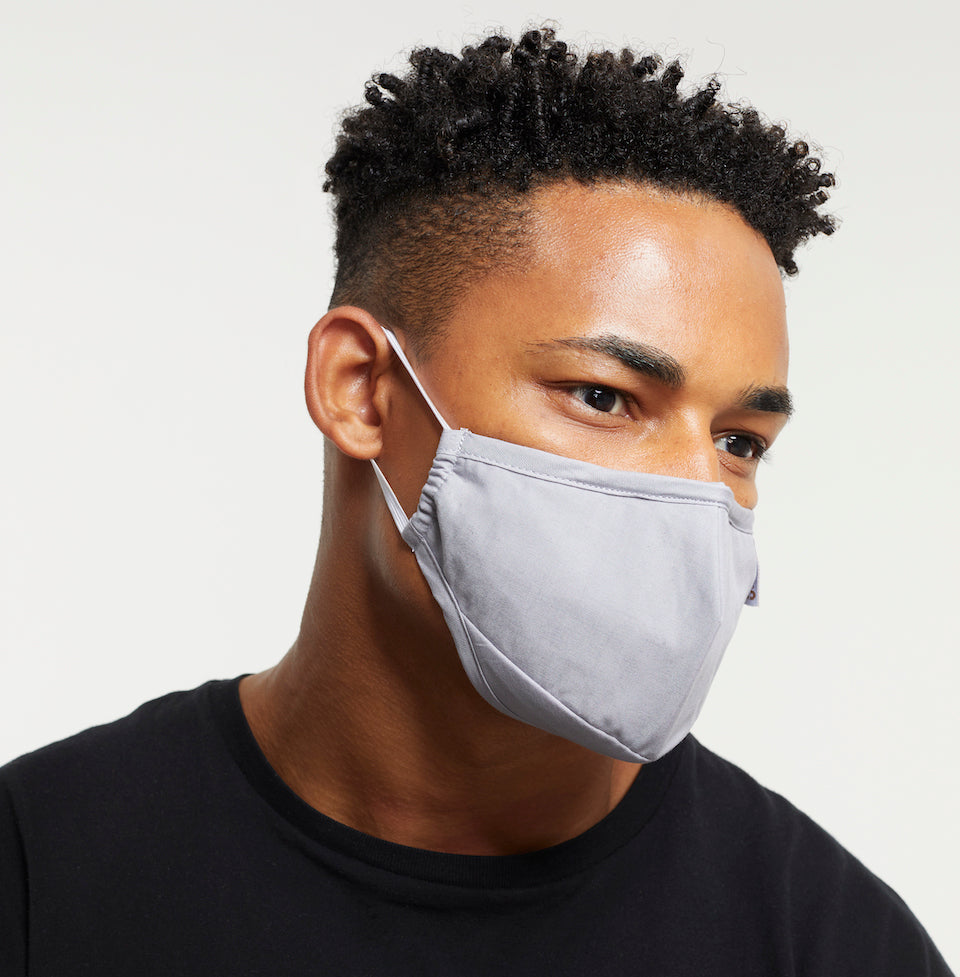
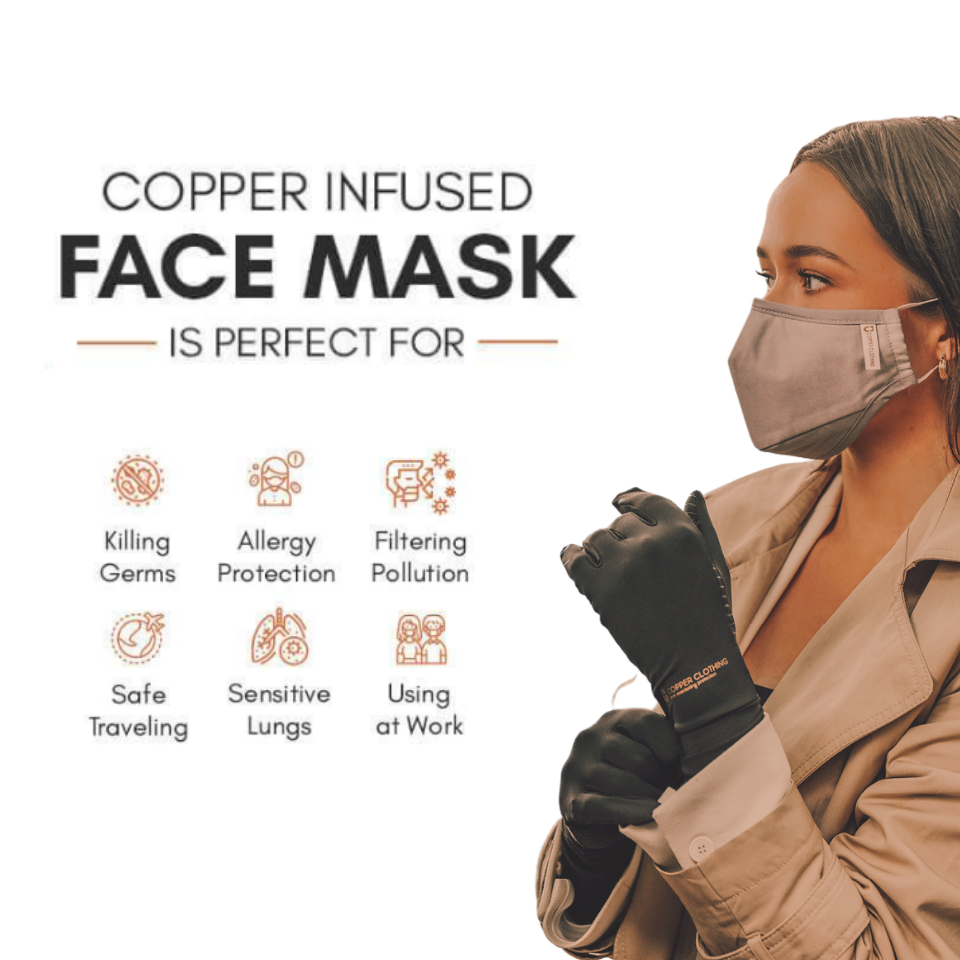
FFP2 CE Four-Layer Copper Infused Face Mask
- Four layers of protection
- Comfortable & washable
- Sale price
- £22.99
- Regular price
- £22.99
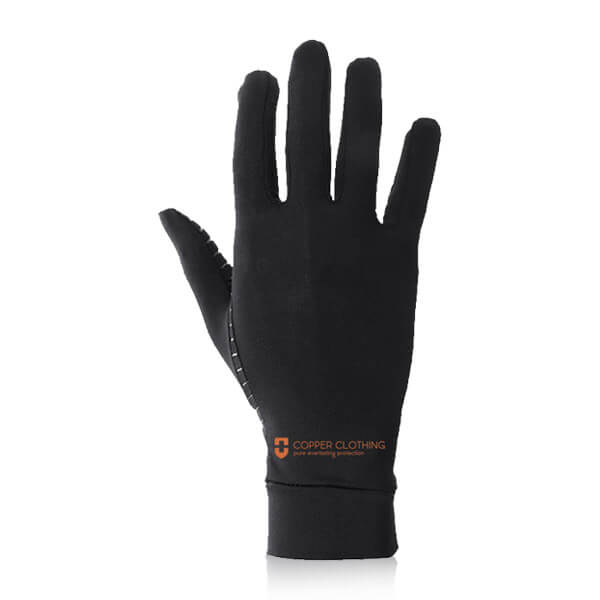
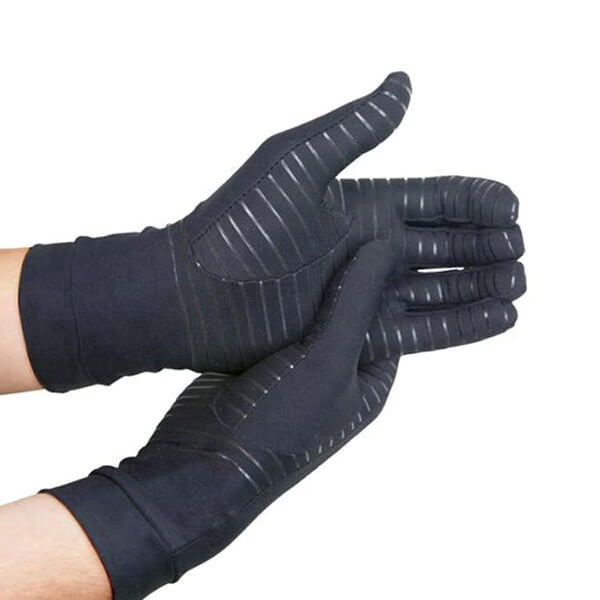
Full Finger Gloves (Copper Gloves)
- Ultimate comfort & flexibility
- Provides warmth and comfort for hands
- Washable
- Sale price
- £22.99
- Regular price
- £22.99
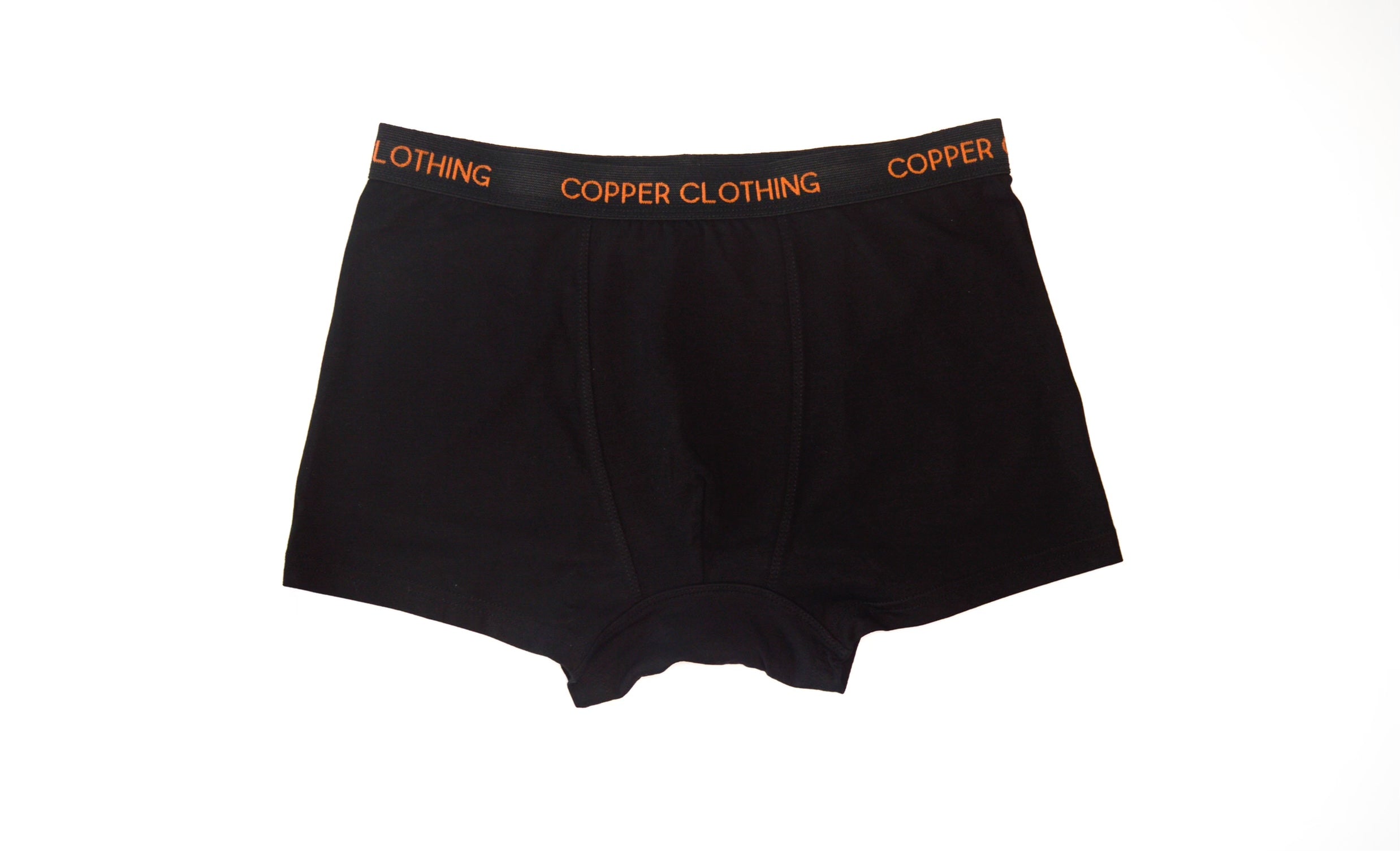
Men’s Copper Boxer Shorts – Soft, Breathable Underwear for Everyday Comfort
- Soft cotton & bamboo blend
- Breathable & lightweight feel
- Stretch comfort for daily movement
- Sale price
- £9.99
- Regular price
- £9.99
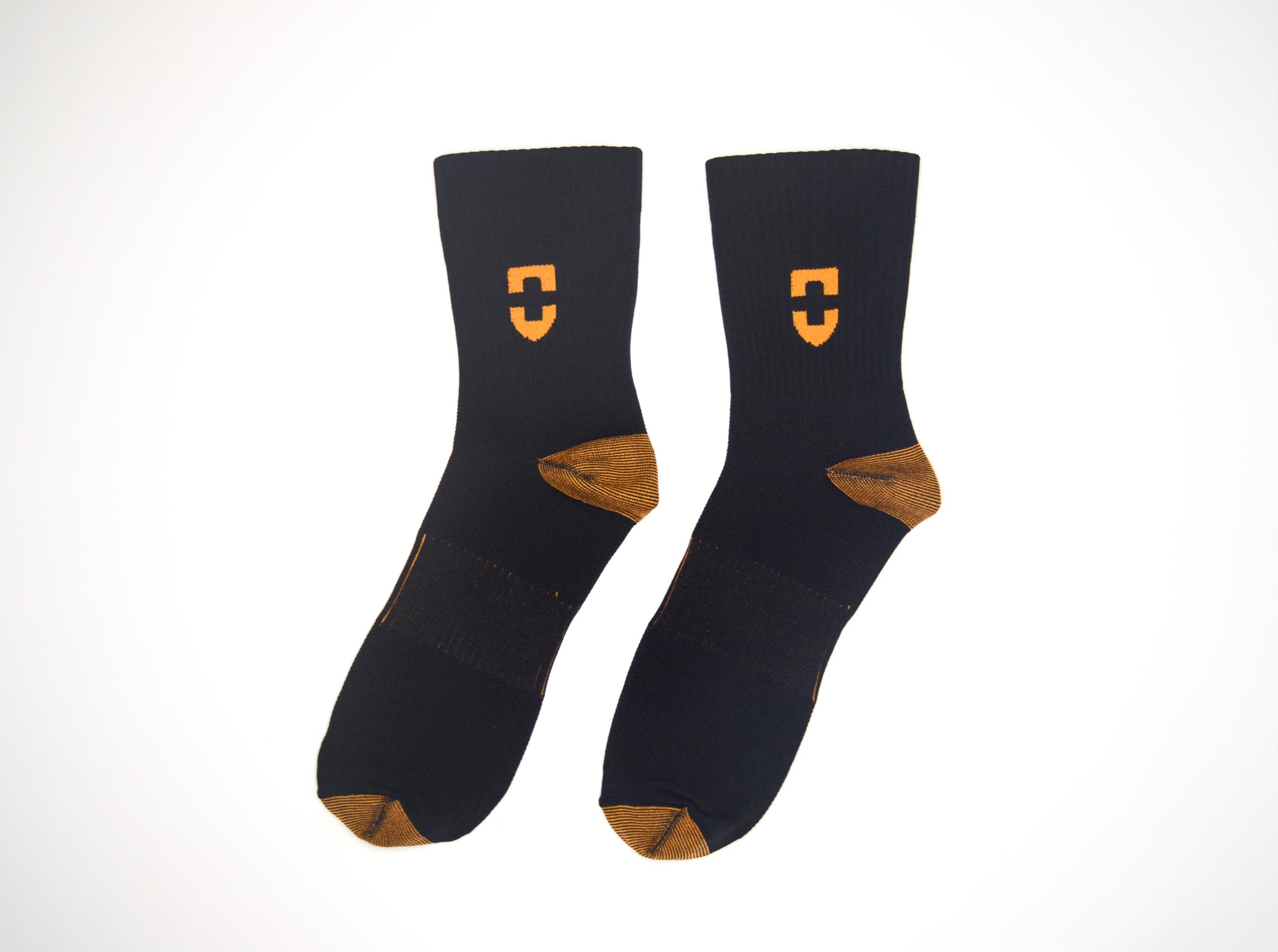
Short Compression Copper Infused Socks
- Breathable Compression Fabric, Comfortable & Durable
- 8 - 15mmHg of Compression
- Best socks for long flights and journey
- Sale price
- £12.99
- Regular price
- £12.99
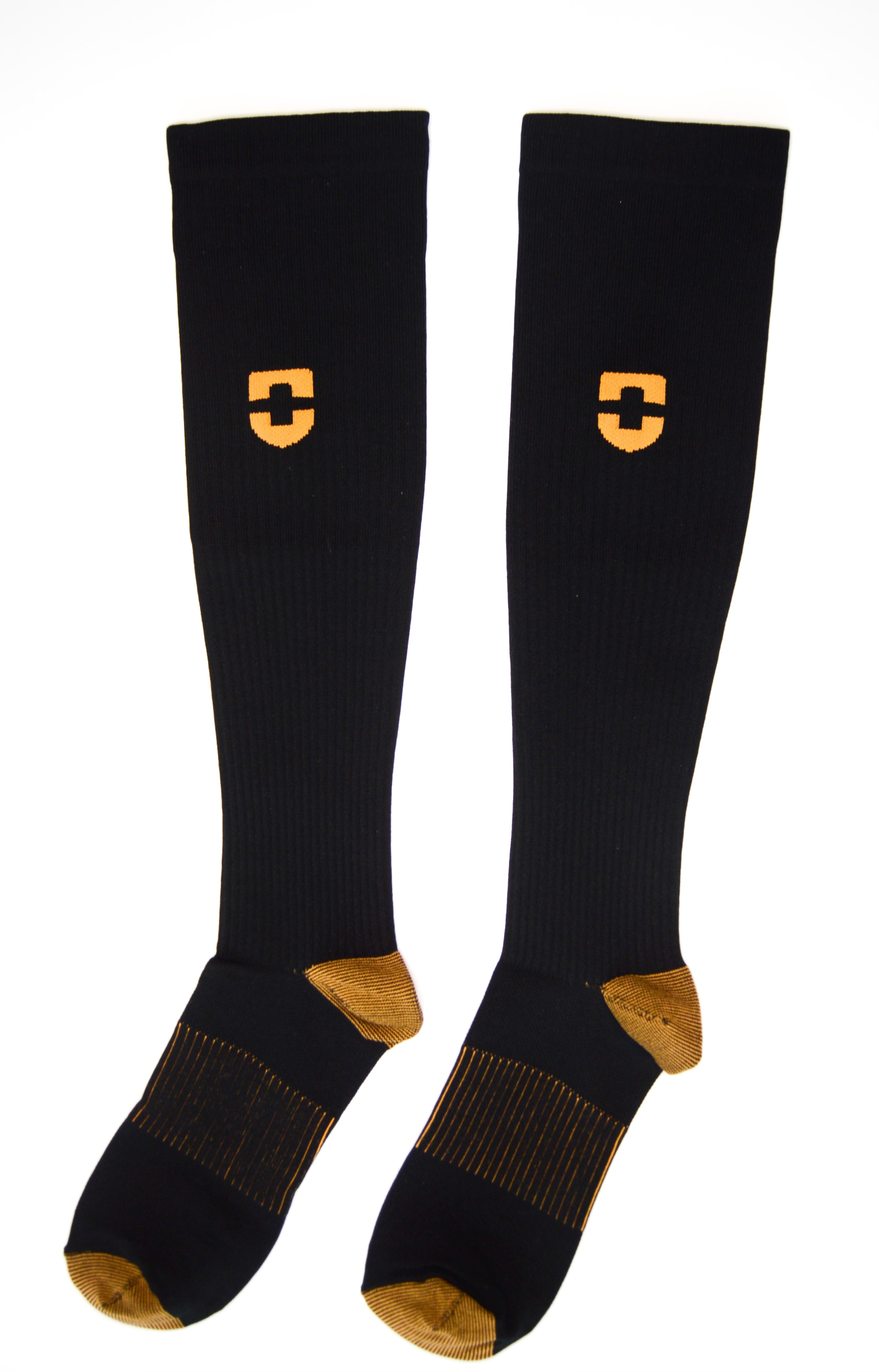
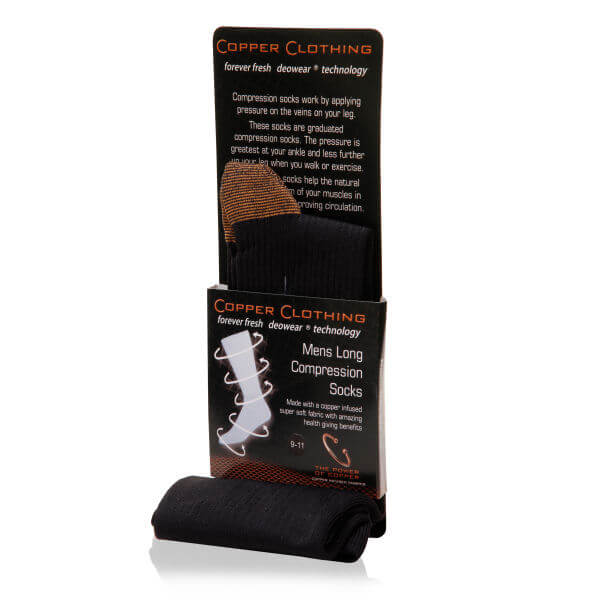
Long Copper Infused Compression Socks
- Breathable Compression Fabric, Comfortable & Durable
- 8 - 15mmHg of Compression
- Best socks for long flights and journey
- Sale price
- £15.99
- Regular price
- £15.99
Ladies Copper Infused Pyjamas
- Luxuriously Soft Cotton & Bamboo
- Ideal for daily wear
- Sale price
- £49.99
- Regular price
- £49.99
Everyday Copper Socks – Soft, Breathable Socks for Daily Comfort
- Soft & breathable fabric
- Comfortable for long-hour wear
- Lightweight everyday fit
- Sale price
- £9.99
- Regular price
- £9.99
Mens Copper Infused Pyjamas
- Luxuriously Soft Cotton & Bamboo
- Promotes Healthier & Softer Skin
- Sale price
- £54.99
- Regular price
- £54.99
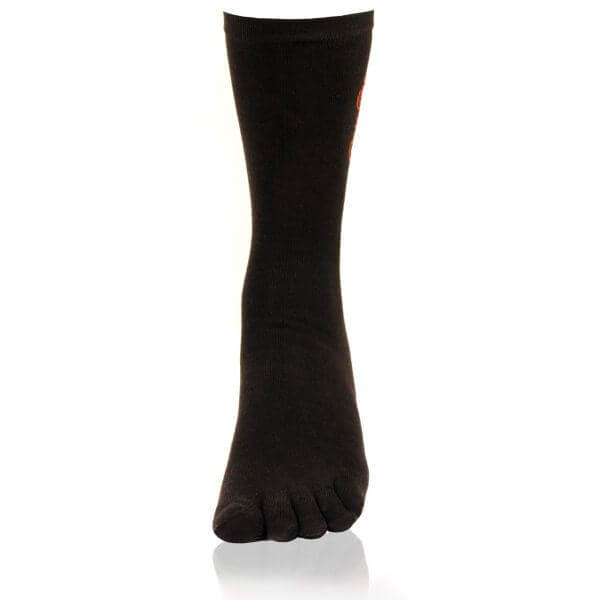
Copper Infused Five Toe Socks
- Promotes Softer Healthier Feet
- Completely Seamless
- Best for long journey and flights
- Sale price
- £14.99
- Regular price
- £14.99
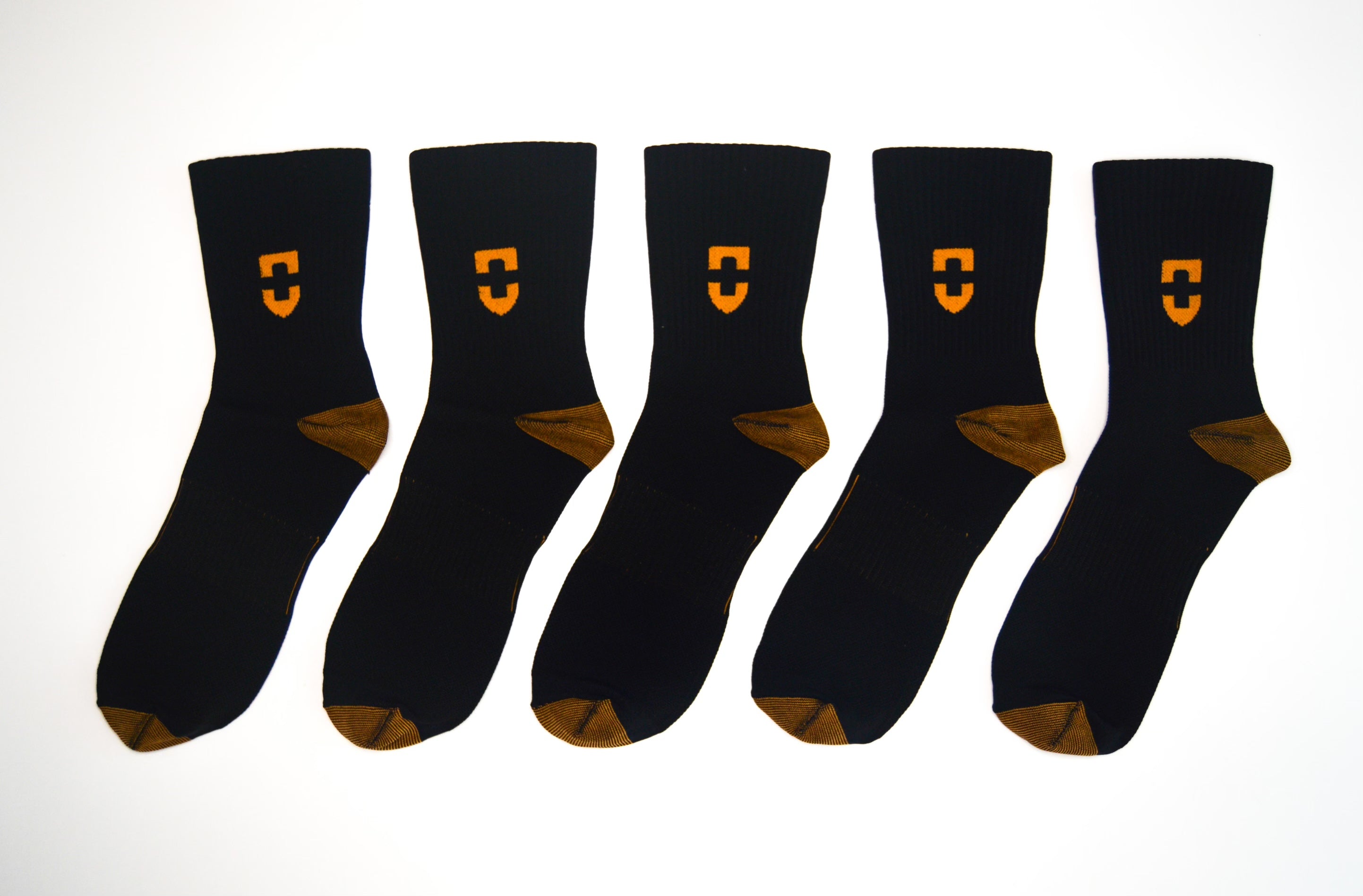
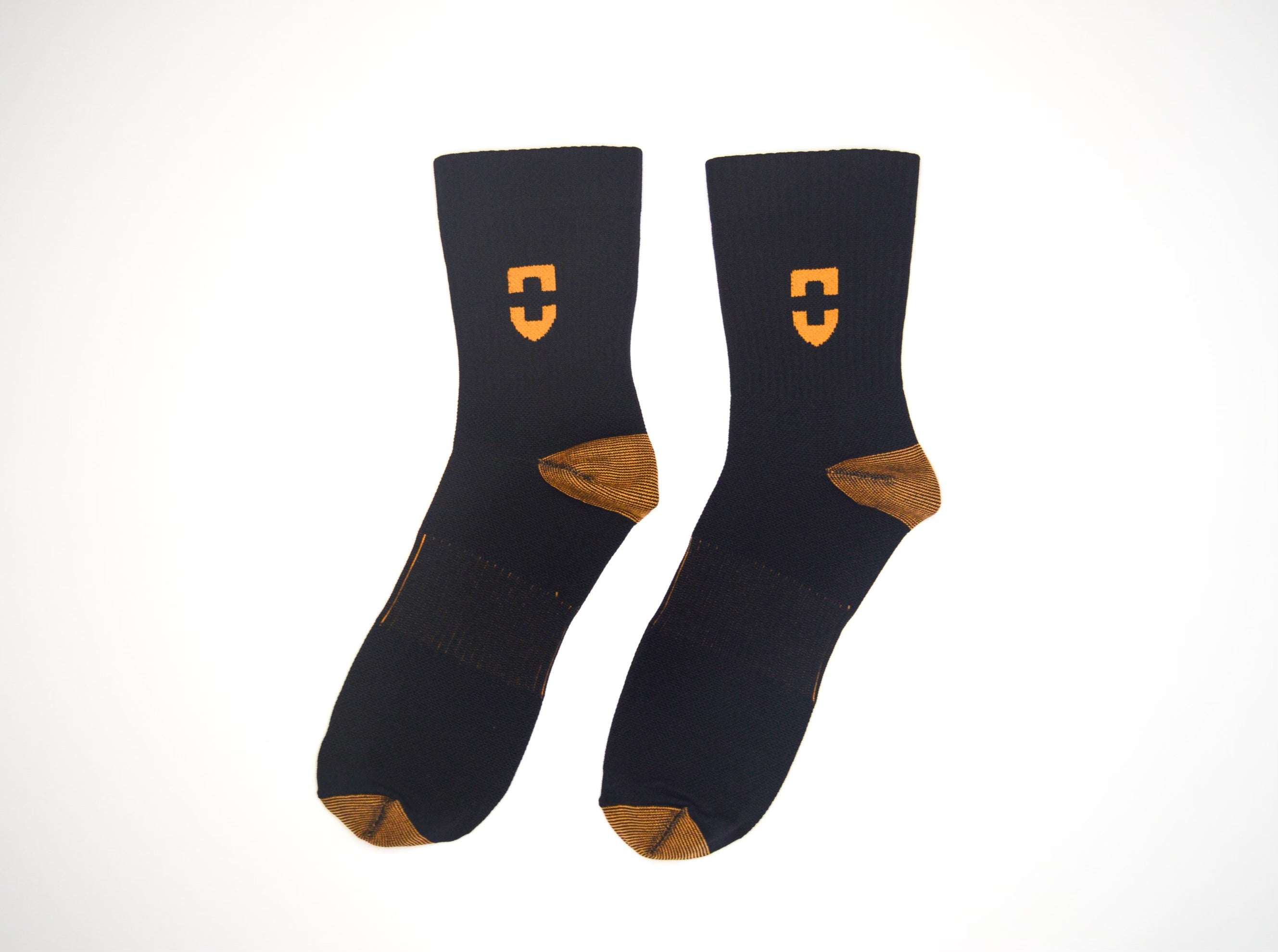
5-Pack Short Compression Copper Infused Socks
- Breathable Compression Fabric & Comfortable
- 8-15mmHg of Compression
- Best socks for long flights and travel
- Sale price
- £59.95
- Regular price
- £64.95
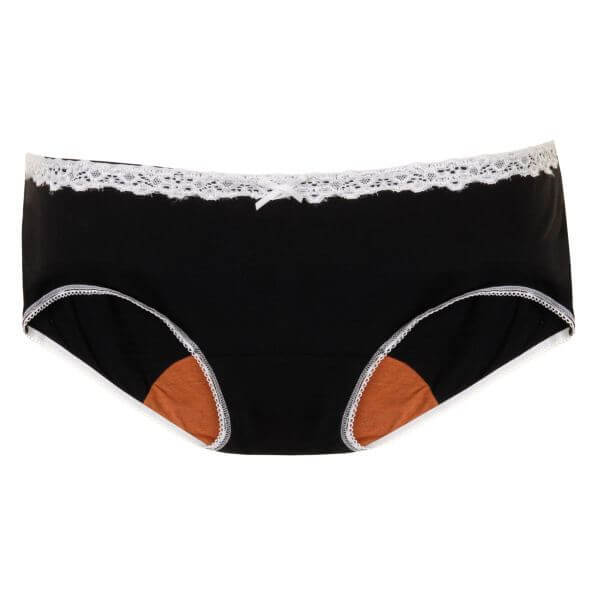
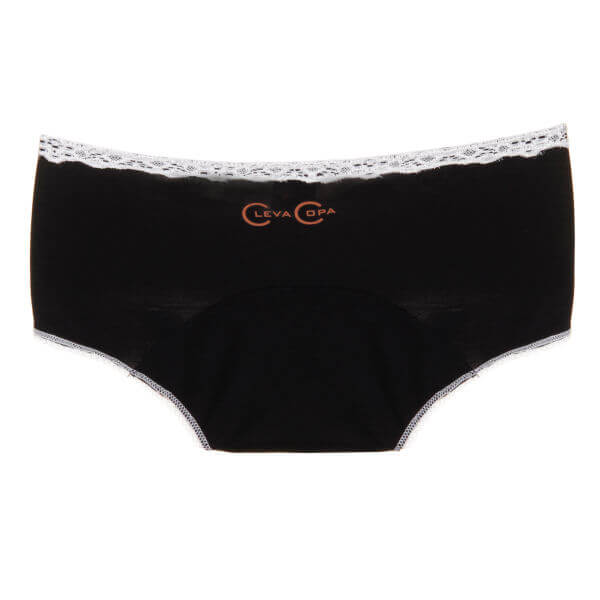
Womens Copper Infused Briefs
- Soft cotton & bamboo blend
- Breathable lightweight feel
- Flexible everyday comfort
- Sale price
- £9.99
- Regular price
- £9.99
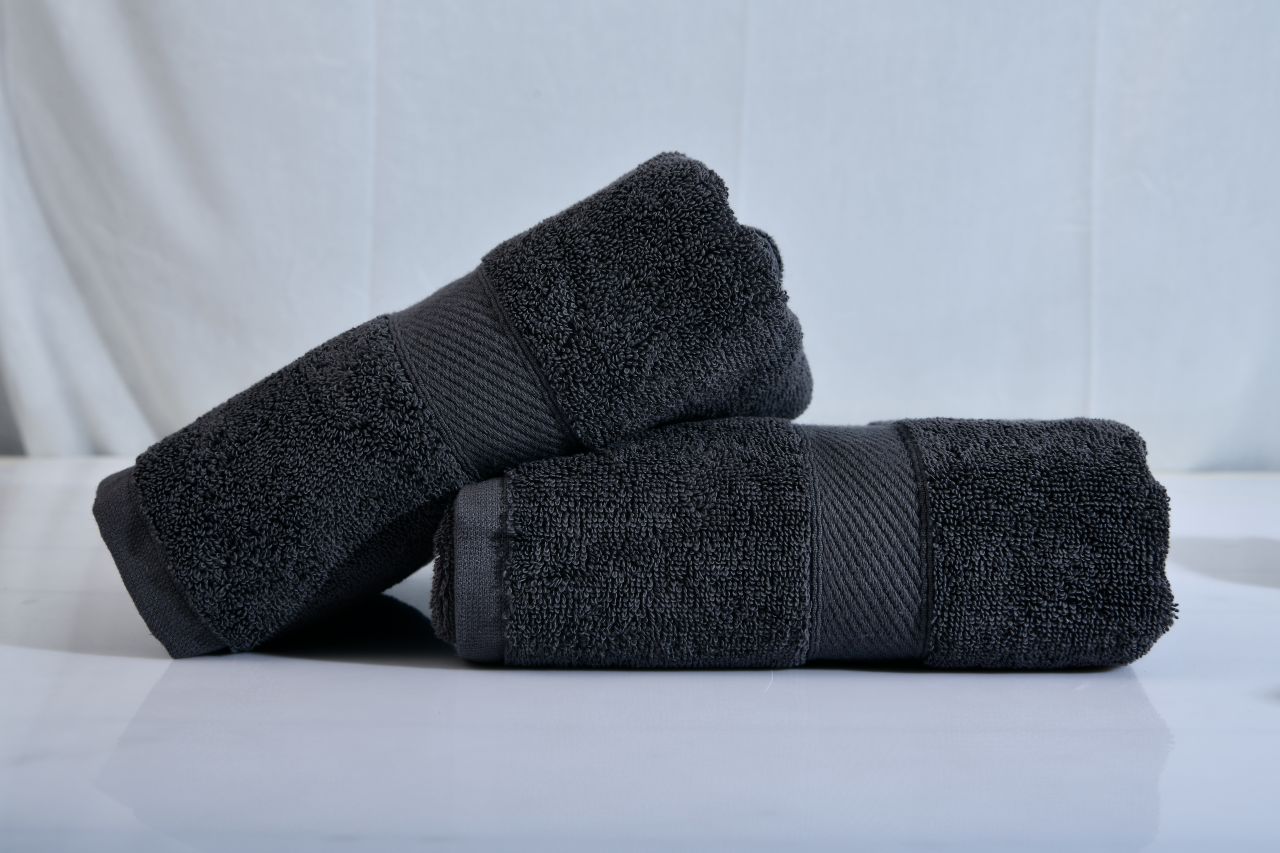
Copper Infused Bath & Gym Towel — 500 GSM Premium Cotton
- 500 GSM Cotton Cloth
- Soft & Premium
- Lightweight & Durable
- Child and Pet-Friendly
- Sale price
- £19.99
- Regular price
- £19.99

