


Copper vs. Traditional Bedding: Which is Better for You?
Author

Rory Donnelly
Published
August 30 2025
Choosing between copper and traditional bedding comes down to features vs comfort. Copper bedding offers moisture control and temperature regulation, while traditional bedding focuses on softness and affordability.
This guide helps you pick what suits your sleep needs best.
What Is Copper Bedding?
Copper bedding is made from fabrics infused with tiny copper particles or threads during manufacturing. This allows the material to support freshness and help maintain a cleaner sleep surface.
Copper has long been known for its ability to reduce certain microbes, which can contribute to a more hygienic sleeping environment. Common options include:
Key Benefits of Copper Bedding:
- Antimicrobial Protection: Naturally resists bacteria, fungi, and odours.
- Skin Health Support: Copper can promote collagen production, potentially reducing fine lines and wrinkles.
- Temperature Regulation: Helps keep bedding cooler and fresher.
- Long-Lasting Performance: Copper does not wash out easily, maintaining benefits over time.
What is Traditional Bedding?
Traditional bedding refers to sheets, pillowcases, and blankets made from conventional materials like:
- Cotton: Breathable, soft, and widely available.
- Linen: Durable and naturally temperature-regulating.
- Polyester: Affordable and wrinkle-resistant.
- Blends: Mix of natural and synthetic fibres for specific textures and performance.
Copper Bedding vs. Traditional Bedding: Side-by-Side Comparison
Choosing between copper bedding and traditional options isn’t just about thread count. While both can provide a cosy night’s sleep, their differences become clear when you look at factors like hygiene, temperature control, maintenance, and sustainability.
Below, each of their feature is broken down so you can see exactly how these two bedding types stack up and decide which one truly fits your lifestyle.
| Feature | Copper Bedding | Traditional Bedding |
| Health Benefits | Antimicrobial, odour-resistant, and may improve skin health | No natural antimicrobial benefits; may harbour bacteria |
| Comfort | Soft, smooth, temperature-regulating | Varies widely by material (cotton is breathable, polyester may trap heat) |
| Durability | Maintains antimicrobial properties after many washes | Quality depends on fibre type and thread count |
| Maintenance | Low maintenance, resists odour build-up | Requires frequent washing to maintain freshness |
| Cost | Higher upfront investment | Lower initial cost, quality varies by price |
| Eco-Friendliness | A longer lifespan may reduce waste | Natural fibres are biodegradable; synthetics are less eco-friendly |
-
Health & Hygiene Benefits
One of the biggest advantages of copper bedding is its built-in antimicrobial protection. Copper ions can disrupt bacterial cell membranes, stopping their growth.
In contrast, traditional bedding can accumulate bacteria, dust mites, and allergens over time, requiring frequent washing to stay hygienic. This makes copper bedding especially beneficial for people with allergies, sensitive skin, or weakened immune systems.
-
Comfort & Sleep Quality
Both bedding types can offer comfort, but copper-infused fabrics often feel luxuriously smooth and help regulate body temperature. The natural thermal conductivity of copper draws heat away from the body, creating a cooler sleep surface, ideal for hot sleepers.
Traditional bedding comfort depends largely on the material:
- Cotton: Breathable and soft, but may feel cold in winter.
- Linen: Textured but softens with time, excellent for hot climates.
- Polyester: Lightweight but may trap heat.
-
Durability & Longevity
Copper bedding tends to last longer in terms of hygiene benefits because the antimicrobial properties remain effective wash after wash. This means your bedding stays fresher for longer between washes.
Traditional bedding durability depends on the fabric quality and care. High-thread-count cotton or linen can last for years, but polyester blends may show wear more quickly.
-
Maintenance & Care
Copper bedding is low-maintenance. It resists odours, stains less easily, and doesn’t require special detergents. You can wash it like regular bedding. However, you need to avoid harsh bleach to preserve the fibres.
Traditional bedding requires more frequent washing to stay fresh, especially in warm climates where sweat and bacteria accumulate more quickly.
-
Cost & Value
Copper bedding usually costs more upfront due to advanced manufacturing processes and material benefits. But the reduced need for frequent replacement and potential health benefits can make it cost-effective over time.
Traditional bedding offers a wide range of prices. Budget options are affordable but may wear out faster, while luxury natural-fibre sets can be equally or more expensive than copper bedding.
-
Eco-Friendliness
Copper bedding’s longevity means less textile waste. However, manufacturing copper-infused fabrics does have an environmental footprint.
Traditional bedding made from organic cotton or linen is biodegradable and sustainable. But synthetic fabrics like polyester contribute to microplastic pollution.
Which Bedding Should You Choose?
Choose copper bedding if you:
- Value hygiene
- Have sensitive skin
- Want bedding that stays fresher for longer.
Choose traditional bedding if you:
- Prefer natural fibres
- Have a tighter budget
- Enjoy the feel of cotton or linen.
For many sleepers, a hybrid approach, such as using copper pillowcases with traditional cotton sheets, can deliver both comfort and health benefits.
Upgrade your sleep with copper bedding for added freshness and comfort.
Try Now
-

Post-Workout Hygiene: What You Shouldn’t Ign...
April 15, 2026
-

Compression Socks for Desk Job
April 15, 2026
-

Running in Cold Weather? Learn Benefits, Saf...
March 26, 2026
-

Sweaty Feet: Causes, Remedies, and Preventio...
March 12, 2026
-

Post Run Recovery: Can Compression Socks Rea...
February 24, 2026


Popular Products
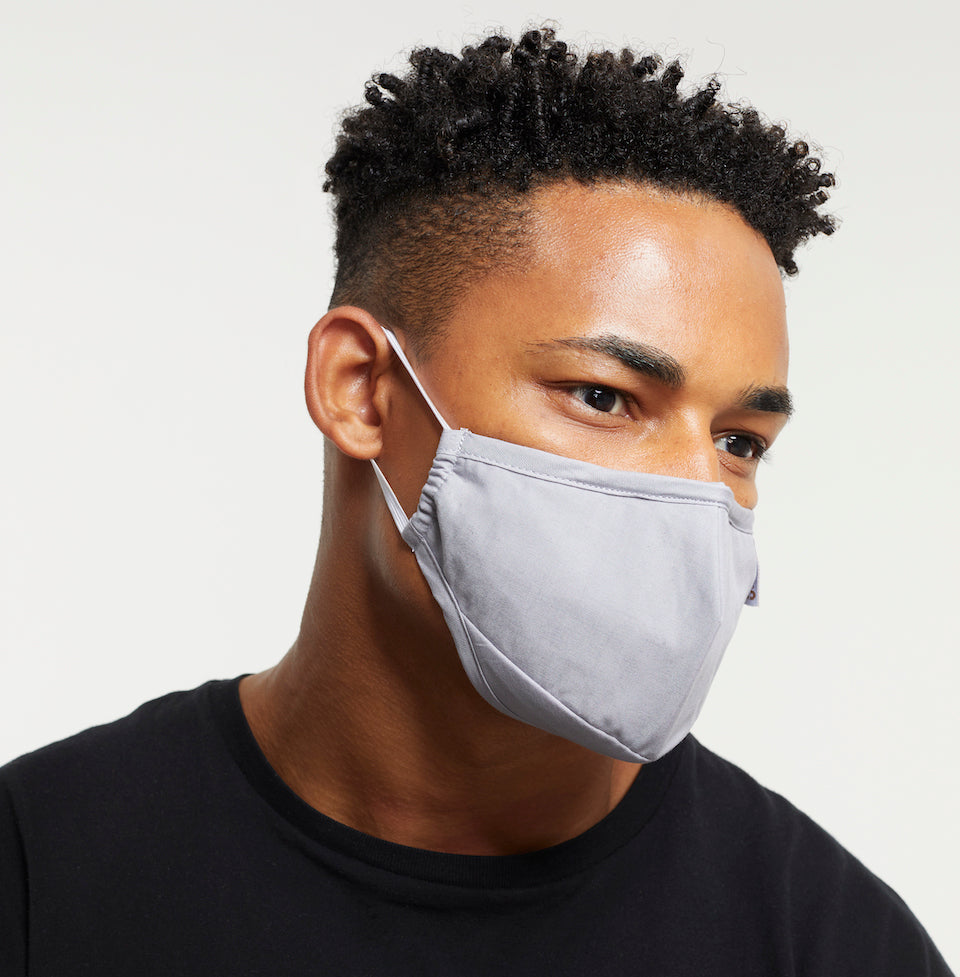
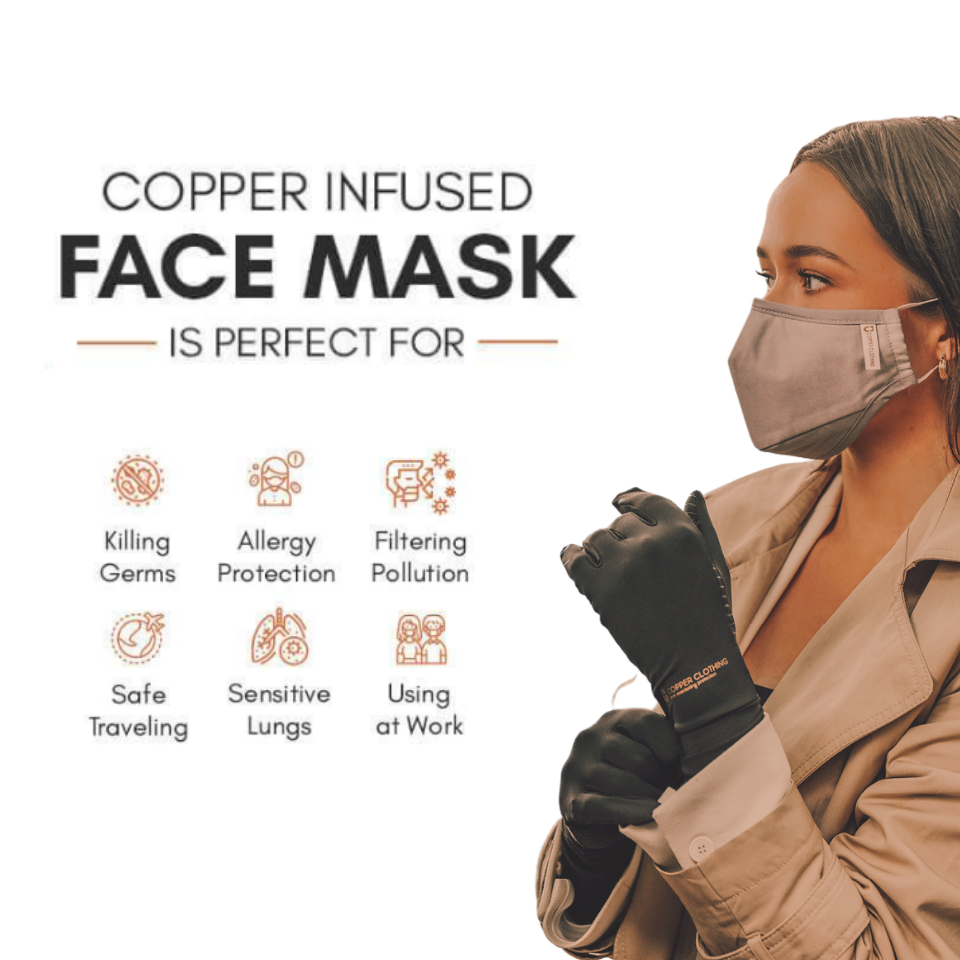
FFP2 CE Four-Layer Copper Infused Face Mask
- Four layers of protection
- Comfortable & washable
- Sale price
- £22.99
- Regular price
- £22.99
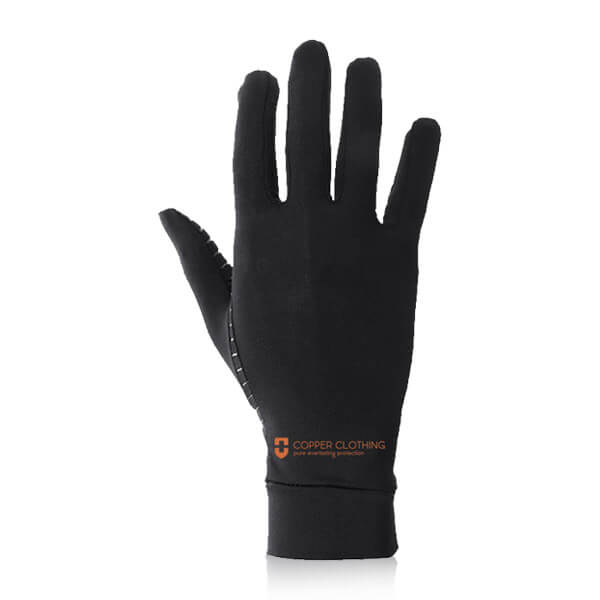
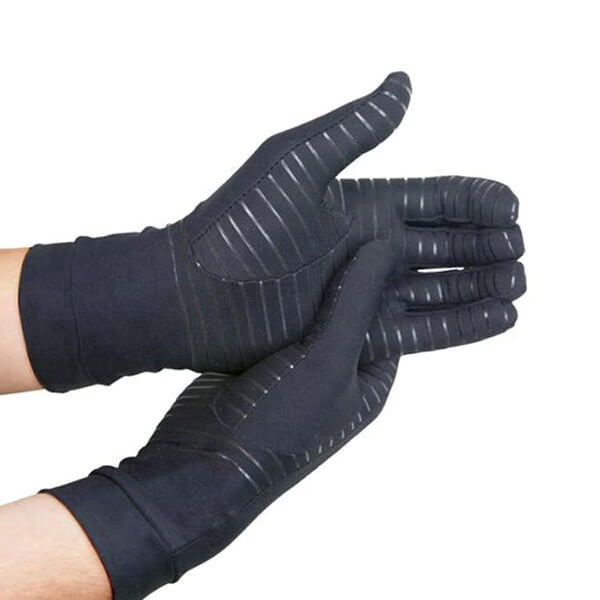
Full Finger Gloves (Copper Gloves)
- Ultimate comfort & flexibility
- Provides warmth and comfort for hands
- Washable
- Sale price
- £22.99
- Regular price
- £22.99
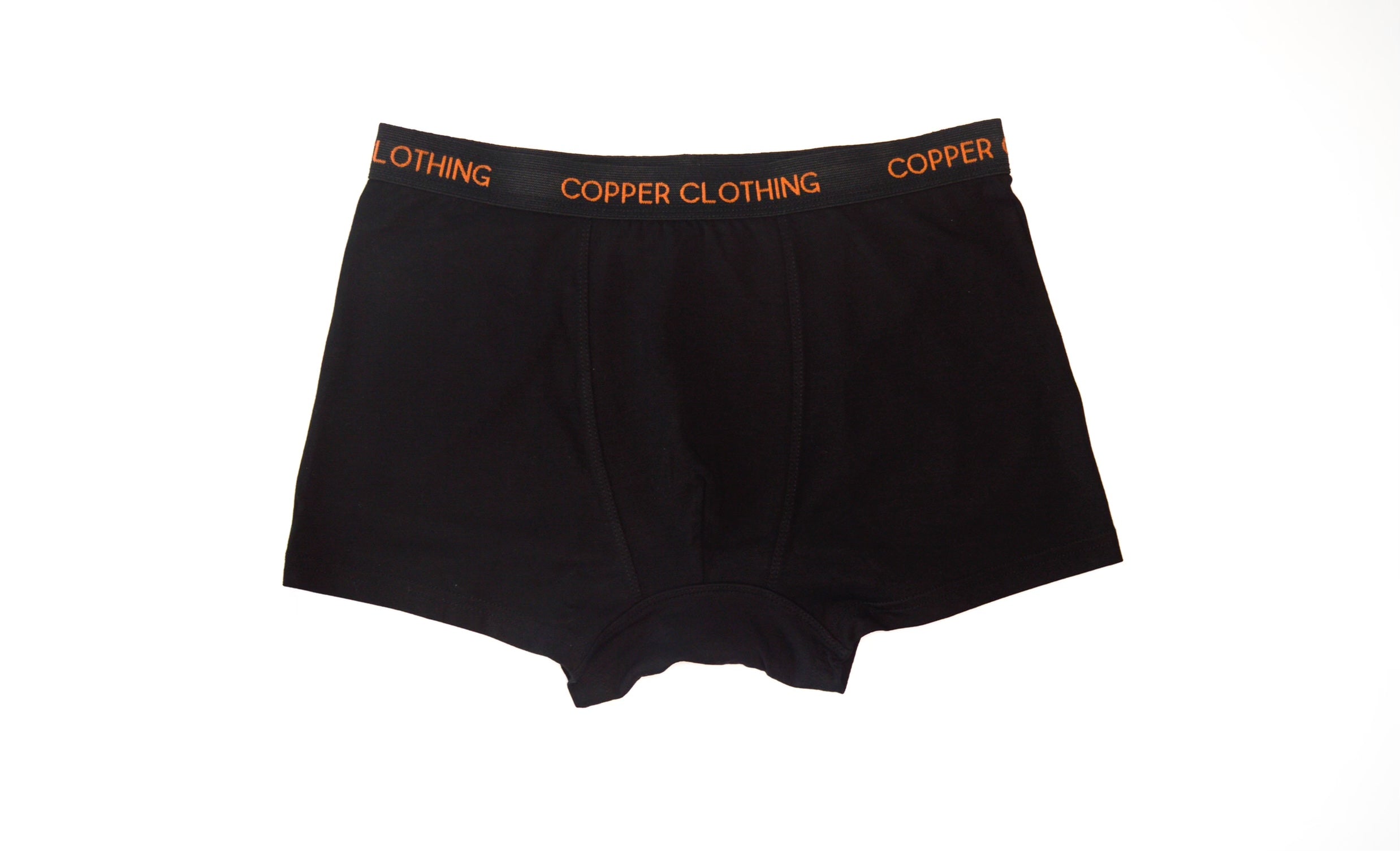
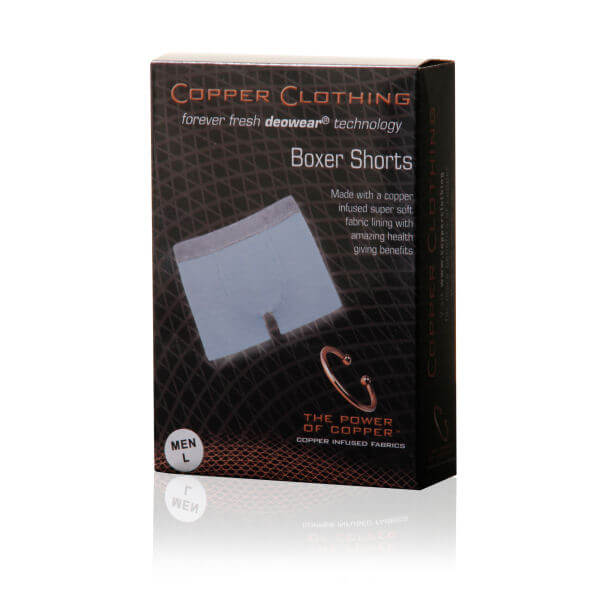
Mens Copper Boxer Shorts
- Luxuriously Soft Cotton & Bamboo (Lenzing Viscose)
- 30% Copper fibre throughout the crotch area
- 5% spandex for comfort throughout
- Perfect Fit Waistband
- Sale price
- £9.99
- Regular price
- £9.99
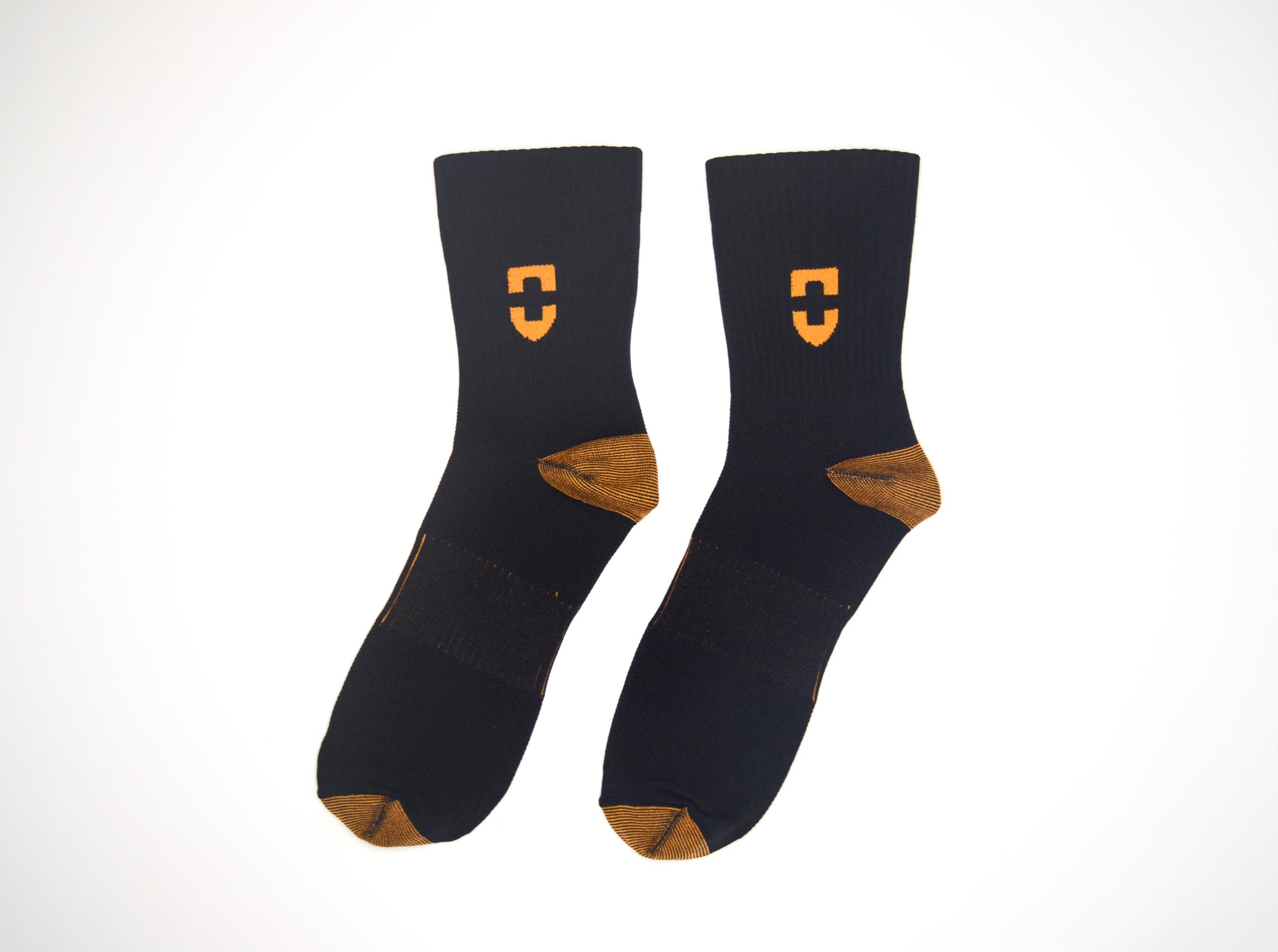

Short Compression Copper Infused Socks
- Breathable Compression Fabric, Comfortable & Durable
- 8 - 15mmHg of Compression
- Best socks for long flights and journey
- Sale price
- £12.99
- Regular price
- £12.99
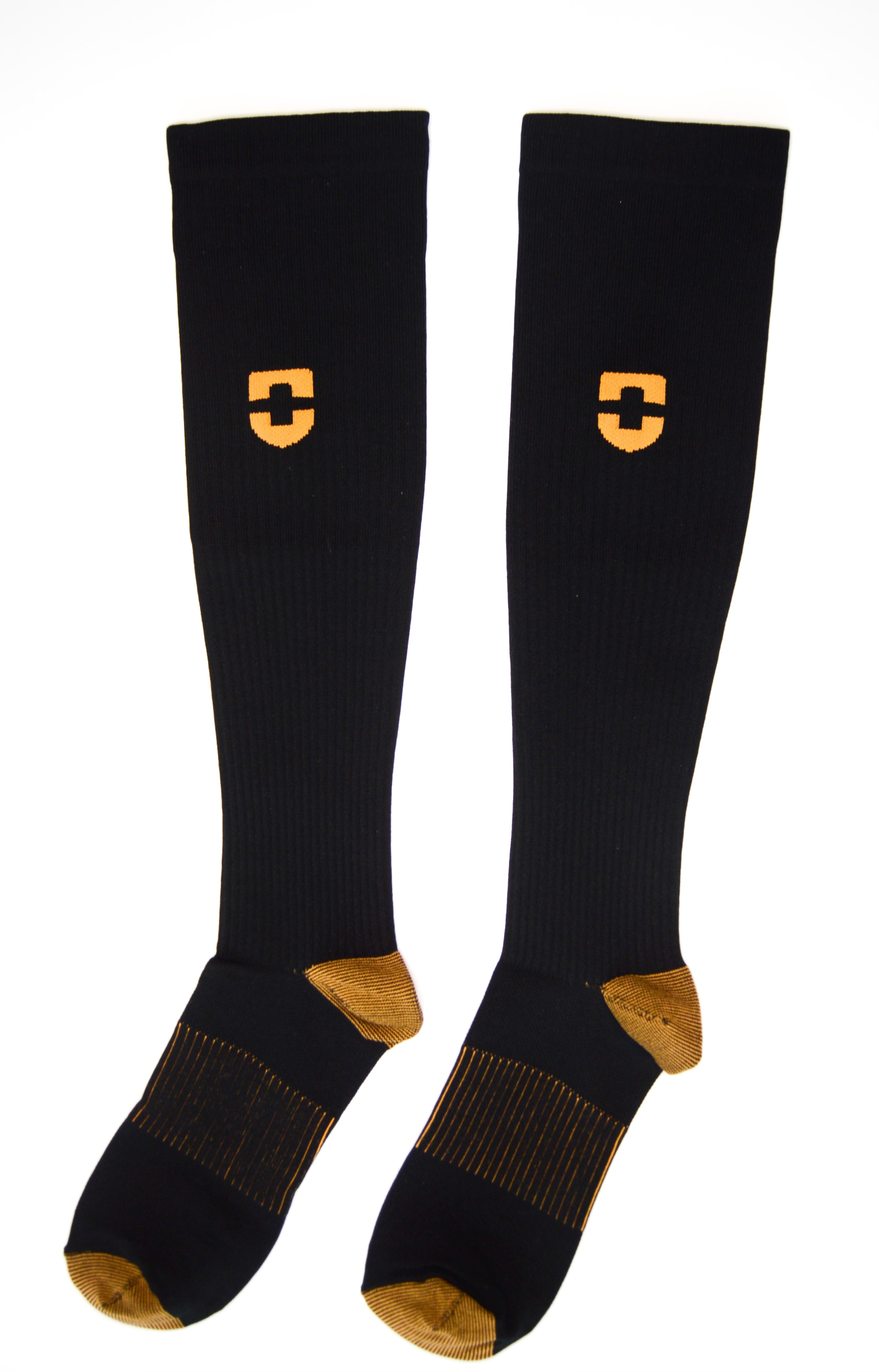
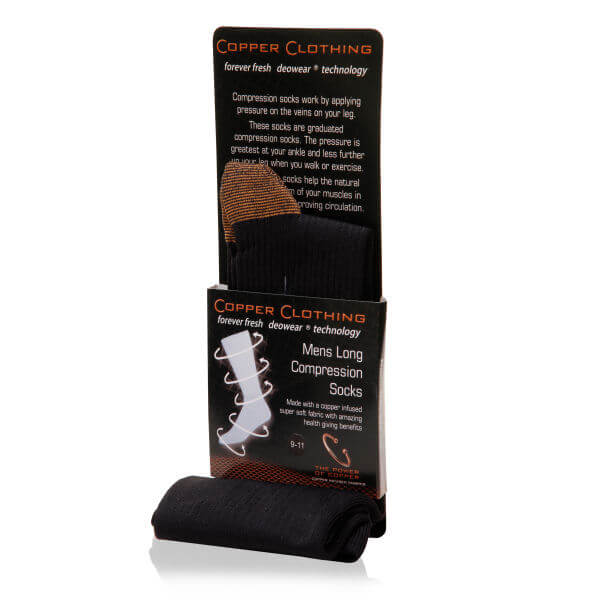
Long Copper Infused Compression Socks
- Breathable Compression Fabric, Comfortable & Durable
- 8 - 15mmHg of Compression
- Best socks for long flights and journey
- Sale price
- £15.99
- Regular price
- £15.99
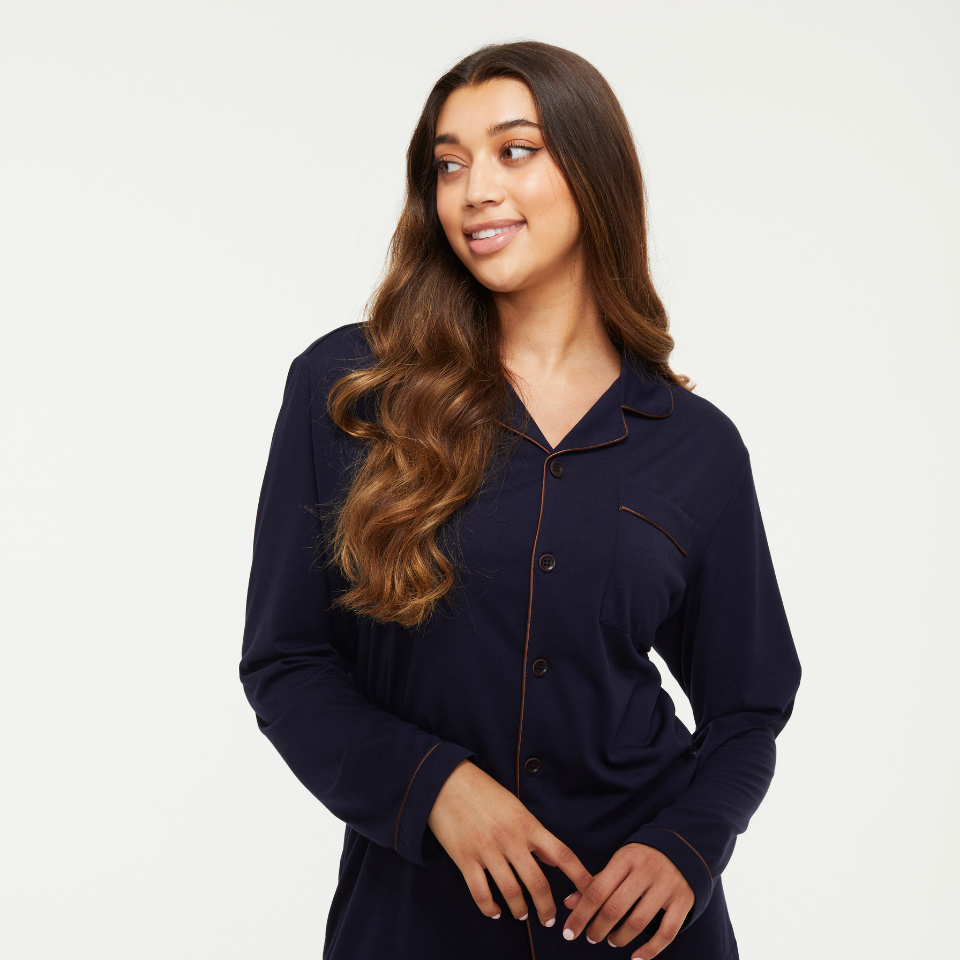
Ladies Copper Infused Pyjamas
- Luxuriously Soft Cotton & Bamboo
- Ideal for daily wear
- Sale price
- £49.99
- Regular price
- £49.99
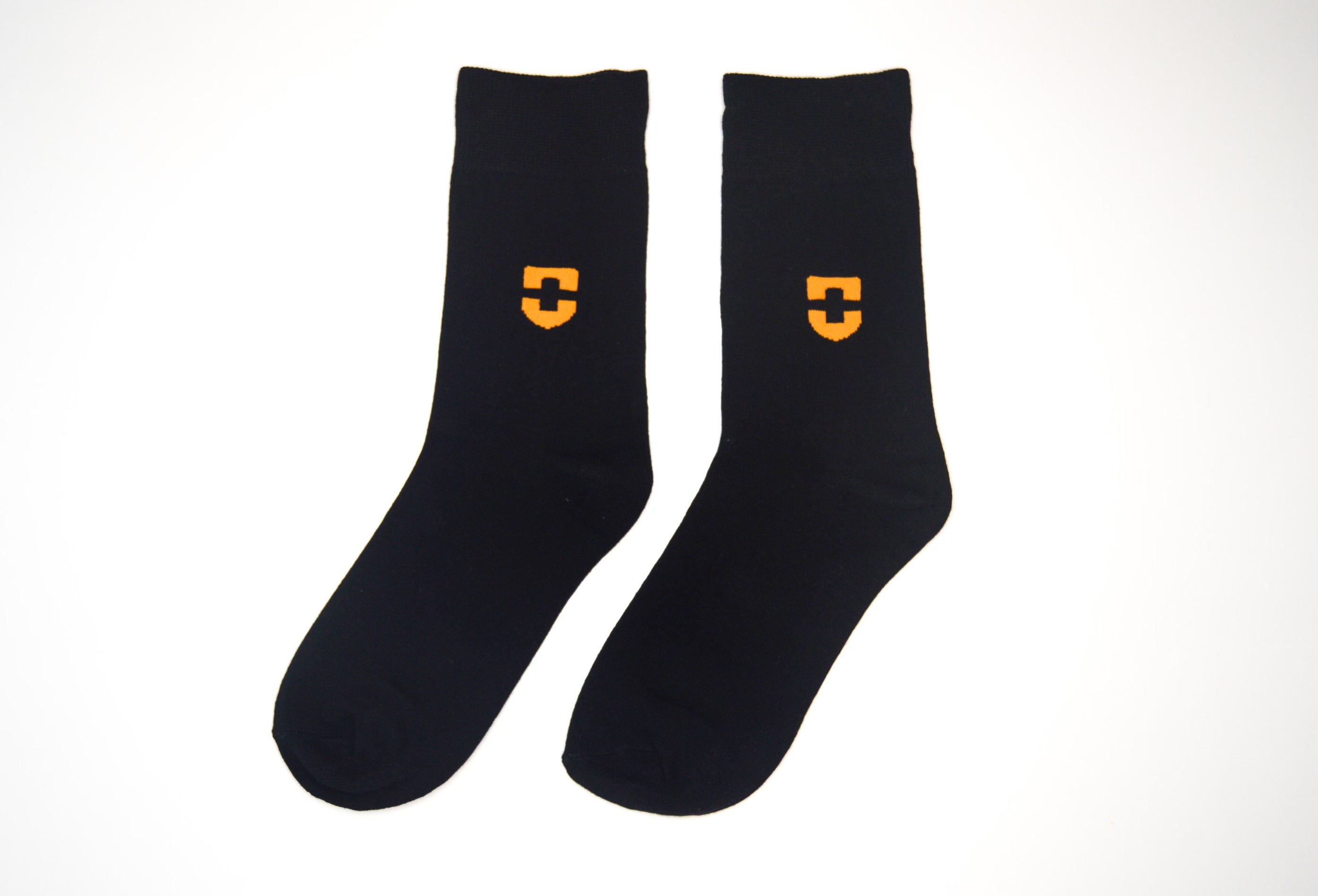
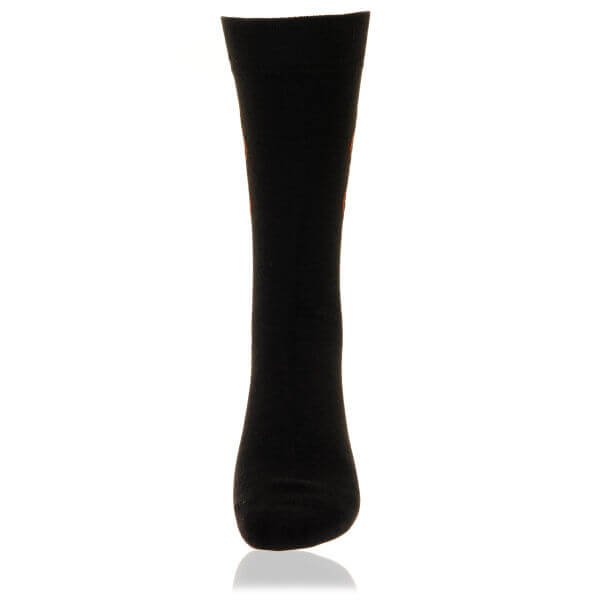
Everyday Copper Infused Socks
- Breathable fabric for comfort
- Ideal for long journey and flights
- Best for full day
- Sale price
- £9.99
- Regular price
- £9.99
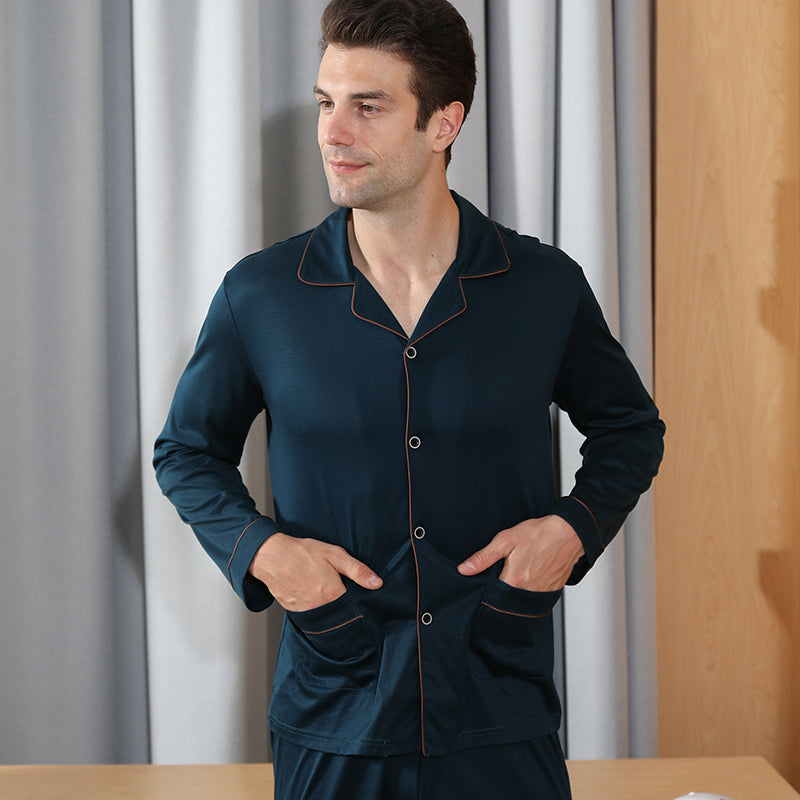
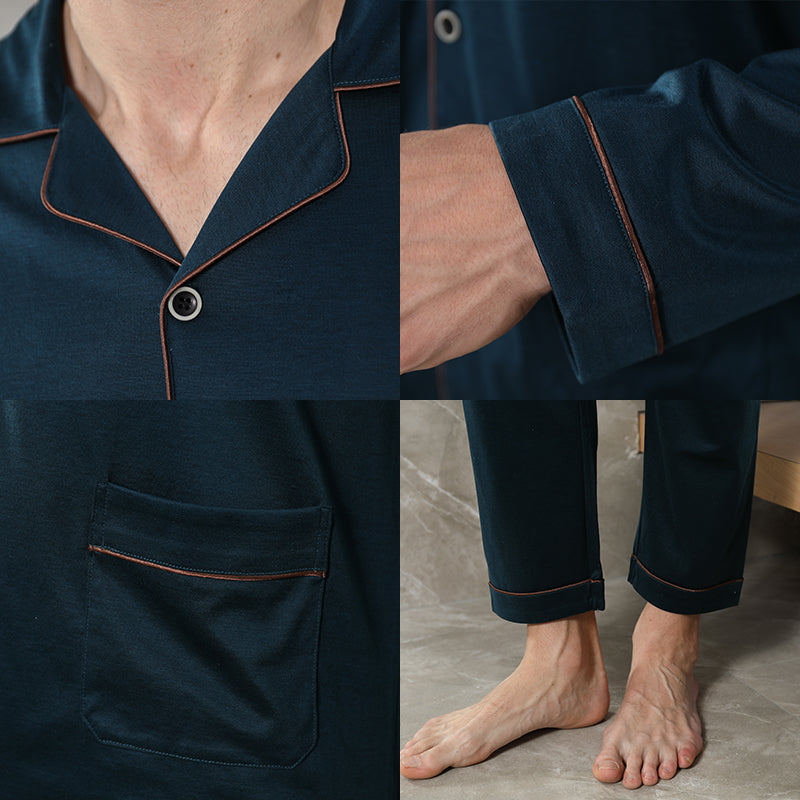
Mens Copper Infused Pyjamas
- Luxuriously Soft Cotton & Bamboo
- Promotes Healthier & Softer Skin
- Sale price
- £54.99
- Regular price
- £54.99
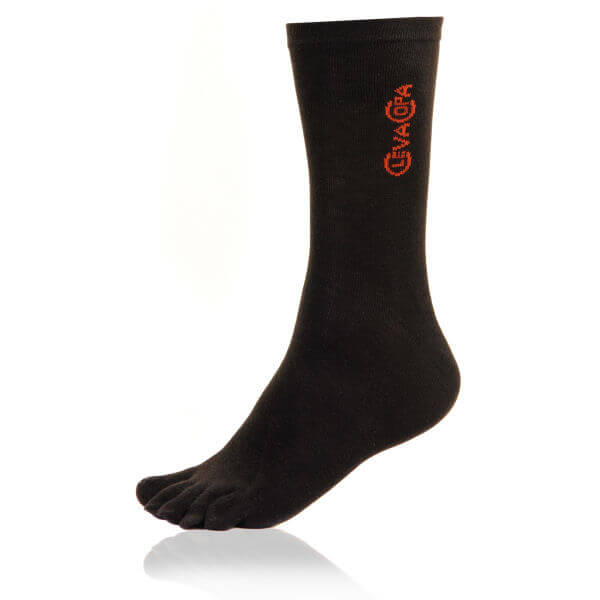
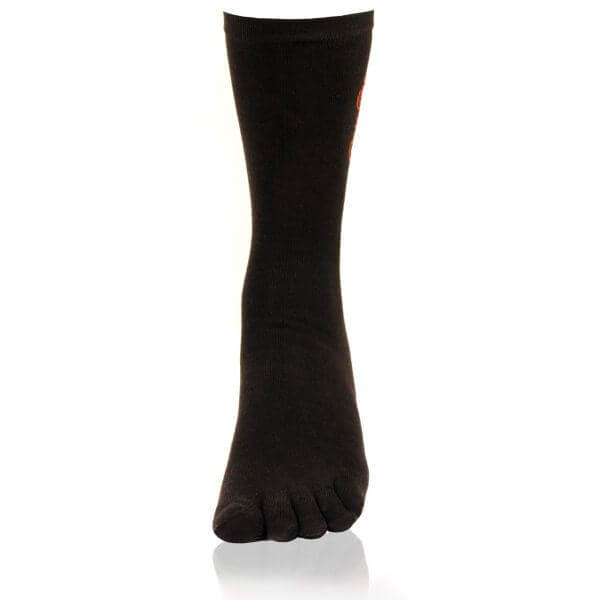
Copper Infused Five Toe Socks
- Promotes Softer Healthier Feet
- Completely Seamless
- Best for long journey and flights
- Sale price
- £14.99
- Regular price
- £14.99
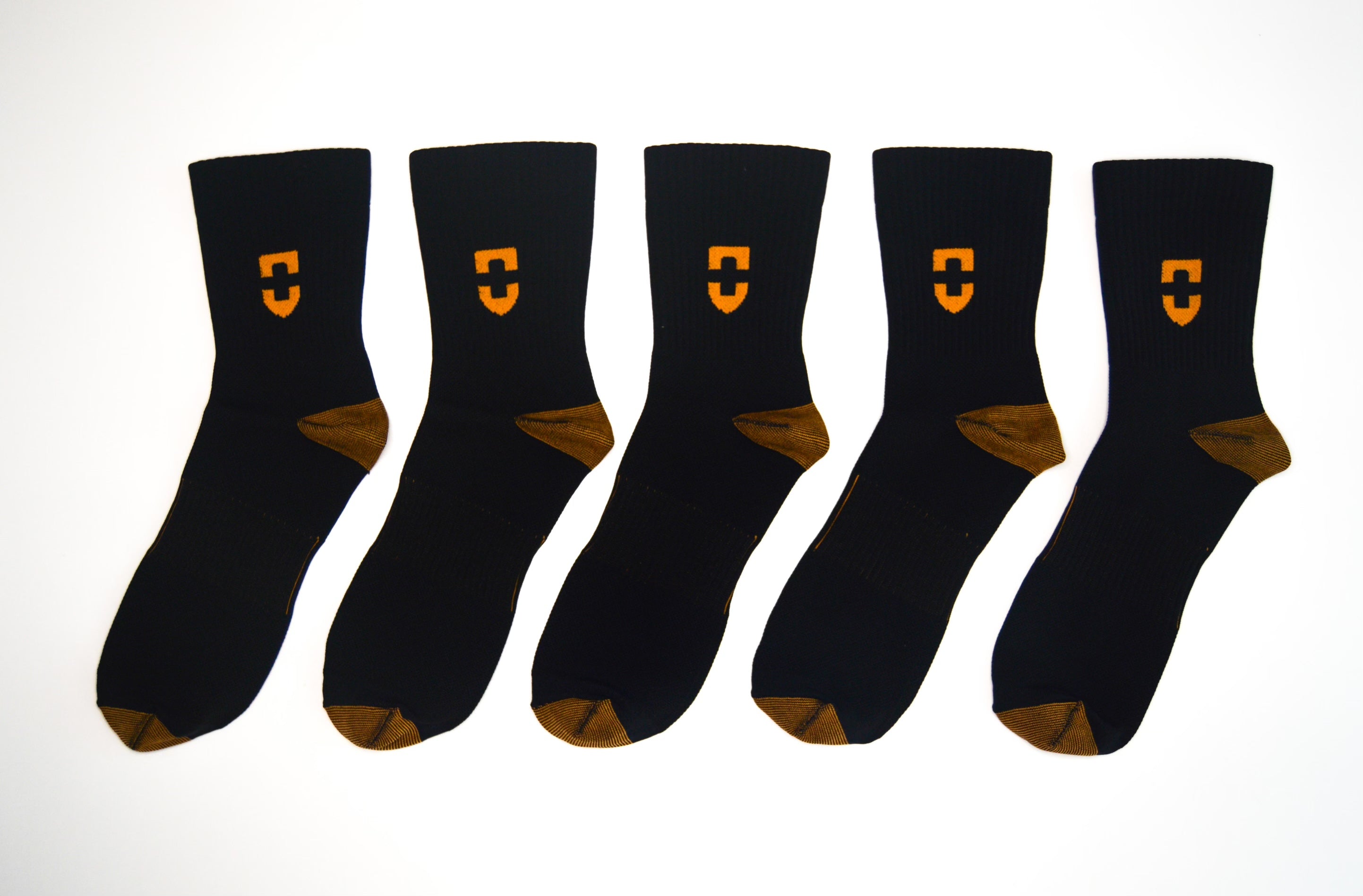
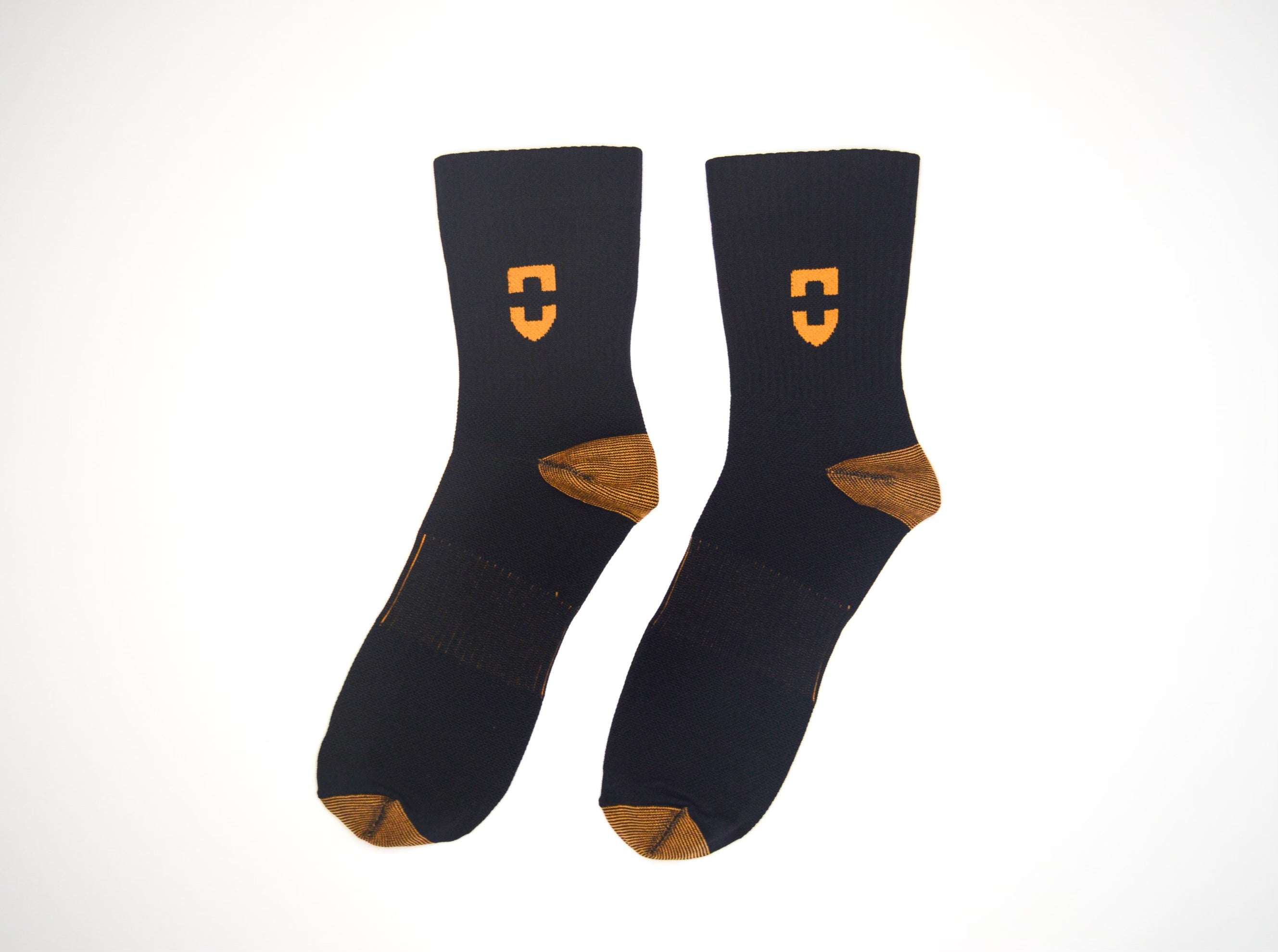
5-Pack Short Compression Copper Infused Socks
- Breathable Compression Fabric & Comfortable
- 8-15mmHg of Compression
- Best socks for long flights and travel
- Sale price
- £59.95
- Regular price
- £64.95
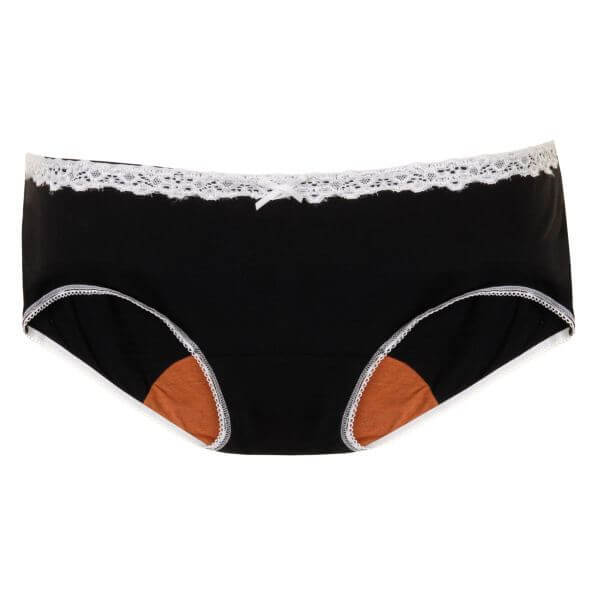
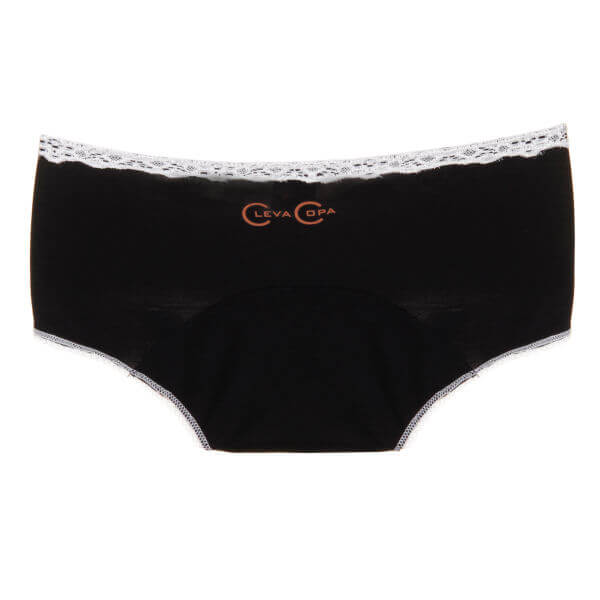
Womens Copper Infused Briefs
- Comforting Flexible Fit
- Luxuriously Super Soft Seamless Cotton
- Sale price
- £9.99
- Regular price
- £9.99
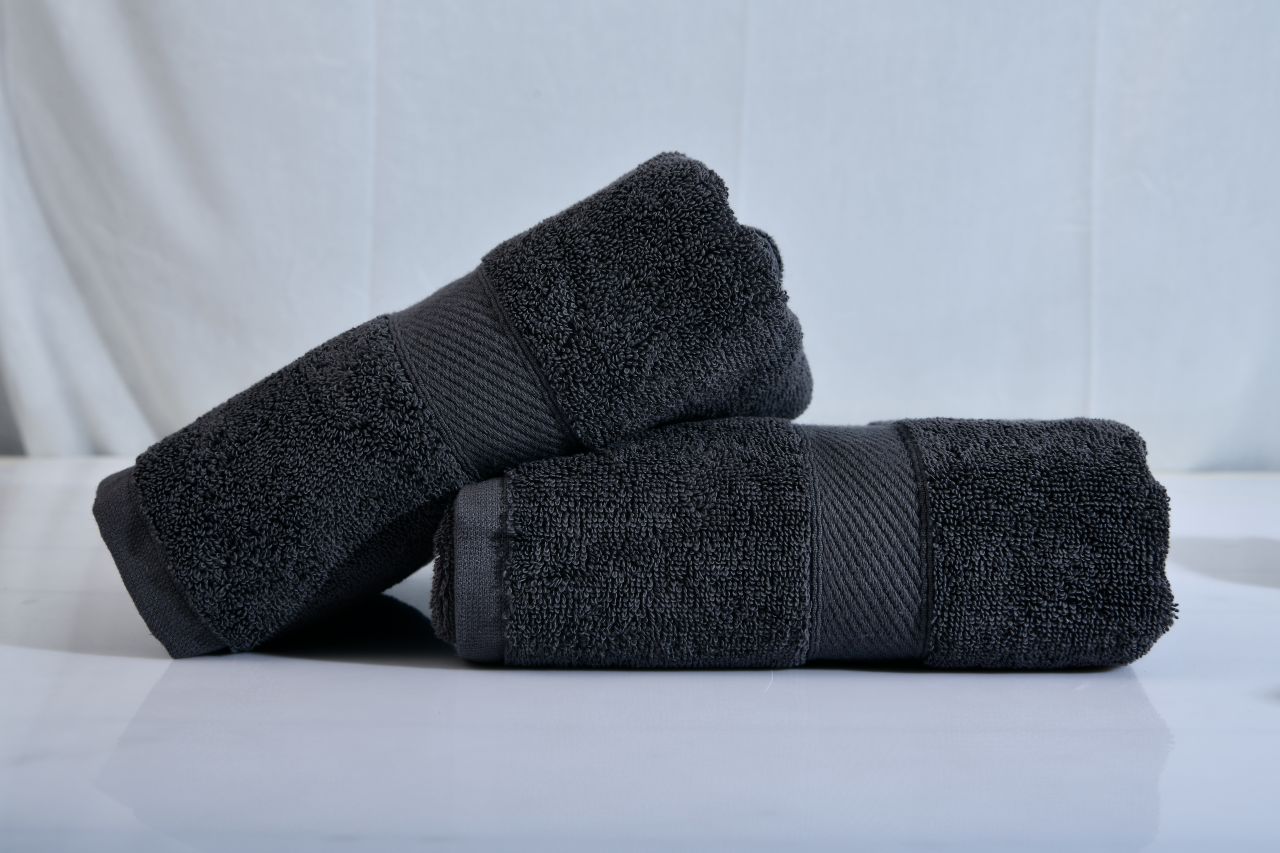
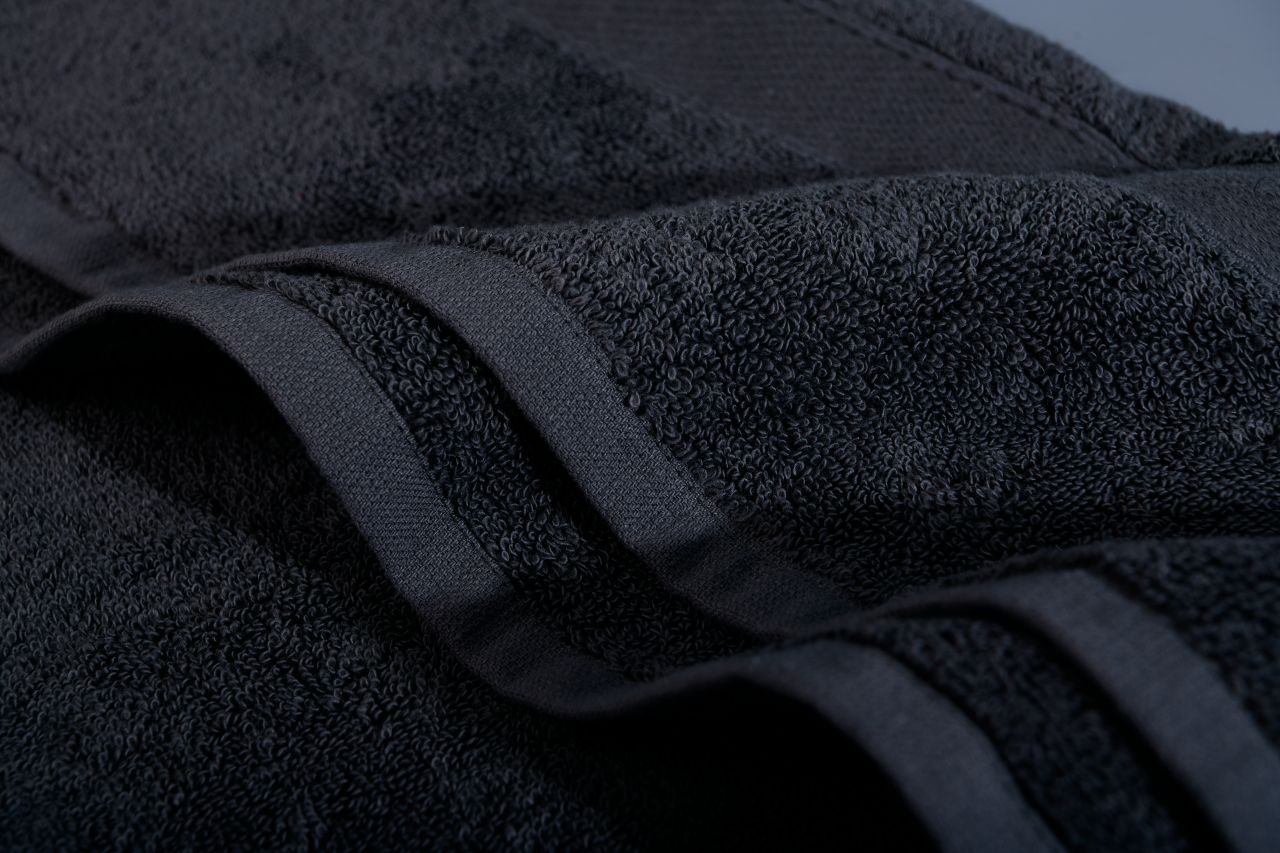
Copper Infused Bath & Gym Towel — 500 GSM Premium Cotton
- 500 GSM Cotton Cloth
- Soft & Premium
- Lightweight & Durable
- Child and Pet-Friendly
- Sale price
- £19.99
- Regular price
- £19.99

