


How to Remove Mildew Smell from Towels
Author

Rory Donnelly
Published
April 28 2023
Quick Answer:
• Wash on the hottest setting with 1 cup white vinegar and no detergent.
• Run a second hot cycle with ½ cup baking soda.
• Transfer to the dryer immediately and dry on the highest heat setting.
• If the smell returns: clean your washing machine drum and gasket; it may be the source.
Why Do My Towels Smell Musty?
That damp, musty smell on your towels is caused by mould and bacteria growing in the fabric fibres. It happens when moisture gets trapped, either because towels aren't drying fully between uses, because detergent residue is building up in the fabric, or because your washing machine itself has become a source of bacteria.
The good news: you can get rid of the mildew smell completely using items you already have at home. Below you'll find a step-by-step method that works, plus individual techniques, prevention tips, and the one long-term fix that stops the smell returning for good.
Step-by-Step: How to Get Mildew Smell Out of Towels
Step 1 - Make Sure Towels Are Completely Dry Before Washing
Never put a still-damp towel straight into the laundry basket. Damp fabric in a closed hamper creates ideal conditions for mould to grow further. Hang towels on a hook or rack first, and only wash them when they are fully dry.
Step 2 - Hot Vinegar Wash (No Detergent)
Place your musty towels in the washing machine. Add 1 cup of distilled white vinegar directly to the drum or the fabric softener dispenser. Do not add detergent. Run a full hot cycle. Vinegar is a natural acid that dissolves the mineral deposits and bacterial residue, causing the odour.
Important: Never mix vinegar and bleach; the combination produces toxic chlorine gas.
Step 3 - Baking Soda Wash
Immediately after the vinegar cycle finishes, add ½ cup of baking soda to the drum. Run a second full hot cycle. Baking soda is alkaline and neutralises any remaining acidic odours left by the vinegar, leaving fabrics fresh.
Step 4 - Dry Immediately on High Heat
Move the towels to the dryer straight away, do not leave them sitting in the drum. Select the highest heat setting available and run the full cycle. Heat kills any remaining bacteria and mould spores. If you're air-drying, hang them in direct sunlight, which has a natural antibacterial effect.
Step 5 - Check Your Washing Machine
If the smell keeps returning after washing, your washing machine may be the source. Mould and bacteria build up on the rubber door gasket, detergent drawer, and inside the drum. Wipe the gasket thoroughly with white vinegar and a microfibre cloth. Run an empty hot cycle with a machine cleaning tablet or ½ cup of baking soda. Do this every 1–2 months.
Step 6 - Prevention: Stop the Smell Coming Back
Getting rid of the smell is step one. Keeping it gone requires a few simple habits:
• Hang towels fully spread out after every use. Never scrunch them on a hook
• Wash towels every 3-4 uses
• Use less detergent than the package recommends as excess residue traps bacteria
• Avoid fabric softener on towels. It coats the fibres and reduces absorbency while trapping odours
Store clean towels in a well-ventilated space, not a damp cupboard.
Proven Tips to Remove Mildew Smell from Towels
Mildew in the towel is a common occurrence, but getting the mildew smell out of your towels is not difficult. With the tips and tricks below, you can eliminate the mildew smell out of towels:
1. Develop a Wash Routine
The first step to getting the mildew smell out of towels is adopting a wash routine. We can't stress it enough, but washing your towel is extremely important for it to stay clean and void of mildew.
Experts recommend washing your towels every three days to make sure there's no build-up of mildew or other microorganisms that can be the leading cause of illnesses. And post-washing, hang them up for drying to get the mildew smell out of towels.
2. White Vinegar
Add 1 cup of white vinegar to your wash cycle in place of fabric softener. It breaks down residue, softens fibres, and eliminates odour-causing bacteria. Best used alone (without detergent) for maximum effect.
3. Baking Soda
Add ½ cup of baking soda to your wash load. It neutralises odours and softens towels. Especially effective when used as a follow-up to the vinegar wash.
4. Borax
Borax is another common solution found in households that can help get the mildew smell out of towels by acting as a detergent booster. It softens the water and disinfects the towels while also removing any stains from their surface. Just add ½ cup of Borax to your regular laundry.
5. Washing Soda (Sodium Carbonate)
Super washing soda is a stronger odour eliminator than baking soda. Add ½ cup per load. It raises the pH of the water, which helps break down stubborn odour-causing residue. Available in most supermarket laundry aisles.
6. Hot Water Washing
Switch from cold to hot water for your towel washes. Hot water kills bacteria and mould more effectively, and helps break down the detergent and fabric softener residue that traps odours in the fibres.
7. Sun Drying
UV rays from the sun are a natural disinfectant. Hanging towels outside in direct sunlight after washing can eliminate remaining bacteria and freshen fabric naturally with no extra products required.
8. Tea Tree Oil
Add 5–10 drops of tea tree oil to your wash cycle along with your regular detergent. Tea tree oil has natural antibacterial, antifungal, and antimicrobial properties. Wash on a hot cycle and tumble dry on low.
9. Laundry Sanitiser
A laundry sanitiser (such as Dettol Laundry Cleanser) added to the fabric softener compartment will kill up to 99.9% of bacteria on your towels. Use in addition to regular detergent, not instead of it.
How Copper Helps in Preventing Mildew on Towels?
These nine tips are great for getting rid of the mildew smell in your towels, but did you know that you can actually prevent the smell before it even forms on your towel? Yes, copper has been shown to naturally reduce the presence of harmful microorganisms. When embedded in fabrics, it helps limit and prevent the growth of mildew, mould, and bacteria on the towel’s surface.
The best step of care to take to get rid of the mildew smell out of towels is to prevent its build-up altogether. Copper Clothing's Copper-Infused Bath Towels help create an environment that's hostile to mould, bacteria, and other microbes and, ultimately, prevent the growth of mildew smell and other foul odours.
In addition to this, the copper ions in your bath towels are known to be more long-lasting and durable. Hence, you don't have to invest in a new towel for long, as copper maintains the freshness and cleanliness of the fabric for longer!
Featured product in this article

Copper Infused Bath & Gym Towel — 500 GSM Premium Cotton
What Causes Mildew Smell in Towels?
Understanding the cause makes it easier to prevent recurrence. There are four main reasons towels develop a mildew smell:
Left damp for too long - Bath towels are thick and take longer to dry than other fabrics. If left folded or bundled while still slightly damp, bacteria and mould proliferate within 24-48 hours.
Detergent and fabric softener build-up - Excess laundry products leave a residue on towel fibres that traps moisture and harbours bacteria. This is one of the most common and overlooked causes.
Dirty washing machine - Your machine can become a source of bacteria, particularly around the rubber door gasket and inside the detergent drawer, where water sits after each wash.
Products containing oils or fragrance - Laundry products with added oils can leave a film on towel fibres, creating a micro-environment where mould and mildew can grow.
Say goodbye to mildew with copper-infused towels that
stay fresh, resist odour, and keep things hygienic.
FAQs:
-
Is the mildew smell harmful?
Yes, according to FEMA, mildew impacts your health and gives you respiratory problems such as sinus and nasal congestion, nose, eyes and throat irritation, wheezing, and headaches.
-
Can mildew clothes make you sick?
Yes, the formation of mildew on clothes may lead to your skin breaking out in rashes or hives and turn your eyes watery and red. Further, inhaling mildew can cause nasal problems like sneezing, congestion, nose bleeding, and throat irritation.
-
Why do my towels smell like mildew after I wash them?
If your towels smell like mildew even after washing them, try to clean your washing machine from the inside with a microfibre cloth and white vinegar, as there are chances of mildew forming inside.
-
Will baking soda get the mildew smell out of towels?
Yes, adding half a cup of baking soda to your laundry can help get rid of the mildew smell out of towels.
-
How long does it take for towels to form mildew?
Mildew can be formed on towels within 24 to 48 hours of moisture exposure. It may continue to grow if you don't dry your towels out properly.
-
Does mildew spread to other clothes?
Yes, mildew can spread and contaminate other clothes. So, it's wiser not to wash your mildew-affected towel with other clothing in the same laundry round.
-
Is mildew a fungus?
Mildew is a type of fungus or mould found on surfaces where moisture stays trapped.
-
How often should you change your towel?
It's necessary to change your towels once they start producing an odour that doesn’t go away even after washing, lose their absorbency, have frayed edges, and become too scratchy on your skin.
-
How often should you wash your towel?
Experts say that it's ideal to wash your towel after every three uses to save yourself from infections, aggravated skin conditions, and the spread of bacteria.
-

Post-Workout Hygiene: What You Shouldn’t Ign...
April 15, 2026
-

Compression Socks for Desk Job
April 15, 2026
-

Running in Cold Weather? Learn Benefits, Saf...
March 26, 2026
-

Sweaty Feet: Causes, Remedies, and Preventio...
March 12, 2026
-

Post Run Recovery: Can Compression Socks Rea...
February 24, 2026


Popular Products
FFP2 CE Four-Layer Copper Infused Face Mask
- Four layers of protection
- Comfortable & washable
- Sale price
- £22.99
- Regular price
- £22.99
Full Finger Gloves (Copper Gloves)
- Ultimate comfort & flexibility
- Provides warmth and comfort for hands
- Washable
- Sale price
- £22.99
- Regular price
- £22.99
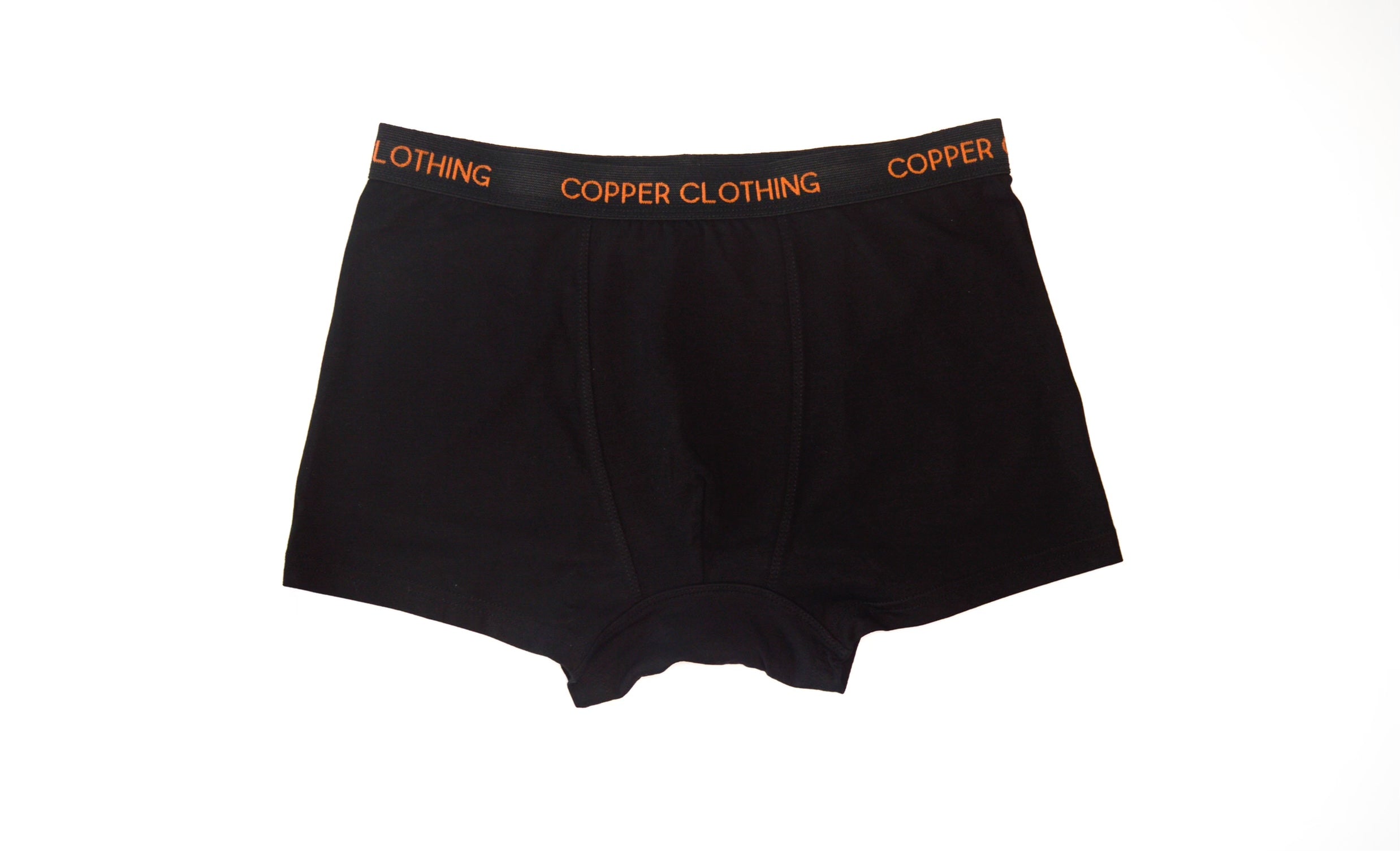
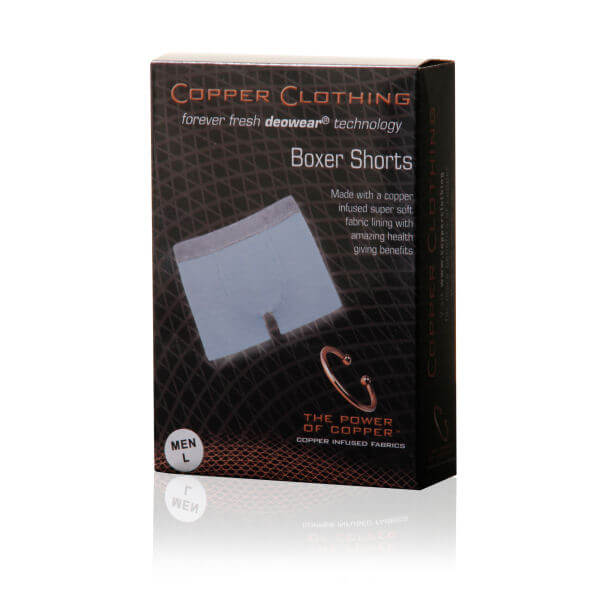
Men’s Copper Boxer Shorts – Soft, Breathable Underwear for Everyday Comfort
- Soft cotton & bamboo blend
- Breathable & lightweight feel
- Stretch comfort for daily movement
- Sale price
- £9.99
- Regular price
- £9.99
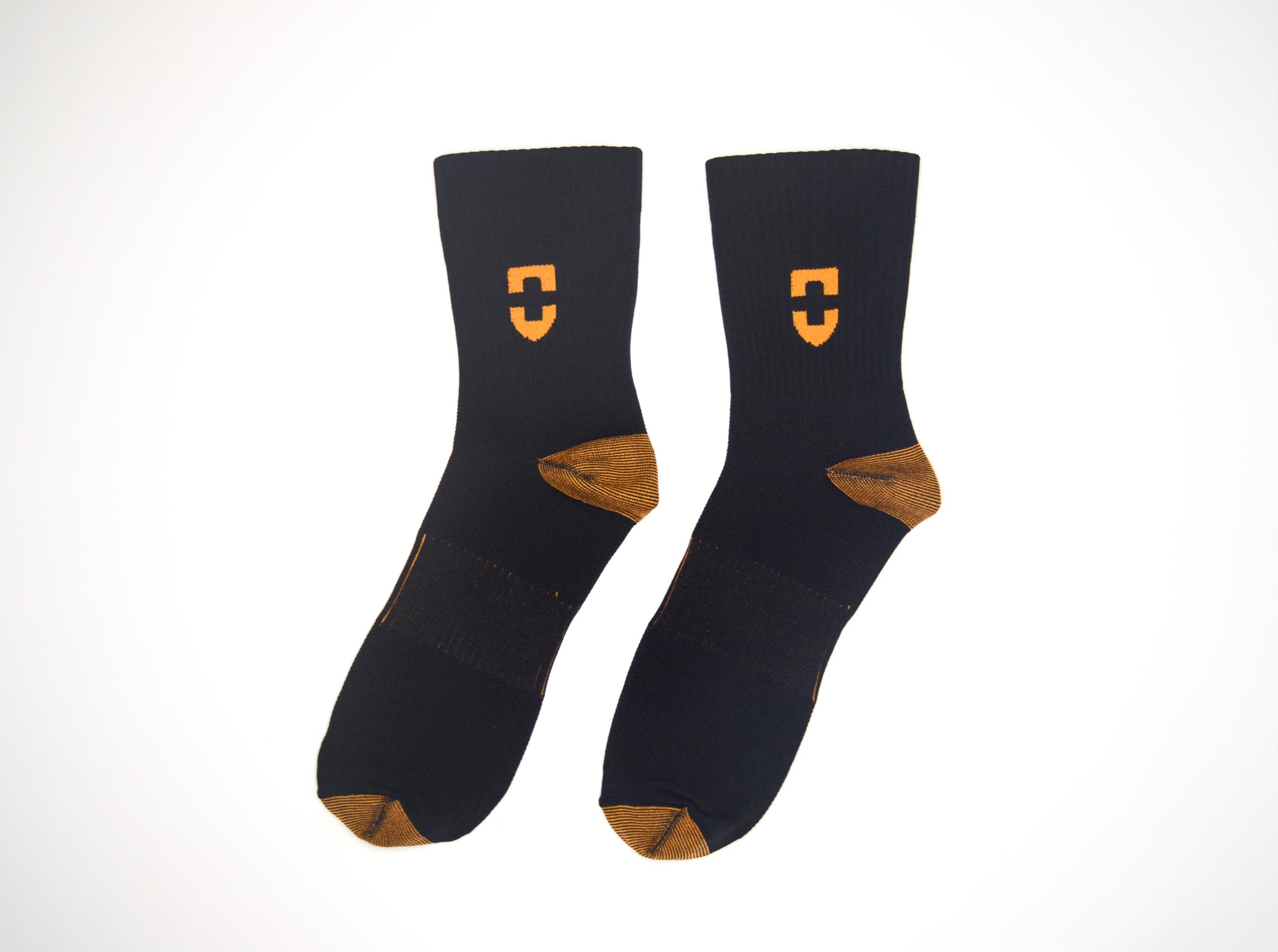

Short Compression Copper Infused Socks
- Breathable Compression Fabric, Comfortable & Durable
- 8 - 15mmHg of Compression
- Best socks for long flights and journey
- Sale price
- £12.99
- Regular price
- £12.99
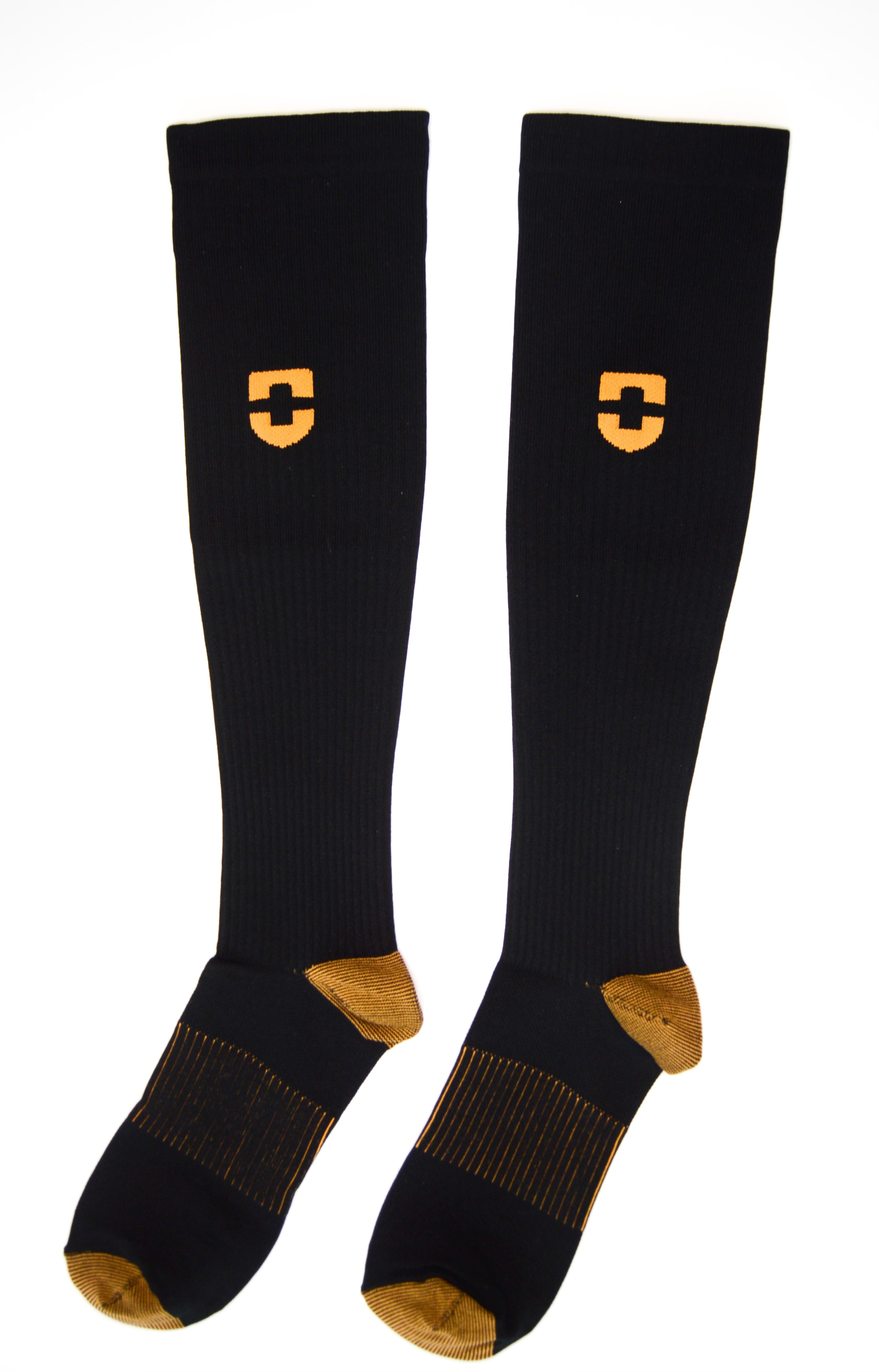
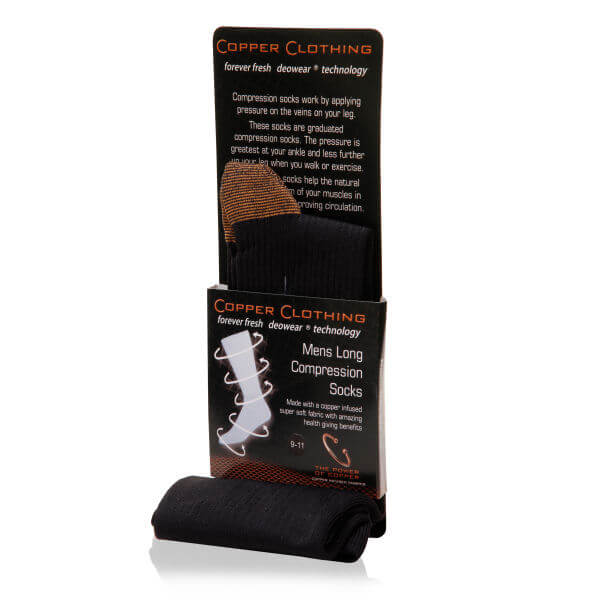
Long Copper Infused Compression Socks
- Breathable Compression Fabric, Comfortable & Durable
- 8 - 15mmHg of Compression
- Best socks for long flights and journey
- Sale price
- £15.99
- Regular price
- £15.99

Ladies Copper Infused Pyjamas
- Luxuriously Soft Cotton & Bamboo
- Ideal for daily wear
- Sale price
- £49.99
- Regular price
- £49.99
Everyday Copper Socks – Soft, Breathable Socks for Daily Comfort
- Soft & breathable fabric
- Comfortable for long-hour wear
- Lightweight everyday fit
- Sale price
- £9.99
- Regular price
- £9.99
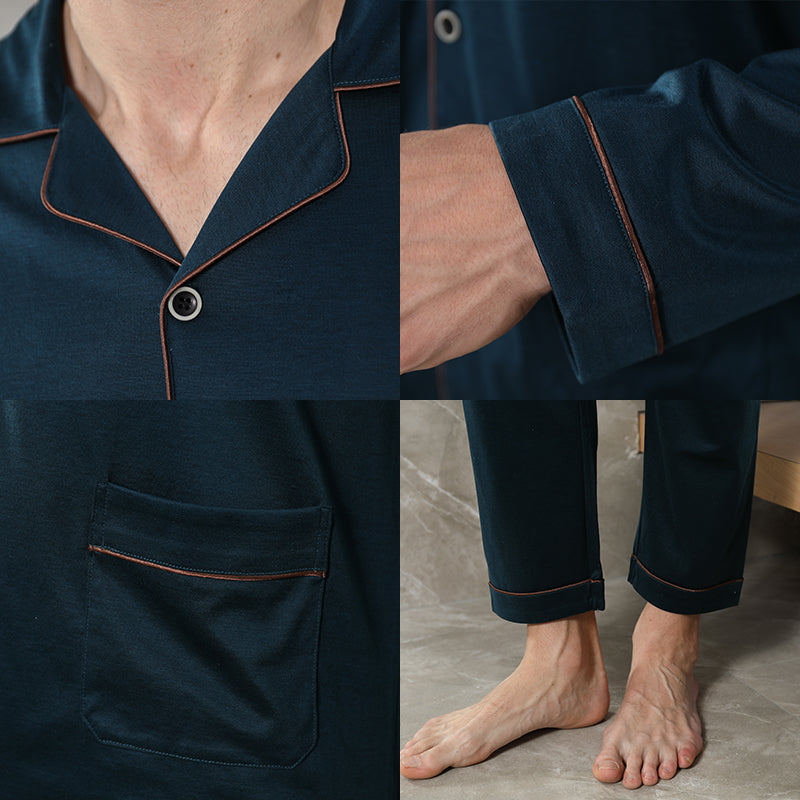
Mens Copper Infused Pyjamas
- Luxuriously Soft Cotton & Bamboo
- Promotes Healthier & Softer Skin
- Sale price
- £54.99
- Regular price
- £54.99
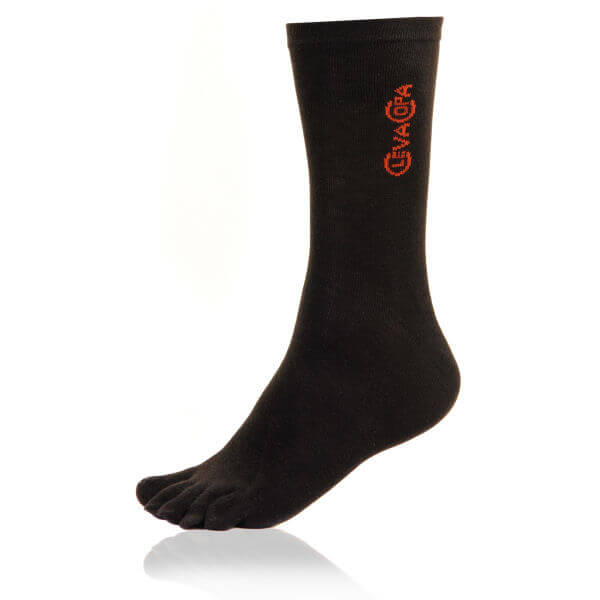
Copper Infused Five Toe Socks
- Promotes Softer Healthier Feet
- Completely Seamless
- Best for long journey and flights
- Sale price
- £14.99
- Regular price
- £14.99
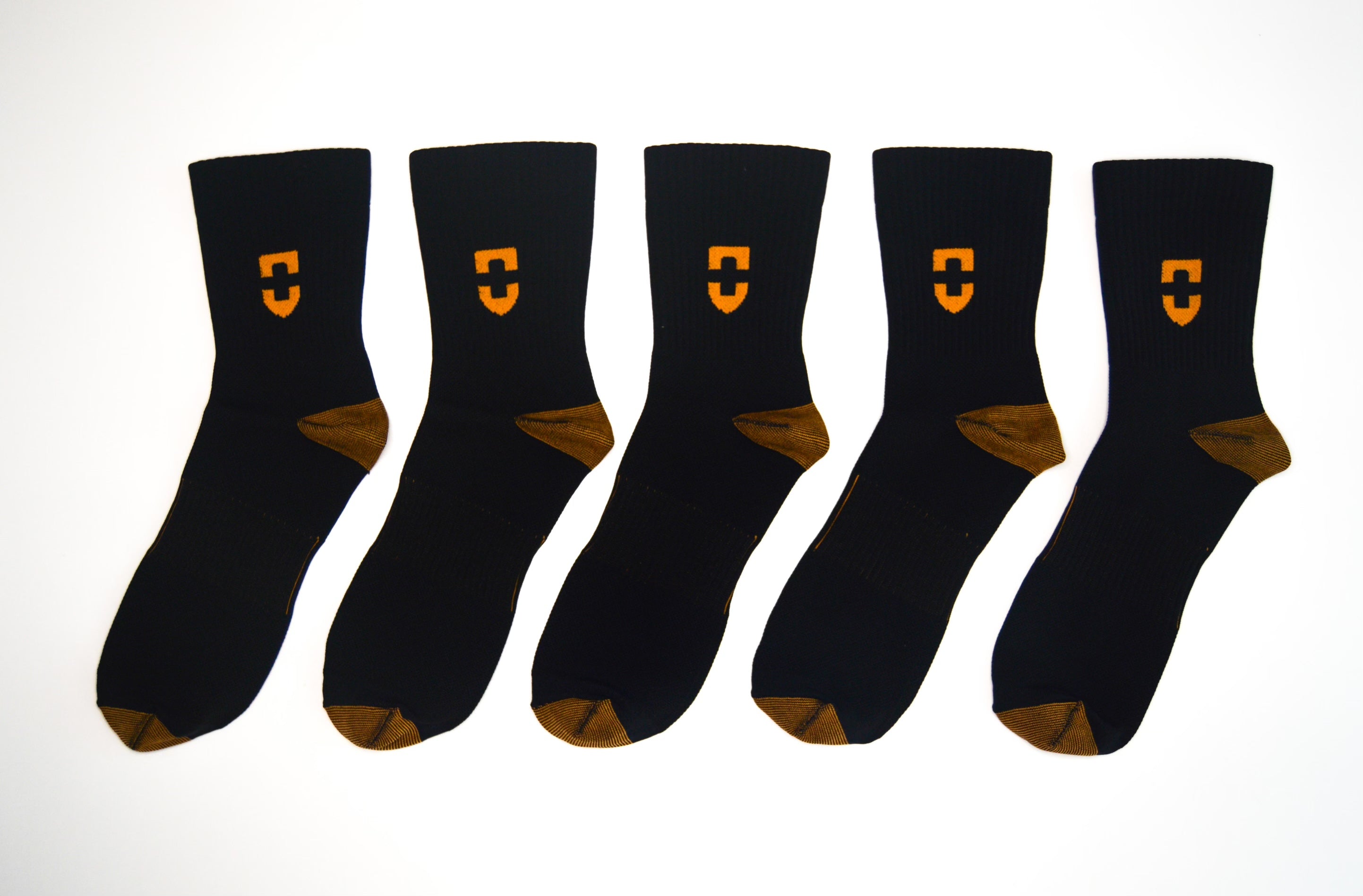
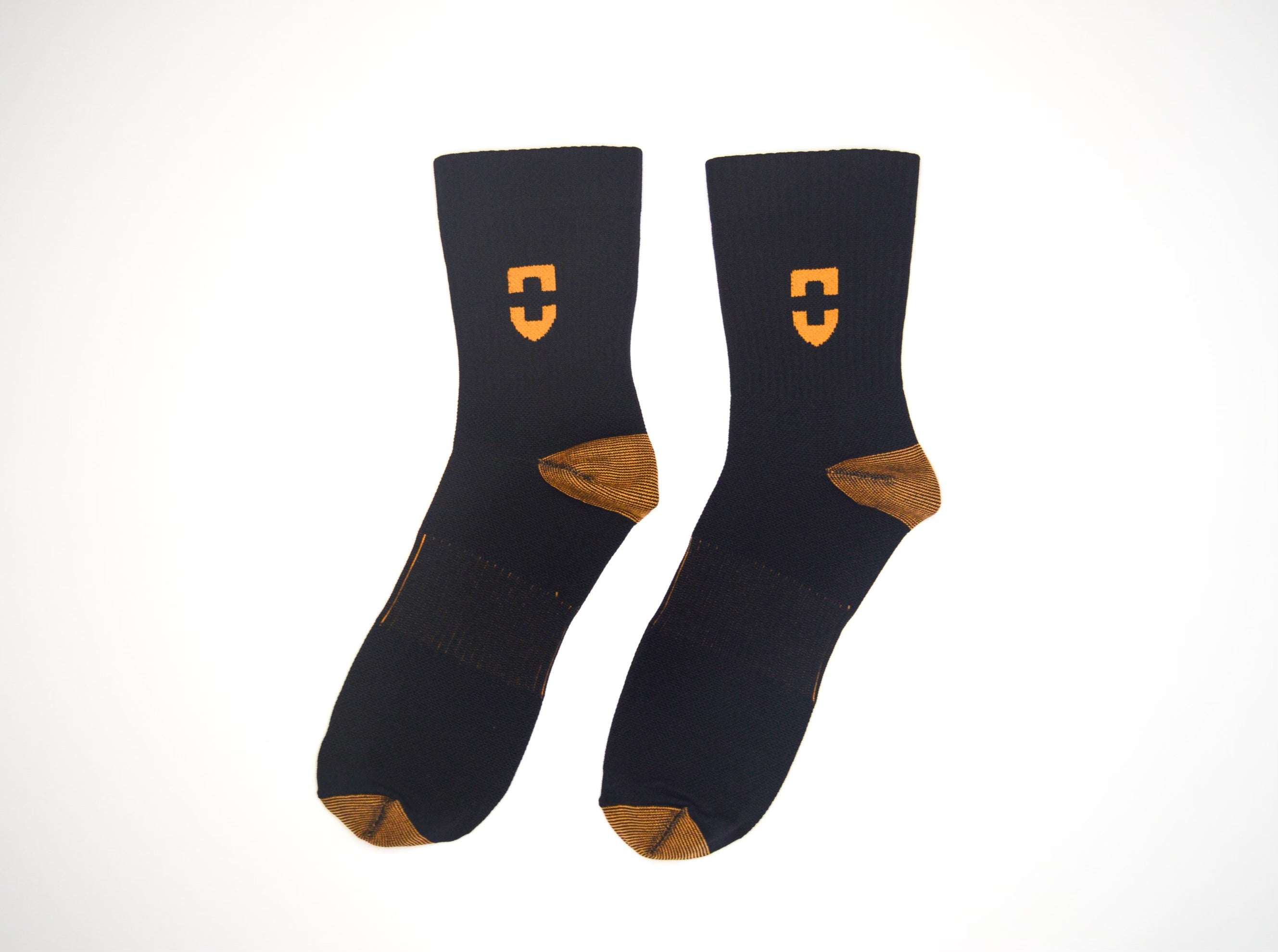
5-Pack Short Compression Copper Infused Socks
- Breathable Compression Fabric & Comfortable
- 8-15mmHg of Compression
- Best socks for long flights and travel
- Sale price
- £59.95
- Regular price
- £64.95
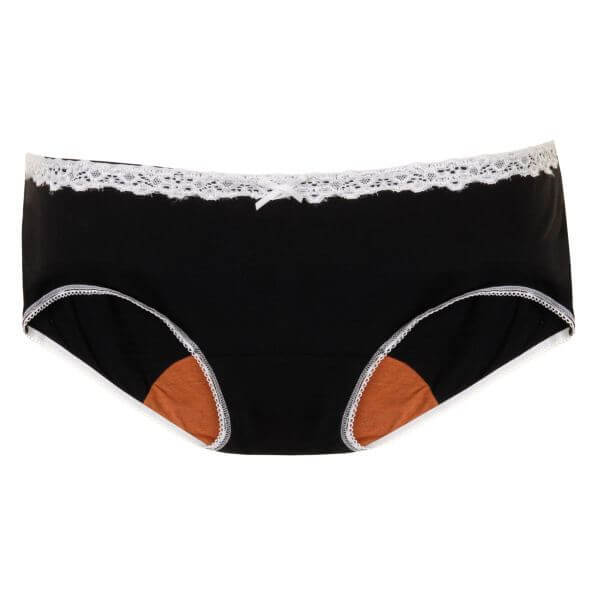
Womens Copper Infused Briefs
- Soft cotton & bamboo blend
- Breathable lightweight feel
- Flexible everyday comfort
- Sale price
- £9.99
- Regular price
- £9.99
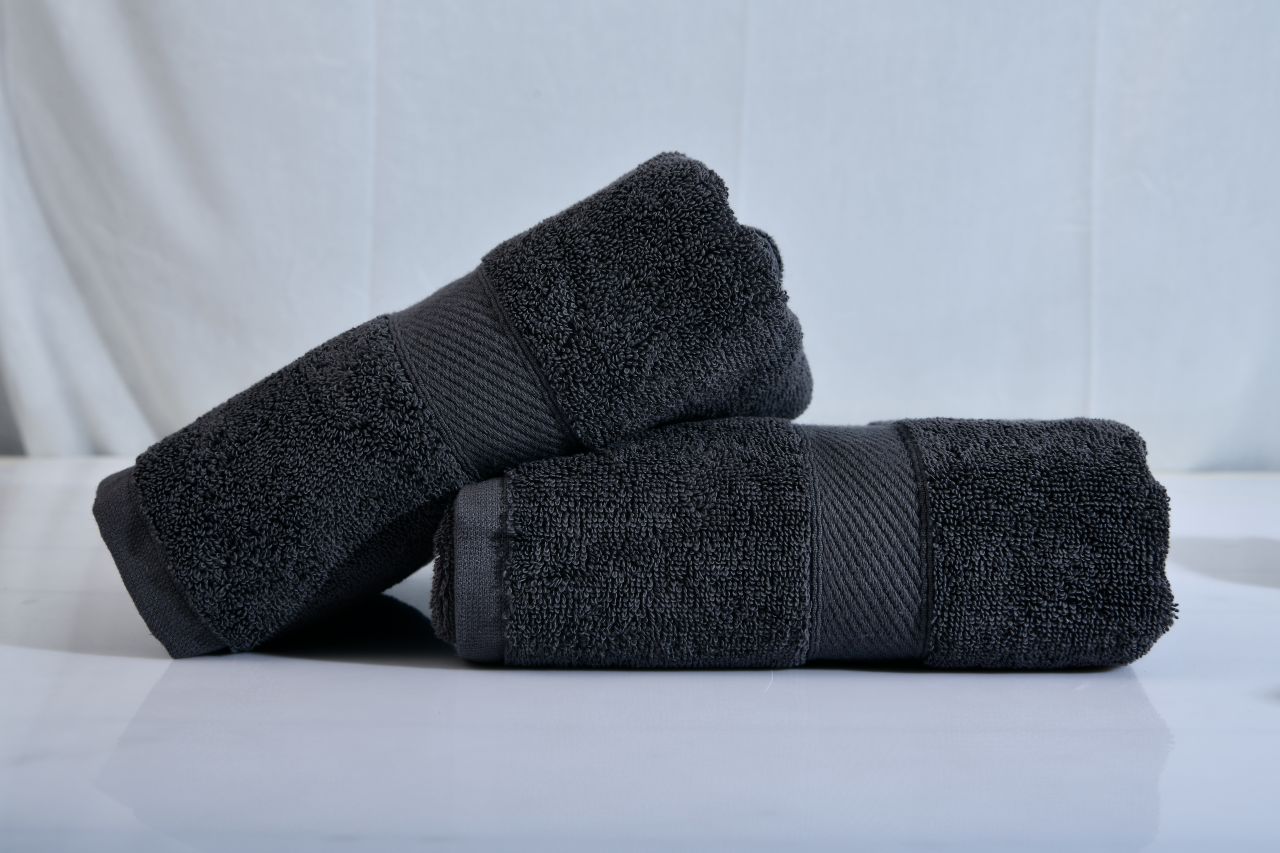
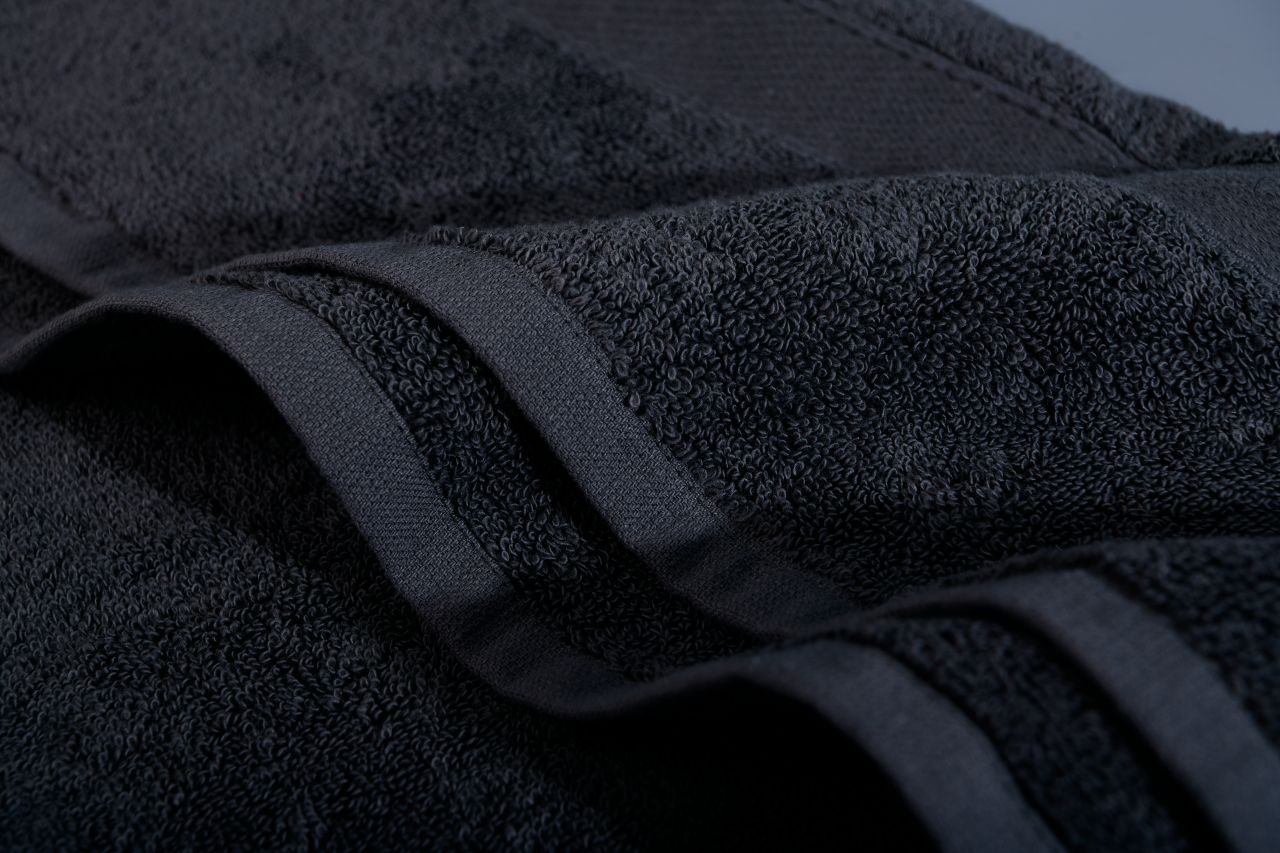
Copper Infused Bath & Gym Towel — 500 GSM Premium Cotton
- 500 GSM Cotton Cloth
- Soft & Premium
- Lightweight & Durable
- Child and Pet-Friendly
- Sale price
- £19.99
- Regular price
- £19.99

