

How to Stop a Towel from Shedding and Remove Lint
Author

Rory Donnelly
Published
June 28 2024
Why Do Towels Shed? The Fiber Science Explained
Understanding why shedding happens is the first step to fixing it for good. Towels are made from cotton terry cloth — a fabric built from thousands of small looped piles standing upright from a woven base. Each loop is made from twisted cotton yarn. The quality and length of the individual cotton fiber determines how securely that loop holds together over time.
Short-staple vs. long-staple cotton
Cotton fibers are measured by their staple length — how long each individual fiber is. Standard commodity cotton (often labeled "100% cotton" with no further detail) uses short-staple fibers, typically 1 inch (25 mm) or less. Short fibers produce weaker, fuzzier yarn that sheds more readily. Long-staple cotton — Egyptian, Pima, Supima, or combed cotton — uses fibers 1.25 inches (32 mm) or longer. These produce denser, stronger yarn with far less shedding. A towel labeled "Egyptian cotton" or "combed cotton" will shed noticeably less over its lifetime than one made from standard cotton.
Open-end vs. ring-spun yarn
The way the cotton is spun into yarn also matters. Open-end spinning is fast and inexpensive but leaves more fiber ends protruding from the yarn surface — these ends are the primary source of new-towel lint. Ring-spun yarn is twisted more tightly, trapping fiber ends inside the yarn core. Ring-spun terry towels shed significantly less in the first few washes.
Manufacturing sizing agents
Most new towels — even quality ones — are coated with sizing agents during production. These are chemical starches applied to the fabric to keep it smooth and presentable in packaging. Sizing creates a surface layer that traps short fibers against the loops. The first few washes remove this coating, releasing those trapped fibers as lint. This is why shedding is heaviest in the first 3–5 washes and then drops off sharply in high-quality towels.
Why copper-infused combed cotton sheds less long-term
Copper Clothing's 500 GSM bath and gym towels are made from combed cotton — a process that removes short fibers before spinning, leaving only the longer, stronger fibers in the yarn. This produces a denser loop structure that is less prone to shedding from the start. Additionally, because copper-infused fibers carry natural antimicrobial properties that inhibit bacterial and fungal growth, these towels stay fresher between washes. Fewer washes needed means less cumulative loop abrasion — which is one of the main causes of increased shedding in older towels over time.
How to Stop a New Towel from Shedding: 7 Proven Methods
New towels shed the most. The manufacturing coating traps loose fibers that release over the first few uses. These seven methods — used in sequence or individually — will dramatically reduce new-towel lint within the first wash.
1. White vinegar rinse — the single best method
Add 1 cup (240 ml) of distilled white vinegar to the rinse cycle of your washing machine. Do not add detergent, fabric softener, or dryer sheets. Wash the towels alone, on a warm cycle (104°F / 40°C). The acetic acid in white vinegar dissolves the sizing agent coating, loosens unbound fibers so they exit in the wash water rather than shedding during use, and stabilizes color dye to prevent bleeding. Repeat this vinegar-only rinse once a month to keep towels soft and lint-reduced long-term.
Why it works: Vinegar's acidity (pH ~2.4) breaks down the alkaline sizing agents applied during manufacturing, releasing trapped fibers in a controlled wash environment rather than on your body or bathroom floor.
2. Baking soda pre-soak
Dissolve half a cup (120 ml) of baking soda in a basin or tub of hot water. Submerge the towel fully and soak for 30 minutes before washing normally. Baking soda softens the fiber structure, helps open the terry loops, and neutralizes any residual chemical odors from the factory. If you don't have white vinegar, baking soda is an effective substitute — though slightly less powerful at removing sizing agents.
3. Salt soak
Dissolve half a cup (120 ml) of non-iodized salt in a basin of warm water and soak the towel for 1–2 hours before washing. Salt helps tighten the weave slightly by drawing water through the fiber structure, which can reduce the migration of loose short fibers to the surface. Salt is particularly effective at setting color in dark or vibrant towels, reducing dye bleeding alongside lint reduction.
4. Cold water soak
Fill a bathtub or large basin with cold water and fully submerge the new towel for 6–8 hours or overnight before the first wash. Cold water relaxes and settles loose surface fibers without agitation, so more of them stay in the soak water rather than releasing during use. This method is gentler than freezing and suitable for all fabric types including cotton-bamboo blends.
5. The freezing method
Place the dry, unwashed towel in a plastic bag and freeze it for 2 hours. Remove and shake vigorously outside before washing normally. The theory: cold temperatures cause the loose, short-staple surface fibers to contract and stiffen, which helps them break off in a controlled shake rather than gradually shedding during washing or use.
Important caveat: Freezing works best on 100% cotton terry towels with short-staple yarn. It has minimal measurable effect on ring-spun, long-staple, or cotton-bamboo blend towels whose fibers are already more securely bound. If you have a quality combed cotton towel, the vinegar wash is more reliable.
6. Air fluff dryer cycle before first wash
Before the first wash, place the dry towel in the dryer on the air fluff or no-heat setting for 15–20 minutes. First, clean the lint trap thoroughly so it can capture maximum lint. Run the cycle, then clean the trap again and shake the towel outside. Repeat if significant lint remains. This removes a large proportion of the loose surface fibers before they ever get into the wash cycle, reducing lint contamination of other laundry and of the washing machine drum.
7. Never use fabric softener on new towels
Fabric softener coats cotton loops with a waxy silicone film that reduces absorbency by up to 30% and traps loosened fibers against the surface rather than allowing them to exit in the rinse water. Avoid it entirely for the first 5–6 washes. If you want softness, the white vinegar rinse is the correct substitute — it naturally softens fibers without coating them. If you use a dryer, swap dryer sheets for 2–3 wool dryer balls, which fluff the terry loops and reduce drying time without any chemical coating.
Switch to copper-infused towels that stay soft, durable, and fresh wash after wash.
Buy NowHow to Remove Lint from Towels: 5 Fast Methods
If your towel is already producing lint or has accumulated lint balls (pilling), these methods remove it quickly without damaging the remaining fiber structure.
1. Lint roller
Roll a lint roller firmly over the towel surface in one direction — not back and forth, which pushes fibers deeper. Apply extra pressure on the edges and corners where lint accumulates most heavily. Use a fresh adhesive sheet every 20–30 strokes for maximum pick-up. A lint roller is ideal for quick maintenance between washes and for removing lint transferred from other laundry.
2. Electric fabric shaver (defuzzer)
An electric fabric shaver — available at most US drugstores and online for $8–$20 — is the most effective tool for removing pilling and embedded lint balls from older towels. Lay the towel flat on a hard surface and glide the shaver in slow, overlapping circles. The rotating blade shears the pilling at the base without cutting the underlying loops. Empty the collection chamber regularly for best results. This is the one tool that genuinely restores the appearance of an old, pilling towel.
3. Pilling brush or upholstery brush
A dedicated pilling brush (also called a fabric comb or lint brush) removes surface fuzz and small lint balls by gently abrading the towel surface. Brush in the same direction as the terry loops, using short, firm strokes. Unlike a lint roller, a pilling brush does not require replacement sheets and can be used on damp towels. It is slower than an electric shaver but effective for light pilling.
4. Washing machine lint removal cycle
For a full lint reset: clean the washing machine lint filter or pump filter before starting. Add 1 cup (240 ml) of white vinegar to the rinse dispenser. Wash the towel alone on a warm cycle (104°F / 40°C) with no other detergent or softener. The vinegar loosens embedded lint and sizing residue, and the wash agitation carries loosened fibers out in the rinse water. Clean the lint filter again immediately after the cycle completes.
US washing machine note: Top-loaders with an agitator: the lint trap is usually in the top of the agitator column or along the tub rim. Front-loaders: the pump filter is behind a small door at the bottom front of the machine — place a towel below it before opening, as water will escape. High-efficiency (HE) machines: most modern HE washers have no lint trap, relying on the drain pump filter instead. Check your owner's manual.
5. Masking tape or rubber glove method
For a quick, no-tool fix: wrap masking tape around your hand sticky-side out and press firmly across the towel surface. This works identically to a lint roller for light surface lint and pet hair. Alternatively, dampen a rubber cleaning glove and rub it across the towel surface in circular motions — the friction and static attraction pulls loose fibers to the surface where they can be peeled away.
How to Stop Old Towels from Shedding
Older towels shed for a different reason than new ones. Where new towels shed loose manufacturing fibers, older towels shed because the cotton loops themselves are physically breaking down from repeated wash heat, agitation, and fabric softener residue. The approach is different.
Reduce dryer heat
High dryer heat is the primary cause of long-term fiber breakdown in bath towels. Sustained temperatures above 135°F (57°C) cause cotton fibers to contract and weaken, making each subsequent wash shed more. Switch to a low heat setting (below 115°F / 46°C) or tumble dry until almost dry, then hang to air-finish. This single change extends towel life by 30–50%.
Wash towels separately
Washing towels with clothing that has zippers, hooks, or buttons causes direct loop damage — the hardware catches on the terry weave and pulls loops away from the base. Wash towels only with other towels or flat, smooth items like bed sheets. Separate by color as you would clothing: wash white towels with white towels, dark with dark.
Reduce detergent quantity
Excess detergent creates a soapy film on cotton fibers that stiffens the loop structure and causes fiber-to-fiber friction during the wash cycle. Use half the recommended detergent amount for towel washes and add an extra rinse cycle. Most US households over-use detergent by 2–3x the necessary amount.
Switch to wool dryer balls
Three wool dryer balls in each drying cycle naturally fluff the terry loops, reduce drying time by 25–30%, and eliminate static without any chemical coating. They are the correct long-term alternative to dryer sheets for towels. US brands including Handy Laundry, Friendsheep, and Smart Sheep are widely available on Amazon for $10–$20 per set of 6.
Use a lint bag for high-shedding old towels
If you have an older towel that sheds heavily but is not yet ready to replace, wash it inside a mesh laundry bag. The bag contains the lint within the bag itself rather than allowing it to coat the washing machine drum and deposit onto other laundry.
Does Hard Water Make Towels Shed More? (Essential for US Homes)
Yes — significantly. More than 85% of US households have hard water, defined as water containing more than 120 mg/L of dissolved calcium and magnesium minerals. These minerals deposit inside cotton fibers during every wash cycle, building up over time into a stiff, chalky coating. The result is that the fiber structure becomes brittle — loops break more easily during washing and use, dramatically increasing lint production in towels that were previously low-shedding.
How to tell if hard water is causing your towel to shed
-
Your towels feel stiff and rough even right after washing
-
White towels develop a grayish or yellowish tinge over time
-
The soap lather test: if a bar of soap produces thin, sparse foam in tap water, you likely have hard water
-
Your shower head or faucet shows white mineral deposits (limescale)
Three solutions for hard water towel shedding
-
White vinegar rinse — 1 cup (240 ml) per rinse cycle dissolves calcium deposits and strips mineral build-up from fibers, effectively softening the towel and reducing fiber brittleness. This is the most accessible US solution.
-
Washing soda (sodium carbonate) — ½ cup added to the wash cycle actively softens water by binding with calcium and magnesium ions before they reach the fabric. Available at US grocery stores (Arm & Hammer Super Washing Soda) for under $5.
-
Citric acid soak — dissolve 2 tablespoons of citric acid (widely available at US Walmart and Target stores in the canning section) in a basin of warm water and soak the towel for 30 minutes before washing. Citric acid is a powerful mineral-dissolving agent that out-performs vinegar in very hard water areas.
US-specific note: If you live in Phoenix, Las Vegas, Dallas, Los Angeles, or Denver — all cities with very hard water — run a monthly citric acid soak on all your bath towels. The mineral accumulation in these cities is severe enough to degrade towel fiber quality within 6–12 months of regular washing.
Lint & Shedding Method Comparison Table
Use this table to choose the right method based on your situation. The white vinegar rinse (highlighted) is the single best first action for any shedding towel.
|
Method |
What it does |
Best for |
Time needed |
Effectiveness |
|---|---|---|---|---|
|
White vinegar rinse (1 cup / 240 ml) |
Dissolves sizing agents & loosens loose fibers; stabilises dye |
New & old |
5 min prep |
★★★★★ Best overall |
|
Baking soda soak (½ cup) |
Softens fibers, neutralises odor, opens loop structure |
New |
30 min soak |
★★★★☆ |
|
Salt soak (½ cup) |
Tightens the weave slightly; helps set color in dark towels |
New |
2 hr soak |
★★★☆☆ |
|
Cold water soak (overnight) |
Relaxes and settles loose fibers before washing |
New |
8 hr soak |
★★★☆☆ |
|
Freezing method |
Stiffens loose short-staple fibers so they shed in freezer, not use |
New only |
2 hr freeze |
★★★☆☆ Cotton only |
|
Air fluff dryer cycle (no heat) |
Shakes loose fibers into trap without heat damage |
New & old |
20–30 min |
★★★★☆ |
|
Wool dryer balls (3 balls) |
Reduces static, fluffs loops, speeds drying — no fiber coating |
New & old |
Every wash |
★★★★☆ |
|
Wash towels separately |
Prevents cross-fiber lint transfer; reduces friction |
Both |
Ongoing |
★★★★☆ |
|
Line / air dry |
Eliminates dryer heat that breaks down cotton loops over time |
Old towels |
Per wash |
★★★★☆ |
|
Lint roller / fabric shaver (removal) |
Physically lifts and removes lint already embedded in loops |
Old towels |
5–10 min |
★★★★★ Fast fix |
Editor's note: The white vinegar rinse is highlighted because it addresses all three causes of shedding — sizing agents, loose fibers, and mineral deposits — in a single step. It is also the most research-supported method. All other methods address one or two causes only.
The Optimum Towel Washing Routine
How often should you wash your towels?
Bath towels used daily should be washed every 3–4 uses — roughly twice a week for a household member who showers daily. Hand towels, which accumulate more bacteria from frequent use, should be washed every 1–2 days. Gym towels should be washed after every single use. Washcloths used on the face or body should also be washed after every use.
The best wash temperature for towels
White and light-colored cotton towels: wash at 104–140°F (40–60°C). Colored and dark towels: wash at 86–104°F (30–40°C) to preserve dye. Do not wash any cotton towel repeatedly at the highest temperature setting (above 140°F / 60°C) — the sustained high heat degrades cotton fibers faster than any other single factor.
Dryer settings to protect towel fibers
Tumble dry on low to medium heat (below 120°F / 49°C). Remove towels from the dryer while still very slightly damp and hang to finish drying — over-drying in the dryer causes the greatest single-cycle fiber damage. Shake each towel vigorously before folding to re-fluff the terry loops.
When Should You Replace a Shedding Towel?
Not all shedding is fixable. These are the signs that a towel has reached end-of-life and should be replaced rather than treated:
-
The base weave is visible through the loops — loops have broken away from the base fabric across a significant area
-
The hem is fraying or has separated from the towel body
-
Heavy shedding persists after 10+ washes even with vinegar treatment
-
The towel feels thin and rough even when freshly washed — the loop density has degraded permanently
-
There is a persistent musty odor that does not clear after a hot wash with baking soda — this indicates deep-seated mold within the fiber structure
If your towel passes the above checks, it is repairable with the methods in this guide. If it fails two or more of them, the fiber structure has degraded beyond recovery.
When replacing, look specifically for: combed cotton or long-staple cotton (Egyptian, Pima, Supima), ring-spun yarn construction, and a GSM of 450 or above for everyday bath use. These three specifications together produce a towel that sheds minimal lint from the first wash and maintains its loop structure for 3–5+ years of regular use.
Why we chose 500 GSM combed cotton
Copper Clothing's Anti-Microbial Bath & Gym Towels are made from 500 GSM combed cotton — a specification chosen specifically to minimise long-term shedding. Combed cotton removes short fibers at the yarn stage, producing denser, more stable loops that release far less lint in the first washes and hold their structure significantly longer. The embedded copper fiber adds a practical bonus: copper's natural antimicrobial properties inhibit bacterial and odor-causing fungal growth on the towel surface, meaning these towels stay genuinely fresh for longer between washes. Fewer washes = less cumulative fiber abrasion = less long-term shedding. Shop the Anti-Microbial Bath & Gym Towel at copperclothing.com
FAQs:
-
Why do new towels shed so much?
New towels shed heavily in the first 3–5 washes because of two factors: loose short-staple fibers left over from spinning and weaving, and manufacturing sizing agents (chemical starches) applied to the fabric for packaging presentation. The sizing traps loose fibers against the loops, and the first washes release them. A white vinegar pre-wash dissolves the sizing and removes these fibers in a controlled environment before you use the towel on your body.
-
How do I stop my towel from leaving fluff on me?
The fastest fix is a vinegar rinse: wash the towel alone with 1 cup (240 ml) of white vinegar in the rinse cycle, no detergent or softener. Follow with an air fluff dryer cycle (no heat) to shake remaining loose fibers into the lint trap. If fluff persists, the towel is made from short-staple cotton and may continue shedding for 8–10 washes before stabilizing. Avoid using it directly on your face until shedding has reduced.
-
Does vinegar stop towels from shedding?
Yes — white vinegar is the most effective single treatment for towel shedding. It works by dissolving the alkaline sizing agents that trap loose fibers on new towels, by softening hard water mineral deposits that make fibers brittle on older towels, and by acting as a natural fabric softener that allows fibers to settle securely in the loop structure. Use 1 cup (240 ml) of distilled white vinegar in the rinse cycle, without any detergent or fabric softener. No other type of vinegar is appropriate for this purpose.
-
Is it normal for a brand new towel to shed?
Yes, it is entirely normal for a new towel to shed lint in the first 3–5 washes. This is a natural part of the cotton fiber break-in process. Even high-quality towels shed initially. The difference between a quality towel and a lower-quality one is not whether it sheds at first, but how quickly and completely the shedding stops. A long-staple combed cotton towel typically stabilizes within 3–5 washes; a standard short-staple cotton towel may shed for 10 or more washes.
-
What is the difference between towel shedding and pilling?
Shedding is when loose, unattached fibers fall away from the towel surface — this typically peaks with new towels and then decreases. Pilling is when loose fibers tangle together on the towel surface to form small balls of matted cotton — this typically develops in older towels and is caused by friction between fibers during washing and drying. Shedding is treated with vinegar pre-washes; pilling is removed with an electric fabric shaver or pilling brush. Both can occur simultaneously in a towel that has been washed with incorrect care.
-
Should you wash towels in hot or cold water?
For white and light-colored cotton towels: wash at 104–140°F (40–60°C). Hot water is more effective at removing body oils and bacteria but should not be used above 140°F (60°C) regularly as it weakens cotton fibers over time. For colored towels: wash at 86–104°F (30–40°C) to protect the dye. Never wash towels in truly cold water (below 60°F / 15°C) — the fibers do not relax properly and detergent does not dissolve fully, both of which contribute to lint build-up.
-
Why do my towels smell even after washing?
A persistent musty smell in freshly washed towels indicates mildew growing within the fiber structure, usually caused by towels being left damp too long before washing or between uses. To eliminate it: wash the towels on the hottest safe setting with ½ cup (120 ml) of baking soda added to the drum (no detergent), then rewash immediately with 1 cup (240 ml) of white vinegar in the rinse cycle. Dry immediately and completely — do not let washed towels sit damp in the machine. If the smell persists after this double-treatment, the mildew has penetrated too deeply and the towel should be replaced.
-

Post-Workout Hygiene: What You Shouldn’t Ign...
April 15, 2026
-

Compression Socks for Desk Job
April 15, 2026
-

Running in Cold Weather? Learn Benefits, Saf...
March 26, 2026
-

Sweaty Feet: Causes, Remedies, and Preventio...
March 12, 2026
-

Post Run Recovery: Can Compression Socks Rea...
February 24, 2026


Popular Products
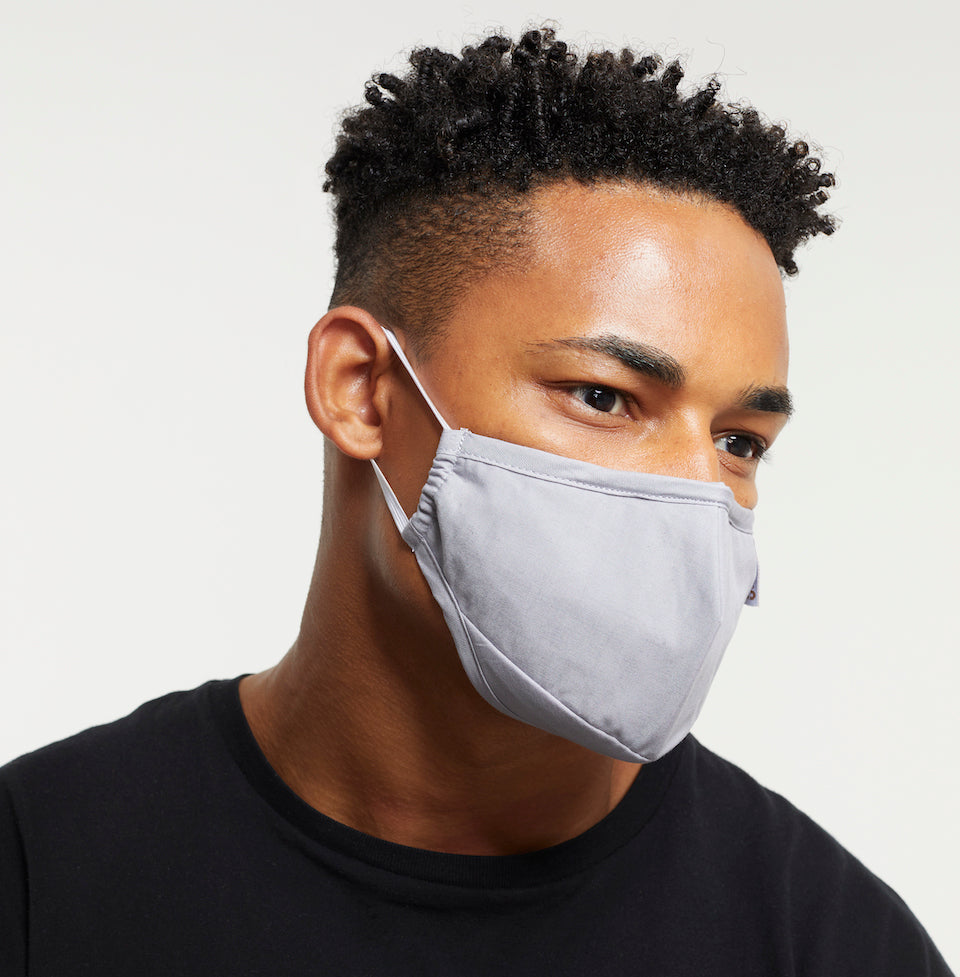
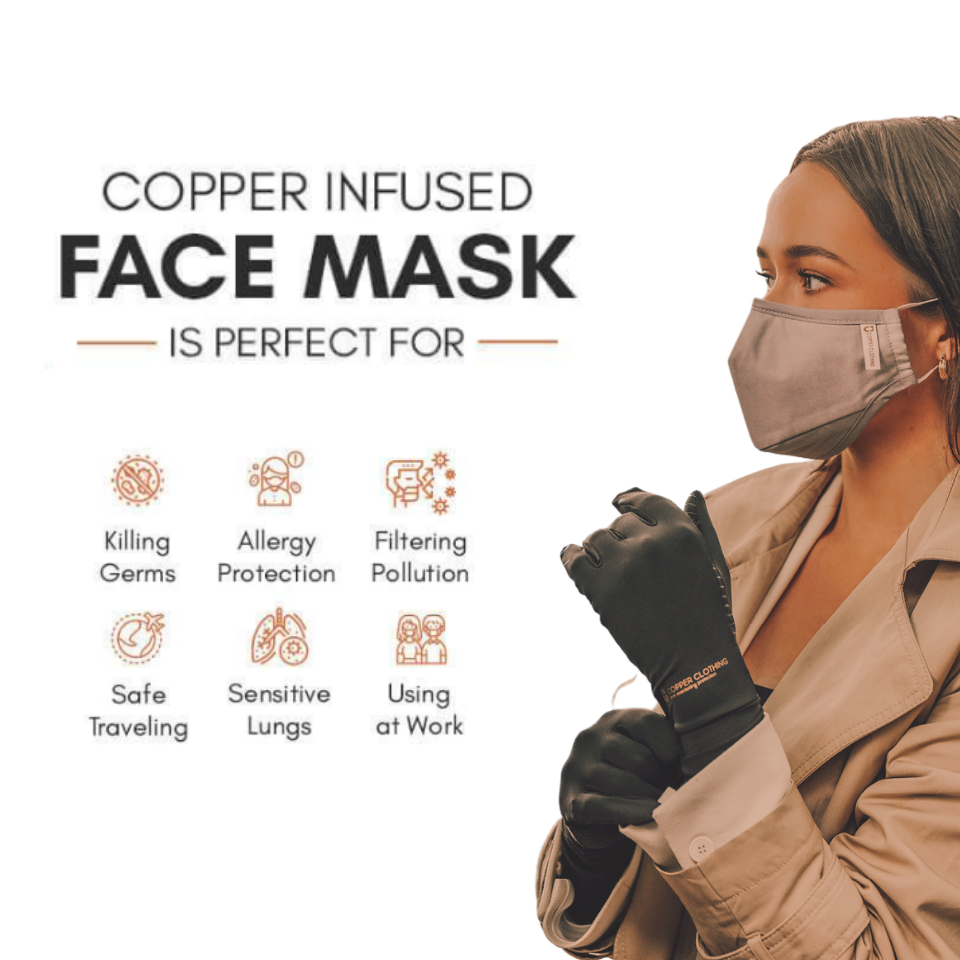
FFP2 CE Four-Layer Copper Infused Face Mask
- Four layers of protection
- Comfortable & washable
- Sale price
- £22.99
- Regular price
- £22.99
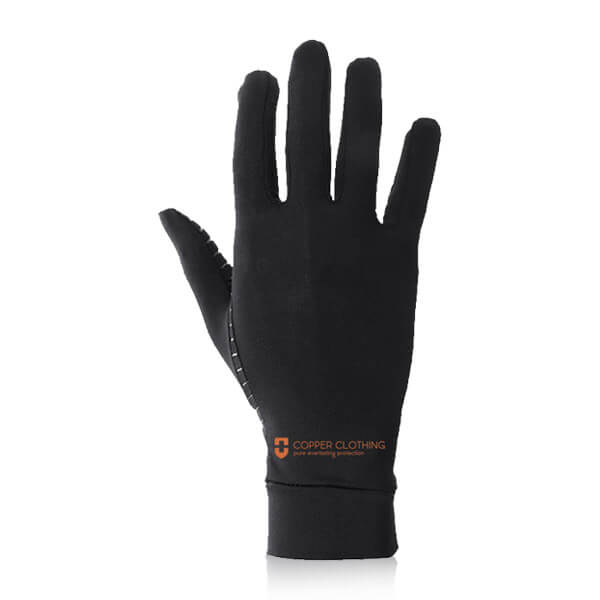
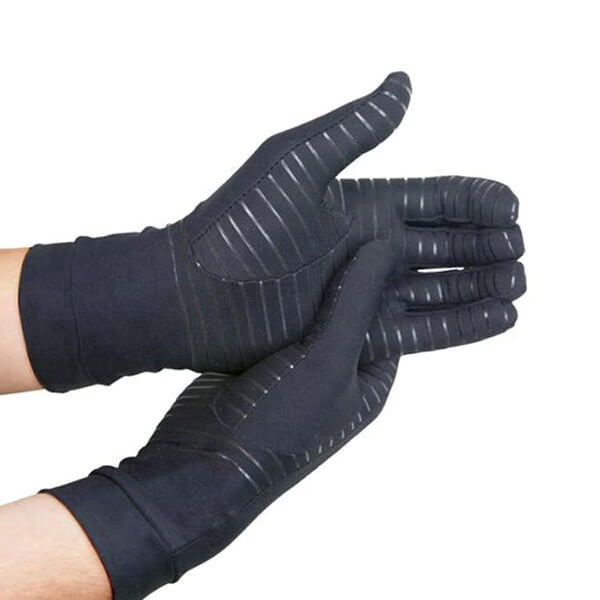
Full Finger Gloves (Copper Gloves)
- Ultimate comfort & flexibility
- Provides warmth and comfort for hands
- Washable
- Sale price
- £22.99
- Regular price
- £22.99
Mens Copper Boxer Shorts
- Luxuriously Soft Cotton & Bamboo (Lenzing Viscose)
- 30% Copper fibre throughout the crotch area
- 5% spandex for comfort throughout
- Perfect Fit Waistband
- Sale price
- £9.99
- Regular price
- £9.99
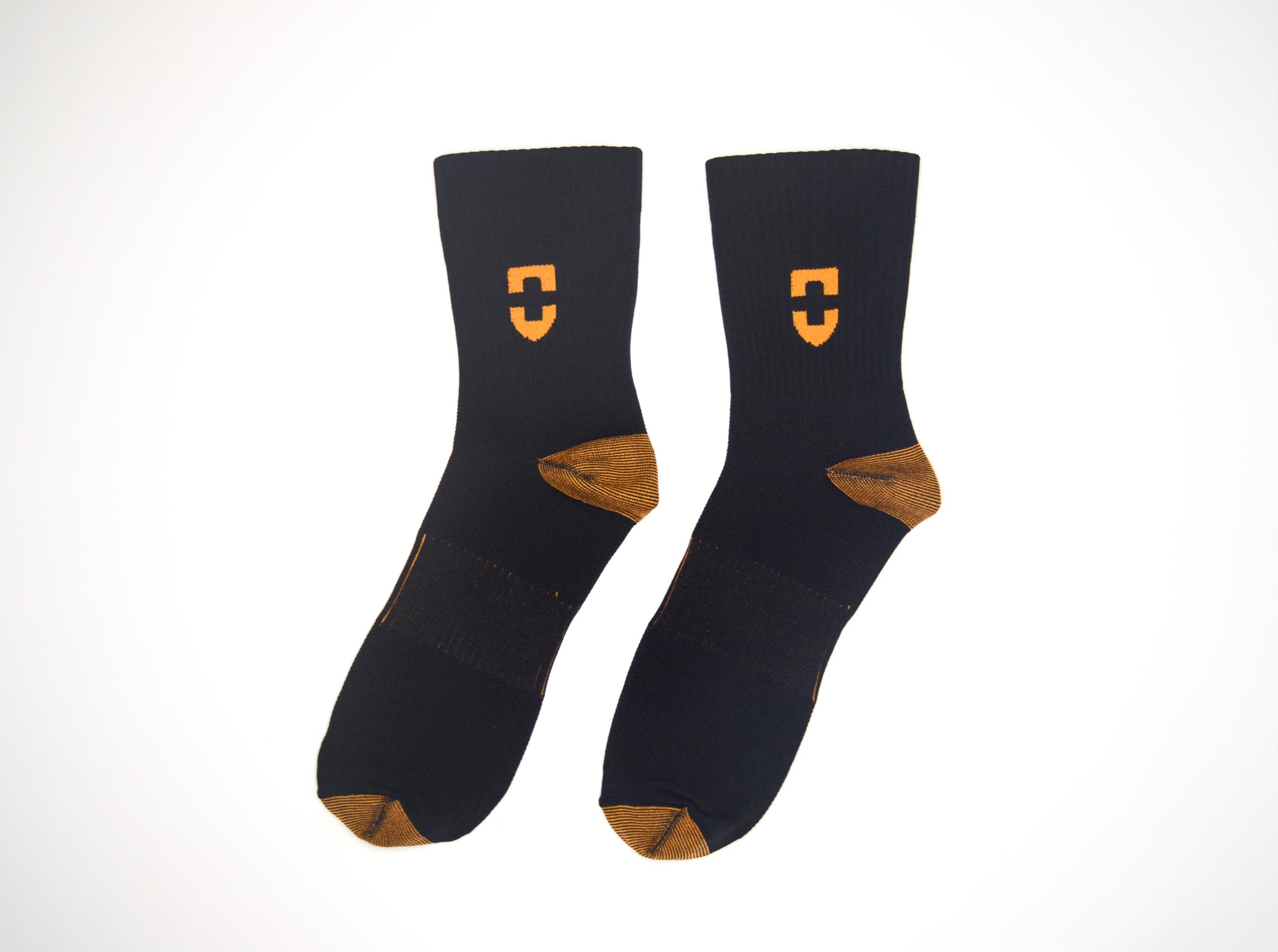
Short Compression Copper Infused Socks
- Breathable Compression Fabric & Comfortable
- 8 - 15mmHg of Compression
- Best travel and flight socks
- Ideal for long day
- Sale price
- £12.99
- Regular price
- £12.99
Long Copper Infused Compression Socks
- Breathable Compression Fabric, Comfortable & Durable
- 8 - 15mmHg of Compression
- Best socks for long flights and journey
- Sale price
- £15.99
- Regular price
- £15.99
Ladies Copper Infused Pyjamas
- Luxuriously Soft Cotton & Bamboo
- Ideal for daily wear
- Sale price
- £49.99
- Regular price
- £49.99
Everyday Copper Infused Socks
- Breathable fabric for comfort
- Ideal for long journey and flights
- Best for full day
- Sale price
- £9.99
- Regular price
- £9.99
Mens Copper Infused Pyjamas
- Luxuriously Soft Cotton & Bamboo
- Promotes Healthier & Softer Skin
- Sale price
- £54.99
- Regular price
- £54.99
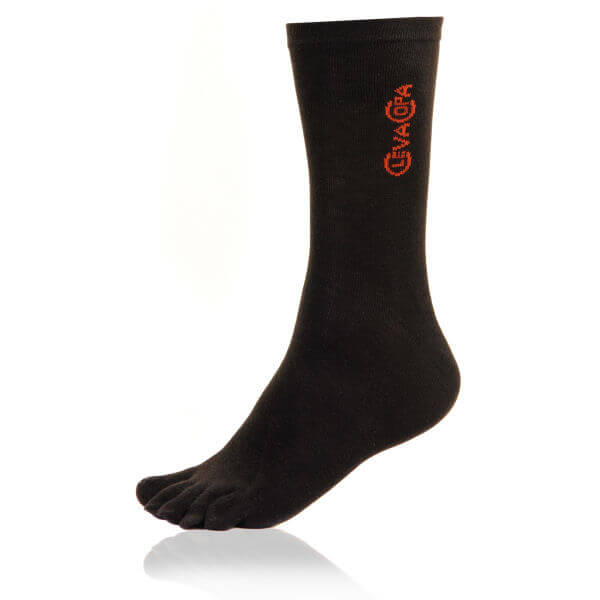
Copper Infused Five Toe Socks
- Promotes Softer Healthier Feet
- Completely Seamless
- Best for long journey and flights
- Sale price
- £14.99
- Regular price
- £14.99
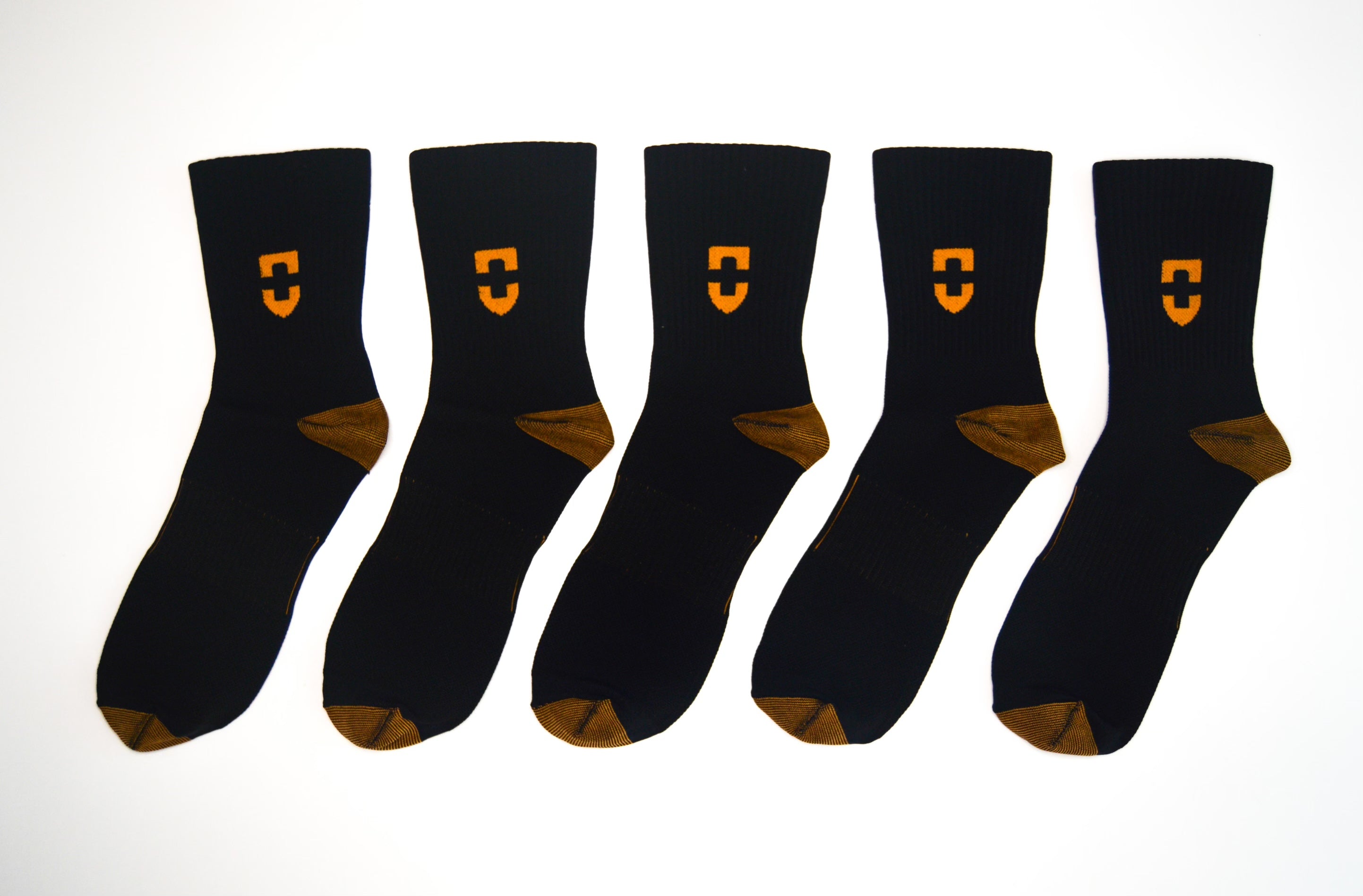
5-Pack Short Compression Copper Infused Socks
- Breathable Compression Fabric & Comfortable
- 8-15mmHg of Compression
- Best socks for long flights and travel
- Sale price
- £59.95
- Regular price
- £64.95
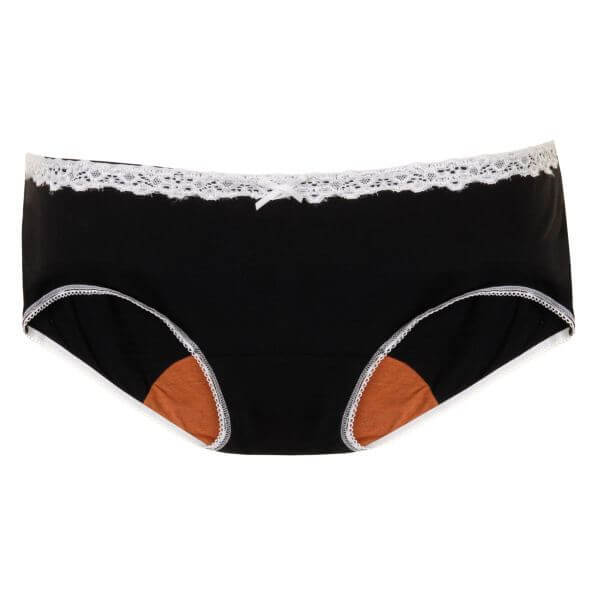
Womens Copper Infused Briefs
- Luxuriously Soft Cotton & Bamboo
- Stays fresh all day long
- Breathable, lightweight & Comfortable
- Sale price
- £9.99
- Regular price
- £9.99
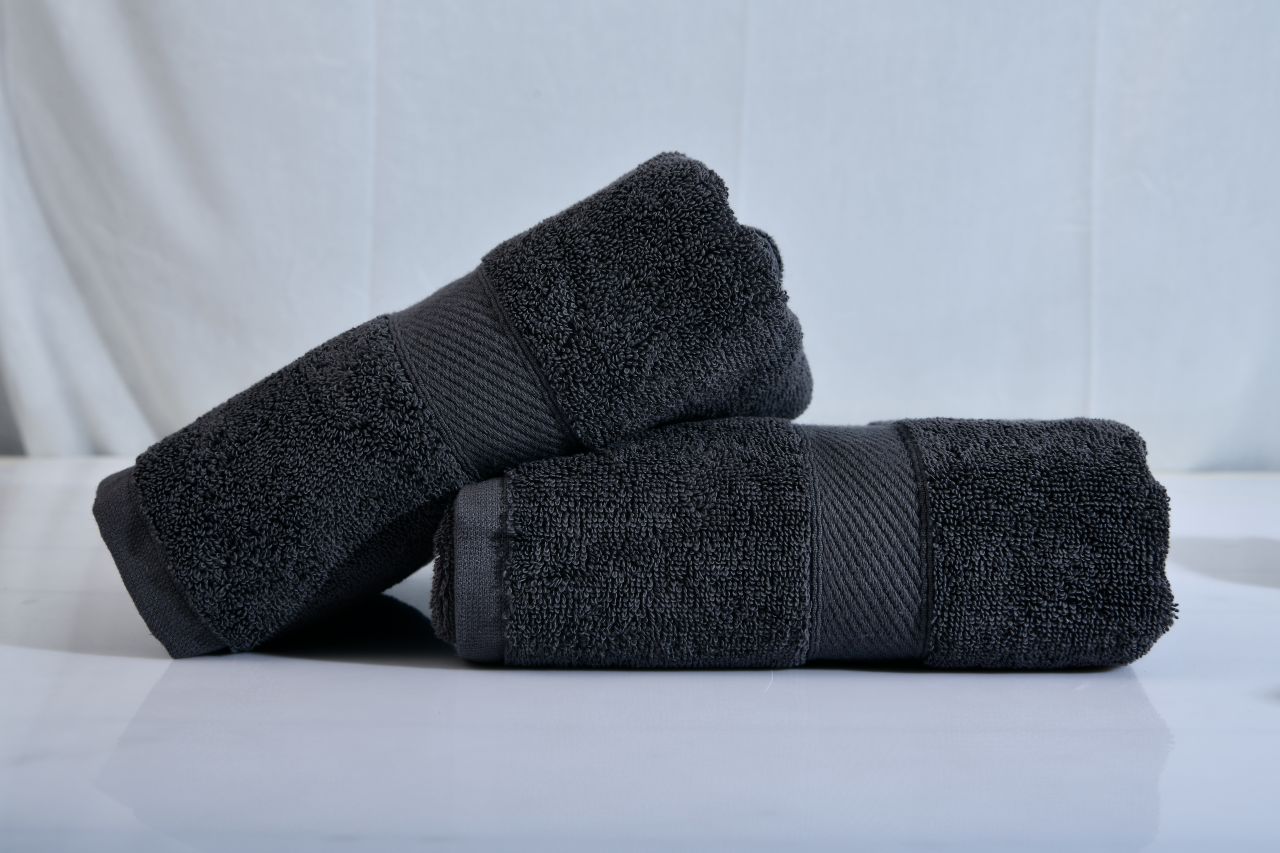
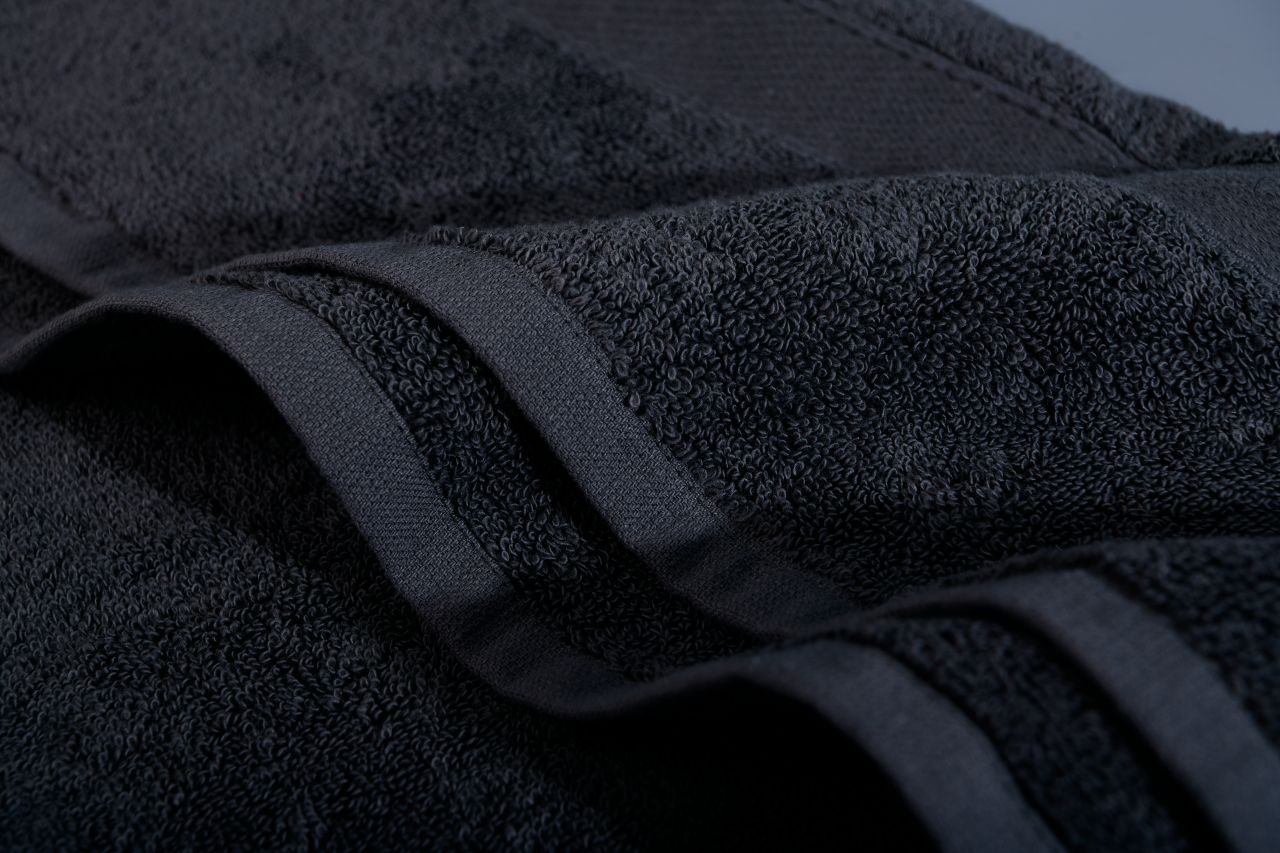
Copper Infused Bath & Gym Towel — 500 GSM Premium Cotton
- 500 GSM Cotton Cloth
- Soft & Premium
- Lightweight & Durable
- Child and Pet-Friendly
- Sale price
- £19.99
- Regular price
- £19.99

