


Should you wash new sheets before using them?
Author

Rory Donnelly
Published
May 31 2024
Have you ever wondered if you should wash new sheets before using them? Many people skip this step, but new sheets can carry residues, dyes, or chemicals from the factory. Washing them before the first use helps remove these substances, softens the fabric, and ensures a cleaner, more comfortable sleep.
Let's delve deeper and explore why washing new sheets before snuggling in might be a good idea.
Do I Need to Wash New Bedsheets?
Yes, it’s always a good idea to wash new bedsheets before using them. Even though they look clean, they may carry dust, allergens, and leftover chemicals from the manufacturing and packaging process.
Benefits of Washing New Sheets
-
Removes leftover chemicals:
New sheets often go through treatments during manufacturing to keep them looking crisp in stores. These can leave behind residues that may irritate your skin. Washing helps remove these and makes the fabric safer to use.
-
Reduces dust and allergens:
From factories to warehouses to stores, sheets can collect dust, pollen, and other particles. A proper wash helps eliminate these allergens and creates a cleaner sleep environment.
-
Makes sheets softer and more comfortable:
Brand-new sheets can feel slightly stiff at first. Washing them helps loosen the fibers, making them softer and more pleasant to sleep on.
-
Improves freshness:
New sheets may have a mild chemical or packaging smell. Washing gives them a clean, fresh scent so they feel ready to use.
-
Encourages better hygiene habits:
Starting with freshly washed sheets sets a good routine for regular cleaning, helping you maintain a healthier and more comfortable sleeping space over time.
Try Our Copper Clothing Bed Sheet with Pillowcases
Buy NowHow Should I Wash New Bedsheets?
Read the Care Label:
This is your golden rule! The care label provides specific washing instructions for your particular sheets, ensuring you clean them properly without causing any damage. Remember recommended washing temperatures, spin cycles, and any warnings about bleach or fabric softeners.
Separate by Colour and Material:
When washing your new sheets, it's important to keep in mind that similar colours and materials should be washed together to prevent any colour bleeding or shrinkage. For example, wash dark-coloured sheets with other dark colours and light-coloured sheets with other light colours. It's also a good idea to separate sheets by material, such as washing cotton sheets with other cotton items and linen sheets with other linen items. This helps prevent damage that can occur when fabrics with different washing requirements are washed together.
Choose the Right Detergent:
When washing your new sheets for the first time, it's best to use a mild detergent. Strong detergents can be too harsh and may remove natural oils, causing the sheets to feel coarse. If you have sensitive skin, you may want to choose a fragrance-free detergent for this initial wash.
Select the Proper Wash Cycle:
When washing new sheets, it's best to select a gentle or delicate cycle on your washing machine. Depending on the care label instructions, use warm or cold water to ensure a thorough cleaning without causing any unnecessary wear and tear.
How to Dry New Sheets
Drying new bed sheets properly is essential to maintain their softness, prevent damage, and keep them looking fresh and wrinkle-free. Whether you prefer air-drying or using a dryer, following the right techniques can prolong the life of your sheets and enhance your sleeping comfort.
Methods to Dry New Sheets
Air Drying Method
- Remove sheets from the washer and smooth out to reduce wrinkles
- Fold lengthwise into a narrow strip
- Hang on a drying rack, clothesline, or bannister
- Takes 24-28 hours but yields wrinkle-free, soft sheets
Partial Dryer Method
- Tumble dry on low heat for up to 15 minutes to remove excess moisture
- Hang to finish drying naturally
- Prevents heat damage and reduces wrinkles and tangling
Drying in a Dryer Tips
- Dry sheets one at a time to prevent tangling and speed drying
- Use dryer balls or clean tennis balls to keep sheets separated and fluffier
- Dry in intervals of 20-30 minutes, untangling sheets between cycles
- Remove sheets promptly when dry to avoid wrinkles
Outdoor Drying
- Dry on a clothesline in sunlight when the weather permits
- Use clothespins to secure sheets
- Provides natural, fresh scent and is energy efficient
How Often Should You Wash Your Sheets?
You should wash your sheets every 1–2 weeks to maintain hygiene and freshness. If you sweat heavily, have allergies, or sleep with pets, it’s better to wash them once a week. Regular washing helps remove sweat, oils, and dust buildup. It also reduces the chances of skin irritation and keeps your sleep environment clean.
Conclusion
Achieving the ultimate sleep sanctuary starts with fresh sheets, but the journey doesn't end there. Delve into the world of luxury by carefully selecting the perfect sheets. Take into account the fabric – cotton offers breathability while linen provides a cooling sensation. Consider the weave – opt for percale for a crisp, embracing feel or sateen for silky softness. Additionally, pay attention to the thread count – higher thread counts result in smoother sheets. Ultimately, the best sheets are the ones that make you feel like royalty, so choose wisely for your own comfort and luxury.
Find your perfect fit with our Copper Clothing Bed Sheet with Pillowcases, and get ready to drift off to dreamland. Sweet dreams!
Try Our Copper Clothing Bed Sheet with Pillowcases
Buy Now
-

Post-Workout Hygiene: What You Shouldn’t Ign...
April 15, 2026
-

Compression Socks for Desk Job
April 15, 2026
-

Running in Cold Weather? Learn Benefits, Saf...
March 26, 2026
-

Sweaty Feet: Causes, Remedies, and Preventio...
March 12, 2026
-

Post Run Recovery: Can Compression Socks Rea...
February 24, 2026


Popular Products
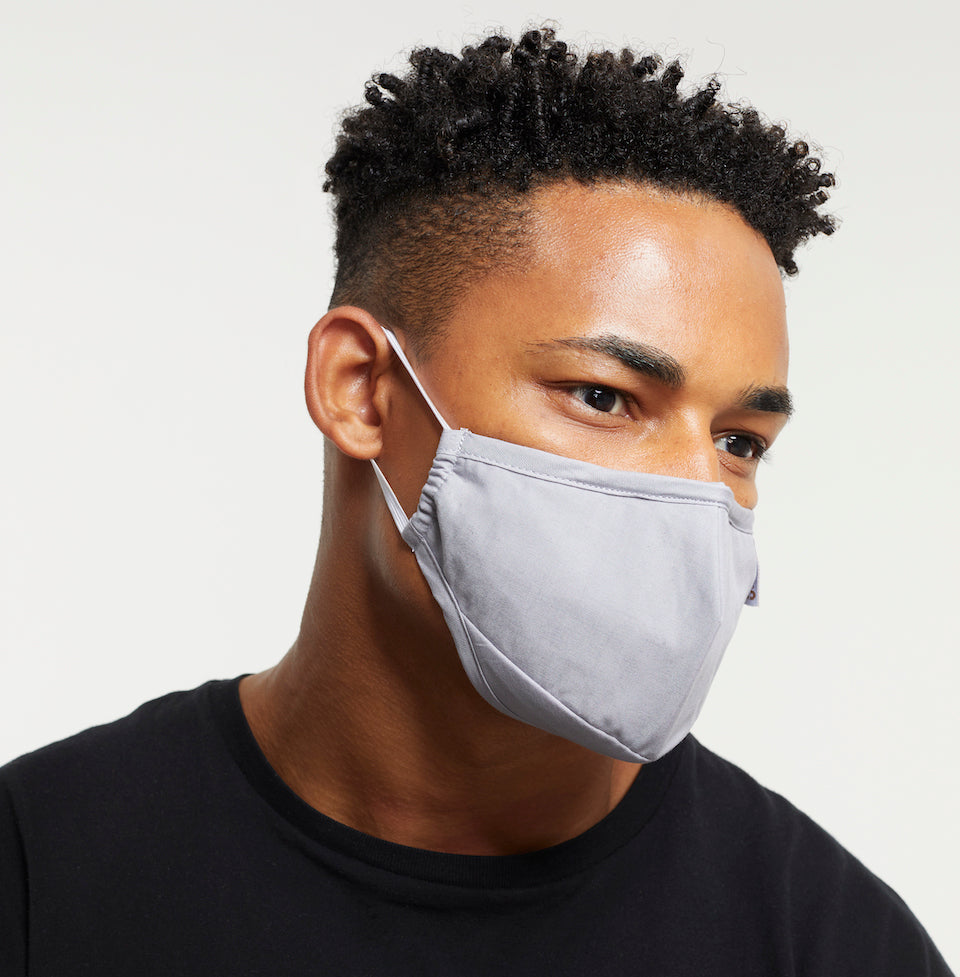

FFP2 CE Four-Layer Copper Infused Face Mask
- Four layers of protection
- Comfortable & washable
- Sale price
- £22.99
- Regular price
- £22.99
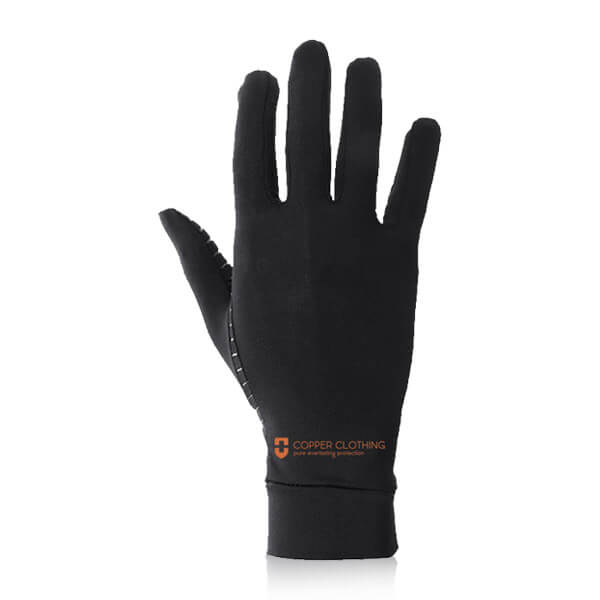
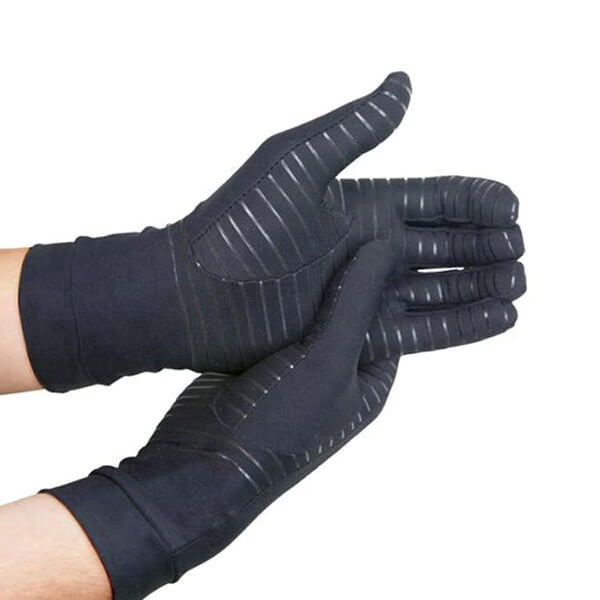
Full Finger Gloves (Copper Gloves)
- Ultimate comfort & flexibility
- Provides warmth and comfort for hands
- Washable
- Sale price
- £22.99
- Regular price
- £22.99
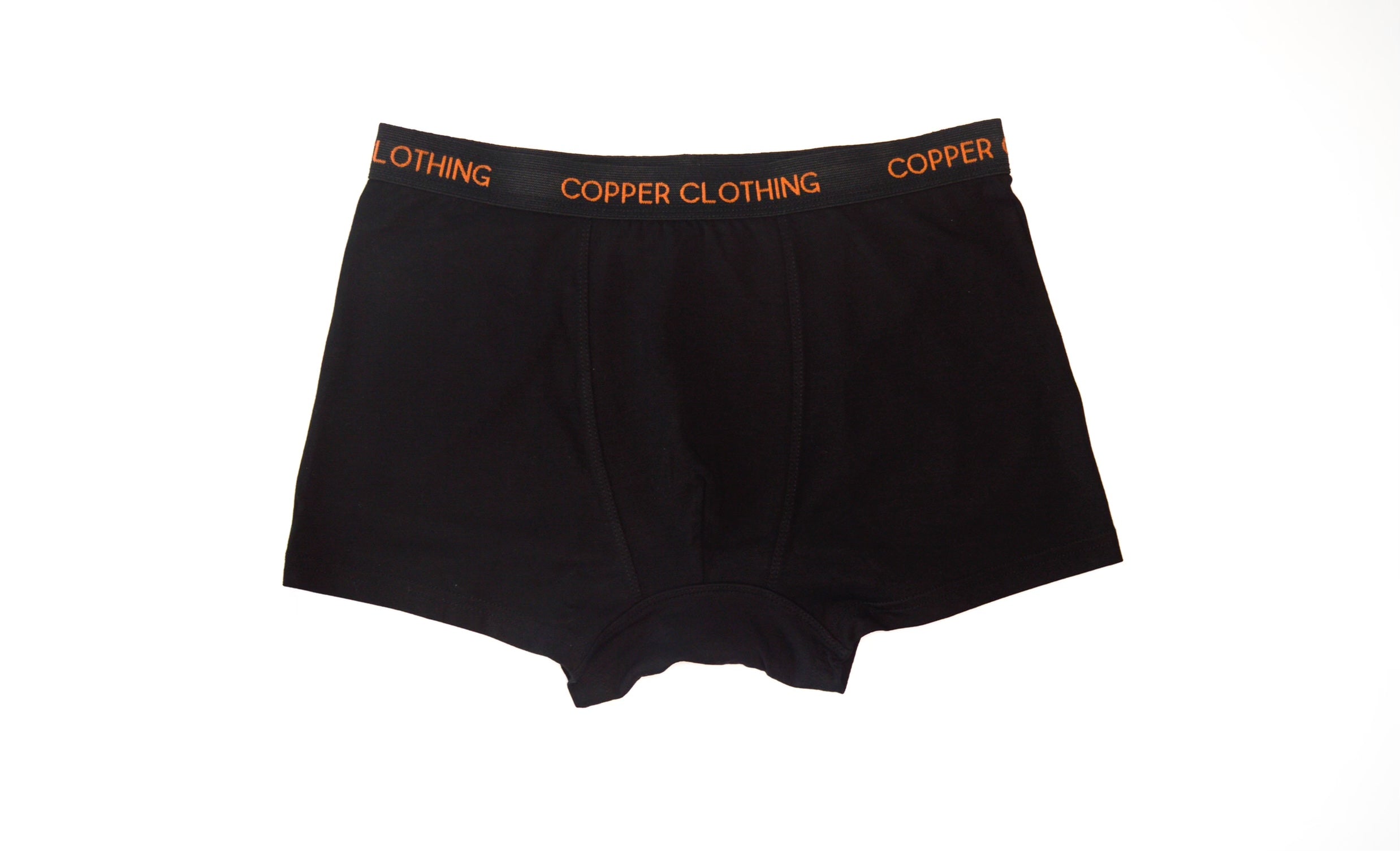
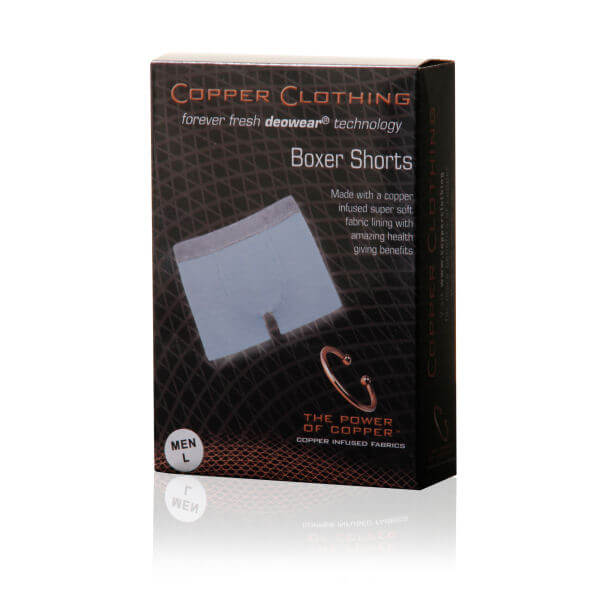
Men’s Copper Boxer Shorts – Soft, Breathable Underwear for Everyday Comfort
- Soft cotton & bamboo blend
- Breathable & lightweight feel
- Stretch comfort for daily movement
- Sale price
- £9.99
- Regular price
- £9.99
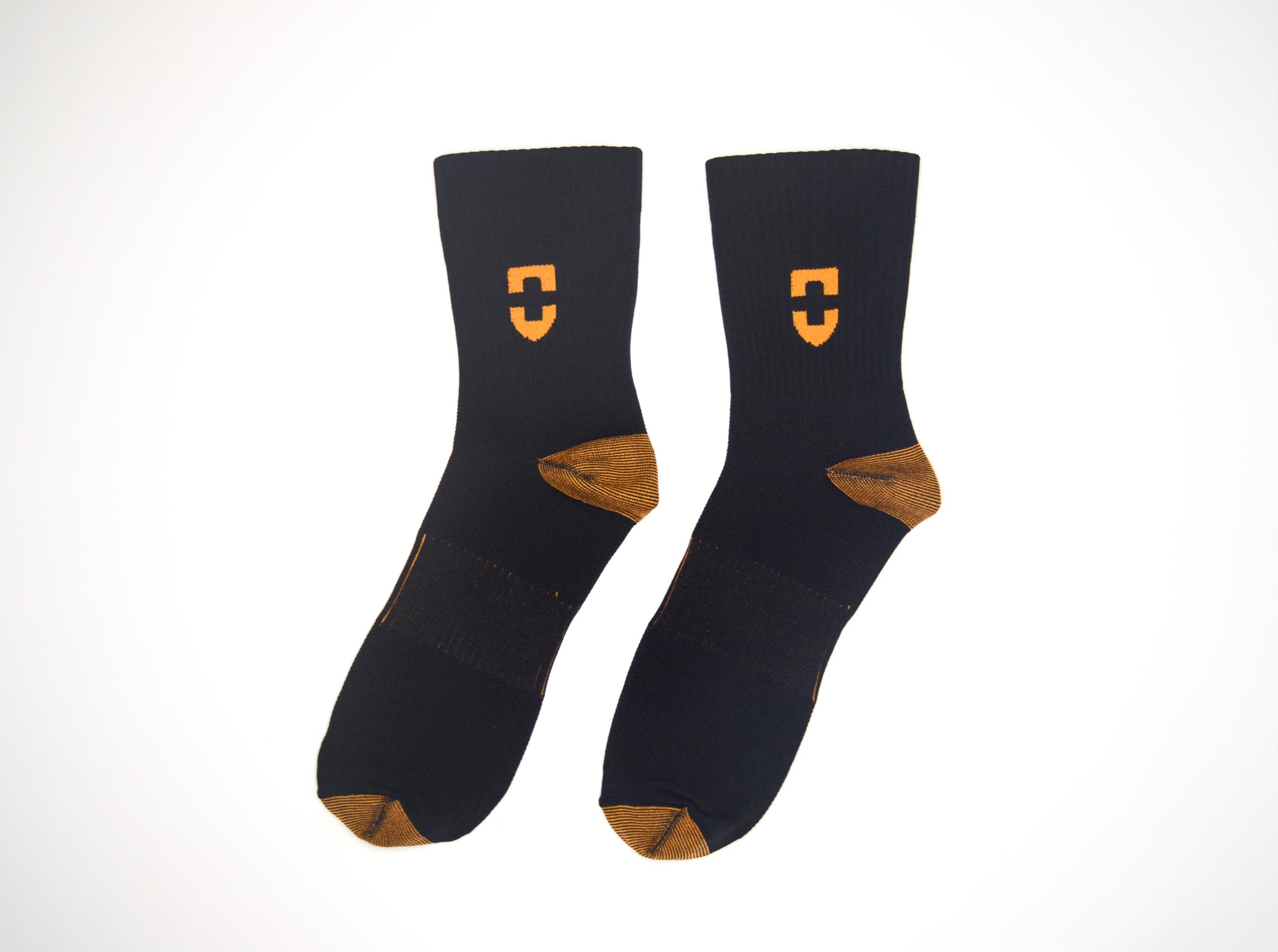

Short Compression Copper Infused Socks
- Breathable Compression Fabric, Comfortable & Durable
- 8 - 15mmHg of Compression
- Best socks for long flights and journey
- Sale price
- £12.99
- Regular price
- £12.99
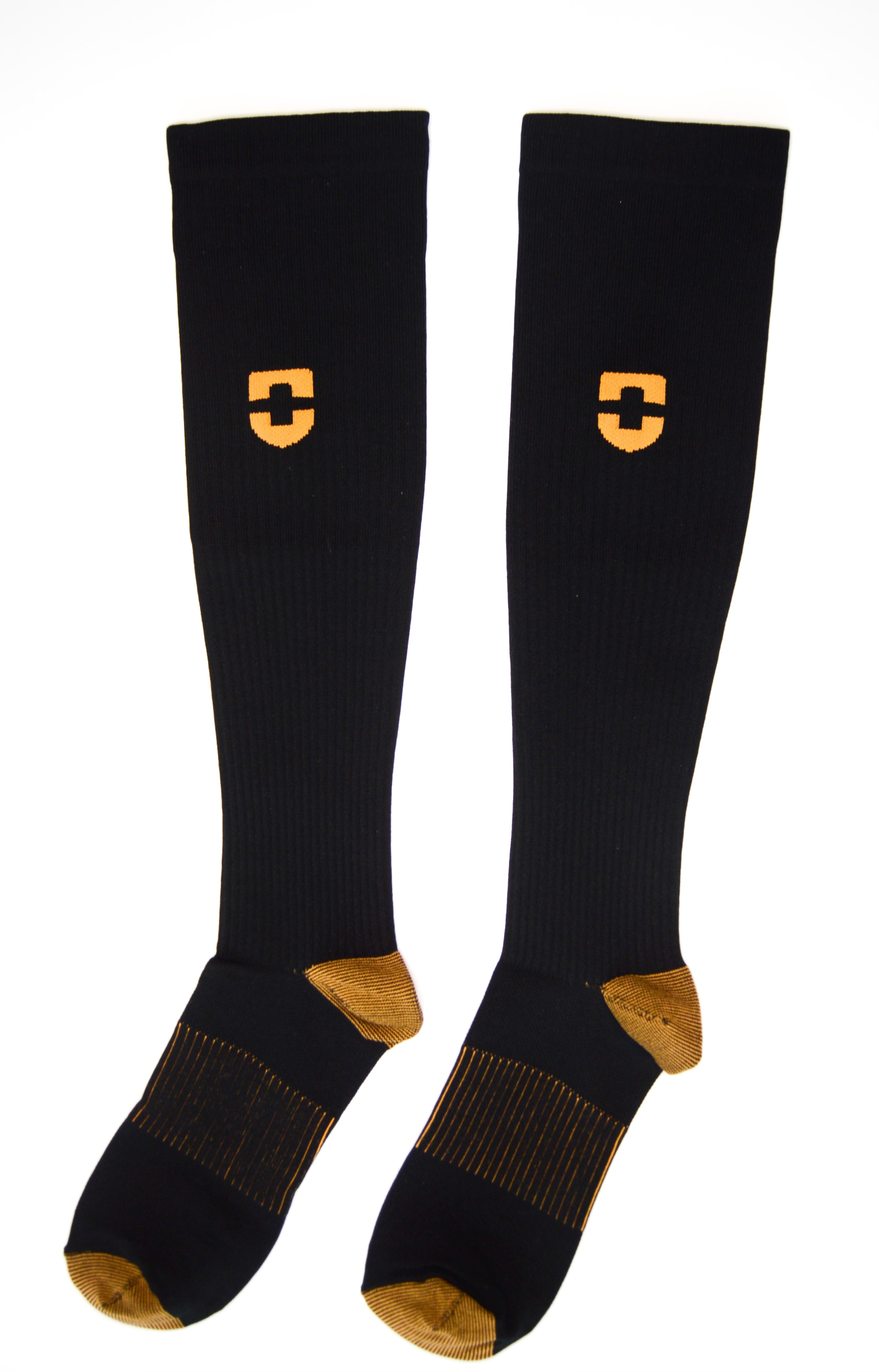
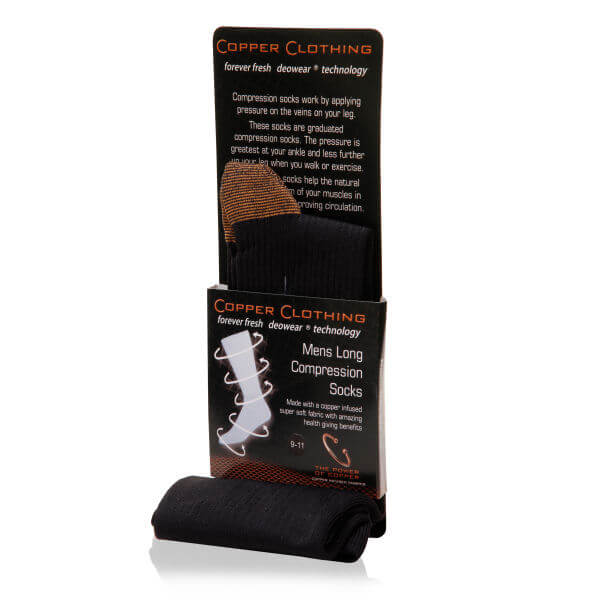
Long Copper Infused Compression Socks
- Breathable Compression Fabric, Comfortable & Durable
- 8 - 15mmHg of Compression
- Best socks for long flights and journey
- Sale price
- £15.99
- Regular price
- £15.99
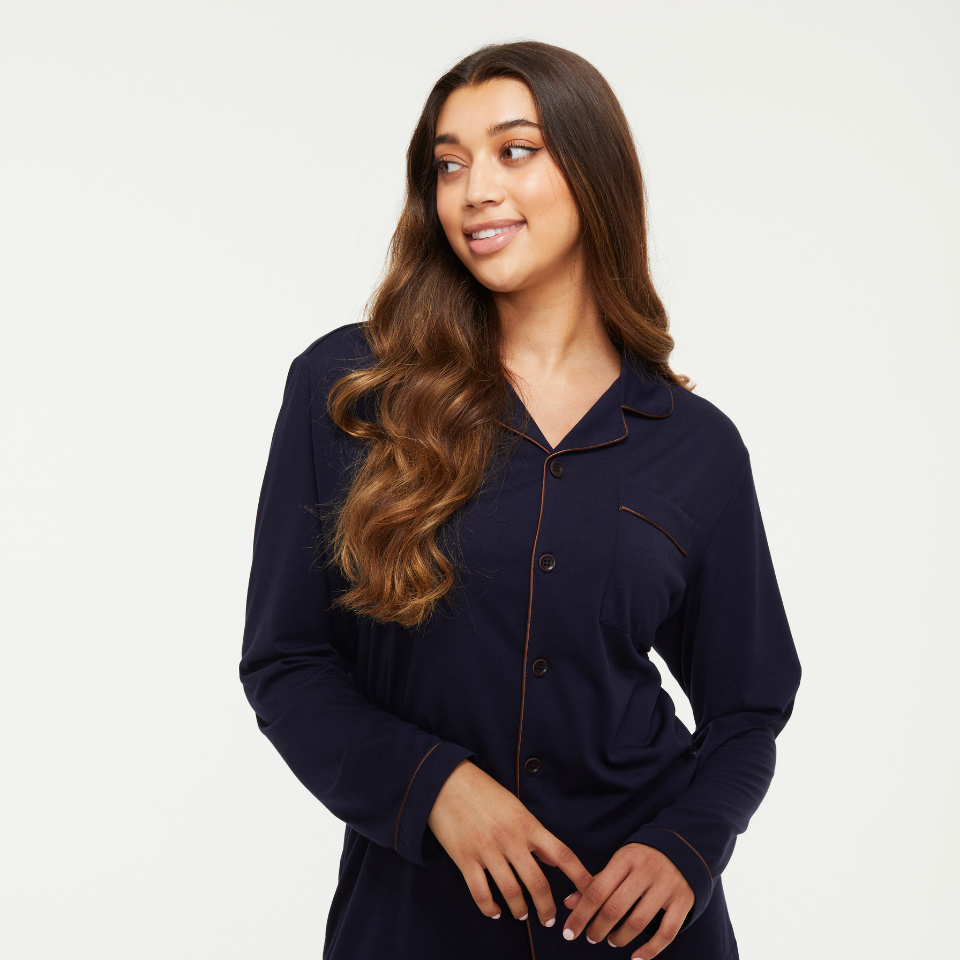
Ladies Copper Infused Pyjamas
- Luxuriously Soft Cotton & Bamboo
- Ideal for daily wear
- Sale price
- £49.99
- Regular price
- £49.99
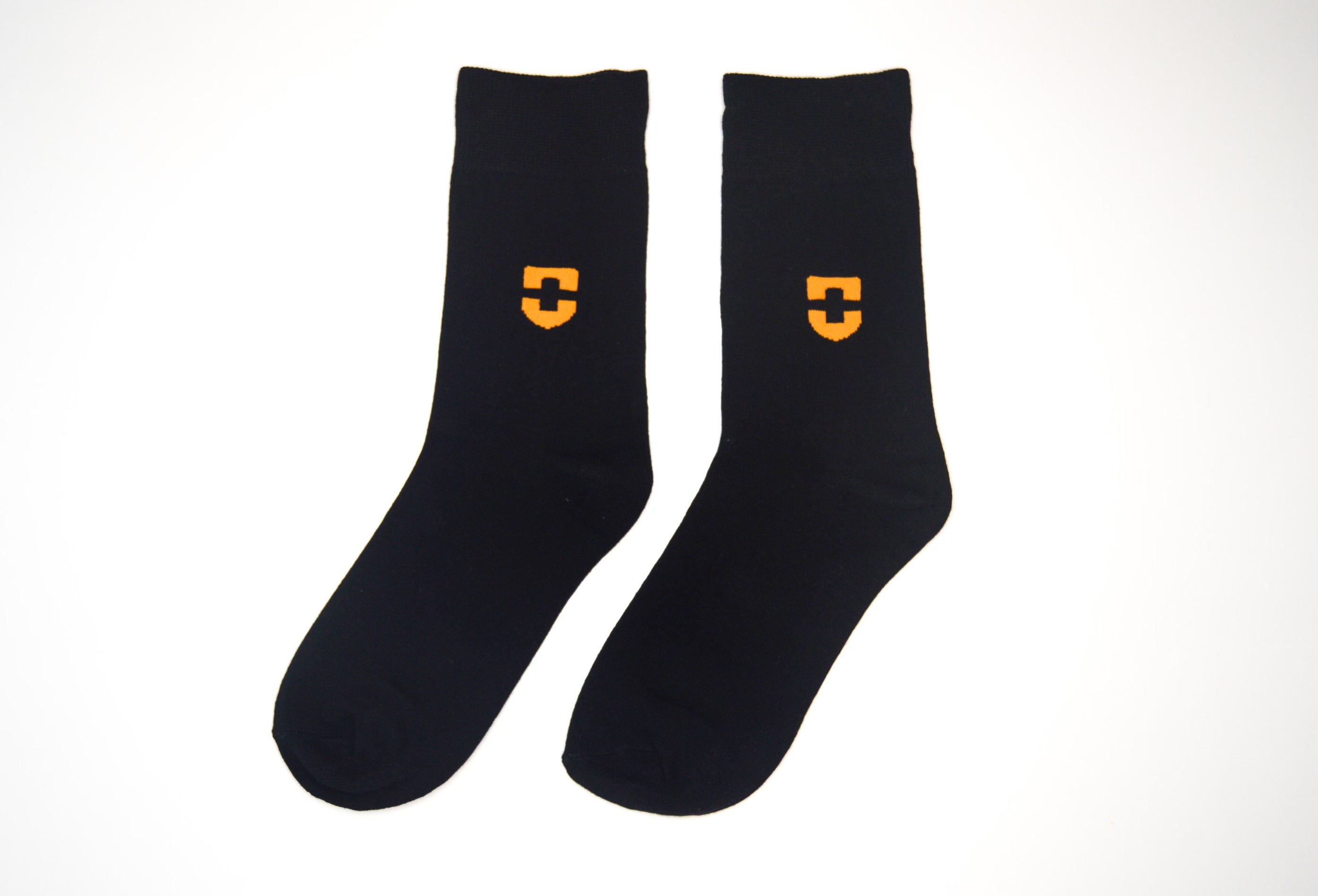
Everyday Copper Socks – Soft, Breathable Socks for Daily Comfort
- Soft & breathable fabric
- Comfortable for long-hour wear
- Lightweight everyday fit
- Sale price
- £9.99
- Regular price
- £9.99
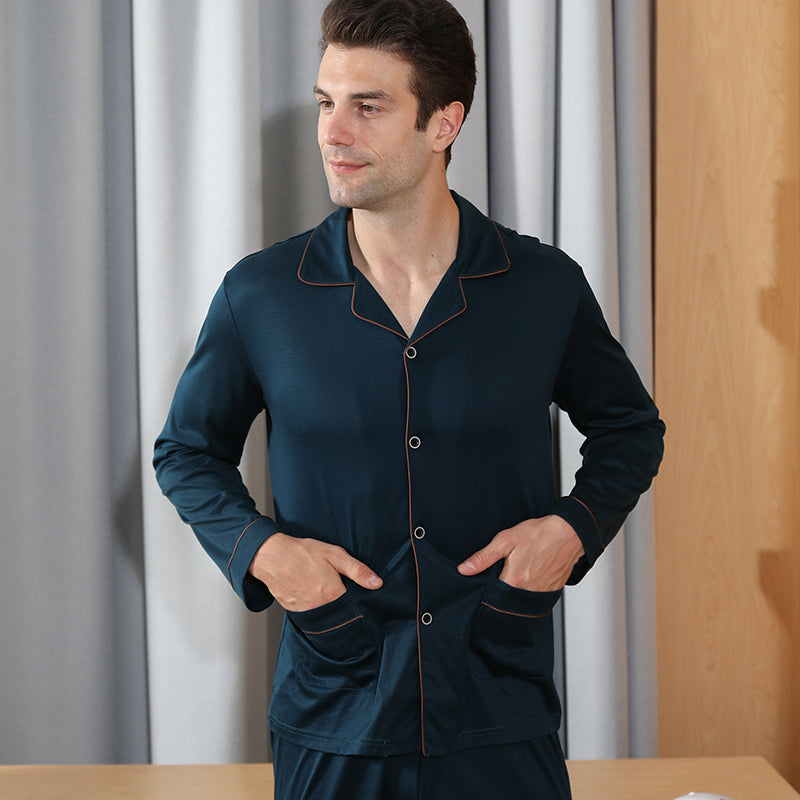
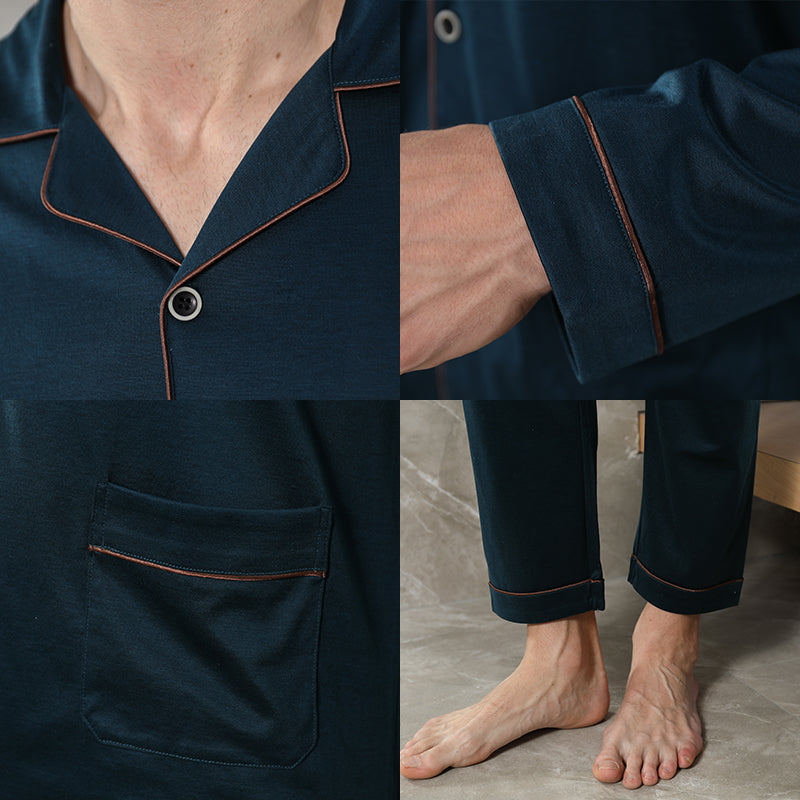
Mens Copper Infused Pyjamas
- Luxuriously Soft Cotton & Bamboo
- Promotes Healthier & Softer Skin
- Sale price
- £54.99
- Regular price
- £54.99
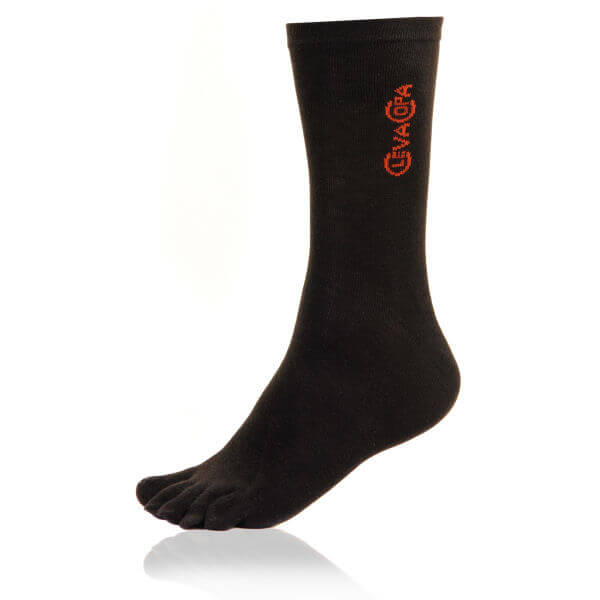
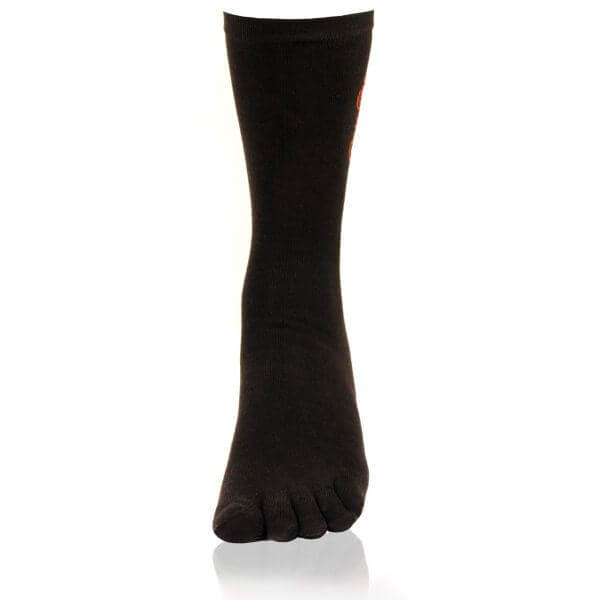
Copper Infused Five Toe Socks
- Promotes Softer Healthier Feet
- Completely Seamless
- Best for long journey and flights
- Sale price
- £14.99
- Regular price
- £14.99
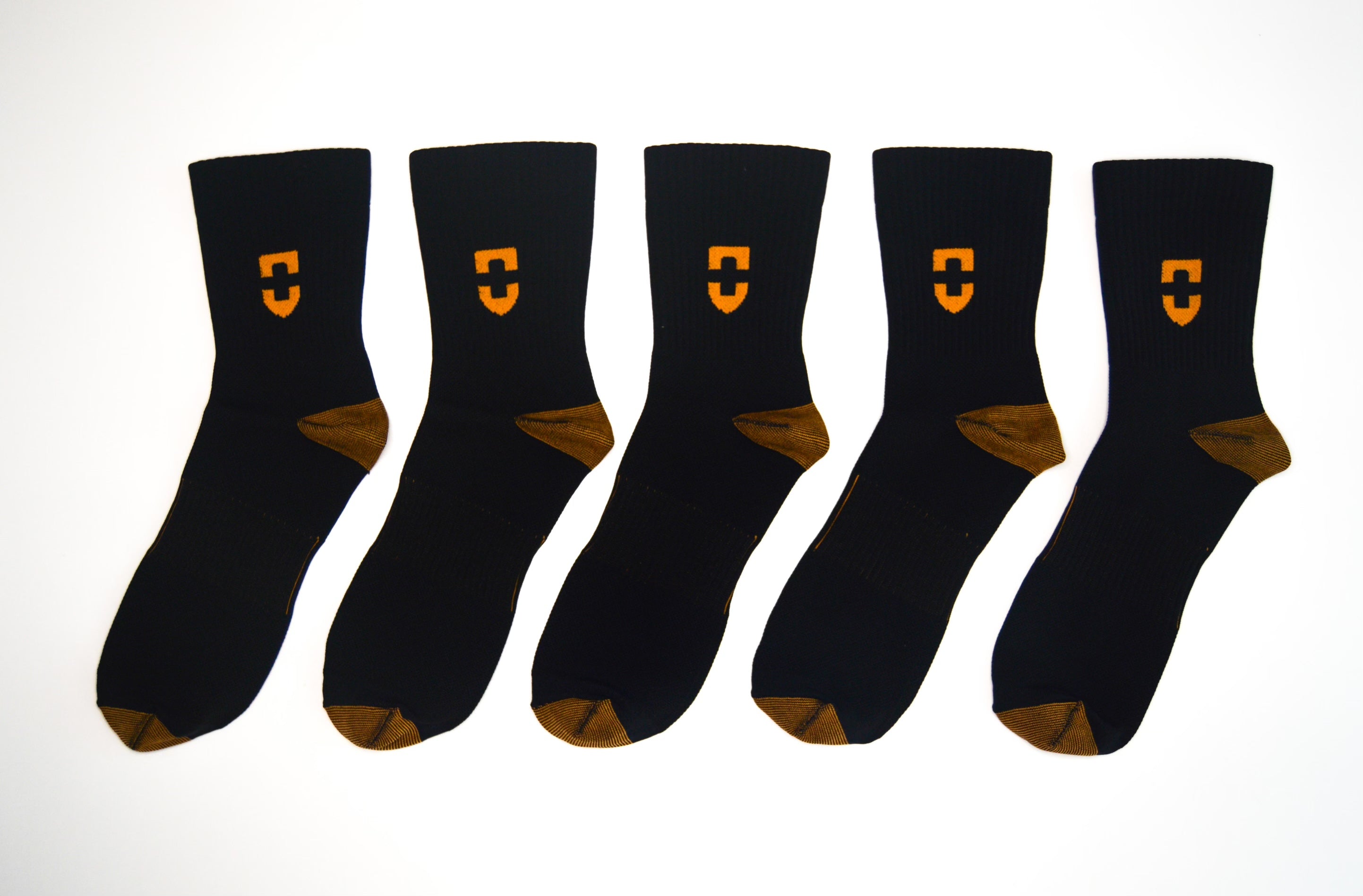
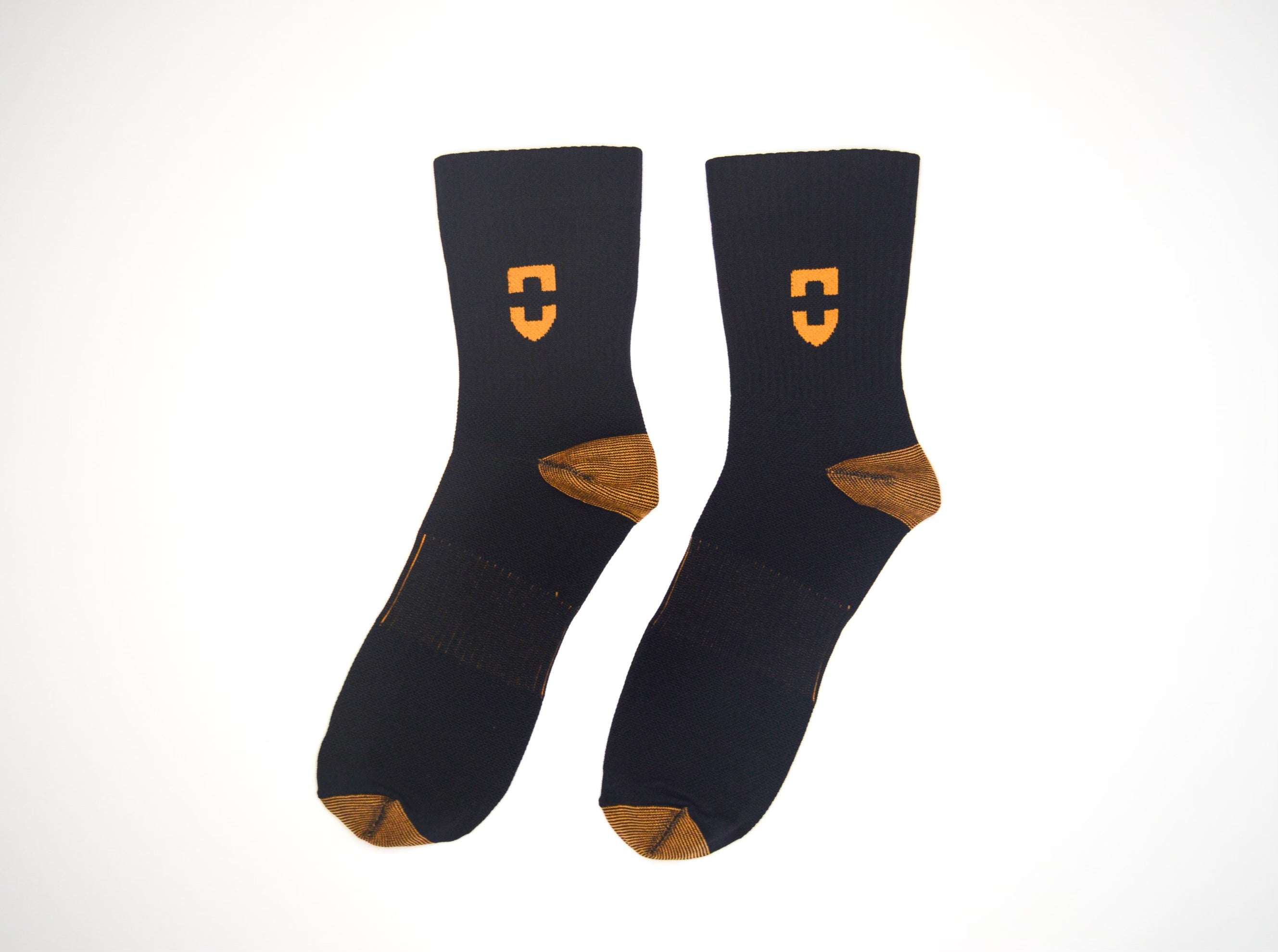
5-Pack Short Compression Copper Infused Socks
- Breathable Compression Fabric & Comfortable
- 8-15mmHg of Compression
- Best socks for long flights and travel
- Sale price
- £59.95
- Regular price
- £64.95
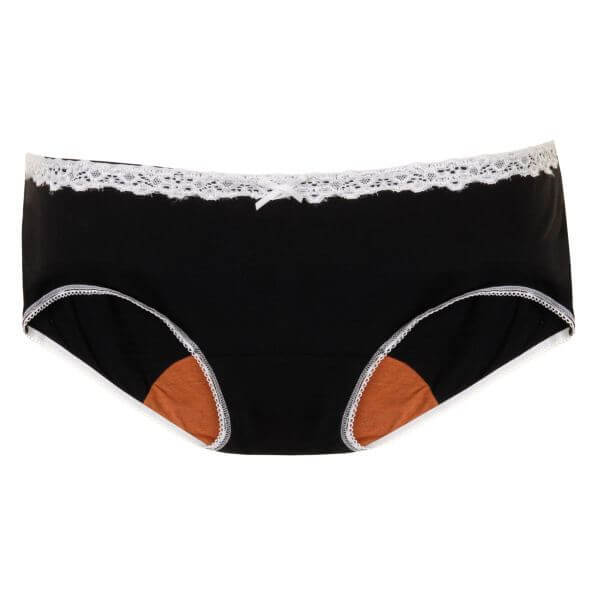
Womens Copper Infused Briefs
- Soft cotton & bamboo blend
- Breathable lightweight feel
- Flexible everyday comfort
- Sale price
- £9.99
- Regular price
- £9.99
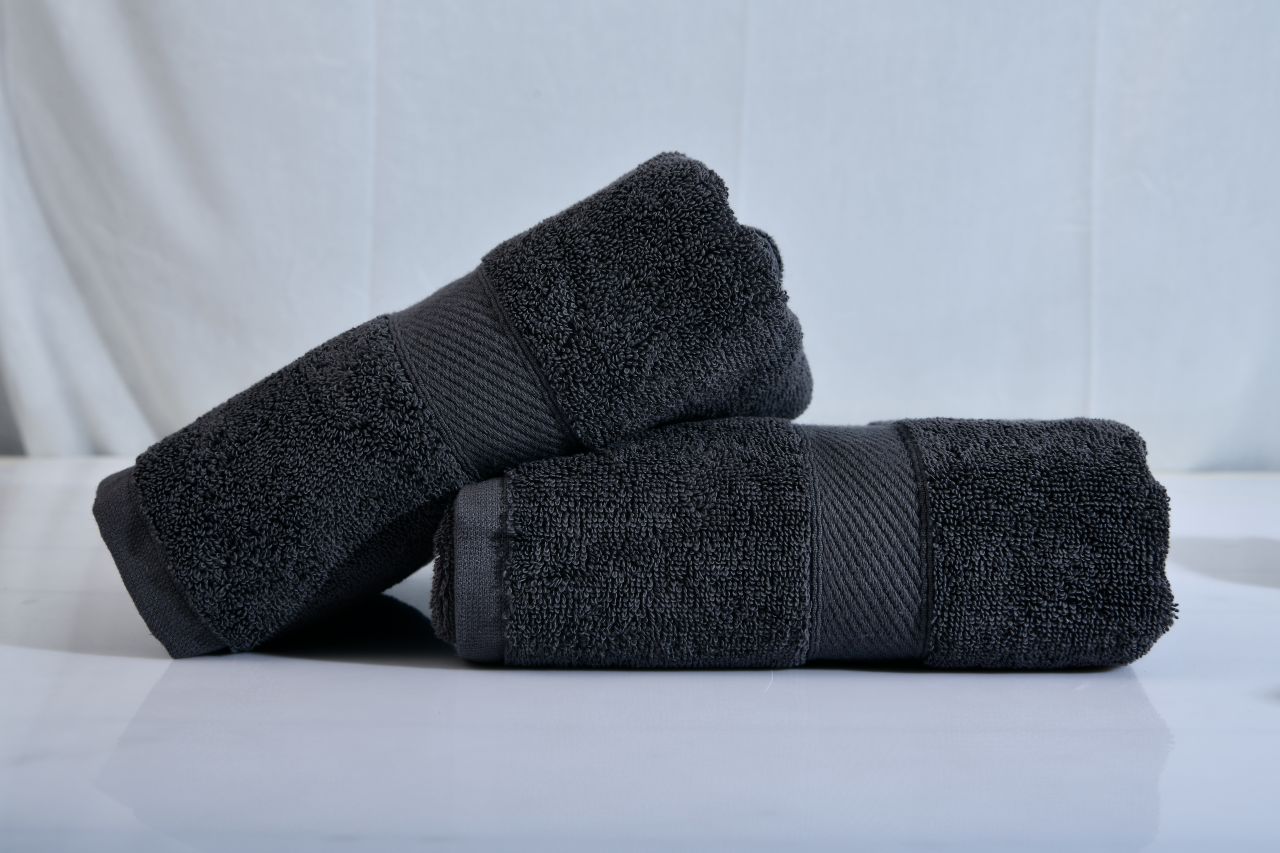
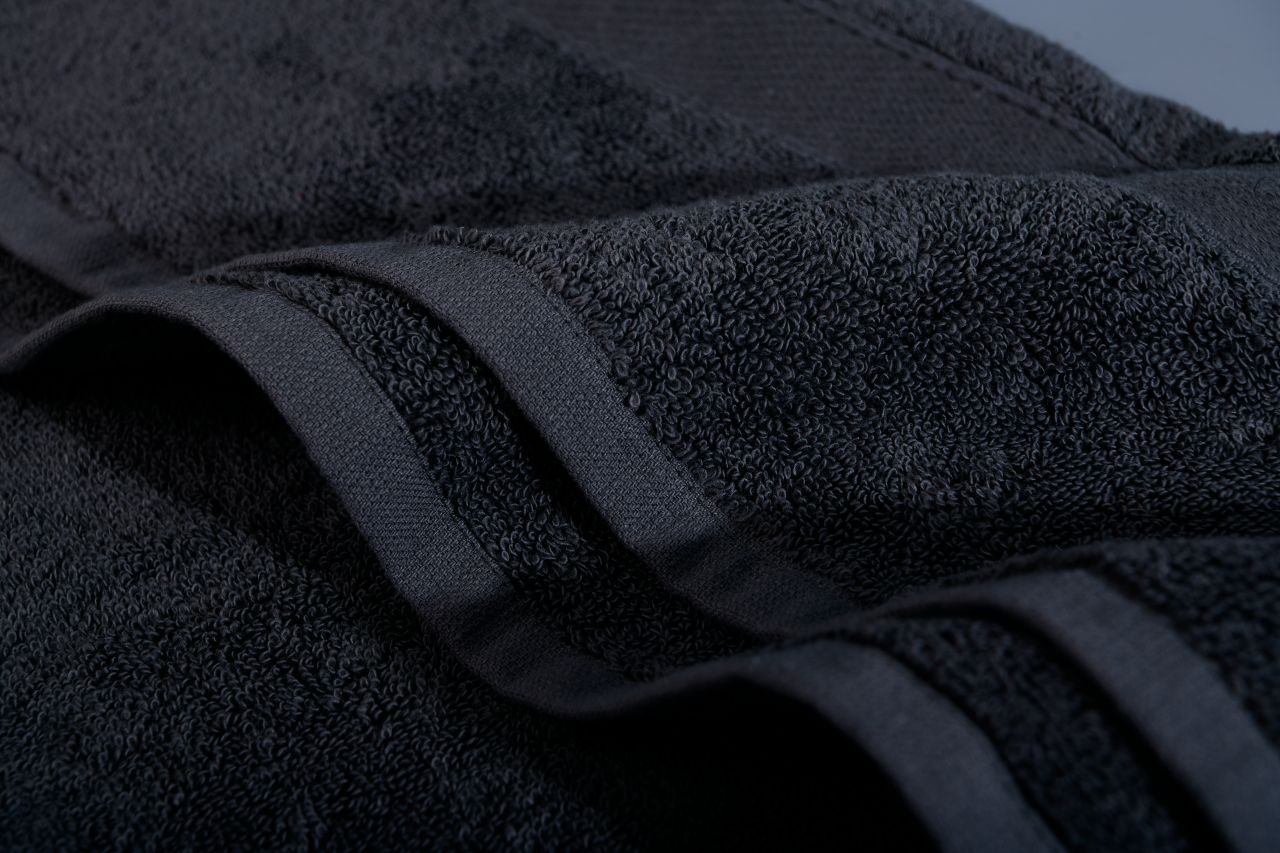
Copper Infused Bath & Gym Towel — 500 GSM Premium Cotton
- 500 GSM Cotton Cloth
- Soft & Premium
- Lightweight & Durable
- Child and Pet-Friendly
- Sale price
- £19.99
- Regular price
- £19.99

