


Sweaty Feet: Causes, Remedies, and Prevention Tips
Author

Rory Donnelly
Published
March 12 2026
Key Takeaways
- Sweaty feet happen when the sweat glands in your feet produce more moisture than normal.
- Common triggers include hyperhidrosis, stress, hormonal changes, and wearing non-breathable shoes.
- Good hygiene, breathable footwear, and moisture-wicking socks for sweaty feet can help control moisture and odour.
- Simple lifestyle habits such as hydration and stress management may help reduce excessive sweating.
- In more severe cases, medical treatment for sweaty feet may be recommended.
What are Sweaty Feet?
Your feet contain thousands of sweat glands. Their job is to regulate temperature and keep the skin healthy. However, when these glands become overactive, excessive moisture can build up, causing sweaty feet. This condition is often known as plantar hyperhidrosis.
The good news is that simple changes in foot care, footwear, and lifestyle can make a big difference. This guide explains what causes sweaty feet, how to manage them, and the best ways to keep your feet dry and comfortable.
Factors That Can Lead to Excessive Sweating in the Feet
If you have ever wondered how to stop sweaty feet, the first step is understanding why the sweating happens in the first place.
-
Primary or Secondary Hyperhidrosis
Hyperhidrosis is a condition that causes excessive sweating. Primary hyperhidrosis occurs without a medical cause, while secondary hyperhidrosis can result from underlying health issues.
-
Highly Active Sweat Glands in the Feet
Some people naturally have more active sweat glands in their feet, which can lead to higher sweat production.
-
Hormonal Fluctuations
Hormonal changes during puberty, pregnancy, or menopause may increase sweating.
-
Emotional Triggers Such as Stress or Anxiety
Strong emotions such as anxiety, fear, or stress can stimulate sweat glands and cause sweating in the feet.
-
Side Effects From Certain Medications
Some medications may increase sweating as a side effect.
-
Underlying Medical Conditions
Conditions such as infections, thyroid disorders, or diabetes may also contribute to excessive sweating.
How Do You Prevent Sweaty Feet: Effective Ways
If you are wondering how to prevent sweaty feet, a few daily habits can make a big difference. Good hygiene, proper footwear, and simple lifestyle adjustments are often the first steps toward keeping your feet dry.
-
Monitor When and Why Your Feet Sweat
Keeping track of sweating episodes can help you identify triggers. For example, you might notice your feet sweat more during stressful situations, hot weather, or when wearing certain shoes. Recognizing patterns helps you understand how to get rid of sweaty feet more effectively.
-
Practice Proper Foot Hygiene
Maintaining good foot care is one of the easiest ways to manage sweaty feet.
- Clean Your Feet Every Day: Wash your feet daily with soap and water to remove bacteria and reduce smell.
- Make Sure Your Feet are Completely Dry: After washing, dry your feet carefully, especially between the toes. Moisture trapped between toes can increase bacterial growth.
- Apply Antifungal or Moisture-Absorbing Powders: Foot powders help absorb moisture and prevent fungal infections.
-
Select Suitable Socks and Footwear
The type of socks and shoes you wear can strongly influence how much your feet sweat.
- Use Moisture-Wicking Socks to Keep Feet Dry: Socks made from moisture-wicking materials pull sweat away from the skin. This helps keep feet dry and comfortable throughout the day. Many people consider these the best socks for sweaty feet because they reduce moisture buildup and bad odour.
You can learn more about choosing the right socks by reading this helpful guide on best socks for athletes foot.
Learn More- Try Copper: Copper-infused socks are also a popular option. They combine moisture control with antimicrobial properties, making them excellent breathable socks for sweaty feet.
- Choose Shoes That Allow Airflow: Shoes made with breathable materials allow air circulation, which helps reduce moisture buildup.
- Alternate Between Different Pairs of Shoes: Avoid wearing the same shoes every day. Rotating shoes gives them time to dry completely before the next use.
-
Change Your Lifestyle and Try Some Simple Home Remedies
Certain lifestyle changes can also help control sweating, such as:
- Maintain Proper Hydration: Drinking enough water helps regulate body temperature and may reduce excessive sweating.
- Limit Foods That Can Increase Sweating: Spicy foods, caffeine, and alcohol can sometimes trigger sweating.
- Use Tannin-Based Topical Solutions: Tannins can help temporarily block sweat glands and reduce moisture.
- Incorporate Stress Management Techniques: Relaxation methods such as meditation, yoga, or deep breathing may help reduce sweating caused by stress.
These small changes can act as home remedies for sweaty feet and support better foot hygiene.
Medical Options for Managing Excessive Foot Sweating
If proper hygiene, care, and home remedies are not enough, doctors may suggest medical treatment for sweaty feet.
- Prescription Antiperspirants: Strong antiperspirants can block sweat glands and reduce sweating.
- Topical Use of Rubbing Alcohol: Rubbing alcohol can temporarily dry the skin and reduce bacteria.
- Iontophoresis Therapy: This treatment uses mild electrical currents to temporarily reduce sweat gland activity.
- Botox Injections for Sweat Control: Botulinum toxin injections may block the nerves that trigger sweating.
- Medications That Block Nerve Signals: Some medicines can reduce sweating by interfering with the nerve signals that activate sweat glands.
These sweaty feet treatments are typically recommended when excessive sweating does not respond to basic care methods.
Potential Issues Linked to Excessively Sweaty Feet
When moisture stays trapped inside shoes for long periods, several problems can develop. Some of them are as follows:
-
Risk of Skin Infections
Constant moisture can create the perfect environment for fungal and bacterial growth. Common infections include athlete’s foot infection and fungal skin conditions.
-
Effects on Everyday Comfort and Activities
Sweaty feet can also affect daily life in various ways, including:
- Social and Emotional Discomfort: Foul smell from the Foot or damp socks can make people feel self-conscious.
- Difficulties With Shoes and Physical Activities: Excess moisture may cause discomfort, blisters, or difficulty wearing certain shoes.
Managing sweat early helps reduce these risks.
Final Thoughts on Managing and Preventing Sweaty Feet
Sweaty feet are a common problem, especially if you spend long hours wearing shoes or live in a warm climate. The good news is that simple habits can make a big difference. Practicing proper foot hygiene, wearing breathable footwear, and choosing moisture-wicking socks for sweaty feet can help keep your feet dry and comfortable.
Many people also prefer copper-infused compression socks because they combine breathability with antimicrobial protection. They help reduce moisture and odour throughout the day. If you are looking for a practical way to improve foot hygiene and comfort, copper compression socks may be worth considering.
Frequently Asked Questions (FAQs)
-
What can I do to reduce excessive sweating in my feet?
Start by identifying possible triggers. Practicing good foot hygiene, wearing breathable footwear, and choosing moisture-wicking socks can help reduce excessive sweating. If the problem continues, consult a healthcare professional.
-
Does having sweaty feet indicate a medical problem?
Not always. Sweaty feet are common and often harmless. However, if sweating becomes severe or occurs with other symptoms, it may be worth consulting a doctor.
-
Why do my feet sweat more when I am not wearing socks?
Without socks, moisture is not absorbed and can accumulate on the skin. Socks help absorb sweat and reduce friction between the feet and shoes.
-
Why are my feet so sweaty during the night?
Nighttime sweating may occur due to hormonal changes, stress, anxiety, or certain medical conditions such as hyperthyroidism.
-
Can certain medications like antibiotics increase foot sweating?
Yes. Some medications, including certain antibiotics, may cause increased sweating as a side effect.
-
Can excessive foot sweat lead to blisters?
Yes. Moisture softens the skin and makes it more prone to friction, which can lead to blisters.
-
Should I worry if my feet sweat a lot?
Sweaty feet are usually harmless. However, excessive sweating could sometimes indicate hyperhidrosis or another underlying condition.
-
What complications can develop from constantly sweaty feet?
Constant moisture can increase the risk of fungal infections, bacterial infections, warts, and skin irritation.
-

Post-Workout Hygiene: What You Shouldn’t Ign...
April 15, 2026
-

Compression Socks for Desk Job
April 15, 2026
-

Running in Cold Weather? Learn Benefits, Saf...
March 26, 2026
-

Sweaty Feet: Causes, Remedies, and Preventio...
March 12, 2026
-

Post Run Recovery: Can Compression Socks Rea...
February 24, 2026


Popular Products
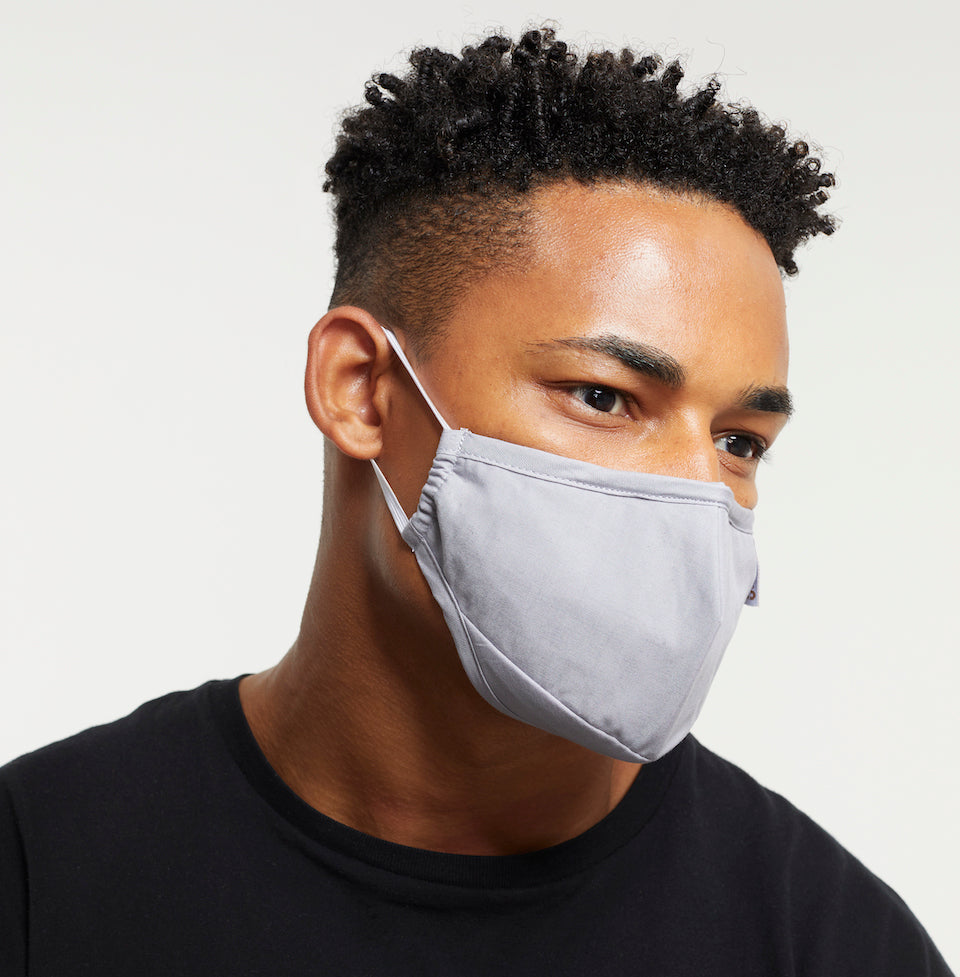
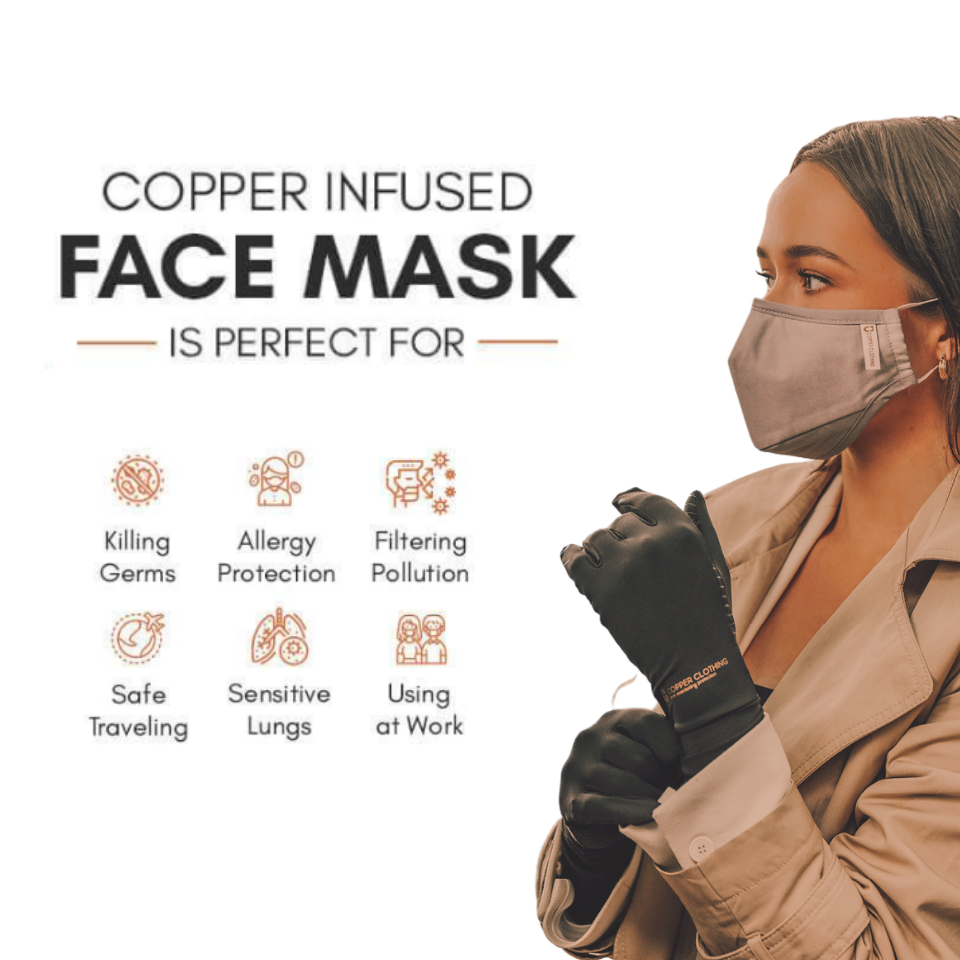
FFP2 CE Four-Layer Copper Infused Face Mask
- Four layers of protection
- Comfortable & washable
- Sale price
- £22.99
- Regular price
- £22.99
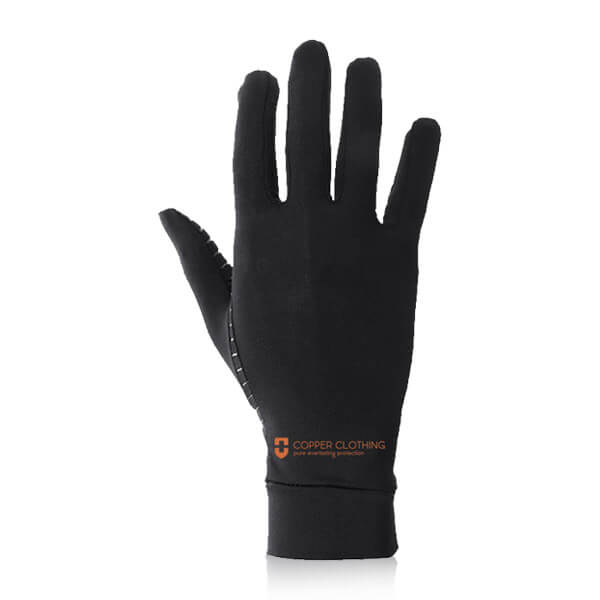
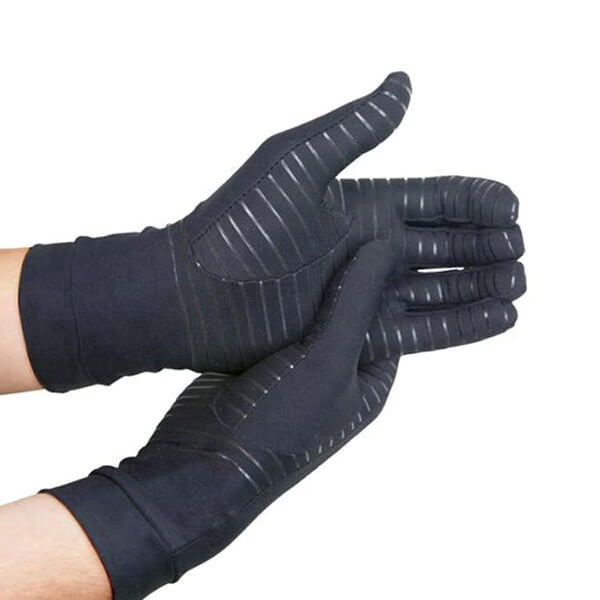
Full Finger Gloves (Copper Gloves)
- Ultimate comfort & flexibility
- Provides warmth and comfort for hands
- Washable
- Sale price
- £22.99
- Regular price
- £22.99
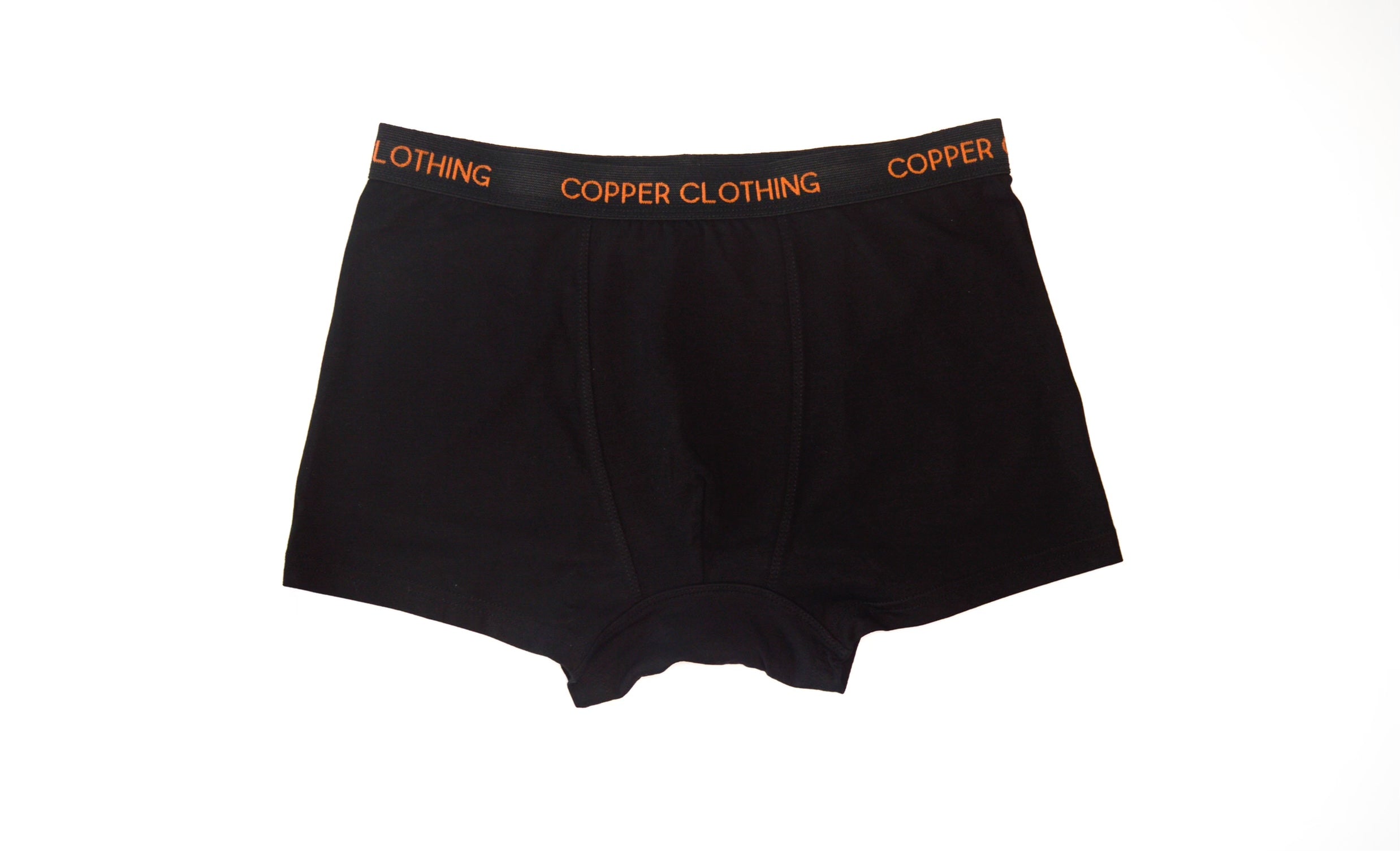
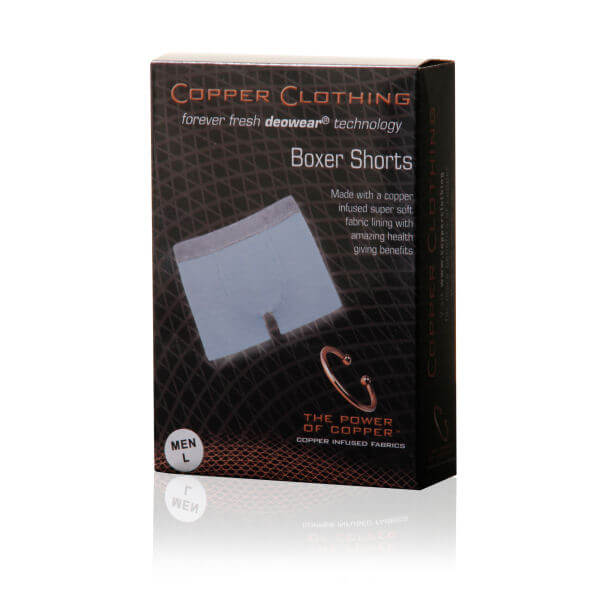
Mens Copper Boxer Shorts
- Luxuriously Soft Cotton & Bamboo (Lenzing Viscose)
- 30% Copper fibre throughout the crotch area
- 5% spandex for comfort throughout
- Perfect Fit Waistband
- Sale price
- £9.99
- Regular price
- £9.99
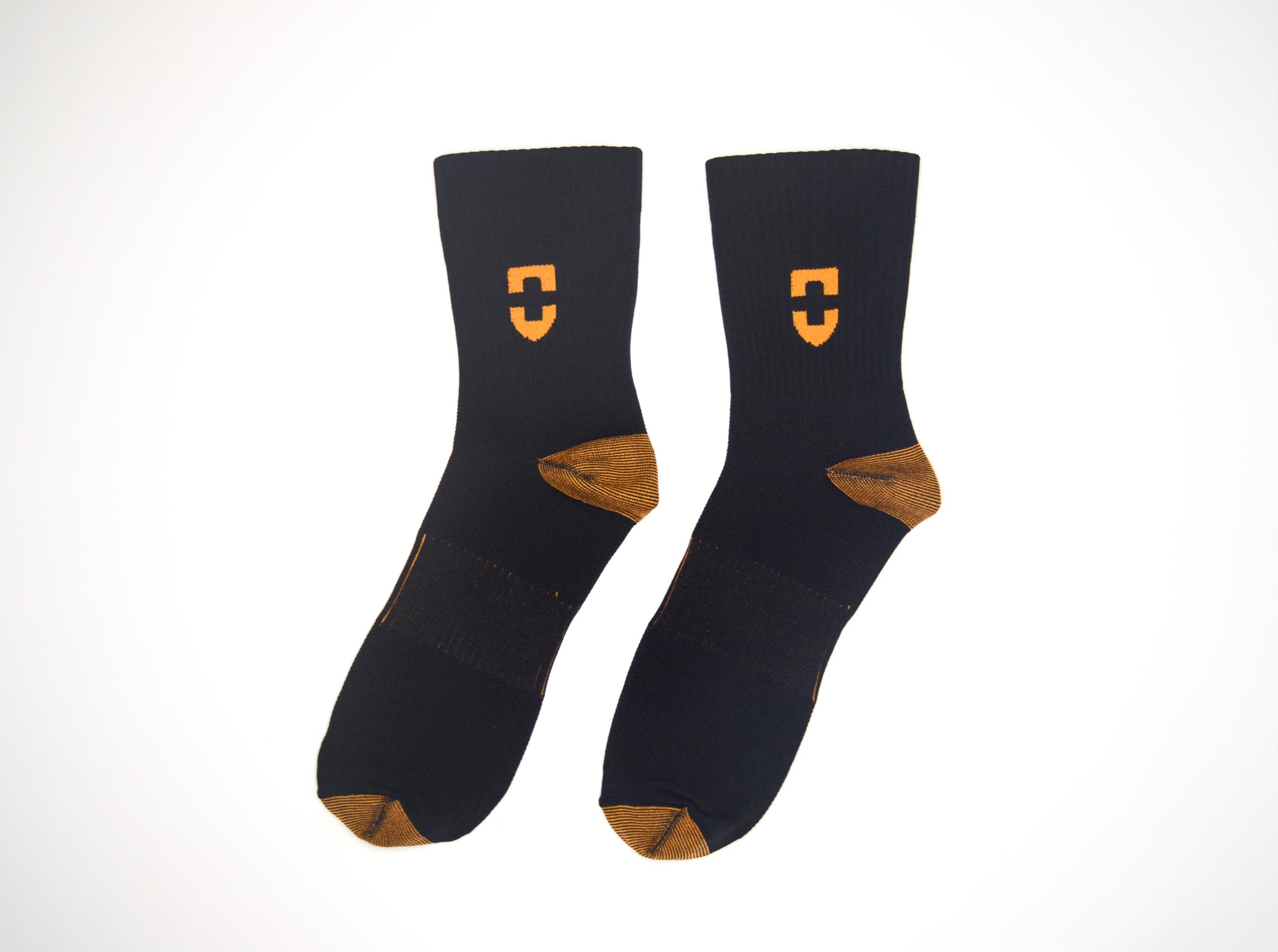
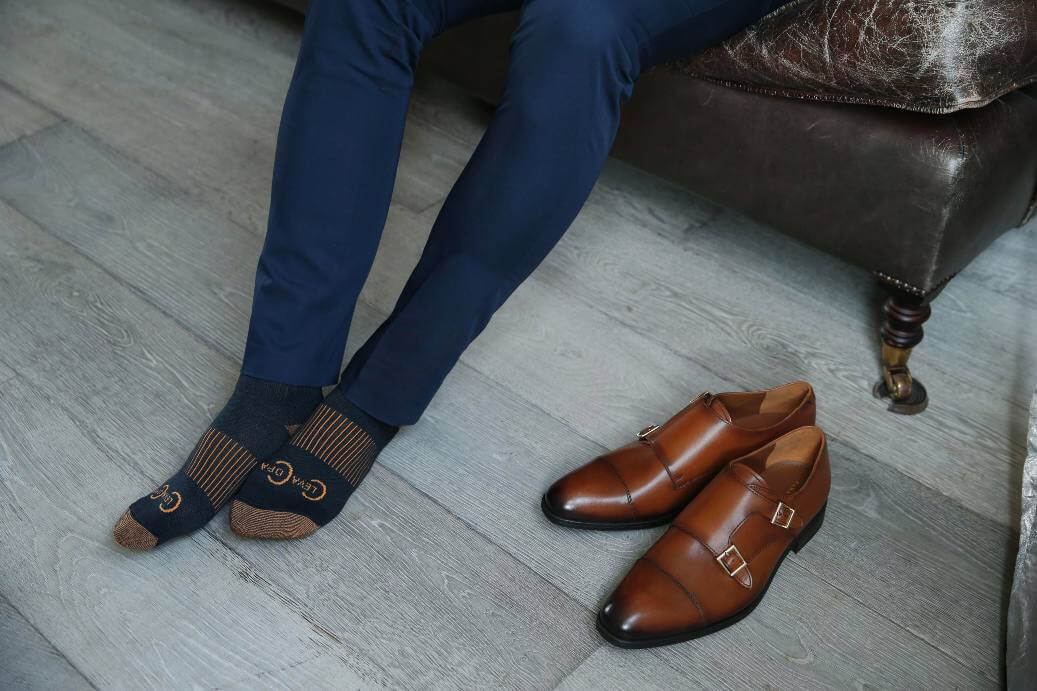
Short Compression Copper Infused Socks
- Breathable Compression Fabric & Comfortable
- 8 - 15mmHg of Compression
- Best travel and flight socks
- Ideal for long day
- Sale price
- £12.99
- Regular price
- £12.99
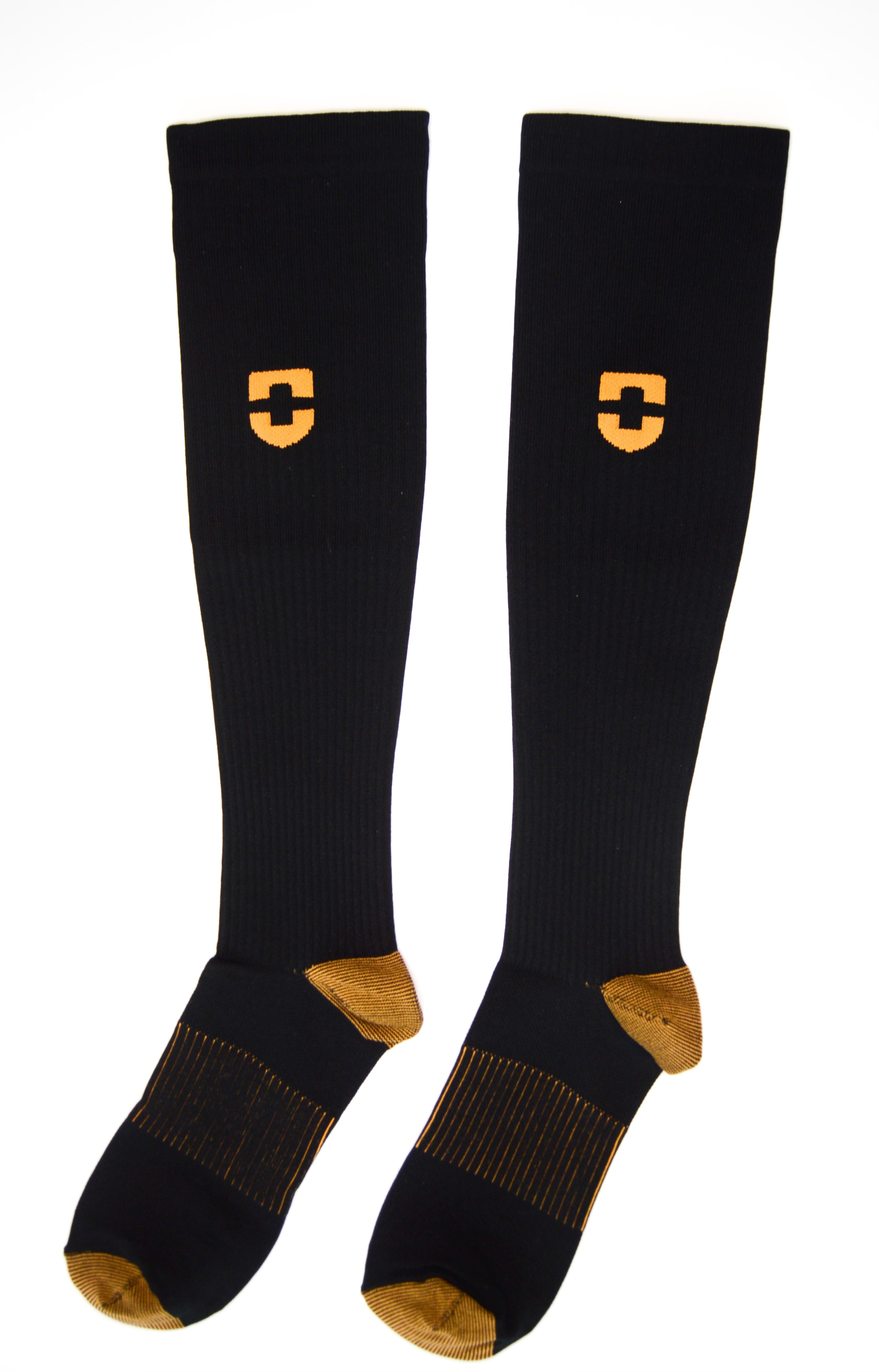
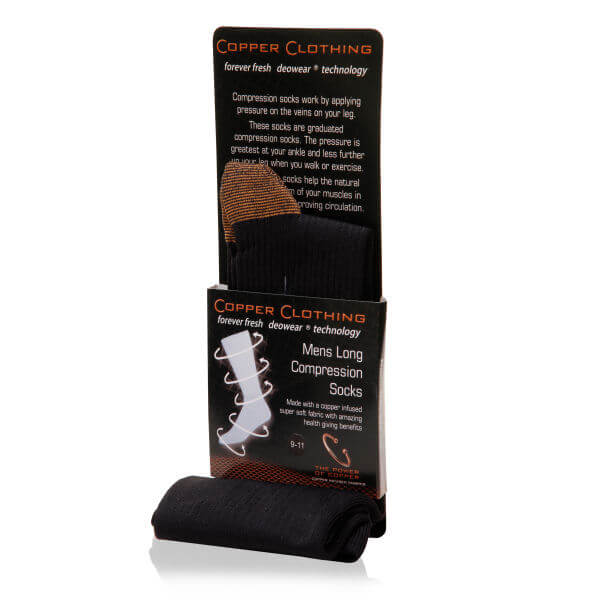
Long Copper Infused Compression Socks
- Breathable Compression Fabric, Comfortable & Durable
- 8 - 15mmHg of Compression
- Best socks for long flights and journey
- Sale price
- £15.99
- Regular price
- £15.99
Ladies Copper Infused Pyjamas
- Luxuriously Soft Cotton & Bamboo
- Ideal for daily wear
- Sale price
- £49.99
- Regular price
- £49.99
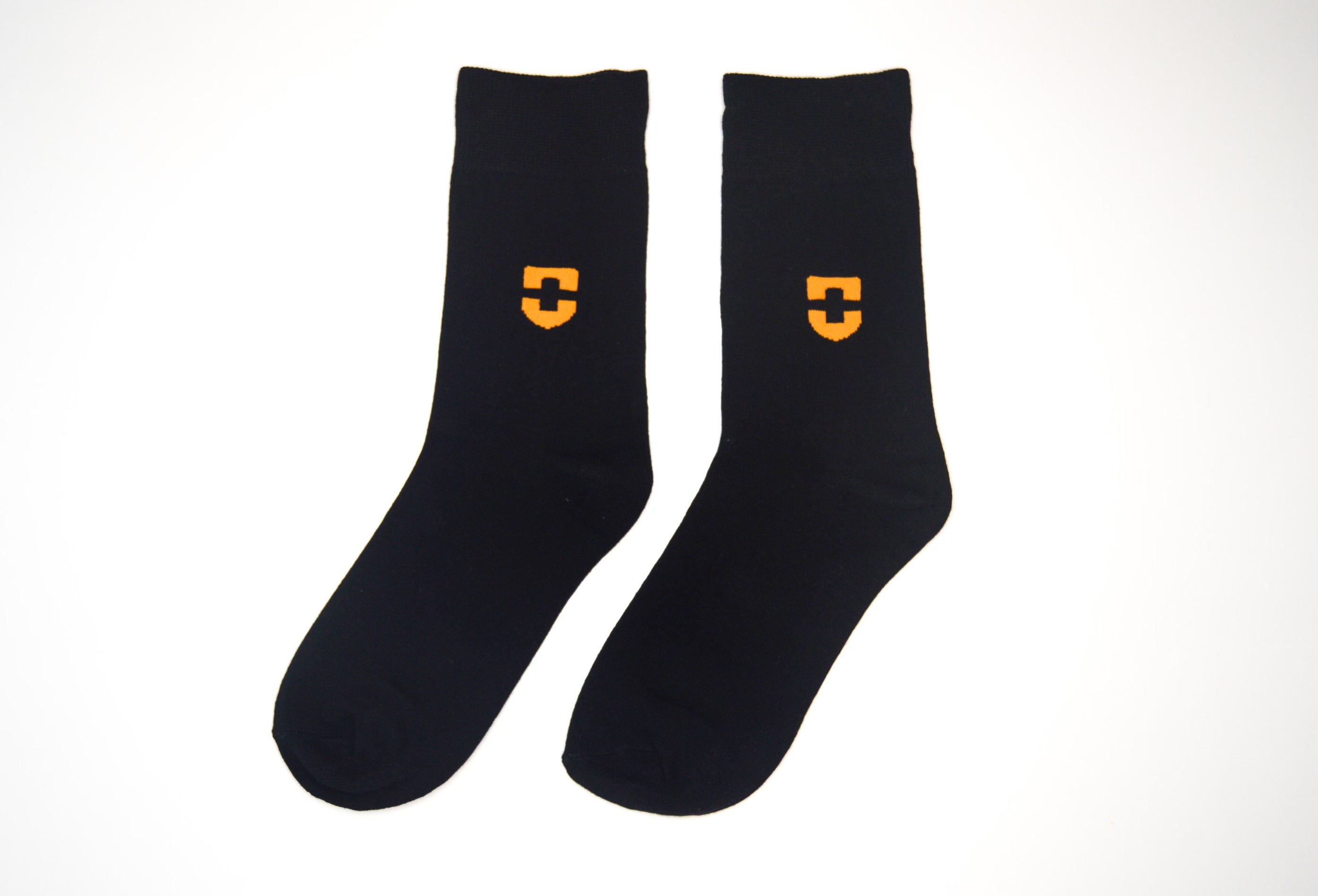
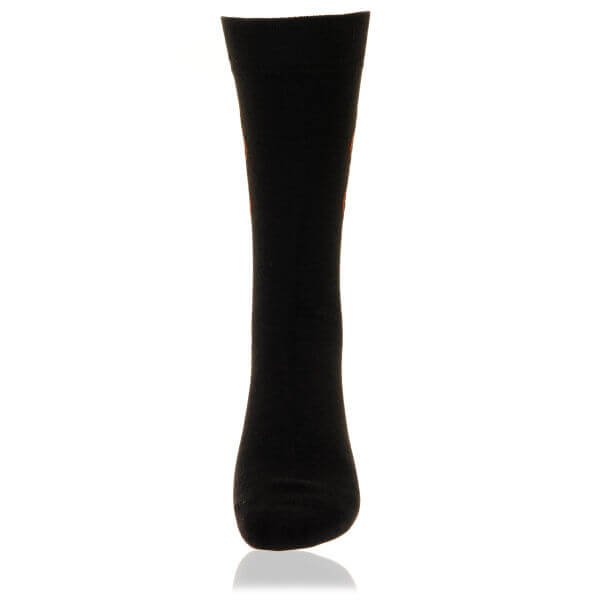
Everyday Copper Infused Socks
- Breathable fabric for comfort
- Ideal for long journey and flights
- Best for full day
- Sale price
- £9.99
- Regular price
- £9.99
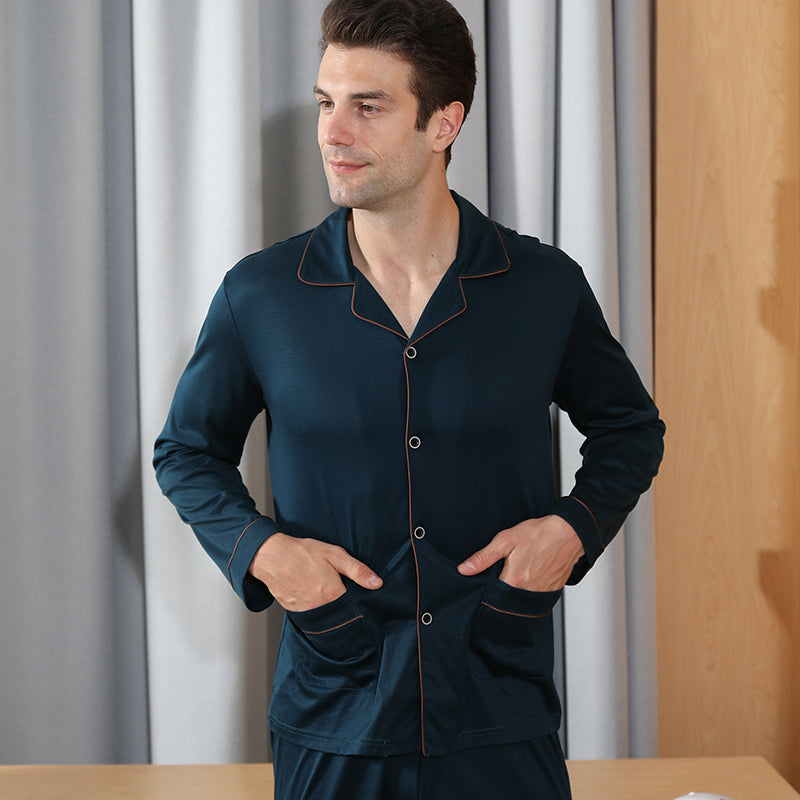
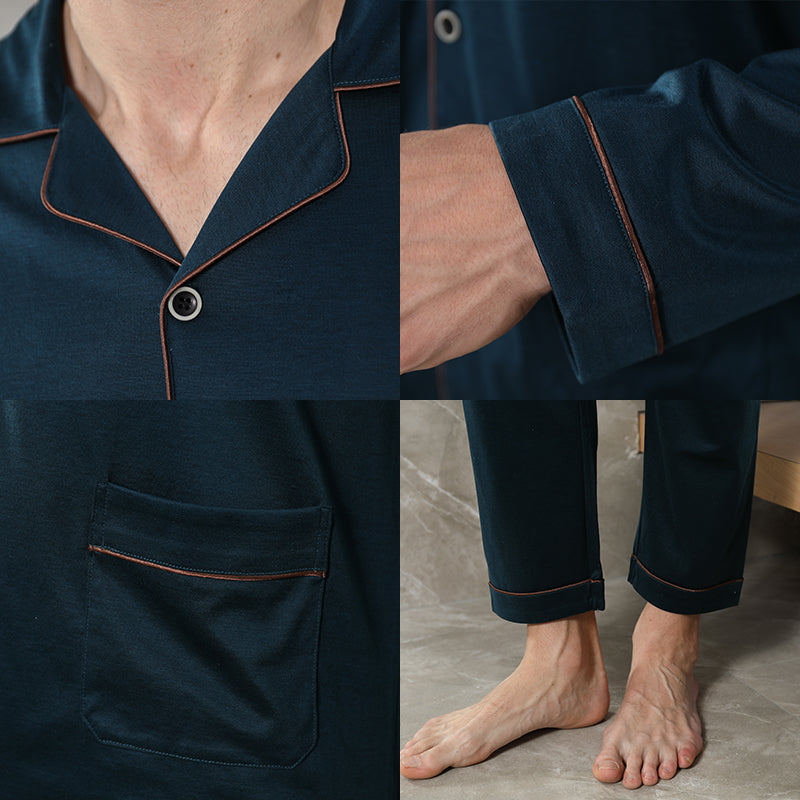
Mens Copper Infused Pyjamas
- Luxuriously Soft Cotton & Bamboo
- Promotes Healthier & Softer Skin
- Sale price
- £54.99
- Regular price
- £54.99
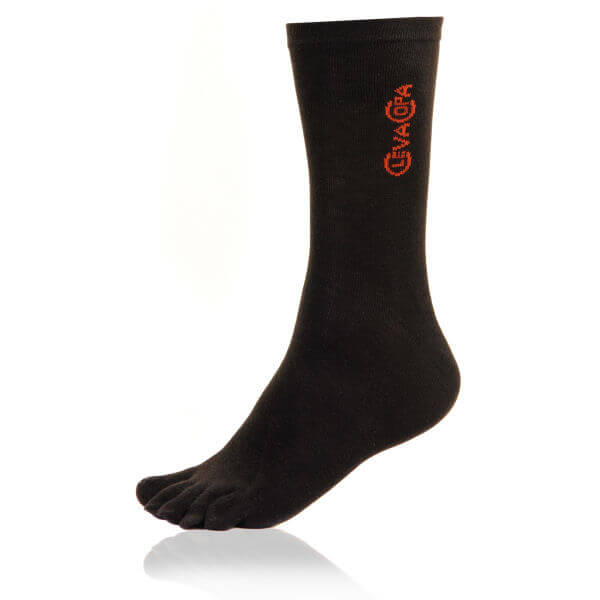
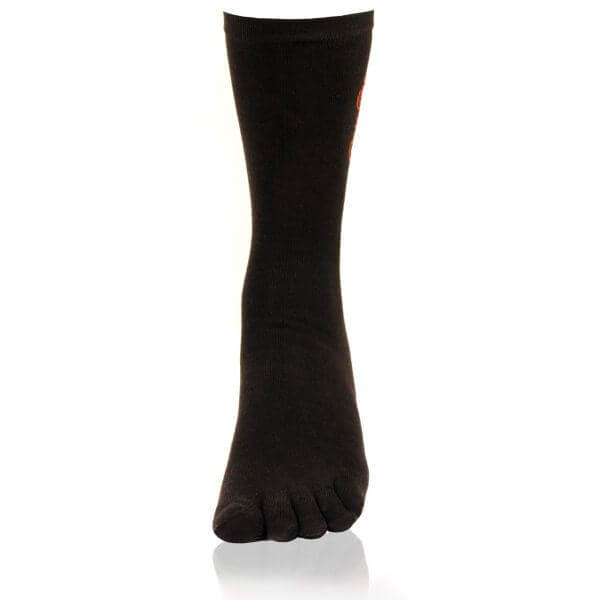
Copper Infused Five Toe Socks
- Promotes Softer Healthier Feet
- Completely Seamless
- Best for long journey and flights
- Sale price
- £14.99
- Regular price
- £14.99
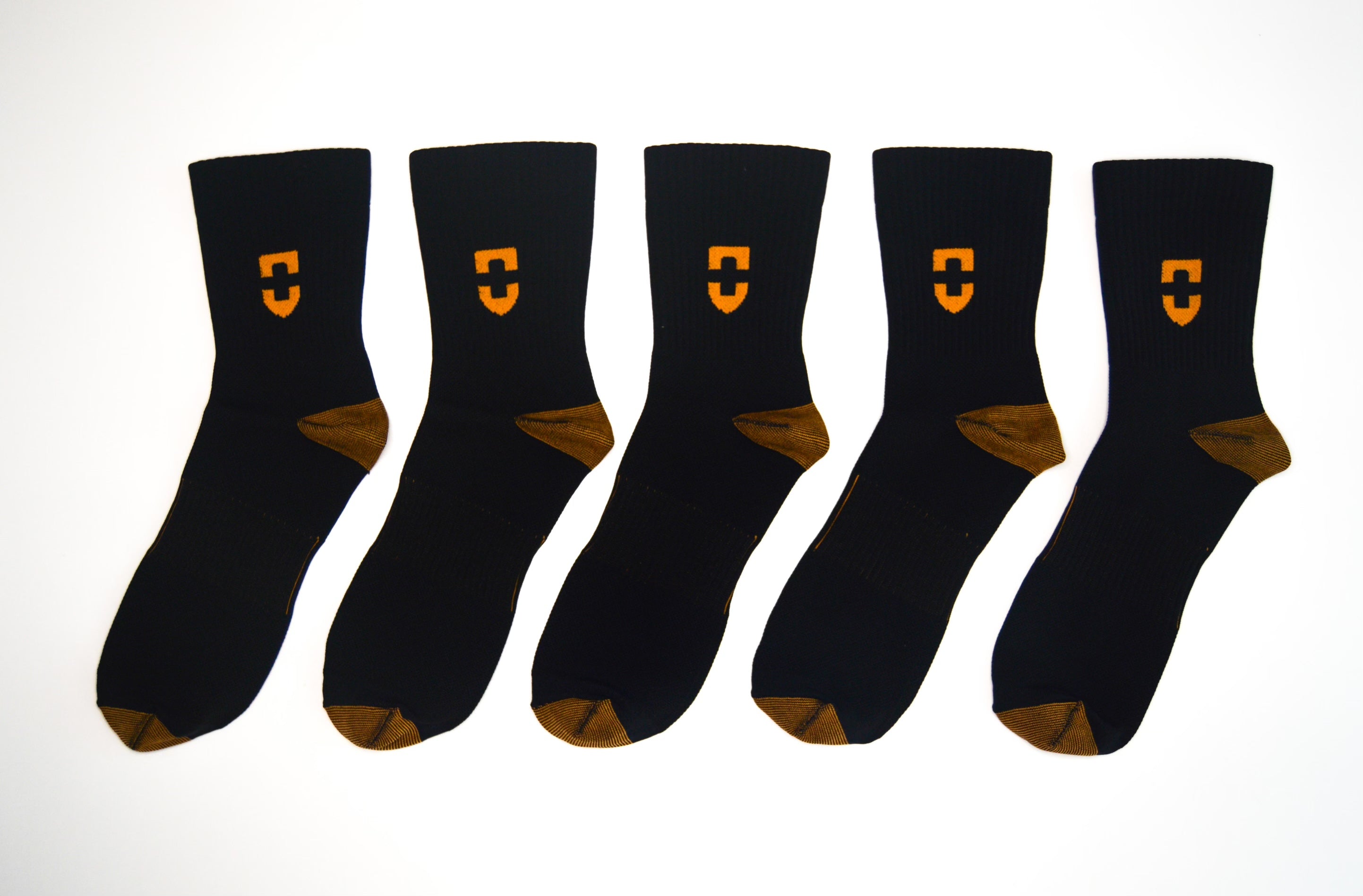
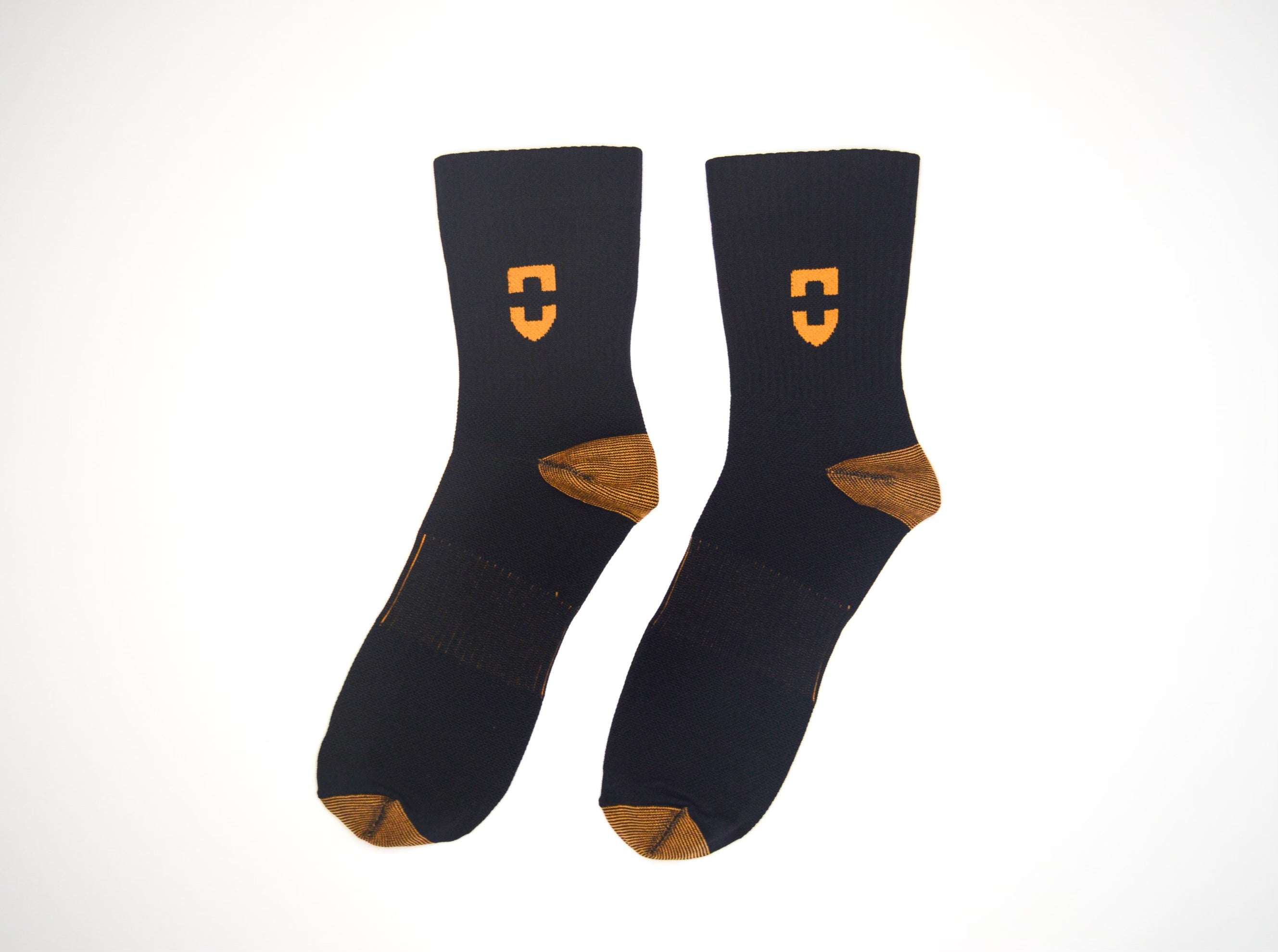
5-Pack Short Compression Copper Infused Socks
- Breathable Compression Fabric & Comfortable
- 8-15mmHg of Compression
- Best socks for long flights and travel
- Sale price
- £59.95
- Regular price
- £64.95
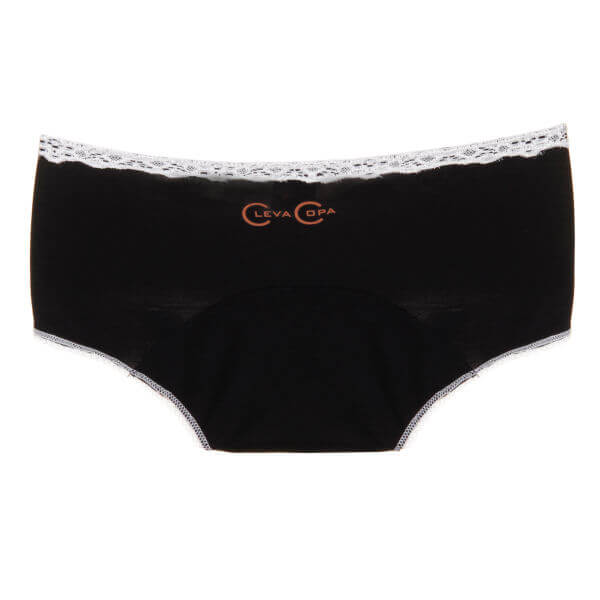
Womens Copper Infused Briefs
- Luxuriously Soft Cotton & Bamboo
- Stays fresh all day long
- Breathable, lightweight & Comfortable
- Sale price
- £9.99
- Regular price
- £9.99
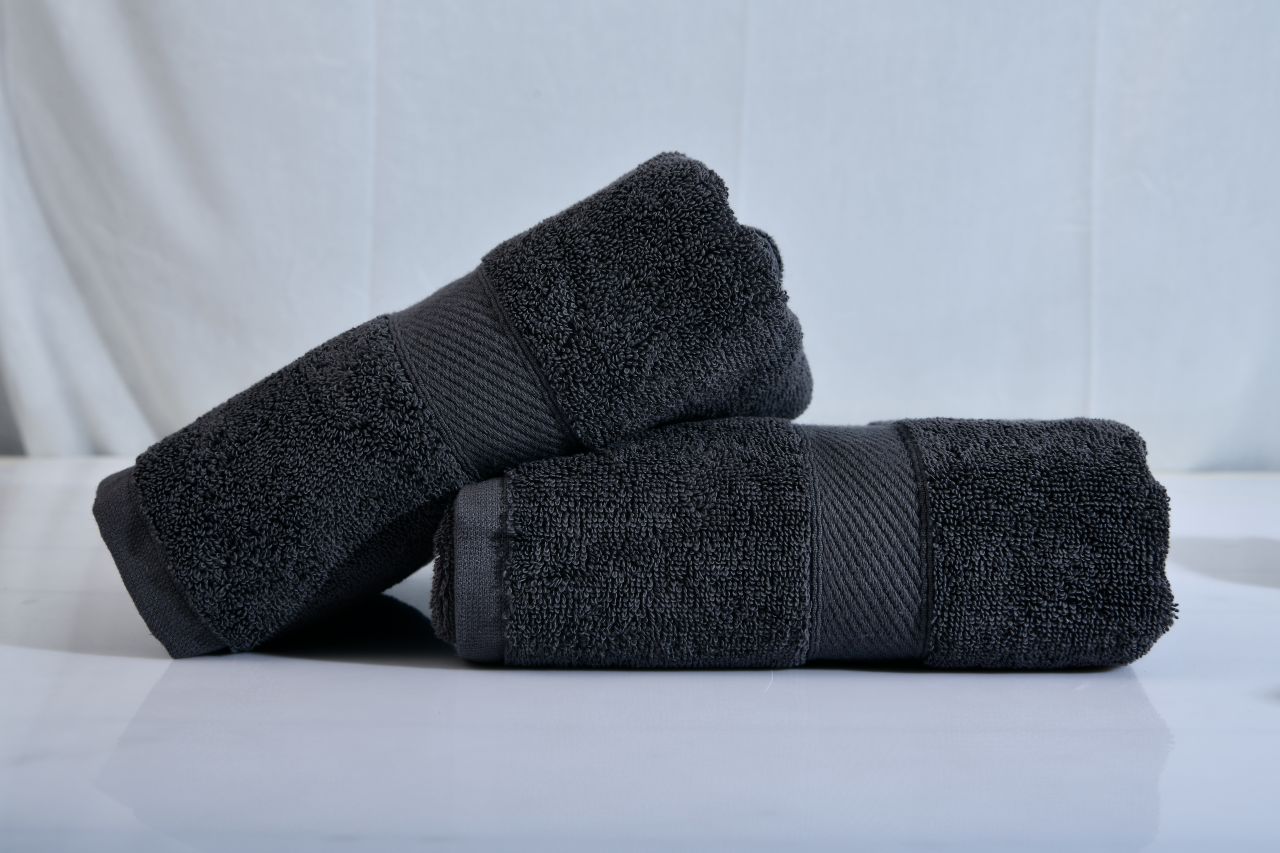
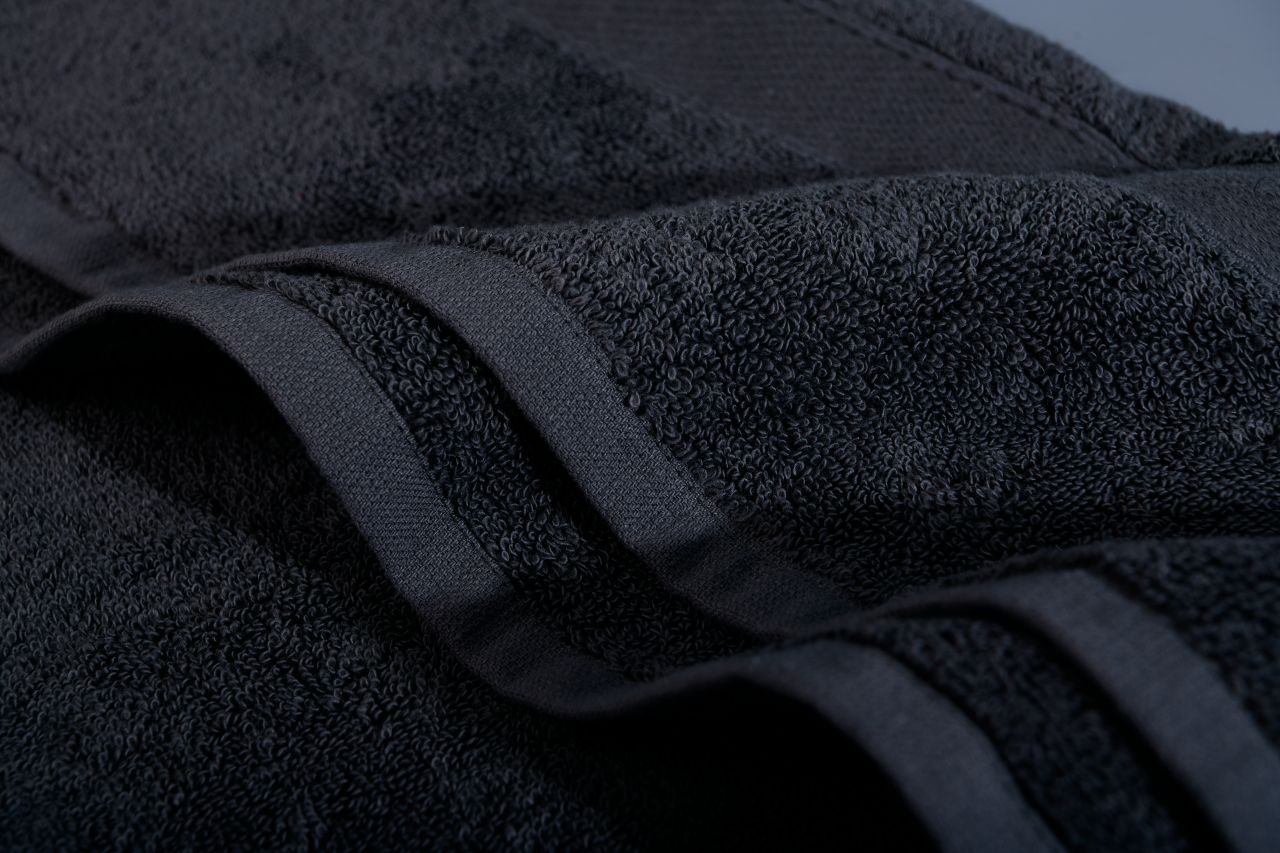
Copper Infused Bath & Gym Towel — 500 GSM Premium Cotton
- 500 GSM Cotton Cloth
- Soft & Premium
- Lightweight & Durable
- Child and Pet-Friendly
- Sale price
- £19.99
- Regular price
- £19.99

