


Why Do Athletes Wear Compression Socks?
Author

Rory Donnelly
Published
January 29 2026
Athletes often wear compression socks to support circulation, reduce muscle fatigue, and improve comfort during training and recovery. The gentle pressure provided by compression socks may also help minimise swelling and keep legs feeling energised during long workouts or periods of activity.
In this guide, we’ll explore why athletes wear compression socks and the benefits they offer for performance and recovery.
The Basics of Compression Technology
Compression socks are built to gently squeeze your legs in a way that improves blood flow. The pressure is strongest at the ankle and slowly decreases as it goes up the leg. This is called graduated compression. The main idea is to support your muscles and veins so that your blood can move back to your heart more easily.
Better circulation means your body can deliver oxygen and nutrients to your muscles faster. It also helps flush out waste products like lactic acid, which can build up during intense activity. By doing this, compression socks help reduce swelling, keep your legs from feeling heavy or tired, and support faster recovery after exercise.
Why Do Athletes Wear Compression Socks?
If you've seen runners, footballers, or gym-goers wearing these snug socks, there's a reason. Athletes use compression socks to:
- Boost circulation, which helps muscles get oxygen and nutrients quickly
- Reduce muscle vibration, which lowers fatigue during long workouts
- Speed up recovery by flushing out lactic acid and other waste
- Cut down on swelling and fluid build-up in the legs
- Prevent soreness and reduce the chances of injury after exercise
By supporting the lower leg and helping veins push blood upward more efficiently, compression socks keep your legs feeling fresher during workouts and help them bounce back faster after you're done.
Key Benefits of Wearing Compression Socks During Activity
Here's a closer look at the key benefits of wearing compression socks during activity:
-
Improved Athletic Performance
Compression socks support your muscles and improve blood circulation while you're moving. This helps deliver more oxygen to your legs, which can lead to better endurance and performance during workouts, runs, or games.
-
Increased Energy and Endurance
If your legs usually feel tired halfway through your activity, compression socks can help reduce that feeling. They keep your blood flowing, which helps maintain energy levels so you can go longer without feeling drained.
-
Improved Circulation, Blood Flow, and Oxygen Delivery
By gently squeezing your legs, compression socks promote better circulation. That means more blood reaches your muscles, bringing oxygen and nutrients that your body needs during any kind of physical effort.
-
Reduced Muscle Oscillation
Every time you run or jump, your muscles naturally shake or vibrate. This is called muscle oscillation. Compression socks help keep your muscles more stable, which reduces unnecessary movement and fatigue.
-
Comfort and Breathability
Modern compression socks are designed to be soft, breathable, and moisture-wicking. That means they don’t just help with performance, they also keep your legs dry and comfortable during long workouts. No itchiness, no overheating, just a snug fit that supports you all the way through.
-
Reduced Risk of Injury
When your muscles and joints are supported, you're less likely to pull something or twist an ankle. Compression socks offer that extra layer of stability, especially during sports or long runs.
-
Increased Proprioception and Joint Stability
Wearing compression socks makes you more aware of how your legs are moving. This body awareness, also known as proprioception, helps with balance and coordination, which reduces the chances of falls or awkward landings.
Key Benefits for Recovery
Here are the benefits compression socks bring during recovery:
-
Less Soreness and Fatigue
After a long workout, compression socks help reduce that heavy, sore feeling in your legs. By improving blood flow, they help clear out waste products like lactic acid, which often cause muscle soreness.
-
Enhancing Recovery and Reducing Swelling
Many people deal with swelling after exercise, especially in the feet and calves. Compression socks help prevent fluid build-up by pushing it back into circulation. This makes recovery quicker and more comfortable.
How Compression Socks Work
-
Skeletal Muscle Pump Support
Your calf muscles naturally help pump blood back up to your heart every time they contract. Compression socks give this process a helpful boost. They gently squeeze the legs, supporting the muscle pump and making it easier for blood to move upwards instead of pooling in the lower legs.
-
Pressure Gradient for Better Circulation
Compression socks are designed to be tighter at the ankle and gradually looser as they move up the leg. This creates a pressure gradient that helps narrow the veins just enough to keep blood flowing smoothly in the right direction. It reduces backflow and helps your heart do its job more efficiently, especially during long runs, flights, or recovery periods.
When Should Athletes Wear Compression Socks?
If you’re an athlete, knowing when to wear compression socks can make a real difference in how you perform and recover. Here are the moments when it makes the most sense.
-
During Exercise
Wearing compression socks while exercising can support blood flow, reduce muscle vibration, and delay fatigue. This is especially helpful during long runs, high-intensity training, or endurance events. Whether you’re running a marathon or powering through a tough gym session, these socks help your legs stay supported and energised throughout the workout.
-
After Exercise
Right after training or a game, your muscles need time to recover. Compression socks help reduce swelling and soreness by improving circulation and pushing out waste products like lactic acid. They can speed up recovery and help you bounce back faster for your next session.
-
While Travelling
If you’re sitting on a plane or in a car for hours on the way to a match or training camp, your legs can swell up. This is where compression socks help. They prevent blood from pooling in your lower legs and reduce the risk of cramps or stiffness after long travel.
-
During Injury Recovery
Injuries need proper blood flow for faster healing. Compression socks gently squeeze the area, which helps manage swelling and supports injured tissues. If you’re coming back from a sprain or strain, they can help your body recover more efficiently without adding pressure to the healing process.
How to Choose the Right Compression Socks
Not all compression socks are the same. It’s important to pick the right pair based on how and when you plan to use them.
Compression Levels:
- 15–20 mmHg works well for travel or mild recovery.
- 20–30 mmHg suits most athletes during exercise or recovery.
- 30–40 mmHg is usually reserved for serious swelling or medical conditions.
Materials to Look For:
Go for socks made of breathable, moisture-wicking fabrics like nylon, spandex, or elastane. These keep your feet dry and comfortable even during long wear. Avoid anything that feels too tight or irritates your skin.
Fit and Comfort:
The socks should feel snug but not restrictive. They shouldn’t dig into your calves or leave deep marks. Try them during short workouts first to check if they suit your activity level and leg shape.
Copper Compression Socks vs Regular Compression Socks: How Copper Is Better
If you've ever worn regular compression socks, you already know they provide graduated compression and support for your legs during long days. Copper compression socks combine these features with copper-infused fabric.
Here’s how copper compression socks stand out:
- Copper-infused fabric: Copper is incorporated into the sock yarn, adding a distinctive feature to the fabric.
- Comfortable support: Graduated compression provides a snug, supportive fit for everyday wear.
- Moisture management: The fabric is designed to help manage moisture, making the socks suitable for active use.
- Durable construction: Copper compression socks are designed for regular wear while maintaining their fit and functionality.
- Suitable for different activities: They can be worn during travel, exercise, work, or other activities that involve spending long periods on your feet.
Copper compression socks are designed for anyone who wants more than just basic support. Whether you're running, standing all day, or recovering from an injury, they give you the right balance of comfort, performance, and long-lasting health benefits.
Ready to make the switch?
Explore our copper compression socks for running and see the difference for yourself.
Closing Thoughts
Compression socks are more than just a fitness trend. They support your legs during activity, help you recover faster, and reduce everyday strain. If you want to take it a step further, copper compression socks offer added comfort and hygiene benefits along with the same trusted support. Whether you train hard, stay active, or spend long hours on your feet, the right compression socks can make a noticeable difference in how your legs feel every day.
Frequently Asked Questions
-
Do compression socks actually work for athletes?
Yes, they do. Compression socks improve blood flow, reduce muscle fatigue, and help you recover faster. Many athletes say they feel less soreness and bounce back quicker after training or matches when they wear them.
-
How long should I wear compression socks for recovery?
You can wear them for a few hours after workouts. It depends on how intense the session was and what feels comfortable for you. Some athletes wear them for longer if they feel swelling or heaviness.
-
Can compression socks prevent injuries?
They help reduce the risk. By supporting your muscles and improving circulation, compression socks lower your chances of cramps, sprains, or fatigue-related injuries during and after activity.
-
Can I wear compression socks during intense exercise?
Yes, they’re safe to wear during workouts. Many athletes use them while training to reduce muscle movement, boost circulation, and support their legs throughout the session.
-
Are there any downsides to wearing compression socks?
Most people can wear them safely, but they’re not for everyone. If you have circulation issues or certain medical conditions, talk to a doctor first. Also, make sure you’re wearing the right size.
-
When should athletes wear compression socks?
You can wear them before, during, or after exercise. Some wear them during long sessions for support, while others prefer wearing them after for faster recovery.
-
Are compression socks good for sports?
They don’t make you instantly faster or stronger, but they help reduce tiredness and keep your muscles more stable. This gives you more energy and better control during your game or workout.
-

How to Recover After a Marathon
September 24, 2026
-

Walking vs Running: Which Is Better for You?
September 18, 2026
-

Compression Socks for Flat Feet: Do They Rea...
September 11, 2026
-

Travel Essentials for Women: The Ultimate Pa...
September 08, 2026
-

Should you wash new sheets before using them?
August 27, 2026


Popular Products
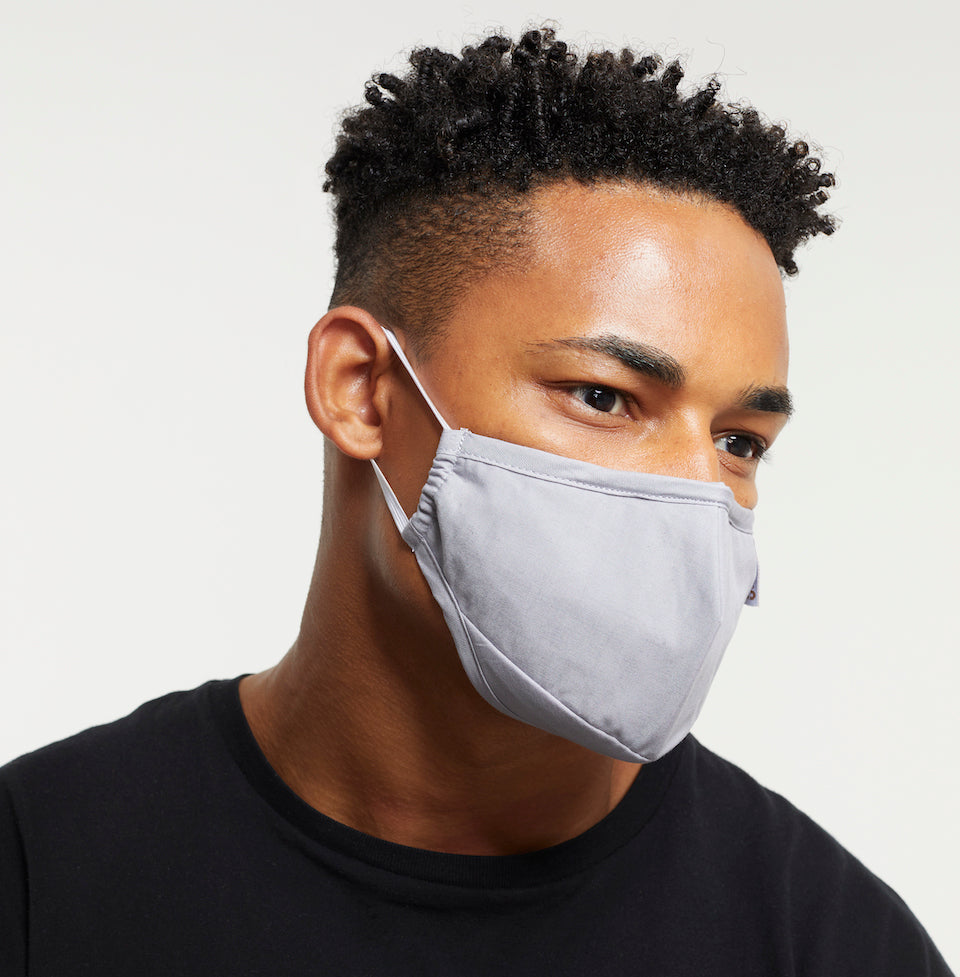
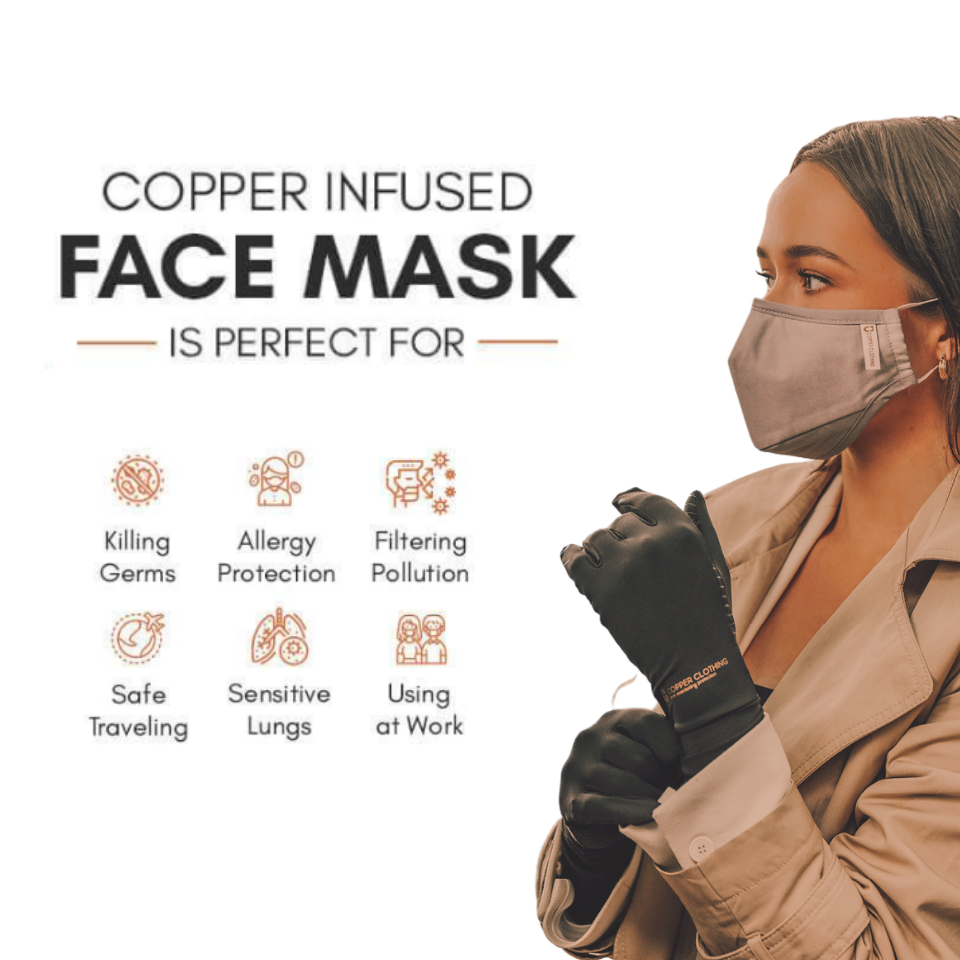
FFP2 CE Four-Layer Copper Infused Face Mask
- Four layers of protection
- Comfortable & washable
- Sale price
- £22.99
- Regular price
- £22.99
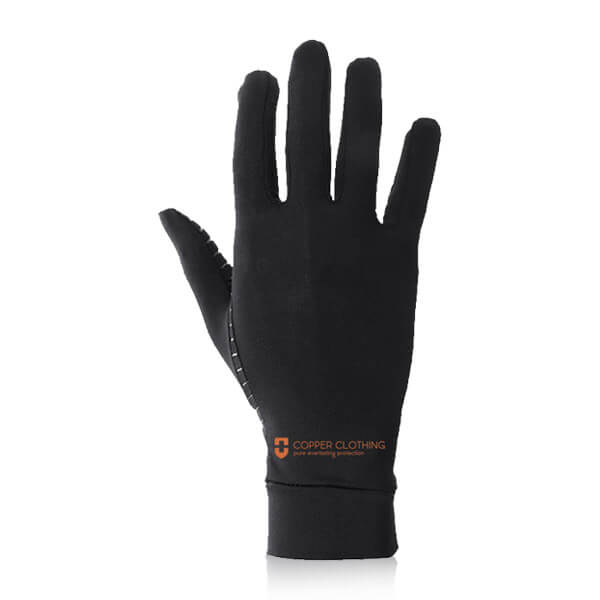
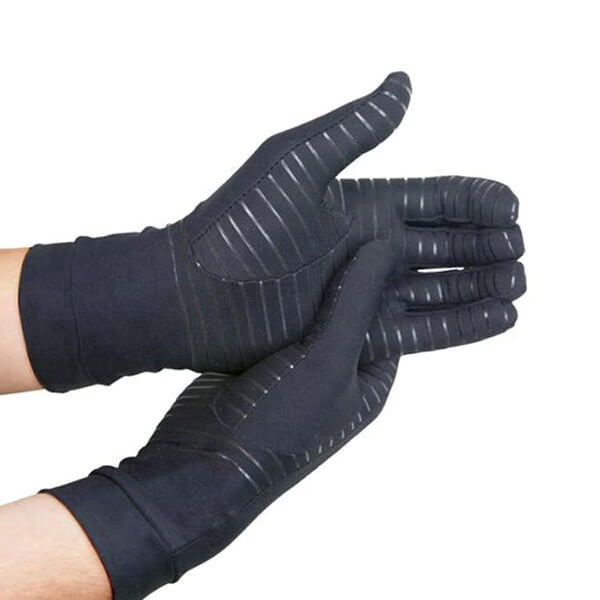
Full Finger Gloves (Copper Gloves)
- Ultimate comfort & flexibility
- Provides warmth and comfort for hands
- Washable
- Sale price
- £22.99
- Regular price
- £22.99
Men’s Copper Boxer Shorts – Soft, Breathable Underwear for Everyday Comfort
- Soft cotton & bamboo blend
- Breathable & lightweight feel
- Stretch comfort for daily movement
- Sale price
- £9.99
- Regular price
- £9.99
Short Compression Copper Infused Socks
- Breathable Compression Fabric, Comfortable & Durable
- 8 - 15mmHg of Compression
- Best socks for long flights and journey
- Sale price
- £12.99
- Regular price
- £12.99
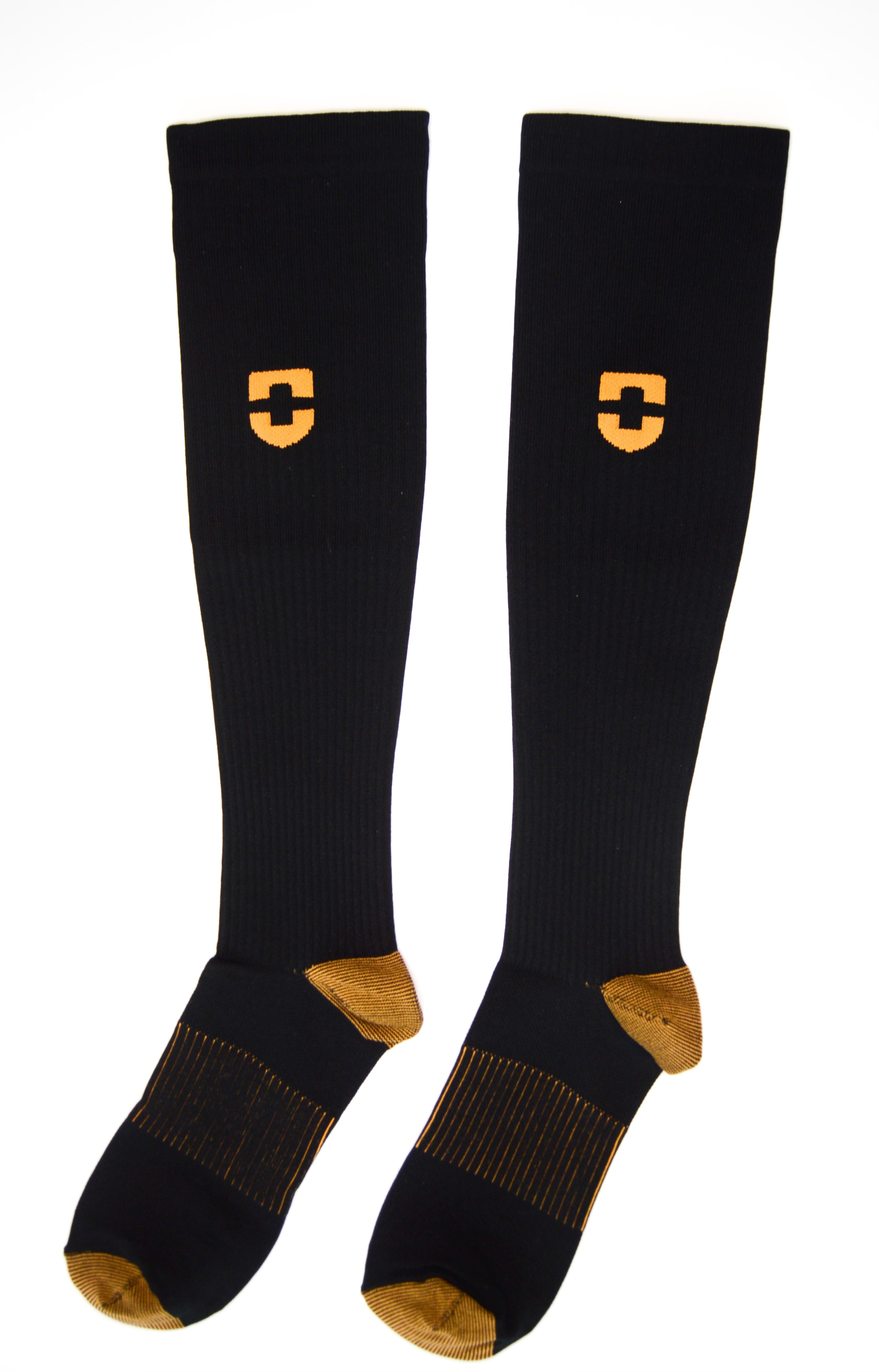
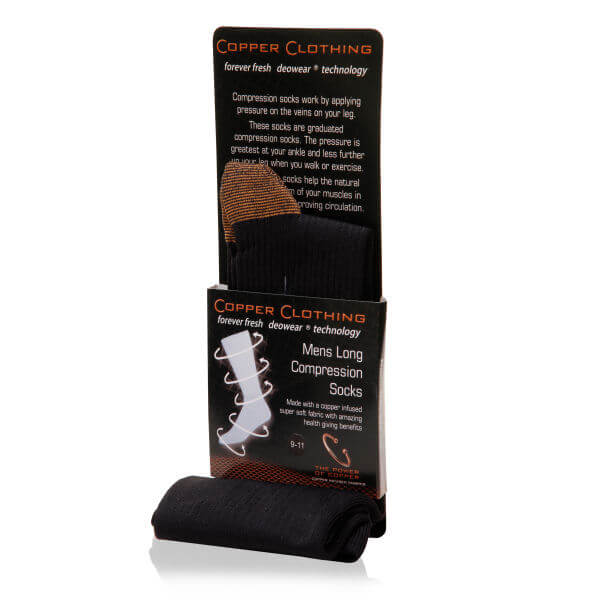
Long Copper Infused Compression Socks
- Breathable Compression Fabric, Comfortable & Durable
- 8 - 15mmHg of Compression
- Best socks for long flights and journey
- Sale price
- £15.99
- Regular price
- £15.99
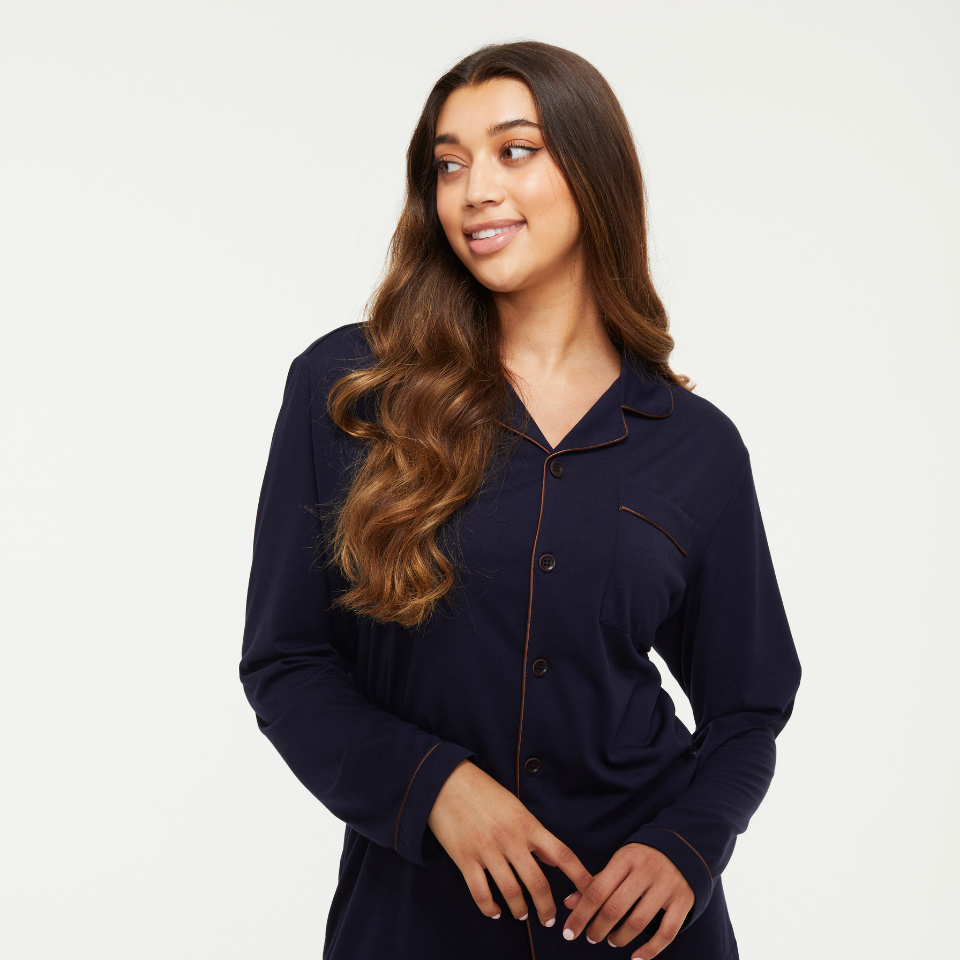
Ladies Copper Infused Pyjamas
- Luxuriously Soft Cotton & Bamboo
- Ideal for daily wear
- Sale price
- £49.99
- Regular price
- £49.99
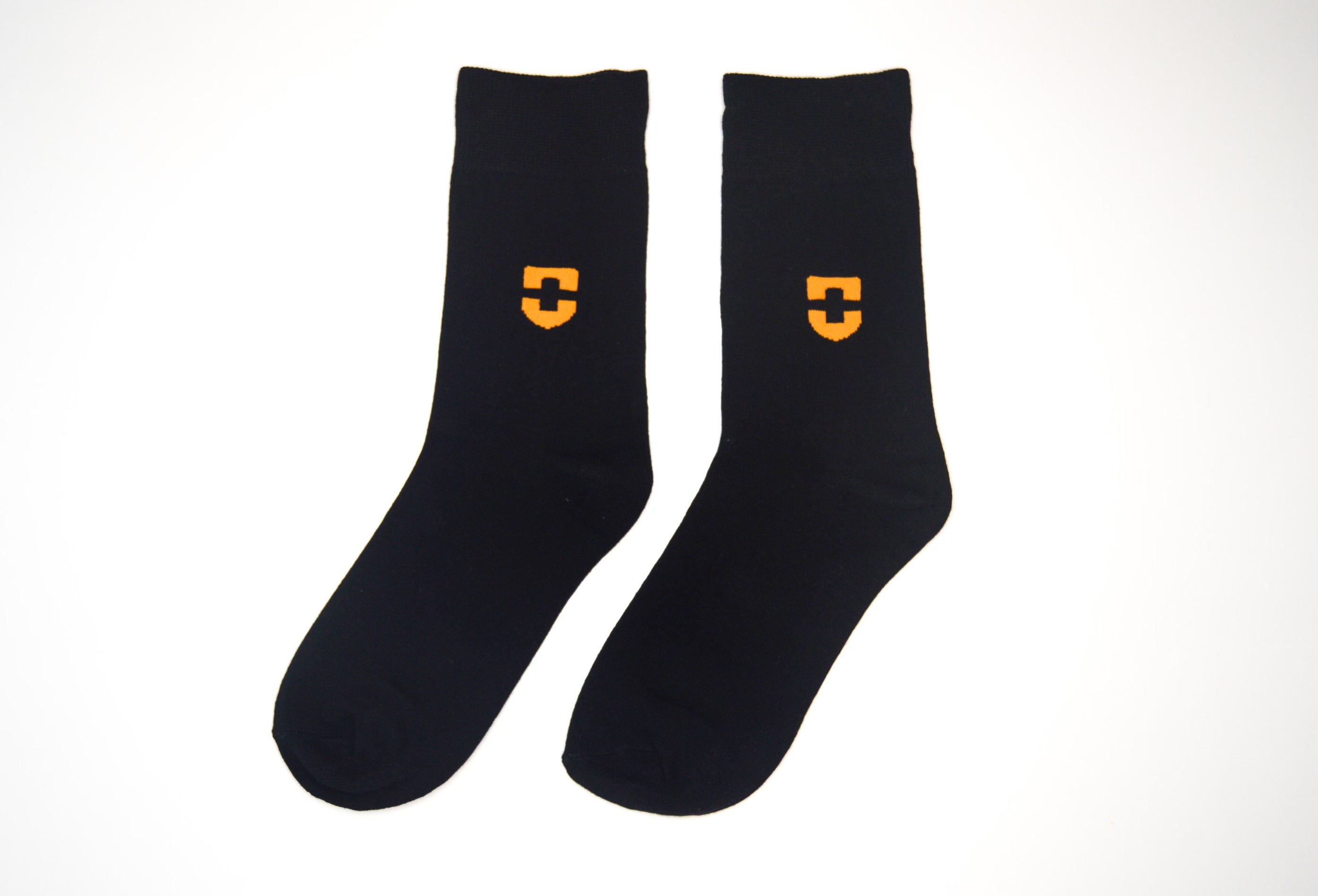
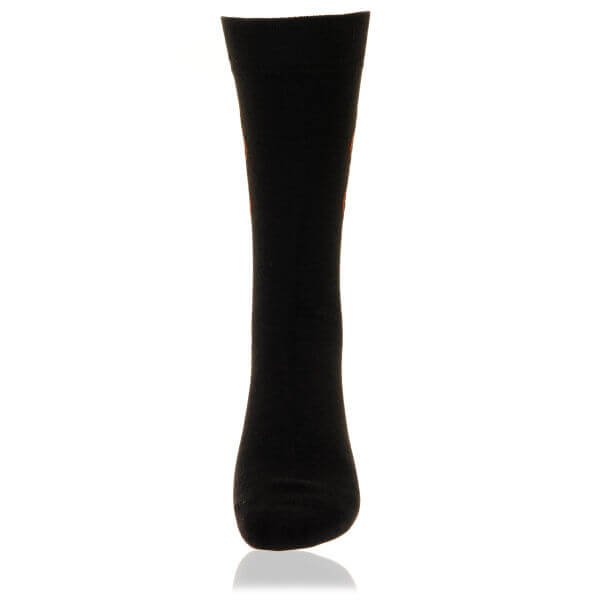
Everyday Copper Socks – Soft, Breathable Socks for Daily Comfort
- Soft & breathable fabric
- Comfortable for long-hour wear
- Lightweight everyday fit
- Sale price
- £9.99
- Regular price
- £9.99
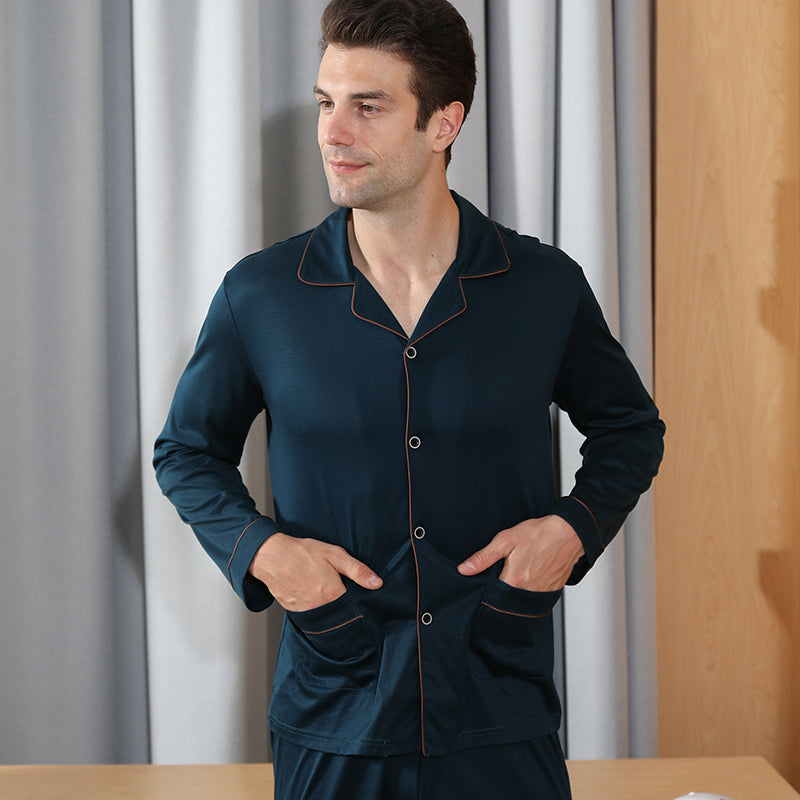
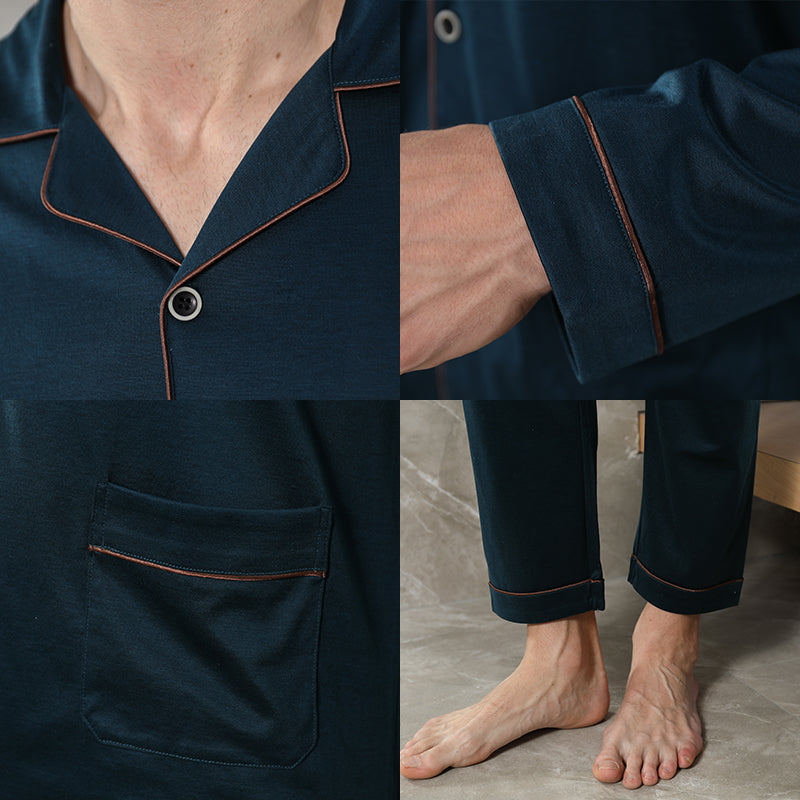
Mens Copper Infused Pyjamas
- Luxuriously Soft Cotton & Bamboo
- Promotes Healthier & Softer Skin
- Sale price
- £54.99
- Regular price
- £54.99
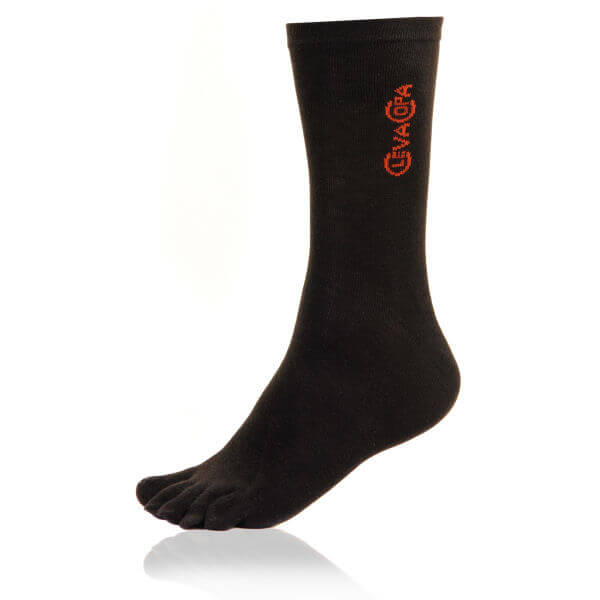
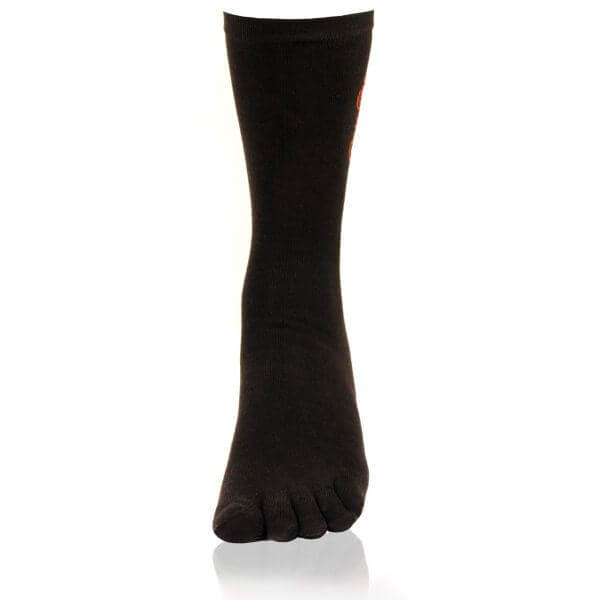
Copper Infused Five Toe Socks
- Promotes Softer Healthier Feet
- Completely Seamless
- Best for long journey and flights
- Sale price
- £14.99
- Regular price
- £14.99
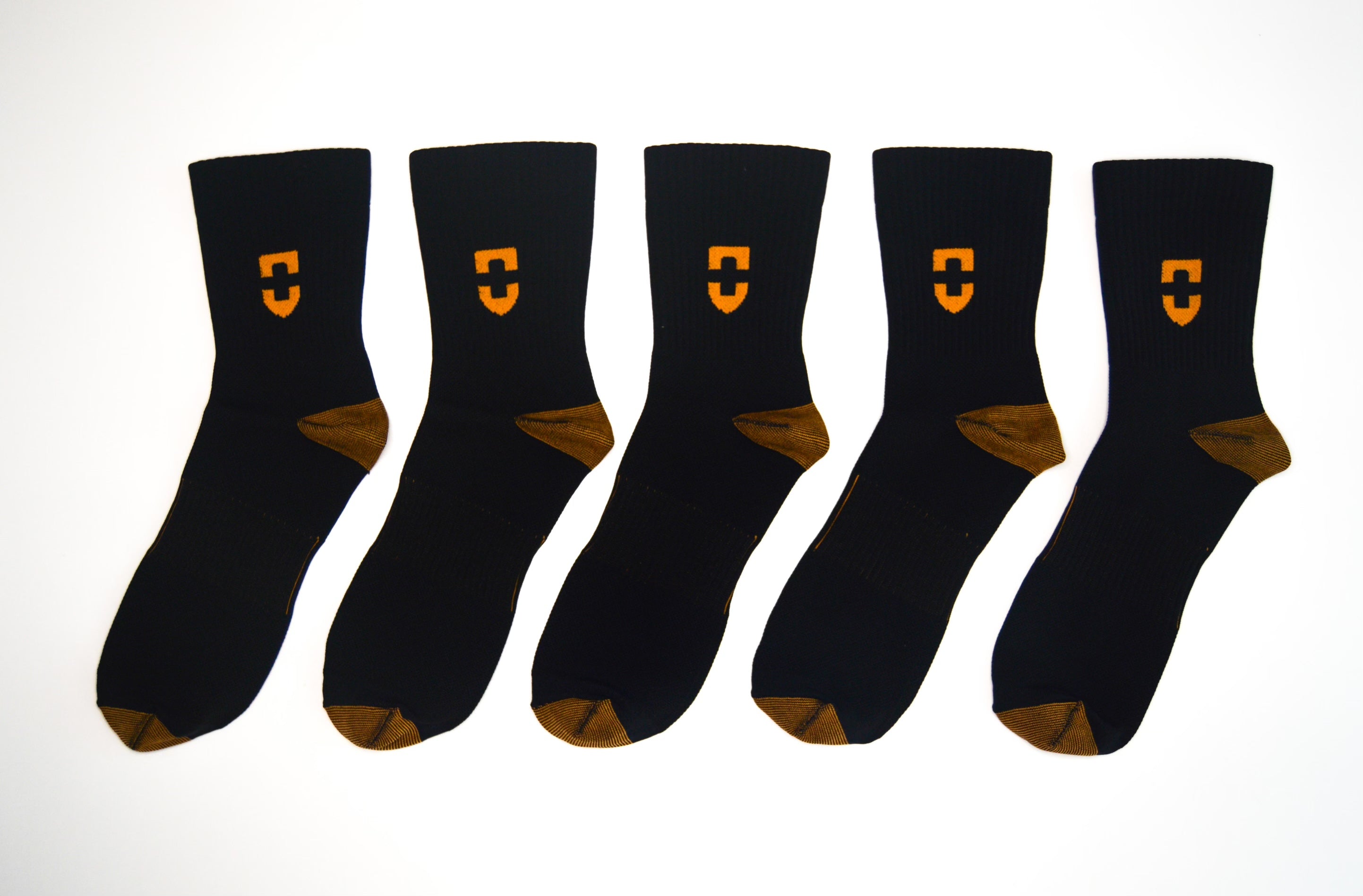
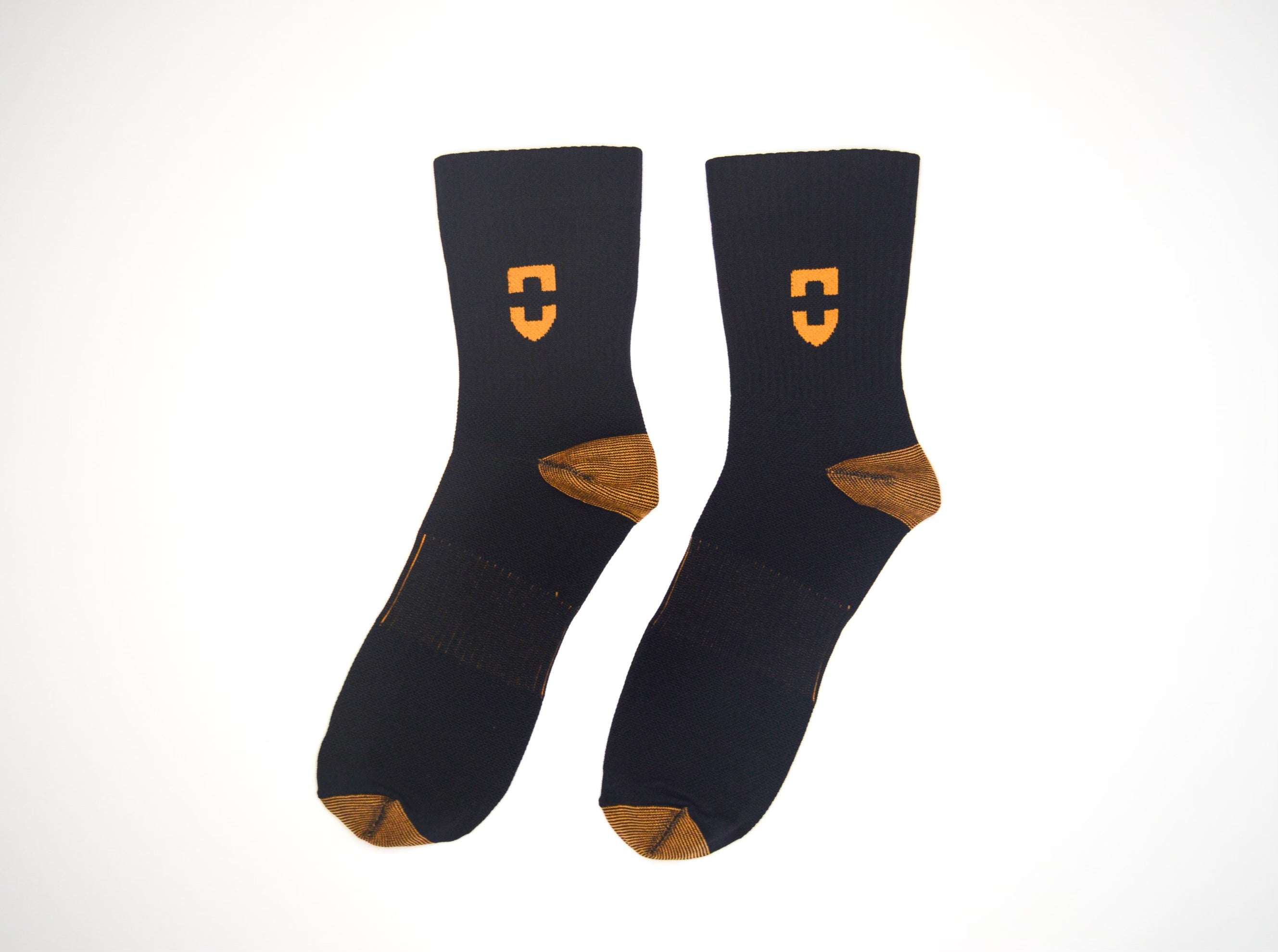
5-Pack Short Compression Copper Infused Socks
- Breathable Compression Fabric & Comfortable
- 8-15mmHg of Compression
- Best socks for long flights and travel
- Sale price
- £59.95
- Regular price
- £64.95
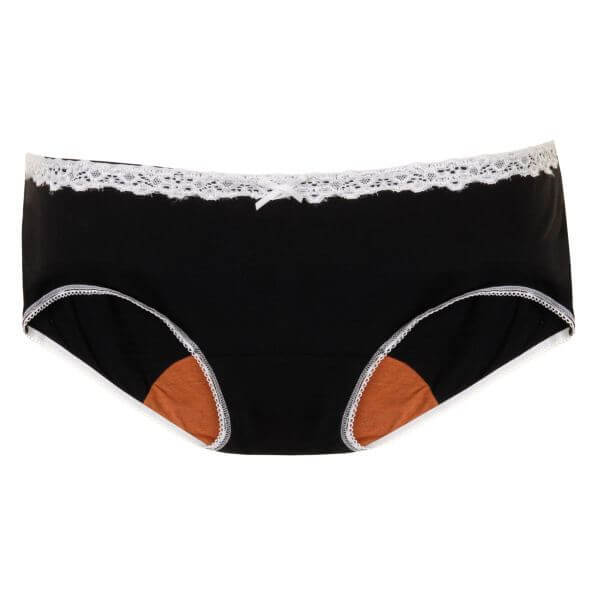
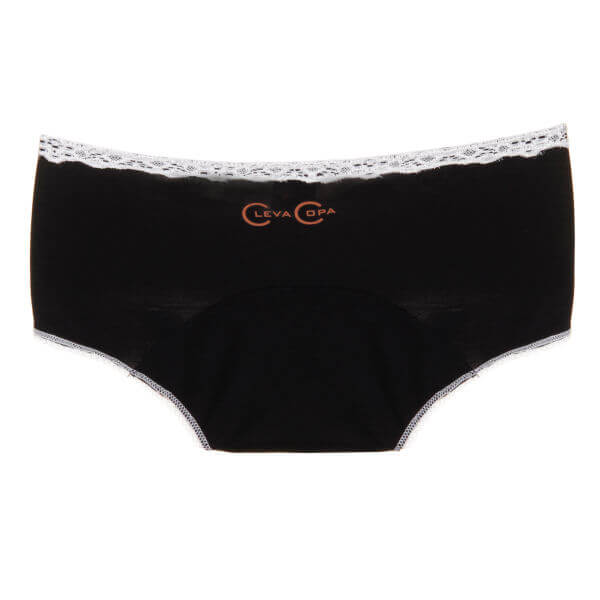
Womens Copper Infused Briefs
- Soft cotton & bamboo blend
- Breathable lightweight feel
- Flexible everyday comfort
- Sale price
- £9.99
- Regular price
- £9.99
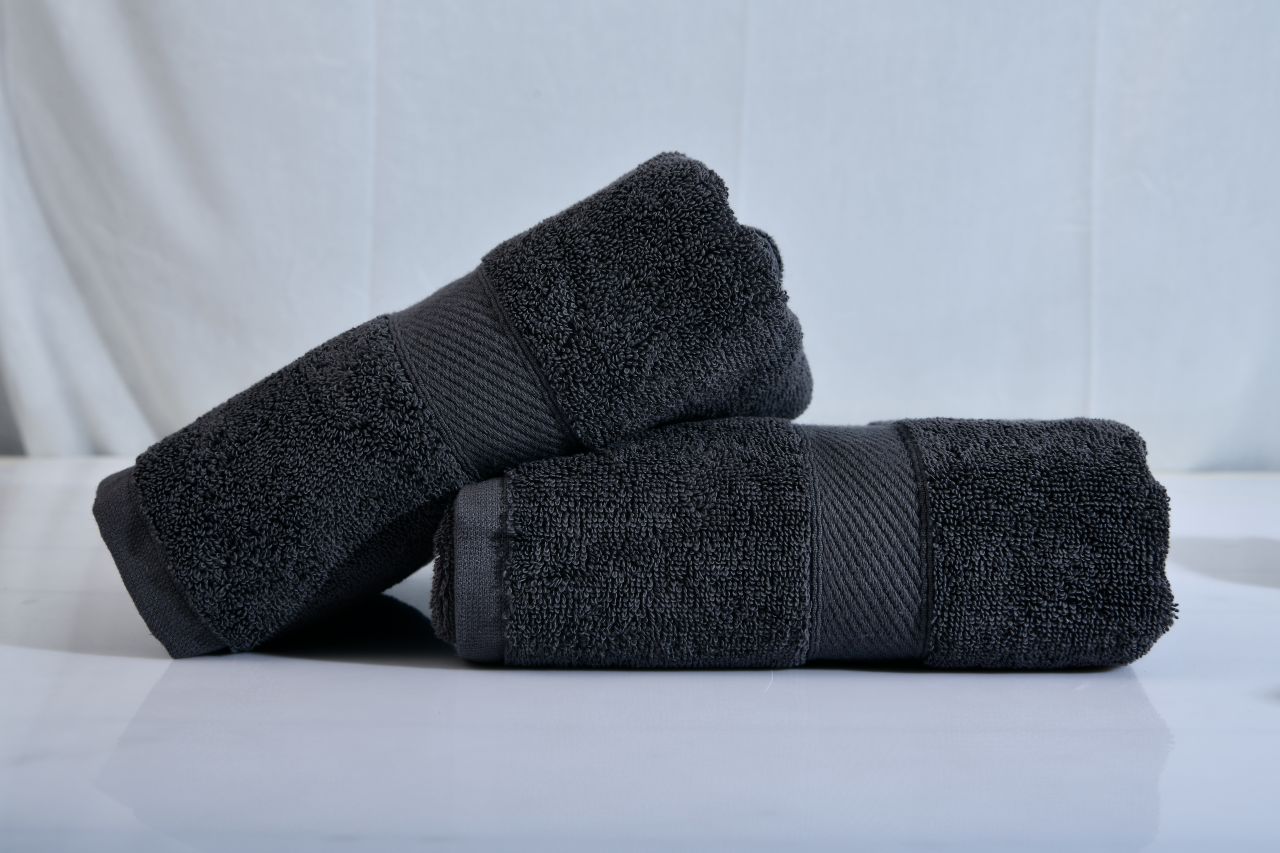
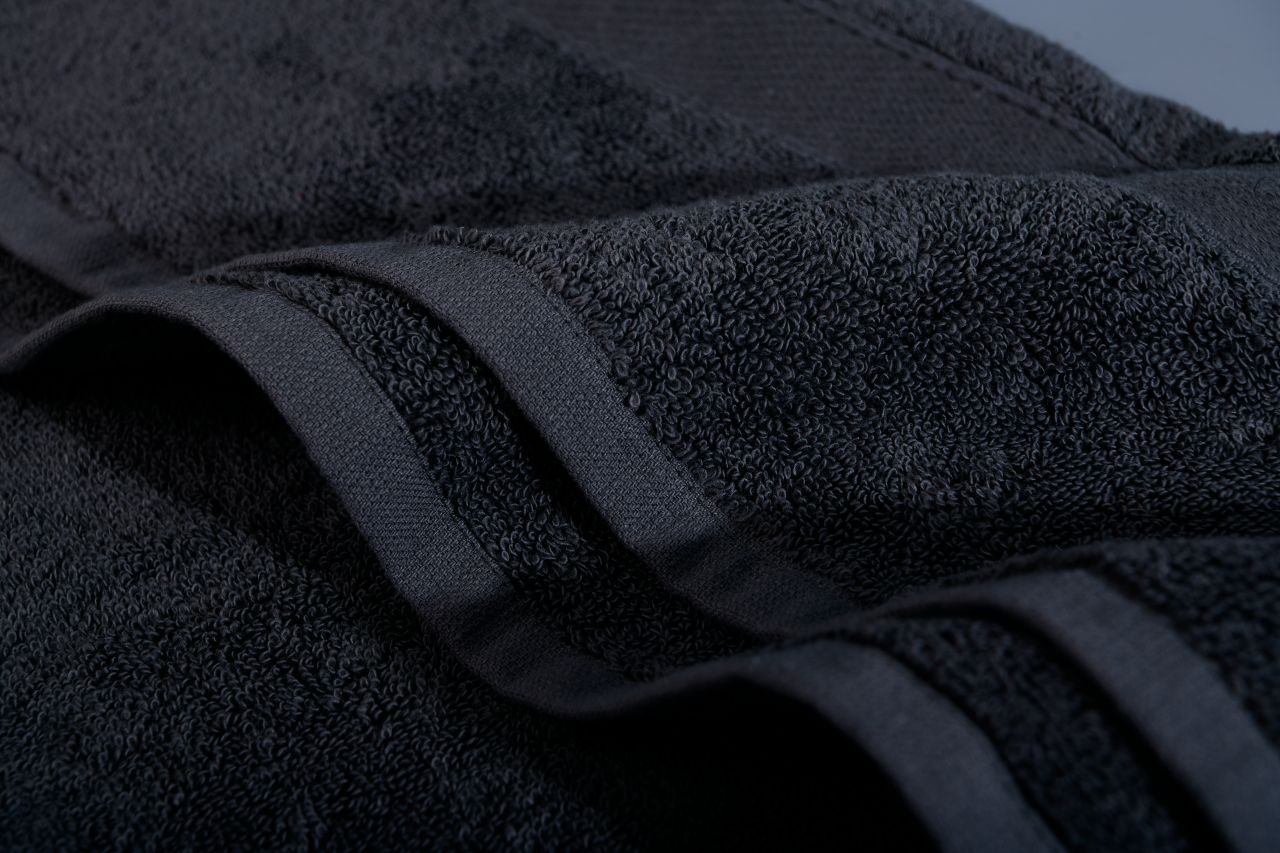
Copper Infused Bath & Gym Towel — 500 GSM Premium Cotton
- 500 GSM Cotton Cloth
- Soft & Premium
- Lightweight & Durable
- Child and Pet-Friendly
- Sale price
- £19.99
- Regular price
- £19.99

