


How To Prevent Sports Injuries
Author

Rory Donnelly
Published
January 25 2026
Injuries can easily take the fun out of sports, whether you're playing casually or training seriously. But most of them can actually be avoided with a little planning and care. In this guide, we'll walk you through simple, practical ways to stay safe while staying active. Let's jump right into it.
Key Takeaways
- Injury prevention starts before you play. A basic fitness plan, proper warm-up, and core strength reduce risk more than any quick fix after pain starts.
- Most injuries come from overuse, not accidents. Repeating the same movements without enough rest slowly breaks the body down. Recovery is part of training, not a break from it.
- Correct form protects your joints and muscles over time. Small technique mistakes, when repeated daily, lead to long-term issues like tendinitis and stress injuries.
- Protective gear is not optional. The right shoes, pads, and compression wear support stability, circulation, and impact protection during high-intensity movement.
- Pain is an early signal from your body. Paying attention to small aches and tightness helps you stop minor issues before they turn into injuries that take weeks or months to recover from.
What are Sports Injuries?
Sports injuries are physical injuries that happen during exercise, training, or sports activities, often due to overuse, accidents, poor technique, or lack of proper warm-up. If you’ve ever twisted your ankle while running, pulled a muscle while lifting weights, or felt sharp knee pain during a football match, that’s a sports injury. These injuries can range from minor sprains and strains to more serious problems like torn ligaments, dislocated joints, or fractured bones. Whether you’re an athlete or someone who enjoys staying active, it’s important to understand how sports injuries occur so you can prevent them and recover properly if they happen.
What Causes Sports Injuries?
Sports injuries usually happen when the body is pushed too far, too fast, or handled carelessly. Here’s a closer look at some of the most common reasons:
-
Overuse
Doing the same movement again and again without proper rest can wear down your muscles, joints, and bones. This is common in sports with repetitive actions like running, swimming, or tennis. Injuries like shin splints, stress fractures, and tendonitis show up when the body doesn't get time to recover.
-
Acute Trauma
Sometimes injuries happen all of a sudden. A fall, a rough tackle, or a direct hit during a match can cause sprains, fractures, or even dislocations. These are usually painful and need immediate attention to avoid long-term damage.
-
Improper Technique
Using the wrong form while playing or exercising puts extra strain on certain body parts. For example, lifting weights incorrectly or running with poor posture can slowly lead to injuries. Learning the right technique is as important as training itself.
-
Poor Conditioning
Skipping warm-ups, not stretching, or playing when you're already tired can easily lead to injuries. Your body needs to be ready before jumping into high activity. Without basic fitness and flexibility, it’s more likely to break down under pressure.
-
Inadequate Gear
Wearing the wrong shoes or skipping safety gear can lead to avoidable injuries. For example, playing football without shin guards or using worn-out running shoes affects your stability and protection. Good equipment supports the body and reduces risk.
-
Environmental Factors
Where you play matters. Wet floors, uneven surfaces, or extreme heat and cold can all cause accidents. A slippery field can lead to falls, and hard surfaces can strain the joints. Always take a moment to assess the space before starting.
-
Internal Factors
Sometimes, the issue is already inside the body. Maybe there's an old injury that hasn’t fully healed, or muscle imbalances from training only certain parts. Poor hydration, limited flexibility, or certain medications can also affect how your body responds under stress. These factors often go unnoticed until pain kicks in.
Common Types of Sports Injuries
Here's a closer look at some of the most common type of injuries:
-
Bone Fractures
What It Is:
A bone fracture is a break or crack in the bone structure. It can be a thin hairline crack or a full break that needs medical support and rest.
How It Happens:
This usually happens because of sudden force, like a hard fall, a bad landing, or a collision during play. Repetitive strain over time can also cause stress fractures, especially in weight-bearing bones.
Whom It Can Happen To:
Athletes in football, basketball, running, cycling, or gymnastics are more likely to experience fractures due to impact or overuse.
-
Bursitis
What It Is:
Bursitis is the swelling of small fluid-filled sacs near joints, called bursae. These sacs help reduce friction, but when inflamed, they cause pain and stiffness.
How It Happens:
Repetitive motions like running, swimming, or overhead actions in tennis can irritate the bursae. Kneeling too long or taking repeated hits to a joint also increases the risk.
Whom It Can Happen To:
It commonly affects runners, tennis players, swimmers, and athletes in contact sports such as football and wrestling.
-
Contusions
What It Is:
A contusion is a deep bruise that damages blood vessels and muscle tissues under the skin. It usually causes swelling, discolouration, and pain.
How It Happens:
They happen from direct hits during play. This could be a tackle, a fall, or a blow from a ball or sports equipment.
Whom It Can Happen To:
Athletes in contact-heavy sports like football, hockey, basketball, and soccer are most at risk.
-
Joint Dislocation
What It Is:
Joint dislocation means the bones in a joint have moved out of their regular position. This causes intense pain and usually needs quick medical help.
How It Happens:
It often occurs from a sudden twist, awkward fall, or a strong hit that forces the joint beyond its range of motion.
Whom It Can Happen To:
Throwers often dislocate shoulders, ball handlers injure fingers, and soccer or skiing players can dislocate knees due to the high-speed turns and falls.
-
Muscle Strains
What It Is:
A muscle strain is when the muscle fibres stretch too much or tear. This leads to pain, swelling, and limited movement.
How It Happens:
They happen during explosive actions like sprinting or jumping. A poor warm-up, overuse, or sudden changes in direction can cause strain.
Whom It Can Happen To:
Sprinters, soccer and tennis players, and athletes in fast-moving sports with sudden stops and starts are more likely to experience strains.
-
Sprains
What It Is:
A sprain is when a ligament, which connects bones at joints, gets stretched or torn. It causes swelling, bruising, and joint instability.
How It Happens:
Sprains occur when a joint twists or rolls in an unnatural way, especially during sharp turns, awkward landings, or slips.
Whom It Can Happen To:
Basketball and trail runners often sprain ankles, skiers injure knees, and gymnasts or skaters may sprain their wrists.
-
Tendinitis
What It Is:
Tendinitis is the inflammation or irritation of a tendon, the tissue that links muscles to bones. It causes pain during movement and can limit performance.
How It Happens:
It builds up over time due to repeated use, poor form, or suddenly increasing workout intensity without giving the body time to adapt.
Whom It Can Happen To:
Tennis players get it around the elbow, runners in their Achilles tendon, swimmers in the shoulders, and baseball or cricket bowlers in the arms.
How to Prevent Sports Injuries
Whether you're a weekend athlete or a regular player, preventing injuries is all about preparation, awareness, and recovery. Let’s walk through what you should keep in mind before, during, and after any sports activity.
Before Activity (Preparation)
-
Develop a Fitness Plan
Start with a solid fitness base that includes core strengthening exercises. A strong core helps you stay balanced, move better, and avoid sudden strains.
- Abdominal crunches target your upper and lower abs and are easy to include in your daily routine.
- Planks are excellent for building overall core stability. Hold a plank position for 30 seconds to a minute and gradually increase your time as you build strength.
Doing these exercises regularly can reduce your risk of injuries like lower back pain, muscle pulls, and poor posture during play.
-
Warm Up and Stretch
Never skip your warm-up. A few minutes of light jogging followed by dynamic stretches (like arm circles or leg swings) gets your blood flowing and muscles ready. Warming up properly can prevent muscle tears and joint injuries.
-
Wear Protective Equipment
Using the right protective gear can make a big difference in preventing injuries, no matter what sport you play. Here are some essentials:
- Compression Socks improve blood circulation, reduce muscle vibration, and support your legs during high-intensity movement. They’re especially useful for runners, footballers, and athletes recovering from previous leg injuries.
Explore our Compression Socks Collection for Running. These copper-infused socks are designed to reduce fatigue, fight odour, and keep your legs supported every step of the way.
- Face Guards protect the nose, jaw, and cheekbones in sports with contact risk.
- Mouth Guards prevent tooth damage and jaw injuries in contact sports like boxing or hockey.
- Protective Cups are essential for male athletes in high-impact games like cricket, football, or martial arts.
- Shoulder Pads and Helmets are crucial in contact sports to reduce impact injuries.
- Knee and Elbow Pads offer cushioning during falls and protect joints from scrapes and shocks.
-
Hydration
Drink water before, during, and after playing. Dehydration increases the risk of cramps, dizziness, and poor coordination, which can easily lead to accidents.
-
Know the Rules of the Game
Understanding the rules helps you avoid risky moves that lead to injury. It also ensures fair play and better teamwork.
During Activity (Technique and Pacing)
-
Use Proper Technique
Whether you're serving in tennis or doing a deadlift, doing it with the correct form is critical. Poor form puts unnecessary pressure on joints and muscles, increasing your injury risk.
-
Pace Yourself
Start slow and increase intensity gradually. Rushing into a high-intensity game without proper build-up can lead to muscle tears and joint strain.
-
Play on Safe Surfaces
Make sure the ground or court is appropriate and free of hazards. Uneven or slippery surfaces often lead to ankle sprains, falls, and knee injuries.
-
Listen to Your Body
If you're feeling pain, don’t push through it. Overuse injuries happen when you ignore the warning signs.
Common overuse injuries include:
- Achilles tendinitis (pain in the back of the ankle)
- Stress fractures (tiny bone cracks due to repeated impact)
- Shin splints(pain along the shinbone)
- Plantar fasciitis (heel pain from inflammation in the foot)
Take breaks, adjust your routine, and focus on recovery to avoid long-term issues.
-
Watch Out for Others
Stay aware of your teammates and opponents. Accidental collisions are a leading cause of injuries in contact sports. Good communication and spatial awareness keep everyone safe.
After Activity (Recovery)
-
Cool Down
Don’t just stop. Do some light jogging or walking, followed by static stretches. This helps prevent stiffness and supports faster recovery.
-
Rest and Recovery
Recovery is as important as training. Make sure you give your body enough time to heal. This is when the real progress happens.
-
Mix Up Your Activities
Avoid doing the same sport or exercise every day. Switch between cardio, strength, and flexibility training. This prevents overuse injuries and keeps your workouts more balanced.
-
Heal Before You Return
If you’ve had an injury in the past, make sure it's fully healed before going back to full effort. Returning too soon often leads to reinjury or something worse.
Overall Fitness and Care
-
Strength Training
Build strength in your core, arms, and legs to support your joints and protect against impact. Regular strength work helps your muscles absorb stress better and reduces the chance of tears and strains.
-
Medical Check-Ups
Regular check-ups help catch potential issues early. A quick visit to your doctor or physiotherapist can save you from major setbacks later.
-
Complete Rehab
If you’ve ever had an injury, don’t skip rehab. Follow your full recovery plan, even after the pain goes away. Incomplete recovery is one of the top reasons injuries keep coming back.
Remember: The best athletes aren’t just strong or fast. They’re also smart about how they train, play, and recover. Whether you’re out for fun or chasing a medal, take care of your body. Injury prevention is part of performance.
Ready to enhance your sports routine? Get Copper Compression Socks for better recovery today!
Get NowLet your performance speak, not your injury.
Closing Reviews
Preventing sports injuries comes down to small habits done consistently. Warming up properly, using the right gear, listening to your body, and giving recovery the respect it deserves can make a big difference. When you take care of your body, you not only stay injury-free but also enjoy your sport more and perform better over time.
Frequently Asked Questions (FAQs)
-
What are the most common sports injuries?
Sprains, strains, knee injuries, muscle swelling, Achilles tendon injuries, shin pain, fractures, and dislocations are common. These can happen in many types of sports and physical activities, especially when movements are quick or repetitive.
-
Can proper nutrition help in preventing sports injuries?
Yes. Eating foods rich in protein, calcium, vitamins, and antioxidants helps strengthen muscles and bones. Good nutrition improves recovery, supports muscle function, and lowers the chances of getting injured during physical activity.
-
How does hydration affect injury prevention in sports?
Staying hydrated keeps your joints lubricated and muscles working well. It helps control body temperature and prevents cramps, fatigue, and dizziness. Drinking enough water before, during, and after activity lowers the risk of injury.
-
Are there specific stretching exercises that can prevent sports injuries?
Yes. Do dynamic stretches before workouts to warm up muscles and improve blood flow. Follow up with static stretches after exercise to cool down, reduce soreness, and improve flexibility over time.
-
Which body parts are prone to sports injury?
Knees, ankles, shoulders, and wrists get injured the most in sports. These areas handle a lot of movement and pressure. Other common spots include the lower back, hips, elbows, and feet.
-

How to Recover After a Marathon
September 24, 2026
-

Walking vs Running: Which Is Better for You?
September 18, 2026
-

Compression Socks for Flat Feet: Do They Rea...
September 11, 2026
-

Travel Essentials for Women: The Ultimate Pa...
September 08, 2026
-

Should you wash new sheets before using them?
August 27, 2026


Popular Products
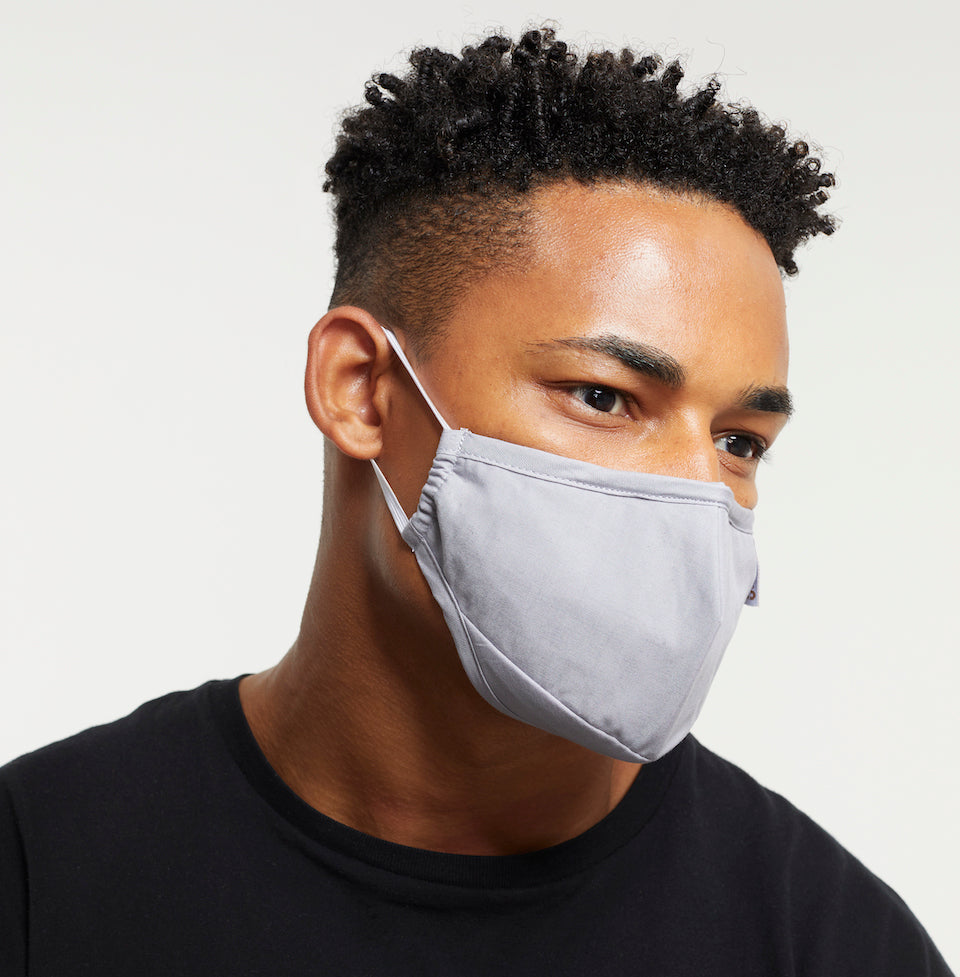

FFP2 CE Four-Layer Copper Infused Face Mask
- Four layers of protection
- Comfortable & washable
- Sale price
- £22.99
- Regular price
- £22.99
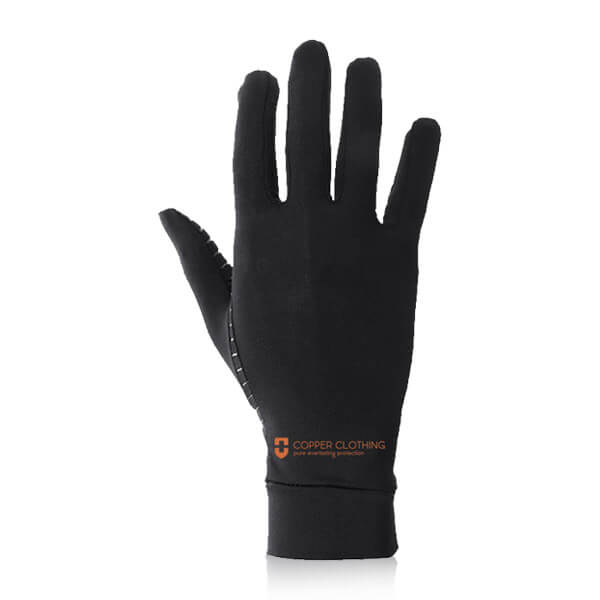
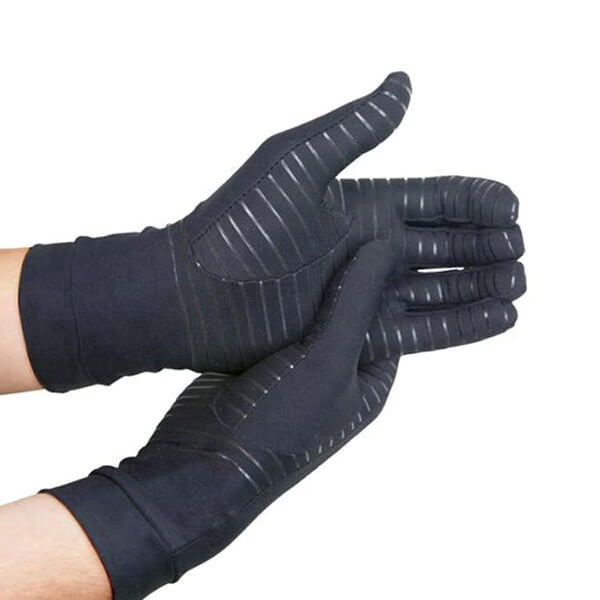
Full Finger Gloves (Copper Gloves)
- Ultimate comfort & flexibility
- Provides warmth and comfort for hands
- Washable
- Sale price
- £22.99
- Regular price
- £22.99
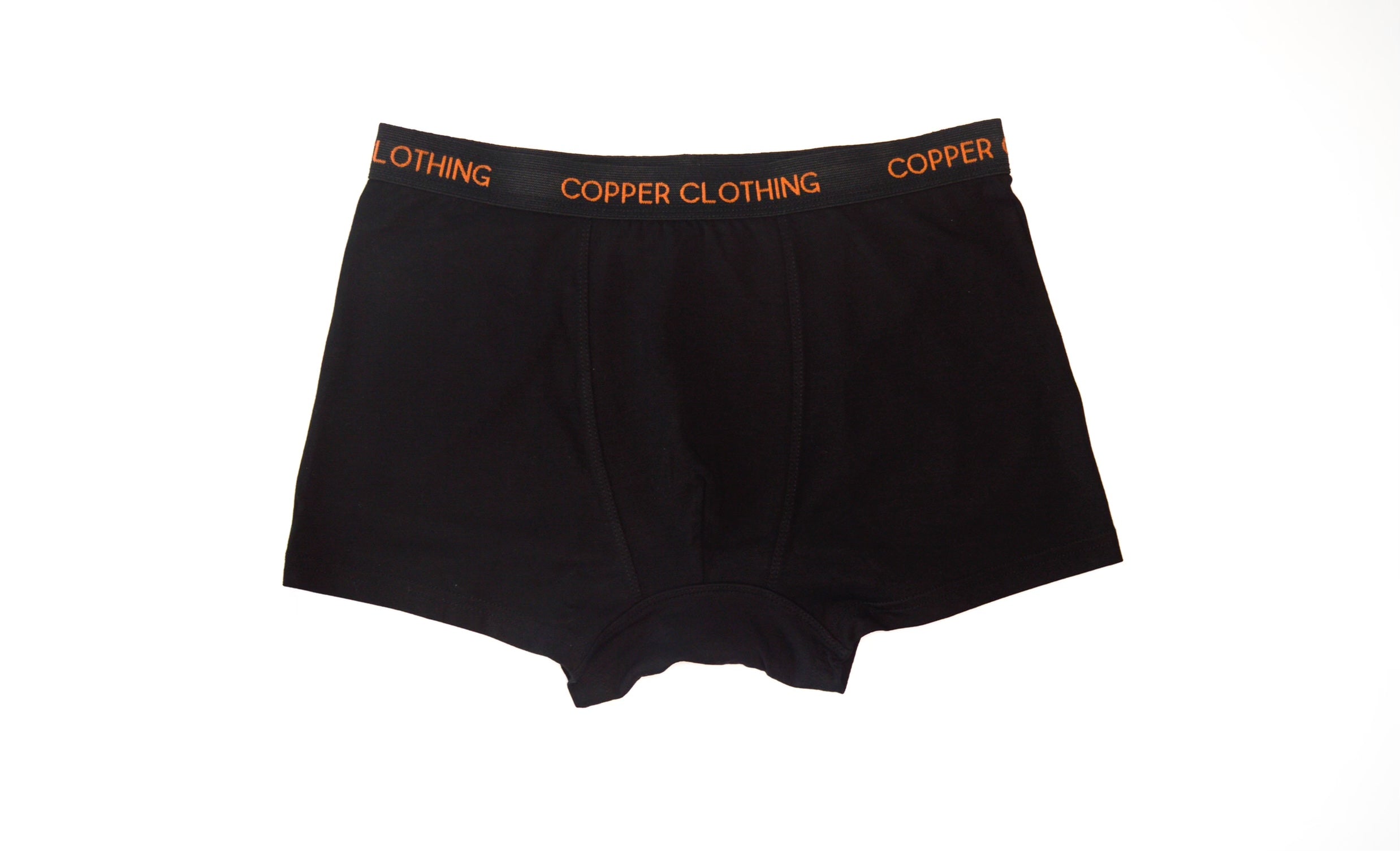
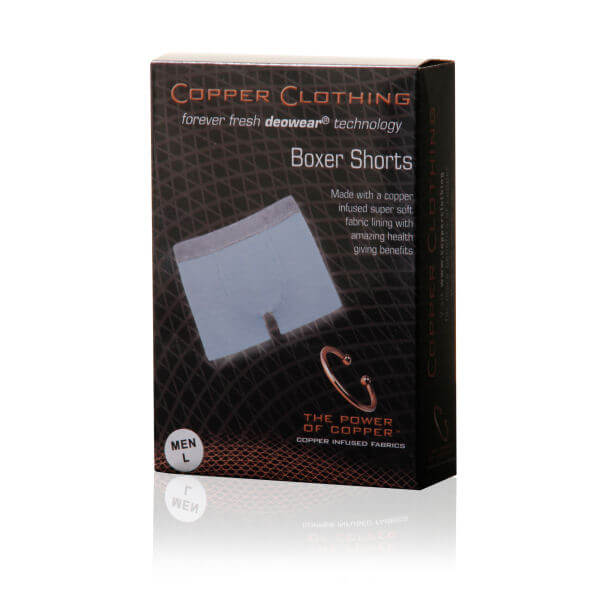
Men’s Copper Boxer Shorts – Soft, Breathable Underwear for Everyday Comfort
- Soft cotton & bamboo blend
- Breathable & lightweight feel
- Stretch comfort for daily movement
- Sale price
- £9.99
- Regular price
- £9.99
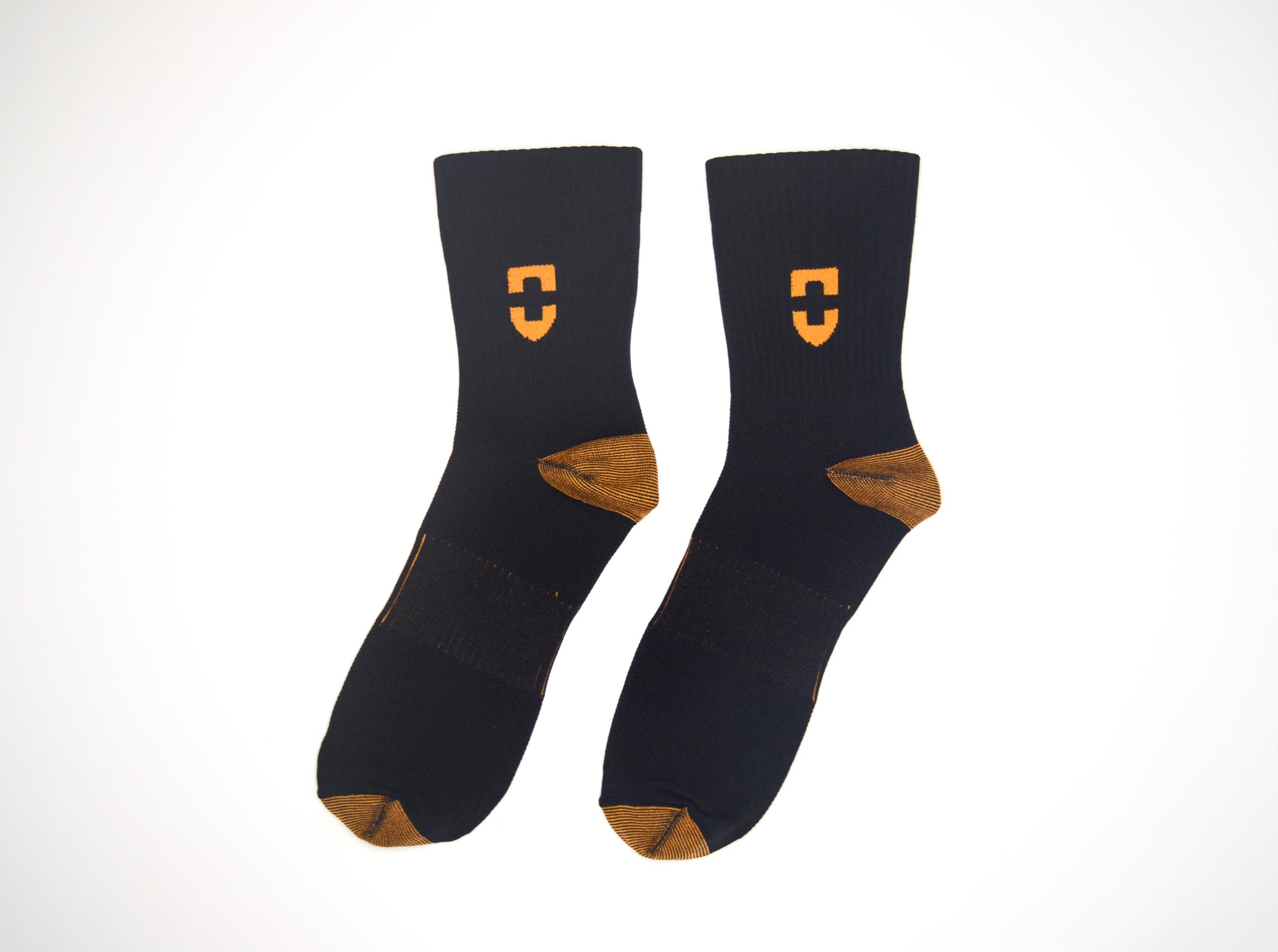

Short Compression Copper Infused Socks
- Breathable Compression Fabric, Comfortable & Durable
- 8 - 15mmHg of Compression
- Best socks for long flights and journey
- Sale price
- £12.99
- Regular price
- £12.99
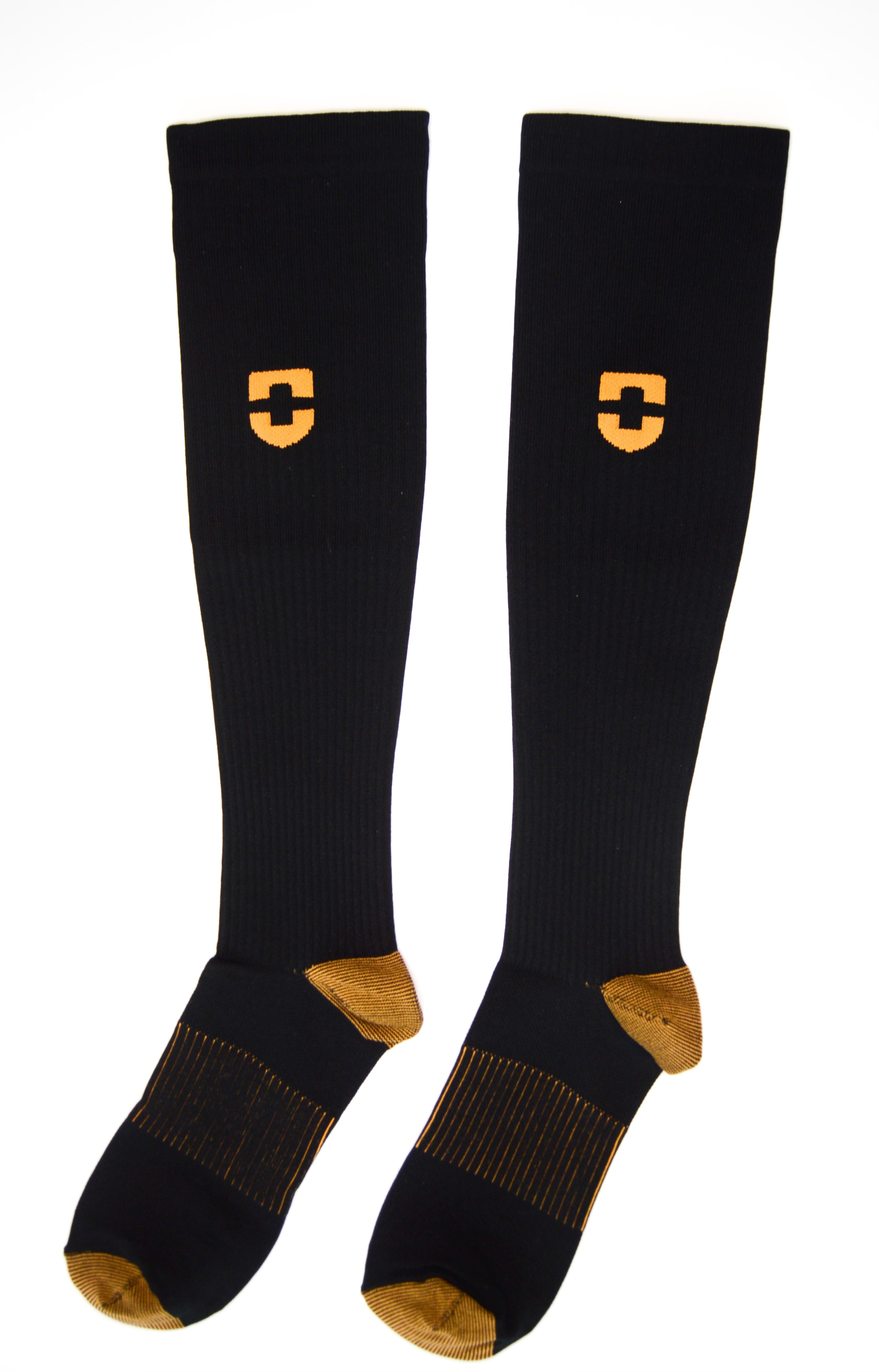
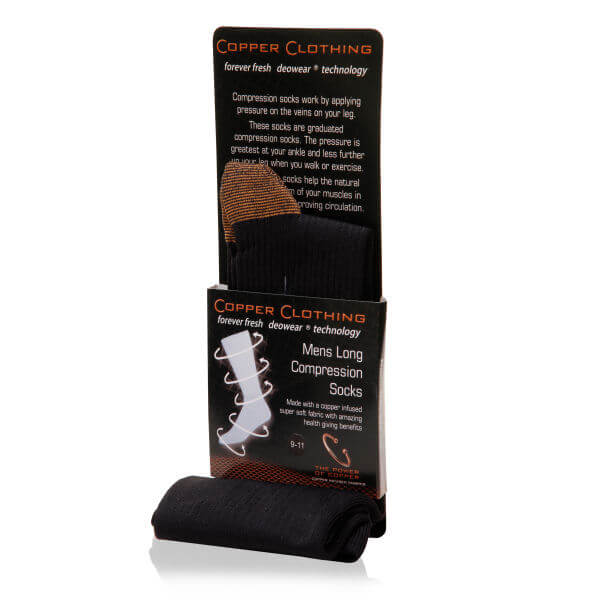
Long Copper Infused Compression Socks
- Breathable Compression Fabric, Comfortable & Durable
- 8 - 15mmHg of Compression
- Best socks for long flights and journey
- Sale price
- £15.99
- Regular price
- £15.99

Ladies Copper Infused Pyjamas
- Luxuriously Soft Cotton & Bamboo
- Ideal for daily wear
- Sale price
- £49.99
- Regular price
- £49.99
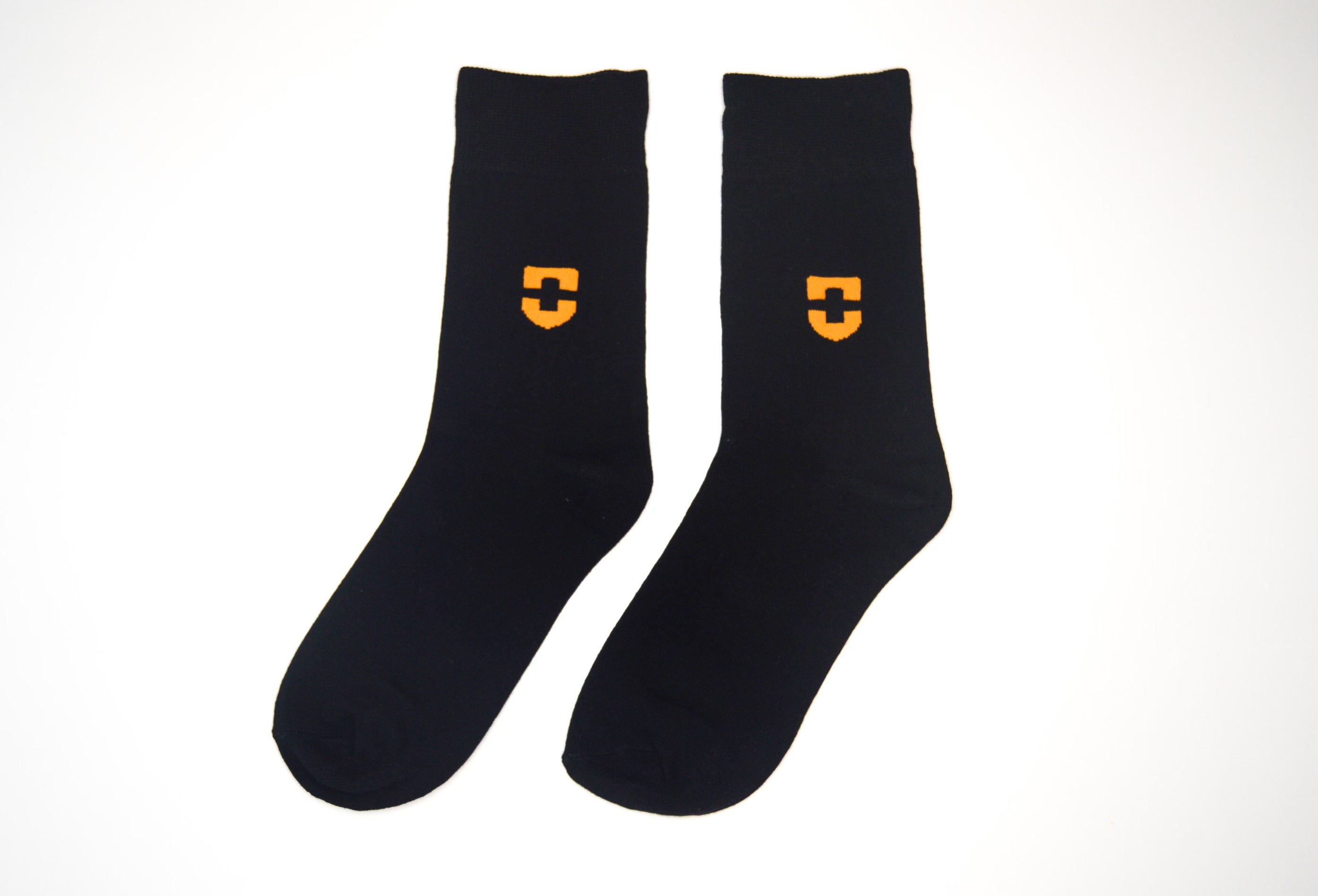
Everyday Copper Socks – Soft, Breathable Socks for Daily Comfort
- Soft & breathable fabric
- Comfortable for long-hour wear
- Lightweight everyday fit
- Sale price
- £9.99
- Regular price
- £9.99
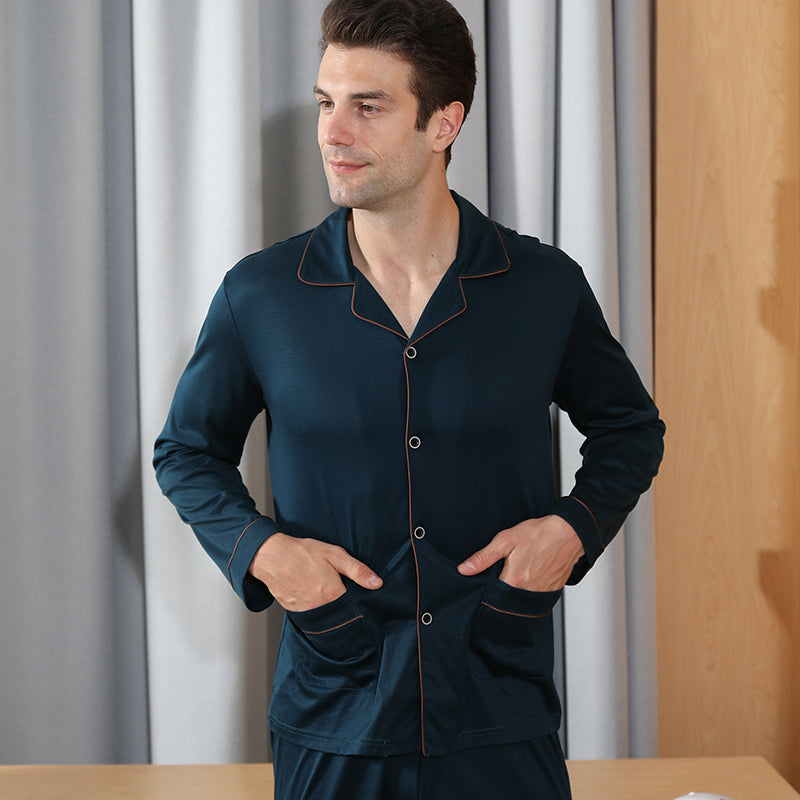
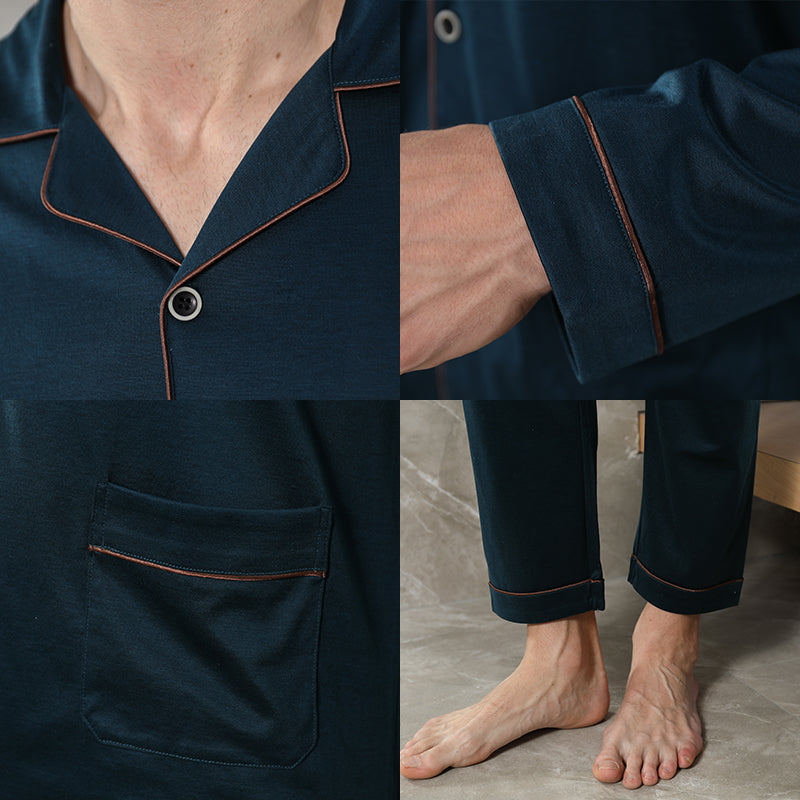
Mens Copper Infused Pyjamas
- Luxuriously Soft Cotton & Bamboo
- Promotes Healthier & Softer Skin
- Sale price
- £54.99
- Regular price
- £54.99
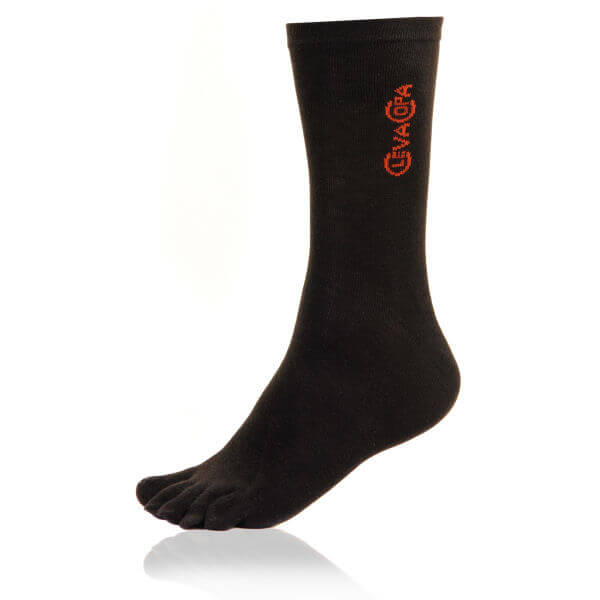
Copper Infused Five Toe Socks
- Promotes Softer Healthier Feet
- Completely Seamless
- Best for long journey and flights
- Sale price
- £14.99
- Regular price
- £14.99
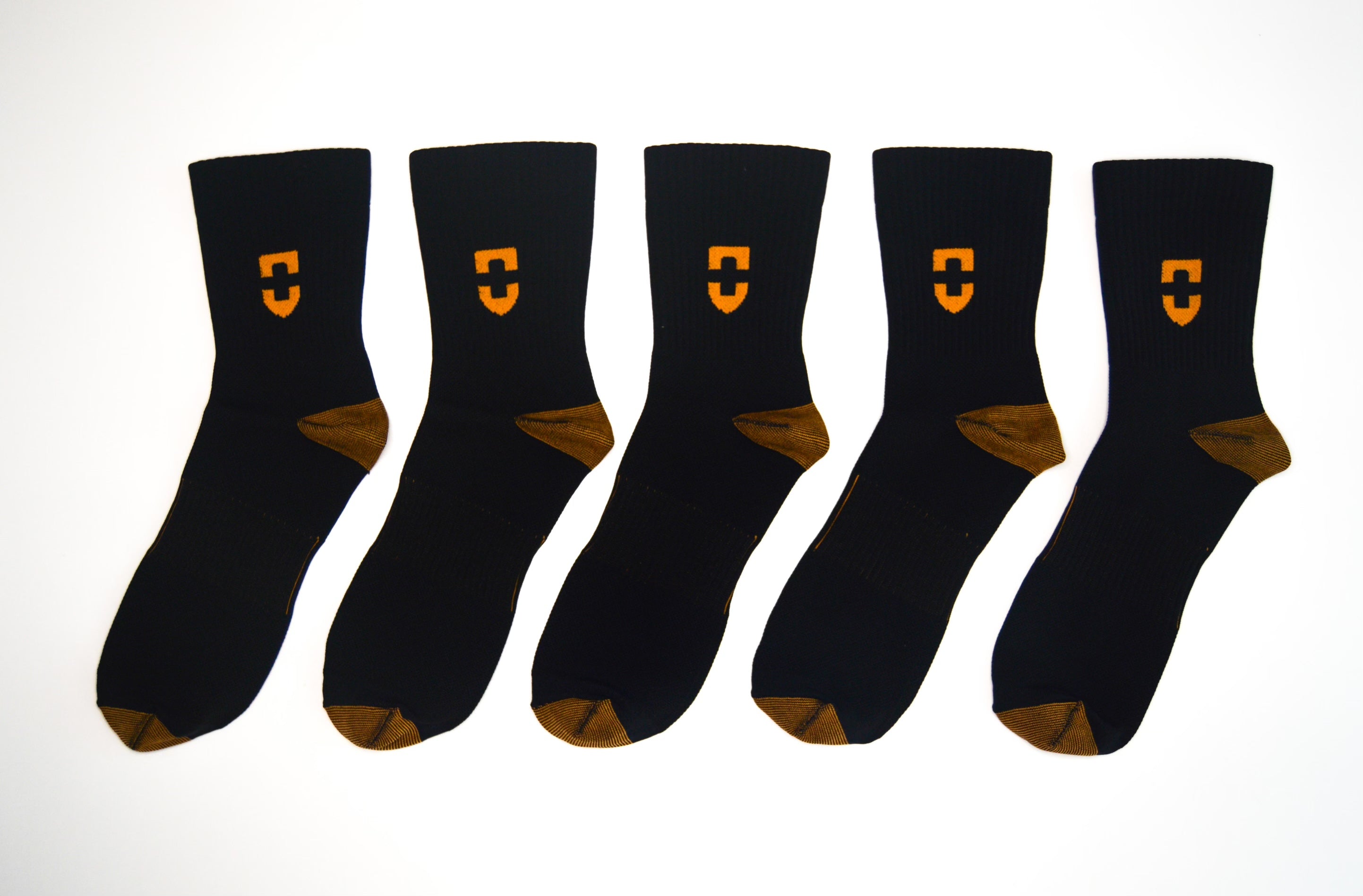
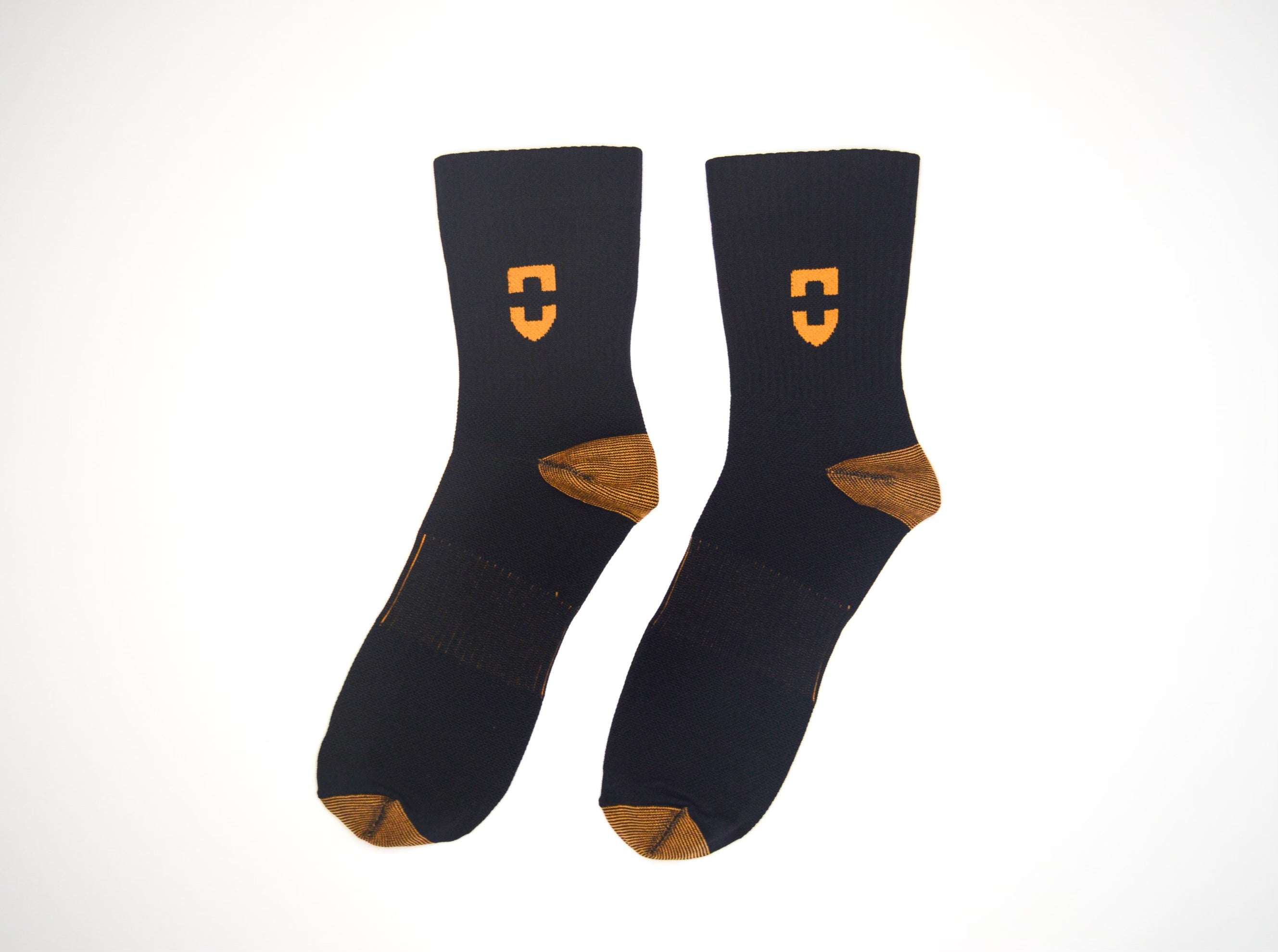
5-Pack Short Compression Copper Infused Socks
- Breathable Compression Fabric & Comfortable
- 8-15mmHg of Compression
- Best socks for long flights and travel
- Sale price
- £59.95
- Regular price
- £64.95
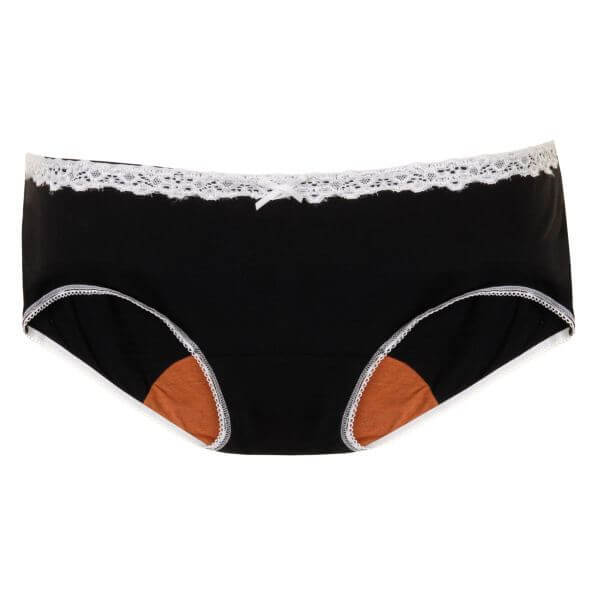
Womens Copper Infused Briefs
- Soft cotton & bamboo blend
- Breathable lightweight feel
- Flexible everyday comfort
- Sale price
- £9.99
- Regular price
- £9.99
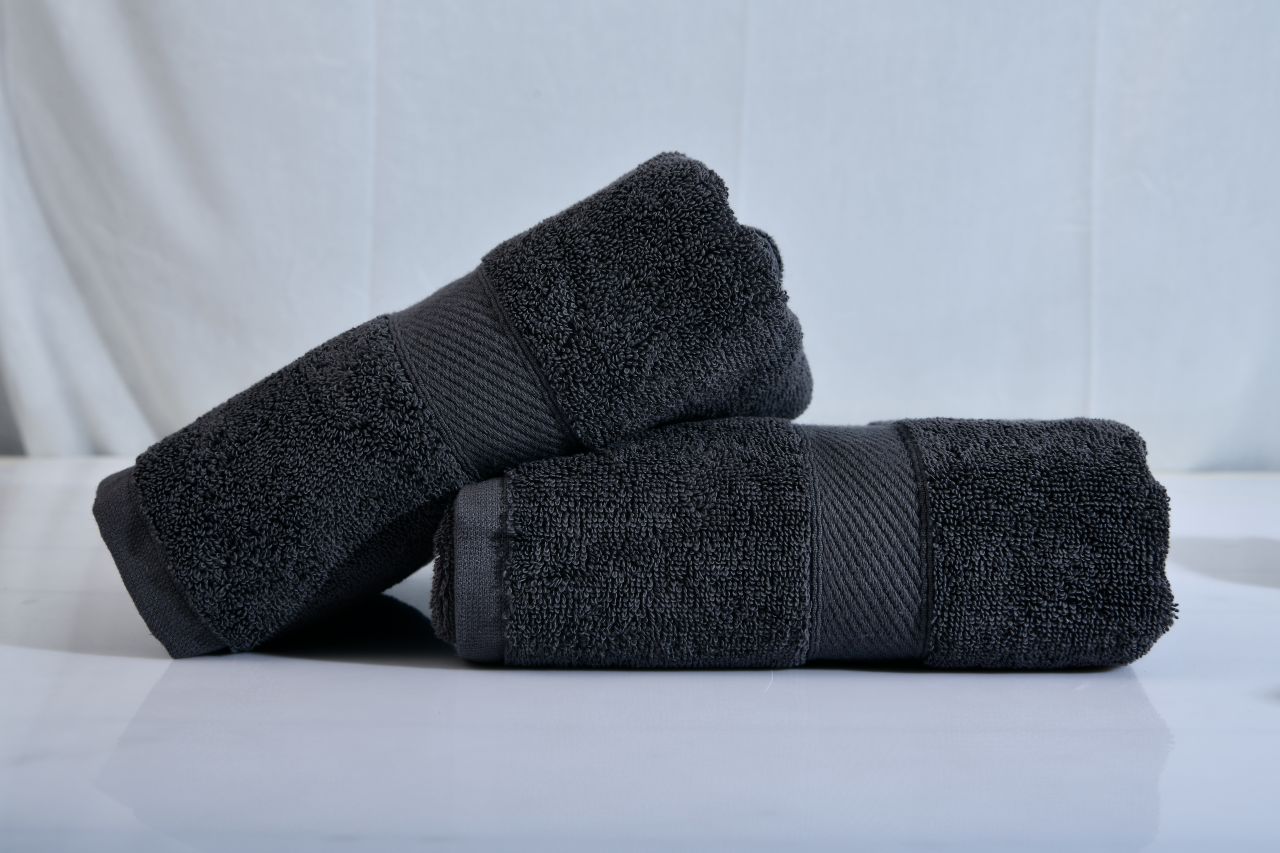
Copper Infused Bath & Gym Towel — 500 GSM Premium Cotton
- 500 GSM Cotton Cloth
- Soft & Premium
- Lightweight & Durable
- Child and Pet-Friendly
- Sale price
- £19.99
- Regular price
- £19.99

