


12 Ways to Optimize Your Post-Workout Recovery
Author

Rory Donnelly
Published
August 27 2020
For many people, the gym is the place where the real magic happens. But in fact, the real magic does not happen in the gym but out of it. When you workout, your body breaks down physically – it breaks the muscle fibers, the connective tissues, and also your immune system. But when you rest, your body recovers and repairs all those damaged muscle tissues and ensures you come back stronger than ever before.
12 Ways to Optimize Your Post-Workout Recovery
Adopt these ten habits for post-workout recovery to benefit more from your workouts and kick your fitness up a notch:
-
Wear Compression Clothing
Compression clothing can be worn during your workout to prevent rashes and chafing. But the real benefit of it is post-workout. Compression clothing is form-fitting garments that help you get rid of pain from muscle soreness and stiffness and also help reduce the time the body takes to repair the muscles. Copper Clothing features copper compression products like copper compression socks, gloves, undergarments, etc. that are infused with copper to help tired feet and recover sore muscles faster while keeping moisture and microorganisms at bay.

-
Get Plenty of Sleep
While it may seem like your body is resting during sleep, it’s actually busy doing important work. One key process is protein synthesis, which helps repair and build stronger muscles.
Sleep also plays a major role in keeping your hormones balanced. Without at least seven hours of rest each night, your body doesn’t get the recovery time it needs.
It’s also a good idea to avoid using digital devices like phones and tablets right before bed. The blue light they emit can disrupt your natural sleep cycle. So even if you sleep for nine hours after using these devices, your rest may feel more like five hours.

-
Keep Your Body Well-Hydrated
If your muscles are dehydrated, they are more prone to getting injured, leading to painful muscle spasms and cramps. If your body is well-hydrated, during and after a workout, it gets rid of toxins and prevents dehydration.

-
Eat Healthy Food
Workouts deplete your energy. If you expect your body to recover faster, you need to replenish the lost energy. Try to eat high-protein foods and carbohydrates within 60 minutes of the end of your workout.

-
Take Magnesium Supplements
A body with a low level of magnesium experiences cramping, spasms, and muscle tension. Magnesium boosts your body’s ability to synthesize proteins that help your muscle growth. Take magnesium supplements to speed up the recovery process by promoting proper muscle and nerve function.

-
Avoid Overtraining
If you have been lifting weights and performing high-intensity exercises, it’s important that you take some time off to initiate the muscle recovery phase. The muscle recovery phase is important because it is during this time; your body will rebuild and re-energize your muscles.

-
Stretch
Stretching is one of the best muscle recovery tips to follow to prevent future injuries. Your muscle tightens as you exercise. Stretching every day, relaxes the muscle stiffness and decreases its soreness the next day.

-
Take an Ice/Cold bath
After an intense workout, have cold water or an ice bath. It instantly reduces muscle soreness and inflammation and helps you recover faster.

-
Don’t Forget the Carbs
Carbs help your body refill its glycogen stores after a workout, giving your muscles the energy they need to recover and feel less sore.
Try to choose complex carbs instead of processed ones. Processed carbs like white bread, pastries, and candy offer little nutrition. Complex carbs such as fruits, sweet potatoes, brown rice, and quinoa provide steady energy and support better recovery.

-
Massage the Sore Muscles
Massaging the sore muscles not only improves blood circulation but also makes you feel good. Foam rollers can be a great help here. Run the foam rollers over your sore muscles when you wake up, before going to bed and before your workout. The rollers increase the blood flow, relax the muscle tension, reduce inflammation, and break up scar tissue and knots.

-
Don’t Miss Out on Vitamin D
Vitamin D is important for strong bones and helps reduce muscle fatigue. Low levels can weaken bones and increase the risk of fractures.
To boost your vitamin D intake, eat more oily fish like salmon, mackerel, sardines, trout, and halibut. Red meat and eggs also provide small amounts.
Supplements can help too, but avoid taking more than recommended, as too much vitamin D can be harmful.

-
Include Light Resistance Exercises at the End of the Workout Session
Add a few light resistance exercises, such as yoga, walking, swimming, etc. to the end of your workout. This increases your blood flow and the nutrients to the muscles after the training session. It helps remove waste products like lactic acid that can prolong the muscle recovery process, repair the muscles, and refuel faster.

Support Your Recovery with Copper Clothing Gear
Recovery doesn’t end when your workout does, it continues with the choices you make afterward. Wearing the right post-workout essentials can help you stay comfortable, dry, and relaxed as your body cools down. That’s where Copper Clothing fits in. Their copper-infused socks and everyday wear are designed to keep you feeling fresh and supported, especially when your muscles need it most.
Give your recovery routine an upgrade with Copper Clothing
Explore Copper Clothing today
-

Compression Socks for Flat Feet: Do They Rea...
September 11, 2026
-

Travel Essentials for Women: The Ultimate Pa...
September 08, 2026
-

How to Towel Dry Hair Without the Damage
September 08, 2026
-

Should you wash new sheets before using them?
August 27, 2026
-

How to Wash Compression Socks?
August 17, 2026


Popular Products
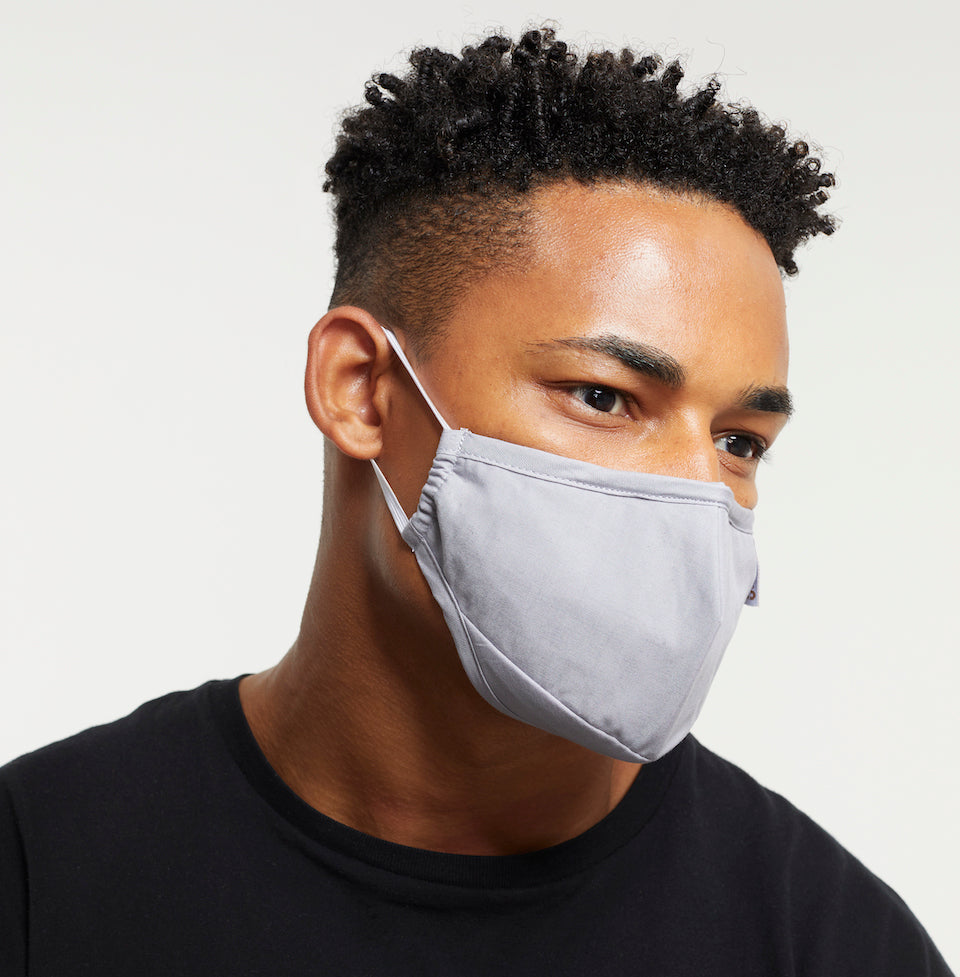
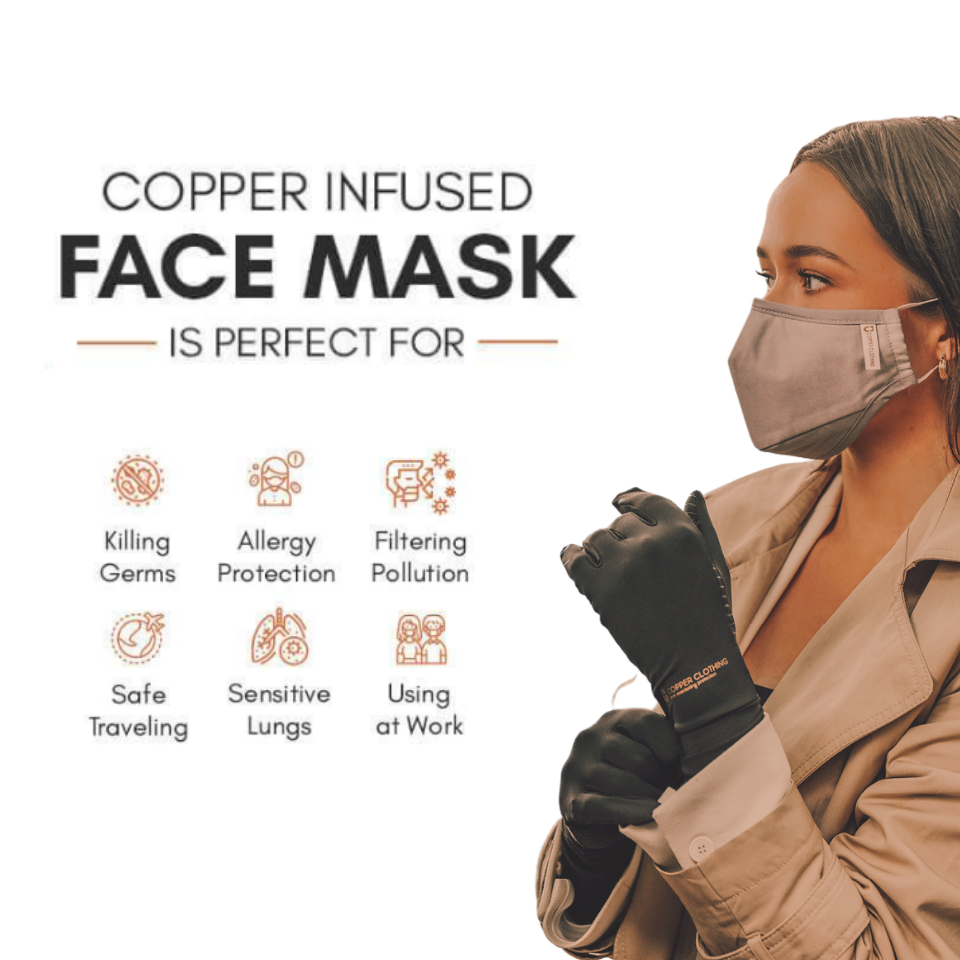
FFP2 CE Four-Layer Copper Infused Face Mask
- Four layers of protection
- Comfortable & washable
- Sale price
- £22.99
- Regular price
- £22.99
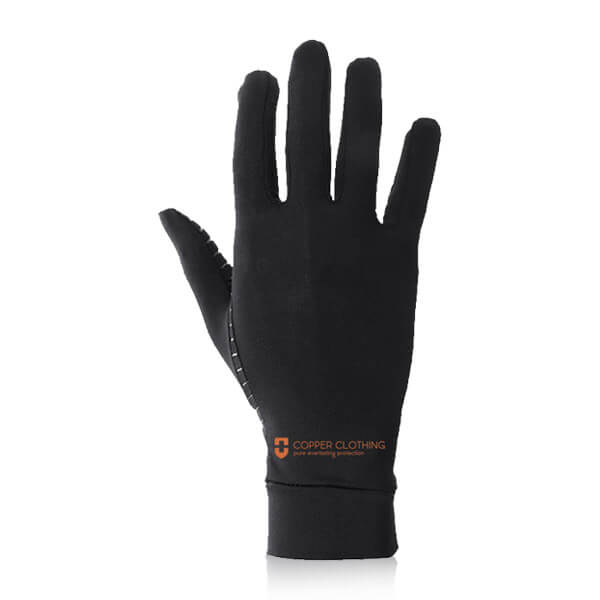
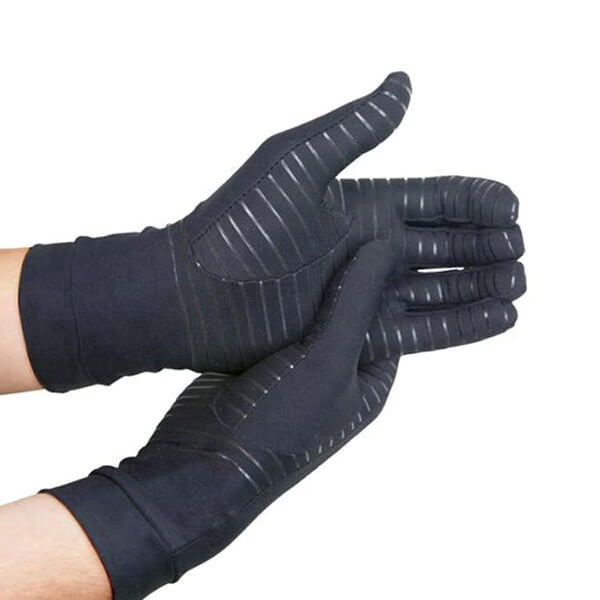
Full Finger Gloves (Copper Gloves)
- Ultimate comfort & flexibility
- Provides warmth and comfort for hands
- Washable
- Sale price
- £22.99
- Regular price
- £22.99
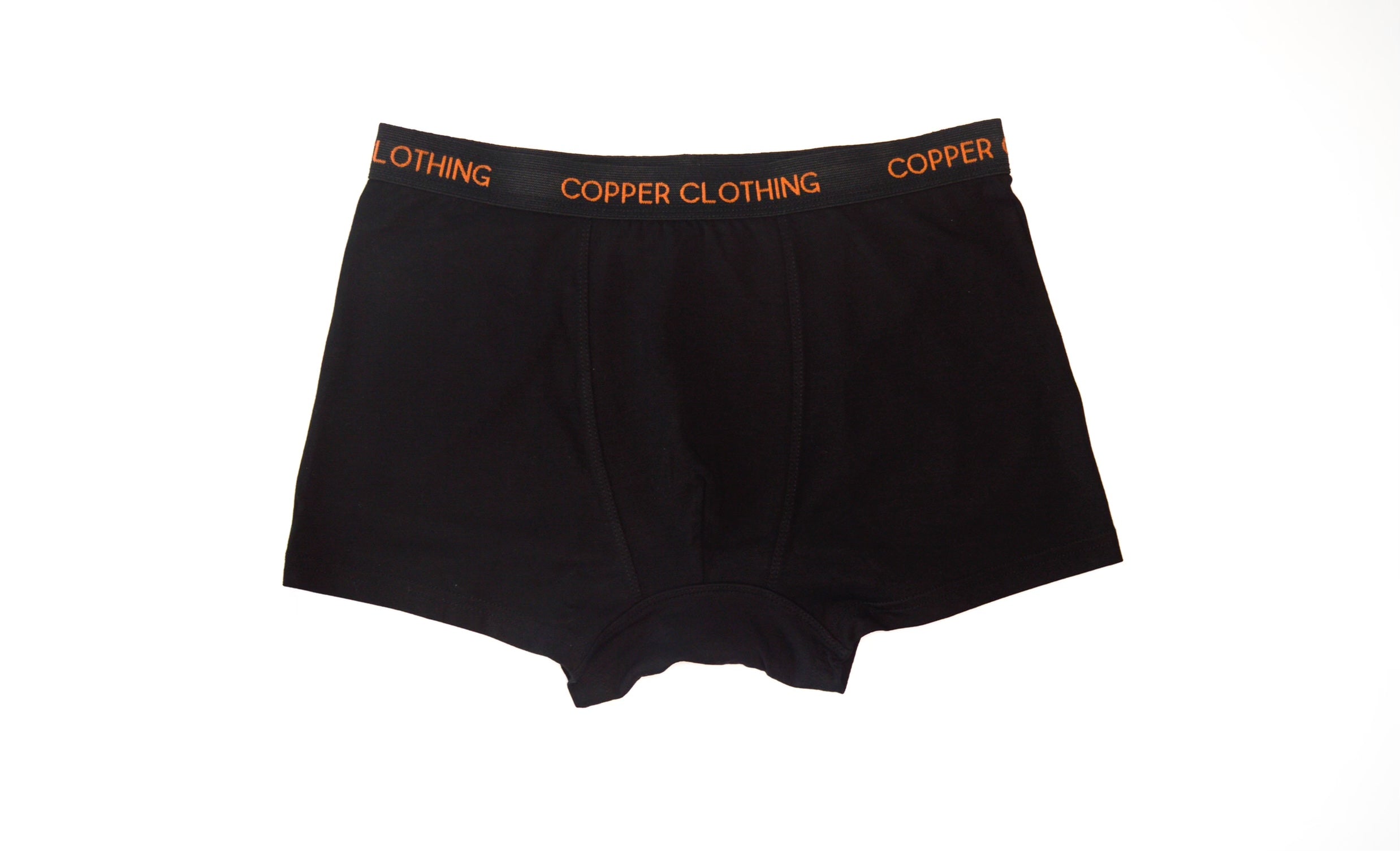
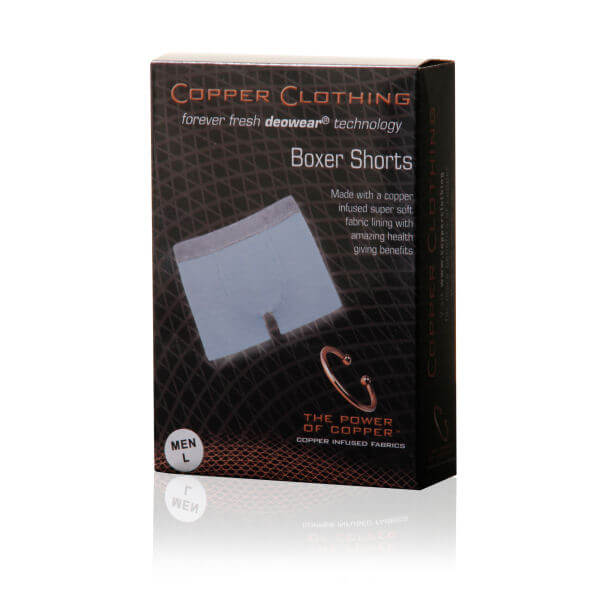
Men’s Copper Boxer Shorts – Soft, Breathable Underwear for Everyday Comfort
- Soft cotton & bamboo blend
- Breathable & lightweight feel
- Stretch comfort for daily movement
- Sale price
- £9.99
- Regular price
- £9.99
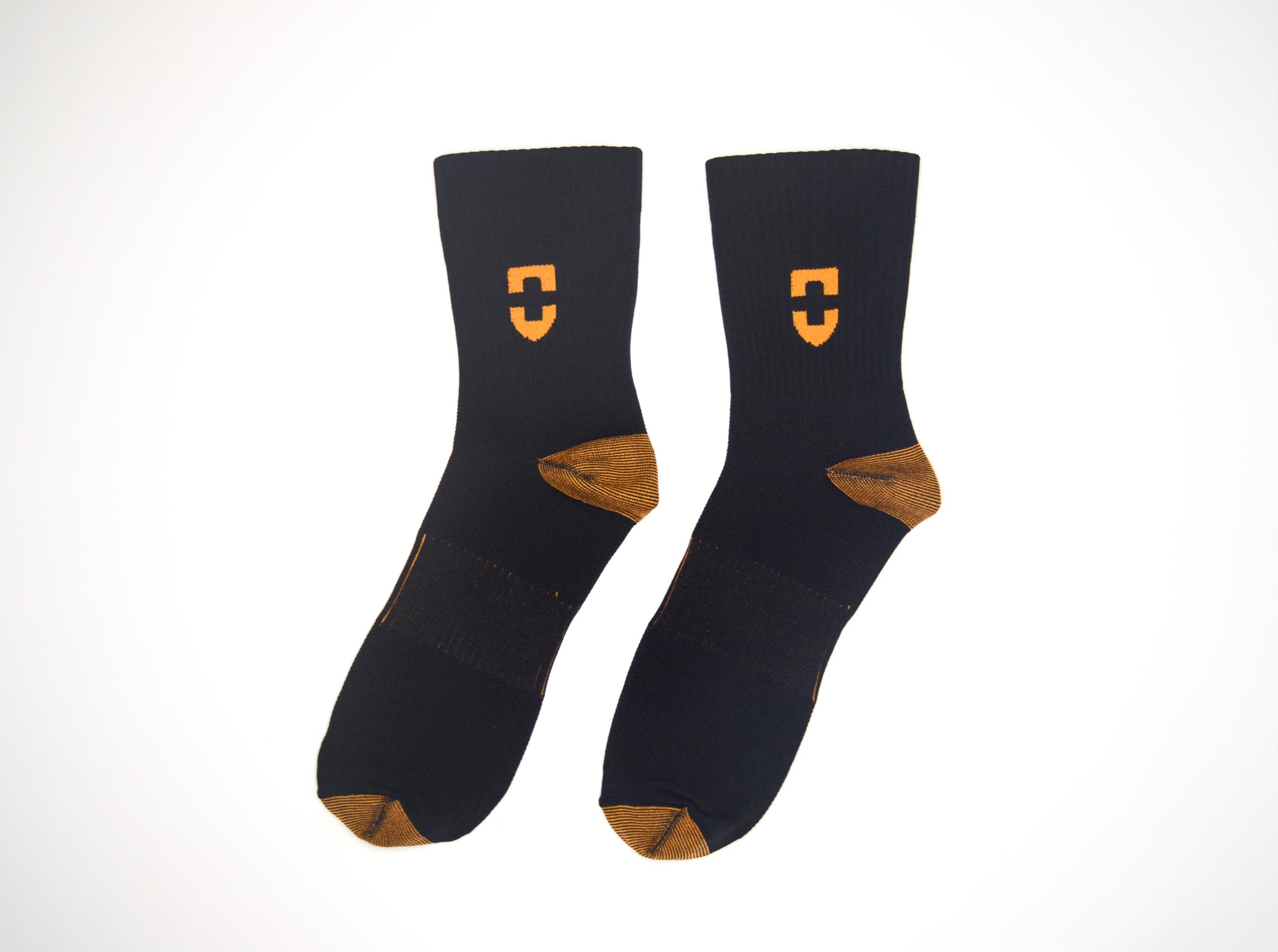
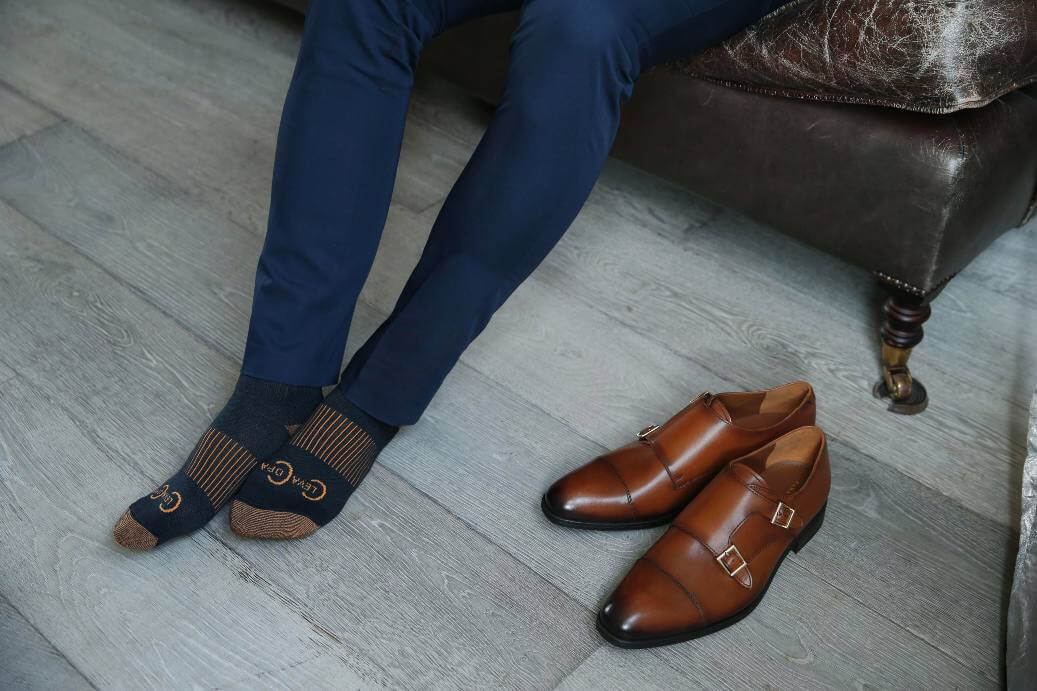
Short Compression Copper Infused Socks
- Breathable Compression Fabric, Comfortable & Durable
- 8 - 15mmHg of Compression
- Best socks for long flights and journey
- Sale price
- £12.99
- Regular price
- £12.99
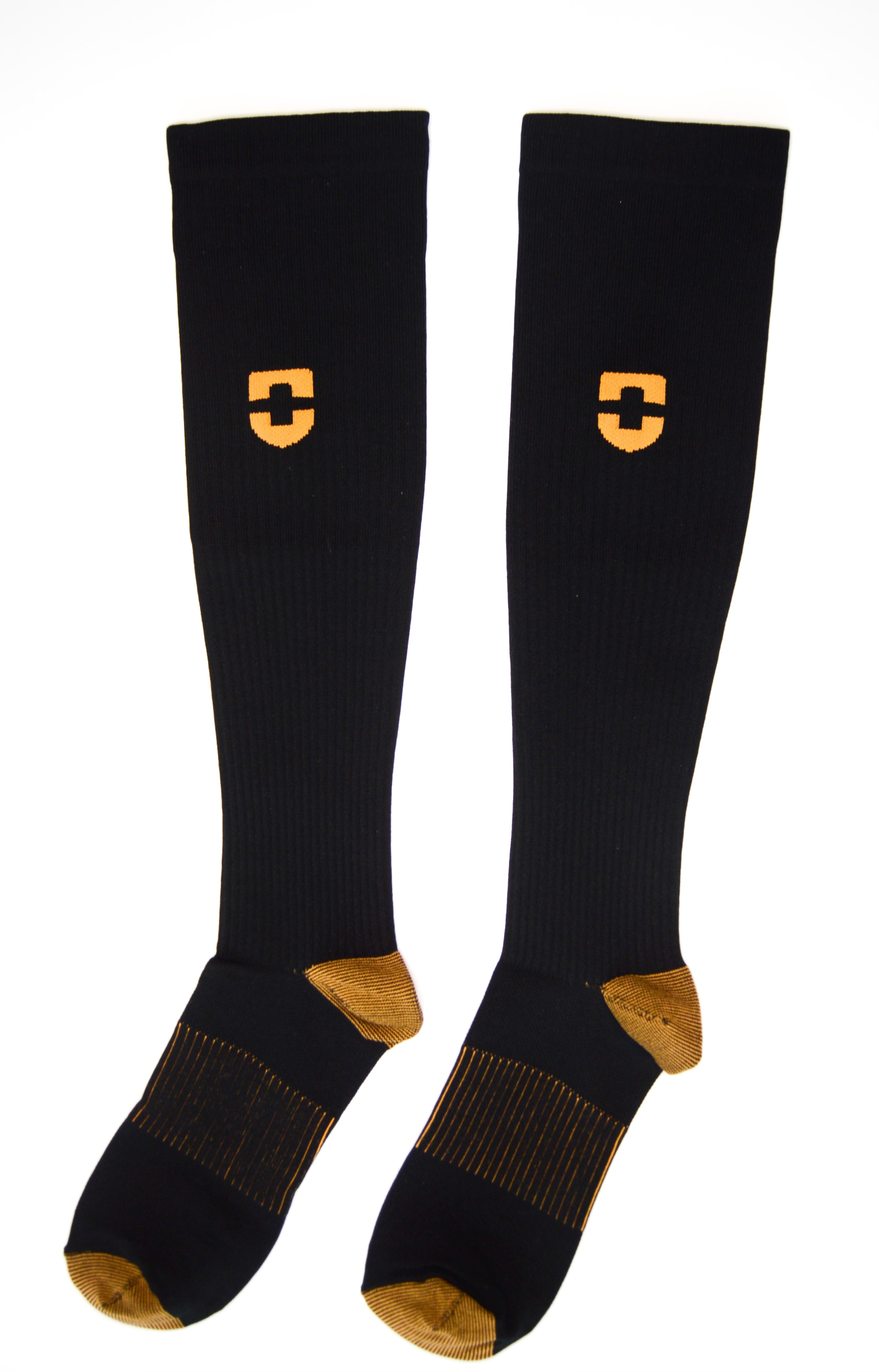
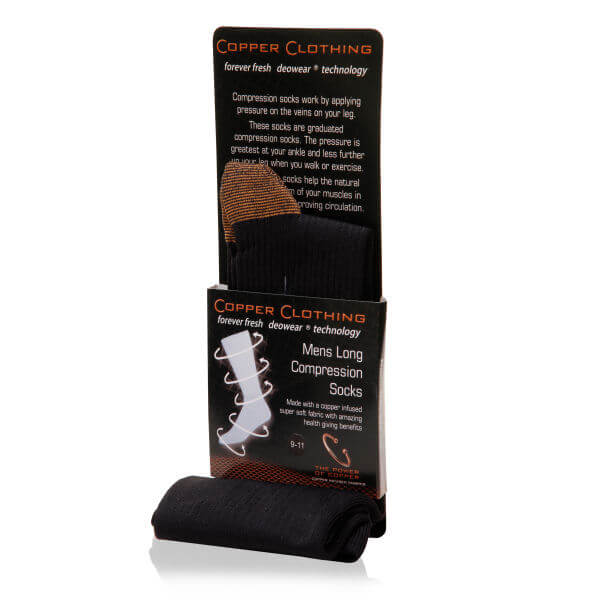
Long Copper Infused Compression Socks
- Breathable Compression Fabric, Comfortable & Durable
- 8 - 15mmHg of Compression
- Best socks for long flights and journey
- Sale price
- £15.99
- Regular price
- £15.99
Ladies Copper Infused Pyjamas
- Luxuriously Soft Cotton & Bamboo
- Ideal for daily wear
- Sale price
- £49.99
- Regular price
- £49.99
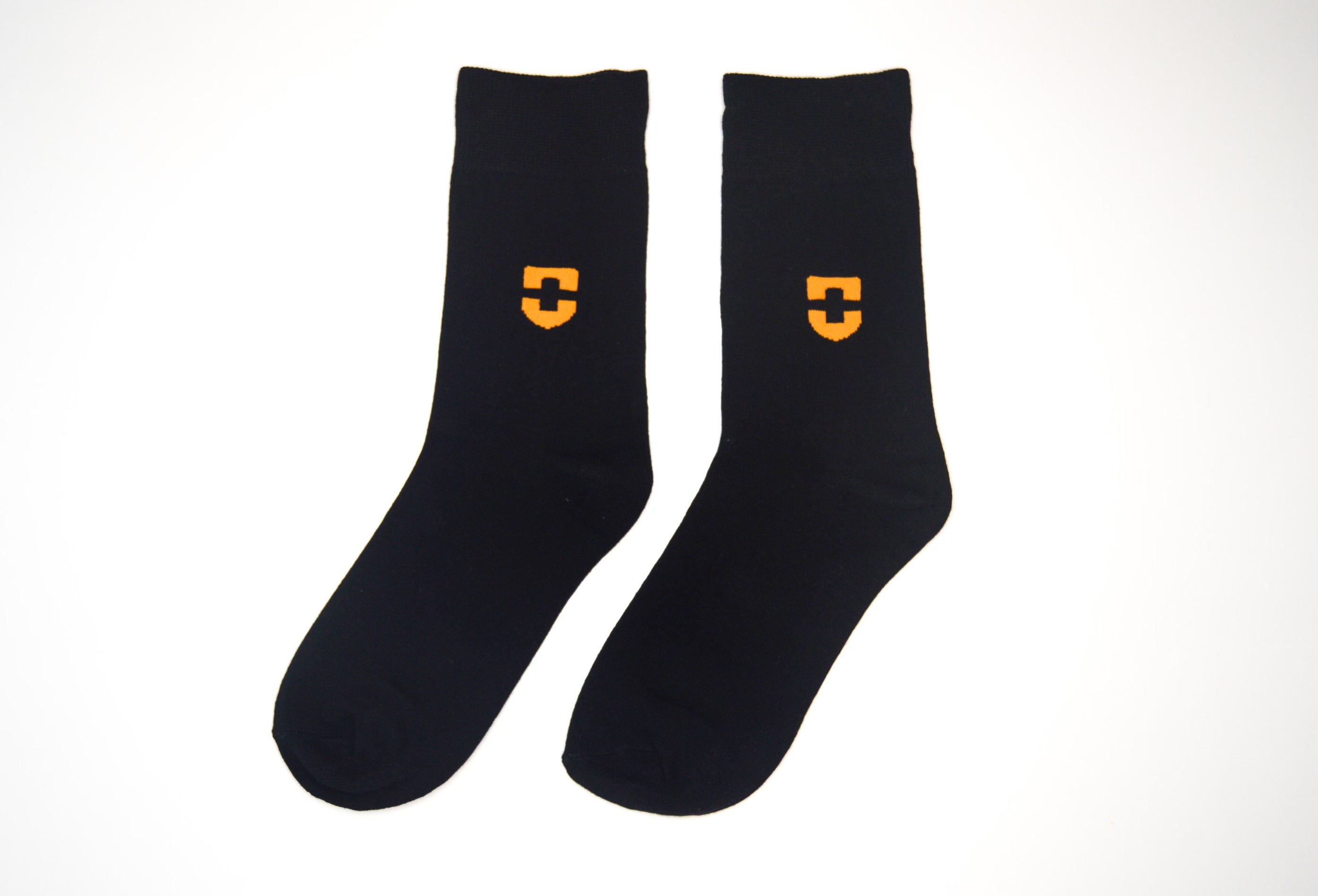
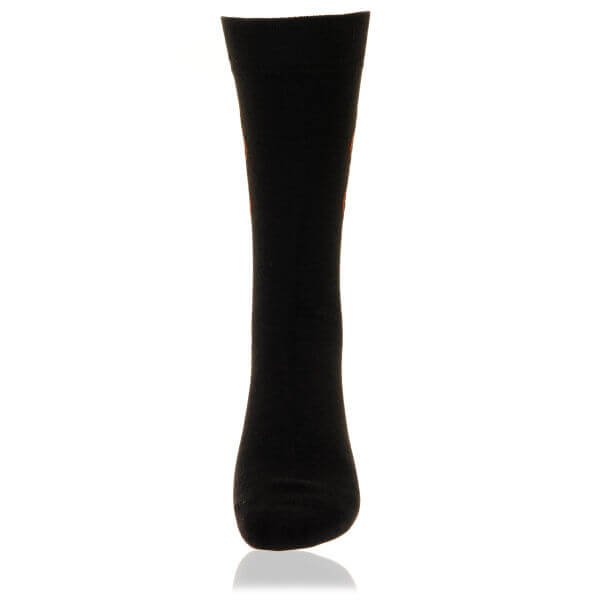
Everyday Copper Socks – Soft, Breathable Socks for Daily Comfort
- Soft & breathable fabric
- Comfortable for long-hour wear
- Lightweight everyday fit
- Sale price
- £9.99
- Regular price
- £9.99
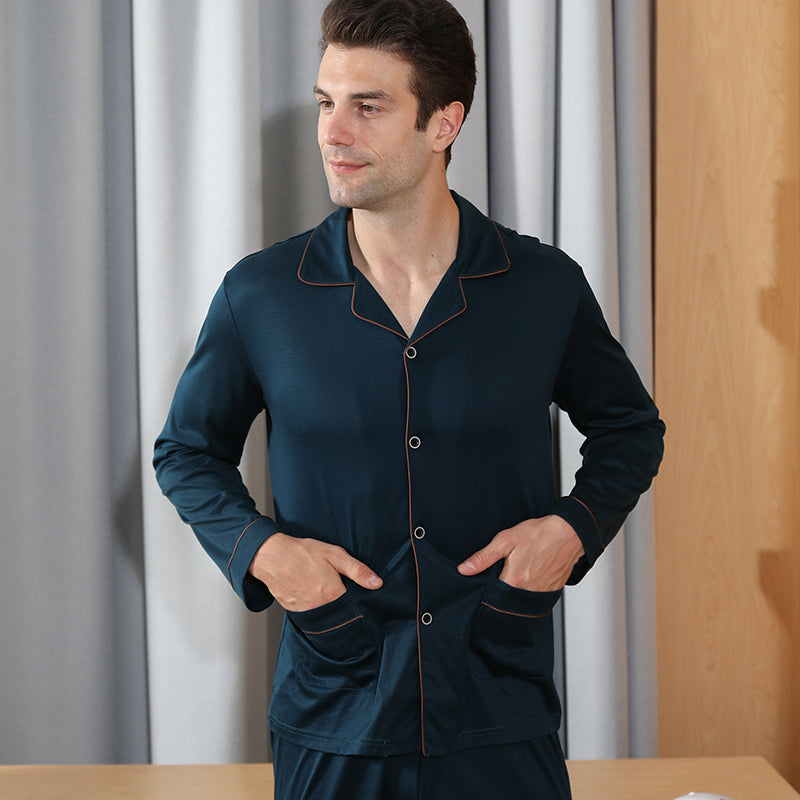
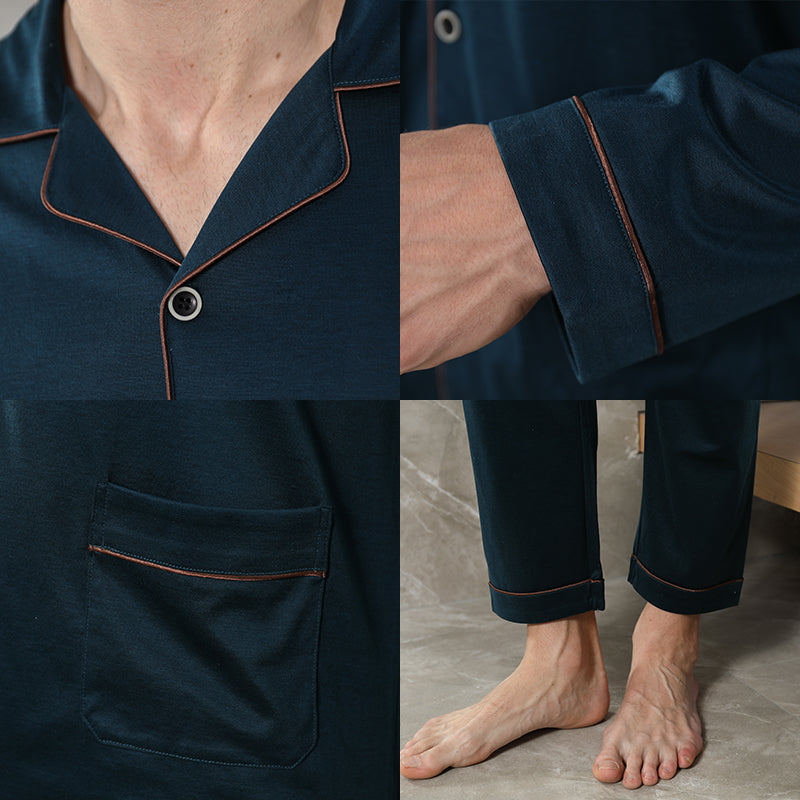
Mens Copper Infused Pyjamas
- Luxuriously Soft Cotton & Bamboo
- Promotes Healthier & Softer Skin
- Sale price
- £54.99
- Regular price
- £54.99
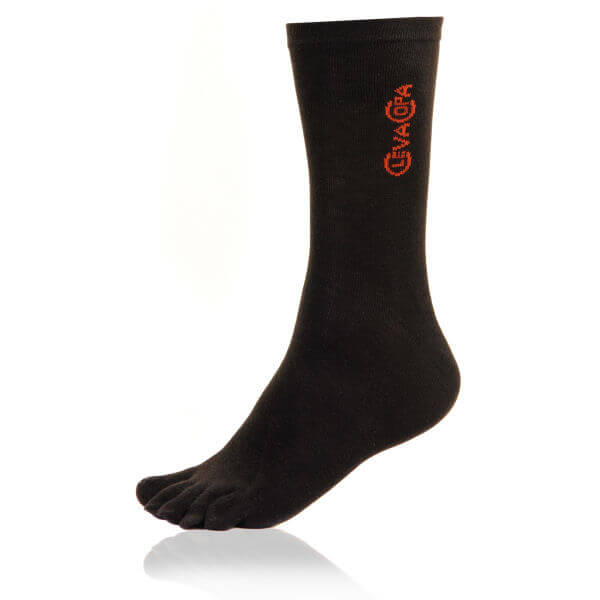
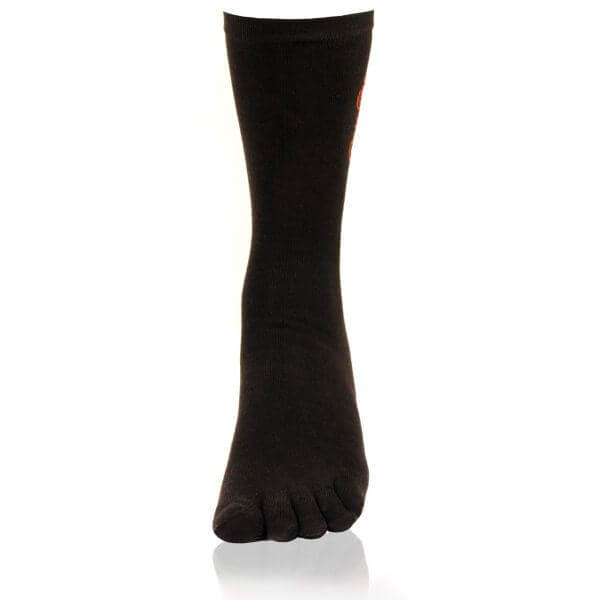
Copper Infused Five Toe Socks
- Promotes Softer Healthier Feet
- Completely Seamless
- Best for long journey and flights
- Sale price
- £14.99
- Regular price
- £14.99
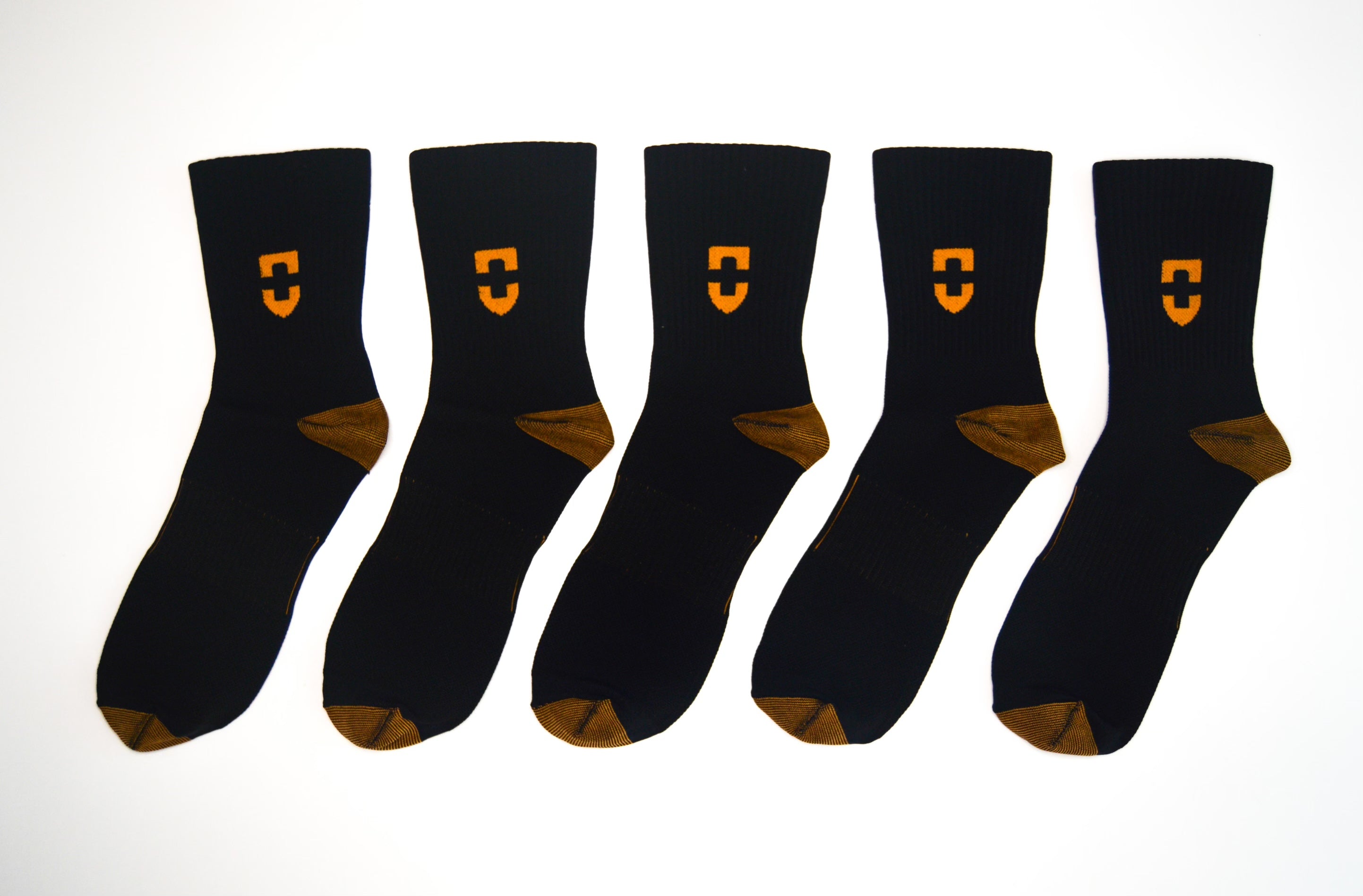
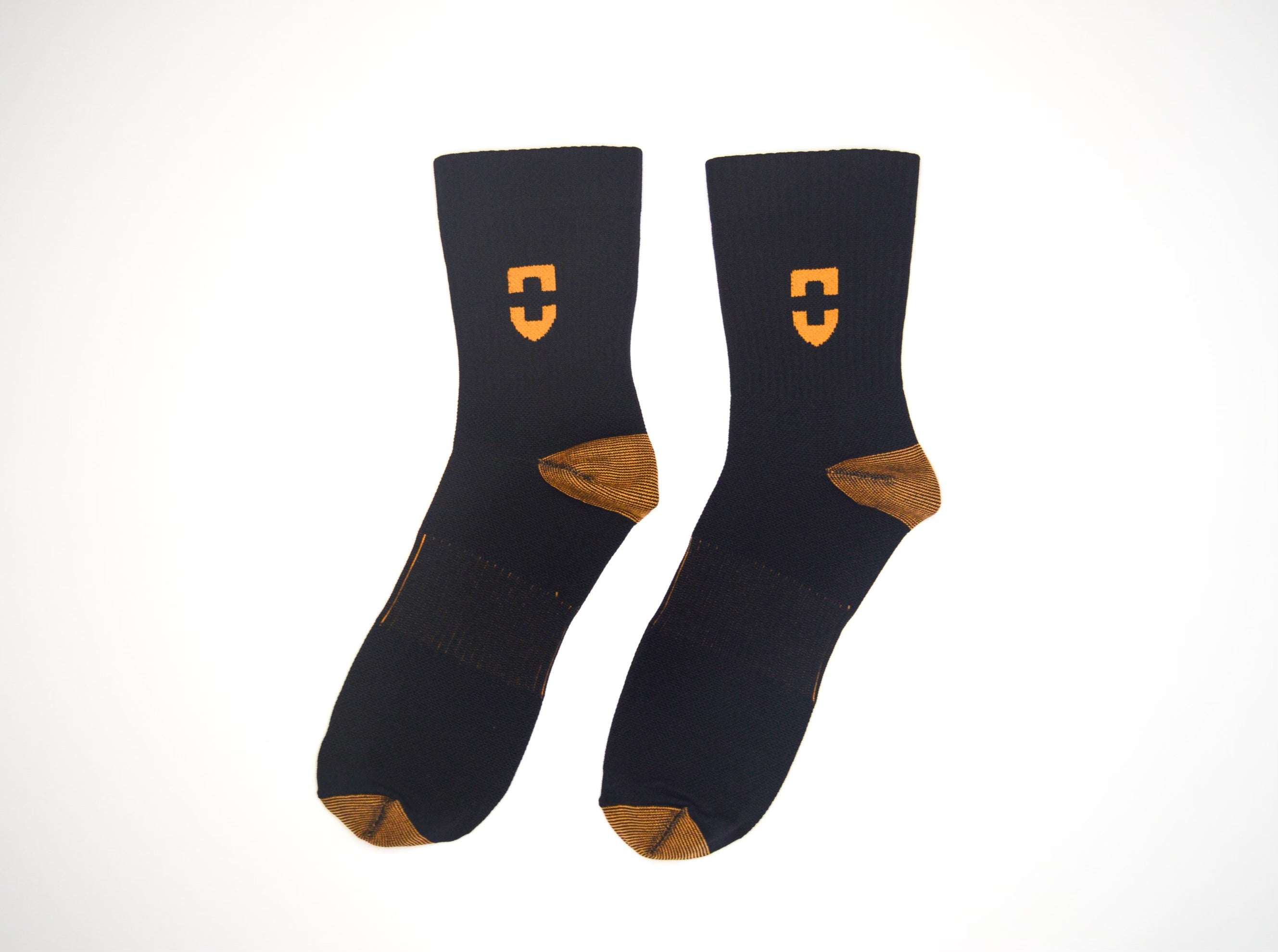
5-Pack Short Compression Copper Infused Socks
- Breathable Compression Fabric & Comfortable
- 8-15mmHg of Compression
- Best socks for long flights and travel
- Sale price
- £59.95
- Regular price
- £64.95
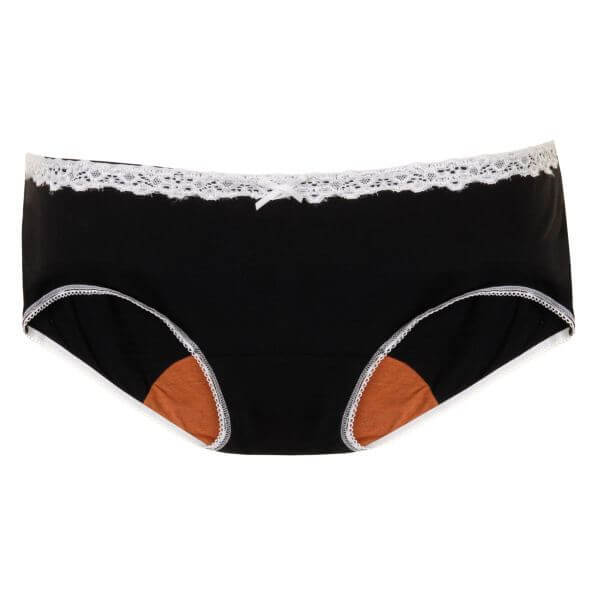
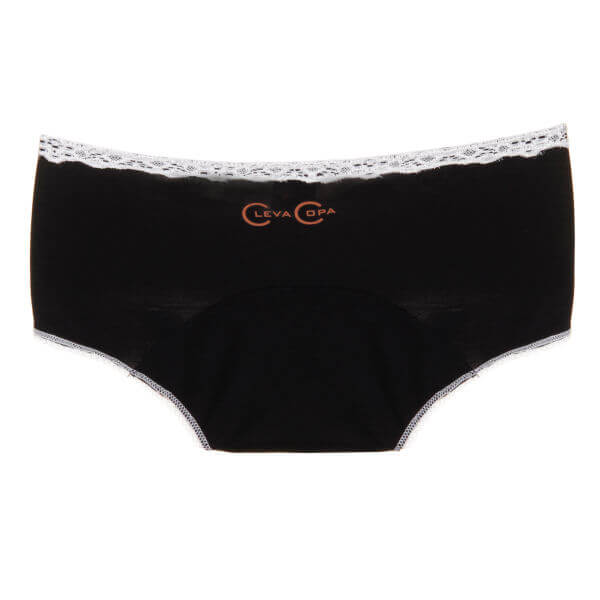
Womens Copper Infused Briefs
- Soft cotton & bamboo blend
- Breathable lightweight feel
- Flexible everyday comfort
- Sale price
- £9.99
- Regular price
- £9.99
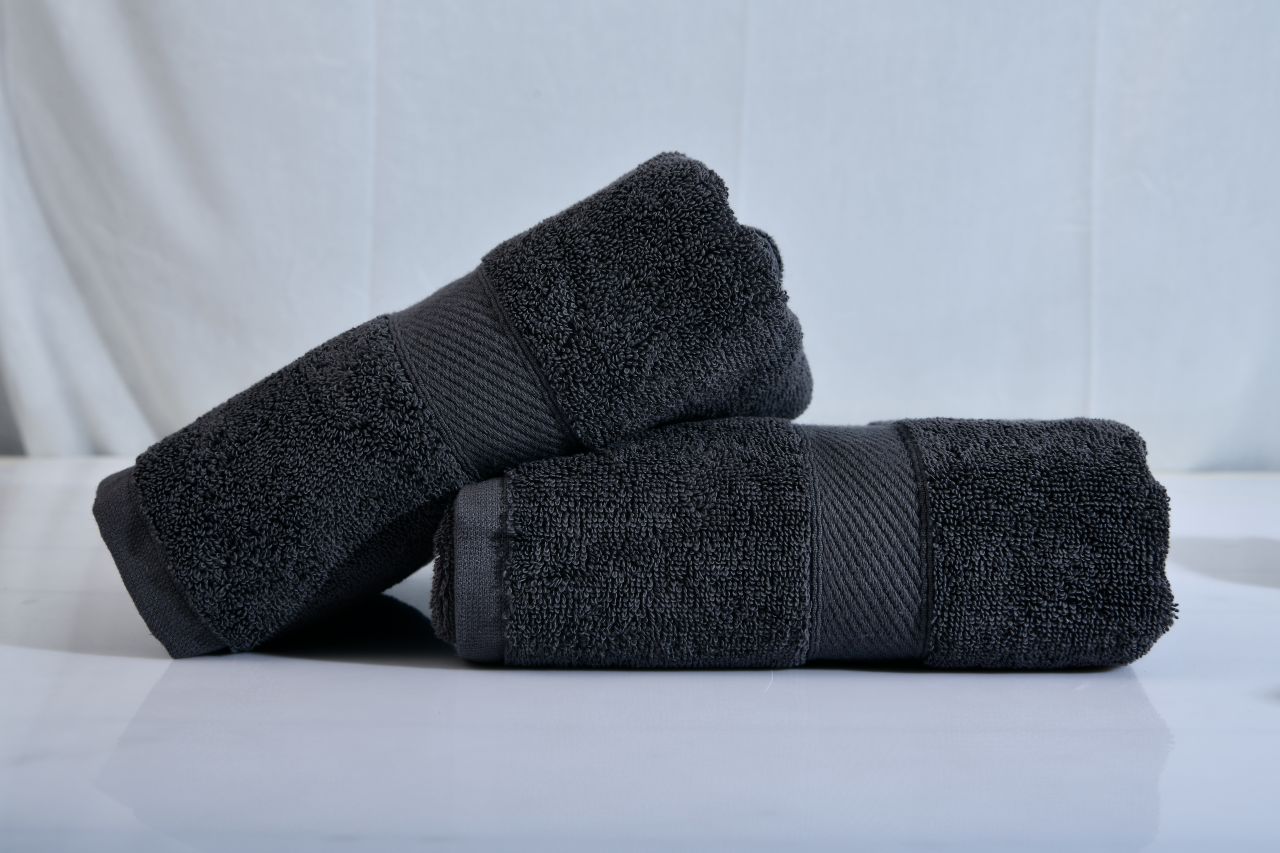
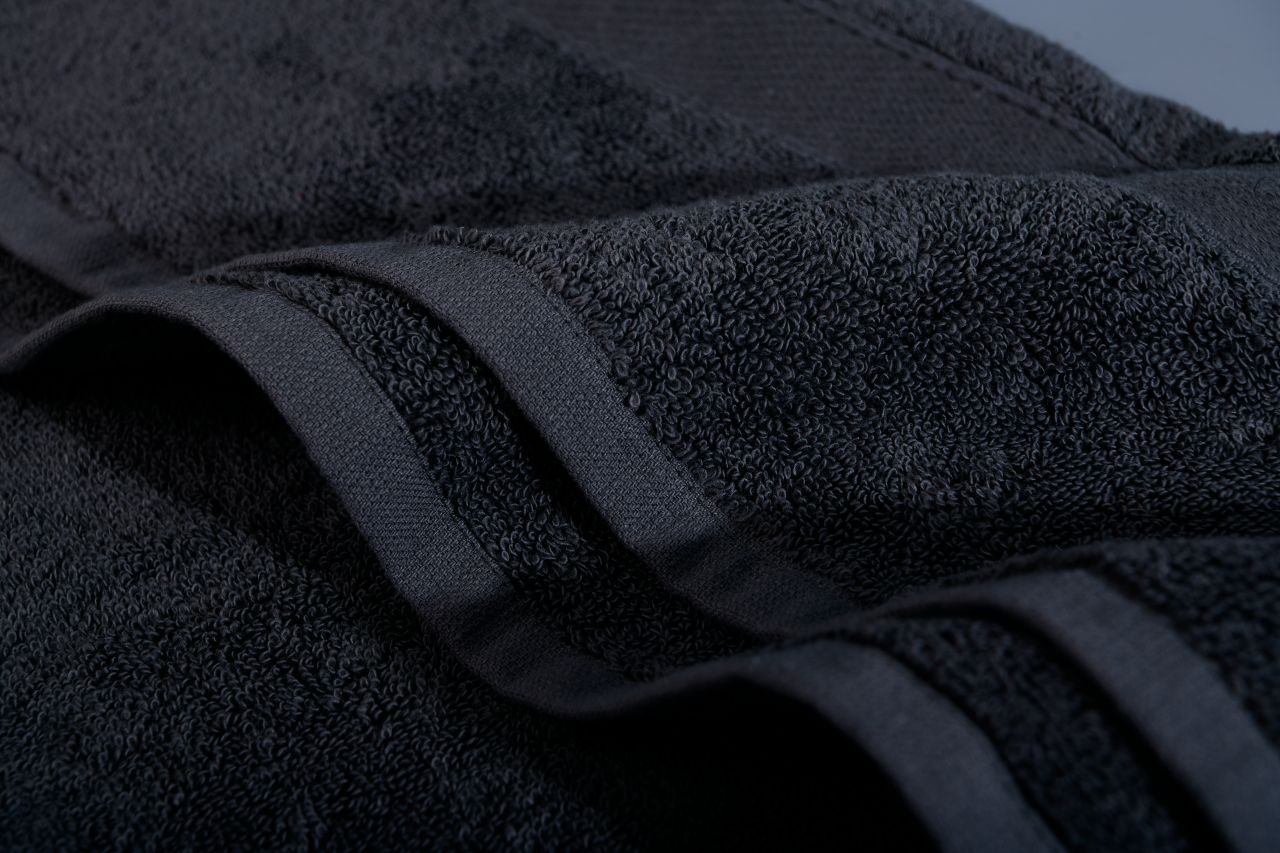
Copper Infused Bath & Gym Towel — 500 GSM Premium Cotton
- 500 GSM Cotton Cloth
- Soft & Premium
- Lightweight & Durable
- Child and Pet-Friendly
- Sale price
- £19.99
- Regular price
- £19.99

