


How Does Compression Socks Help With Plantar Fasciitis?
Author

Rory Donnelly
Published
September 15 2025
Plantar fasciitis can turn everyday movements like stepping out of bed or taking a short walk into a painful experience. The condition typically causes sharp heel pain, especially during your first steps in the morning, and may persist or worsen throughout the day.
These specialised socks don’t just relieve discomfort. They actively promote recovery. Let’s explain what plantar fasciitis is and how compression socks can help manage it.
What is Plantar Fasciitis?
Plantar fasciitis is a common foot condition where the thick band of tissue (called the plantar fascia) that runs along the bottom of your foot becomes irritated or inflamed.
It usually causes sharp heel pain, especially with your first steps in the morning or after sitting for a long time.
What are the Risk Factors/Causes of Plantar Fasciitis?
- Long hours of standing or walking: Staying on your feet for extended periods puts continuous pressure on the plantar fascia, leading to irritation over time.
- Wearing unsupportive footwear: Shoes without proper arch support or cushioning fail to absorb impact, increasing strain on the heel.
- High-impact activities: Activities like running or jumping create repetitive stress on the foot, which can trigger inflammation.
- Tight calf muscles or Achilles tendon: Limited flexibility in the lower leg increases tension on the plantar fascia, especially during movement.
- Foot structure issues: Flat feet or high arches can affect weight distribution, placing extra stress on certain areas of the foot.
- Weight gain or obesity: Extra body weight adds pressure to the plantar fascia, increasing the risk of strain and pain.
- Age factor: Plantar fasciitis is more common between ages 40–60 due to reduced flexibility and natural wear over time.
What are the Symptoms of Plantar Fasciitis?
These are some of the most common symptoms of plantar fasciitis, which often worsen with prolonged standing, walking, or intense activity:
-
Tenderness when pressing the bottom of the heel
-
Discomfort while climbing stairs or standing on tiptoes
-
Sharp pain at the heel, especially with the first steps in the morning
-
Increased pain after long-standing or physical activity
-
Heel stiffness that worsens after periods of inactivity
How Do Compression Socks Help With Plantar Fasciitis?
If you are wondering, do compression socks help with plantar fasciitis? The answer is yes! Here’s how:
-
Corrects Your Alignment
Compression socks reduce the mobility of your feet by providing support to arches and ankles. They cradle the arch of the foot, giving it extra support to relieve pressure on the fascia. Thus, your alignment gets improved, and foot tissues don’t get stressed. They also help in preventing injuries due to exercising in a bad posture.
-
Controls Inflammation & Muscle Damage
Compression socks can help reduce the inflammation due to plantar fasciitis. They do pain management and control muscle damage, which is crucial for the treatment of plantar fasciitis. Compression socks also prevent oxidative stress.
-
Facilitates Healing Process
Your doctor prescribes rest to recover. Plantar fasciitis compression socks work to improve blood circulation during your resting time. This expedites the natural healing process of your body. Better blood flow ensures more oxygen and nutrients reach the plantar fascia, speeding recovery and reducing stiffness.
-
Prevents Recurrence
Consistent use of compression socks can help prevent flare-ups of plantar fasciitis by providing daily support to your heel and arch.
-
Supports Your Veins
These socks also improve circulation in the legs, lowering the risk of spider and varicose veins. They are especially helpful for those who stand or sit for extended periods.
Switch to copper compression socks for better support,
improved circulation, and all-day freshness.
What are the Effective Tips to Wear Compression Socks for Plantar Fasciitis?
Wearing compression socks the right way can make a big difference in managing plantar fasciitis. Here are some effective tips to get the most out of your compression socks:
-
Select the Proper Compression
Choose the right compression level, depending on your comfort level and condition
-
Verify the Fit Correctly
Your socks shouldn't be too tight, but they should fit snugly. Effective support without limiting circulation is ensured by a correct fit.
-
Put on Compression Socks All Day
They work best when worn all day, especially when standing or walking for extended periods of time.
-
Put on Supportive Footwear
For optimal relief, wear your socks with supportive, cushioned shoes.
-
Frequently Change Your Socks
Replace your socks as advised, or every few months to preserve suppleness and hygiene.
What to Look for in Compression Socks for Plantar Fasciitis
Not every pair of socks produces the same outcomes. When purchasing plantar fasciitis compression socks, be sure to check for:
-
Material: Choose materials like spandex or nylon that are breathable and moisture-wicking. Options with copper added offer odour-resistant and antibacterial properties.
-
Fit and Comfort: A decent pair shouldn't roll down or pinch your foot. It should hug it comfortably.
-
Sturdiness: Even after several washings, premium socks keep their structure and compression.
-
Specific Compression: Instead of socks that only compress your legs, look for ones that especially support your arch and heel.
FAQs
-
Can I wear plantar fasciitis socks to bed at night?
Yes, you should wear these socks to bed. The pain of plantar fasciitis is worse when you take the first few steps in the morning. Compression socks help reduce that pain by providing mild arch support and compression.
-
Is it fine to wear compression socks with custom orthotics?
There is no harm in wearing compression socks with custom orthotics as long as you feel comfortable. But it would be best to ask your doctor before wearing them together to make sure they are not conflicting with each other’s healing effects.
-
How frequently should compression socks be worn?
Wear your socks for most of the day and take them off at night for optimal effects. High-quality socks for plantar fasciitis are made to last for an extended time without causing pain.
-
What more can I do to reduce pain besides wearing compression socks for plantar fasciitis?
The advantages of compression socks can be enhanced by easy workouts like rolling your foot over a frozen water bottle, stretching your calf, or stretching with a towel.
-
Who is not a good candidate for compression socks?
Compression socks are not recommended for people with severe peripheral artery disease, skin infections, or specific cardiac disorders. See your physician before using them if you have long-term health issues or circulation issues.
Key Takeaways: How Do Compression Socks Help With Plantar Fasciitis?
-
Compression socks for plantar fasciitis reduce heel pain, improve circulation, and support faster recovery.
-
They provide targeted arch and heel support, preventing the recurrence of symptoms.
-
Copper-infused socks add antibacterial and odour-resistant benefits for long wear.
-
Wearing them daily with proper shoes and fit ensures maximum comfort and relief.
-
Best suited for athletes, travellers, pregnant women, and anyone managing plantar fasciitis pain.
-

Post-Workout Hygiene: What You Shouldn’t Ign...
April 15, 2026
-

Compression Socks for Desk Job
April 15, 2026
-

Running in Cold Weather? Learn Benefits, Saf...
March 26, 2026
-

Sweaty Feet: Causes, Remedies, and Preventio...
March 12, 2026
-

Post Run Recovery: Can Compression Socks Rea...
February 24, 2026


Popular Products
FFP2 CE Four-Layer Copper Infused Face Mask
- Four layers of protection
- Comfortable & washable
- Sale price
- £22.99
- Regular price
- £22.99
Full Finger Gloves (Copper Gloves)
- Ultimate comfort & flexibility
- Provides warmth and comfort for hands
- Washable
- Sale price
- £22.99
- Regular price
- £22.99
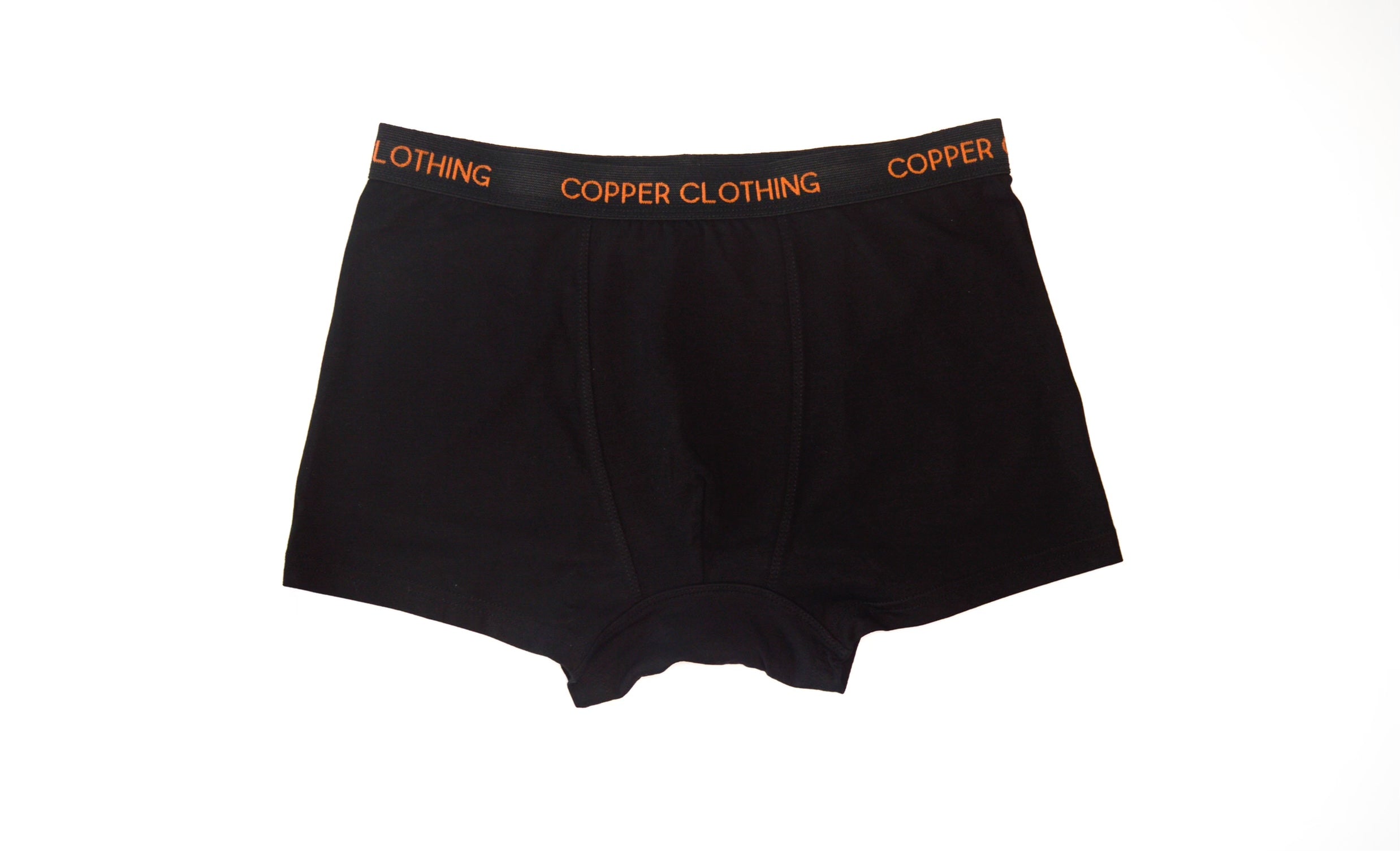
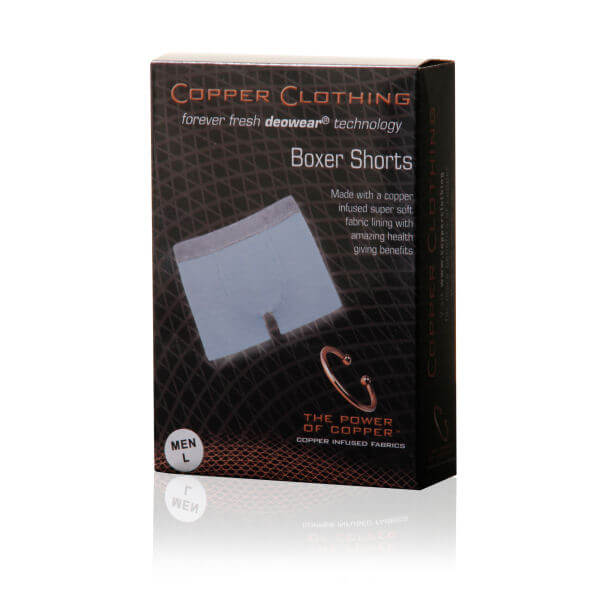
Men’s Copper Boxer Shorts – Soft, Breathable Underwear for Everyday Comfort
- Soft cotton & bamboo blend
- Breathable & lightweight feel
- Stretch comfort for daily movement
- Sale price
- £9.99
- Regular price
- £9.99
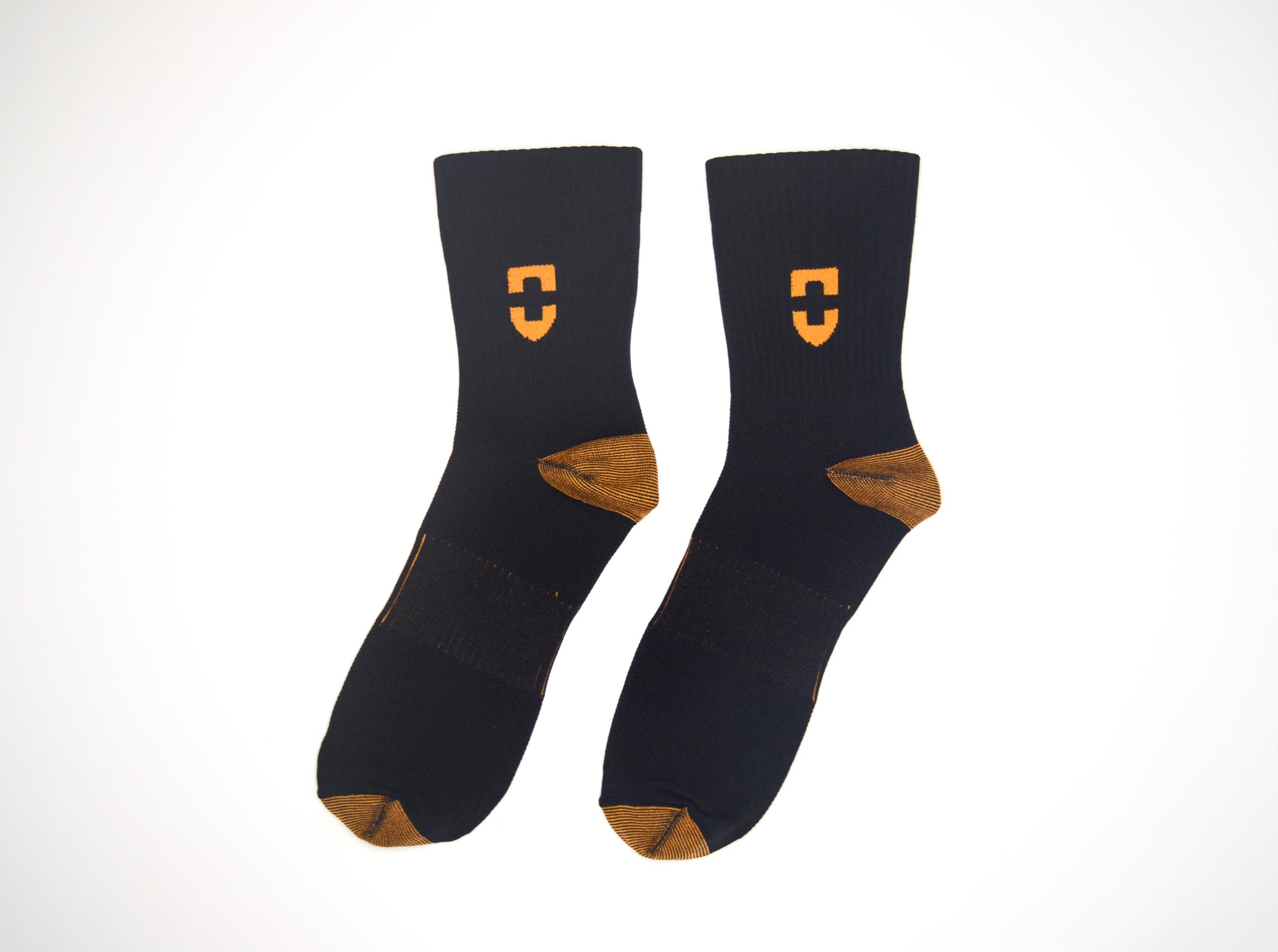
Short Compression Copper Infused Socks
- Breathable Compression Fabric, Comfortable & Durable
- 8 - 15mmHg of Compression
- Best socks for long flights and journey
- Sale price
- £12.99
- Regular price
- £12.99
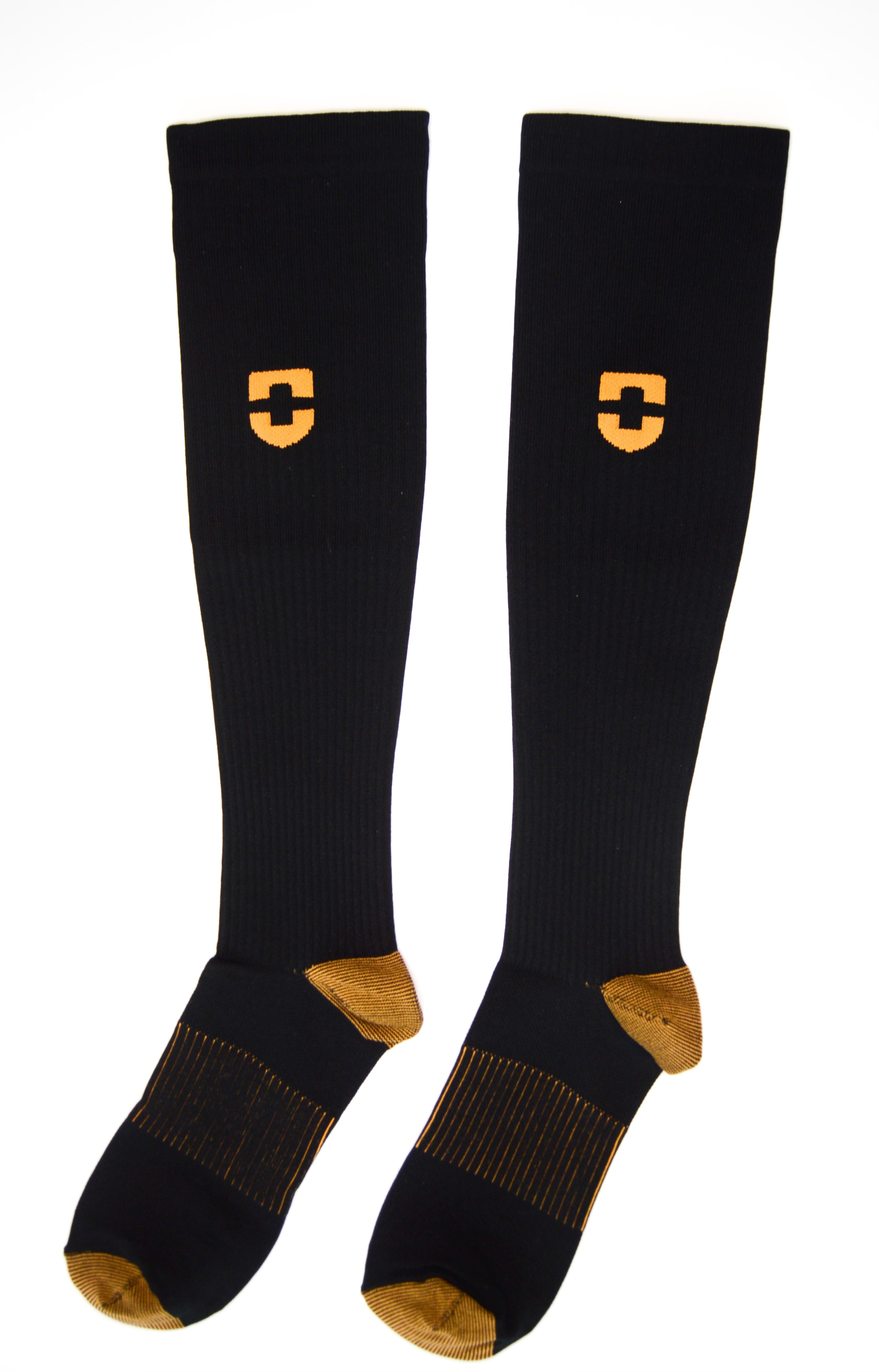
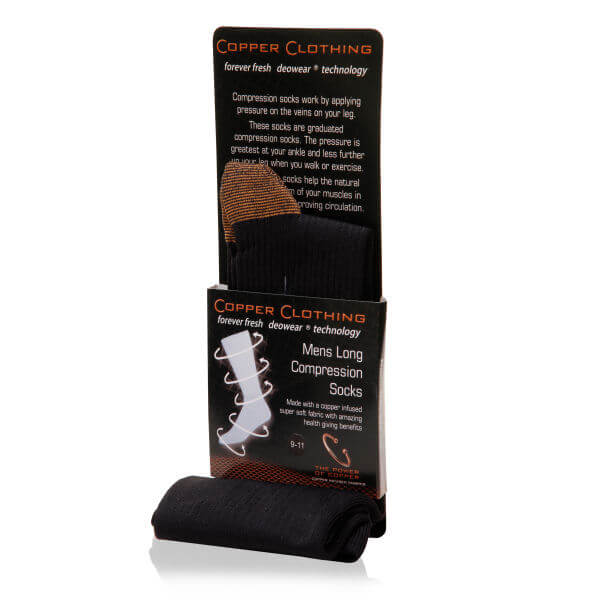
Long Copper Infused Compression Socks
- Breathable Compression Fabric, Comfortable & Durable
- 8 - 15mmHg of Compression
- Best socks for long flights and journey
- Sale price
- £15.99
- Regular price
- £15.99
Ladies Copper Infused Pyjamas
- Luxuriously Soft Cotton & Bamboo
- Ideal for daily wear
- Sale price
- £49.99
- Regular price
- £49.99
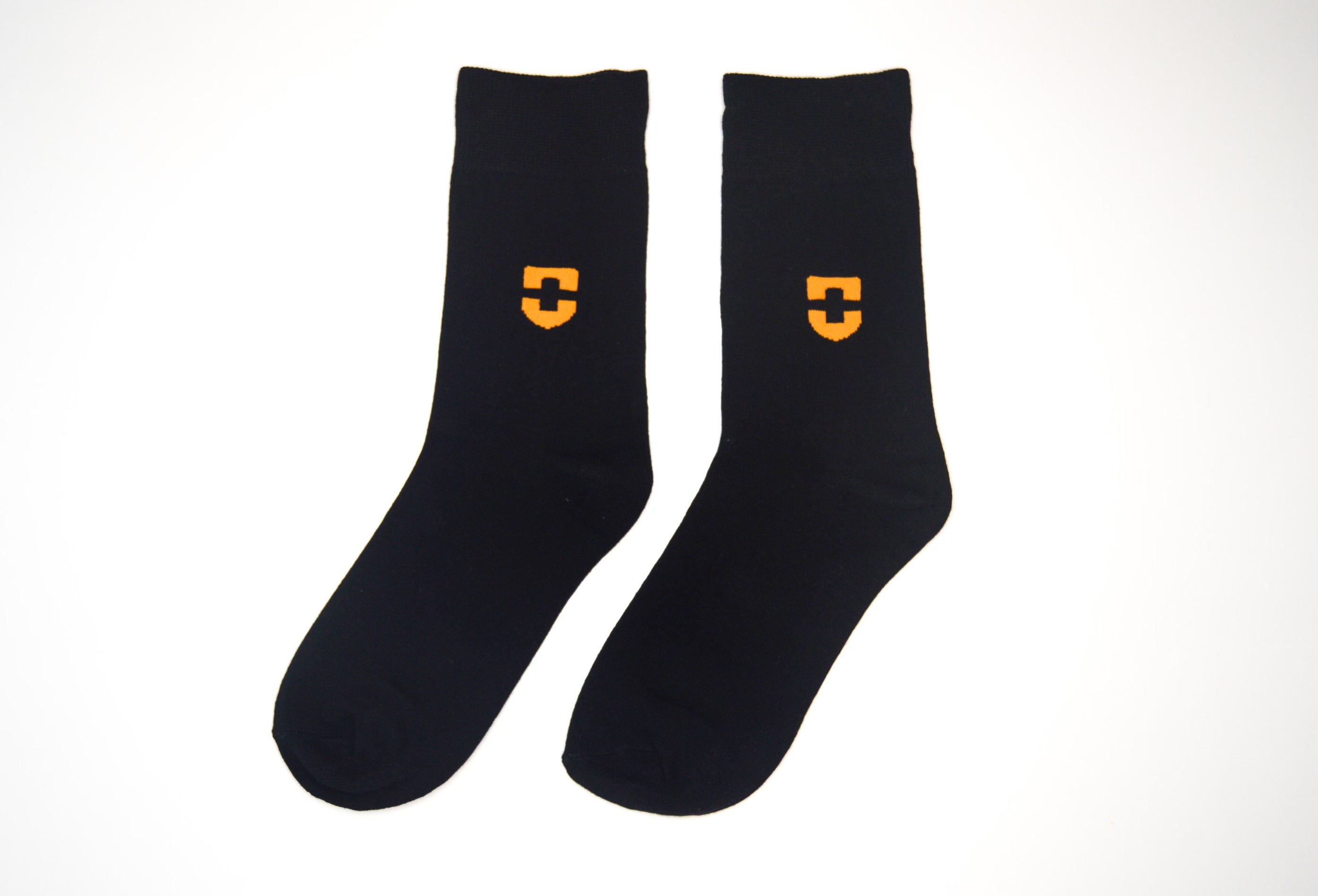
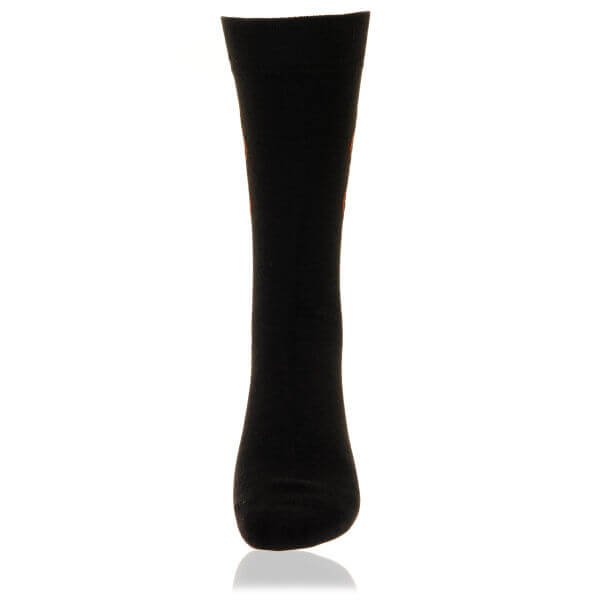
Everyday Copper Socks – Soft, Breathable Socks for Daily Comfort
- Soft & breathable fabric
- Comfortable for long-hour wear
- Lightweight everyday fit
- Sale price
- £9.99
- Regular price
- £9.99
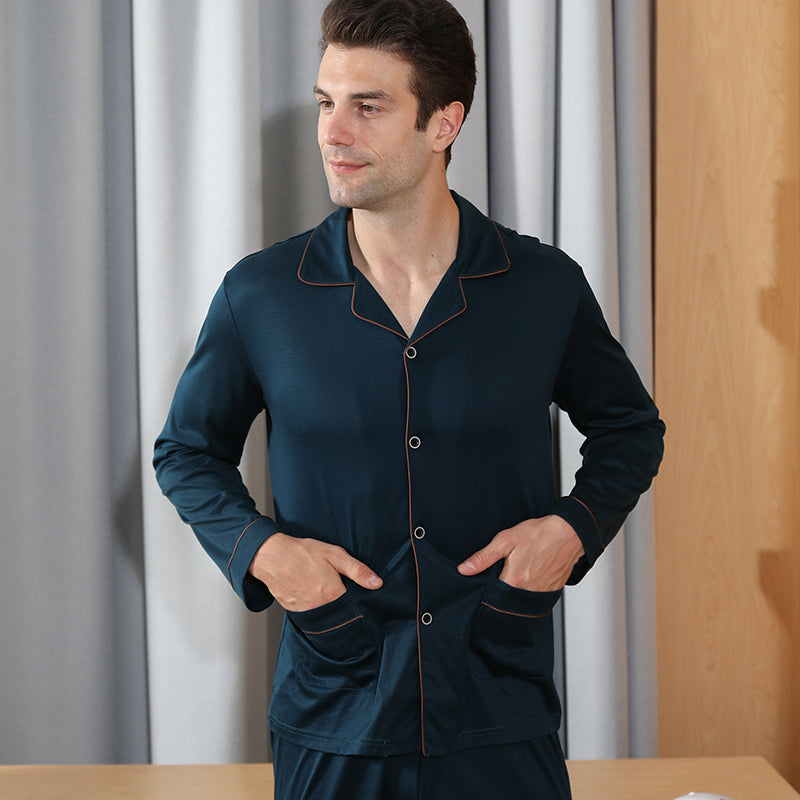
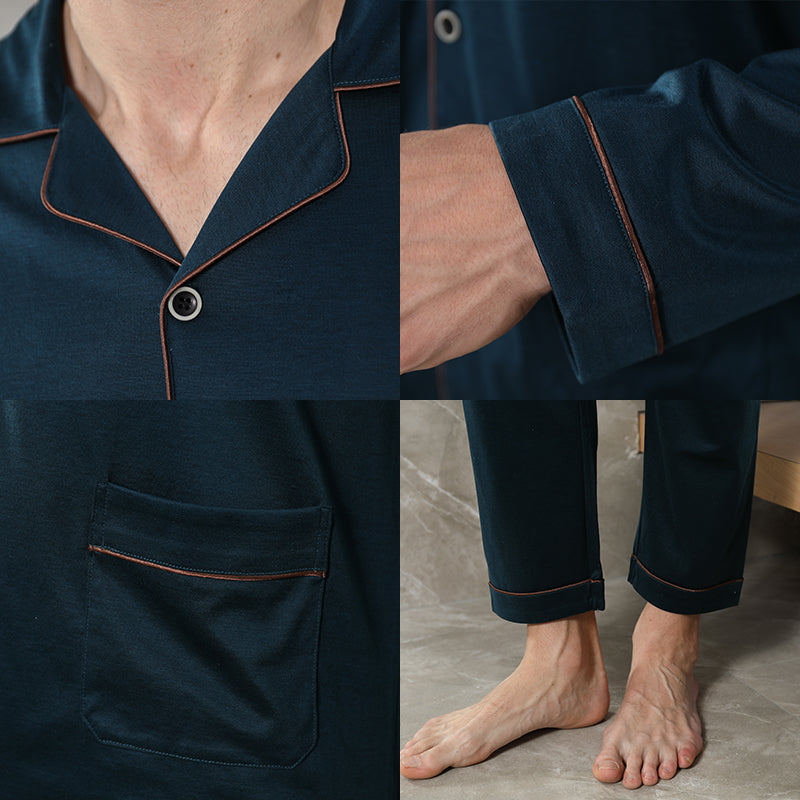
Mens Copper Infused Pyjamas
- Luxuriously Soft Cotton & Bamboo
- Promotes Healthier & Softer Skin
- Sale price
- £54.99
- Regular price
- £54.99
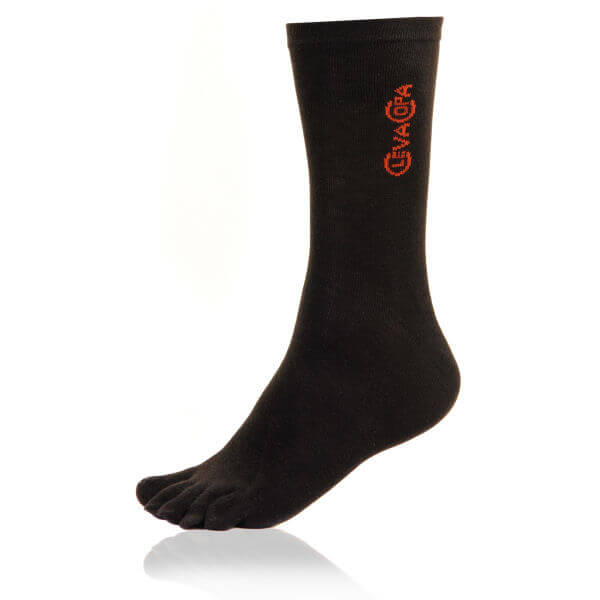
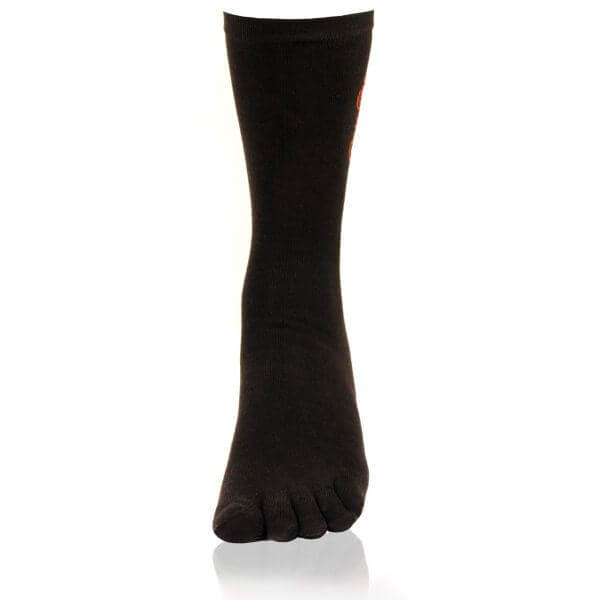
Copper Infused Five Toe Socks
- Promotes Softer Healthier Feet
- Completely Seamless
- Best for long journey and flights
- Sale price
- £14.99
- Regular price
- £14.99
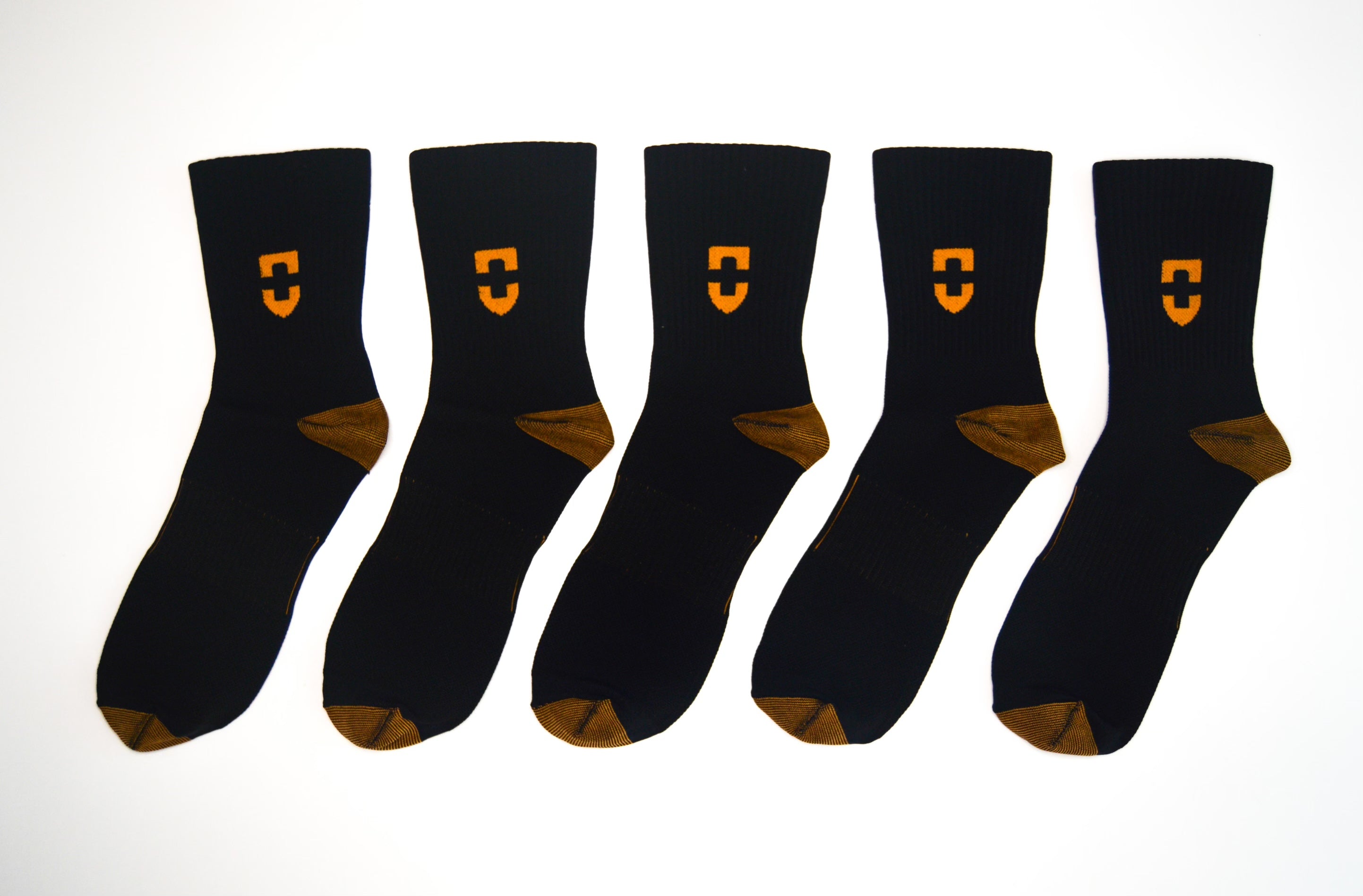
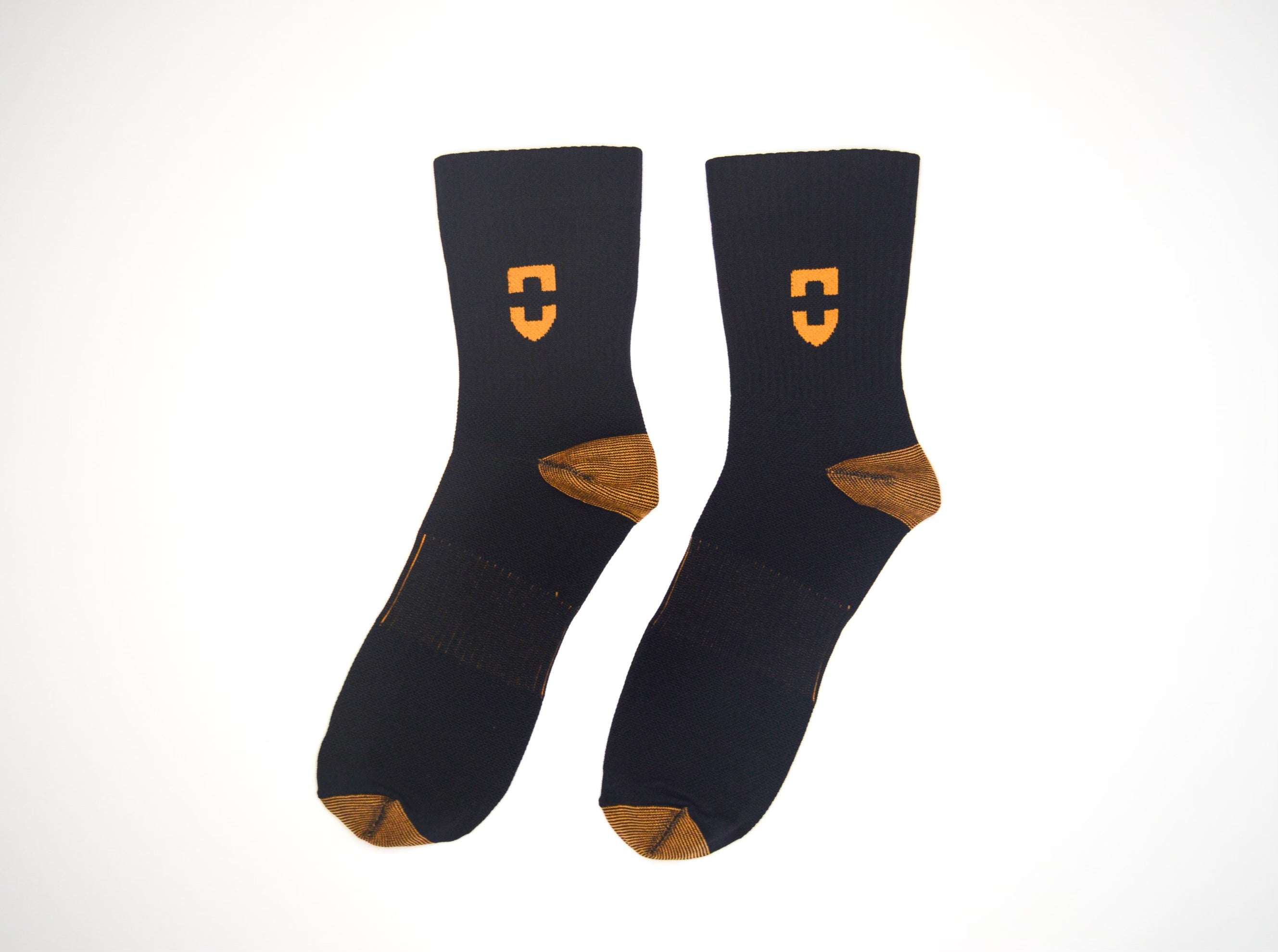
5-Pack Short Compression Copper Infused Socks
- Breathable Compression Fabric & Comfortable
- 8-15mmHg of Compression
- Best socks for long flights and travel
- Sale price
- £59.95
- Regular price
- £64.95
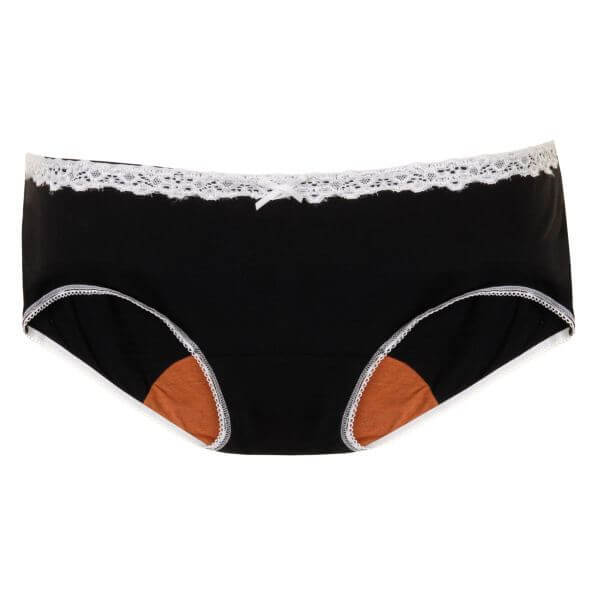
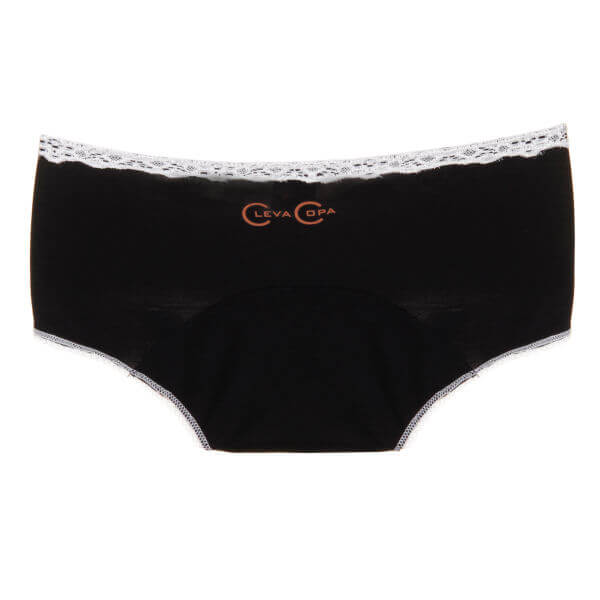
Womens Copper Infused Briefs
- Soft cotton & bamboo blend
- Breathable lightweight feel
- Flexible everyday comfort
- Sale price
- £9.99
- Regular price
- £9.99
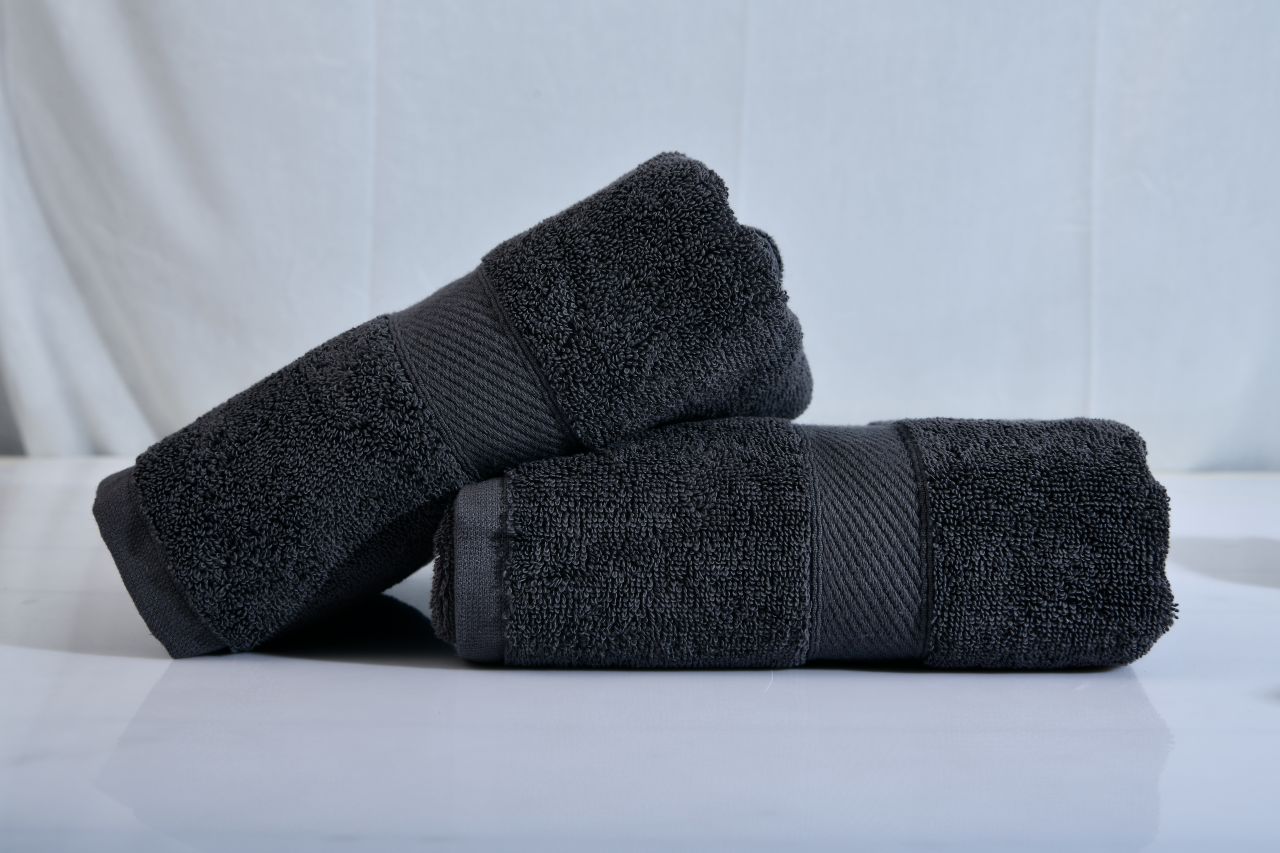
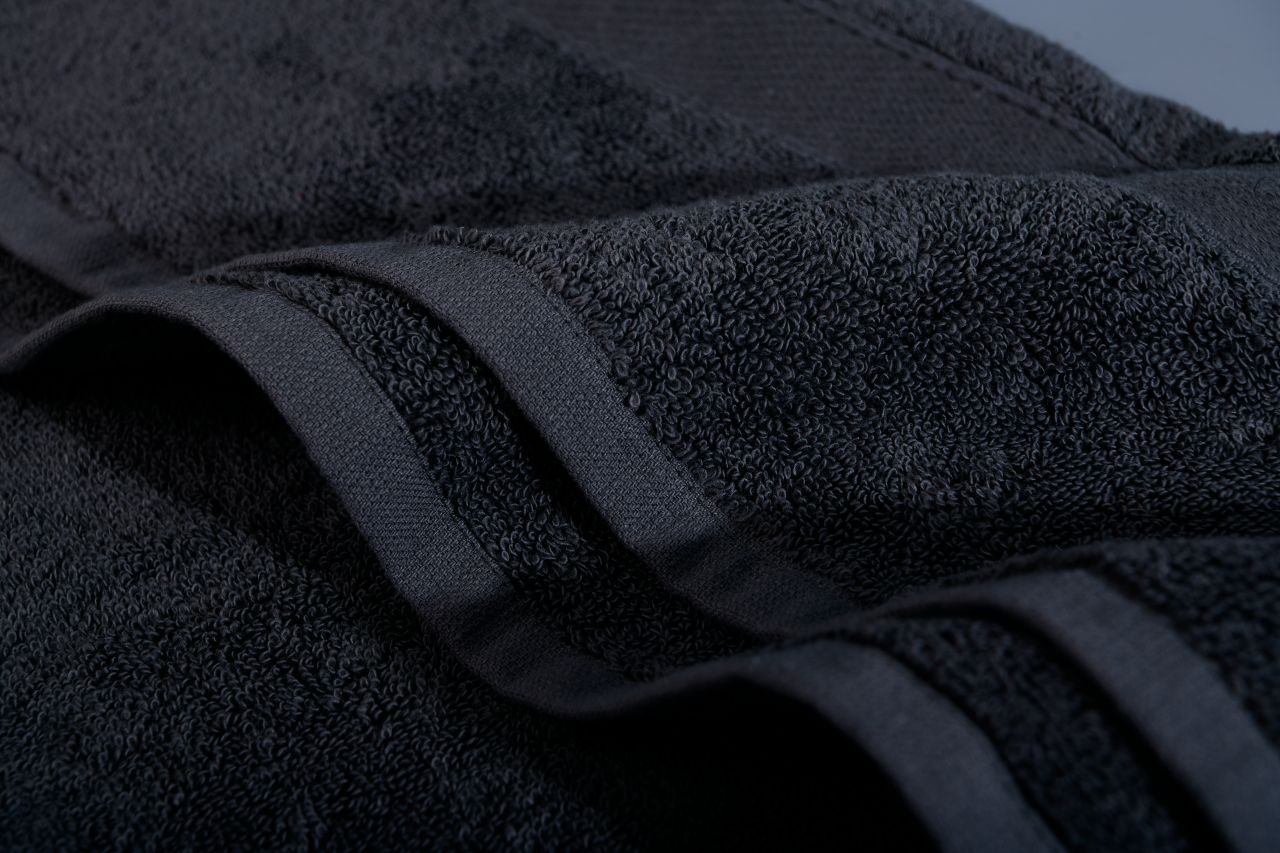
Copper Infused Bath & Gym Towel — 500 GSM Premium Cotton
- 500 GSM Cotton Cloth
- Soft & Premium
- Lightweight & Durable
- Child and Pet-Friendly
- Sale price
- £19.99
- Regular price
- £19.99

