


How Often Should You Wash Your Bed Sheets
Author

Rory Donnelly
Published
April 29 2024
Last Updated
May 20 2026
Most people should wash their bed sheets once a week. Regular washing helps remove sweat, body oils, dust mites, dead skin cells, and allergens that build up over time. If you sweat heavily, sleep with pets, have allergies, or are sick, washing sheets every 3–5 days may be better.
Clean sheets can help improve sleep comfort, reduce odors, and keep your sleeping environment fresher and healthier.
How Often Should You Wash Your Sheets
Most people should wash their sheets once a week to keep their bed clean, fresh, and comfortable. Over time, sheets collect sweat, body oils, dead skin cells, dust, and allergens, even if they look clean. Washing them regularly helps improve hygiene and sleep quality. However, some people may need to wash their sheets more often, especially if they sweat heavily at night, sleep with pets, have allergies, or are sick. In less frequently used beds, such as guest rooms, washing sheets every two weeks is usually enough.
Experience fresher, more comfortable sleep with copper-infused sheets from Copper Clothing
Buy NowWashing Frequency for Other Types of Bedding
|
Type of Bedding |
Recommended Wash Frequency |
|
Fitted and top sheet |
It's best to wash these every week or every two weeks. |
|
Pillowcases |
Pillowcases should be washed weekly. |
|
Duvet covers |
If you don't use a top sheet, aim to wash duvet covers weekly. If you do use a top sheet, monthly washing should suffice. |
|
Comforters |
For those who skip the top sheet, washing comforters weekly is advisable. If you use a top sheet, monthly washing is adequate. |
|
Duvet inserts |
These should be washed every three months. |
|
Weighted Blanket |
Every three months is the recommended washing frequency. If the blanket is over 20 pounds, it's best to take it to a laundromat for cleaning. |
|
Mattress pad |
Aim to wash mattress pads every three to four months. |
|
Pillow inserts |
Pillow inserts should also be washed every three to four months. |
Why You Need to Wash Your Sheets
Washing your sheets becomes essential because of the following reasons:
-
Skin Shedding
Have you ever thought about the dead skin you leave behind? On average, a person sheds about 1.5 grams of keratinocytes, mostly consisting of the protein keratin, every day. That's nearly half a teaspoon of dead skin visually.
Friction, such as rubbing against your bedsheets, contributes to shedding the outer layer of skin cells.
-
Bacterial Growth
When dead skin cells accumulate on your sheets, bacteria thrive. They see these cells as an ideal environment to multiply, colonizing your bedding and pillows.
However, investing in antibacterial bedding from Copper Clothing which comes infused with copper ions can help to solve this issue. Copper fabric helps with eliminating bacteria upon contact, ensuring fresher sheets for longer periods.
-
Dust Mites
Dust mites are microscopic creatures that feed on dead skin cells. These tiny arachnids are present worldwide and can number up to a million in a single day, feeding on the dead skin we naturally shed.
While they don't bite or burrow into the skin like other pests, dust mites can contribute to health problems if left unchecked.
-
Pet-Related Concerns
If you share your bed with pets, be aware that they can introduce fungal organisms that may cause skin issues in humans. From ringworm to more severe infestations like scabies, transmitted by mites, pets can inadvertently transfer these parasites.
Regularly washing your sheets can help prevent the spread of these potential health concerns.
Why You Need to Wash Pillowcases More Often
Pillowcases collect more sweat, facial oils, dead skin cells, and hair products than most other bedding items because they stay in direct contact with your face and hair every night. Over time, this build-up can make pillowcases feel less fresh and may contribute to skin irritation or acne for some people.
Washing pillowcases more often ideally once or twice a week helps keep them cleaner, fresher, and more comfortable to sleep on. Regular washing can also reduce dust, allergens, and odors that collect on the fabric.
Additional Unwanted Elements in Your Bed
- Bodily Fluids: People sweat a lot in bed each year, around 26 gallons! And there's also oil and saliva to think about.
- Beauty Products: Even if you wash your face before bed, you might still have makeup or lotion residue on your skin.
- Crumbs: If you snack in bed, you might end up with crumbs on your sheets.
- Pet-related Germs: Besides shedding fur and mites, your pets can bring in dirt, feces, or litter on their paws.
All of these things give bacteria more reasons to stick around while you're trying to get some sleep.
What Happens When You Don't Wash Your Sheets
- Allergies:Dust mites can cause allergic reactions in many people, leading to symptoms such as itching, asthma flare-ups, and seasonal allergies.
- Respiratory Problems: Individuals with asthma are more likely to experience dust mite allergies. However, even without a pre-existing condition, sharing a bed with dust mites can lead to symptoms like wheezing and difficulty breathing.
- Skin Irritations:Prolonged exposure to dust mites can result in skin rashes, while certain bacteria may also contribute to this condition.
- Eczema Aggravation: Eczema, a common skin condition, can worsen due to the presence of dust mites and bacteria on bedding, leading to increased dryness and bacterial growth.
- Follicular Inflammation: Exposure to bacteria in bedding can increase the risk of folliculitis, which involves inflammation, infection, or irritation of hair follicles.
Closing Thoughts
Keeping your sheets clean is a simple step towards better sleep. Washing them weekly might not always be convenient, but it can make a big difference in how you feel. If you'd prefer to wash less often, copper-infused sheets are a cool option that can help keep things fresh for longer. No matter what you choose, remember that clean sheets mean a cleaner and healthier you!
-

Post-Workout Hygiene: What You Shouldn’t Ign...
April 15, 2026
-

Compression Socks for Desk Job
April 15, 2026
-

Running in Cold Weather? Learn Benefits, Saf...
March 26, 2026
-

Sweaty Feet: Causes, Remedies, and Preventio...
March 12, 2026
-

Post Run Recovery: Can Compression Socks Rea...
February 24, 2026


Popular Products
FFP2 CE Four-Layer Copper Infused Face Mask
- Four layers of protection
- Comfortable & washable
- Sale price
- £22.99
- Regular price
- £22.99
Full Finger Gloves (Copper Gloves)
- Ultimate comfort & flexibility
- Provides warmth and comfort for hands
- Washable
- Sale price
- £22.99
- Regular price
- £22.99
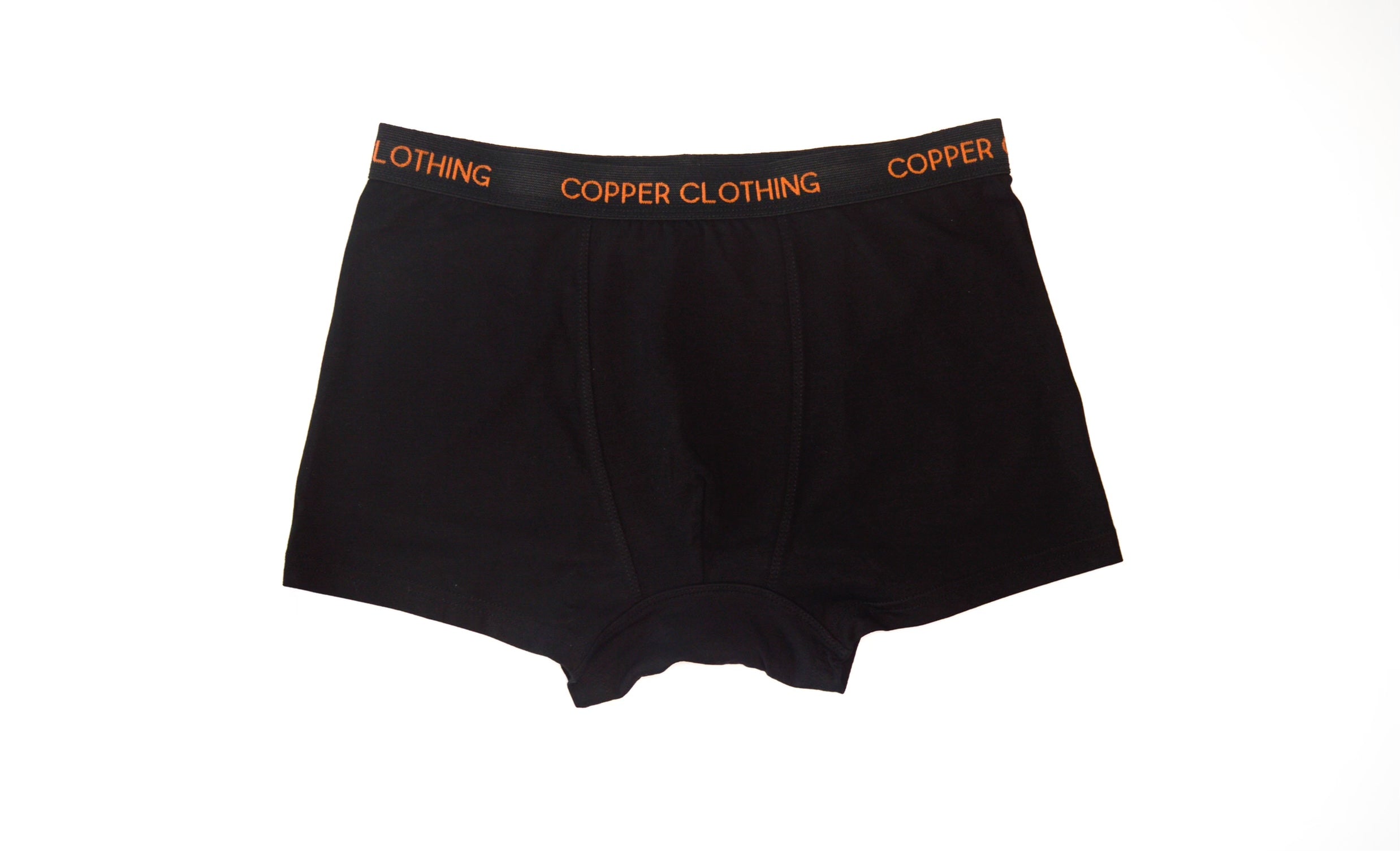
Men’s Copper Boxer Shorts – Soft, Breathable Underwear for Everyday Comfort
- Soft cotton & bamboo blend
- Breathable & lightweight feel
- Stretch comfort for daily movement
- Sale price
- £9.99
- Regular price
- £9.99
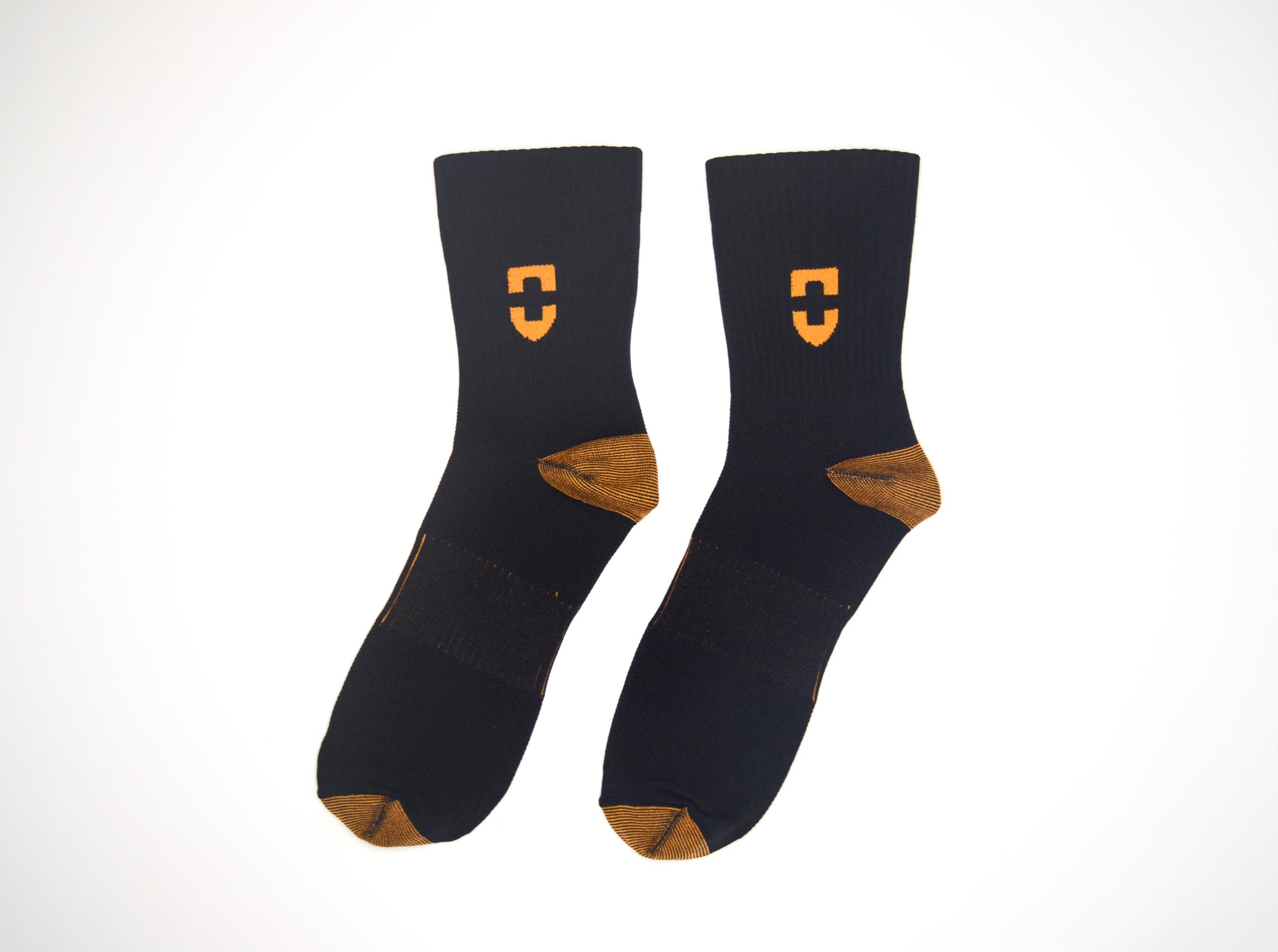
Short Compression Copper Infused Socks
- Breathable Compression Fabric, Comfortable & Durable
- 8 - 15mmHg of Compression
- Best socks for long flights and journey
- Sale price
- £12.99
- Regular price
- £12.99
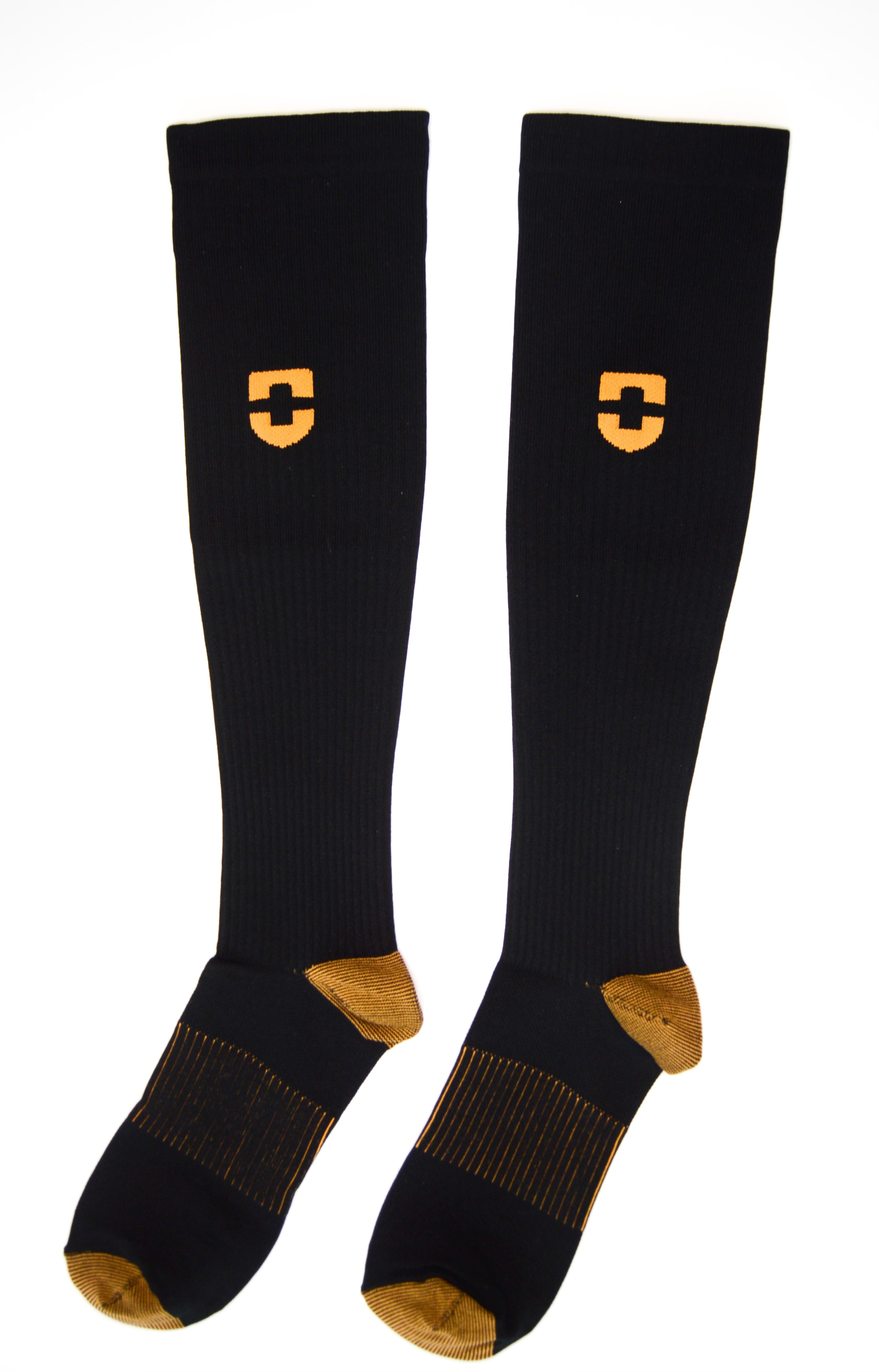
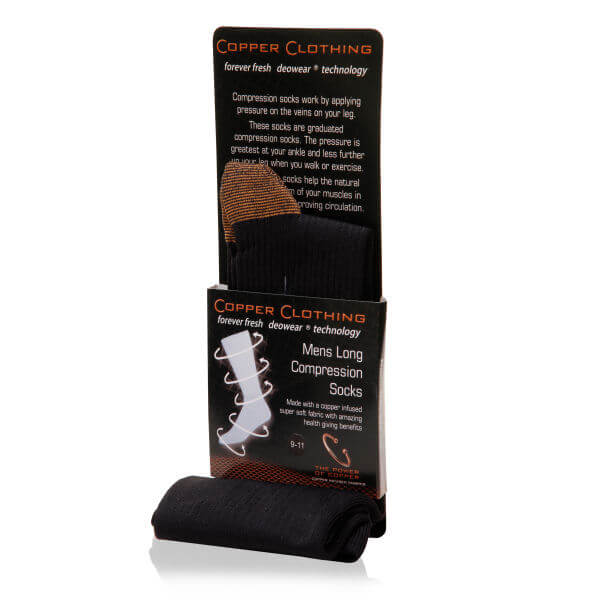
Long Copper Infused Compression Socks
- Breathable Compression Fabric, Comfortable & Durable
- 8 - 15mmHg of Compression
- Best socks for long flights and journey
- Sale price
- £15.99
- Regular price
- £15.99
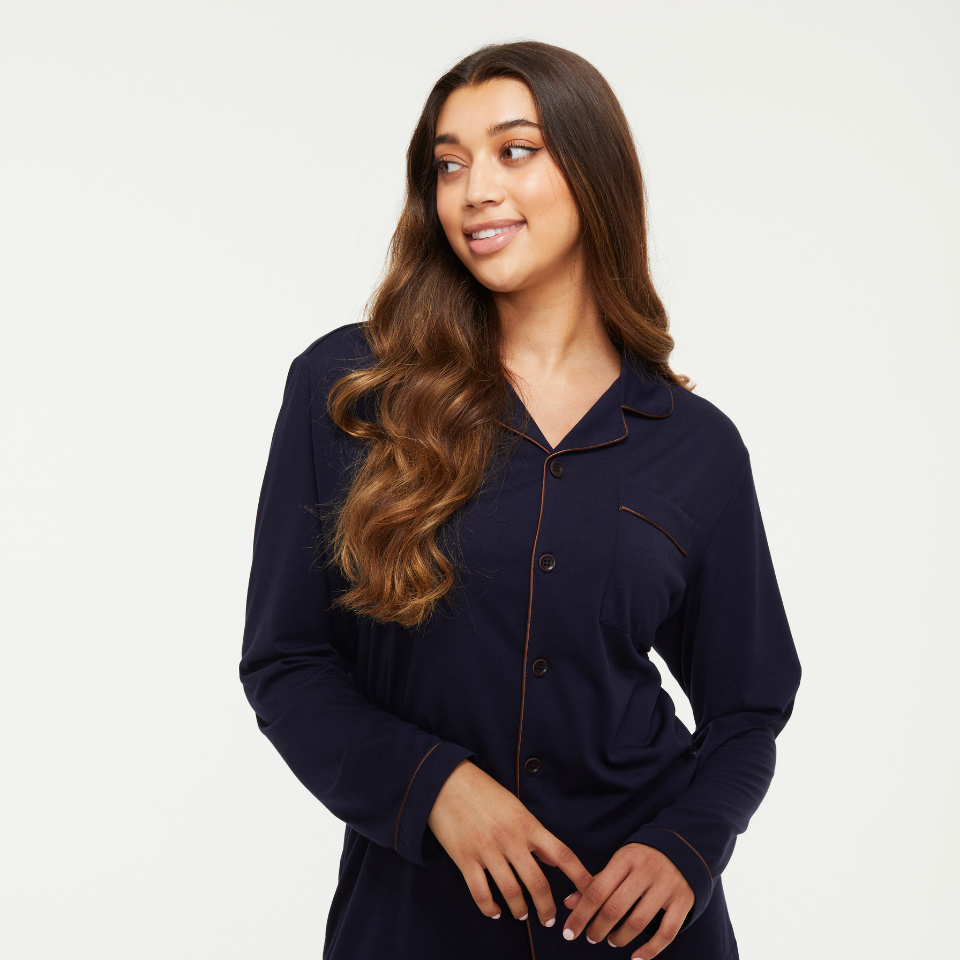
Ladies Copper Infused Pyjamas
- Luxuriously Soft Cotton & Bamboo
- Ideal for daily wear
- Sale price
- £49.99
- Regular price
- £49.99
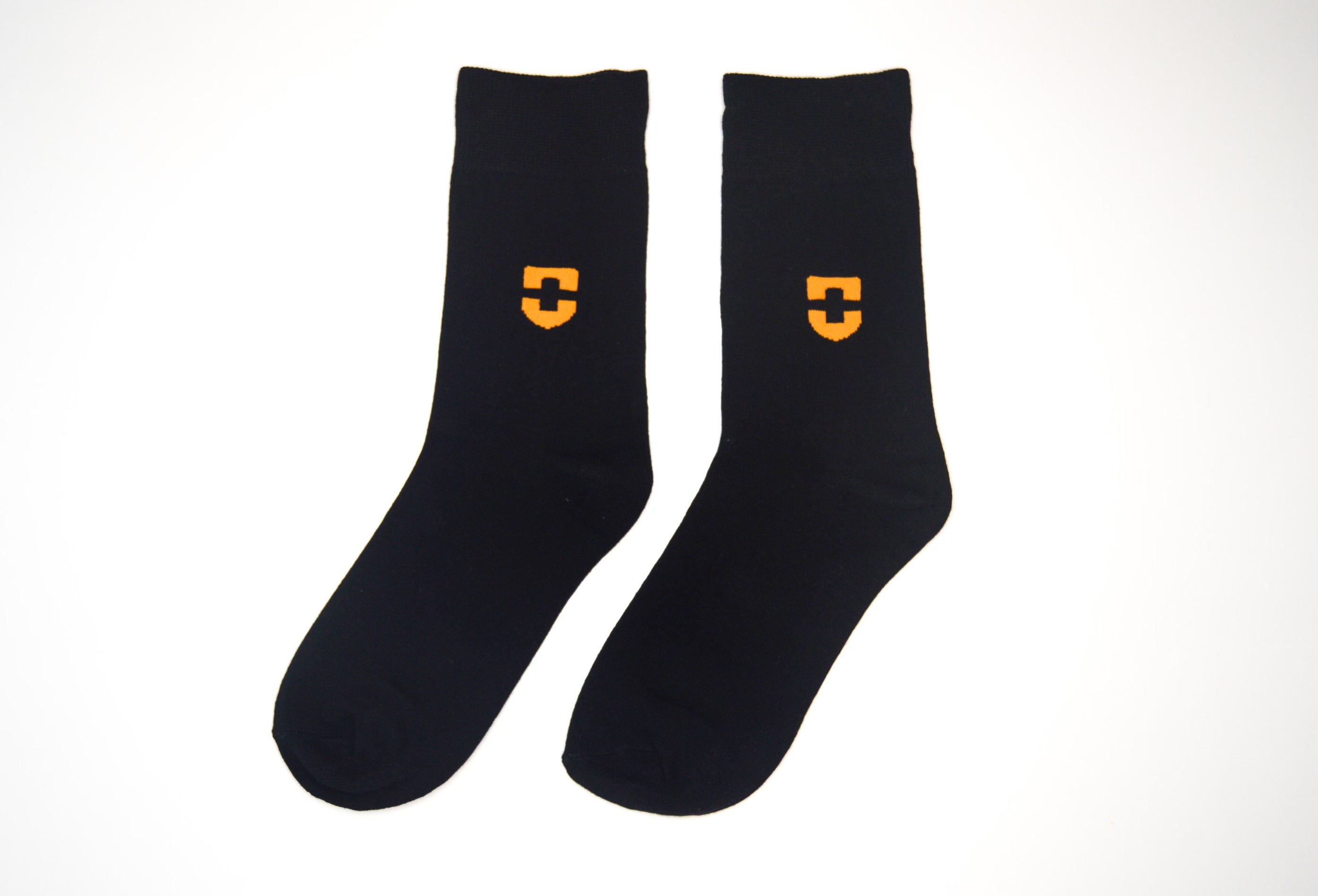
Everyday Copper Socks – Soft, Breathable Socks for Daily Comfort
- Soft & breathable fabric
- Comfortable for long-hour wear
- Lightweight everyday fit
- Sale price
- £9.99
- Regular price
- £9.99
Mens Copper Infused Pyjamas
- Luxuriously Soft Cotton & Bamboo
- Promotes Healthier & Softer Skin
- Sale price
- £54.99
- Regular price
- £54.99
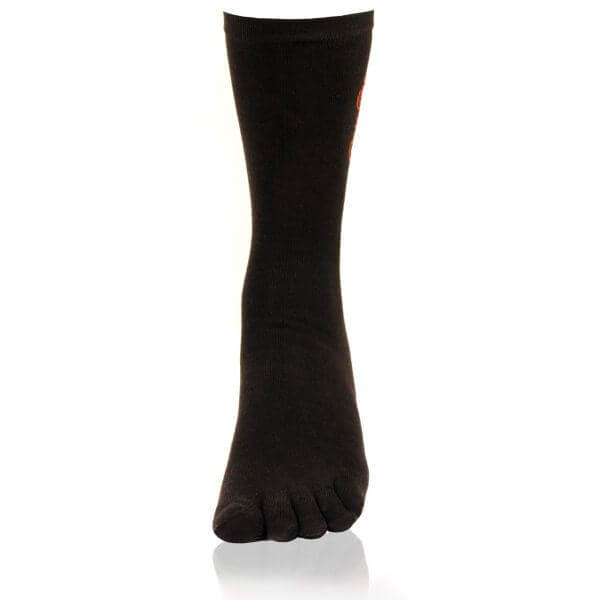
Copper Infused Five Toe Socks
- Promotes Softer Healthier Feet
- Completely Seamless
- Best for long journey and flights
- Sale price
- £14.99
- Regular price
- £14.99
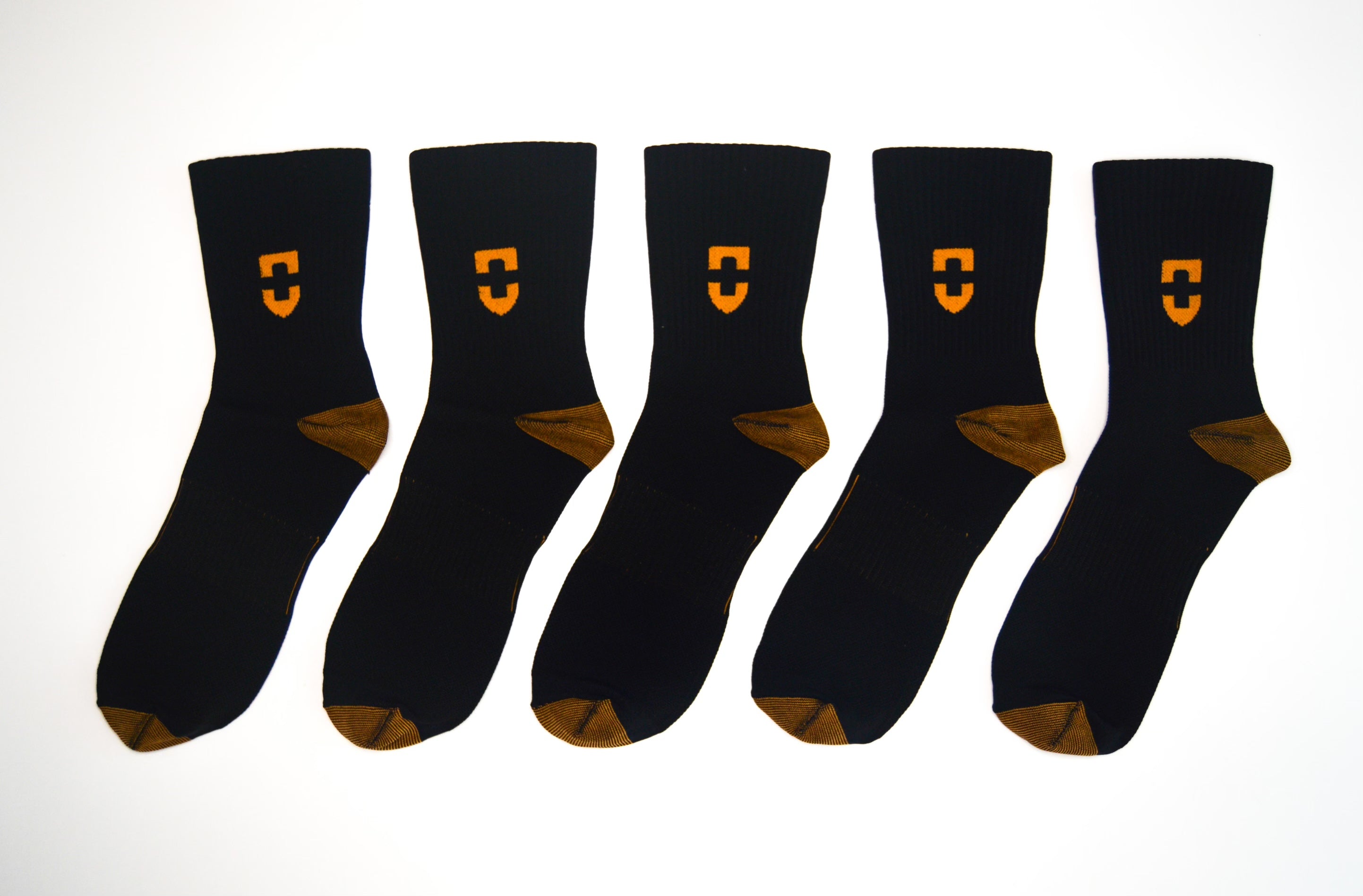
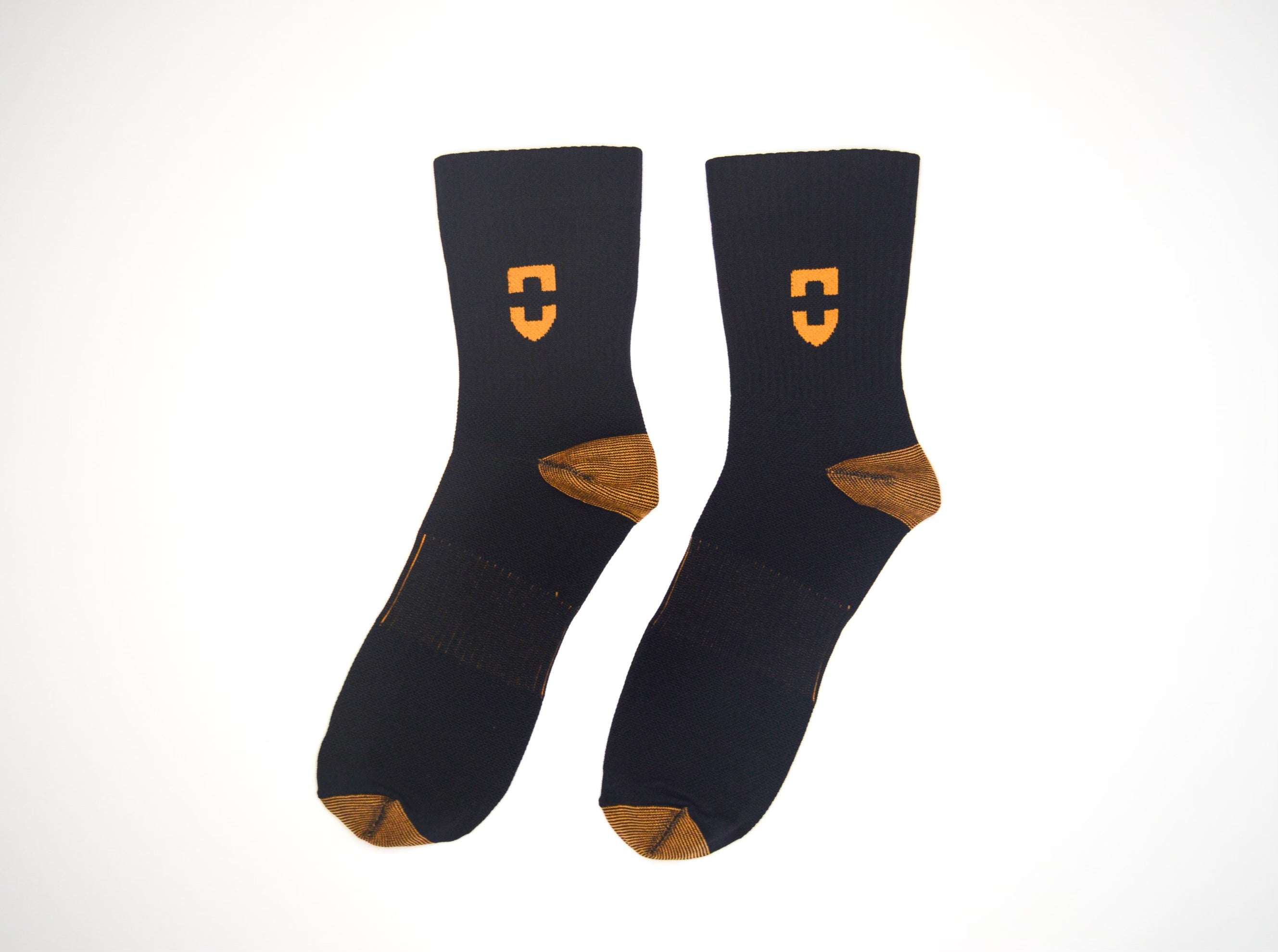
5-Pack Short Compression Copper Infused Socks
- Breathable Compression Fabric & Comfortable
- 8-15mmHg of Compression
- Best socks for long flights and travel
- Sale price
- £59.95
- Regular price
- £64.95
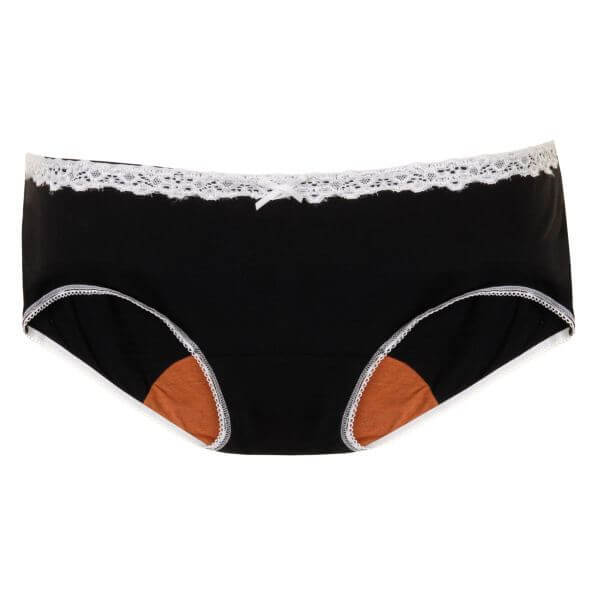
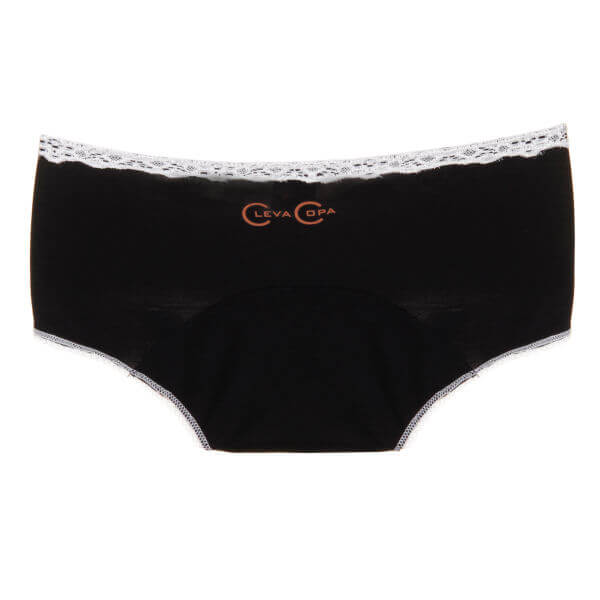
Womens Copper Infused Briefs
- Soft cotton & bamboo blend
- Breathable lightweight feel
- Flexible everyday comfort
- Sale price
- £9.99
- Regular price
- £9.99
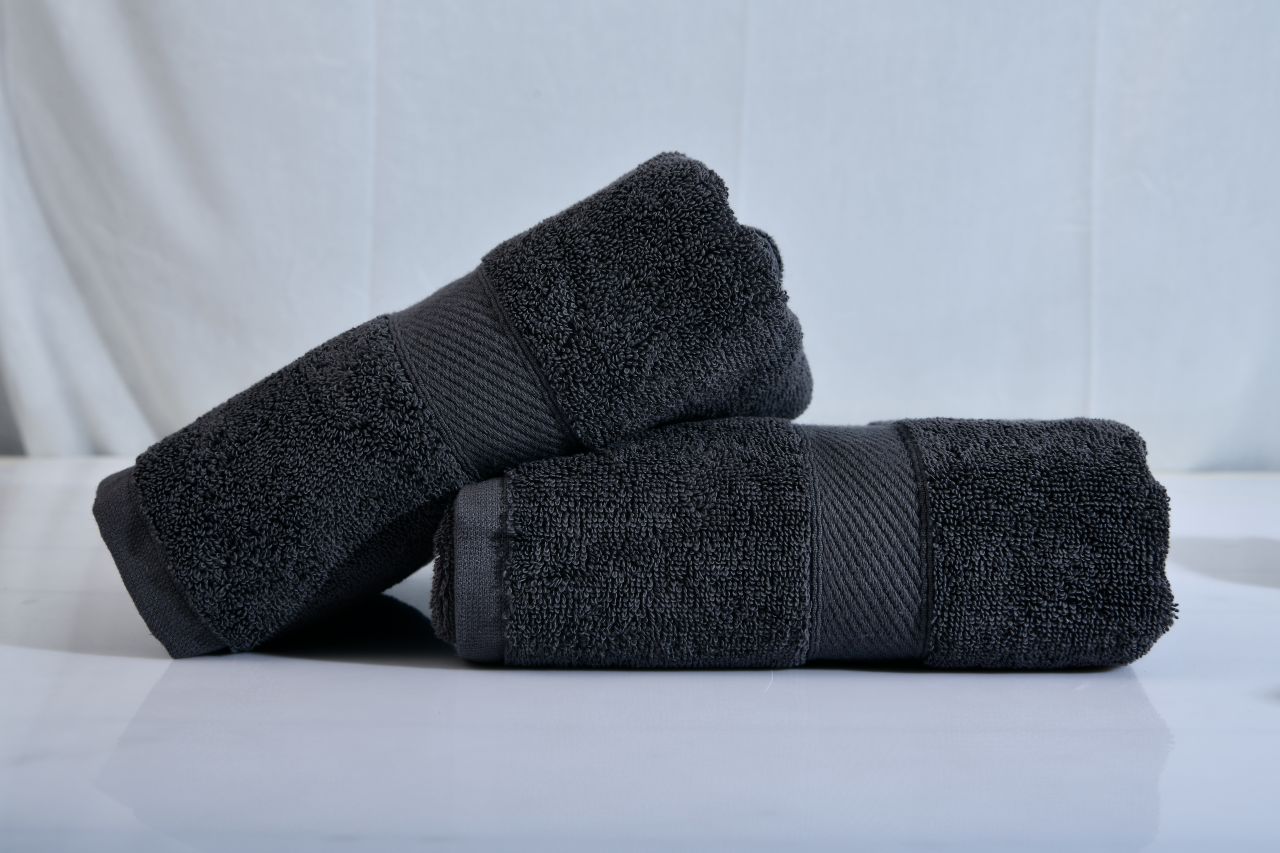
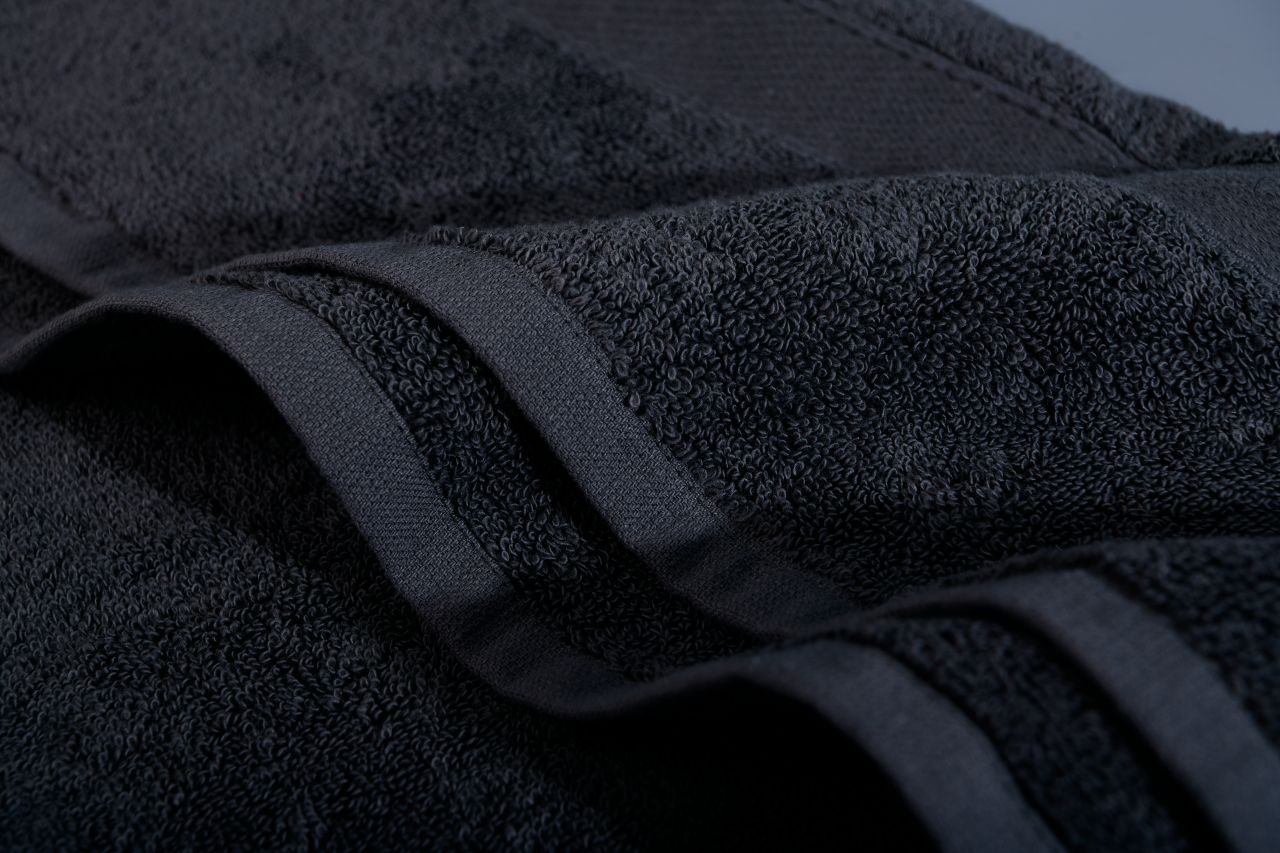
Copper Infused Bath & Gym Towel — 500 GSM Premium Cotton
- 500 GSM Cotton Cloth
- Soft & Premium
- Lightweight & Durable
- Child and Pet-Friendly
- Sale price
- £19.99
- Regular price
- £19.99

