


How Tight Should Compression Socks Be?
Author

Rory Donnelly
Published
October 01 2024
Last Updated
June 19 2026
Key Takeaways:
- Compression socks should feel snug and supportive, but they should never cause pain or restrict circulation.
- Once you know how tight your compression socks should be, it avoids discomfort.
- Understanding the different compression levels makes it easier to decide what level of compression socks you need.
- Copper-infused compression socks are designed for comfort, shape retention, and long-lasting wear.
Compression socks should feel firm and supportive without causing pain or restricting blood flow. Choosing the right fit and compression level helps you stay comfortable while getting the support your legs need.
How Tight Should Compression Socks Feel?
Your compression socks should feel snug, supportive, and secure, but never painful or restrictive. They should fit like a second skin and apply graduated pressure, with the strongest compression around the ankle.
If they cause numbness, severe marks, or discomfort, they may be too tight. If they slide down or bunch up, they may not be tight enough.
Signs Your Compression Socks Are Too Tight
Here’s how to know if your compression socks are too tight:
- Pain or Discomfort: Compression socks should feel supportive, not painful. Persistent discomfort often indicates that the size or compression level is too high.
- Visible Red Marks or Deep Indentations: Light impressions are normal, but deep marks that remain for a long time could mean excessive pressure.
- Tingling or Numbness: If you feel your legs going numb or experience a tingling sensation, these may suggest restricted circulation and should not be ignored.
- Skin Discolouration: Pale, bluish, or unusually red skin may indicate compromised blood flow. Remove the socks and reassess the fit.
- Difficulty Putting Them On: Compression socks are naturally snug, but they should not require excessive force. If wearing them feels like a struggle, consider sizing up.
-
Wrinkles or Bunching: Folded fabric creates uneven pressure points and reduces the effectiveness of compression.
Signs Your Compression Socks Are Too Loose
While compression socks that are too tight can be a problem, socks that are too loose will not provide the support your legs need. Here are some common signs:
- Socks Slide Down or Gather Around Ankles: This usually means the size is too large or the socks have lost elasticity.
- No Reduction in Swelling Even After 2 Weeks: If you notice little or no improvement even after consistently wearing your compression socks for 2 weeks, the compression level or size may not be suitable.
- Top Band Rolls Down: Rolled-down fabric can form a tight ring around the area and create uneven pressure. This should be corrected immediately.
Compression Sock Pressure Levels Explained: Which mmHg Rating Is Right for You?
What level of compression socks do you really need?
Understanding mmHg ratings is a good place to start.
| Compression Level | Pressure (mmHg) | Common Uses |
| Light | 8-15 mmHg | Everyday tired legs, mild discomfort |
| Mild | 15-20 mmHg | Travel, pregnancy, standing or sitting for long periods |
| Medium (Class I) | 20-30 mmHg | Moderate swelling, athletic recovery, doctor-recommended support |
| Firm (Class II) | 30-40 mmHg | More severe symptoms, medical conditions |
| Extra Firm (Class III) | 40-50 mmHg | Prescription-only use under medical supervision |
- Light: 8-15 mmHg This light compression level is suitable for mild tiredness and occasional discomfort. It is often chosen by people trying compression socks for the first time.
- Mild: 15-20 mmHg This is one of the most popular levels for daily wear. It provides gentle support for travel, pregnancy, and occupations that involve long hours of sitting or standing.
- Medium: 20-30 mmHg (Medical Grade Class I) Many athletes and active individuals use this range. This compression level may also be recommended for managing active ulcers, symptoms of post-thrombotic syndrome (PTS), orthostatic hypotension, and superficial thrombophlebitis under medical guidance.
- Firm: 30-40 mmHg (Medical Grade Class II) This level of compression is generally used under medical guidance and may be recommended for individuals experiencing advanced oedema, post-thrombotic syndrome (PTS), orthostatic hypotension, or superficial thrombophlebitis. It may also be suitable for those at a higher risk of developing deep vein thrombosis (DVT).
- Extra Firm: 40-50 mmHg & Above (Medical Grade Class III) These higher compression levels are typically prescribed and may be recommended for severe lower-body swelling, advanced varicose veins, and certain circulatory conditions. They should only be used under professional supervision.
How to Put on Compression Socks Properly
Wearing compression socks correctly helps ensure a comfortable fit and consistent support.
- Sit down and turn the sock inside out until you reach the heel pocket.
- Place your foot inside and position the heel properly.
- Gradually roll the sock upwards instead of pulling from the top.
- Smooth out wrinkles and folds before standing up.
- Put your compression socks on in the morning, before swelling develops.
Read More: How to Put on Compression Socks Easily
Why Do Copper-Infused Compression Socks Feel Different?
Not all compression socks are made from the same materials. Copper-infused fibres offer several advantages that contribute to long-lasting comfort and fit.
-
Shape Retention for Long-Term Performance
Compression socks need to maintain their structure to provide consistent support. Copper-infused fibres are designed to hold their shape well, even after repeated washing.
-
Comfortable for Extended Wear
Copper-infused fabric in compression socks provides comfort during long periods of wear. This makes them suitable for travel, work, or everyday activities.
-
Gentle Against the Skin
Copper-infused fabrics are soft and comfortable against the skin. Many users appreciate the smooth feel compared with traditional compression materials.
-
Temperature Regulation
The fabric helps create a comfortable wearing experience throughout the day. This can make it easier to wear compression socks for extended periods without feeling overheated.
Read More: Ultimate Guide to Copper Compression Socks
Enjoy Everyday Comfort with Copper Clothing’s Copper Compression Socks!
At Copper Clothing, our copper-infused compression socks are designed with everyday comfort and durability in mind. Whether you're travelling, working long hours, or simply looking for reliable support, choosing the right fit can make all the difference.
FAQs:
-
What should compression socks feel like when you first put them on?
Compression socks should feel snug and supportive. They may feel tighter than ordinary socks, but they should never cause pain or numbness.
-
What level of compression socks do I need?
The answer depends on your needs. Mild compression is suitable for everyday wear, while stronger levels are often recommended for specific medical conditions. If in doubt, speak with your healthcare provider.
-
How do I know if compression socks are too tight?
If your compression socks are too tight, you may feel pain, tingling, numbness, deep marks, and skin discolouration. Compression socks should feel supportive, not restrictive.
-
How long should you wear compression socks each day?
Many people wear them during waking hours and remove them before bed. Your doctor may recommend a different schedule based on your condition.
-
Can I sleep in compression socks?
Most people do not need to wear compression socks while sleeping unless specifically advised by a healthcare professional.
-
How many hours a day should you wear compression stockings?
This varies depending on your reason for wearing them. For daily support, many people wear them for eight to twelve hours.
-
Is it better to size up or down with compression socks?
It is generally better to follow the manufacturer's size chart rather than sizing up or down. Proper measurements are essential for achieving the right fit.
-
How hard should it be to put on compression socks?
They should require some effort because of their snug design, but they should not be extremely difficult to put on.
-
What are common compression sock mistakes?
Common mistakes include wearing the wrong size, allowing wrinkles to form, rolling down the top band, and choosing the wrong compression level.
-
Should compression socks leave marks on your legs?
Minor impressions that disappear quickly are normal. But deep marks, pain, or discomfort may indicate that the socks are too tight.
-
Why do my compression socks keep sliding down?
If your compression socks keep sliding down, it usually indicates that they are too loose, incorrectly sized, or have lost their elasticity over time.
-
What does mmHg mean for compression socks?
mmHg stands for millimetres of mercury. It measures the amount of pressure the socks apply to your legs.
-
Are copper compression socks better than regular compression socks?
From a comfort perspective, many people appreciate copper compression socks because they are designed to offer softness, shape retention, and long-lasting wear. Choosing between copper-infused and regular compression socks ultimately comes down to your personal preferences and needs.
-

Post-Workout Hygiene: What You Shouldn’t Ign...
April 15, 2026
-

Compression Socks for Desk Job
April 15, 2026
-

Running in Cold Weather? Learn Benefits, Saf...
March 26, 2026
-

Sweaty Feet: Causes, Remedies, and Preventio...
March 12, 2026
-

Post Run Recovery: Can Compression Socks Rea...
February 24, 2026


Popular Products
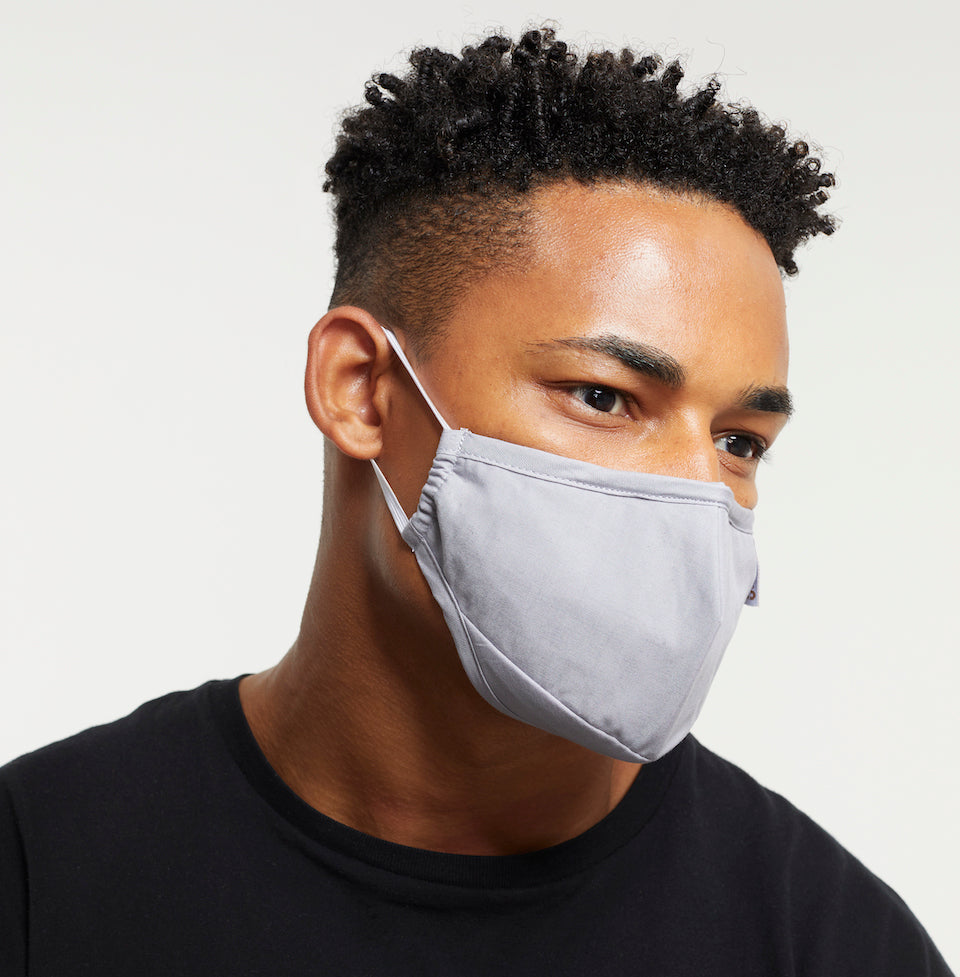
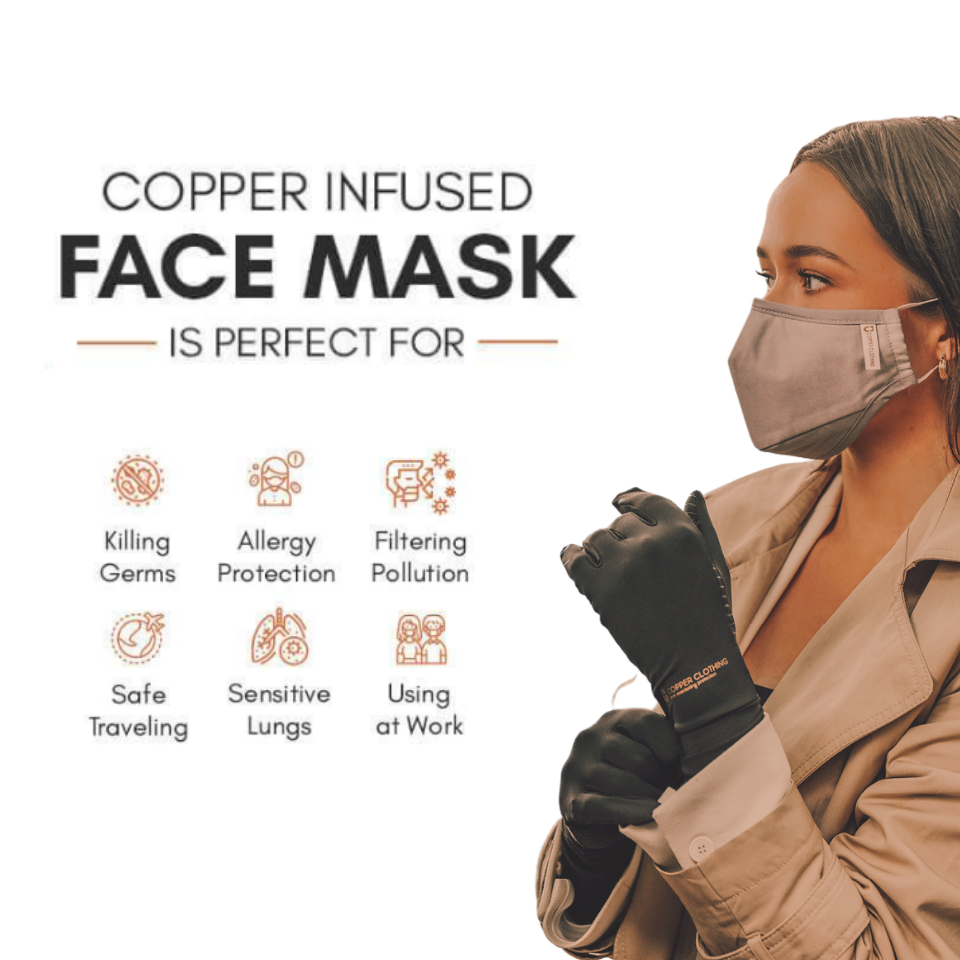
FFP2 CE Four-Layer Copper Infused Face Mask
- Four layers of protection
- Comfortable & washable
- Sale price
- £22.99
- Regular price
- £22.99
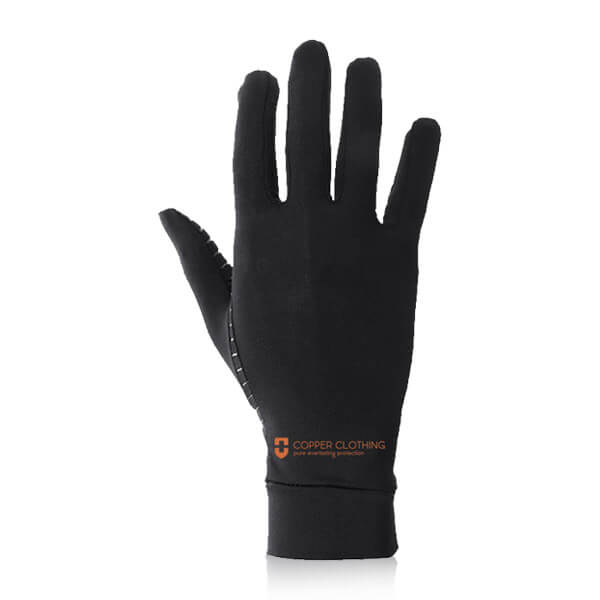
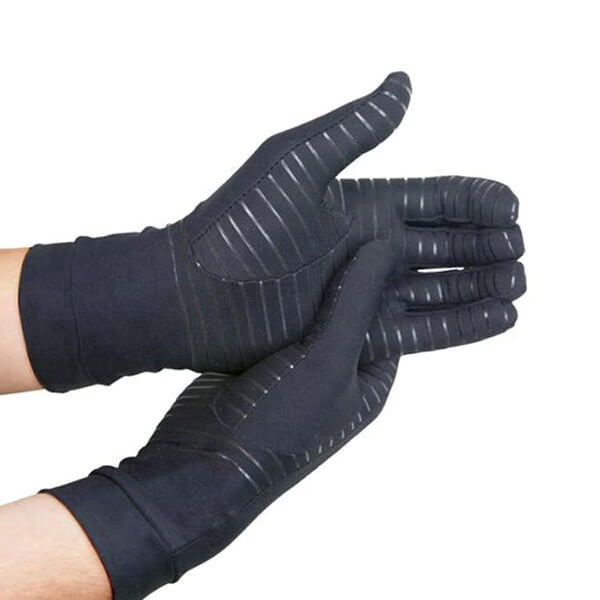
Full Finger Gloves (Copper Gloves)
- Ultimate comfort & flexibility
- Provides warmth and comfort for hands
- Washable
- Sale price
- £22.99
- Regular price
- £22.99
Men’s Copper Boxer Shorts – Soft, Breathable Underwear for Everyday Comfort
- Soft cotton & bamboo blend
- Breathable & lightweight feel
- Stretch comfort for daily movement
- Sale price
- £9.99
- Regular price
- £9.99
Short Compression Copper Infused Socks
- Breathable Compression Fabric, Comfortable & Durable
- 8 - 15mmHg of Compression
- Best socks for long flights and journey
- Sale price
- £12.99
- Regular price
- £12.99
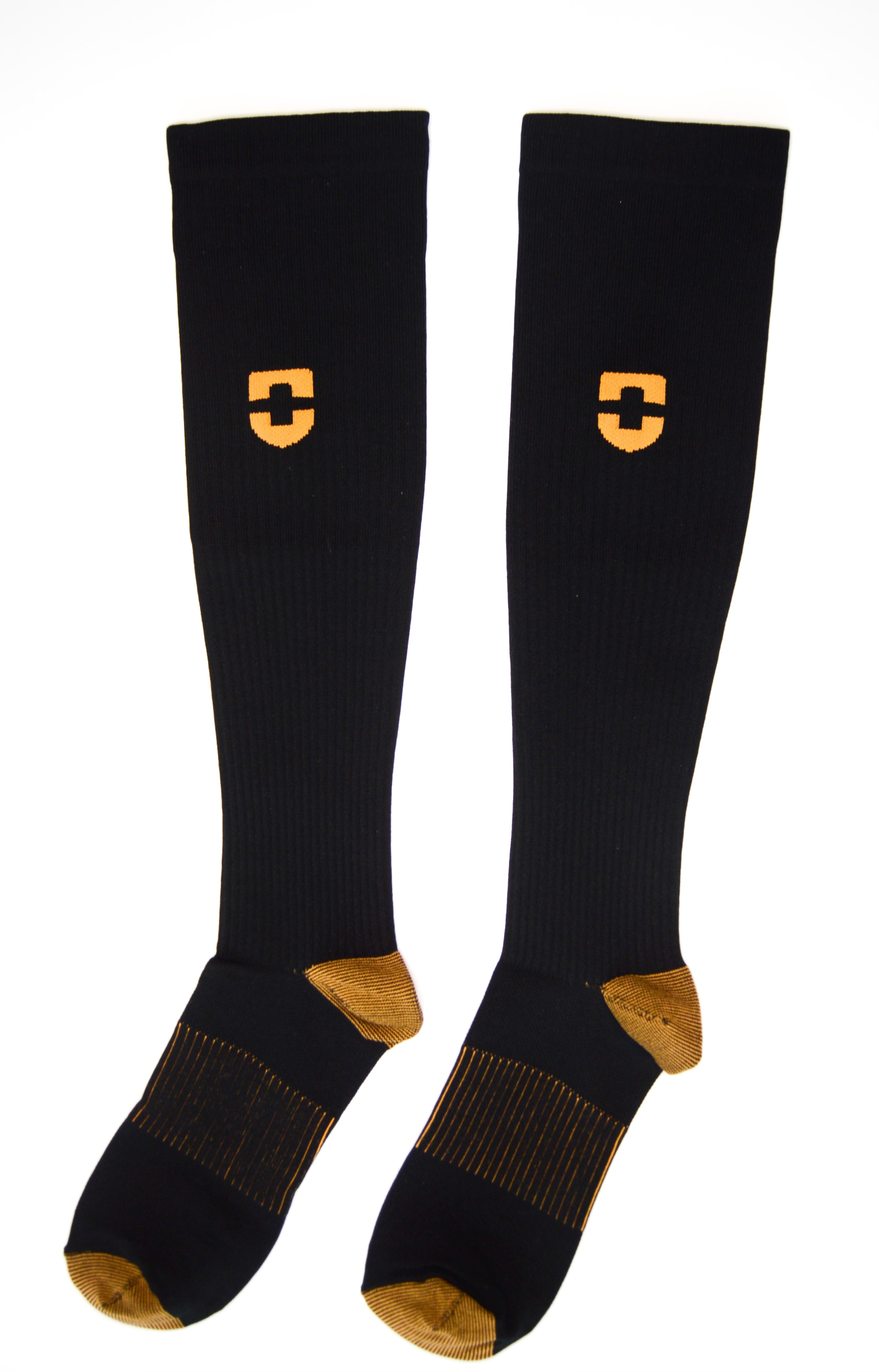
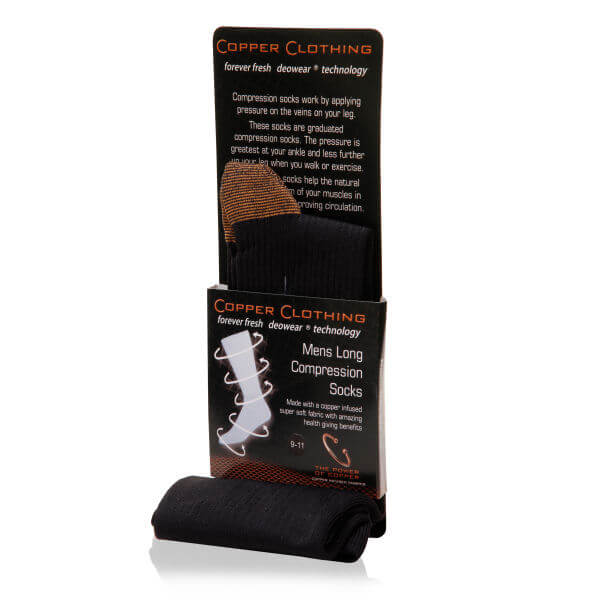
Long Copper Infused Compression Socks
- Breathable Compression Fabric, Comfortable & Durable
- 8 - 15mmHg of Compression
- Best socks for long flights and journey
- Sale price
- £15.99
- Regular price
- £15.99
Ladies Copper Infused Pyjamas
- Luxuriously Soft Cotton & Bamboo
- Ideal for daily wear
- Sale price
- £49.99
- Regular price
- £49.99
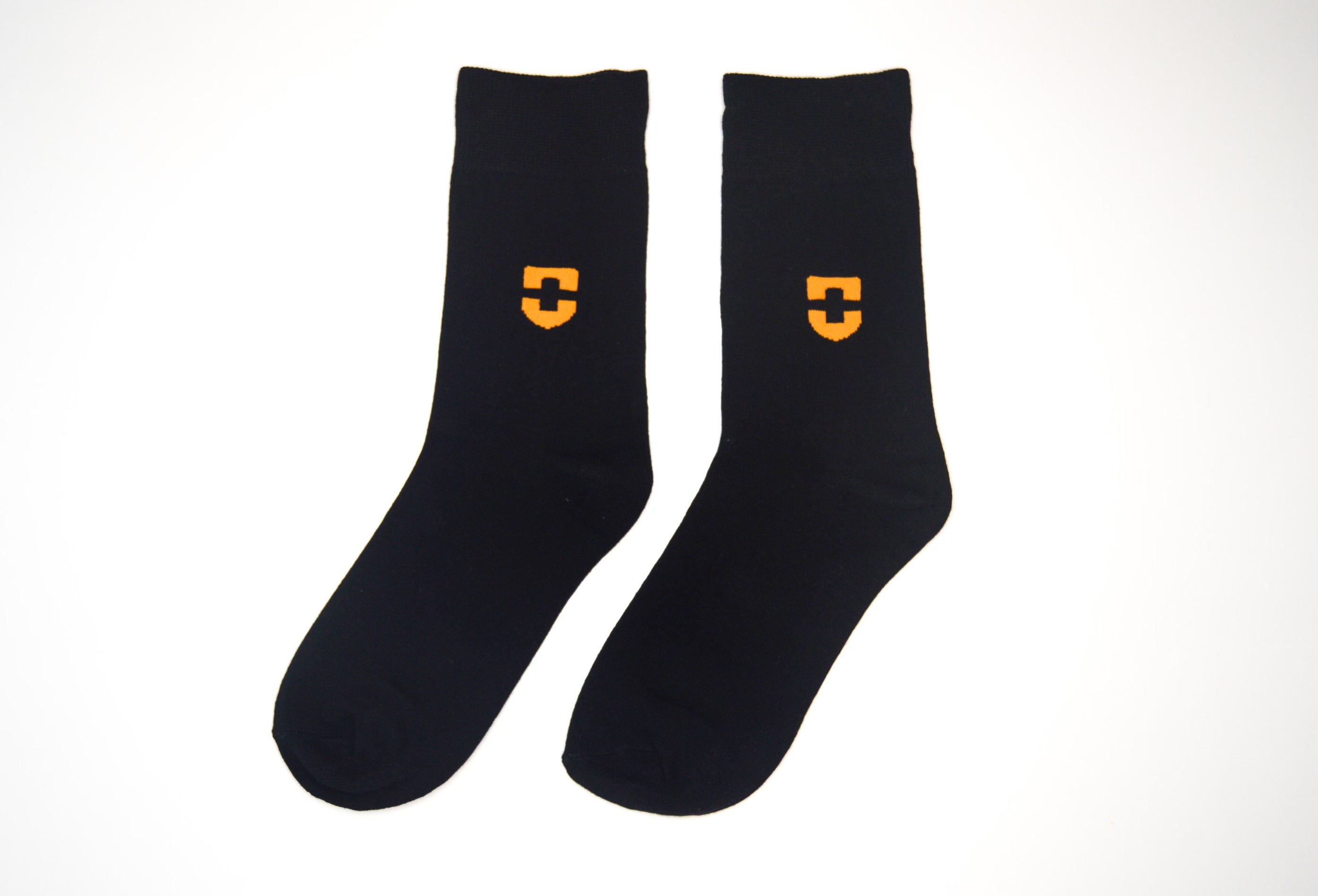
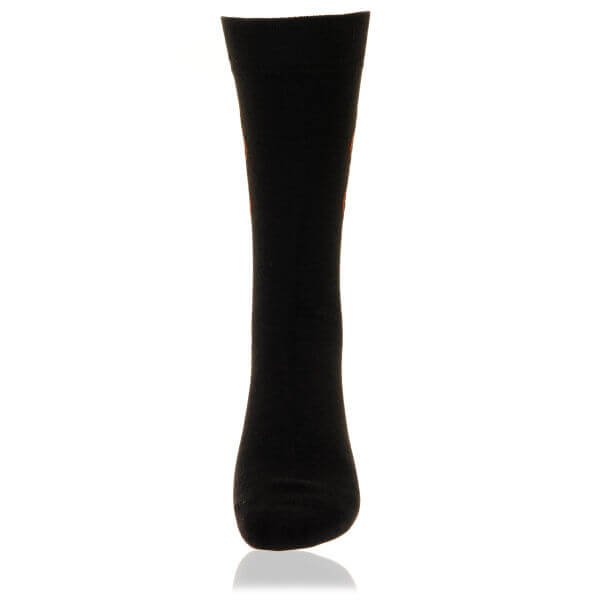
Everyday Copper Socks – Soft, Breathable Socks for Daily Comfort
- Soft & breathable fabric
- Comfortable for long-hour wear
- Lightweight everyday fit
- Sale price
- £9.99
- Regular price
- £9.99
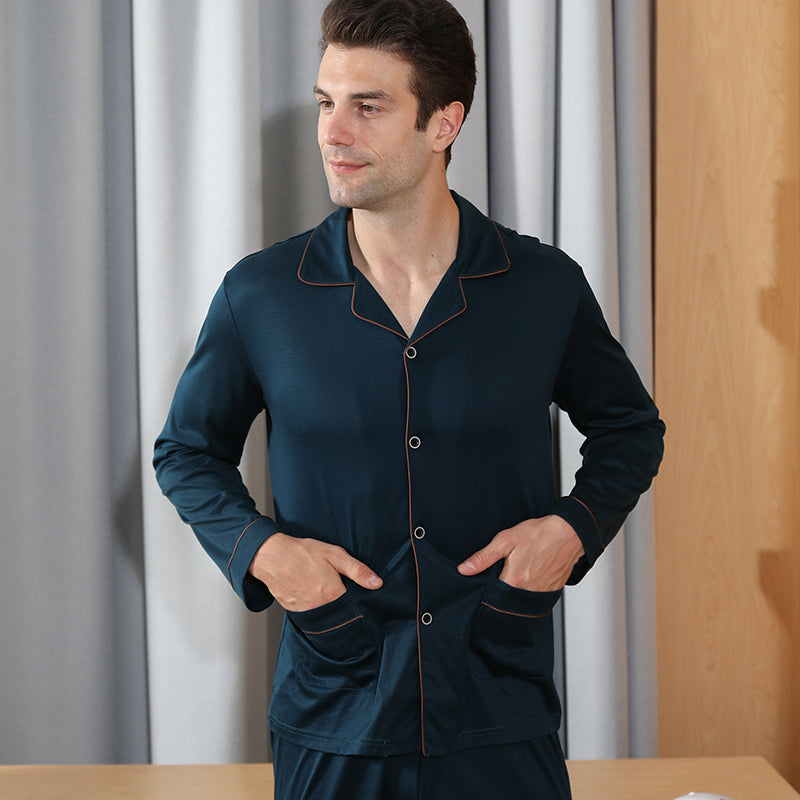
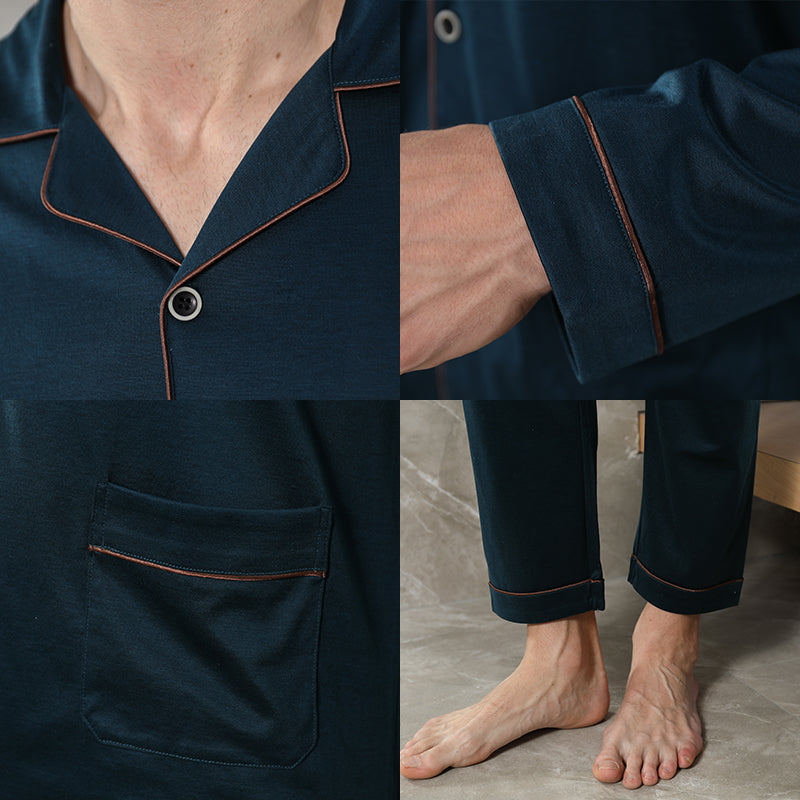
Mens Copper Infused Pyjamas
- Luxuriously Soft Cotton & Bamboo
- Promotes Healthier & Softer Skin
- Sale price
- £54.99
- Regular price
- £54.99
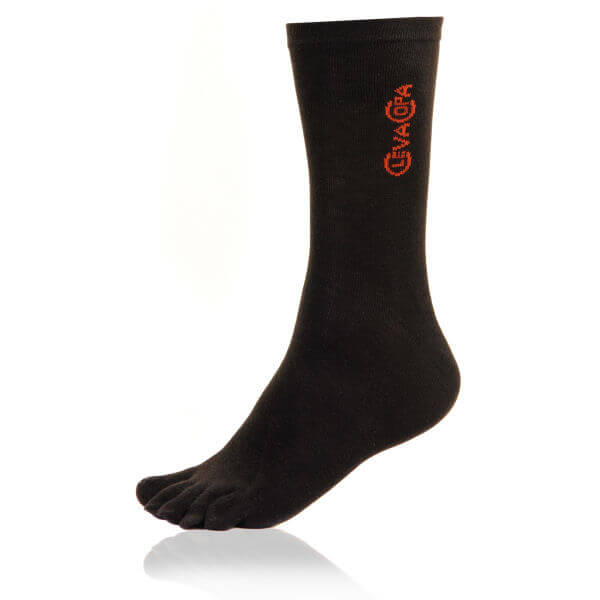
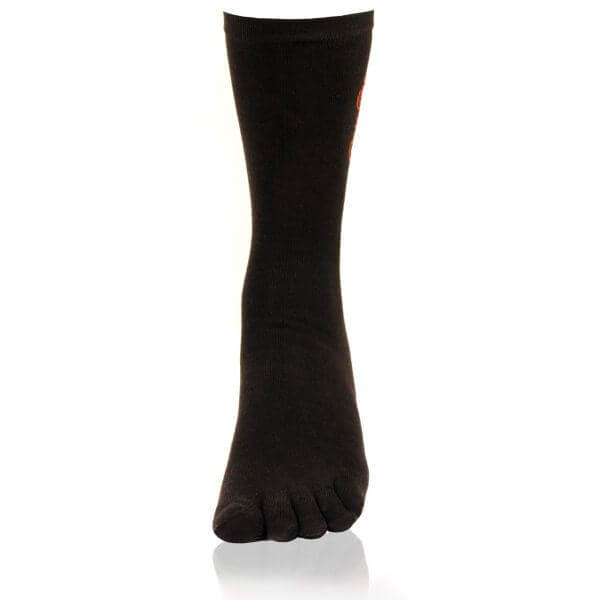
Copper Infused Five Toe Socks
- Promotes Softer Healthier Feet
- Completely Seamless
- Best for long journey and flights
- Sale price
- £14.99
- Regular price
- £14.99
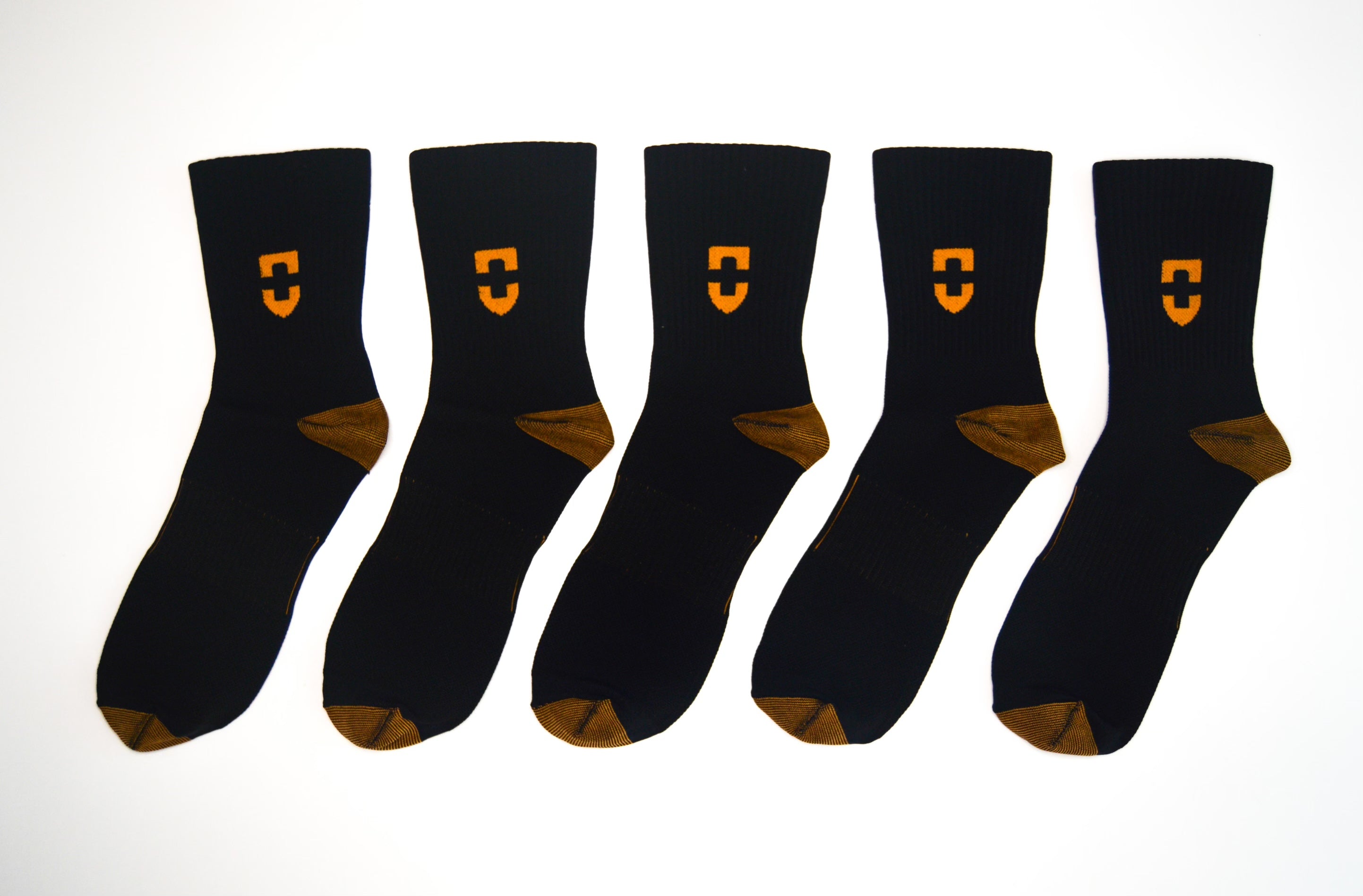
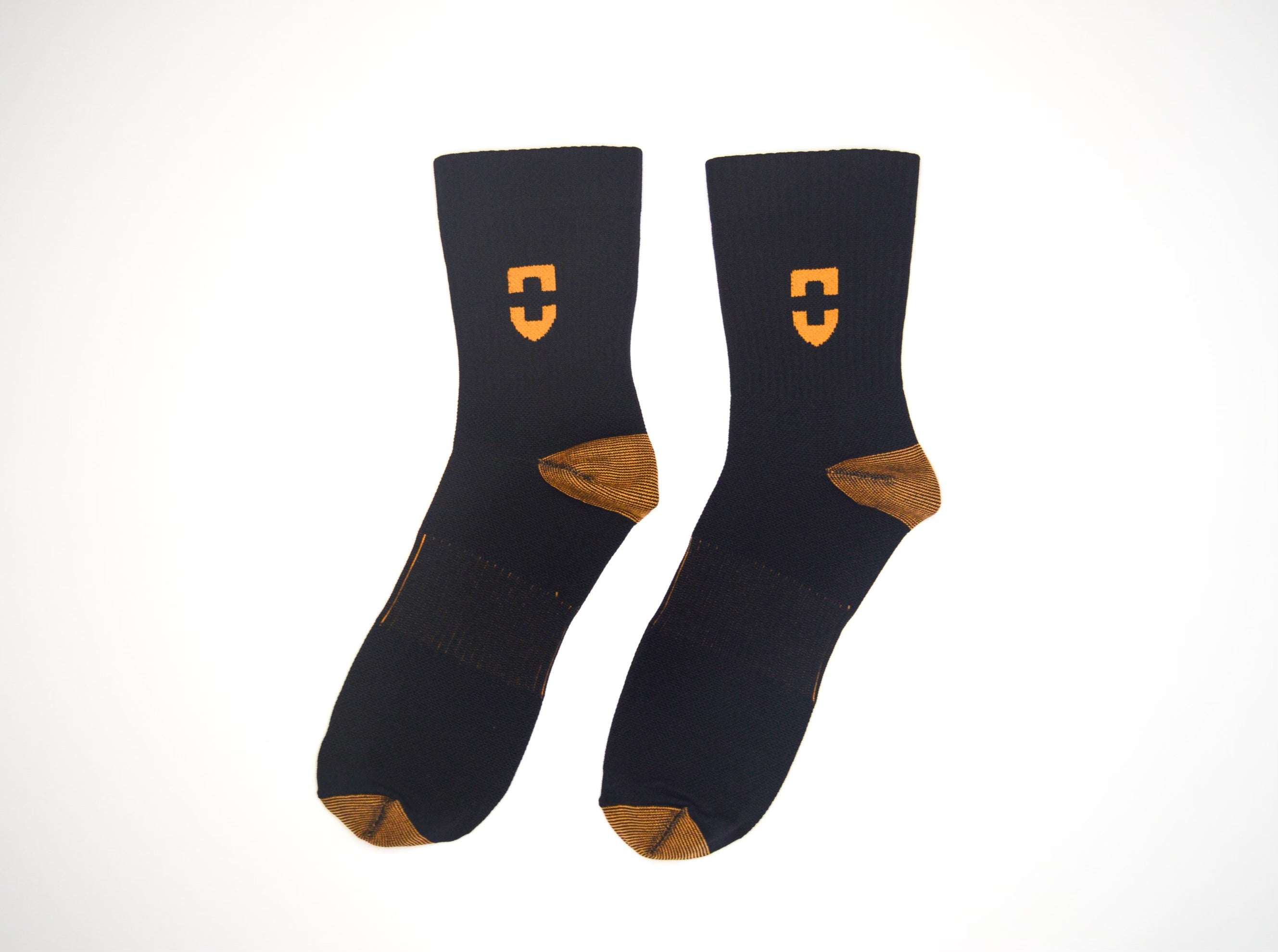
5-Pack Short Compression Copper Infused Socks
- Breathable Compression Fabric & Comfortable
- 8-15mmHg of Compression
- Best socks for long flights and travel
- Sale price
- £59.95
- Regular price
- £64.95
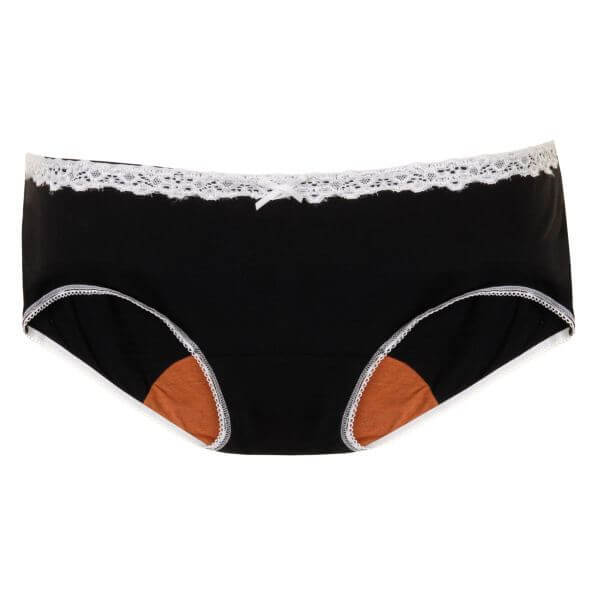
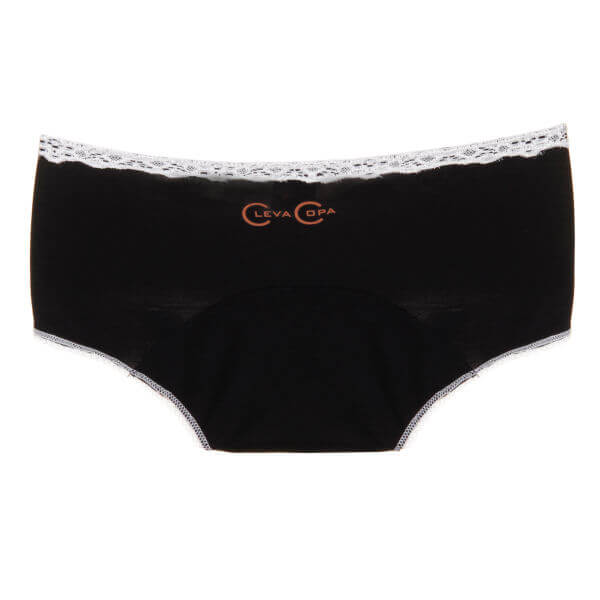
Womens Copper Infused Briefs
- Soft cotton & bamboo blend
- Breathable lightweight feel
- Flexible everyday comfort
- Sale price
- £9.99
- Regular price
- £9.99
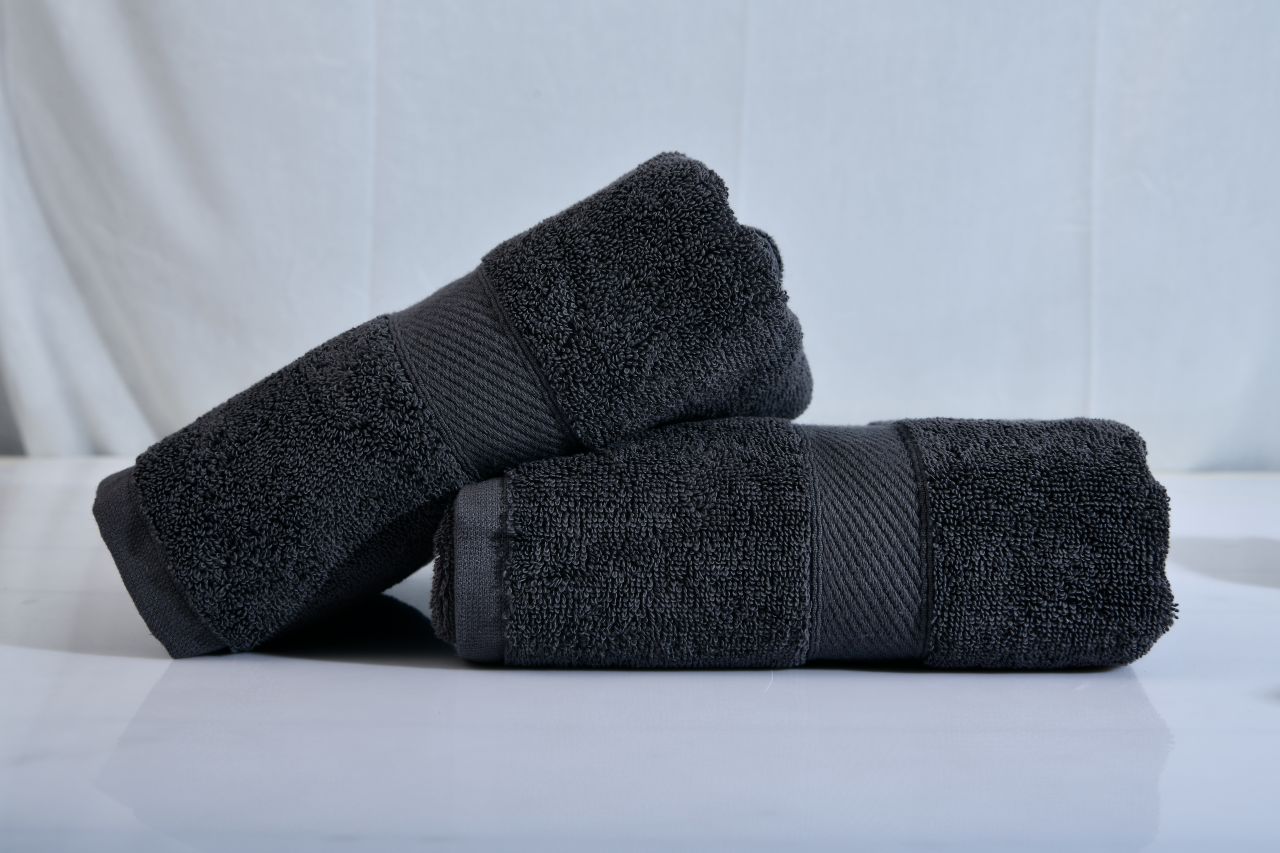
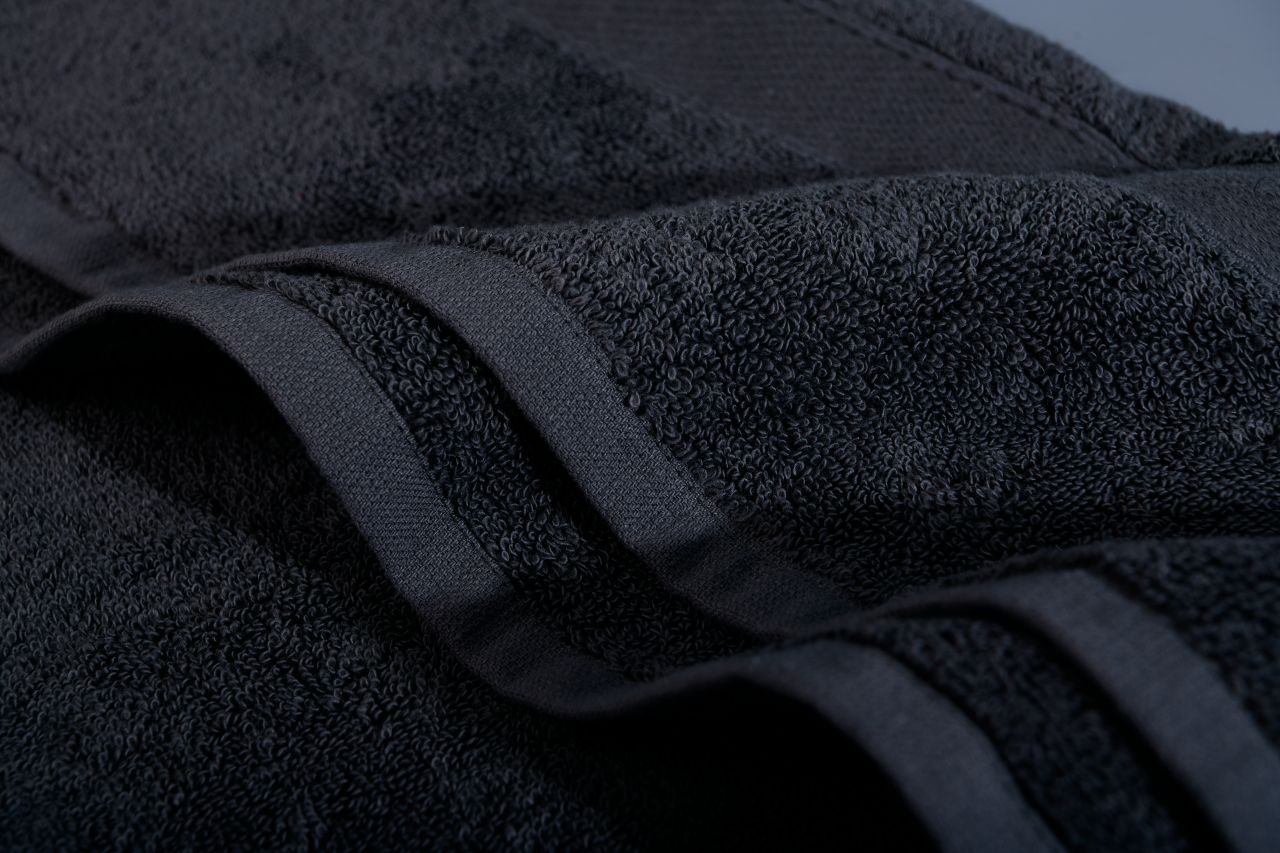
Copper Infused Bath & Gym Towel — 500 GSM Premium Cotton
- 500 GSM Cotton Cloth
- Soft & Premium
- Lightweight & Durable
- Child and Pet-Friendly
- Sale price
- £19.99
- Regular price
- £19.99

