


Compression Socks for DVT: Benefits, Types & How to Choose the Right Pair
Author

Rory Donnelly
Published
March 26 2019
Last Updated
May 20 2026
If you're dealing with poor blood circulation, swelling, or you're at risk of deep vein thrombosis (DVT), you've probably heard about compression socks. But what exactly do they do? Can they really help prevent blood clots or improve comfort during long periods of sitting or standing? In this blog, we’ll take a closer look at how compression socks work, how they can support DVT prevention, and what to keep in mind when choosing the right pair for your needs.
What Is Deep Vein Thrombosis (DVT)?
Deep vein thrombosis (DVT) is a condition in which a blood clot develops in a deep vein, most commonly in the legs or thighs. It can become dangerous if the clot breaks away and travels to the lungs, where it may block blood flow and cause a serious condition called a pulmonary embolism (PE).
What Causes Deep Vein Thrombosis?
DVT usually occurs when blood flow through your veins is slower than normal, causing blood cells to clump together and form a clot. This can happen for various reasons, but certain factors have been linked to a higher risk of DVT in legs, feet and other body parts. These include:
- Obesity – Being overweight can also raise the risk of DVT, and people with a BMI or Body Mass Index of 30 and above are more likely to develop the condition.
- Inactivity – Long periods of sitting and lying down can slow down blood circulation, which may keep anti-clotting agents from mixing properly in your blood.
- Pregnancy – With higher pressure on the lower body during pregnancy, you face the risk of developing a blood clot in foot, leg or pelvic veins up to 6 weeks after delivery.
- Surgery – Certain kinds of surgeries or medical treatment can also be a DVT risk, especially if you’re on bed rest, wearing a leg cast or have limited physical activity for some time.
- Smoking – Smokers face a higher risk of DVT, since smoking damages the lining of blood vessels and makes blood cells ‘stickier’. As a result, clots can form more easily.
- Injuries – Broken bones, muscle damage, major surgery and other kinds of trauma can cause injury to veins and raise the risk of developing DVT, especially in the lower body.
- Hormonal Changes – Higher oestrogen levels due to birth control pills, pregnancy or hormone replacement therapy during menopause could make blood clot faster.
- Chronic Diseases – Serious conditions such as cancer, heart disease, lung disease, inflammatory bowel diseases (Crohn’s, ulcerative colitis, etc.) may also raise DVT risk.
- Clotting Disorders – Genetic blood problems that cause blood to clot more easily or make it thicker than normal can also make you more prone to developing DVT.
- Family History – If you or anyone in your family has suffered from deep vein thrombosis symptoms in the past, there is a higher likelihood that you will have them as well.
- Frequent Travel – If you're taking long-distance flights or car rides quite often, you may be at risk of DVT because of sitting in one position for long periods of time.
How Compression Socks Work for DVT
If you're dealing with Deep Vein Thrombosis (DVT) or are at risk, compression socks are often recommended. Here's how the usually help with it:
-
Graduated Compression
Compression socks are designed to be snug around your ankle and gradually loosen as they move up your leg. This kind of design is called graduated compression. It helps squeeze your muscles and veins just enough to keep blood moving in the right direction.
-
Better Blood Flow
By applying pressure in the right spots, these socks guide blood from the outer veins into the deeper ones where it flows more efficiently. That helps the blood move steadily towards your heart. When blood flows smoothly, there’s less chance of it slowing down or getting stuck in one place. And that’s important because slow-moving blood is more likely to form clots.
-
Prevents Pooling in the Legs
One of the biggest problems with DVT is that blood tends to collect in the calves or ankles, especially when you’re not moving around much. This pooling creates the perfect conditions for a clot to form. Compression socks help break that cycle. By keeping the blood flowing consistently, they stop it from settling in one place too long. Even a slight improvement in movement can reduce your risk of DVT.
Benefits of Wearing Compression Socks for DVT
-
Supports Healthy Blood Flow
Compression socks gently apply pressure to your legs, which helps your blood move more freely. This makes it easier for your veins to push blood back up toward your heart instead of letting it pool in your lower legs.
-
Reduces Swelling and Heaviness
If your legs often feel heavy or swollen, especially by the end of the day, compression socks can help. They reduce fluid build-up in your legs and ankles, making you feel lighter and more comfortable.
-
May Prevent Blood from Pooling
One of the concerns with DVT is that blood can start to pool in the veins of your legs. Compression socks help reduce this risk by keeping the blood flowing steadily. It’s not a guaranteed solution, but it can definitely lower the chances, especially when used as part of a larger care plan.
-
Makes Long Sitting or Standing Hours More Comfortable
Whether you're on a long flight, sitting at a desk for hours, or standing on your feet all day, compression socks offer support. They ease pressure and discomfort that often builds up when your legs don’t move much.
-
Aids Recovery After Inactivity
After surgery, bed rest, or even a long flight, your body might need extra help to get circulation back to normal. Wearing compression socks during these times supports quicker recovery and helps reduce the risk of DVT.
Types of Compression Socks for DVT
Compression socks come in different levels and styles, each serving a slightly different purpose. Here’s a closer look at all its types available in the market to help you choose what fits your situation best.
-
Graduated Compression Socks
These socks are tighter around the ankle and become looser as they go up the leg. This helps blood move upward toward the heart more easily and supports better circulation.
-
Knee-High Compression Socks
These socks cover your feet and calves up to the knee. They are the most common type and are often used during travel, work, or daily activities to help reduce swelling and tired legs.
-
Thigh-High Compression Socks
These socks go above the knee and cover most of the leg. They provide extra support for people who need more compression higher up the leg.
-
Mild Compression Socks
These provide light pressure and are mainly used for everyday comfort, long sitting hours, or travel. They are a good option for people with mild leg tiredness or swelling.
-
Moderate Compression Socks
These socks provide stronger pressure than mild compression socks. They are often used for more noticeable swelling or circulation support.
-
Medical-Grade Compression Socks
These are stronger compression socks usually recommended by a doctor for specific medical conditions or DVT support. Proper fitting is important for this type.
-
Open-Toe Compression Socks
These socks leave the toes uncovered while still supporting the feet and legs. Many people find them cooler and more comfortable in warm weather.
-
Closed-Toe Compression Socks
These are regular compression socks that fully cover the toes and feet. They are commonly used for everyday wear and travel.
Who Should Wear Compression Socks for DVT?
If you're wondering whether compression socks are right for you, especially when it comes to managing or preventing Deep Vein Thrombosis (DVT), here’s a quick look at who can benefit the most from wearing them:
-
People with Limited Movement
If you spend a lot of time in bed, use a wheelchair, or move around less because of illness or recovery, blood flow in your legs can slow down. Compression socks help keep blood moving properly and may help lower the risk of blood clots.
-
Office Workers with Long Sitting Hours
Sitting at a desk for many hours can make your legs feel heavy or swollen. Compression socks can help improve circulation and reduce leg discomfort during long workdays.
-
Frequent Travelers
If you’re taking long flights or car rides where you’re sitting for several hours at a stretch, you’re at higher risk for DVT. Wearing compression socks during travel keeps blood from pooling in your lower legs and helps prevent clots from forming.
-
People Recovering from Surgery
Long flights or road trips mean sitting for hours without much movement. Compression socks help stop blood from collecting in the lower legs and support better circulation during travel.
-
Older Adults at Risk of Circulation Issues
As people age, blood circulation may become weaker. Compression socks can help support healthy blood flow and reduce swelling or tired legs.
How to Choose the Right Compression Socks for DVT
Here's what to look for while choosing a new pair of compression socks to manage DVT:
-
Choosing the Correct Size and Fit
Compression socks should fit snugly but still feel comfortable. Socks that are too loose may not work properly, while socks that are too tight can feel uncomfortable. Measuring your ankle and calf size helps you find the correct fit.
-
Importance of Breathable and Comfortable Materials
Since compression socks are often worn for many hours, soft and breathable materials are important. Fabrics that keep your legs cool and dry usually feel more comfortable throughout the day.
-
Length Selection Based on Daily Activity
Compression socks come in different lengths, including knee-high and thigh-high styles. Knee-high socks are commonly used for everyday wear and travel, while thigh-high socks provide more coverage and support.
-
Durability and Ease of Wearing
Some compression socks are easier to put on and remove than others. Stretchy and durable materials can make daily use more comfortable and convenient.
Give your legs the comfort and support they deserve with compression socks from Copper Clothing
Try a pair today and feel the difference
-

Post-Workout Hygiene: What You Shouldn’t Ign...
April 15, 2026
-

Compression Socks for Desk Job
April 15, 2026
-

Running in Cold Weather? Learn Benefits, Saf...
March 26, 2026
-

Sweaty Feet: Causes, Remedies, and Preventio...
March 12, 2026
-

Post Run Recovery: Can Compression Socks Rea...
February 24, 2026


Popular Products
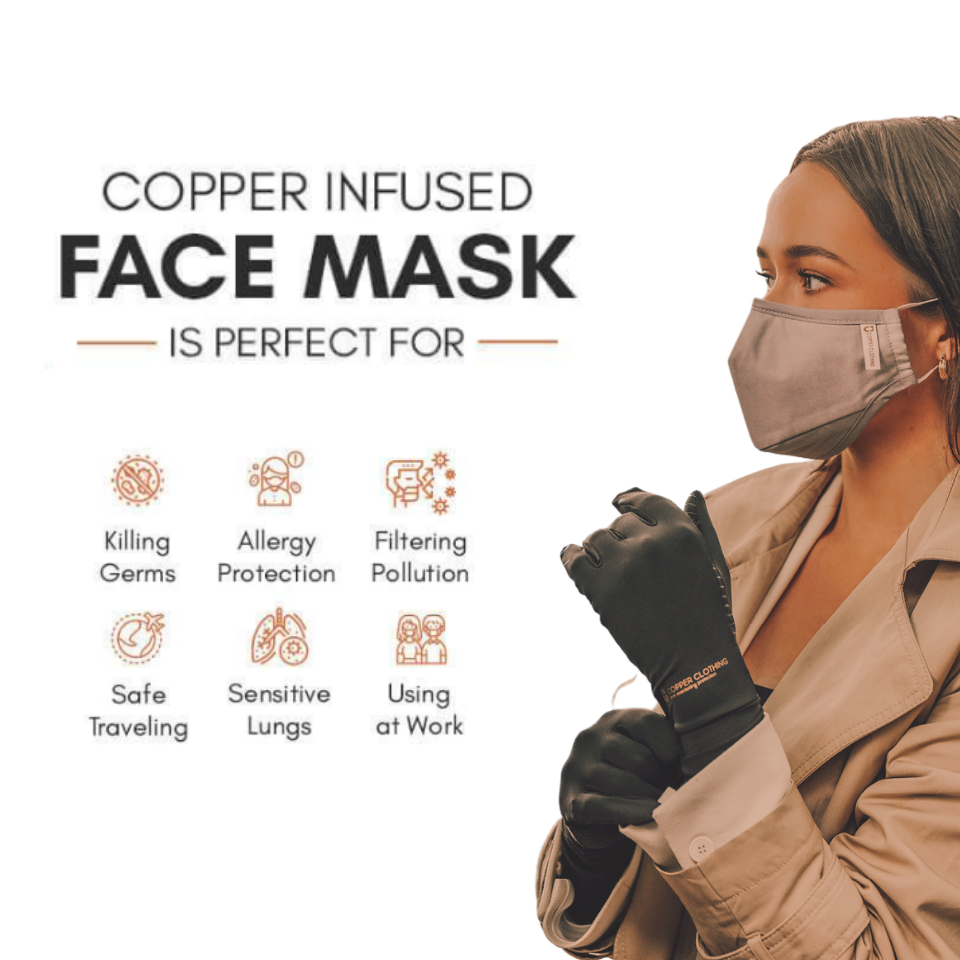
FFP2 CE Four-Layer Copper Infused Face Mask
- Four layers of protection
- Comfortable & washable
- Sale price
- £22.99
- Regular price
- £22.99
Full Finger Gloves (Copper Gloves)
- Ultimate comfort & flexibility
- Provides warmth and comfort for hands
- Washable
- Sale price
- £22.99
- Regular price
- £22.99
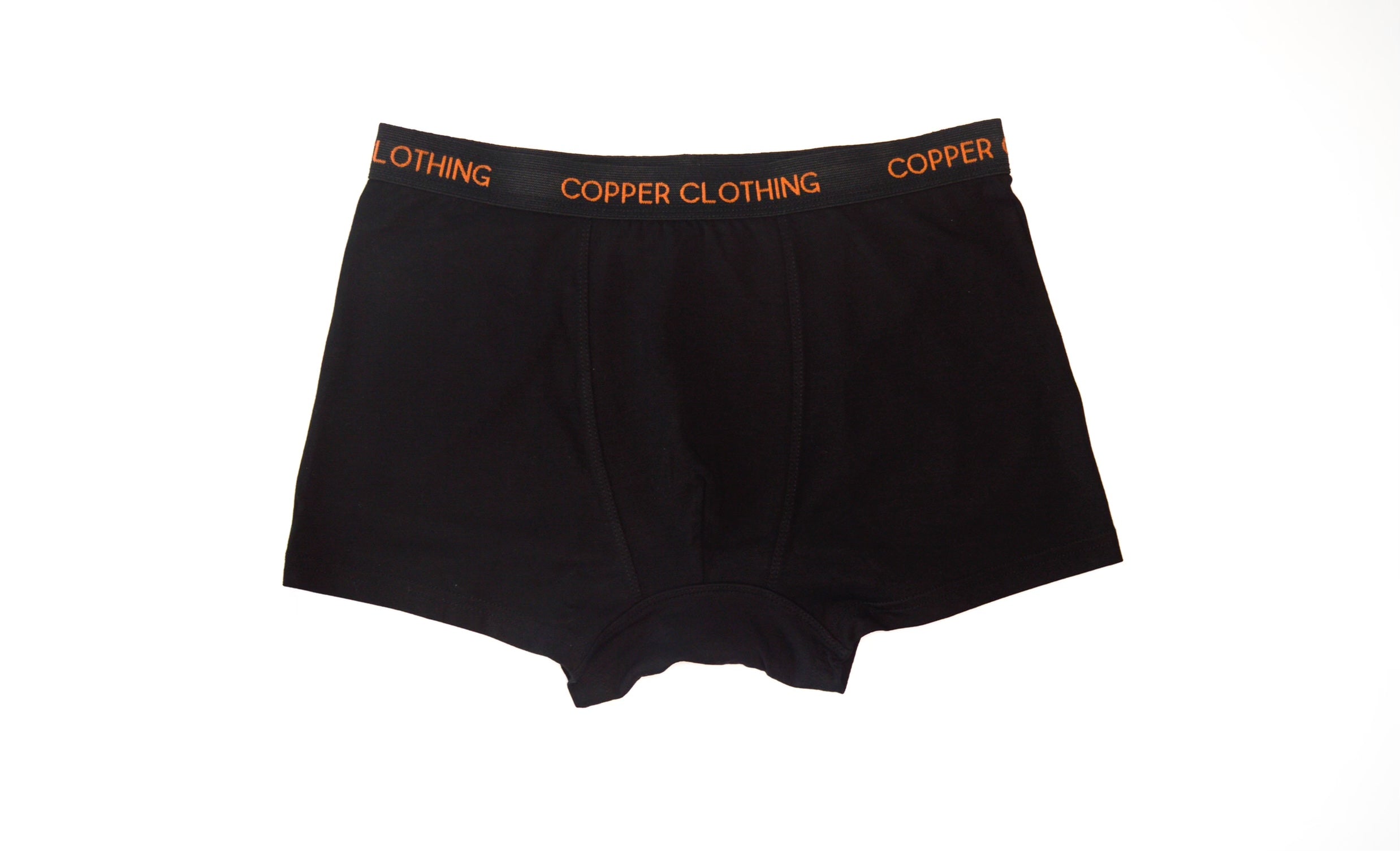
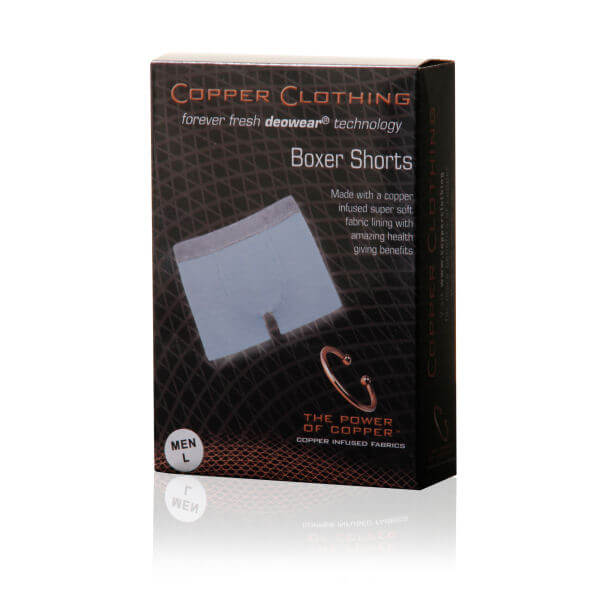
Men’s Copper Boxer Shorts – Soft, Breathable Underwear for Everyday Comfort
- Soft cotton & bamboo blend
- Breathable & lightweight feel
- Stretch comfort for daily movement
- Sale price
- £9.99
- Regular price
- £9.99
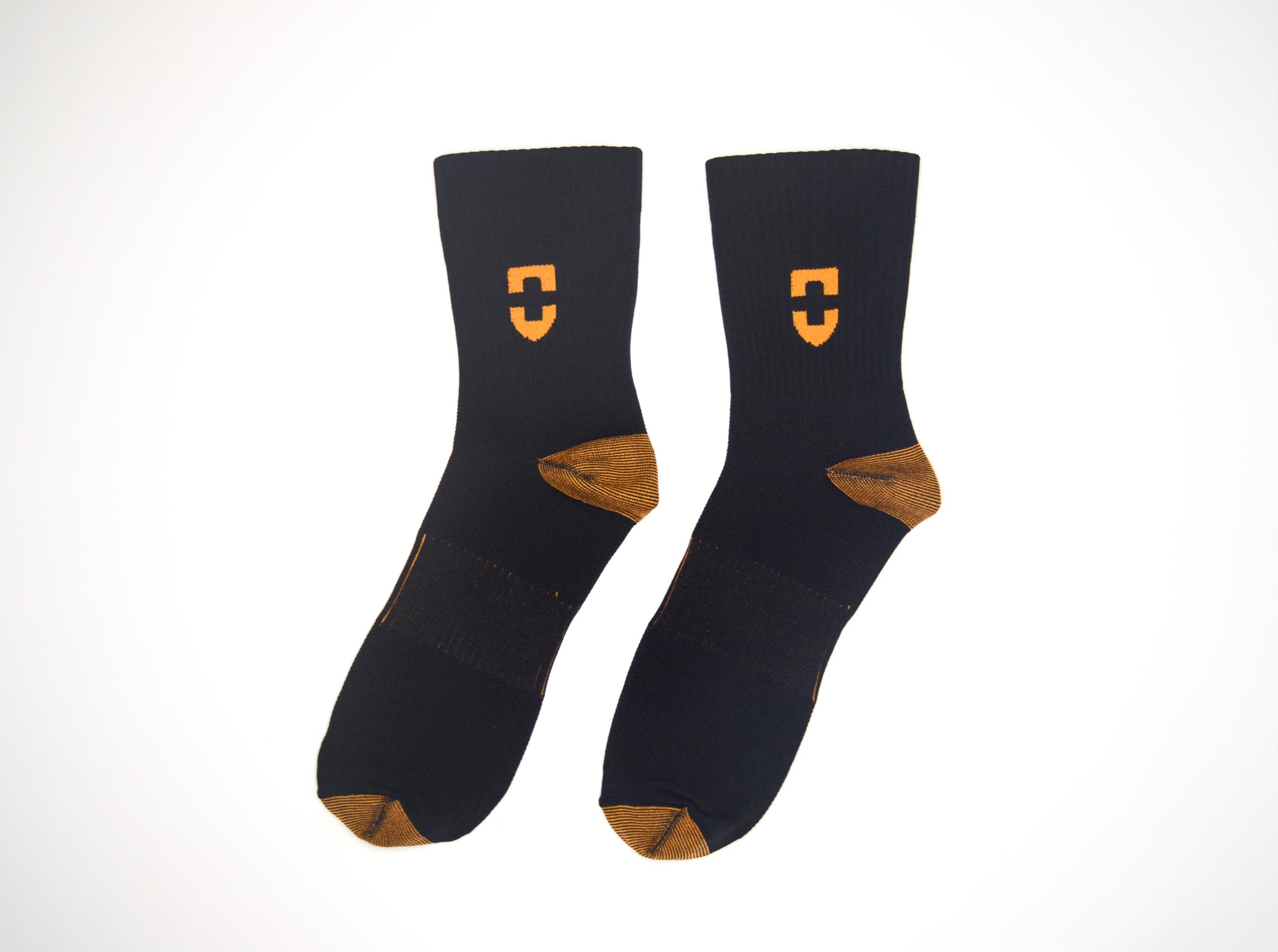
Short Compression Copper Infused Socks
- Breathable Compression Fabric, Comfortable & Durable
- 8 - 15mmHg of Compression
- Best socks for long flights and journey
- Sale price
- £12.99
- Regular price
- £12.99
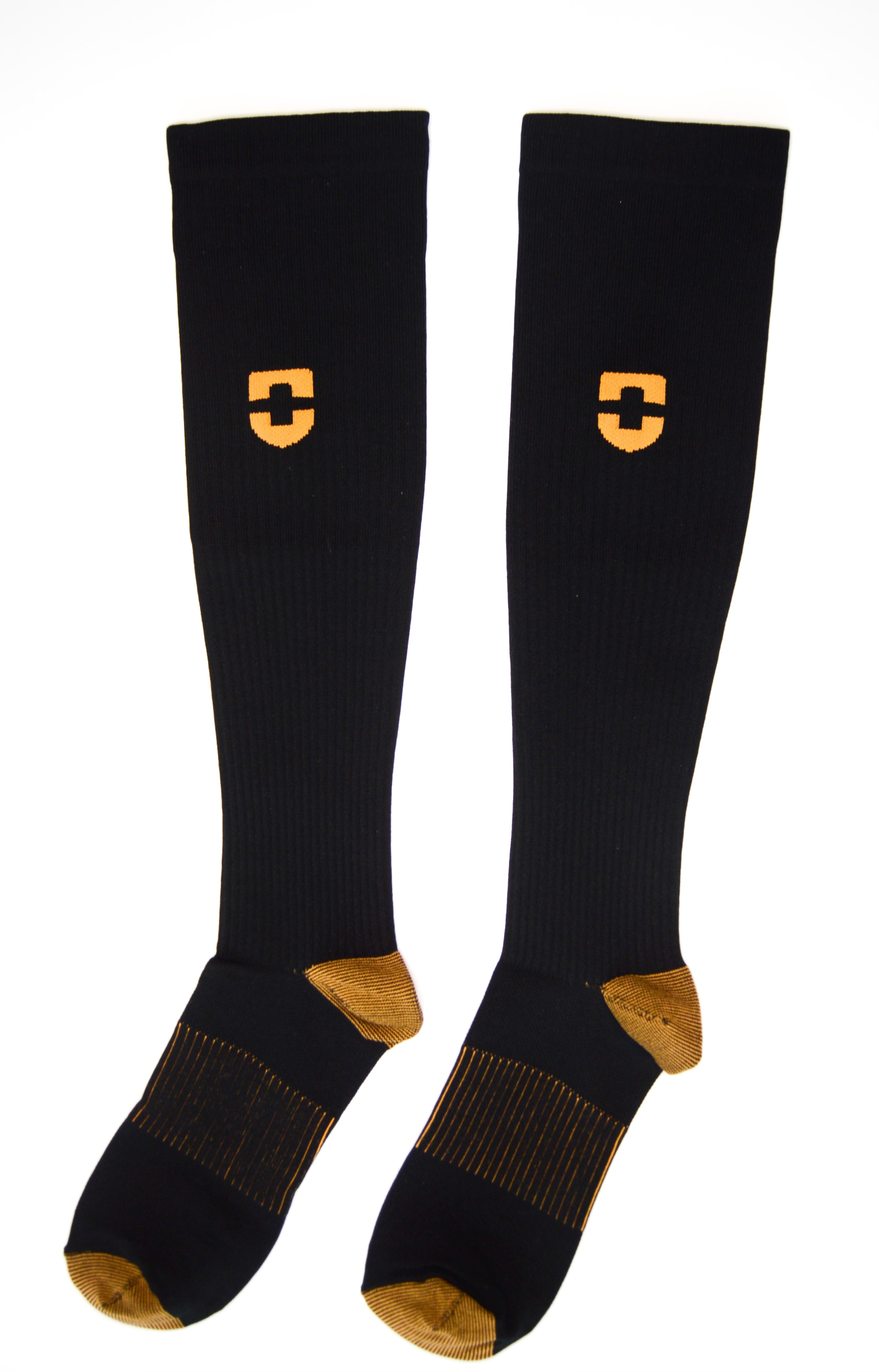
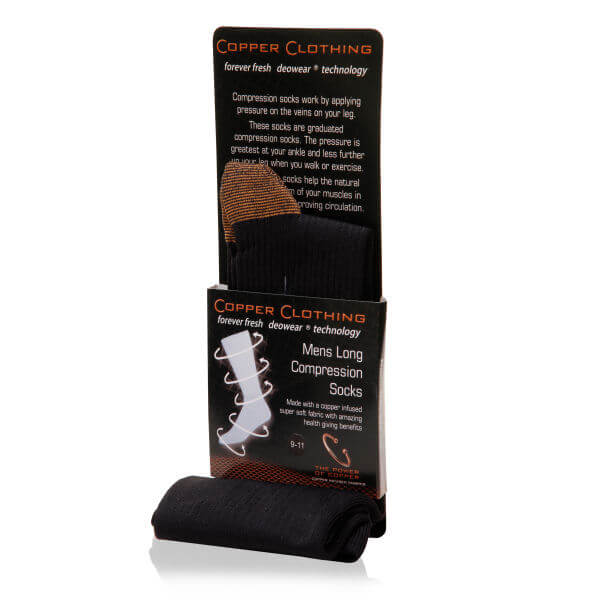
Long Copper Infused Compression Socks
- Breathable Compression Fabric, Comfortable & Durable
- 8 - 15mmHg of Compression
- Best socks for long flights and journey
- Sale price
- £15.99
- Regular price
- £15.99
Ladies Copper Infused Pyjamas
- Luxuriously Soft Cotton & Bamboo
- Ideal for daily wear
- Sale price
- £49.99
- Regular price
- £49.99
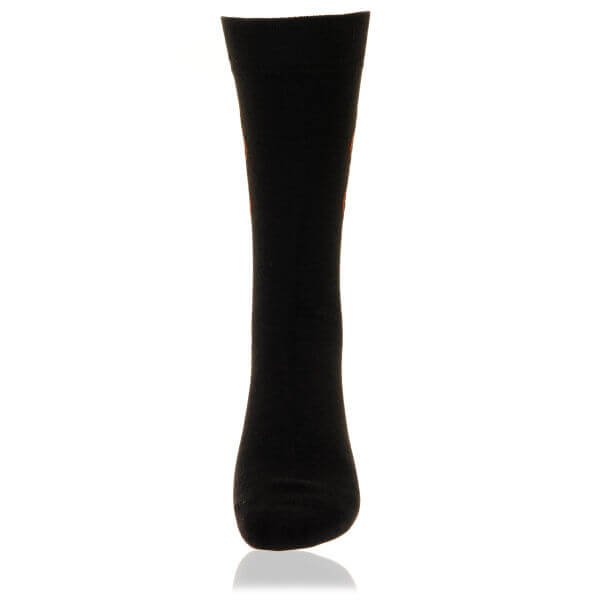
Everyday Copper Socks – Soft, Breathable Socks for Daily Comfort
- Soft & breathable fabric
- Comfortable for long-hour wear
- Lightweight everyday fit
- Sale price
- £9.99
- Regular price
- £9.99
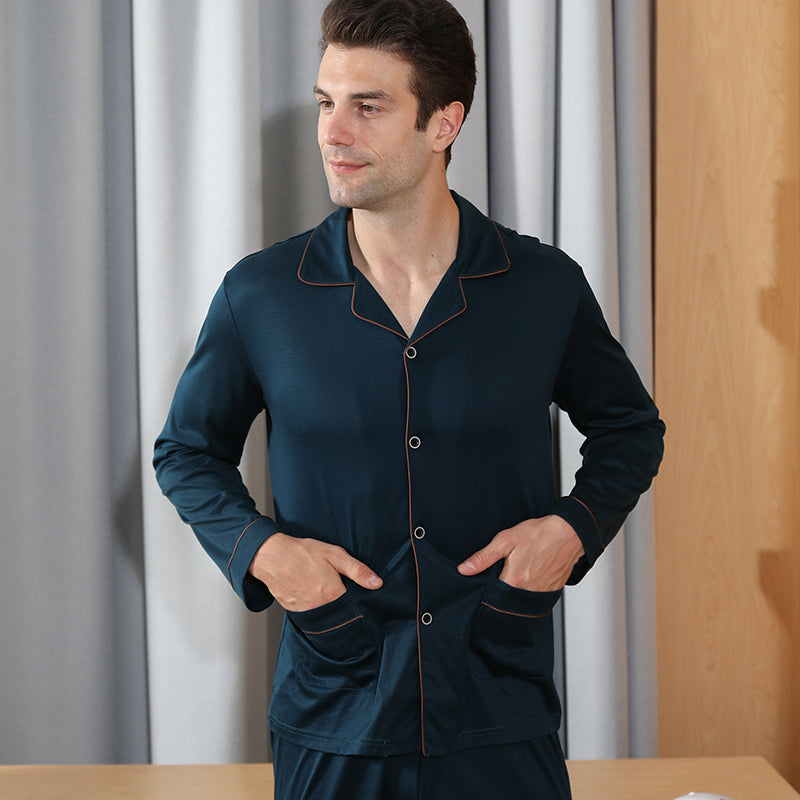
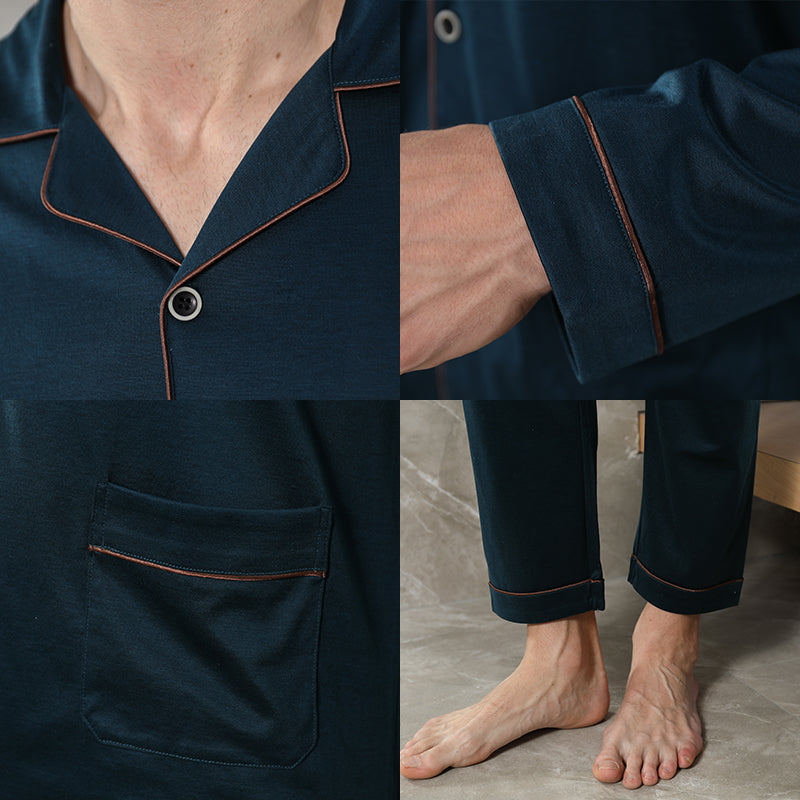
Mens Copper Infused Pyjamas
- Luxuriously Soft Cotton & Bamboo
- Promotes Healthier & Softer Skin
- Sale price
- £54.99
- Regular price
- £54.99
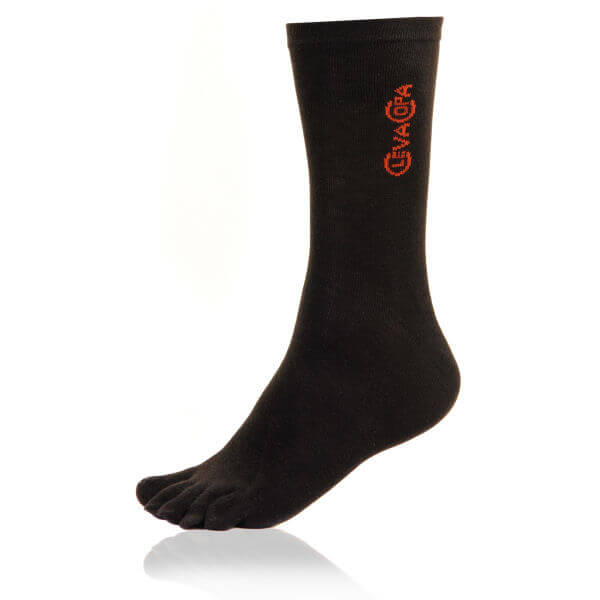
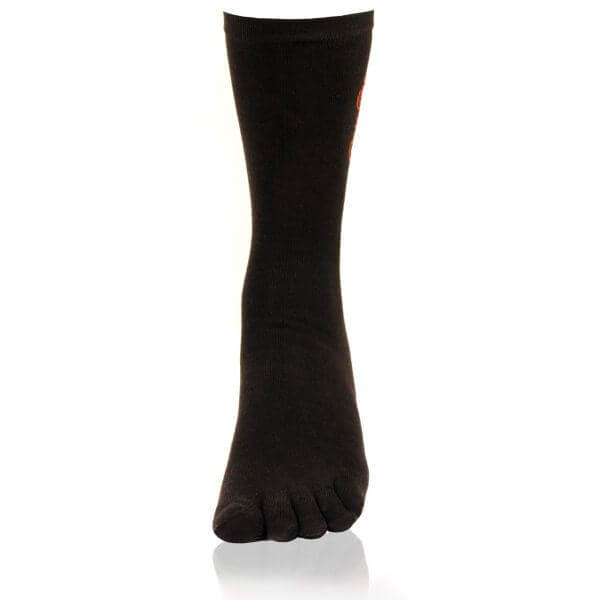
Copper Infused Five Toe Socks
- Promotes Softer Healthier Feet
- Completely Seamless
- Best for long journey and flights
- Sale price
- £14.99
- Regular price
- £14.99
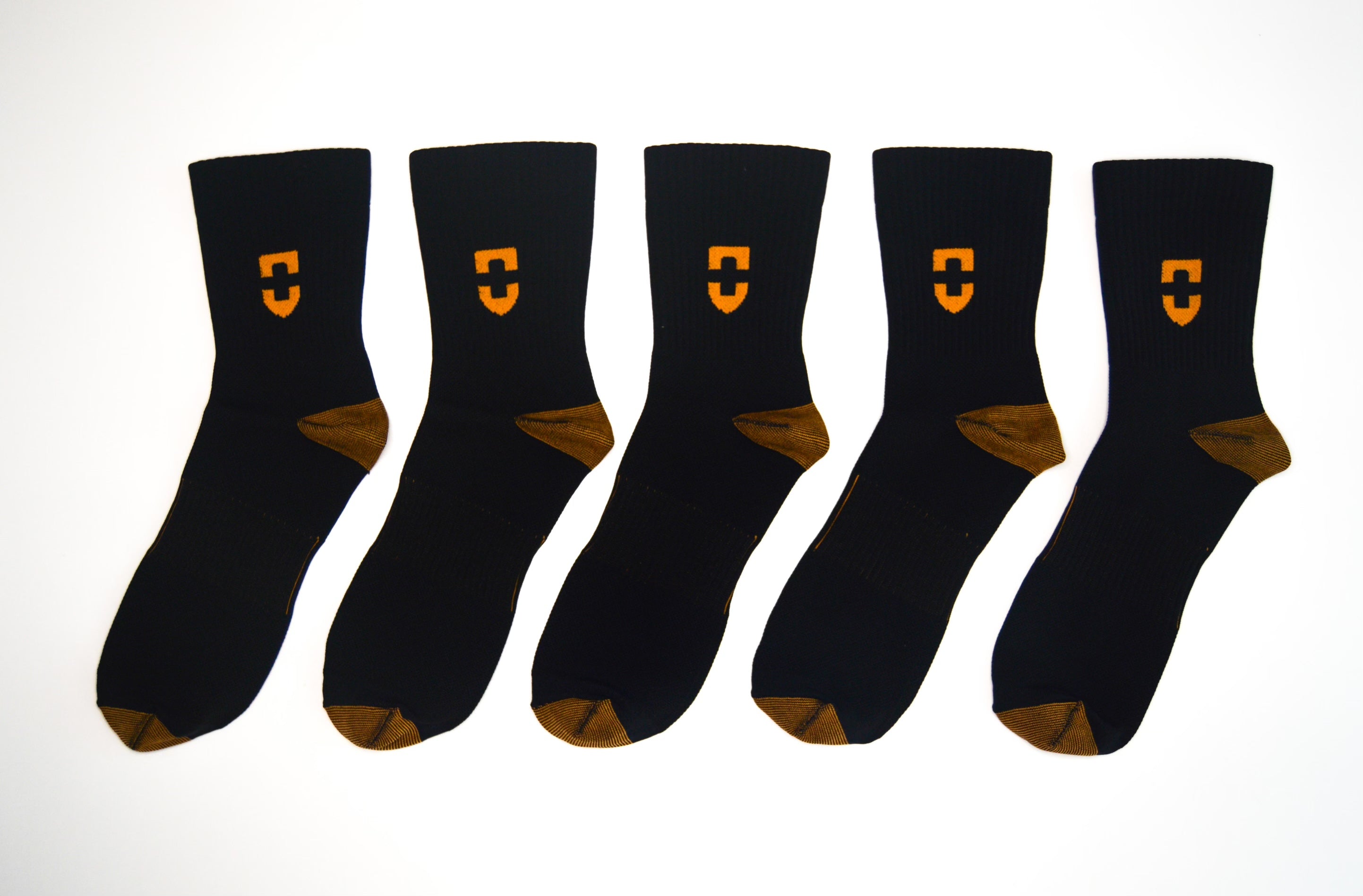
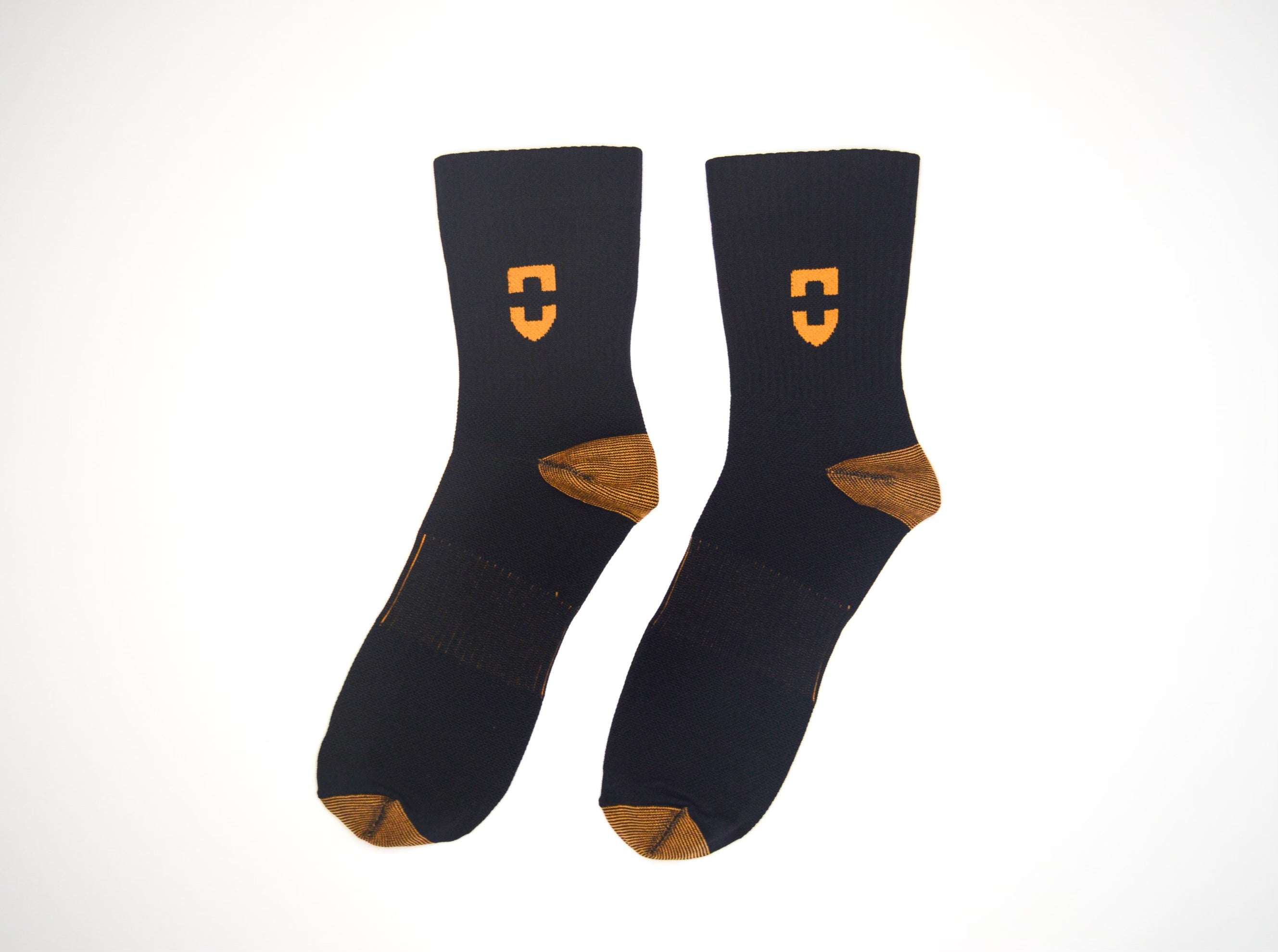
5-Pack Short Compression Copper Infused Socks
- Breathable Compression Fabric & Comfortable
- 8-15mmHg of Compression
- Best socks for long flights and travel
- Sale price
- £59.95
- Regular price
- £64.95
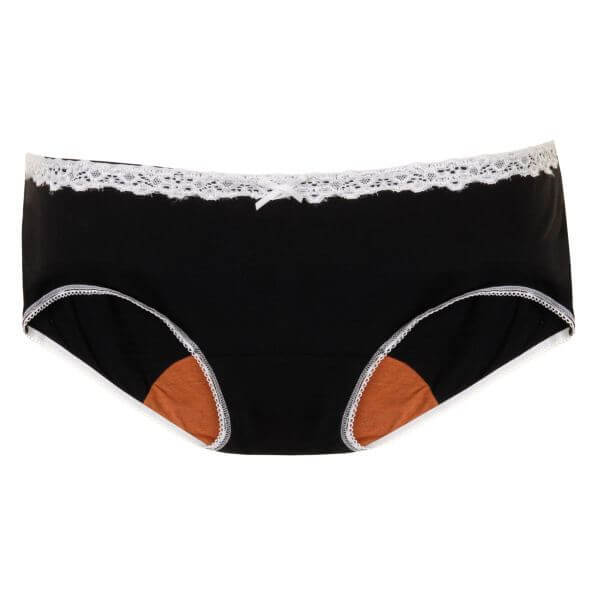
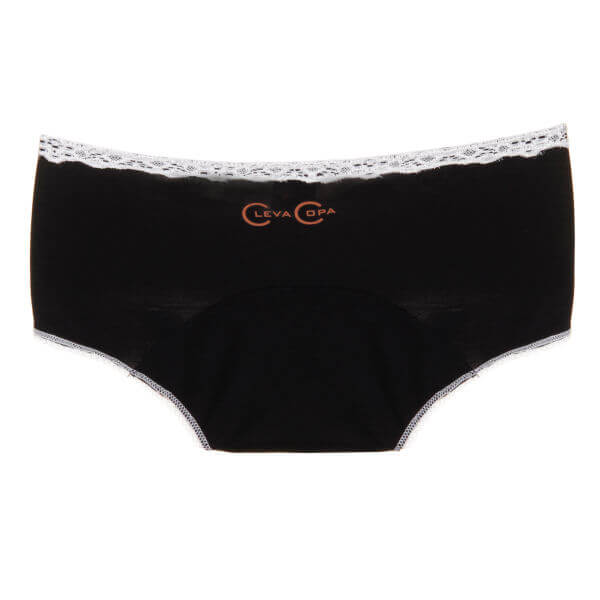
Womens Copper Infused Briefs
- Soft cotton & bamboo blend
- Breathable lightweight feel
- Flexible everyday comfort
- Sale price
- £9.99
- Regular price
- £9.99
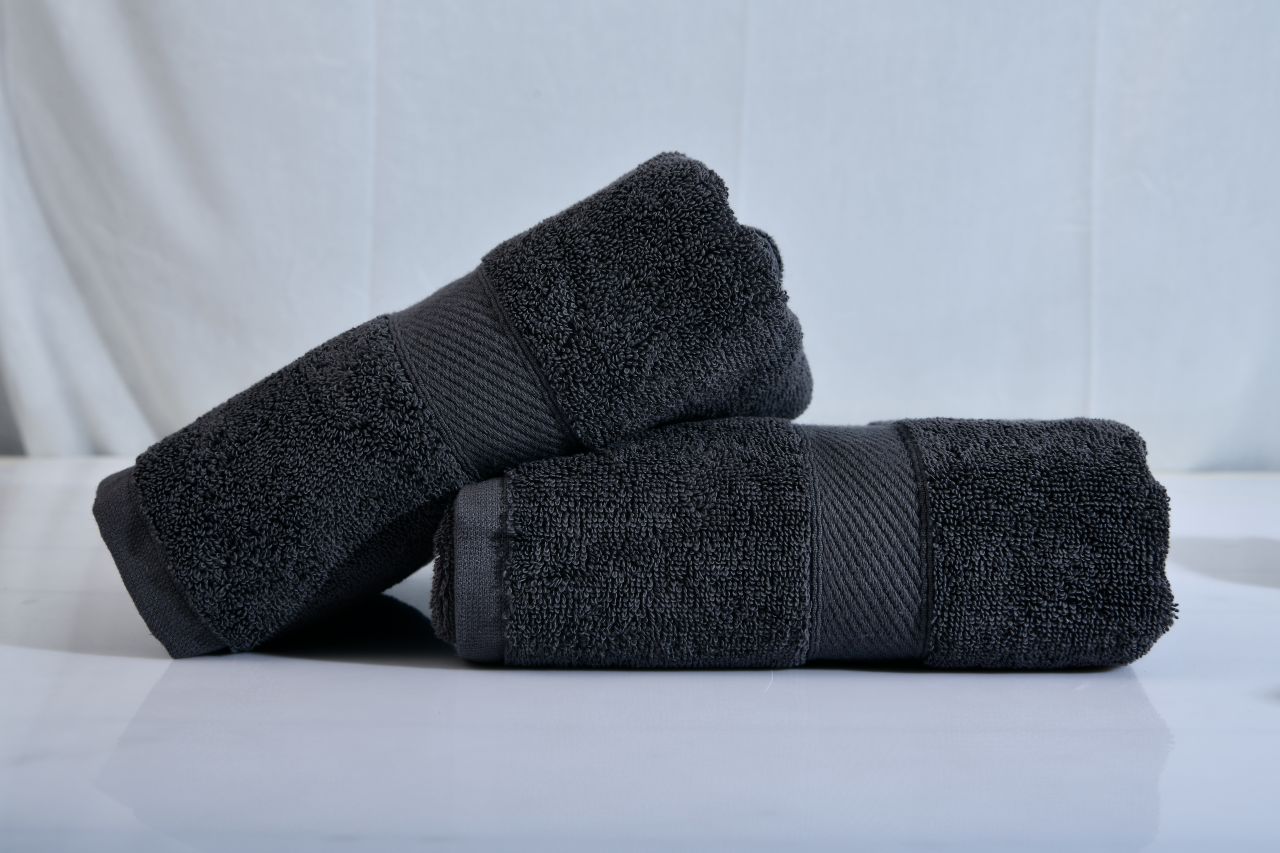
Copper Infused Bath & Gym Towel — 500 GSM Premium Cotton
- 500 GSM Cotton Cloth
- Soft & Premium
- Lightweight & Durable
- Child and Pet-Friendly
- Sale price
- £19.99
- Regular price
- £19.99

