


Can You Sleep in Compression Socks? Here's the Honest Answer
Author

Rory Donnelly
Published
November 20 2021
For most people, no — sleeping in compression socks is not necessary and generally not recommended. Compression socks are engineered to work against gravity, when you're upright, they push blood back up from the lower legs toward the heart. When you're lying flat, gravity is no longer pulling blood downward, so the socks have little effect on venous return and offer minimal benefit. That said, there are specific medical conditions where a doctor may advise overnight wear. This guide covers who should and shouldn't wear compression socks to bed, what the risks are, and when they genuinely help.
This guide is designed to explain how compression socks work, their benefits, who should avoid overnight use, and provide tips for safe wearing.
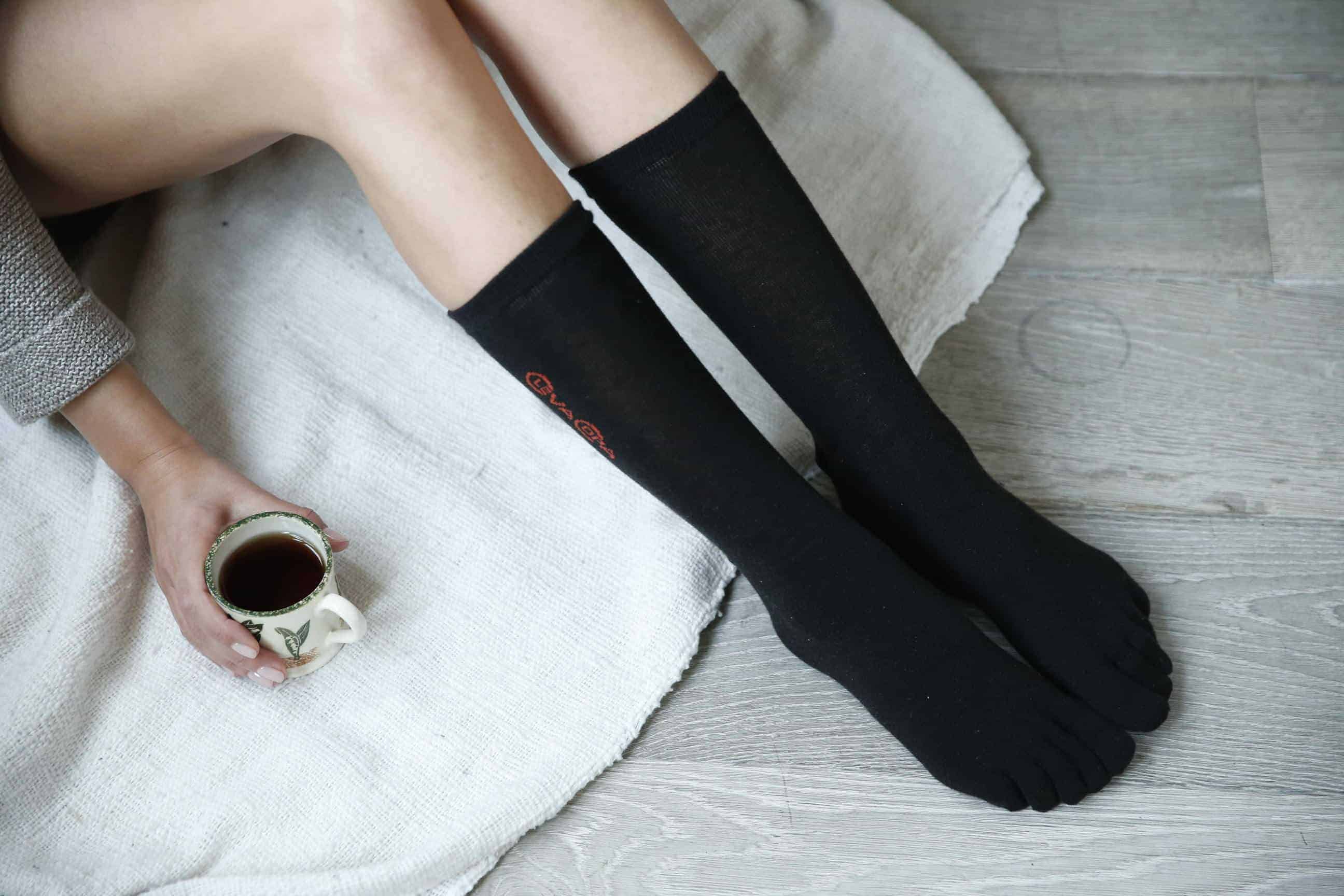
Should You Wear Compression Socks to Bed?
No, there is generally no need to wear compression stockings overnight if you don’t have a venous disorder, swelling, or other muscle issues. The benefit of compression socks occurs when you’re up and moving, as gravity helps your veins push blood upward. When lying down, this effect is removed, so wearing them during sleep usually isn’t necessary.
However, compression socks can provide relief while sleeping if you have vein disease or other circulatory issues. It is crucial to consult your doctor before wearing them at night. Keep in mind that the pressure of compression socks depends on their type, so professional guidance is necessary to ensure you use the correct compression level and fit.
How Do Compression Socks Work?
Compression socks use graduated pressure to promote healthy blood flow. This pressure is tightest at the ankle and gradually looser toward the calf or thigh. It helps veins push blood upward toward the heart, reducing pooling in the lower legs.
Compression socks also prevent excess fluid from collecting in your tissues, which minimizes swelling (edema). For athletes, this gentle squeeze supports muscle recovery by enhancing oxygen delivery and flushing out metabolic waste after exercise.
ultimate guide to copper compression socks
Who Should Sleep in Compression Socks
While overnight use isn't appropriate for most people, doctors do recommend it for specific conditions:
Venous leg ulcers: Open sores caused by poor venous circulation may benefit from continuous compression, including overnight, to promote healing and prevent fluid accumulation. This is typically prescribed medical-grade compression under clinical supervision.
Severe chronic venous insufficiency (CVI): In advanced cases where the leg veins are significantly impaired, overnight compression may be prescribed to manage swelling that would otherwise worsen by morning.
Lymphedema: People managing lymphedema — where the lymphatic system fails to drain fluid properly — may be advised to wear compression garments at night as part of a broader management plan.
Post-surgical recovery: After surgeries involving the legs, abdomen, or extended immobility, doctors may recommend wearing compression socks round-the-clock to prevent DVT (deep vein thrombosis) until mobility is restored.
Orthostatic hypotension: This condition causes a sharp drop in blood pressure when standing, which can lead to dizziness or fainting. Wearing light compression socks at night can help maintain consistent blood pressure as you transition from lying to standing in the morning.
In all of these cases, the decision should be made by a healthcare professional, who will also specify the appropriate compression level and duration.
Why Compression Socks Aren't Designed for Sleep
Compression socks are built around one principle: counteracting the effect of gravity on blood flow. When you stand or sit, blood pools naturally in the lower legs and feet. Graduated compression, tightest at the ankle, gradually decreasing up the leg, squeezes the veins and calf muscles to push blood upward toward the heart.
When you lie down, your legs are at roughly the same level as your heart. Gravity is no longer pulling blood downward, which means your circulatory system can manage venous return without external help. Adding compression at this point doesn't improve blood flow — and if the socks are on the tighter end, they may actually restrict circulation unnecessarily.
This is why most vascular specialists advise removing compression socks before sleep. The benefit occurs when you're upright and active — not when you're horizontal.
Who Should Not Wear Compression Socks to Bed
Healthy adults using compression socks for everyday comfort or travel: There is no clinical evidence that overnight wear provides any additional benefit for circulation or recovery in people without an underlying condition. Daytime use is sufficient.
Athletes using compression for performance or recovery: Recovery socks improve circulation during and immediately after activity. Once exercise has stopped and legs are elevated at rest, the benefit is negligible. Remove them after your post-workout window.
People with peripheral artery disease (PAD): PAD involves narrowed arteries that already restrict blood flow to the legs. Adding compression at night can further reduce circulation and cause serious complications. Do not wear compression socks overnight if you have PAD unless explicitly advised by a doctor.
People with diabetes-related neuropathy: Reduced sensation in the feet means you may not notice if socks are causing pressure sores, restricted circulation, or skin breakdown overnight. This risk increases significantly during extended sleep hours.
People with skin conditions: Those with eczema, dermatitis, or existing skin breakdown should avoid prolonged overnight wear, as trapped moisture and sustained pressure can worsen irritation.
Risks of Sleeping in Compression Socks
For people wearing compression socks overnight without a medical reason, these are the risks to be aware of:
Skin irritation and breakdown: Extended wear without a break prevents the skin from breathing. This can cause redness, itching, pressure marks, or in more severe cases, blistering and sores — particularly around the ankle and shin where pressure is highest.
Restricted blood flow: If your socks are slightly too tight, wearing them overnight risks compressing the vessels beyond what's helpful. When lying flat, there's no circulatory demand that justifies that pressure, making over-compression a real risk.
Overheating and sleep disruption: Compression socks — particularly those made from synthetic blends — trap heat. This can raise the temperature of the lower legs enough to disrupt sleep quality, particularly in warmer months.
Fungal infection risk: Trapped moisture from overnight wear creates conditions that favour fungal growth, especially between the toes. This is particularly relevant if you're wearing non-breathable fabrics.
What to do instead: Remove compression socks before bed, elevate your legs slightly if swelling is a concern, and allow the skin to breathe overnight. Apply moisturiser to the lower legs before sleep to offset any dryness from daytime compression wear.
Is It Ok to Wear Compression Socks for a Nap?
Yes. The concerns around overnight wear relate to extended periods — typically 6 to 8 or more hours — where lack of venous demand combined with sustained pressure can cause skin irritation and discomfort. A short nap of 20–90 minutes does not carry the same risk.
If you're resting briefly after a long shift, flight, or workout and don't want to take your compression socks off and put them back on again, leaving them on for a nap is perfectly fine for most people. The exception applies to those with PAD, diabetes-related neuropathy, or skin conditions, where even short periods of unnecessary compression during rest carry more risk.
What Compression Level Is Safe for Overnight Use?
If a healthcare professional has recommended sleeping in compression socks, lower compression levels are significantly safer and more comfortable than higher ones:
| Level | mmHg | Overnight suitability |
|---|---|---|
| Mild | 8–15 mmHg | Most comfortable for overnight use if advised |
| Moderate | 15–20 mmHg | Acceptable if doctor-recommended |
| Firm | 20–30 mmHg | Medical supervision required |
| Extra firm | 30–40 mmHg | Not appropriate for overnight use without prescription |
Copper Clothing's compression socks sit in the 8–15 mmHg range — the lightest and most comfortable level, making them the most tolerable option for those who've been advised light overnight compression. That said, the standard recommendation remains: remove them before sleep unless your doctor has specifically said otherwise.
Potential Benefits of Sleeping with Compression Socks
While not necessary for everyone, wearing compression stockings overnight can provide several benefits for certain groups:
-
Edema or Lymphedema
People suffering from edema (swelling due to fluid retention) or lymphedema (swelling due to lymphatic system issues) by reducing fluid buildup in the legs, providing comfort and lessening swelling. -
Post-Surgical Recovery
After certain surgeries, especially those involving the legs or feet, compression socks may be recommended to reduce swelling and promote healing. -
Severe Venous Insufficiency
Individuals with severe or mild venous insufficiency, or circulation issues related to diabetes, might benefit from wearing compression socks at night to help manage symptoms such as swelling and pain. -
Reduced Chance of Night Cramps
Compression socks help leg cramps at night, as they assist in reducing muscle cramps and spasms during sleep.
Note: Not everyone is a good candidate for sleeping in compression socks. Unless prescribed, people with specific medical conditions, including severe artery disease, should not use it overnight. So, always get your doctor's approval prior to prolonged wear.
When Should You Wear Compression Socks?
Compression socks aren’t just for athletes or people with medical conditions. They can help almost anyone dealing with leg fatigue, swelling, or poor circulation. They work by applying gentle pressure to your legs, encouraging blood flow back toward the heart, reducing swelling, and preventing discomfort.
Here are the most common situations when wearing compression socks can be especially beneficial:
-
While Working
If you have a desk job or spend long hours standing or sitting, your legs remain in one position for hours. For instance, if you are an office employee, cashier, teacher, or nurse, the blood flow in your legs can be hindered by up to 50% within an hour. This may lead to swelling and discomfort.
Wearing graduated compression socks during work helps maintain healthy circulation, reduces fatigue, and keeps your legs energized throughout the day.
-
During Long Travels
Sitting in the same position for more than 4 hours during a flight, car ride, or train journey increases your risk of Deep Vein Thrombosis (DVT). It is a dangerous blood clot that can travel to the lungs.
Compression socks improve circulation, helping prevent DVT, leg cramps, and swelling. They are a travel essential if you want to arrive at your destination feeling comfortable and ready to move.
-
While Exercising or Playing Sports
Athletes and fitness enthusiasts use compression socks to support muscles, ligaments, and tendons, reducing the risk of injury. They also help reduce post-workout soreness, boost performance by improving oxygen delivery, and speed up recovery.
Whether you are running, cycling, or hitting the gym, compression socks can give your legs that extra support to go the distance.
-
During Pregnancy
Pregnancy often comes with swollen feet and ankles, tired legs, spider veins, and sometimes, varicose veins due to increased blood volume and body weight. Compression socks can ease these symptoms by improving blood flow and reducing swelling.
Note: While short naps are fine, it’s generally not advised to wear compression socks to bed during pregnancy unless recommended by your healthcare provider.
-
Lounging or Napping
Relaxing on the couch, sitting in a waiting area, or enjoying the beach? You can safely wear compression socks during light activities or short naps. However, for overnight use, consult your doctor to ensure it’s suitable for your needs and compression level.
-
Managing Medical Conditions (Varicose Veins, DVT & More)
For people diagnosed with DVT, varicose veins, chronic venous insufficiency, or similar circulation issues, doctors often recommend wearing compression socks all day. They help relieve pain, reduce swelling, and prevent complications.
If night compression is required, your doctor may suggest anti-embolism stockings or low-compression socks (under 15 mmHg).
Who Should Avoid Sleeping in Compression Socks
While compression socks can be highly beneficial, they aren’t suitable for overnight wear in certain cases. You should avoid wearing compression socks to bed if you belong to the following groups:
-
Pregnant Women
Pregnant women may already experience increased pressure in their veins due to hormonal and physical changes. Wearing compression socks can help during the day, but overnight use should be monitored. Excessive pressure could cause discomfort or impact circulation if the socks are too tight.
-
Athletes
Athletes often use compression gear to speed recovery, but sleeping in them isn’t always necessary. Overnight wear may not add much benefit compared to daytime use and could cause overheating or skin irritation if worn too long.
-
Individuals With Peripheral Arterial Disease (PAD)
Those with PAD have narrowed arteries that reduce blood flow to the legs. Compression socks could worsen circulation in these cases, making overnight use risky without medical supervision.
Step into comfort and circulation support with copper compression socks.
Buy Now
Frequently Asked Questions
Is it ok to wear compression socks to bed?
For most healthy people, no. Compression socks work by counteracting gravity, which isn't relevant when you're lying flat. Overnight wear offers little benefit and can cause skin irritation, overheating, or restricted blood flow. Exceptions exist for specific medical conditions — consult your doctor.
Should I sleep in compression socks?
Only if a doctor has recommended it for a condition such as venous leg ulcers, lymphedema, severe chronic venous insufficiency, or post-surgical recovery. For everyday users, travel, or athletic recovery, daytime wear is more effective and sufficient.
Can you wear compression socks to bed for swollen legs?
For mild swelling, elevating your legs at night is more effective than keeping compression socks on. For persistent or severe oedema, see a doctor — overnight compression at a prescribed level may be appropriate, but should not be self-prescribed.
What happens if you sleep in compression socks every night?
For most people, prolonged overnight use without a medical reason can cause skin irritation, pressure sores, overheating, and in some cases restricted blood flow — particularly if the socks are too tight or you have an underlying circulation issue. Give your skin a break at night.
Is it ok to wear compression socks for a nap?
Yes. A short nap doesn't carry the same risks as full overnight wear. If you don't want to take them off and put them back on, leaving them on for a brief rest is fine for most people. Those with PAD, diabetes-related neuropathy, or skin conditions should remove them regardless.
When is the best time to wear compression socks?
First thing in the morning before swelling builds, and throughout the day while sitting, standing, exercising, or travelling. Remove them in the evening before bed, apply moisturiser, and let the skin recover overnight.
-

Post-Workout Hygiene: What You Shouldn’t Ign...
April 15, 2026
-

Compression Socks for Desk Job
April 15, 2026
-

Running in Cold Weather? Learn Benefits, Saf...
March 26, 2026
-

Sweaty Feet: Causes, Remedies, and Preventio...
March 12, 2026
-

Post Run Recovery: Can Compression Socks Rea...
February 24, 2026


Popular Products
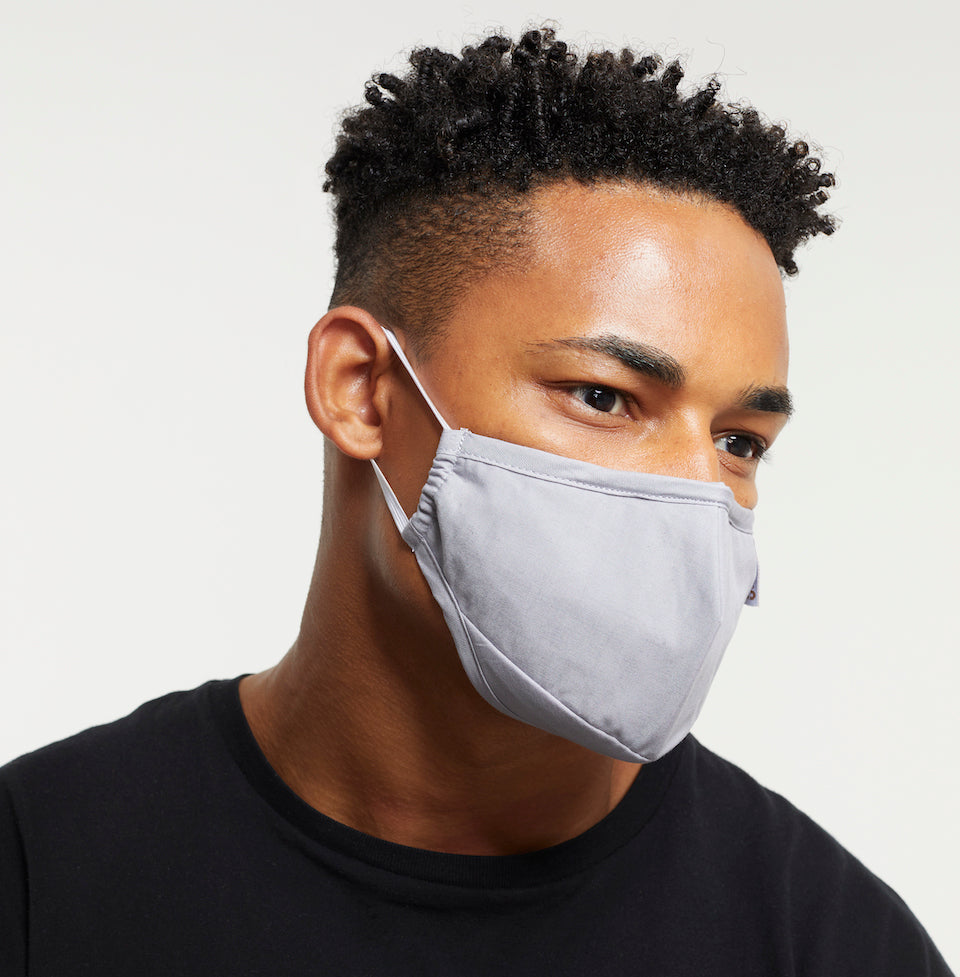
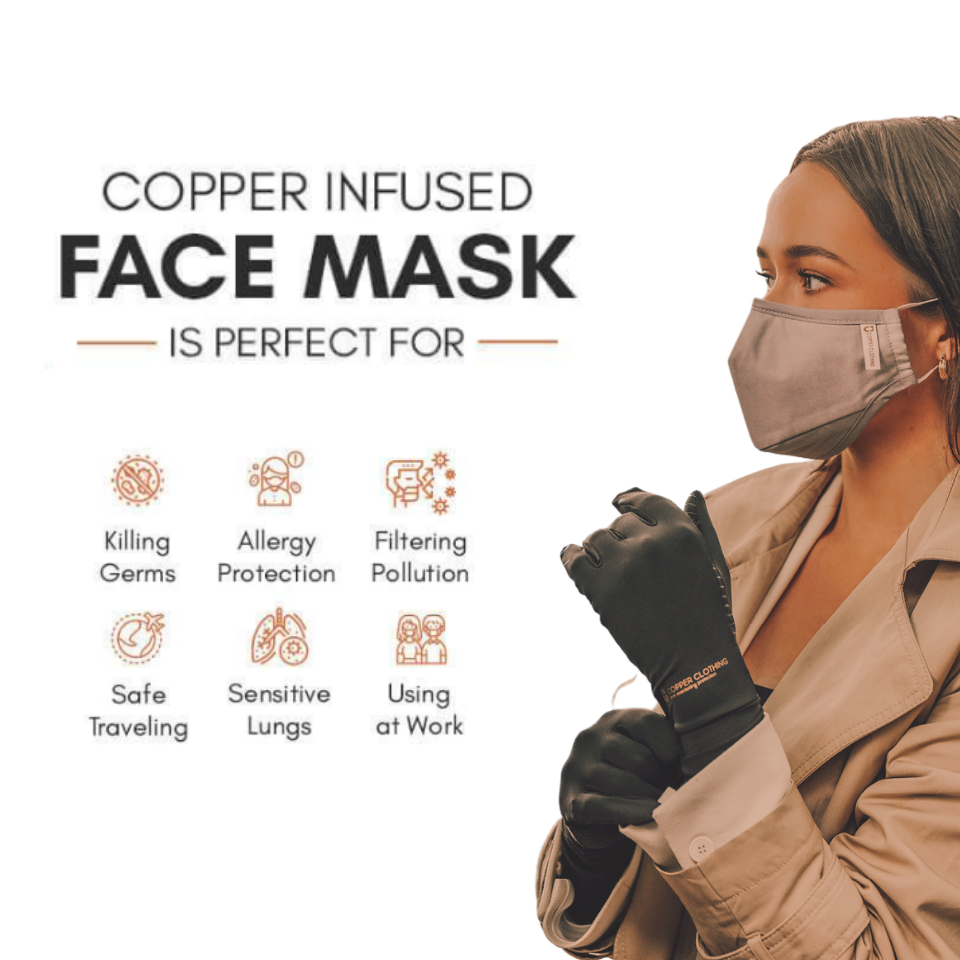
FFP2 CE Four-Layer Copper Infused Face Mask
- Four layers of protection
- Comfortable & washable
- Sale price
- £22.99
- Regular price
- £22.99
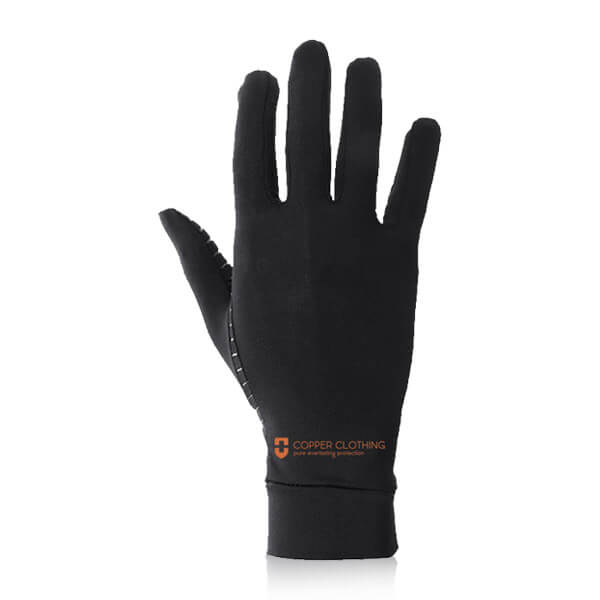
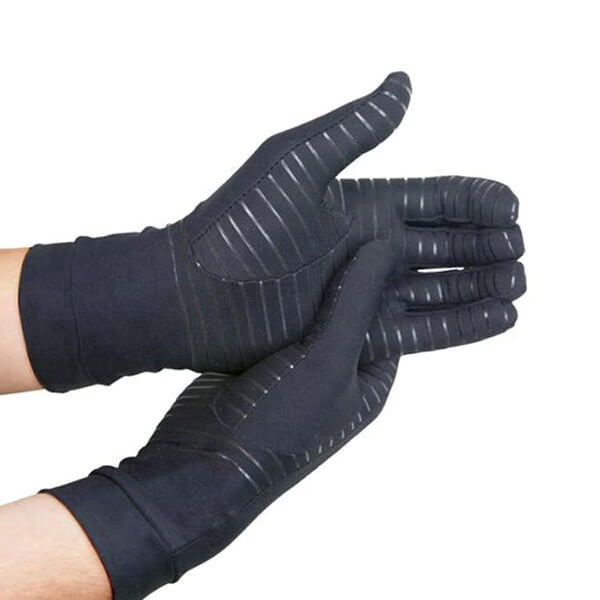
Full Finger Gloves (Copper Gloves)
- Ultimate comfort & flexibility
- Provides warmth and comfort for hands
- Washable
- Sale price
- £22.99
- Regular price
- £22.99
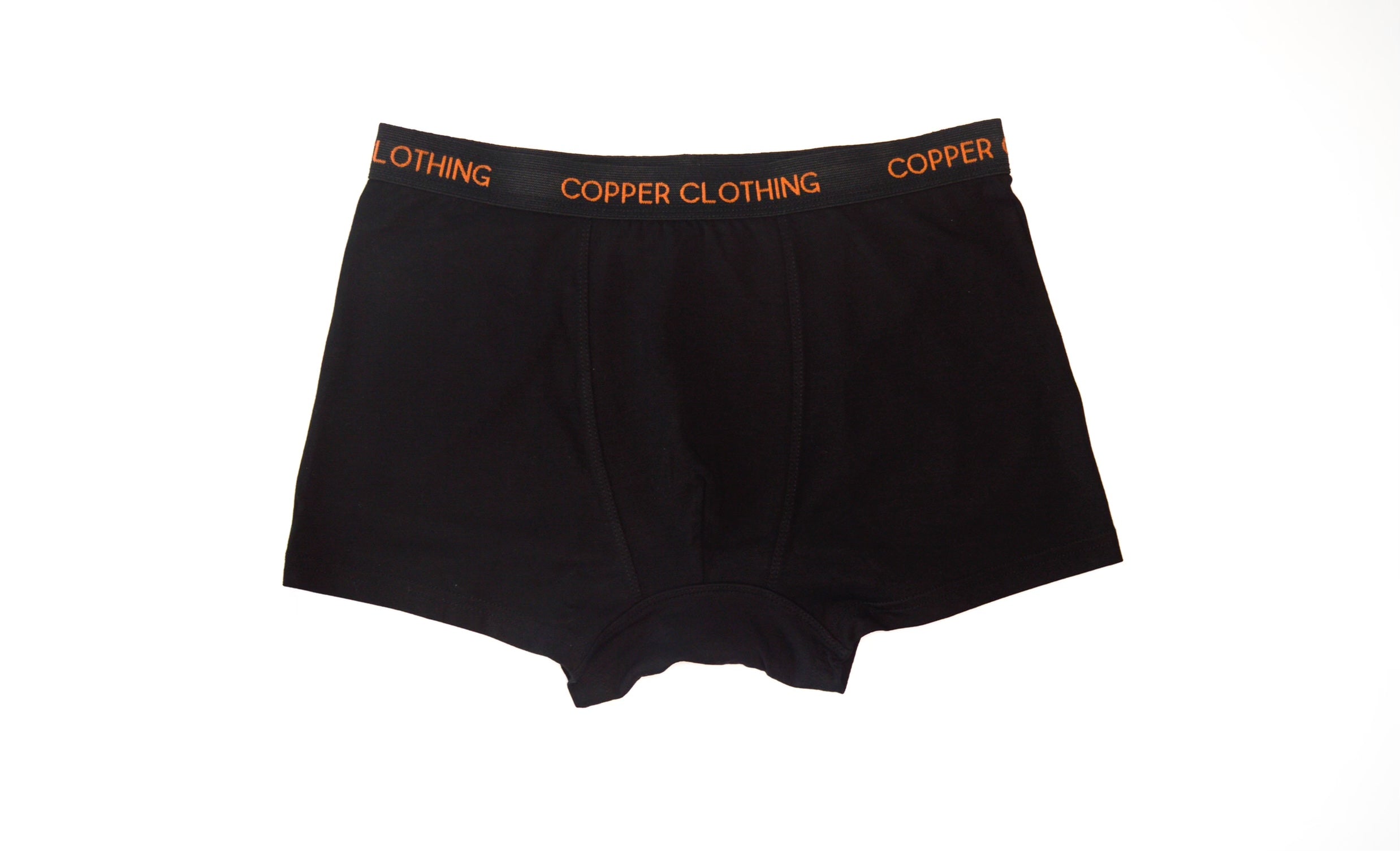
Mens Copper Boxer Shorts
- Luxuriously Soft Cotton & Bamboo (Lenzing Viscose)
- 30% Copper fibre throughout the crotch area
- 5% spandex for comfort throughout
- Perfect Fit Waistband
- Sale price
- £9.99
- Regular price
- £9.99
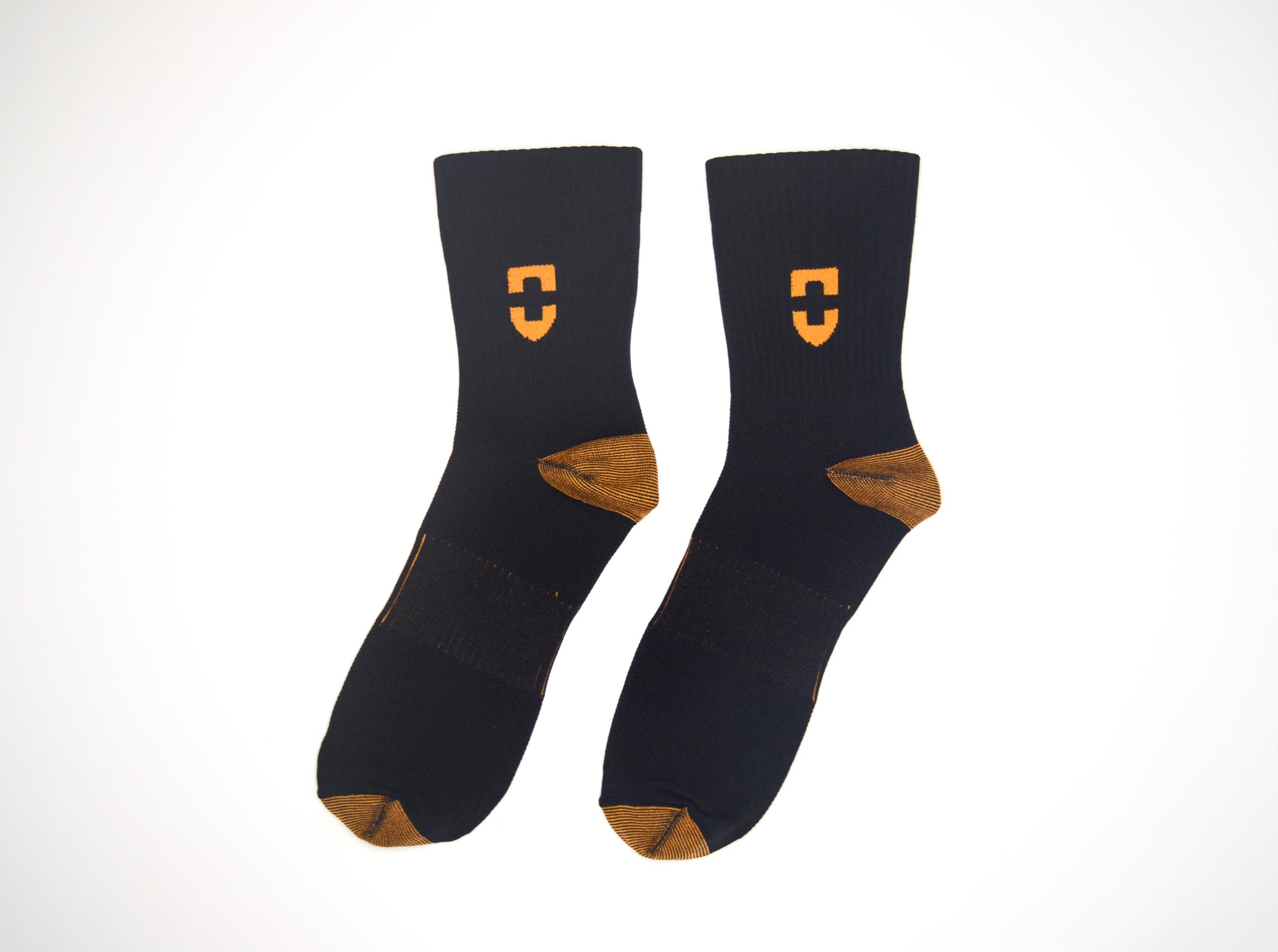
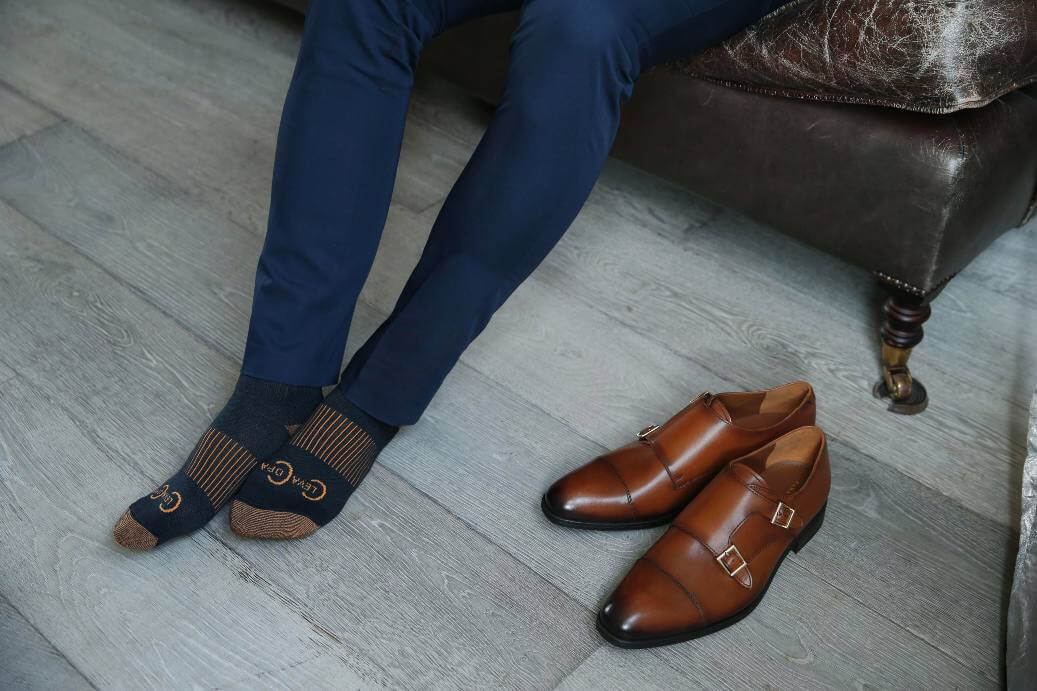
Short Compression Copper Infused Socks
- Breathable Compression Fabric, Comfortable & Durable
- 8 - 15mmHg of Compression
- Best socks for long flights and journey
- Sale price
- £12.99
- Regular price
- £12.99
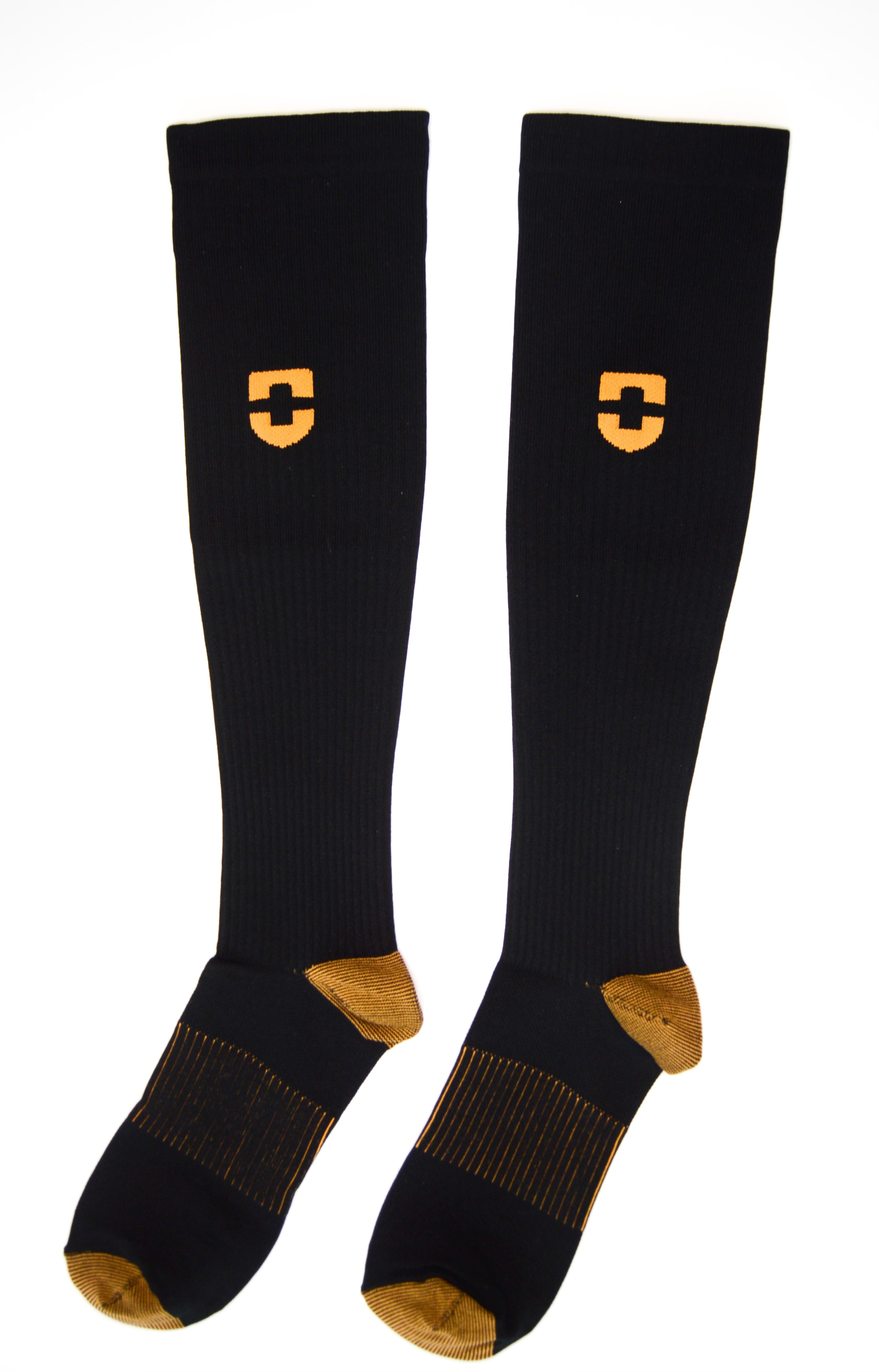
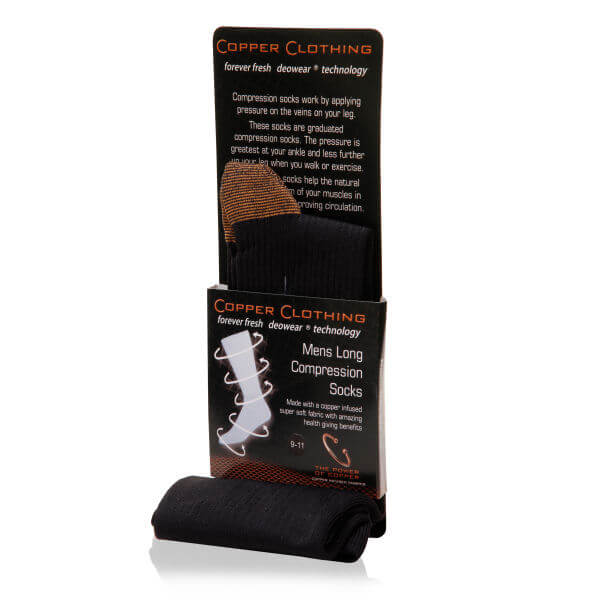
Long Copper Infused Compression Socks
- Breathable Compression Fabric, Comfortable & Durable
- 8 - 15mmHg of Compression
- Best socks for long flights and journey
- Sale price
- £15.99
- Regular price
- £15.99
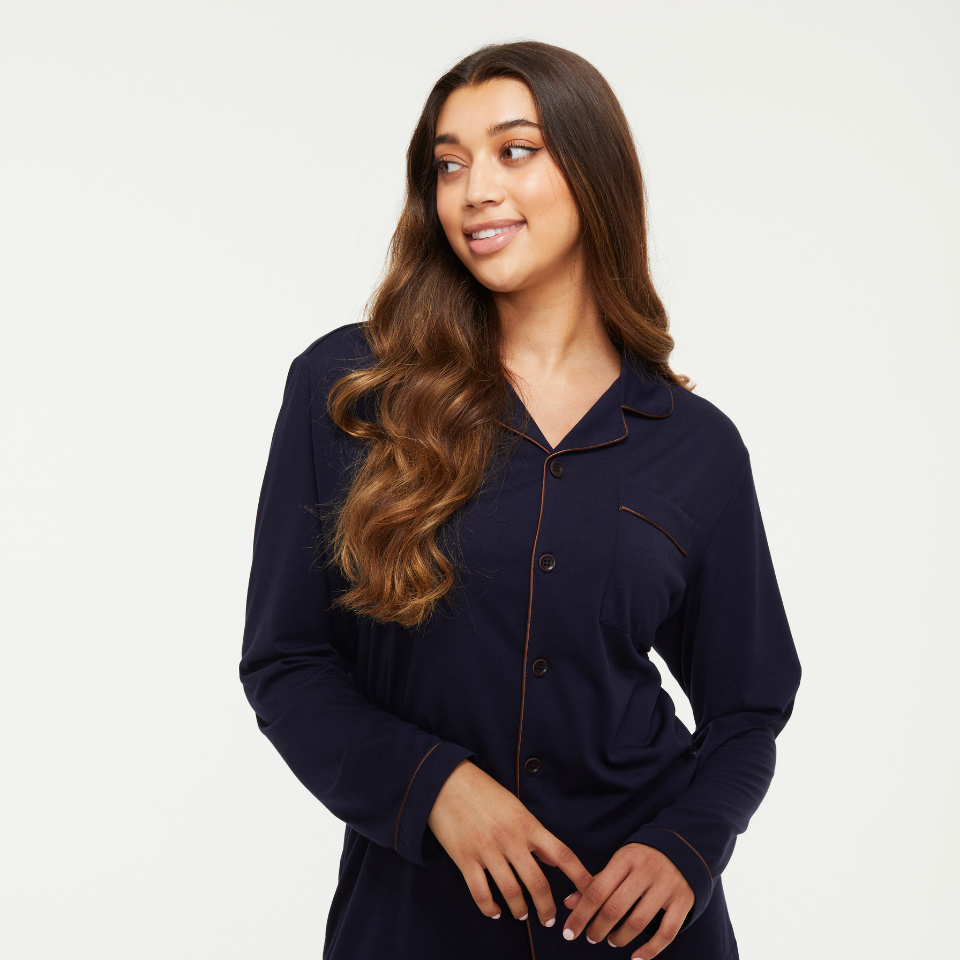
Ladies Copper Infused Pyjamas
- Luxuriously Soft Cotton & Bamboo
- Ideal for daily wear
- Sale price
- £49.99
- Regular price
- £49.99
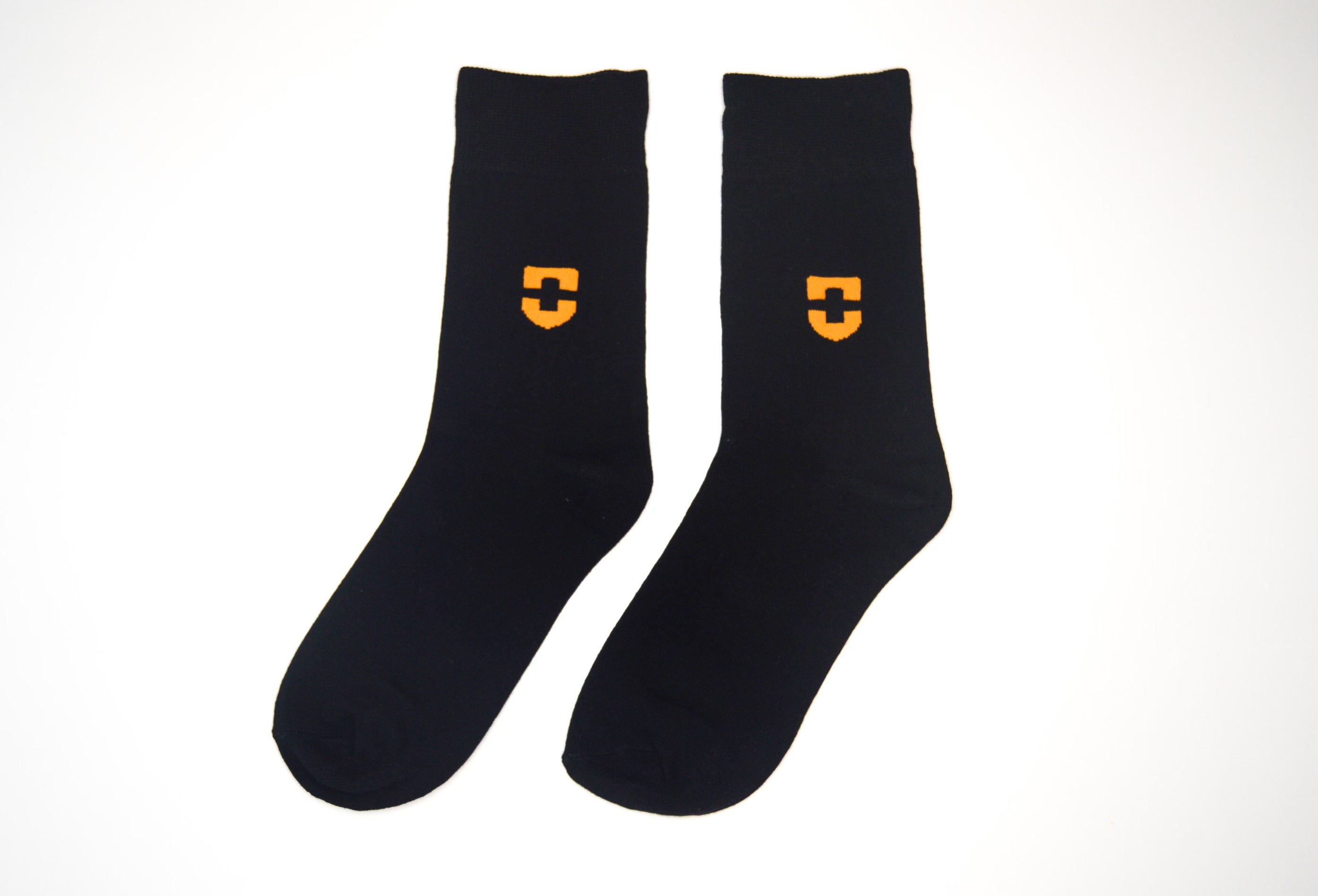
Everyday Copper Infused Socks
- Breathable fabric for comfort
- Ideal for long journey and flights
- Best for full day
- Sale price
- £9.99
- Regular price
- £9.99
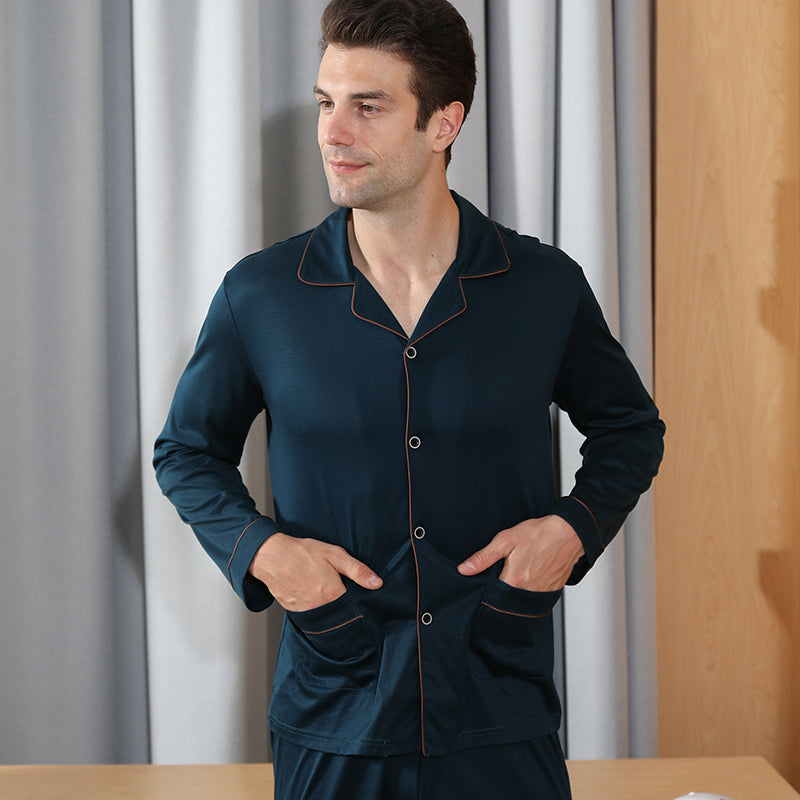
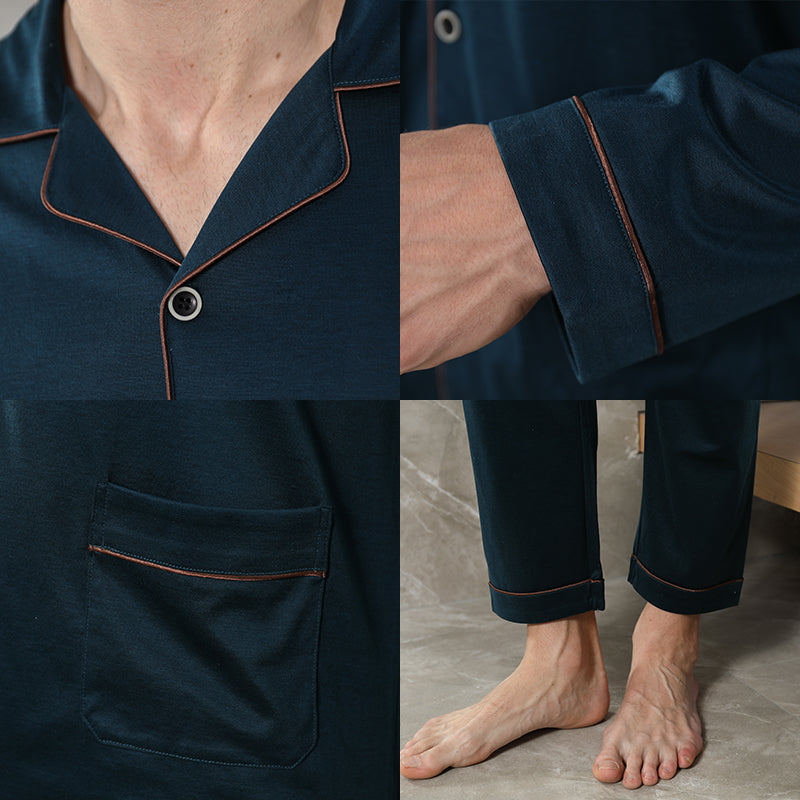
Mens Copper Infused Pyjamas
- Luxuriously Soft Cotton & Bamboo
- Promotes Healthier & Softer Skin
- Sale price
- £54.99
- Regular price
- £54.99
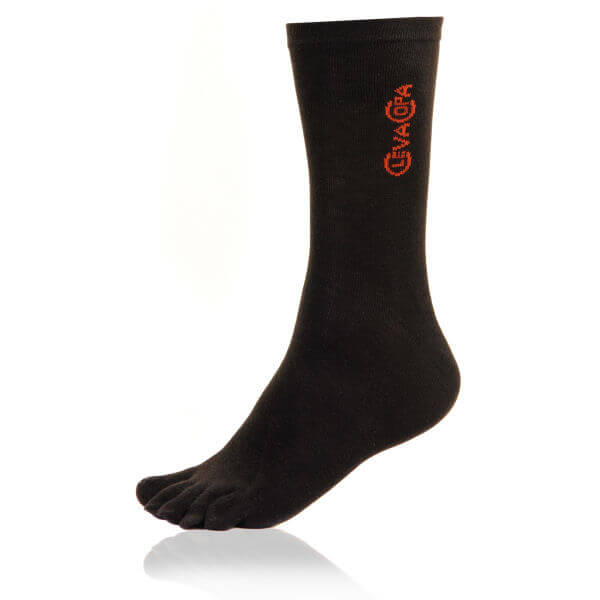
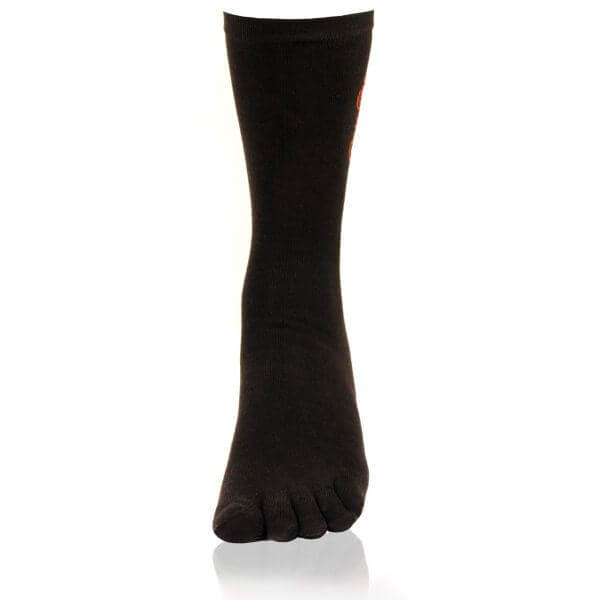
Copper Infused Five Toe Socks
- Promotes Softer Healthier Feet
- Completely Seamless
- Best for long journey and flights
- Sale price
- £14.99
- Regular price
- £14.99
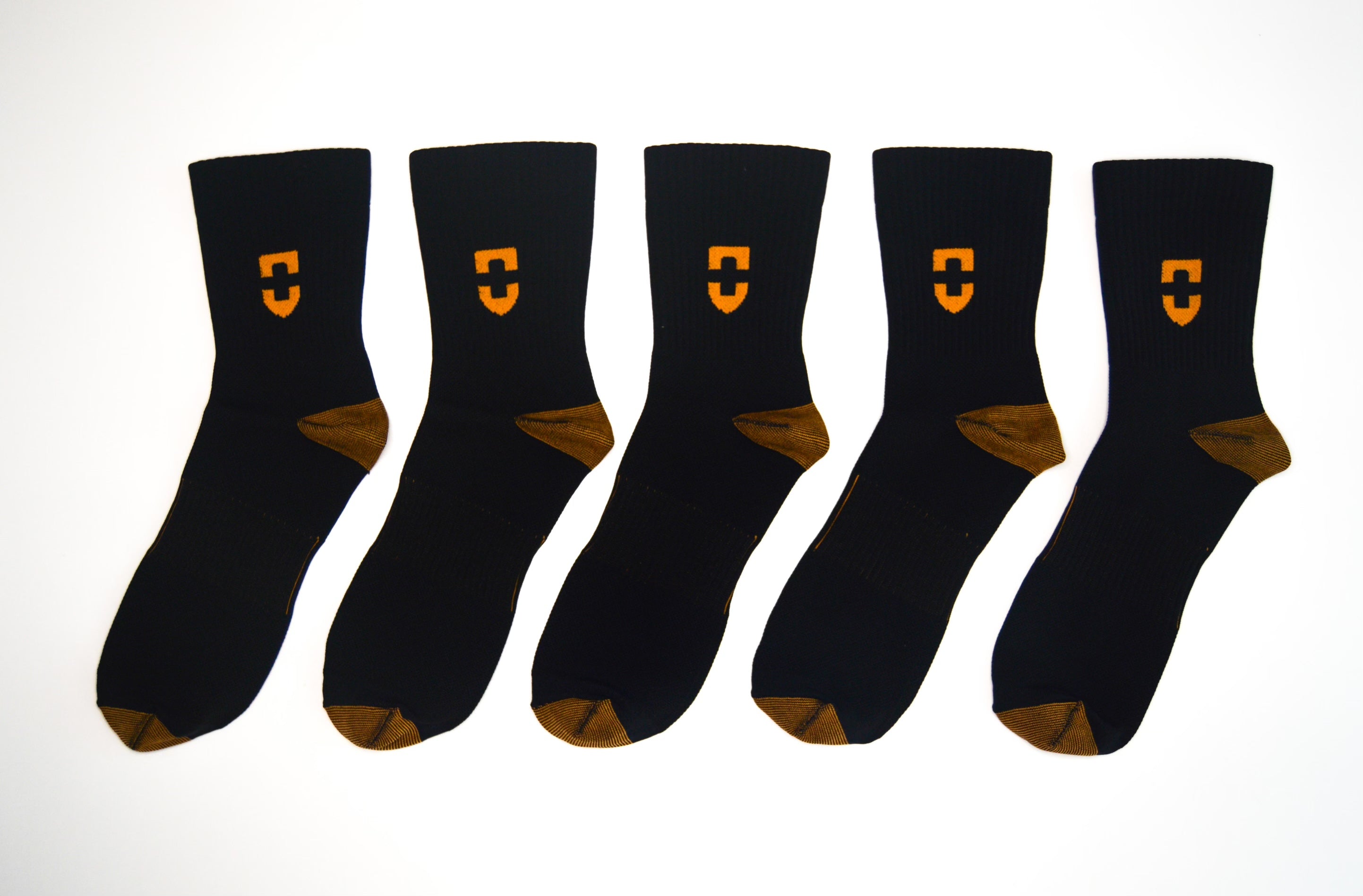
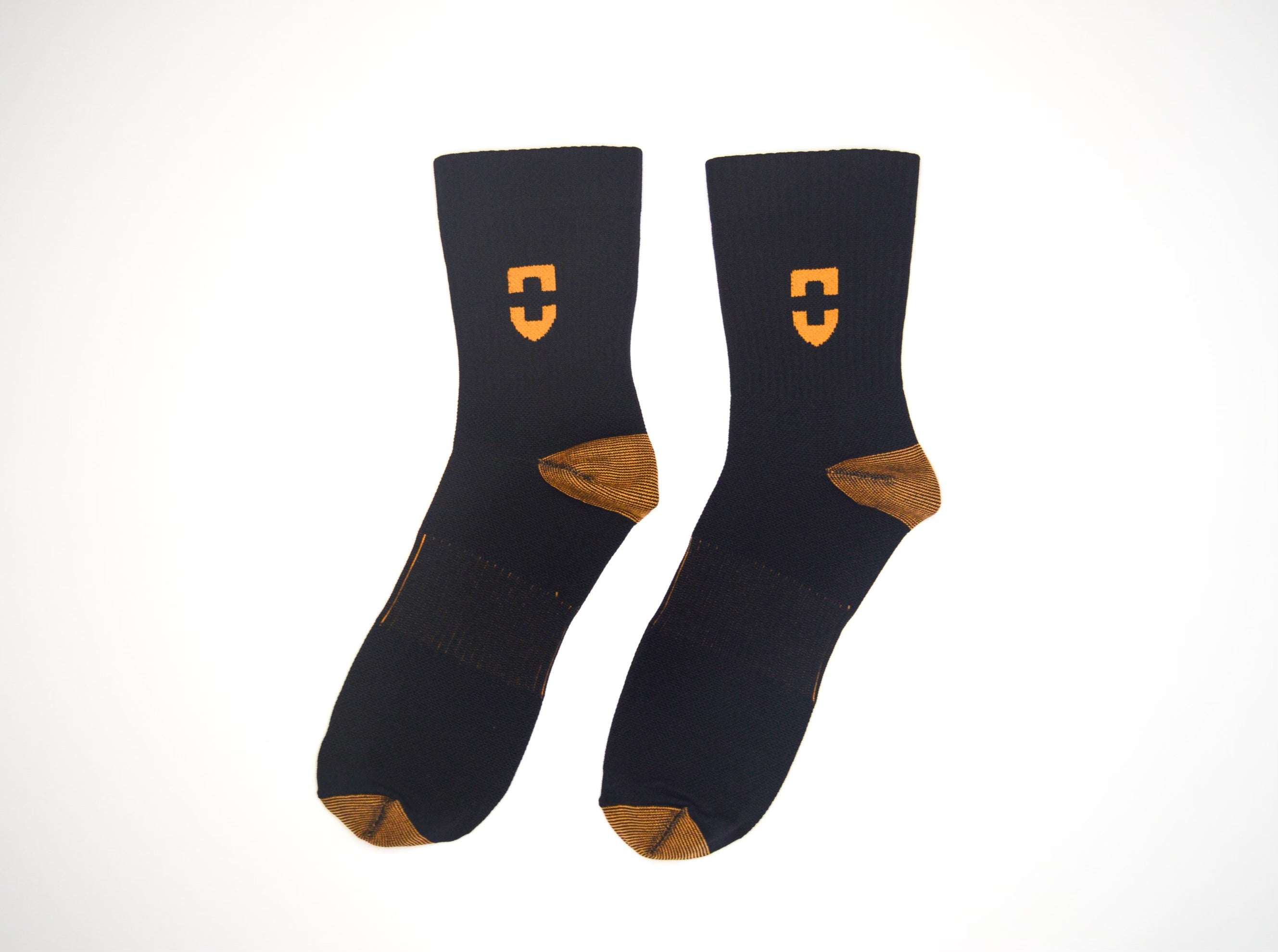
5-Pack Short Compression Copper Infused Socks
- Breathable Compression Fabric & Comfortable
- 8-15mmHg of Compression
- Best socks for long flights and travel
- Sale price
- £59.95
- Regular price
- £64.95
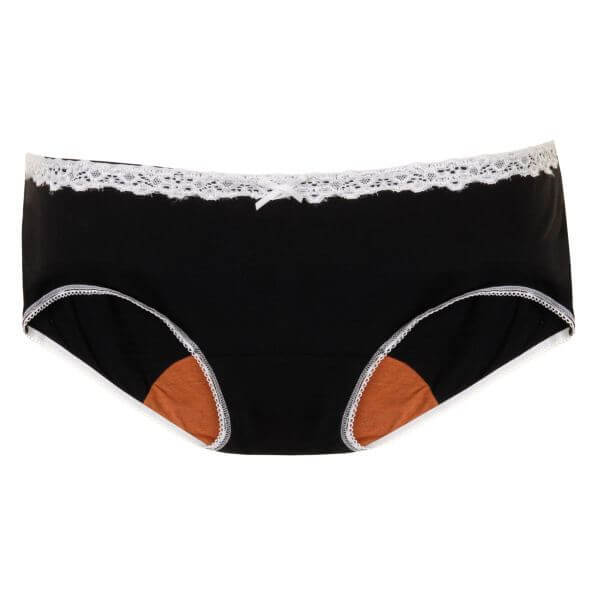
Womens Copper Infused Briefs
- Comforting Flexible Fit
- Luxuriously Super Soft Seamless Cotton
- Sale price
- £9.99
- Regular price
- £9.99
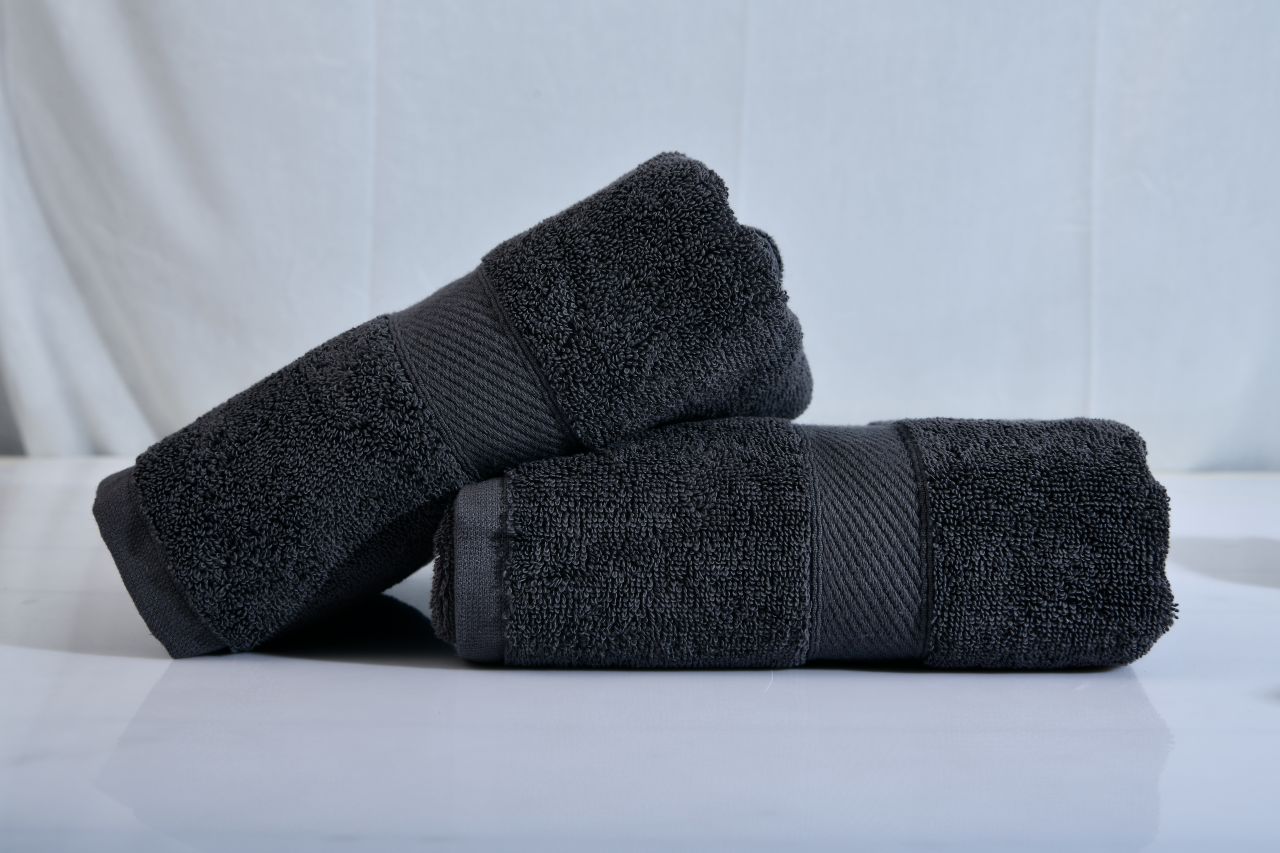
Copper Infused Bath & Gym Towel — 500 GSM Premium Cotton
- 500 GSM Cotton Cloth
- Soft & Premium
- Lightweight & Durable
- Child and Pet-Friendly
- Sale price
- £19.99
- Regular price
- £19.99

