


Compression Socks After Surgery: Benefits, Risks & Best Practices
Author

Rory Donnelly
Published
August 30 2022
Compression socks are one of the most widely recommended tools in post-surgical recovery. They reduce swelling, improve circulation, and significantly lower your risk of a dangerous blood clot called deep vein thrombosis (DVT). Research published in a Cochrane Review found that graduated compression stockings reduce DVT risk by approximately 60% in surgical patients.
This guide covers everything you need to know: who needs them, how long to wear them by surgery type, what compression level to choose, and when you should stop.
Who Needs Compression Socks After Surgery?
Compression socks are commonly recommended for people recovering from surgery to improve blood circulation and reduce the risk of complications such as deep vein thrombosis (DVT) or swelling. While not everyone needs them, they are especially beneficial for:
-
Patients Undergoing Major Surgery;
Those who’ve had orthopedic, abdominal, or cardiac surgeries often need compression socks to prevent blood clots during long recovery periods.
-
People with Limited Mobility After Surgery:
If you’re bedridden or moving less than usual post-surgery, compression socks help keep blood flowing and reduce the chance of clot formation.
-
Older Adults:
Seniors recovering from surgery are at higher risk of circulation problems and swelling, making compression socks particularly helpful.
-
Patients with a History of Blood Clots or Poor Circulation:
Individuals with previous clotting issues or varicose veins should wear compression socks after surgery to support vein health.
-
Those Undergoing Leg, Hip, or Knee Surgery:
Compression socks can reduce swelling, bruising, and discomfort, speeding up recovery after orthopedic procedures.
-
Patients on Long Flights After Surgery:
If you’re traveling soon after surgery, compression socks help reduce the risk of DVT during prolonged sitting.
How Long Should You Wear Compression Socks After Surgery?
The timeline depends on your specific procedure. Here are the standard guidelines doctors follow:
| Surgery Type | Typical Duration | Notes |
|---|---|---|
|
Knee Replacement / Knee Surgery
|
4–8 Weeks |
Swelling often migrates down to the ankle; wear until fully subsided.
|
|
Hip Replacement / Hip Surgery
|
4–6 Weeks |
Begin day-only wear as mobility increases (up to 12 weeks).
|
|
Abdominal Surgery
|
1–4 Weeks |
Primarily DVT prevention during the bed-rest phase.
|
|
Spine / Back Surgery (Discectomy)
|
2–6 Weeks |
24-hour wear for the first 1–2 weeks, then daytime only.
|
|
Cosmetic Surgery (Tummy Tuck, Liposuction)
|
1–2 Weeks |
Focus on swelling management and contouring.
|
|
Cardiac Surgery
|
As Directed |
Often longer duration; always follow your cardiologist's guidance.
|
When Is It Safe to Stop?
You may be ready to stop wearing compression socks when:
- Swelling has consistently reduced and stabilized
- You are walking regularly without discomfort
- Your surgeon has confirmed normal circulation at a follow-up
- You've completed the minimum recommended time frame
Never stop wearing compression socks earlier than your doctor recommends, even if you feel fine. The risk of DVT is highest in the first two weeks after surgery and can persist for several weeks beyond that.
Benefits of Compression Socks Post Surgery
Before we go further, you need to remember that no matter how beneficial compression stockings are, you should wear them after surgery only if your doctor recommends it. With that being said, let's look at the benefits they provide:
-
Reduces Swelling
Swelling post-surgery is common, but extreme swelling is a subject of concern. It can affect your recovery process and end up complicating things.
Wearing compression socks can prevent swelling since they are tight-fitting woven fabrics that do not allow your skin to expand. When your skin cannot expand from a certain point, the fluid dissipates and decreases build-up in one area. For best results, your doctor may recommend you to wear compression socks when swelling is at its peak, for example, in the morning when you wake up. However, depending on your condition, some may recommend wearing it to sleep. So, follow whatever your doctor says since every individual is different with different needs.
-
Improves Blood Circulation
Post-surgery, you are always recommended not to do strenuous physical activities and even have to lie in bed more often. But restricted physical movements and increased lying time lead to bad blood circulation and a risk of blood clots. And to heal completely after surgery, your body needs proper circulation.
Compression socks are used in this situation to maintain a healthy blood flow rhythm in your body and prevent blood clots from complicating your healing process.
-
Lowers Risk of DVT
DVT, Deep Vein Thrombosis, is a medical condition that causes blood clots in the veins located deep in your body, mainly in your legs. If this clot travels through your veins and imbeds in your lungs, it can block blood vessels and create a more serious condition called pulmonary embolism. It is said that patients who have undergone hip, knee, abdominal, or leg surgery have higher chances of developing DVT, especially when the general anaesthesia lasts for more than 90 minutes. Moreover, post-surgery bedridden patients are also vulnerable to developing DVT.
But luckily, compression socks can help reduce the risk of DVT development by regulating your circulation and avoiding the accumulation of blood. The blood can return to the heart through healthy veins and prevent clotting.
-
Prevents Varicose and Spider Veins
Both varicose and spider veins are commonly caused by surgery on your lower legs. Varicose veins cause enlarged, swollen, and raised blood vessels, while spider veins turn your blood vessels smaller and purple, red, or blue. Usually, they occur because the circulation slows down after surgery, causing the veins to expand by pooling the blood inside.
Compression socks aid varicose and spider veins by promoting healthy blood circulation, reducing blood clotting and preventing your risk of developing varicose and spider veins.
-
Fights Lymphedema
Breast cancer surgery patients experience lymphedema. It is a condition that refers to the swelling of tissue due to the accumulation of protein-rich fluid that is generally drained out by the lymphatic system. This is commonly noticed in the legs or arms, causing swelling, inflammation, infection, and skin conditions. Lymphedema can be fought with the help of compression socks. These socks provide external pressure on your muscles, decreasing the fluid build-up in your lower legs. You may start feeling less inflammation and swelling in your legs.
-
Speeds Up Your Recovery Process
Constant healthy blood circulation, oxygen, and nutrients are needed for better healing post-surgery. And compression socks can speed up your healing process by exerting external pressure on your legs and properly distributing blood into your body. However, note that compression socks are not meant to replace any after-care surgery practices. They are only meant to elevate the healing and are a good addition to your recovery process.
Featured product in this article

Long Copper Infused Compression Socks
When NOT to Wear Compression Socks After Surgery
Compression socks are not appropriate for everyone. Do not wear them without medical clearance if you have:
- Peripheral artery disease (PAD) - compression can further restrict already compromised arterial blood flow
- Severe peripheral neuropathy - you may not feel developing complications
- Active skin infection or open wounds on the legs
- Congestive heart failure with significant fluid overload
- Severe edema with pitting that extends above the knee
If you experience numbness, increased pain, color changes in your skin, or the socks leave deep, painful impressions, remove them and contact your care team immediately.
Why Choose Copper-Infused Compression Socks for Post-Surgery Recovery?
Standard compression socks address circulation, copper-infused compression socks do that and more. During surgical recovery, skin health is a real concern: long hours of wear, reduced mobility, and a compromised immune system all elevate infection risk.
Copper has well-documented antimicrobial properties. Copper-infused compression socks actively work against bacteria, fungi, and odour-causing microbes on contact — making them a more hygienic choice during extended post-surgical wear compared to standard compression fabrics.
Choose copper-infused compression socks that improve circulation and help protect
against bacteria and odor during post-surgery recovery.
FAQs
-
How Long Should You Wear Compression Socks After Knee Surgery?
Knee surgery recovery comes in phases. First three to five weeks, you will see increased swelling, which is generally when doctors recommend compression socks.
-
How Long Should You Wear Compression Socks After Hip Surgery?
Generally, you should wear compression socks for six weeks after hip surgery. Doctors may give you compression socks; if they don't you can try copper compression socks infused with anti-microbial, anti-bacterial, and anti-fungal properties.
-
When to Remove Compression Stockings After Surgery?
If you are comfortable wearing compression socks for 24 hours a day, you can go around and wear them. But that is not the requirement. Talk to your doctor for the best recommendation, since there are situations when compression socks are not recommended. In contrast, there are conditions like ablation of one or both of the saphenous veins in a leg where you cannot remove compression socks unless your doctor has said so.
-
Should You Wear Compression Socks to Bed After Surgery?
Straight after surgery, yes. Compression socks can be worn to bed as long as you are comfortable with them. Always ask your doctor before making any decisions.
-
Why is DVT Common After Surgery?
DVT is common after surgery due to changes in blood flow, vessel walls, and blood properties caused by reduced movement, low fluid intake, and fluid loss. Surgery also activates the body’s clotting system, increasing the risk. That’s why doctors often recommend compression socks and therapy to prevent blood clots.
-
When should you stop wearing compression socks after surgery?
You should stop wearing compression socks after surgery when your doctor clears you at a follow-up visit, swelling has consistently subsided, and you've completed the minimum recommended time frame (usually 2–8 weeks depending on the procedure). Do not stop early based on how you feel alone.
-
What mmHg compression sock should I wear after surgery?
Most surgical care teams recommend 20–30 mmHg compression for standard post-operative recovery. This is considered medical-grade, moderate compression. If 20–30 mmHg feels too tight, 15–20 mmHg may be appropriate. Higher levels (30–40 mmHg) are sometimes prescribed for high-risk patients and typically require a prescription.
-

Post-Workout Hygiene: What You Shouldn’t Ign...
April 15, 2026
-

Compression Socks for Desk Job
April 15, 2026
-

Running in Cold Weather? Learn Benefits, Saf...
March 26, 2026
-

Sweaty Feet: Causes, Remedies, and Preventio...
March 12, 2026
-

Post Run Recovery: Can Compression Socks Rea...
February 24, 2026


Popular Products
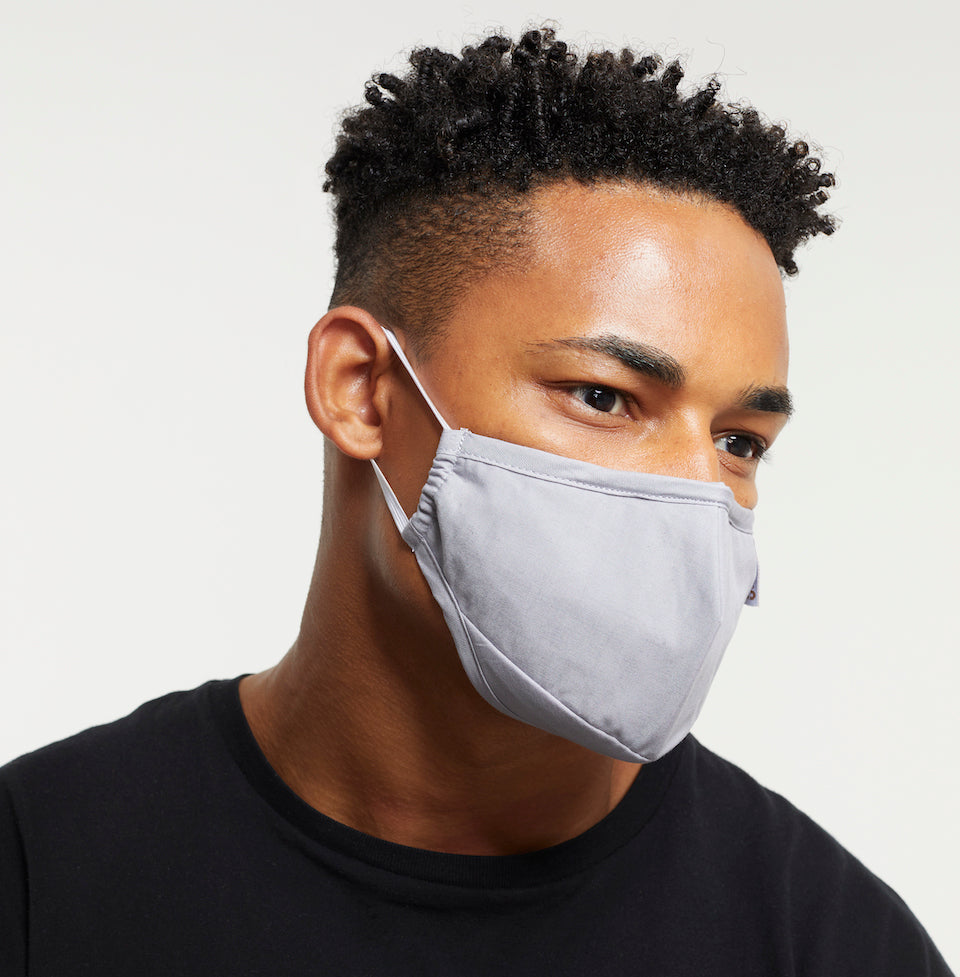
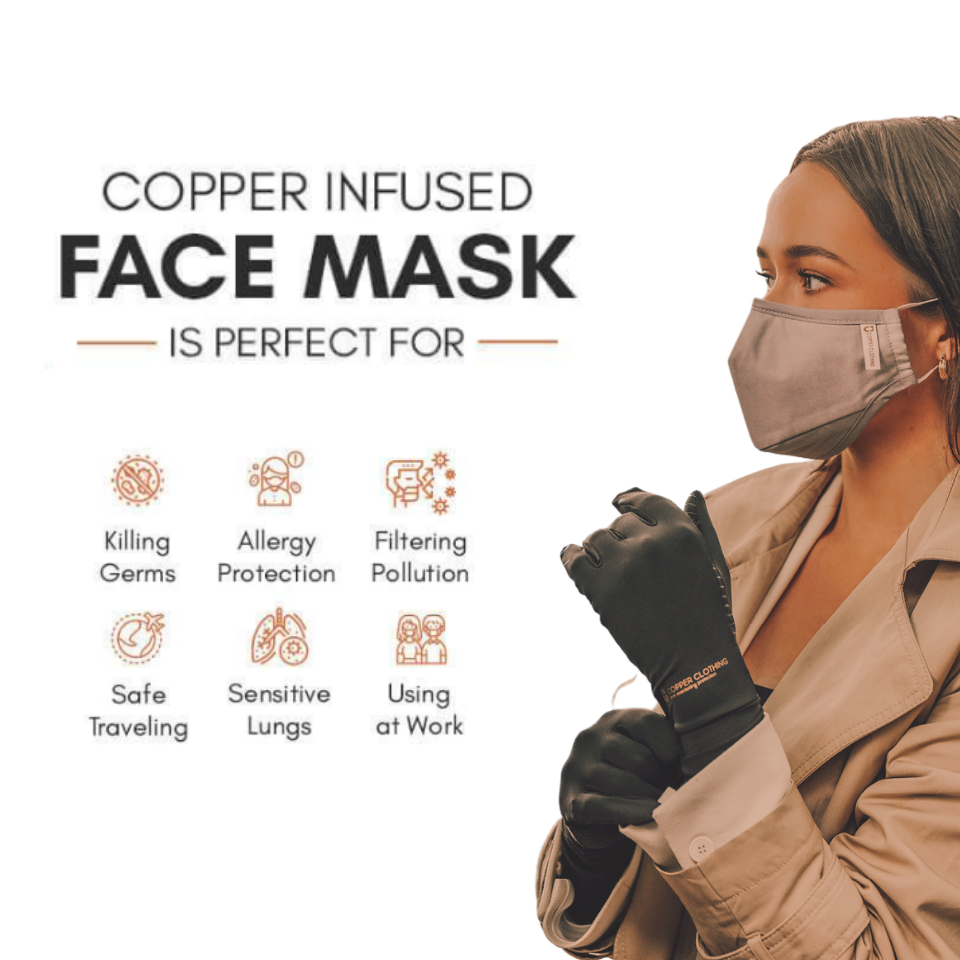
FFP2 CE Four-Layer Copper Infused Face Mask
- Four layers of protection
- Comfortable & washable
- Sale price
- £22.99
- Regular price
- £22.99
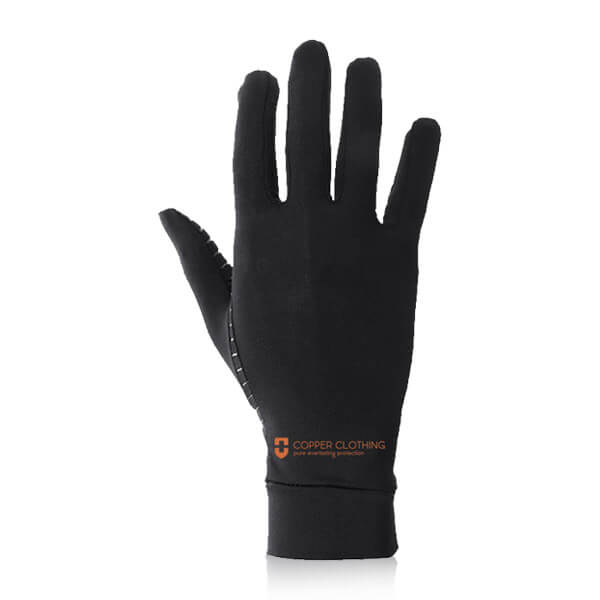
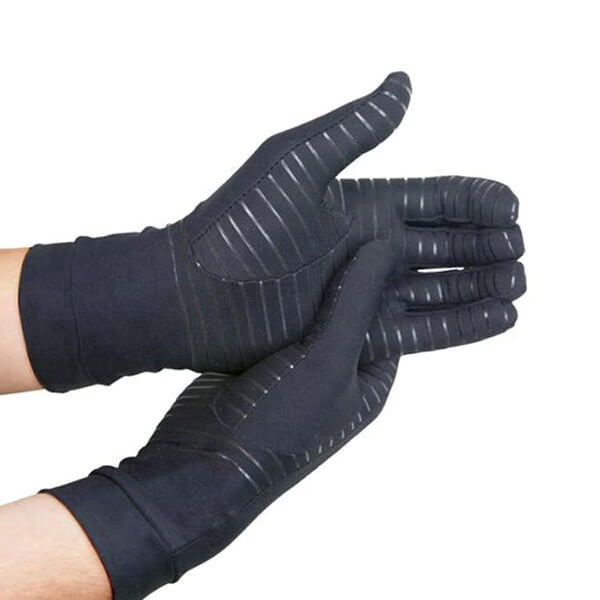
Full Finger Gloves (Copper Gloves)
- Ultimate comfort & flexibility
- Provides warmth and comfort for hands
- Washable
- Sale price
- £22.99
- Regular price
- £22.99
Mens Copper Boxer Shorts
- Luxuriously Soft Cotton & Bamboo (Lenzing Viscose)
- 30% Copper fibre throughout the crotch area
- 5% spandex for comfort throughout
- Perfect Fit Waistband
- Sale price
- £9.99
- Regular price
- £9.99
Short Compression Copper Infused Socks
- Breathable Compression Fabric, Comfortable & Durable
- 8 - 15mmHg of Compression
- Best socks for long flights and journey
- Sale price
- £12.99
- Regular price
- £12.99
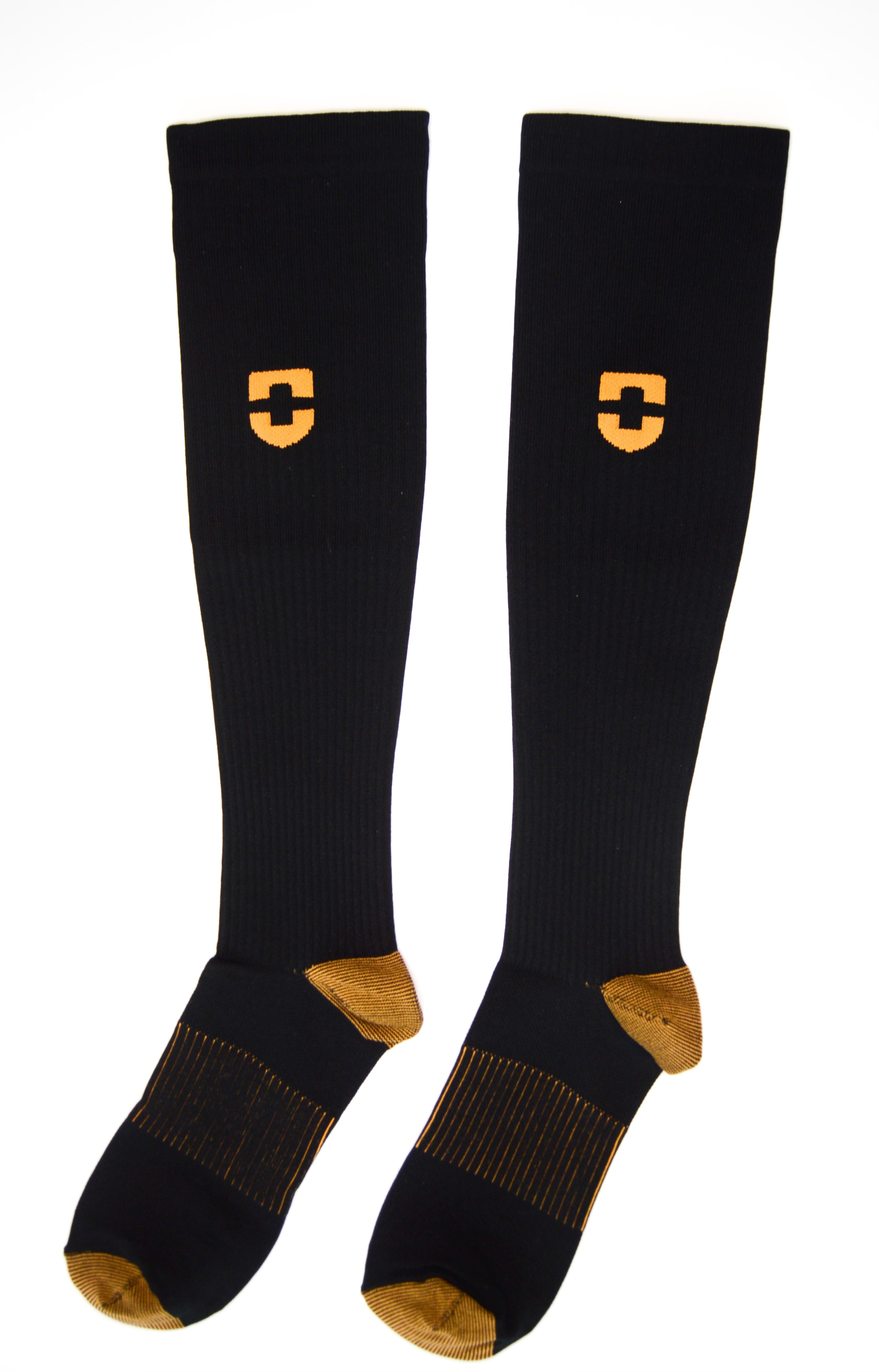
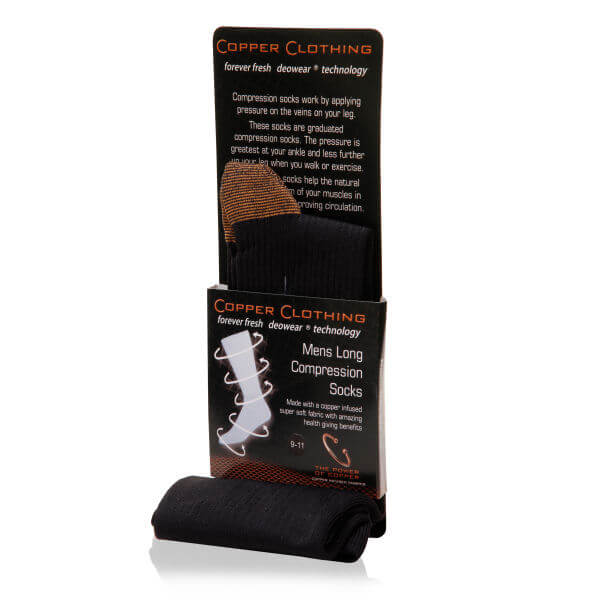
Long Copper Infused Compression Socks
- Breathable Compression Fabric, Comfortable & Durable
- 8 - 15mmHg of Compression
- Best socks for long flights and journey
- Sale price
- £15.99
- Regular price
- £15.99
Ladies Copper Infused Pyjamas
- Luxuriously Soft Cotton & Bamboo
- Ideal for daily wear
- Sale price
- £49.99
- Regular price
- £49.99
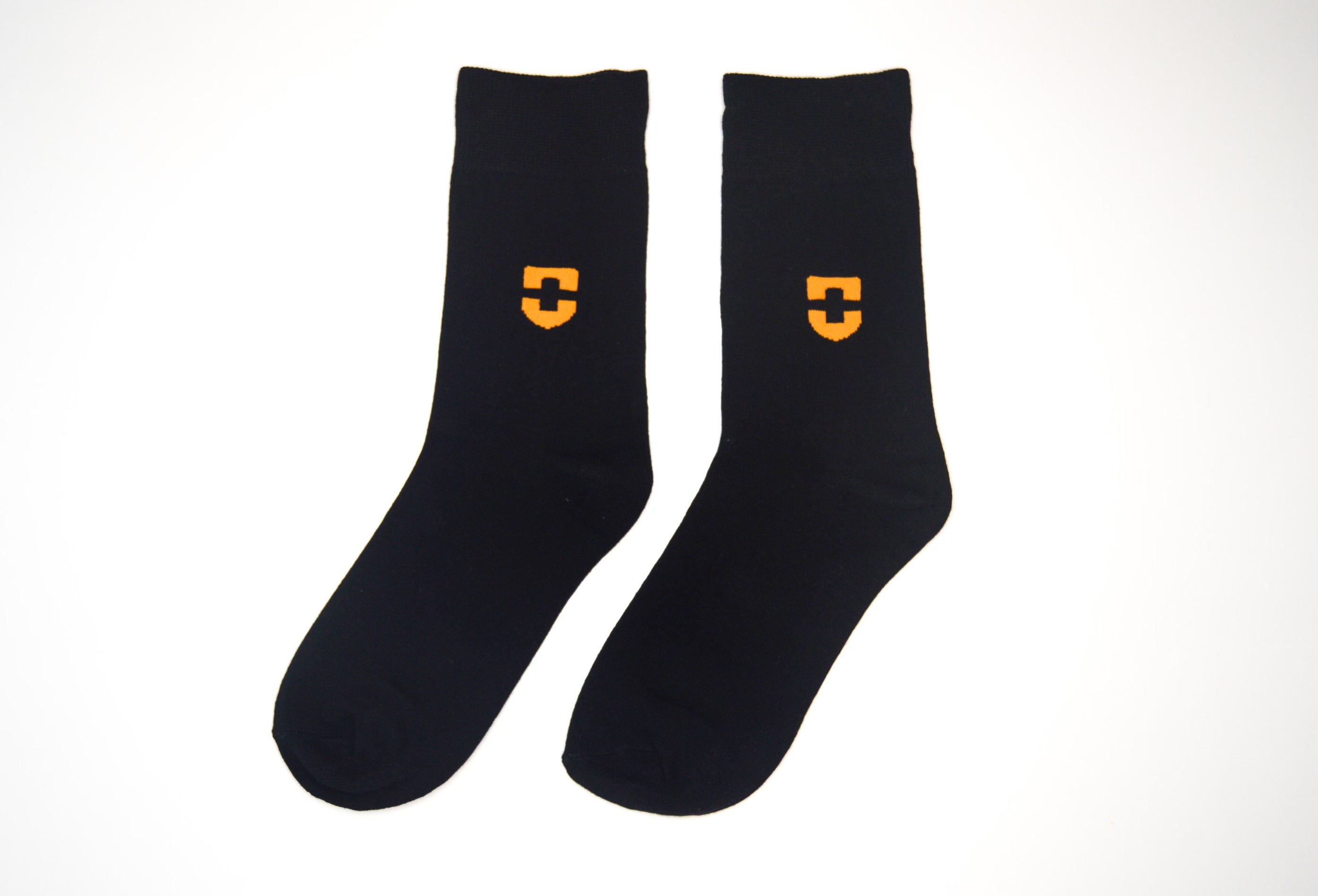
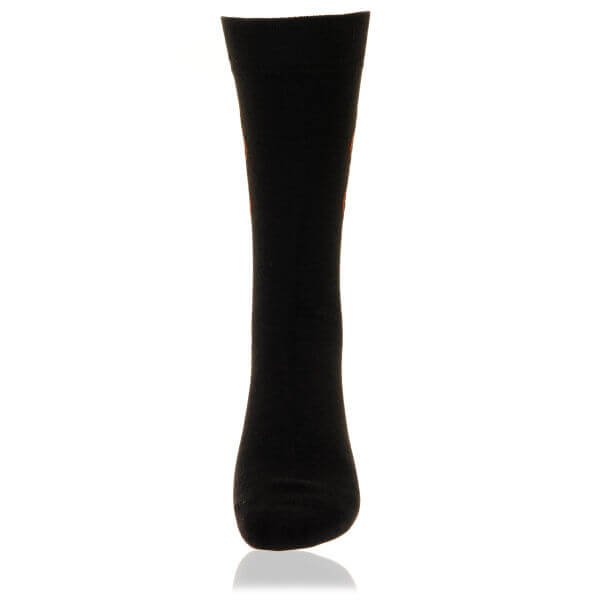
Everyday Copper Infused Socks
- Breathable fabric for comfort
- Ideal for long journey and flights
- Best for full day
- Sale price
- £9.99
- Regular price
- £9.99
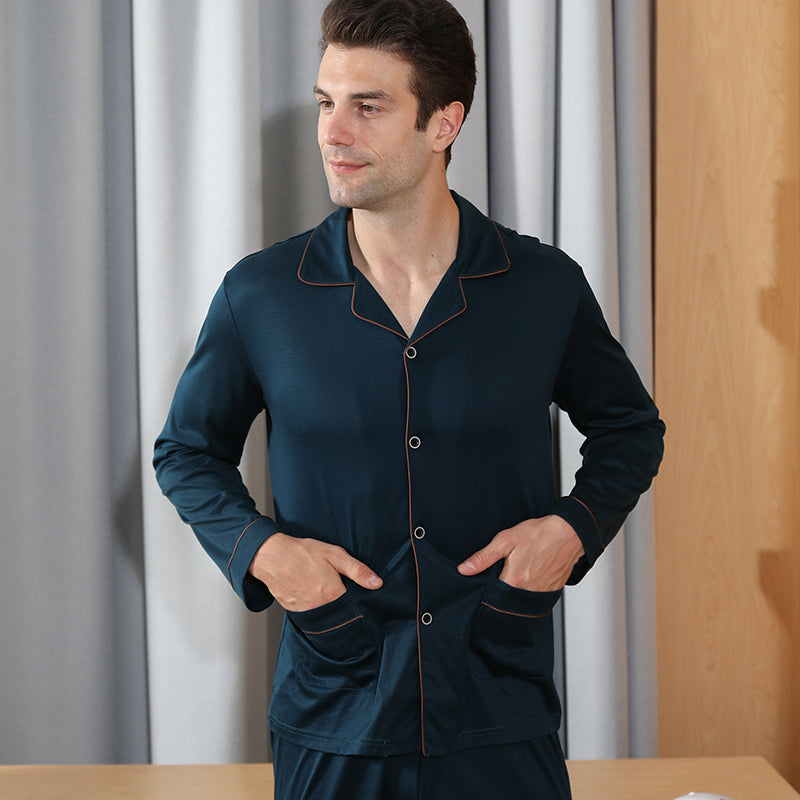
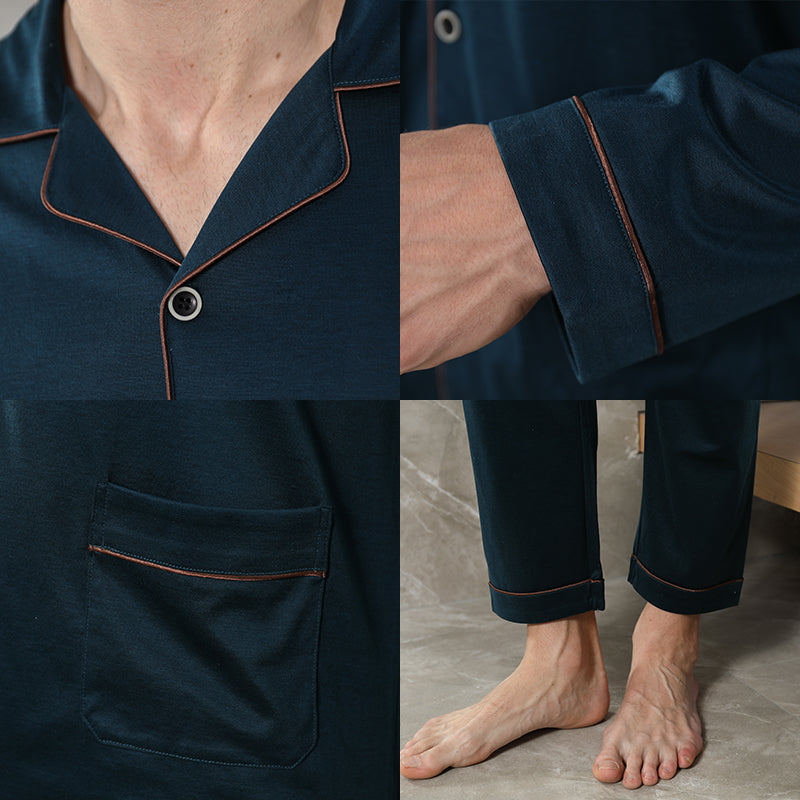
Mens Copper Infused Pyjamas
- Luxuriously Soft Cotton & Bamboo
- Promotes Healthier & Softer Skin
- Sale price
- £54.99
- Regular price
- £54.99
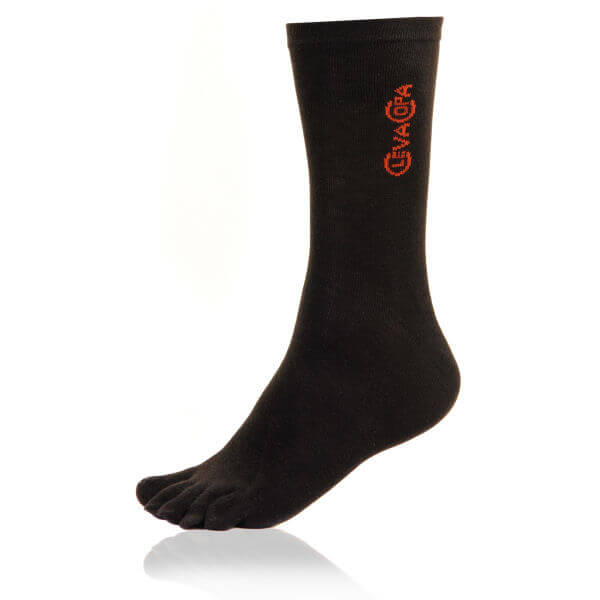
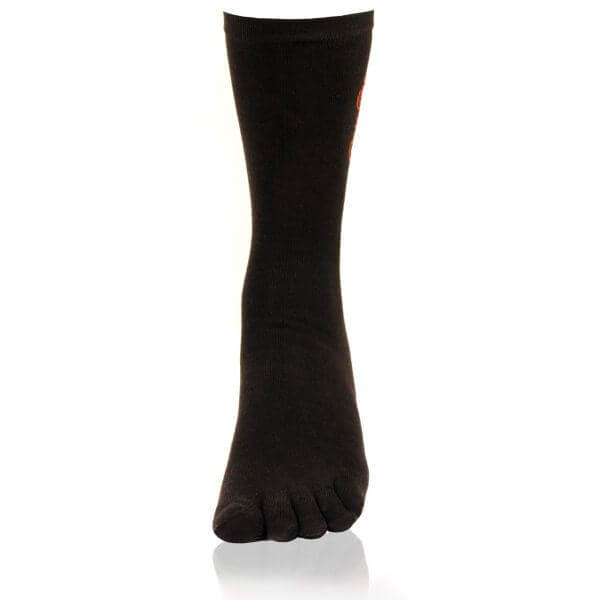
Copper Infused Five Toe Socks
- Promotes Softer Healthier Feet
- Completely Seamless
- Best for long journey and flights
- Sale price
- £14.99
- Regular price
- £14.99
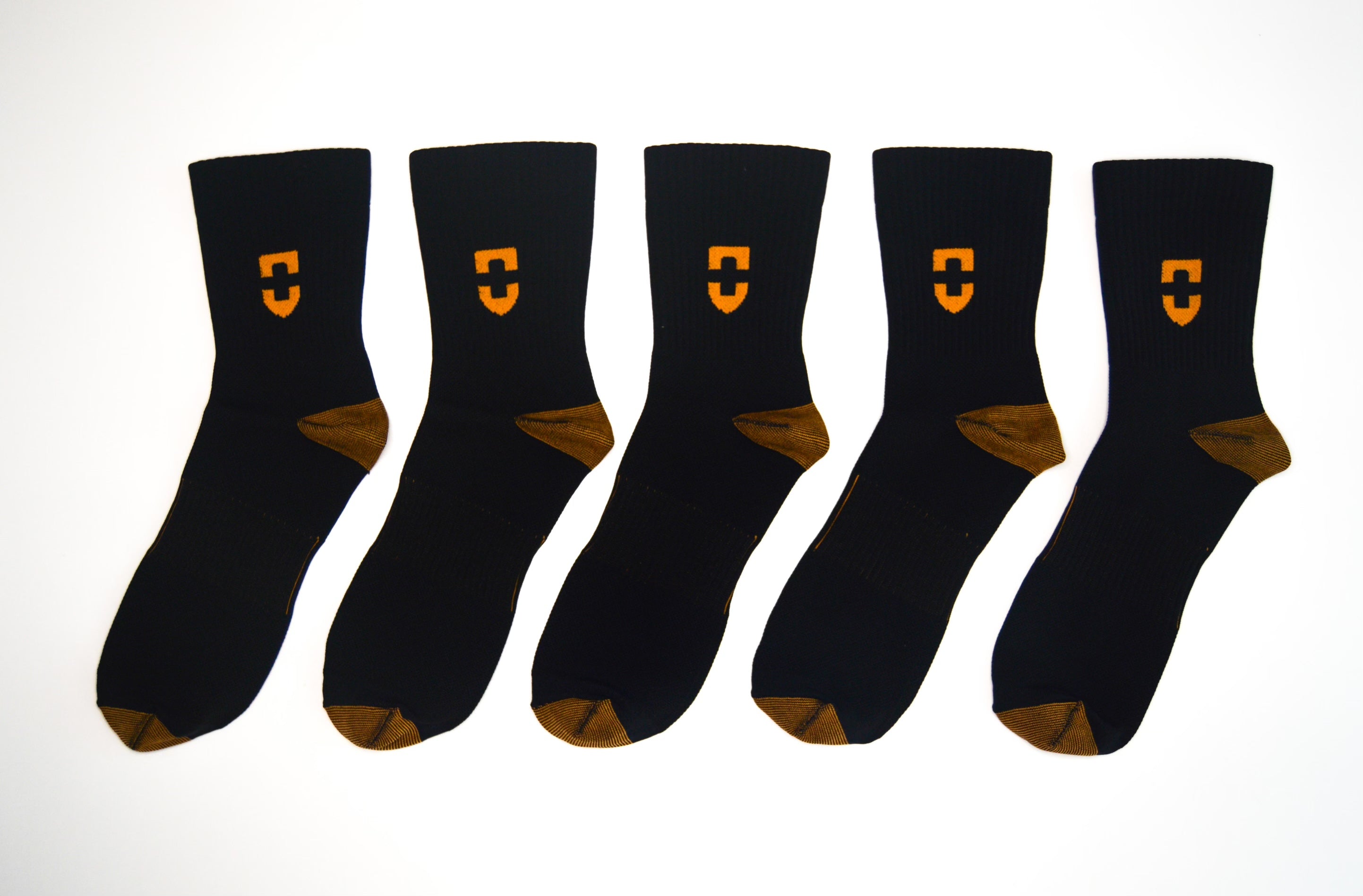
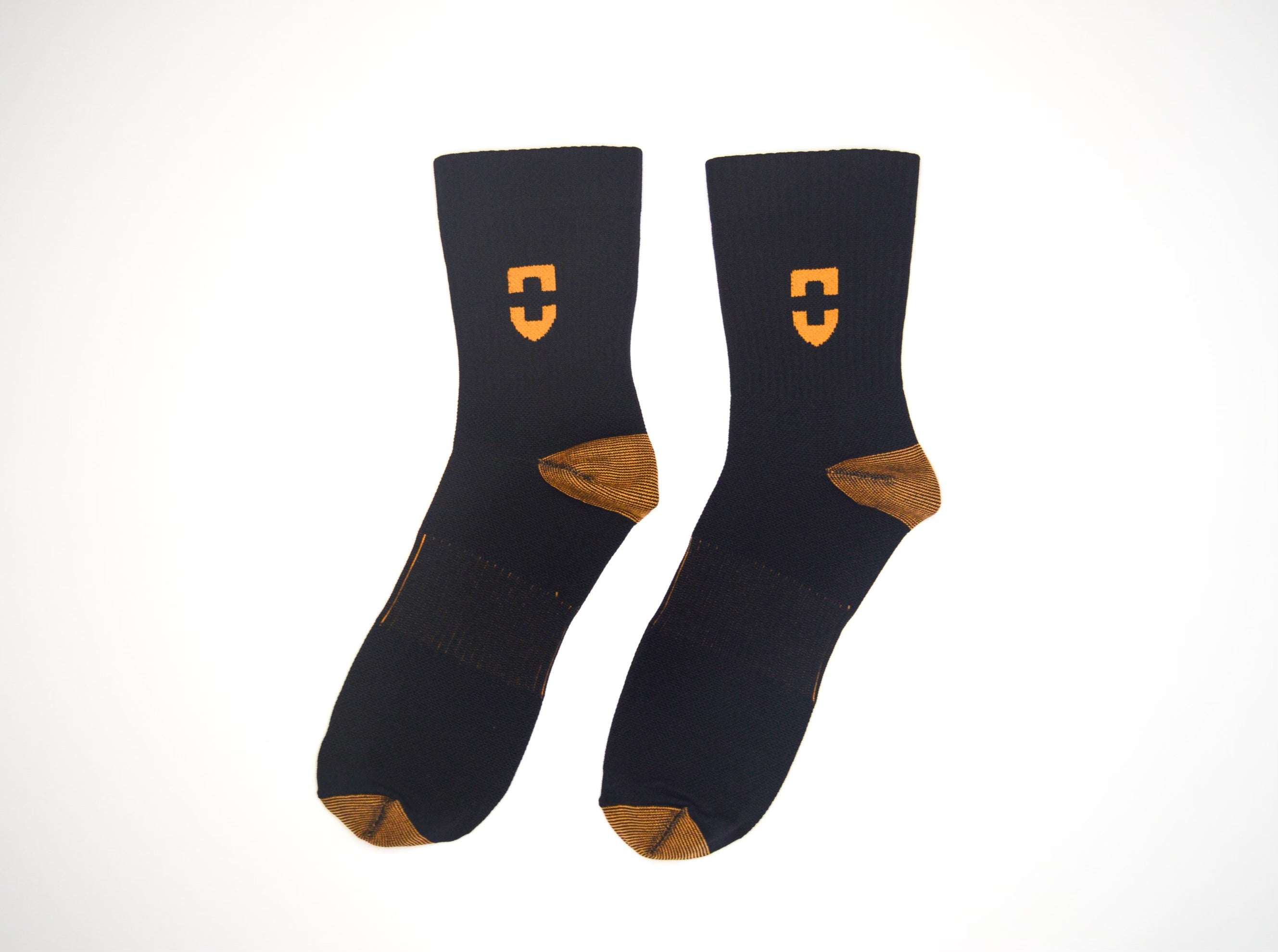
5-Pack Short Compression Copper Infused Socks
- Breathable Compression Fabric & Comfortable
- 8-15mmHg of Compression
- Best socks for long flights and travel
- Sale price
- £59.95
- Regular price
- £64.95
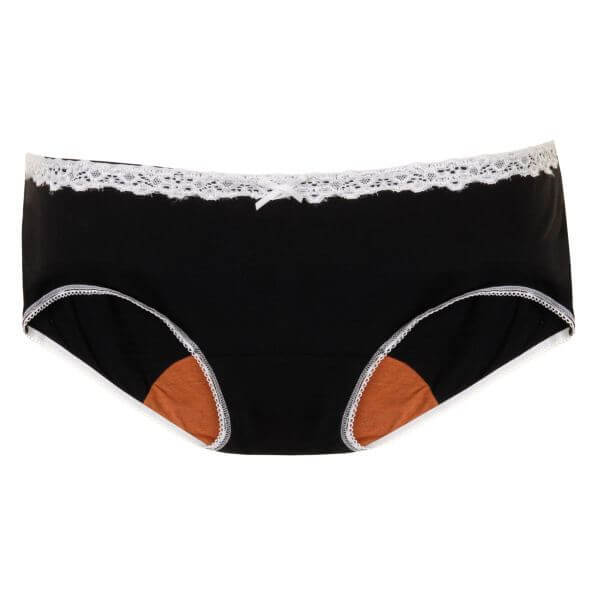
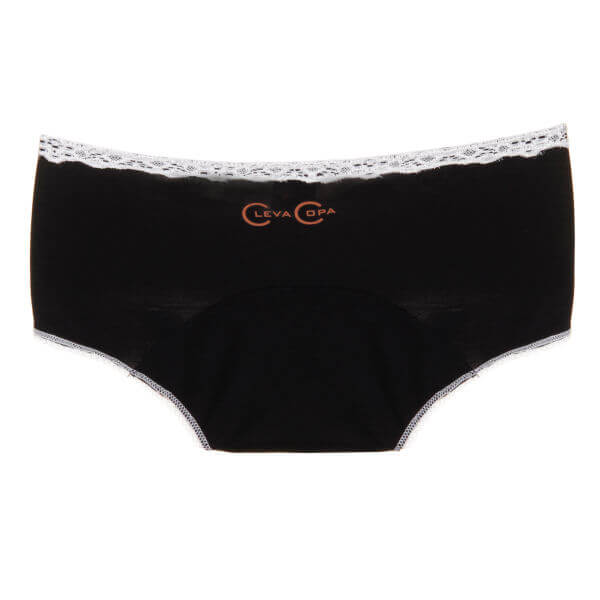
Womens Copper Infused Briefs
- Comforting Flexible Fit
- Luxuriously Super Soft Seamless Cotton
- Sale price
- £9.99
- Regular price
- £9.99
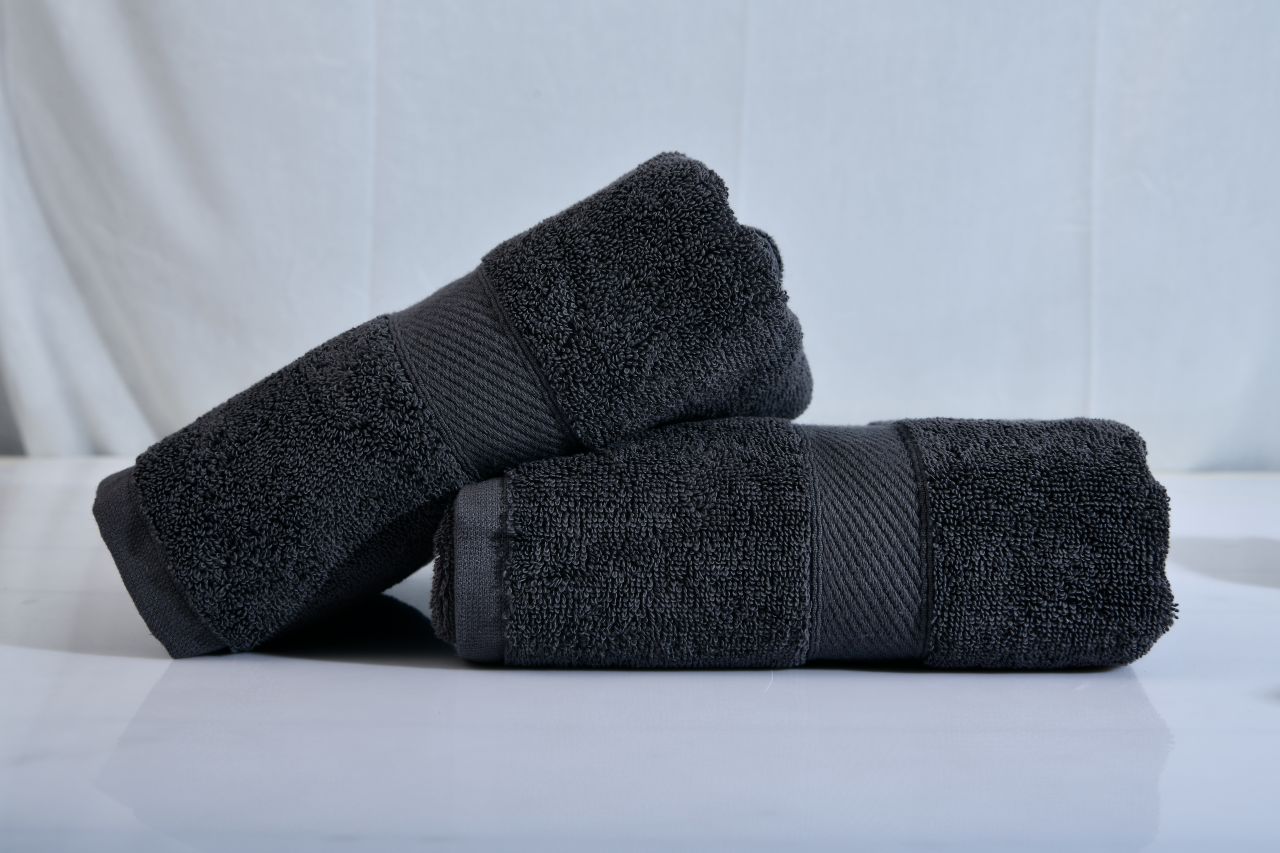
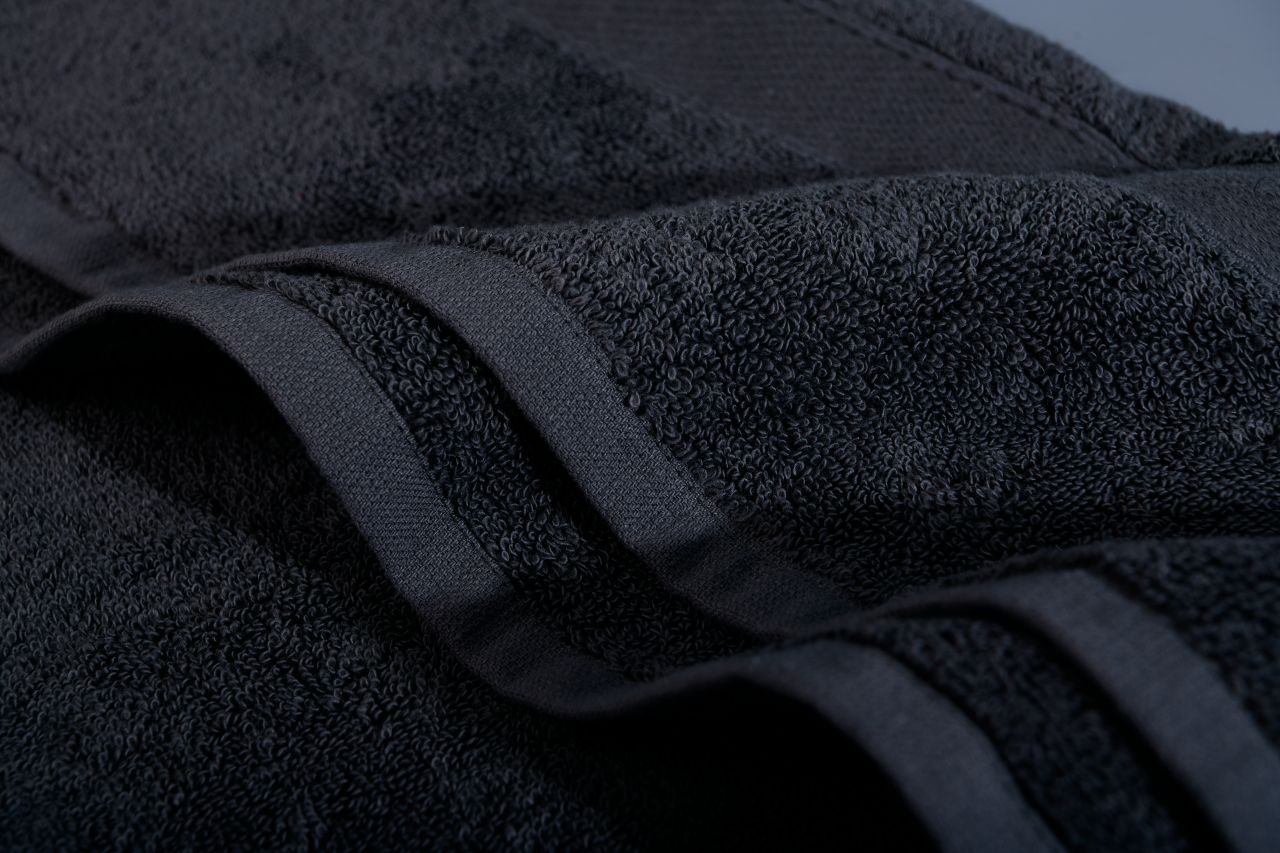
Copper Infused Bath & Gym Towel — 500 GSM Premium Cotton
- 500 GSM Cotton Cloth
- Soft & Premium
- Lightweight & Durable
- Child and Pet-Friendly
- Sale price
- £19.99
- Regular price
- £19.99

