


How Effective are Compression Socks for Sciatica Pain?
Author

Rory Donnelly
Published
March 10 2022
If you're dealing with sciatica pain, you're probably open to trying anything that might offer relief. Compression socks are often recommended for leg and nerve issues, but do they actually help with sciatica? In this blog, let’s break down how compression socks work, what they can and can’t do for sciatica, and whether they’re worth trying in your case.
Key Takeaways
- Sciatica is caused by irritation or pressure on the sciatic nerve and often leads to leg pain, numbness, or tingling.
- Compression socks do not treat the root cause of sciatica but can help manage leg-related symptoms like swelling, heaviness, and fatigue.
- Improved blood circulation from compression socks may make sitting, standing, and walking more comfortable during daily activities.
- Using compression socks along with stretching, posture care, and medical guidance can support better day-to-day comfort.
What Is Sciatica?
Sciatica is when you feel pain, numbness, or a tingling sensation that travels from your lower back down to your leg, usually on one side. It happens when the sciatic nerve, which runs all the way from your spine to your foot, gets irritated or pinched. This can be caused by things like a herniated disc or a bone spur pressing on the nerve. The pain can feel like a sharp jolt, burning, or even weakness in the leg, and sometimes it can go all the way down to your toes.
Common Causes of Sciatica
These are the most common reasons behind sciatica and what might be triggering that nerve pain.
-
Herniated Disc
A herniated disc is one of the most common reasons behind sciatica. It happens when the soft inner part of a spinal disc pushes out through a crack in the tougher outer layer. This bulge can press directly on the sciatic nerve, causing pain that travels from your lower back down your leg. The discomfort might feel sharp, burning, or like pins and needles, depending on how much the nerve is irritated.
-
Spinal Stenosis
Spinal stenosis refers to the narrowing of spaces within your spine, which can put pressure on the nerves, including the sciatic nerve. As the space gets tighter, nerves don’t have much room to move, leading to pain, numbness, or weakness. This is more common as people age, especially after 50, and can make standing or walking for long periods uncomfortable.
-
Piriformis Syndrome
The piriformis is a small muscle located deep in your buttocks. If this muscle becomes tight, inflamed, or injured, it can irritate or squeeze the sciatic nerve that runs underneath or through it. This condition, known as piriformis syndrome, often causes pain that starts in the buttock and travels down the back of the leg. It can happen due to overuse, prolonged sitting, or improper stretching.
-
Muscle Imbalances or Tension
When certain muscles in your hips, lower back, or legs are too tight or too weak, it can put uneven stress on your spine and surrounding nerves. This imbalance might lead to sciatic nerve irritation. For example, tight hamstrings or hip flexors can pull the pelvis out of alignment, indirectly affecting the sciatic nerve. Paying attention to posture and regular stretching can help keep these muscles balanced.
-
Pregnancy
Pregnant women often experience sciatica due to the extra weight and pressure placed on the spine and pelvic region. As the baby grows, it can shift the mother’s posture and compress the sciatic nerve. Hormonal changes that loosen ligaments may also play a role. The discomfort can vary from mild aches to sharp pain, usually on one side of the lower body.
-
Poor Posture or Prolonged Sitting
Sitting for long hours, especially with poor posture, can lead to sciatica. Chairs that don’t support the lower back properly or a habit of slouching can stress the lumbar spine. Over time, this can cause muscles to tighten and pinch the sciatic nerve. People who work desk jobs or drive for long periods are more likely to notice these symptoms.
-
Degenerative Disc Changes
As we age, the discs in our spine naturally lose moisture and flexibility. This process, called disc degeneration, can reduce the space between vertebrae and increase the risk of nerve compression. When this affects the lower back, it may lead to sciatica. Degenerative disc disease doesn't always cause symptoms, but when it does, the pain can feel like a dull ache or shooting sensation that follows the sciatic nerve’s path.
Typical Symptoms of Sciatica
If you’re dealing with sciatica or suspect it, here are some common signs to watch for:
-
Sharp or Shooting Leg Pain
This is often the first and most noticeable sign. The pain usually starts in your lower back or buttock and travels down your leg. It can feel like a sudden electric shock or a deep, stabbing sensation. Some people describe it as unbearable, especially during sudden movements like getting up or turning quickly.
-
Tingling or Numbness
You might feel a pins-and-needles sensation in your leg or foot. In some cases, it can feel like your leg or part of your foot has “fallen asleep.” This numbness often follows the same path as the pain, starting from the lower back and moving down the leg.
-
Weakness in the Legs
Sciatica can make one leg feel weaker than the other. You may find it harder to lift your foot, climb stairs, or keep your balance while walking. This happens because the nerve signals that control your leg muscles are disrupted.
-
Burning or Radiating Pain in the Thigh or Calf
Some people experience a burning or searing feeling that spreads through the back of the thigh or down into the calf. This pain can come and go or linger for hours. It often worsens with long periods of standing or walking.
-
Discomfort While Sitting, Standing, or Walking for Long Durations
Certain positions can make the pain worse. Sitting for too long, especially on a soft couch or in a slouched posture, may increase pressure on the sciatic nerve. Standing for long periods or walking without breaks can also cause pain to flare up.
Why People Use Compression Socks to Manage Sciatica Discomfort
If you're dealing with sciatica, even simple daily tasks like sitting, walking, or standing for long hours can lead to pain, swelling, or a heavy feeling in your legs. While compression socks won't treat the root cause of sciatica, many people find them helpful in managing the symptoms that come with it.
Compression socks work by applying gentle pressure to your legs. This helps support blood circulation and can reduce the discomfort caused by poor circulation or extended periods of inactivity.
Here’s how they can support you:
- Improve blood flow in the lower legs, which can be helpful when sitting or standing for long hours
- Reduce swelling caused by fluid buildup or limited movement
- Support tired muscles and soft tissues, making your legs feel lighter and less fatigued
- Make routine activities more comfortable, especially if sciatic pain travels down to the calves or feet
If your sciatica symptoms include leg discomfort, heaviness, or swelling, compression socks might help ease those sensations and improve your overall mobility through the day.
Why Choose Copper Clothing Compression Socks for Sciatica Relief?
If you're looking for reliable compression socks to help with sciatica-related leg issues, Copper Clothing’s compression socks can be a smart addition to your care routine. Our compression socks are designed to support healthy circulation and relieve muscle fatigue, especially in the lower legs and feet.
These socks use graduated compression, which means the pressure is strongest at the ankle and gradually reduces up the leg. This design supports blood flow and helps ease swelling, which can often worsen sciatica discomfort. Whether you spend hours on your feet or work long desk shifts, these socks can help your legs feel less tired and heavy by the end of the day.
What makes Copper Clothing socks a great everyday option is:
- Comfortable and breathable fabric that feels snug but not tight
- Easy to wear with most footwear, so you can use them at work, while travelling, or during casual walks
- Support for muscles and circulation, helping reduce that heavy or achy feeling in your legs
- Works well alongside other care methods like stretching, posture improvement, or light physical therapy
By adding Copper Clothing compression socks to your daily routine, you’re giving your legs the kind of support that helps you stay active and comfortable, even when sciatica tries to slow you down.
Closing Thoughts
Compression socks are not a cure for sciatica, but they can be a helpful support tool for managing leg discomfort, swelling, and fatigue that often come with it. When used along with proper posture, stretching, and medical advice, they can make daily movement more comfortable and easier to manage. If your sciatica affects your lower legs, trying compression socks could be a simple step toward better day-to-day comfort.
-

Running in Cold Weather? Learn Benefits, Saf...
March 26, 2026
-

Sweaty Feet: Causes, Remedies, and Preventio...
March 12, 2026
-

Post Run Recovery: Can Compression Socks Rea...
February 24, 2026
-

Support Socks vs Compression Socks: Key Diff...
February 20, 2026
-

Why Do Athletes Wear Compression Socks?
January 29, 2026


Popular Products
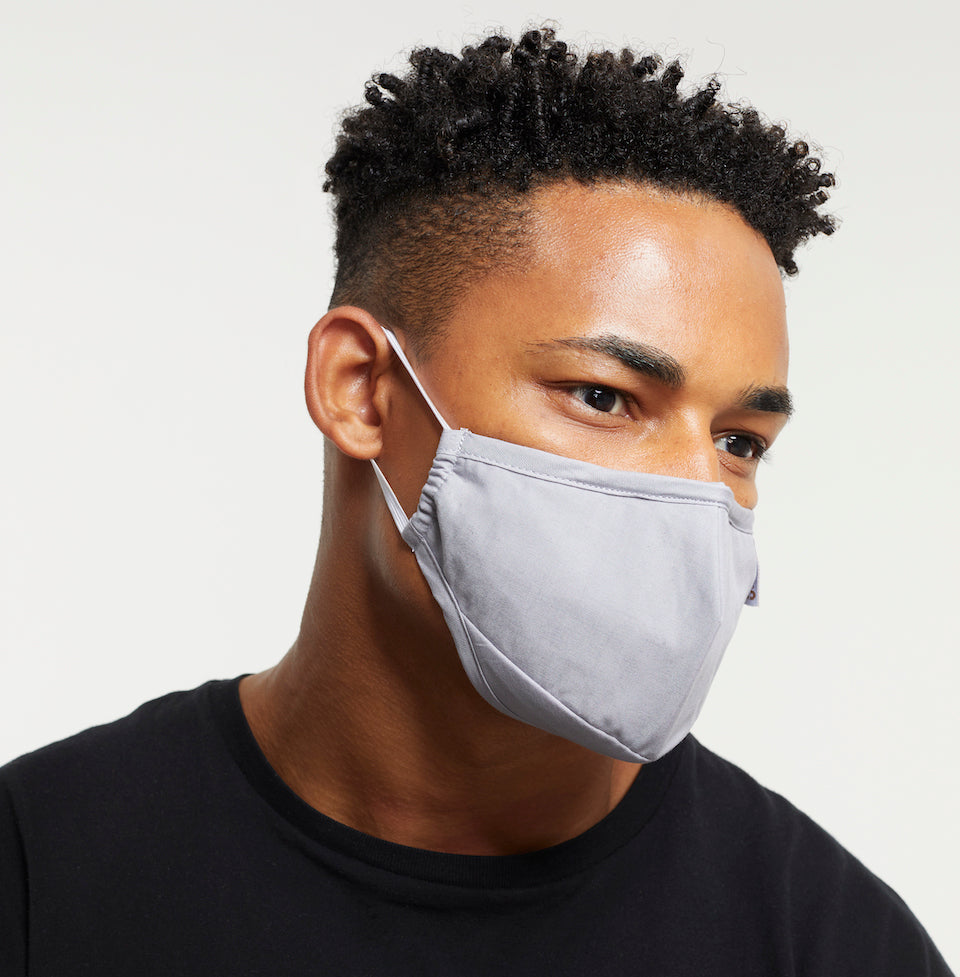
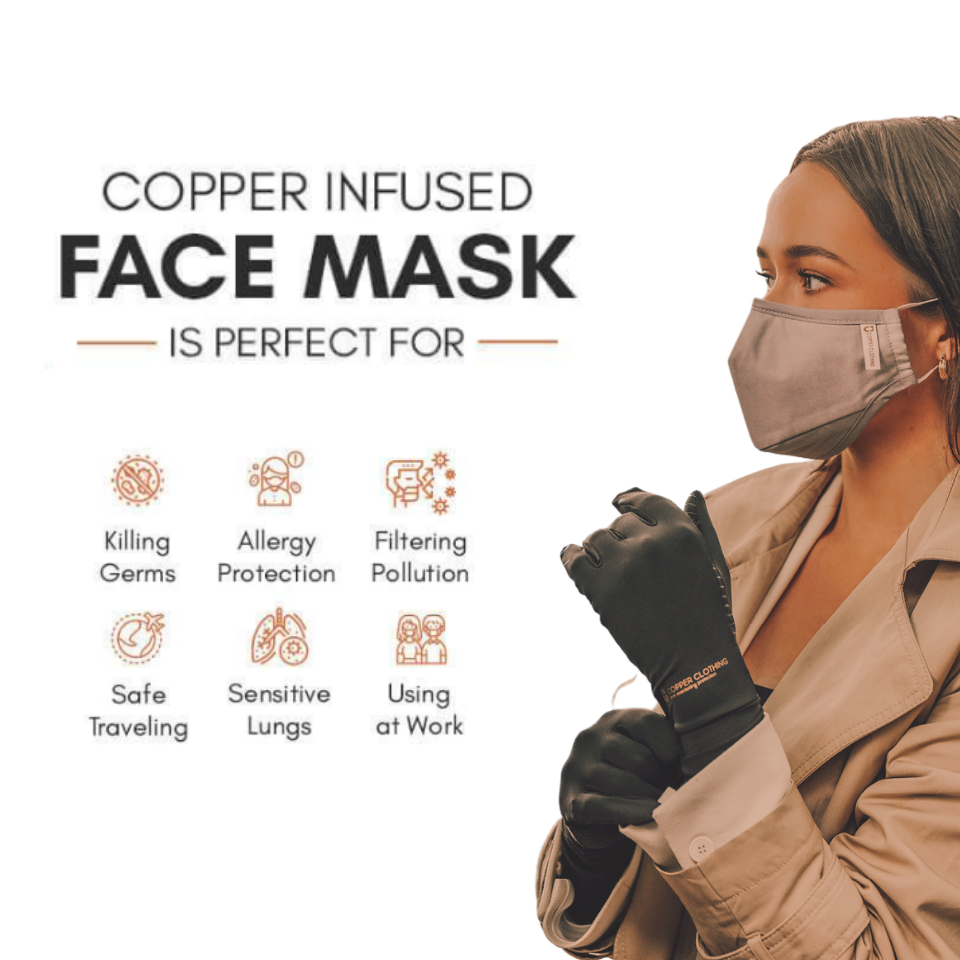
FFP2 CE Four-Layer Copper Infused Face Mask
- Four layers of protection
- Comfortable & washable
- Sale price
- £22.99
- Regular price
- £22.99
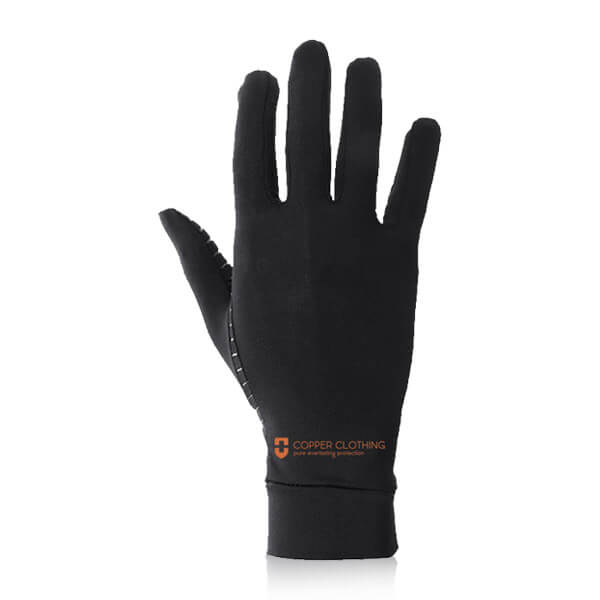
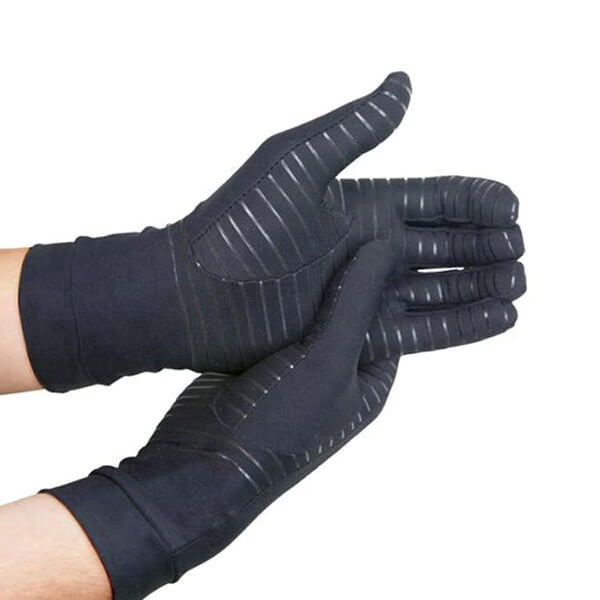
Full Finger Gloves (Copper Gloves)
- Ultimate comfort & flexibility
- Provides warmth and comfort for hands
- Washable
- Sale price
- £22.99
- Regular price
- £22.99
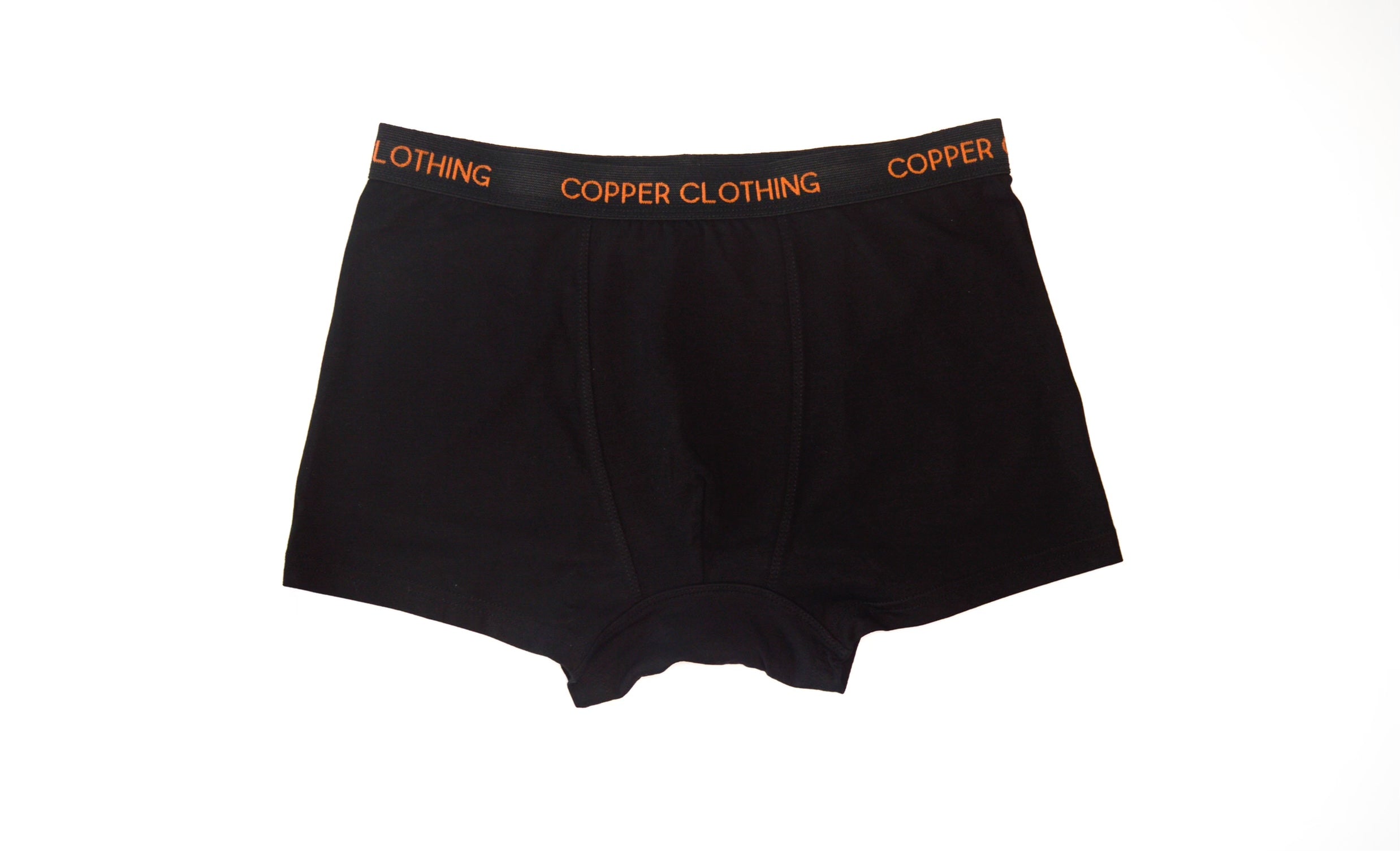
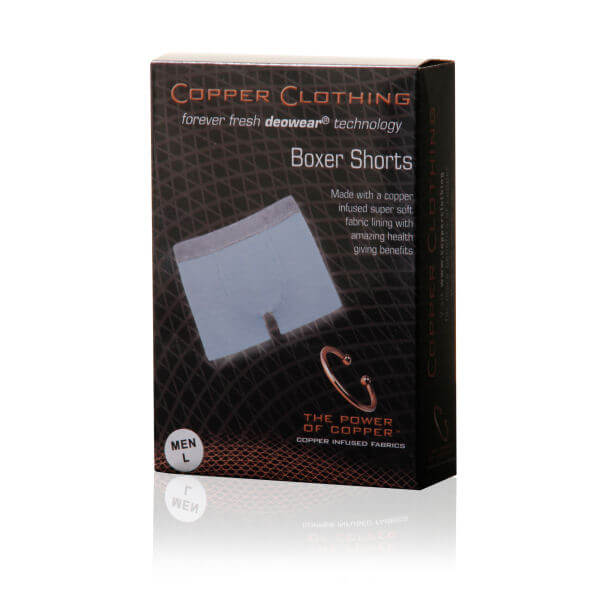
Mens Copper Boxer Shorts
- Luxuriously Soft Cotton & Bamboo (Lenzing Viscose)
- 30% Copper fibre throughout the crotch area
- 5% spandex for comfort throughout
- Perfect Fit Waistband
- Sale price
- £9.99
- Regular price
- £9.99
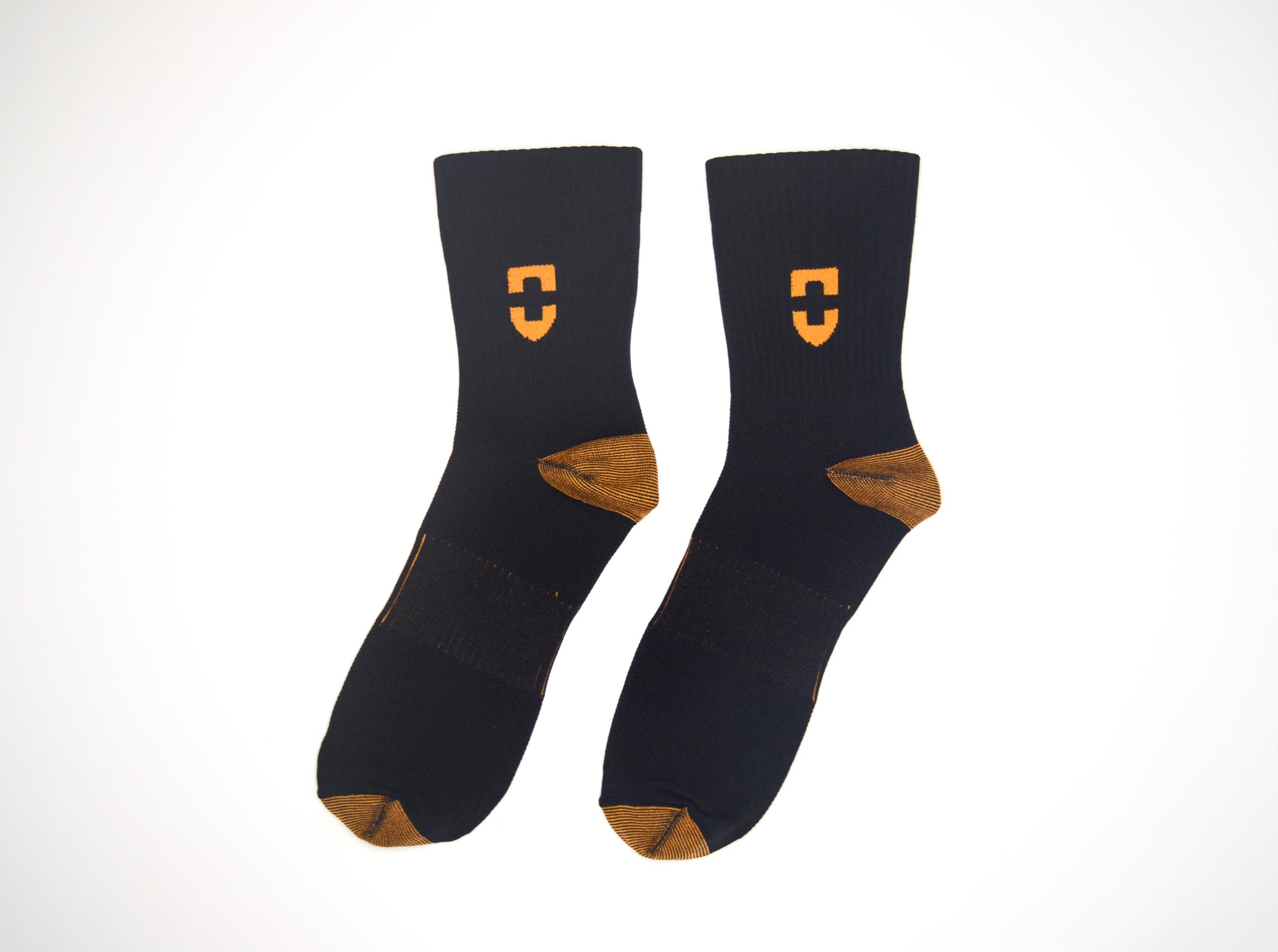
Short Compression Copper Infused Socks
- Breathable Compression Fabric & Comfortable
- 8 - 15mmHg of Compression
- Best travel and flight socks
- Ideal for long day
- Sale price
- £12.99
- Regular price
- £12.99
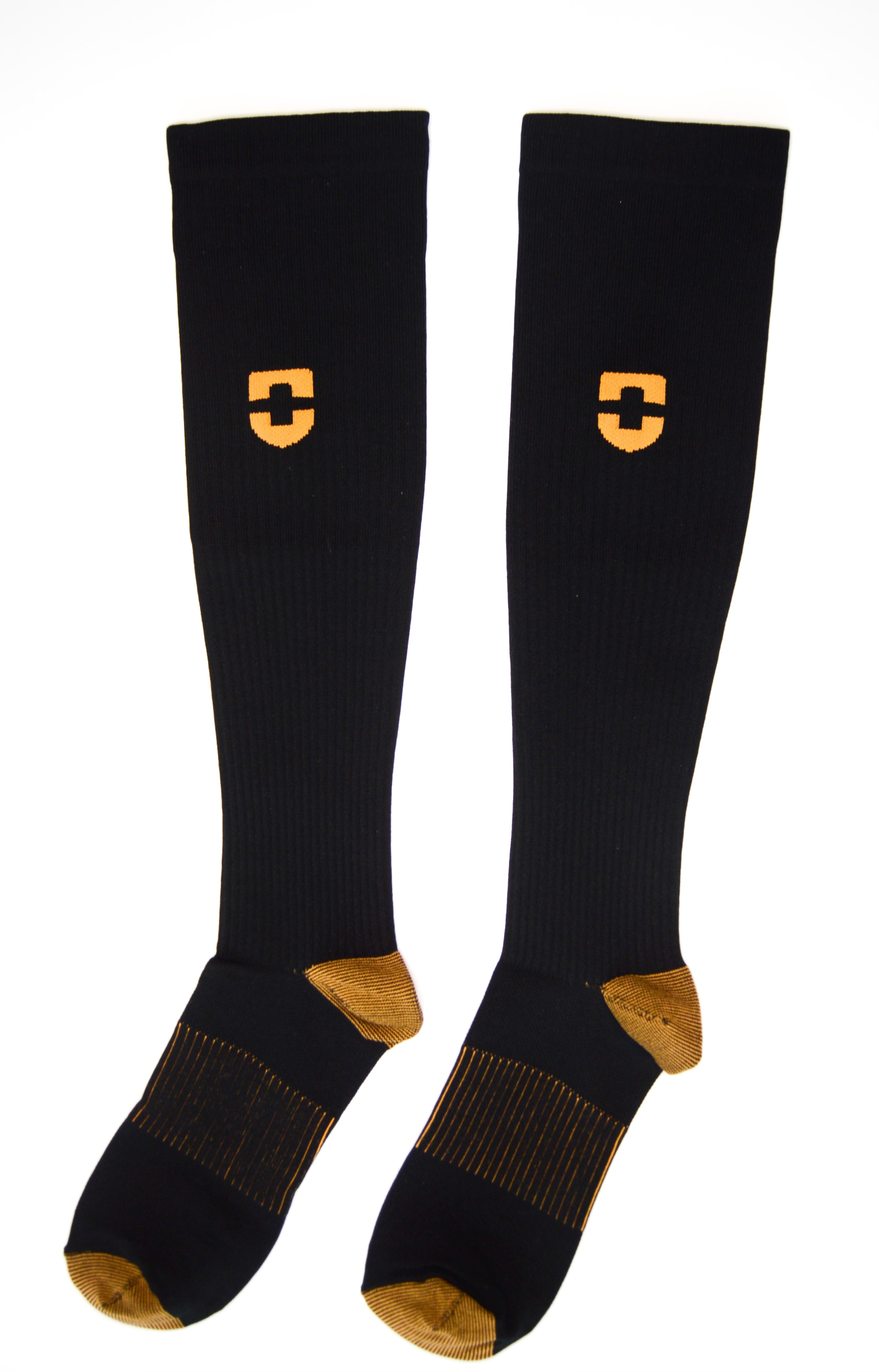
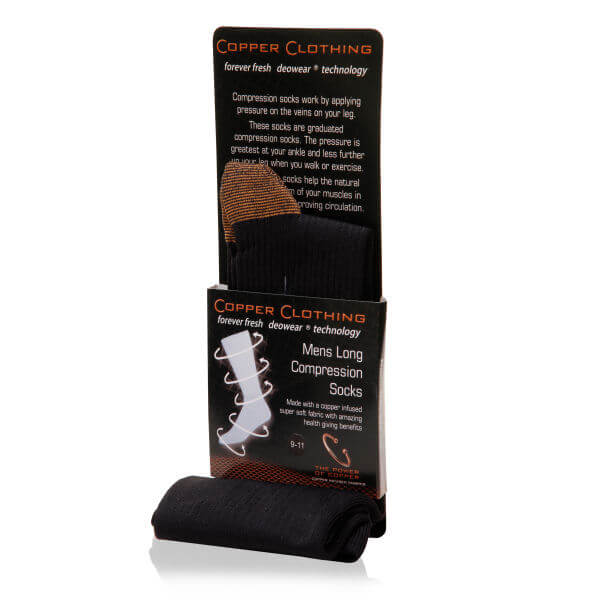
Long Copper Infused Compression Socks
- Breathable Compression Fabric, Comfortable & Durable
- 8 - 15mmHg of Compression
- Best socks for long flights and journey
- Sale price
- £15.99
- Regular price
- £15.99
Ladies Copper Infused Pyjamas
- Luxuriously Soft Cotton & Bamboo
- Ideal for daily wear
- Sale price
- £49.99
- Regular price
- £49.99
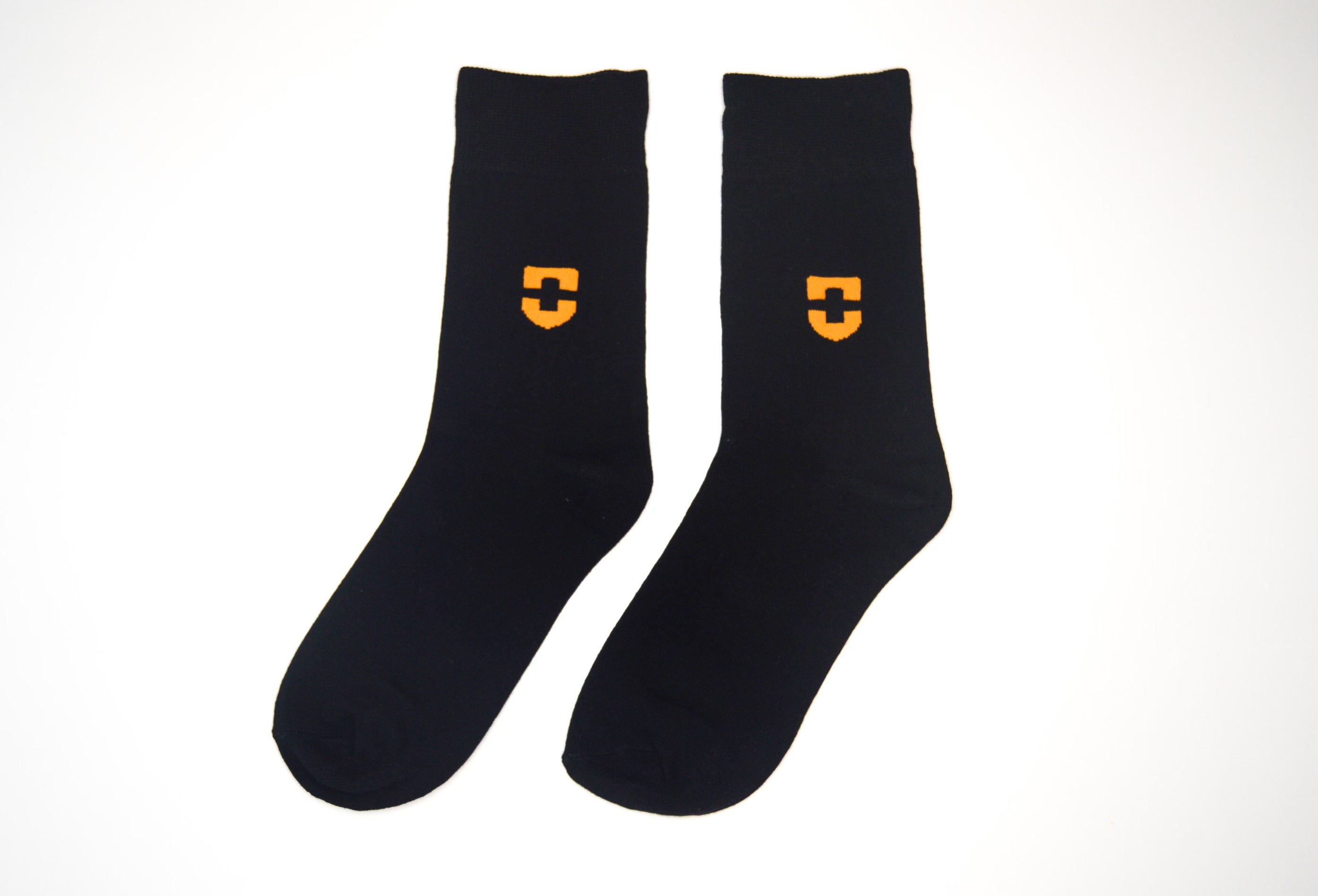
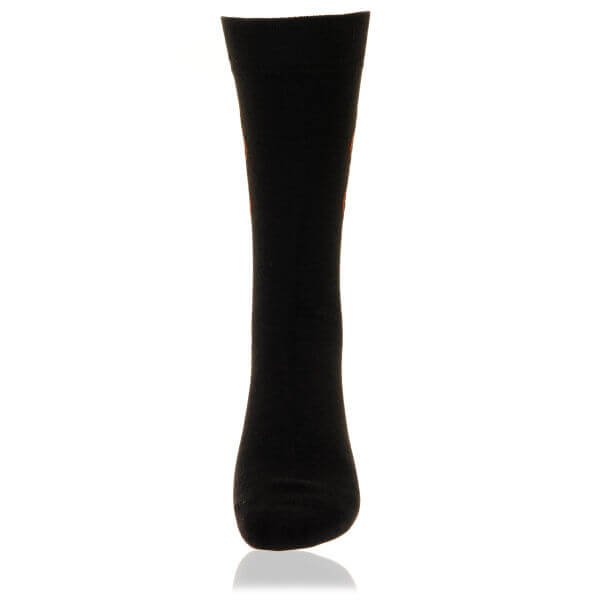
Everyday Copper Infused Socks
- Breathable fabric for comfort
- Ideal for long journey and flights
- Best for full day
- Sale price
- £9.99
- Regular price
- £9.99
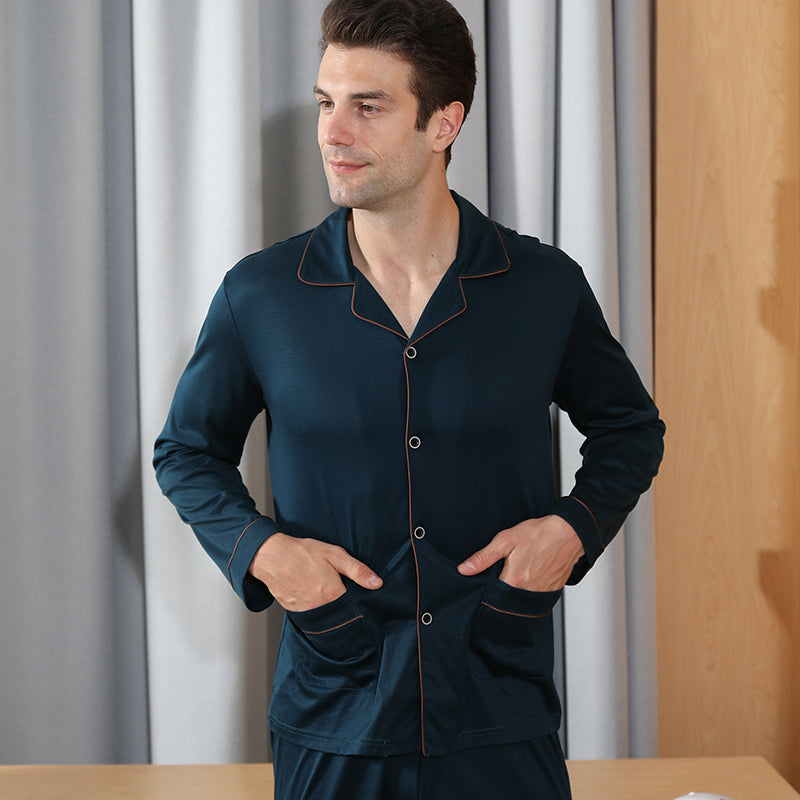
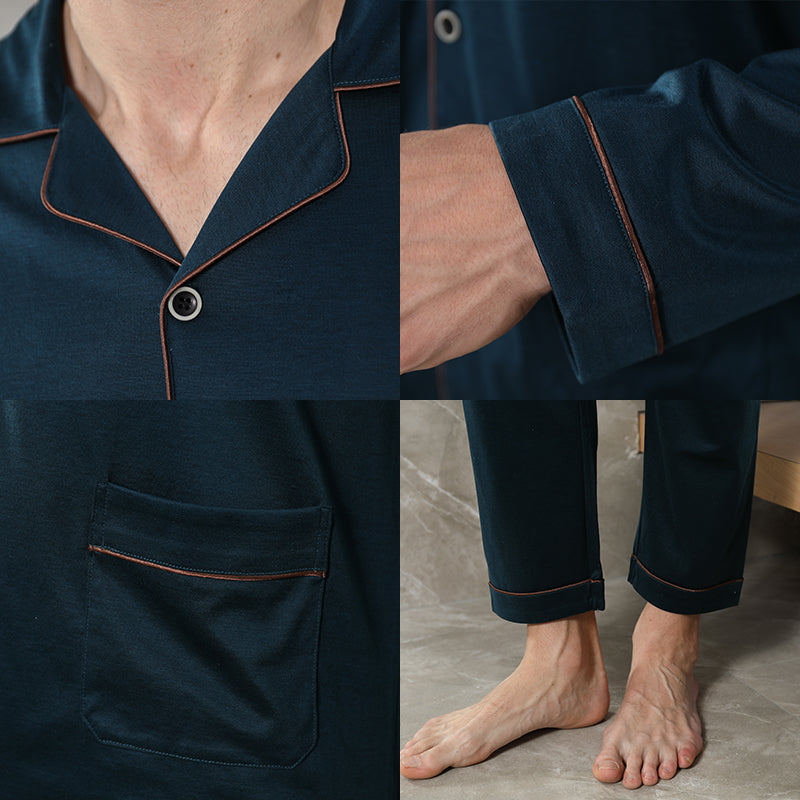
Mens Copper Infused Pyjamas
- Luxuriously Soft Cotton & Bamboo
- Promotes Healthier & Softer Skin
- Sale price
- £54.99
- Regular price
- £54.99
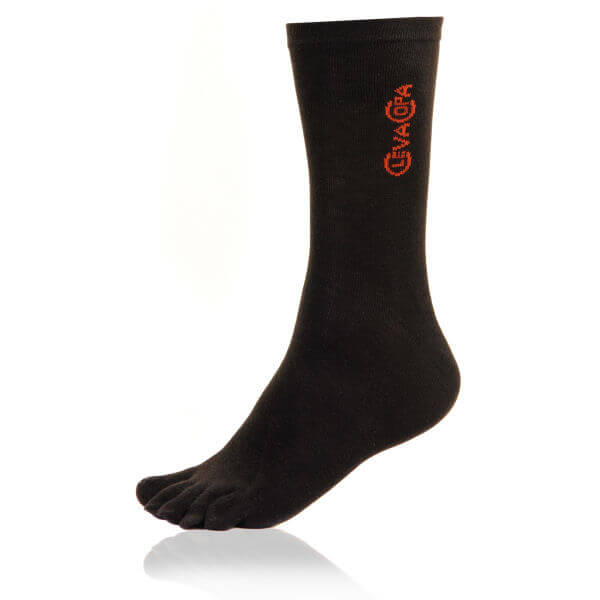
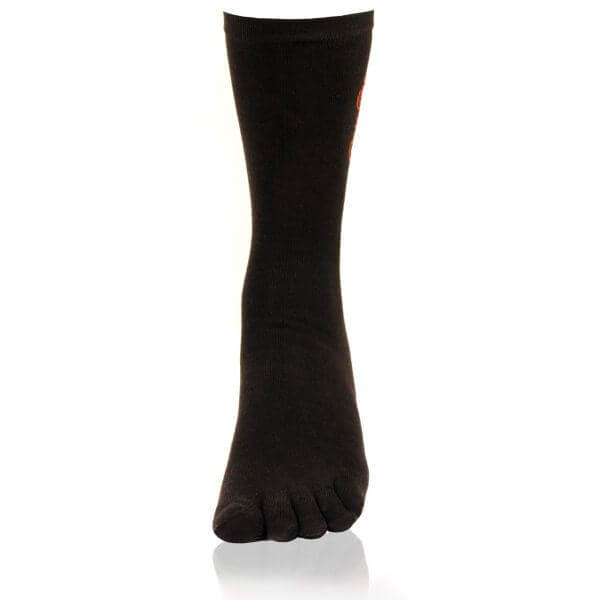
Copper Infused Five Toe Socks
- Promotes Softer Healthier Feet
- Completely Seamless
- Best for long journey and flights
- Sale price
- £14.99
- Regular price
- £14.99
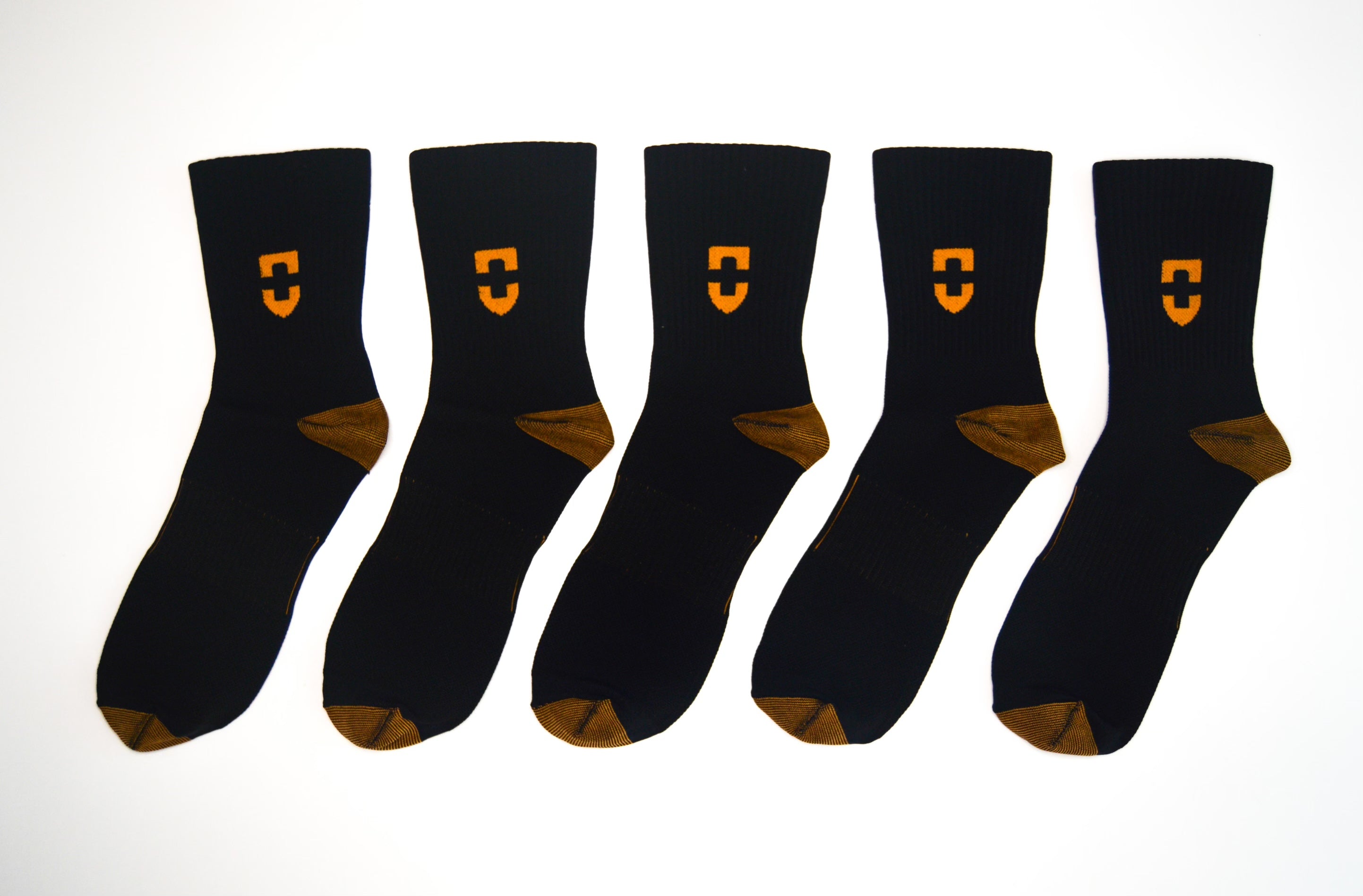
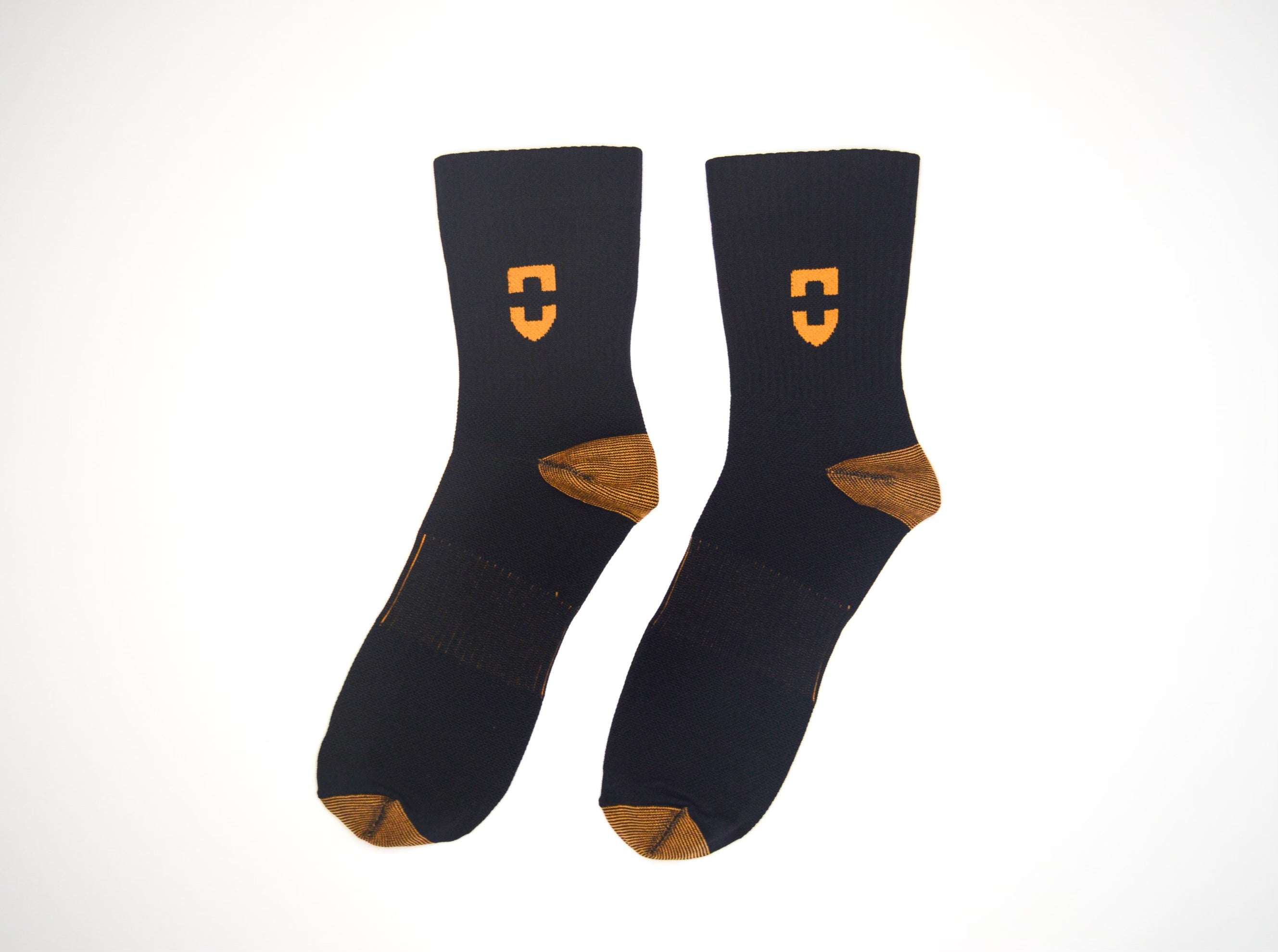
5-Pack Short Compression Copper Infused Socks
- Breathable Compression Fabric & Comfortable
- 8-15mmHg of Compression
- Best socks for long flights and travel
- Sale price
- £59.95
- Regular price
- £64.95
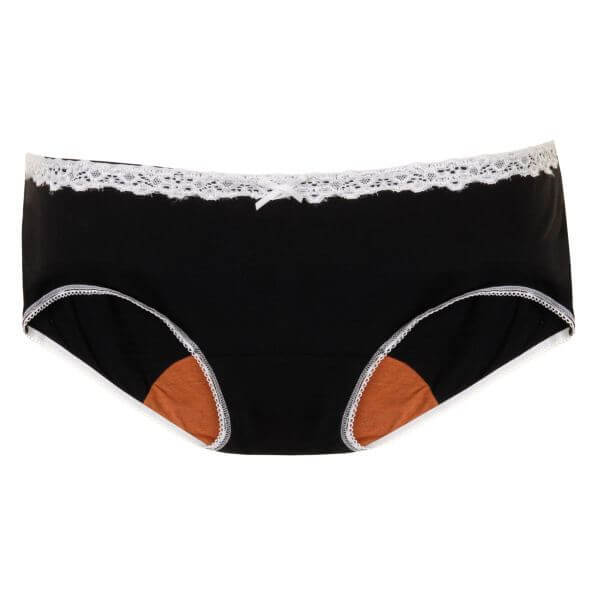
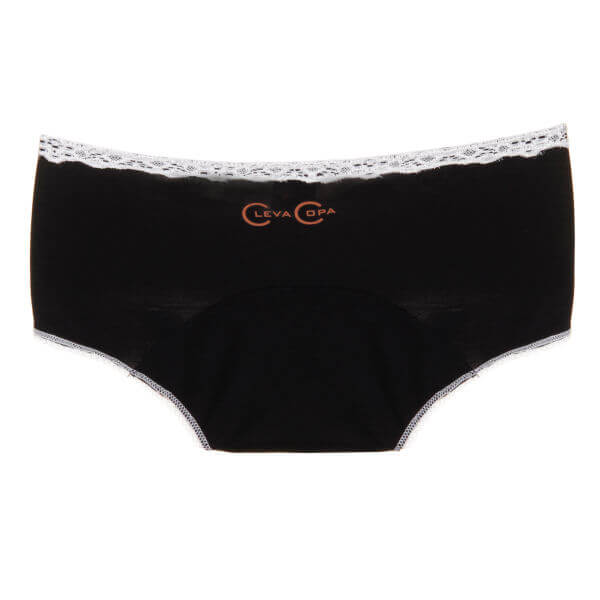
Womens Copper Infused Briefs
- Luxuriously Soft Cotton & Bamboo
- Stays fresh all day long
- Breathable, lightweight & Comfortable
- Sale price
- £9.99
- Regular price
- £9.99
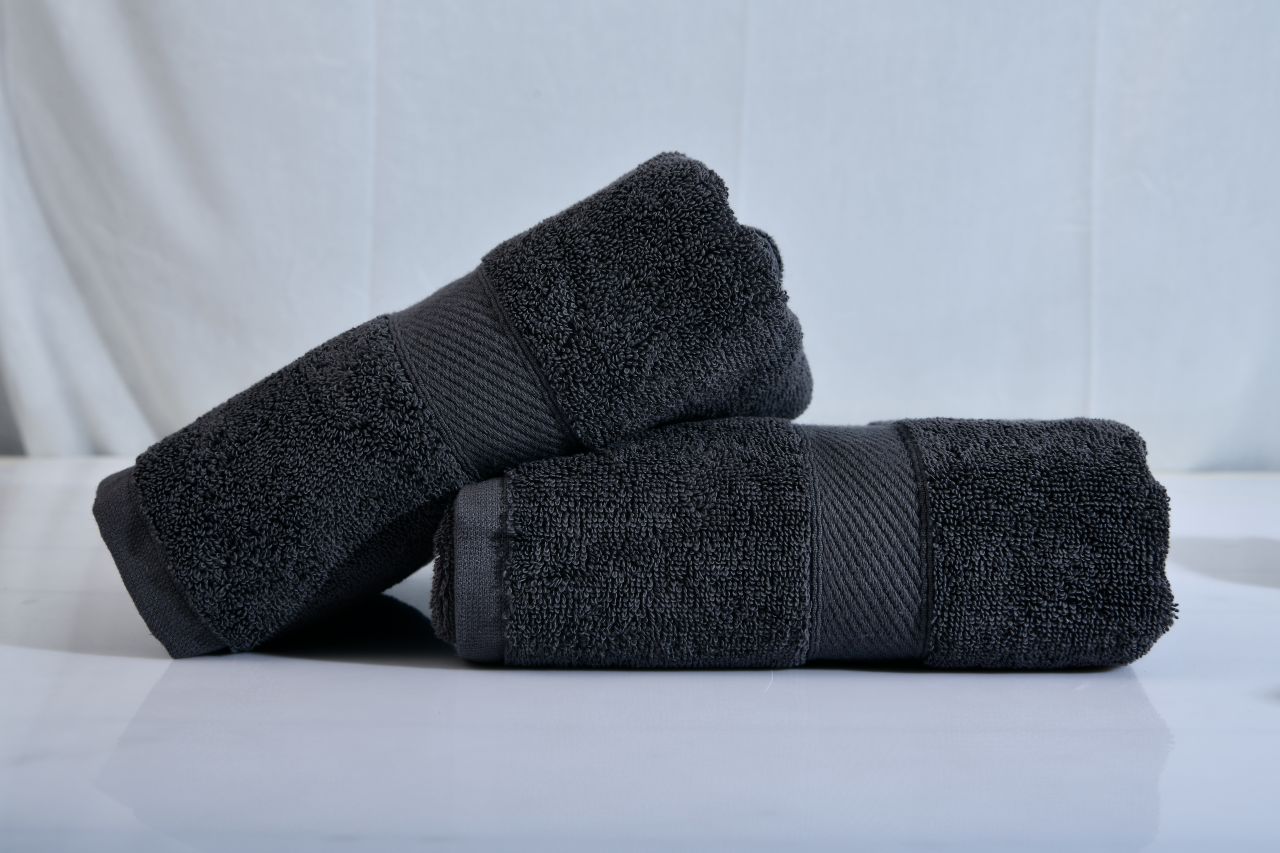
Copper Infused Soft Gym & Bath Towels
- 500 GSM Cotton Cloth
- Soft & Premium
- Lightweight & Durable
- Child and Pet-Friendly
- Sale price
- £19.99
- Regular price
- £19.99

