


Support Socks vs Compression Socks: What’s the Difference?
Author

Rory Donnelly
Published
February 20 2026
If you have ever searched for leg support wear, you have likely come across both support socks and compression socks sitting side by side. They look almost identical on the shelf, but they are built for very different purposes, and choosing the wrong one can mean little relief or, in some cases, unnecessary risk.
In this guide, we break down exactly what each type does, who they are designed for, how compression levels work, and which sock is the right choice for your lifestyle or health condition.
What Are Compression Socks?
Compression socks are specially engineered socks that apply graduated pressure to your legs and feet. The pressure is strongest at the ankle and gradually decreases as the sock moves up the leg toward the knee or thigh. This design works with your body to encourage blood flow back toward the heart, helping prevent blood from pooling in the lower limbs.
Compression socks are available in different pressure levels, ranging from mild everyday support to higher medical-grade compression for circulation-related conditions. The pressure is measured in millimeters of mercury (mmHg), the same unit used to measure blood pressure. Medical grade compression socks are manufactured under strict standards and must meet precise pressure specifications at multiple points along the leg.
How Compression Socks Work?
By gently squeezing the veins, compression socks improve venous return, the movement of blood from the legs back to the heart. This reduces the chances of blood and fluid accumulating in the lower legs and ankles, which is the underlying cause of swelling, heaviness, and conditions like deep vein thrombosis (DVT).
What Are Support Socks?
Support socks are designed to provide overall comfort, mild pressure, and stability to the feet and lower legs. Unlike compression socks, they apply a more uniform and lighter level of pressure throughout; there is no precise graduated compression profile.
They are not classified as medical devices, which means they cannot be prescribed by a doctor or reimbursed by health insurance. However, they are an excellent everyday option for people with healthy veins who want to reduce fatigue and improve comfort during long hours on their feet.
Difference Between Support Socks and Compression Socks
| Feature | Support Socks | Compression Socks |
|---|---|---|
| Purpose | Daily comfort & light leg support | Improve blood circulation & manage vascular conditions |
| Pressure Level | Gentle, uniform pressure | Graduated; tighter at ankle, eases upward |
| Compression Measurement | Not measured in clinical units | Measured in mmHg (e.g. 15–20, 20–30) |
| Medical Use | Not prescribed for conditions | Recommended for varicose veins, DVT, CVI |
| Who Should Wear Them | People on their feet all day, travellers, office workers | Patients, elderly, pregnant women, athletes in recovery |
| Swelling Control | Mild- Daily strain or long sitting | Moderate to severe swelling, fluid buildup |
| Blood Circulation Support | Basic support only | Actively helps veins push blood toward heart |
| Design and Fit | Feels like regular socks, easy on/off | Tighter at ankle, may require donning aid at higher levels |
| Availability | Freely available in retail & online | OTC for low levels; higher levels need medical advice |
| Travel and Work Use | Flights, shifts, walking | Long travel where circulation support is needed |
| Cost Range | Generally more affordable since they offer mild support. | Usually priced higher because of medical-grade compression and specialized design. |
Benefits of Compression Socks
Here are the benefits that compression socks bring in:
-
Improved Circulation and Reduced Pooling
Compression socks apply controlled pressure on the legs, which helps push blood back toward the heart. This reduces the chances of blood and fluid collecting in the lower legs and ankles. Better circulation also supports overall leg health, especially for people who sit or stand for long hours.
-
Reduced Swelling and Edema
Swelling in the feet and ankles usually happens due to fluid buildup in tissues. Compression socks help move this excess fluid out of the affected areas. This leads to reduced inflammation, less heaviness in the legs, and improved day to day comfort.
-
Prevention of Blood Clots (DVT)
Compression socks are often recommended for people who are recovering from surgery or are confined to bed for long periods. They help maintain blood flow, which lowers the risk of deep vein thrombosis. This makes them medically useful in both hospital and home recovery settings.
-
Management of Vein Issues
People dealing with varicose veins, spider veins, or chronic venous insufficiency often experience pain and discomfort. Compression socks provide the pressure needed to support vein function. This reduces aching, visible swelling, and general leg fatigue.
-
Improved Athletic Recovery
Athletes and runners use compression socks to support muscle recovery. The pressure helps reduce post-workout soreness and muscle vibration. It also improves oxygen delivery to muscles, helping the body recover faster after intense activity.
-
Alleviating Orthostatic Hypotension
Some people feel dizzy when they stand up quickly due to sudden blood pressure drops. Compression socks help regulate blood flow during posture changes. This reduces lightheadedness and improves stability while standing or walking.
-
Pregnancy support:
Helps manage swelling and reduces the risk of varicose veins during pregnancy.
Featured product in this article

5-Pack Short Compression Copper Infused Socks
Benefits of Support Socks
Here are the benefits you get with using support socks:-
Improved Circulation
Support socks apply gentle pressure around the feet and ankles. This encourages smoother blood flow from the legs back to the heart. While the pressure is lighter than medical compression socks, it still supports everyday leg comfort.
-
Reduced Swelling and Pain
Long hours of sitting, standing, or travelling can lead to swelling in the lower legs. Support socks help control fluid buildup, which reduces aching and discomfort. This makes daily movement more comfortable.
-
Prevention of Blood Clots
Support socks help keep blood moving through the veins, which lowers the chances of clot formation. They are especially helpful during long flights, road trips, or desk jobs where movement is limited for extended periods.
-
Management of Vein Conditions
People experiencing mild varicose veins or venous insufficiency symptoms can benefit from support socks. They help manage discomfort and reduce visible swelling without the higher pressure levels of medical compression wear.
-
Enhanced Athletic Recovery
Fitness enthusiasts often use support socks after workouts. They help improve circulation and assist in removing metabolic waste from tired muscles. This results in reduced soreness and quicker recovery time.
-
Improved Comfort
Support socks are widely used by professionals who stay on their feet all day, such as retail workers, healthcare staff, and hospitality employees. They reduce leg fatigue and provide cushioning comfort, making long work hours easier on the body.
Medical Applications: When to Get Serious
Compression socks are not just comfort wear or sports accessories. In many cases, they are medical devices designed to support circulation and manage specific health conditions. Knowing when compression socks are medically necessary helps people make safer and more informed choices.
Who Should Wear Compression Socks?
Compression socks are particularly beneficial for:
- People with varicose veins or chronic venous insufficiency
- Those recovering from surgery or managing post-operative swelling
- Individuals at risk of or diagnosed with DVT (deep vein thrombosis)
- Pregnant women experiencing leg swelling
- Frequent travellers on long-haul flights
- People who stand or sit for long hours at work (nurses, teachers, office workers)
- Athletes seeking faster post-workout recovery
- Individuals managing lymphedema or edema
Important: Compression socks are not safe for everyone. People with peripheral artery disease, heart failure, or severe neuropathy may face serious risks when using medical-grade compression. The pressure can restrict blood flow or worsen existing conditions. Before using medical compression socks, it is always best to consult a qualified healthcare provider who can recommend the correct type and pressure level.
Who Should Wear Support Socks?
- People with healthy veins who want everyday comfort
- Those who spend long hours standing or walking without a specific medical condition
- Runners and athletes looking for impact cushioning and arch support
- People prone to mild foot or leg fatigue after a full day
- Anyone wanting a comfortable, supportive sock for travel or leisure
Enjoy compression benefits with Copper Compression Socks.
Shop Copper Compressions now!The Bottom Line: Which One Do You Need?
If you are in good health and simply want to reduce leg fatigue during a long day at work, a walk, or a flight, support socks are likely all you need. They offer comfort, cushioning, and mild pressure without requiring any medical consideration.
If you have a diagnosed circulatory condition, are recovering from surgery, are pregnant, or frequently experience leg swelling, compression socks are the more appropriate and effective choice. The key is selecting the right pressure level, and for anything above 20 mmHg, speaking to your doctor first.
Whichever option you choose, copper-infused fibres add an extra layer of benefit, helping keep your socks fresher, reducing odour, and supporting skin health over time.
FAQs
-
What is the main difference between support socks and compression socks?
Support socks apply a uniform, lighter level of pressure across the leg for general comfort and mild fatigue relief. Compression socks deliver graduated pressure, strongest at the ankle and decreasing up the leg, designed to actively improve circulation and treat medical conditions like varicose veins, DVT, and post-surgical swelling.
-
Can I wear compression socks every day?
Light compression socks (15–20 mmHg) can be worn daily by most people without a medical condition and are suitable for work, travel, and exercise. For higher compression levels (20 mmHg and above), follow your doctor's guidance, particularly if you have cardiovascular or arterial conditions.
-
Who should NOT wear compression socks?
Compression socks may be harmful for people with peripheral artery disease (PAD), severe neuropathy, heart failure, or cellulitis. Some individuals with skin allergies to compression materials may also be at risk. Always consult a healthcare professional if you have any of these conditions before using compression wear.
-
Do I need a prescription for compression socks?
Light to moderate compression socks (up to around 20 mmHg) are available over the counter. Higher levels, 20–30 mmHg and above, are typically recommended or prescribed by a doctor, especially when intended to treat medical conditions. Medical-grade compression socks are often covered by insurance when prescribed.
-
How long do compression socks last?
Most quality compression socks should be replaced every 3–6 months with daily use. Over time, the elastic fibres lose their tension, and the sock will no longer deliver accurate graduated pressure. Wash them gently and air dry to extend their lifespan.
-

How to Recover After a Marathon
September 24, 2026
-

Walking vs Running: Which Is Better for You?
September 18, 2026
-

Compression Socks for Flat Feet: Do They Rea...
September 11, 2026
-

Travel Essentials for Women: The Ultimate Pa...
September 08, 2026
-

Should you wash new sheets before using them?
August 27, 2026


Popular Products
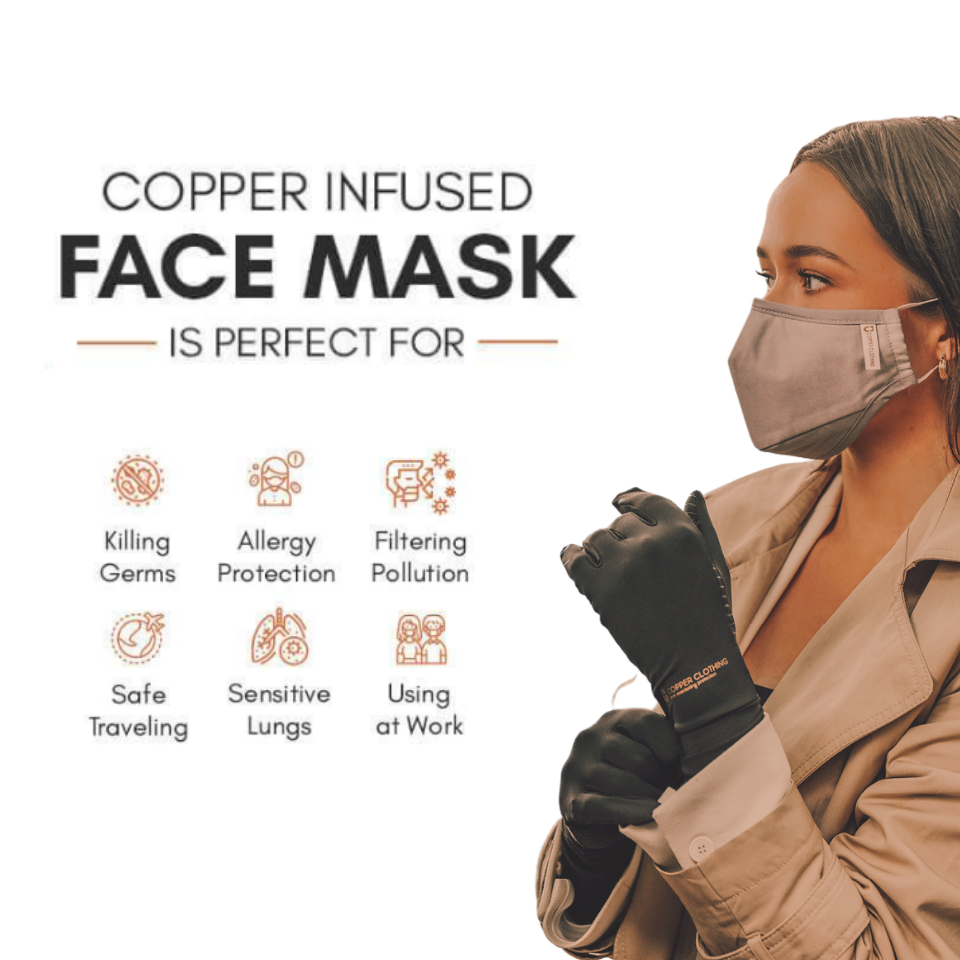
FFP2 CE Four-Layer Copper Infused Face Mask
- Four layers of protection
- Comfortable & washable
- Sale price
- £22.99
- Regular price
- £22.99
Full Finger Gloves (Copper Gloves)
- Ultimate comfort & flexibility
- Provides warmth and comfort for hands
- Washable
- Sale price
- £22.99
- Regular price
- £22.99
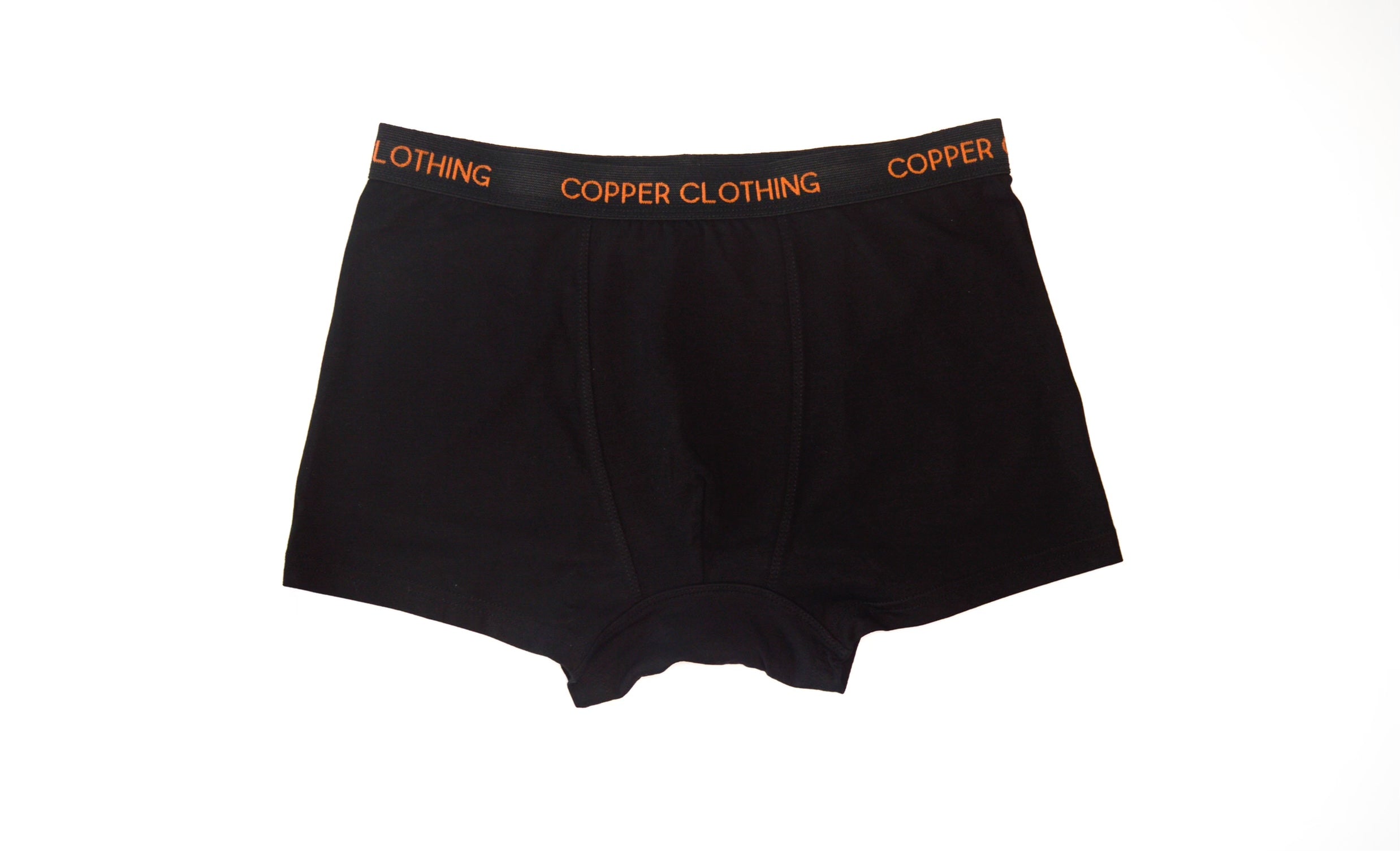
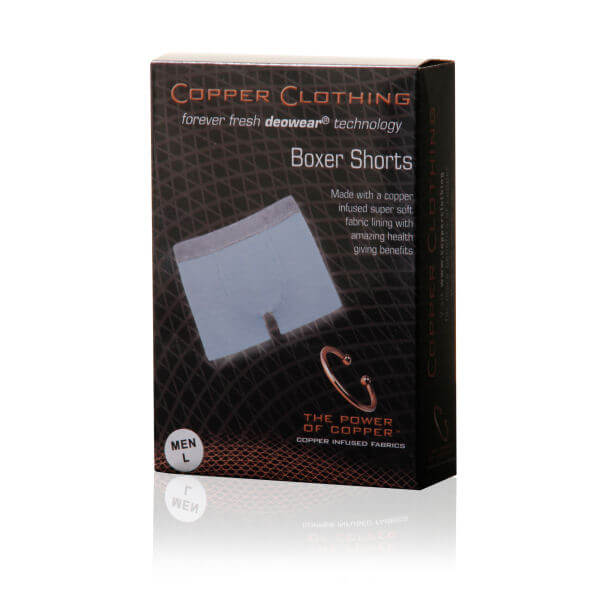
Men’s Copper Boxer Shorts – Soft, Breathable Underwear for Everyday Comfort
- Soft cotton & bamboo blend
- Breathable & lightweight feel
- Stretch comfort for daily movement
- Sale price
- £9.99
- Regular price
- £9.99
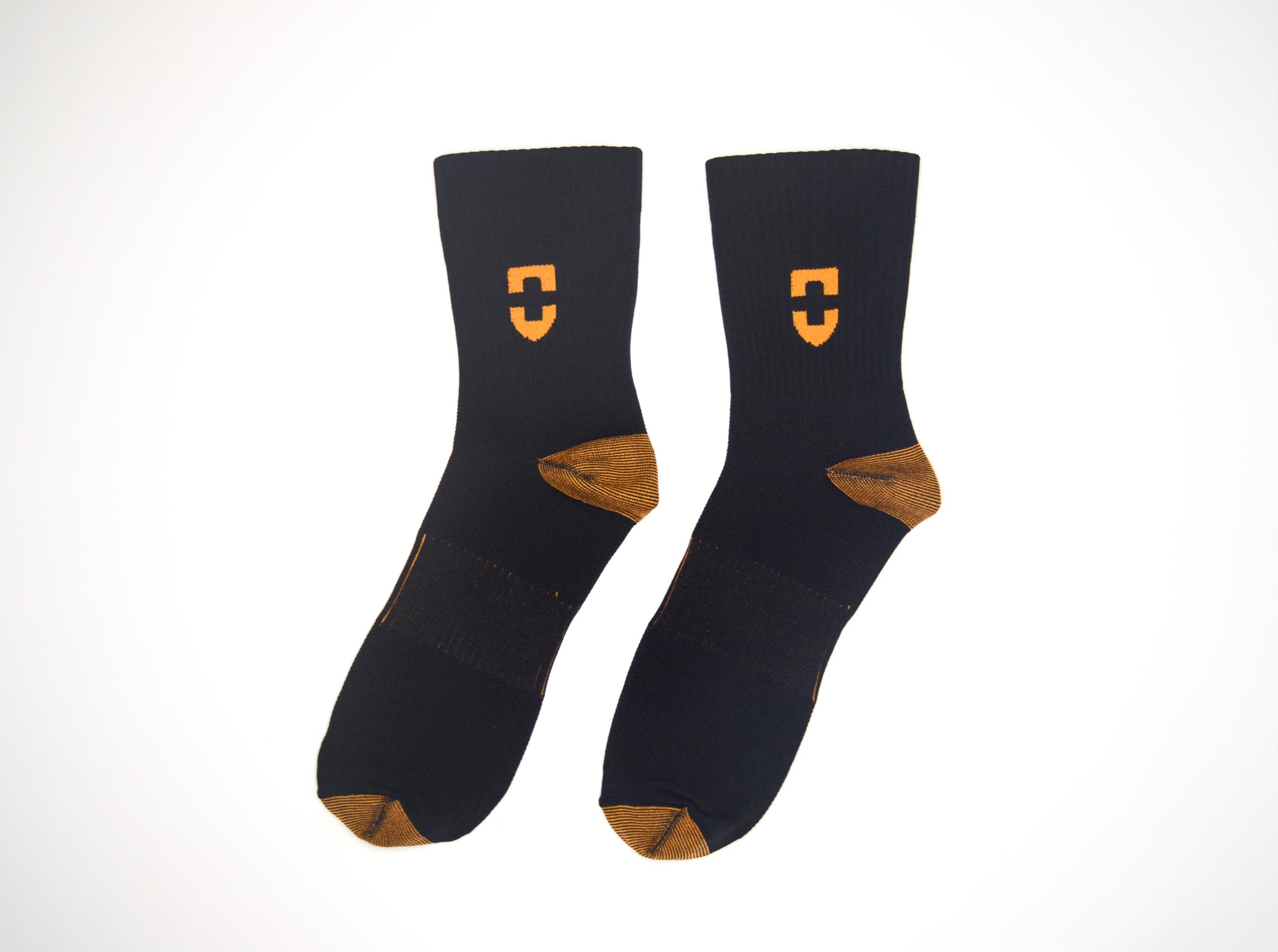
Short Compression Copper Infused Socks
- Breathable Compression Fabric, Comfortable & Durable
- 8 - 15mmHg of Compression
- Best socks for long flights and journey
- Sale price
- £12.99
- Regular price
- £12.99
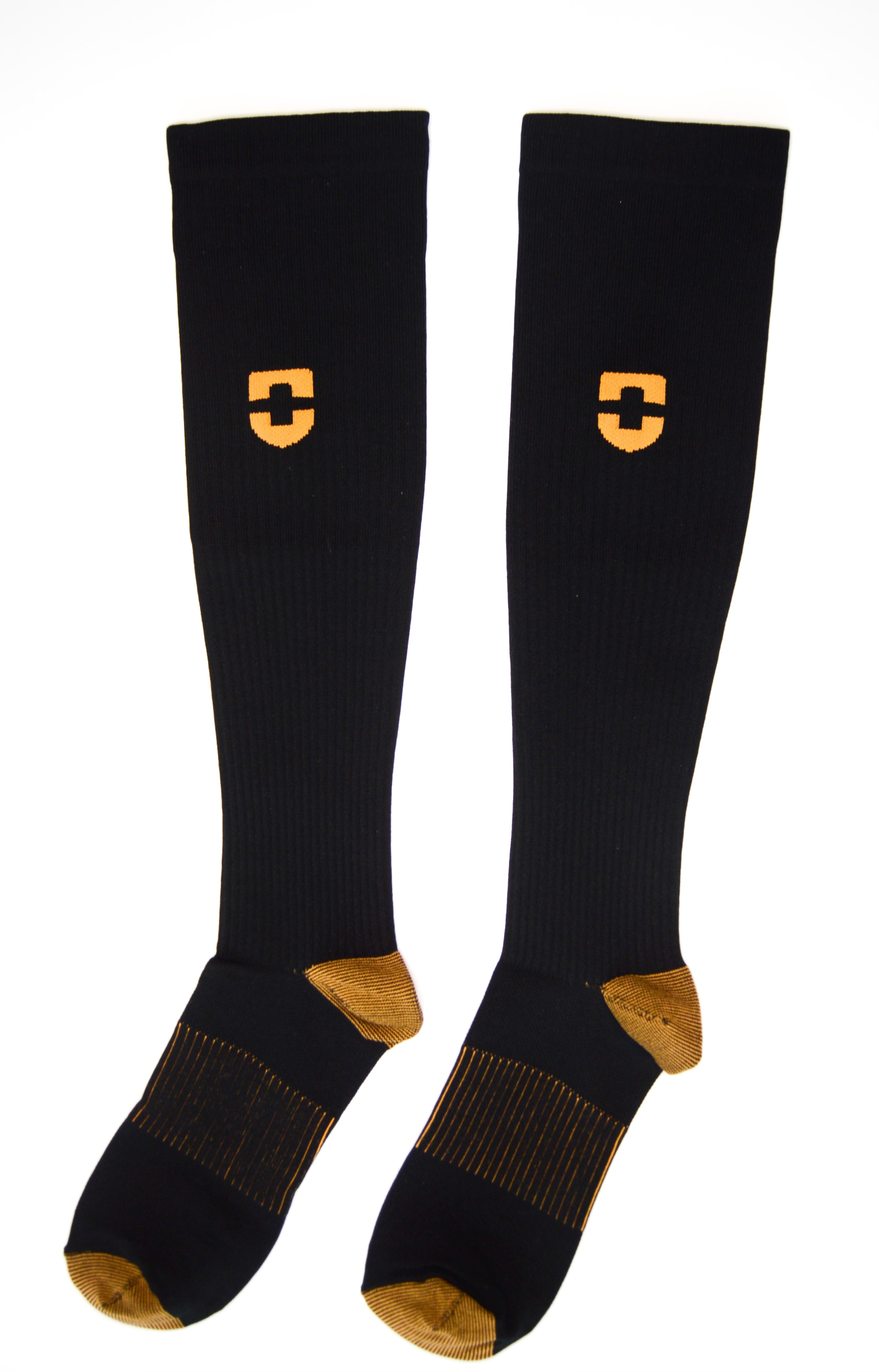
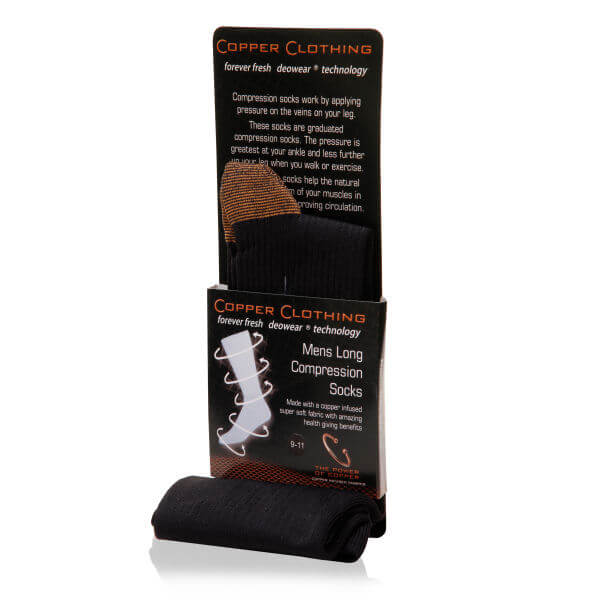
Long Copper Infused Compression Socks
- Breathable Compression Fabric, Comfortable & Durable
- 8 - 15mmHg of Compression
- Best socks for long flights and journey
- Sale price
- £15.99
- Regular price
- £15.99
Ladies Copper Infused Pyjamas
- Luxuriously Soft Cotton & Bamboo
- Ideal for daily wear
- Sale price
- £49.99
- Regular price
- £49.99
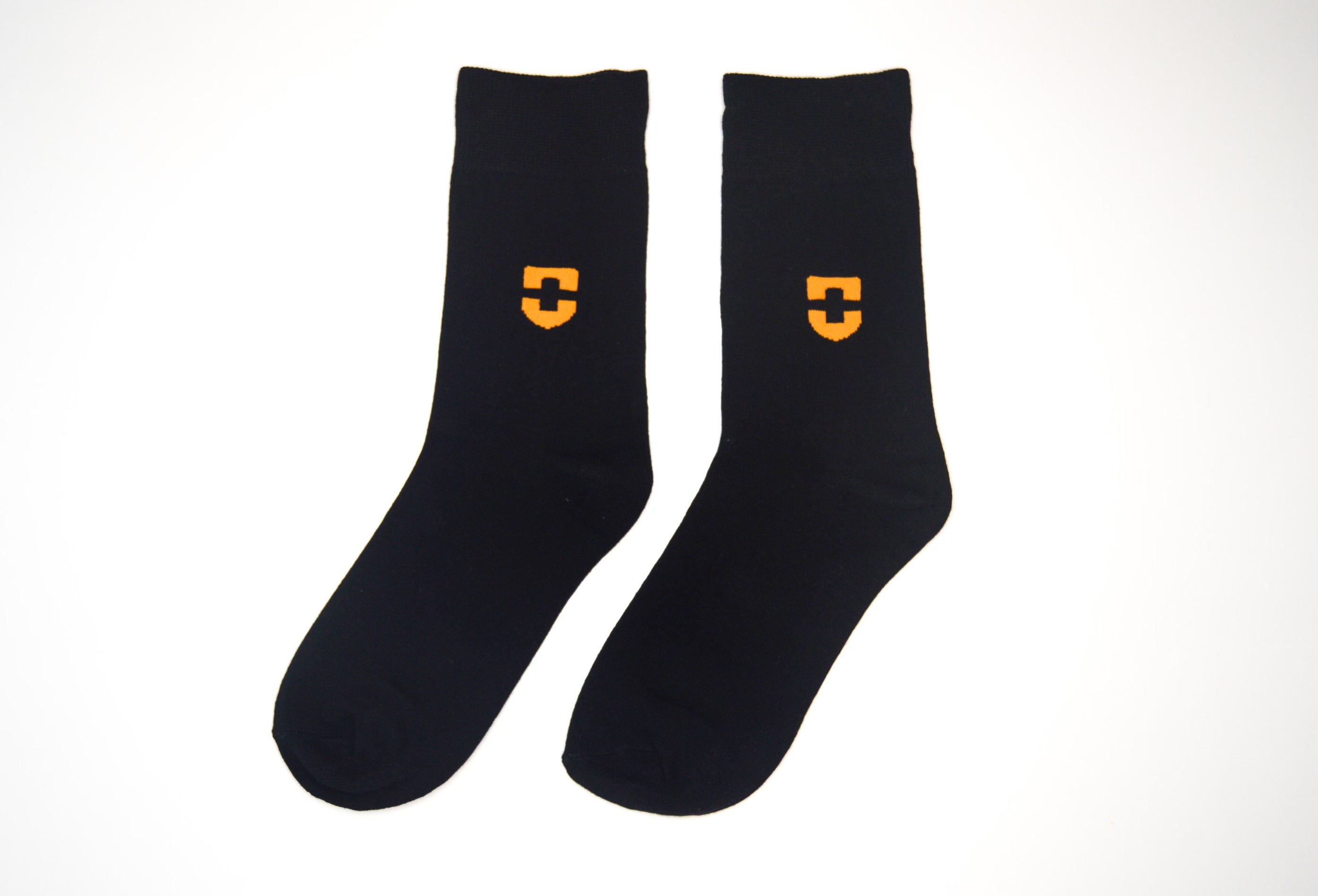
Everyday Copper Socks – Soft, Breathable Socks for Daily Comfort
- Soft & breathable fabric
- Comfortable for long-hour wear
- Lightweight everyday fit
- Sale price
- £9.99
- Regular price
- £9.99
Mens Copper Infused Pyjamas
- Luxuriously Soft Cotton & Bamboo
- Promotes Healthier & Softer Skin
- Sale price
- £54.99
- Regular price
- £54.99
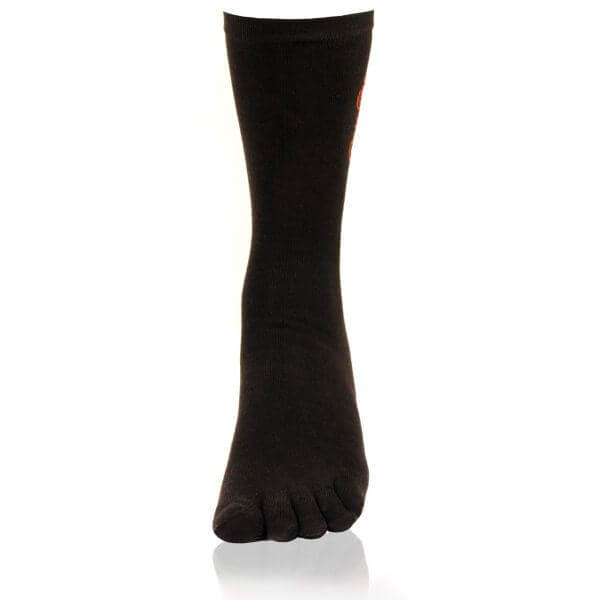
Copper Infused Five Toe Socks
- Promotes Softer Healthier Feet
- Completely Seamless
- Best for long journey and flights
- Sale price
- £14.99
- Regular price
- £14.99
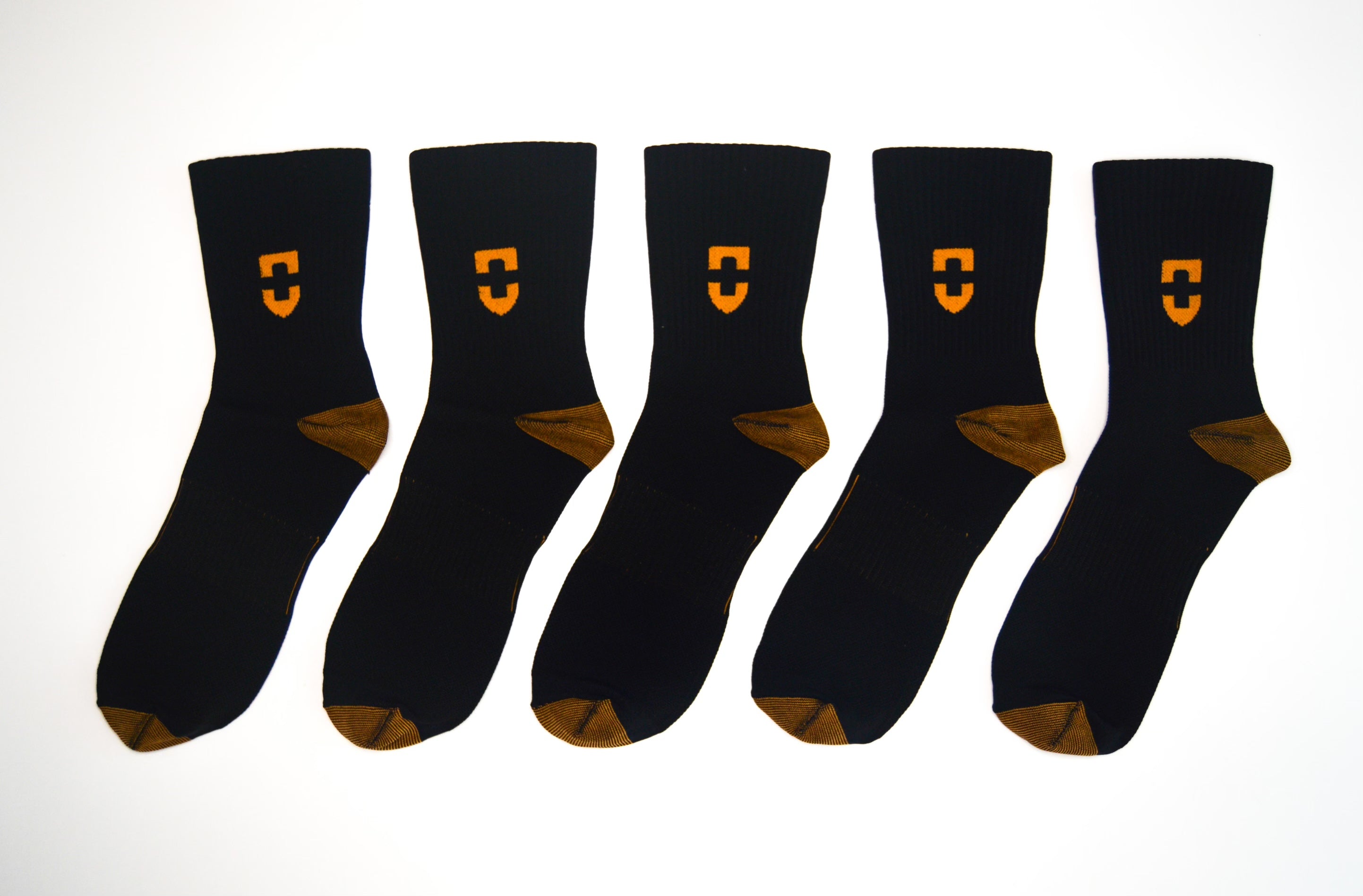
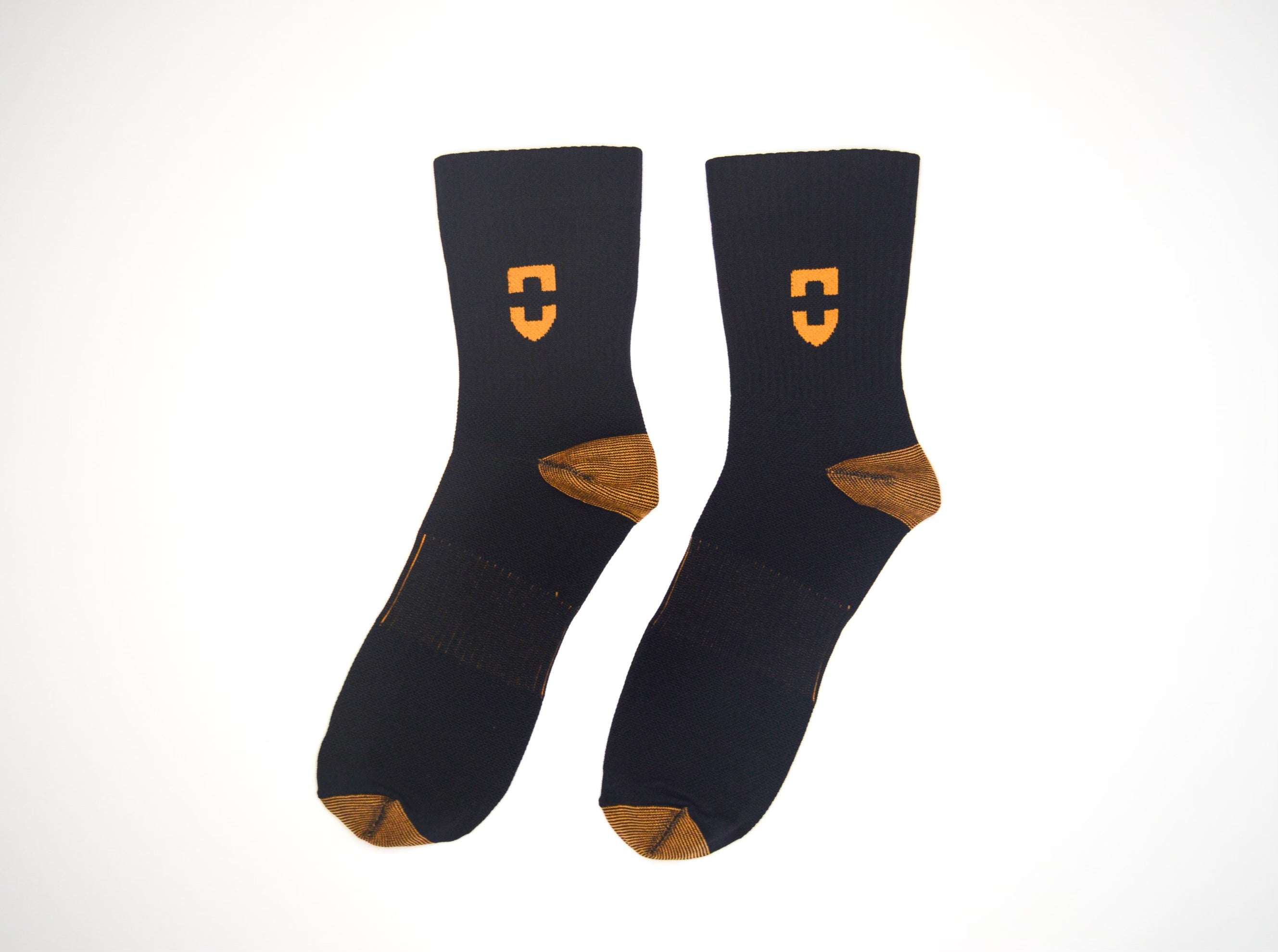
5-Pack Short Compression Copper Infused Socks
- Breathable Compression Fabric & Comfortable
- 8-15mmHg of Compression
- Best socks for long flights and travel
- Sale price
- £59.95
- Regular price
- £64.95
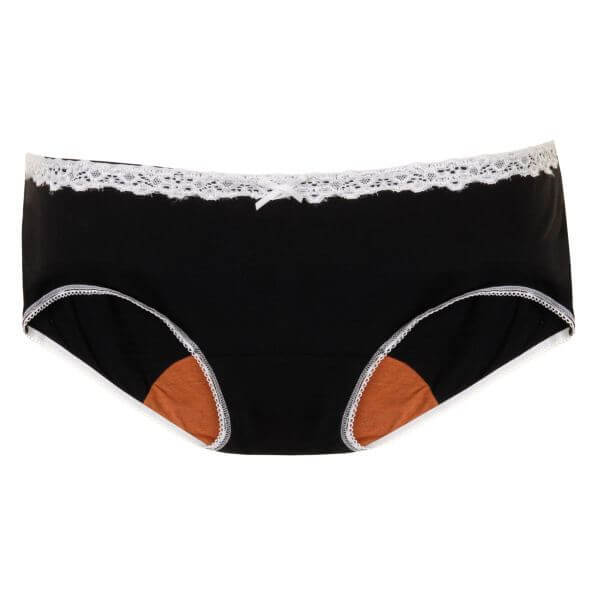
Womens Copper Infused Briefs
- Soft cotton & bamboo blend
- Breathable lightweight feel
- Flexible everyday comfort
- Sale price
- £9.99
- Regular price
- £9.99
Copper Infused Bath & Gym Towel — 500 GSM Premium Cotton
- 500 GSM Cotton Cloth
- Soft & Premium
- Lightweight & Durable
- Child and Pet-Friendly
- Sale price
- £19.99
- Regular price
- £19.99

